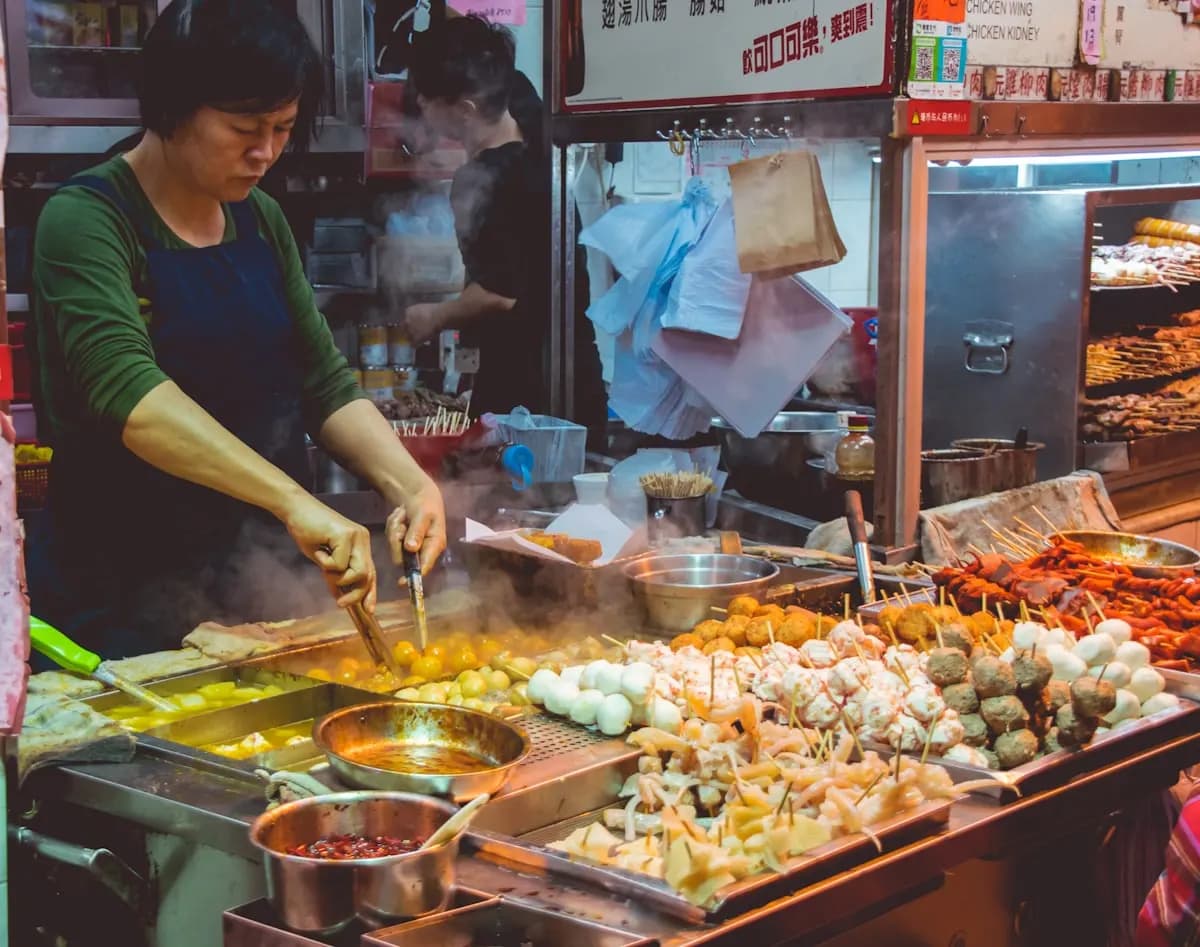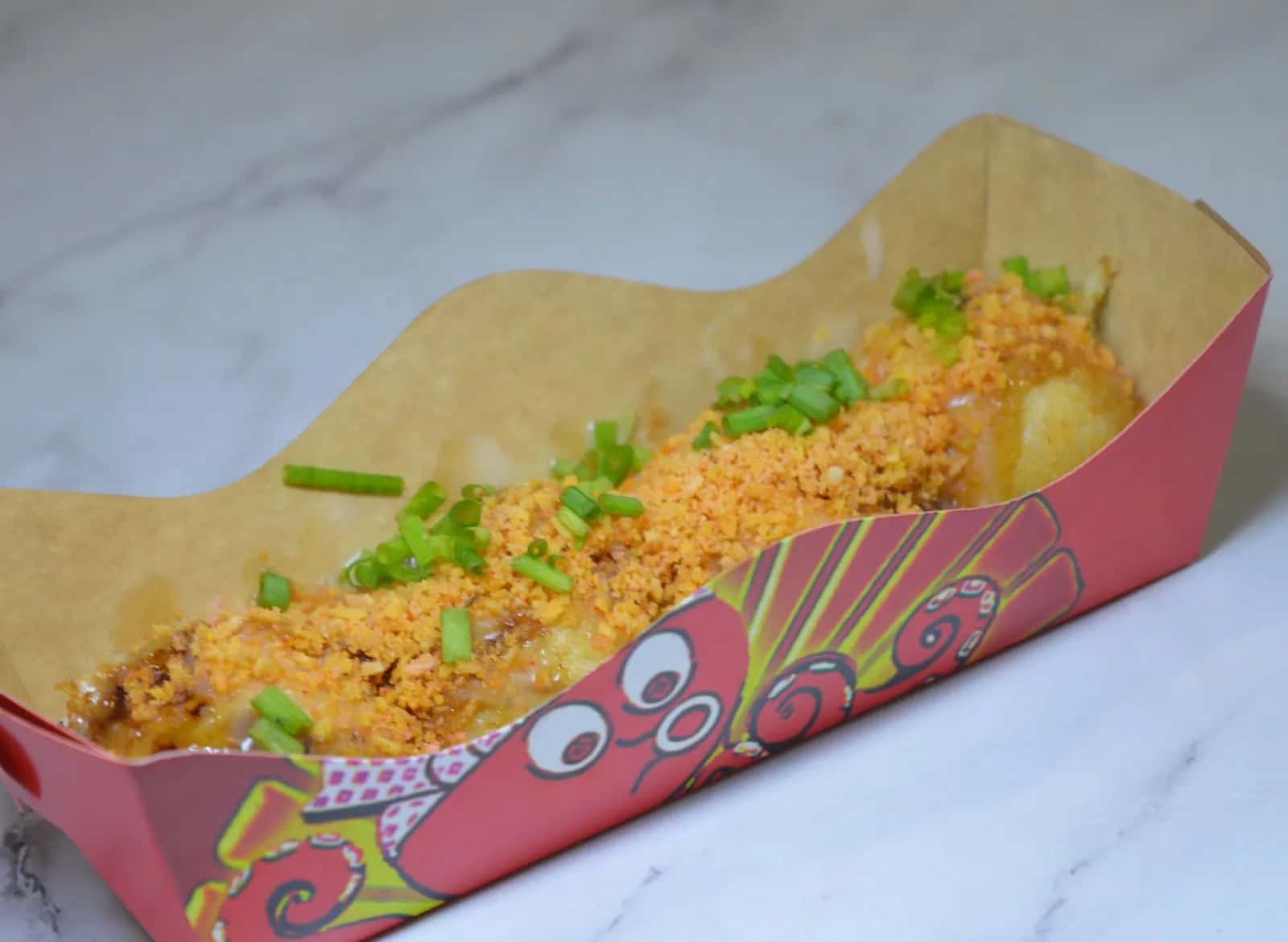
TK Takoyaki
Takoyaki & Japanese Snacks
- Franchise fee
- ₱45k
- Total investment
- ₱60k–₱200k
🎁 Start Your 1 Month Free Trial of the Full Plan, Exclusively for Brands & Advisors.Get Started
Browse 24 food & beverage franchises up to ₱200k, with investments from ₱138k to ₱194k, franchise fees mostly between ₱30k and ₱111k, and most paying back in 4 to 12 months.
Updated
Takoyaki & Japanese Snacks
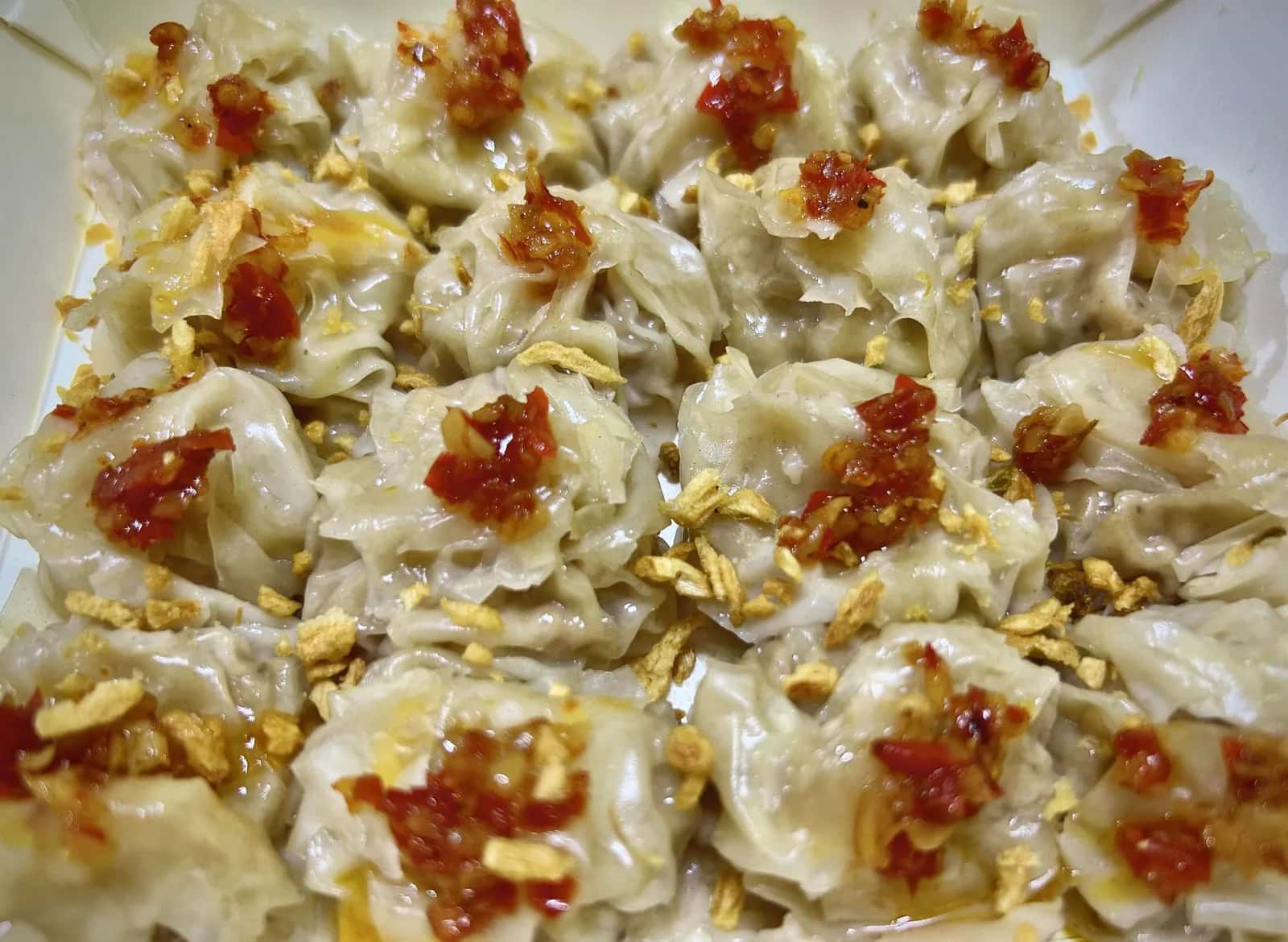
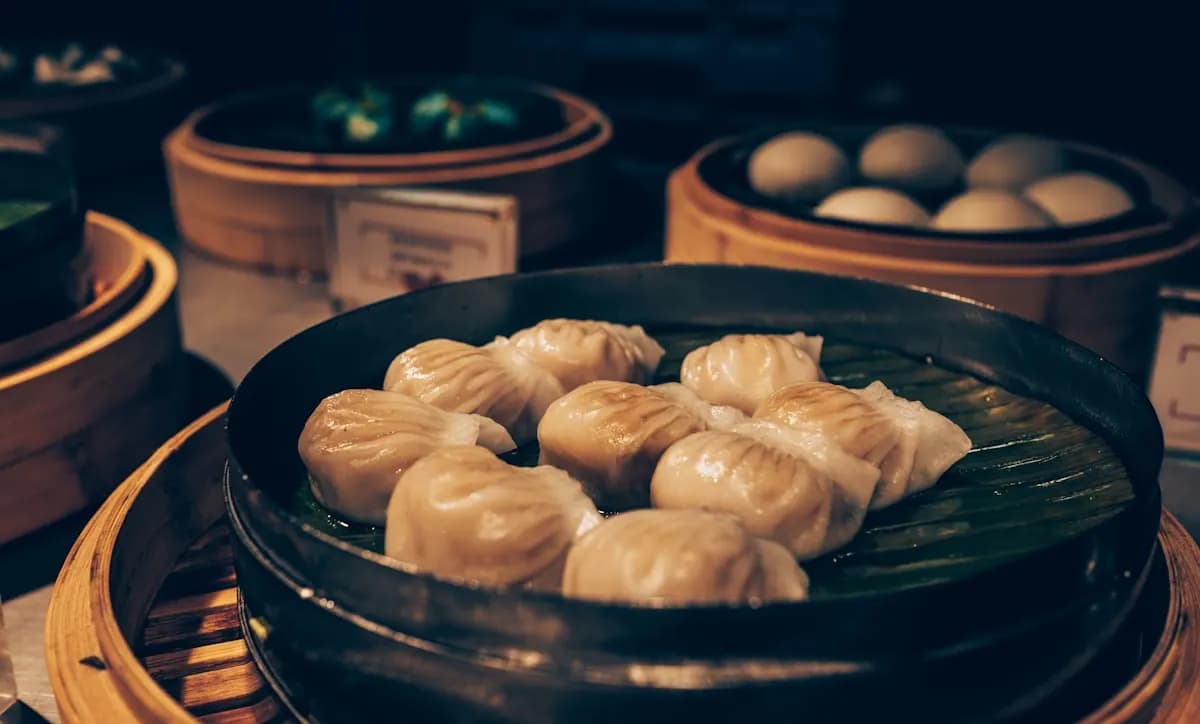
Siomai & Dimsum
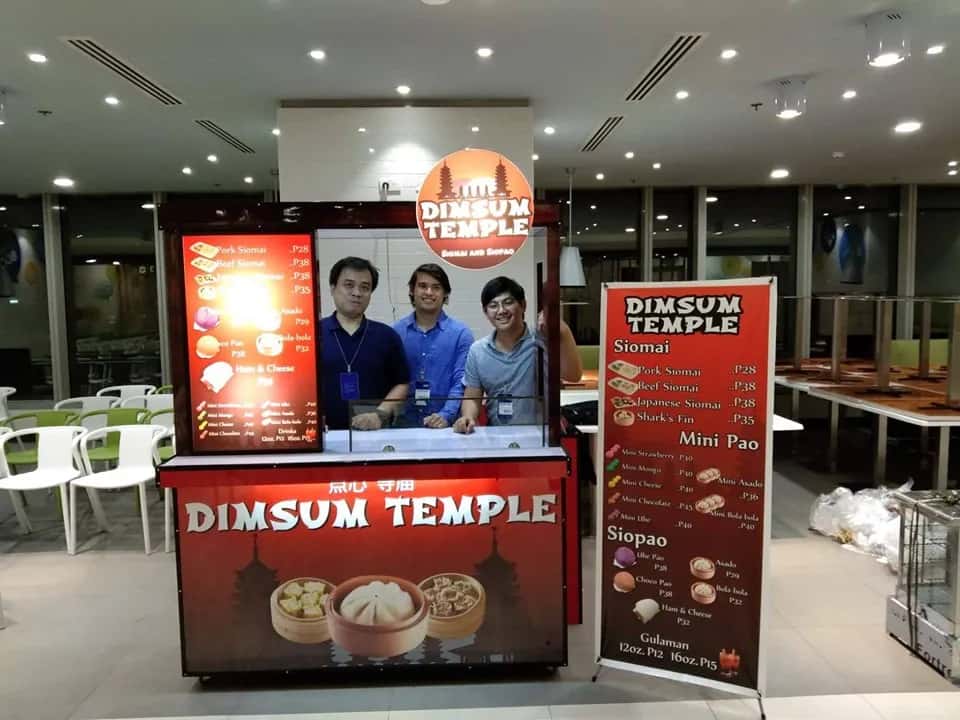
Siomai & Dimsum
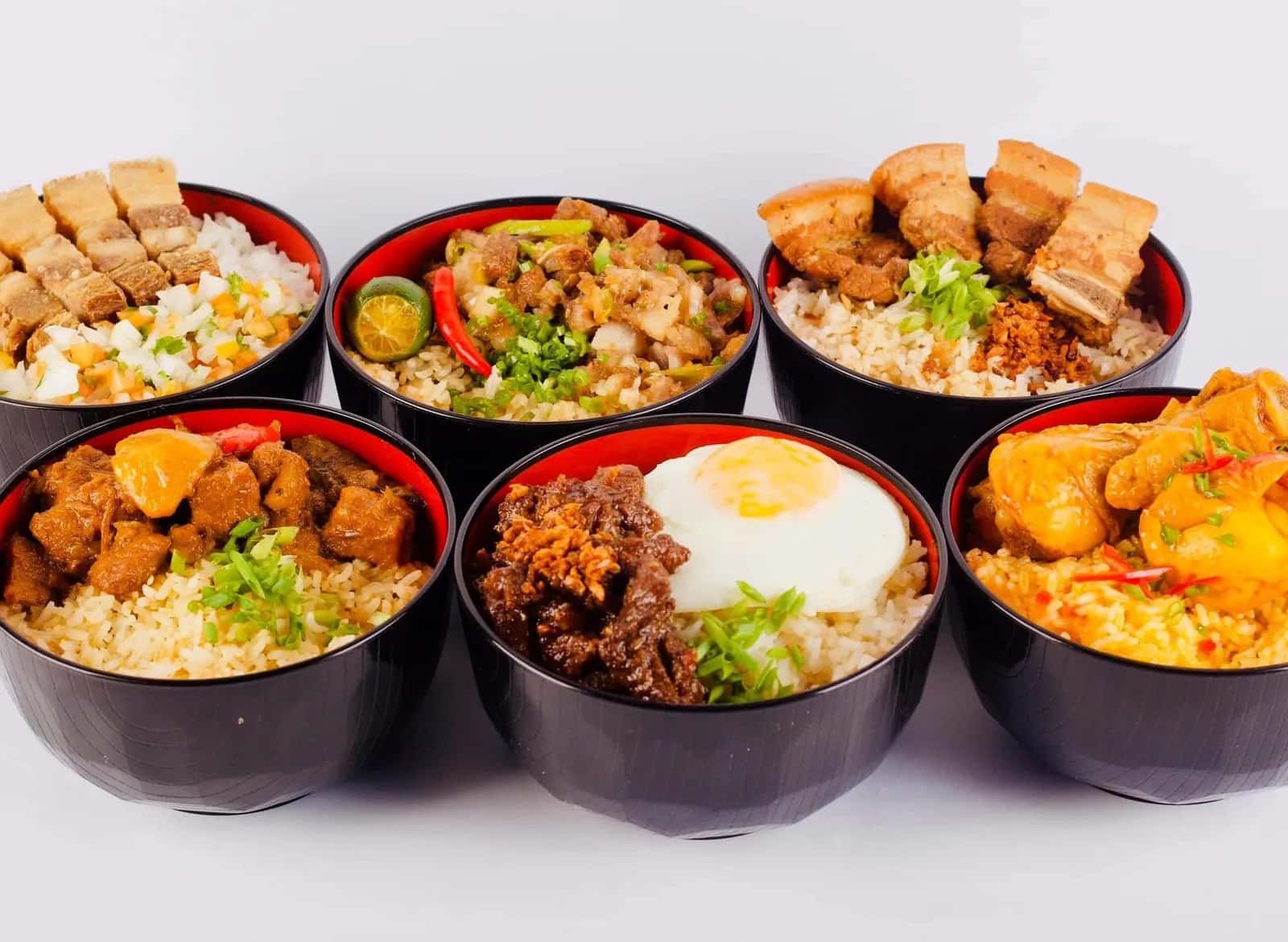
Street Food & Snacks

Ice Cream & Desserts
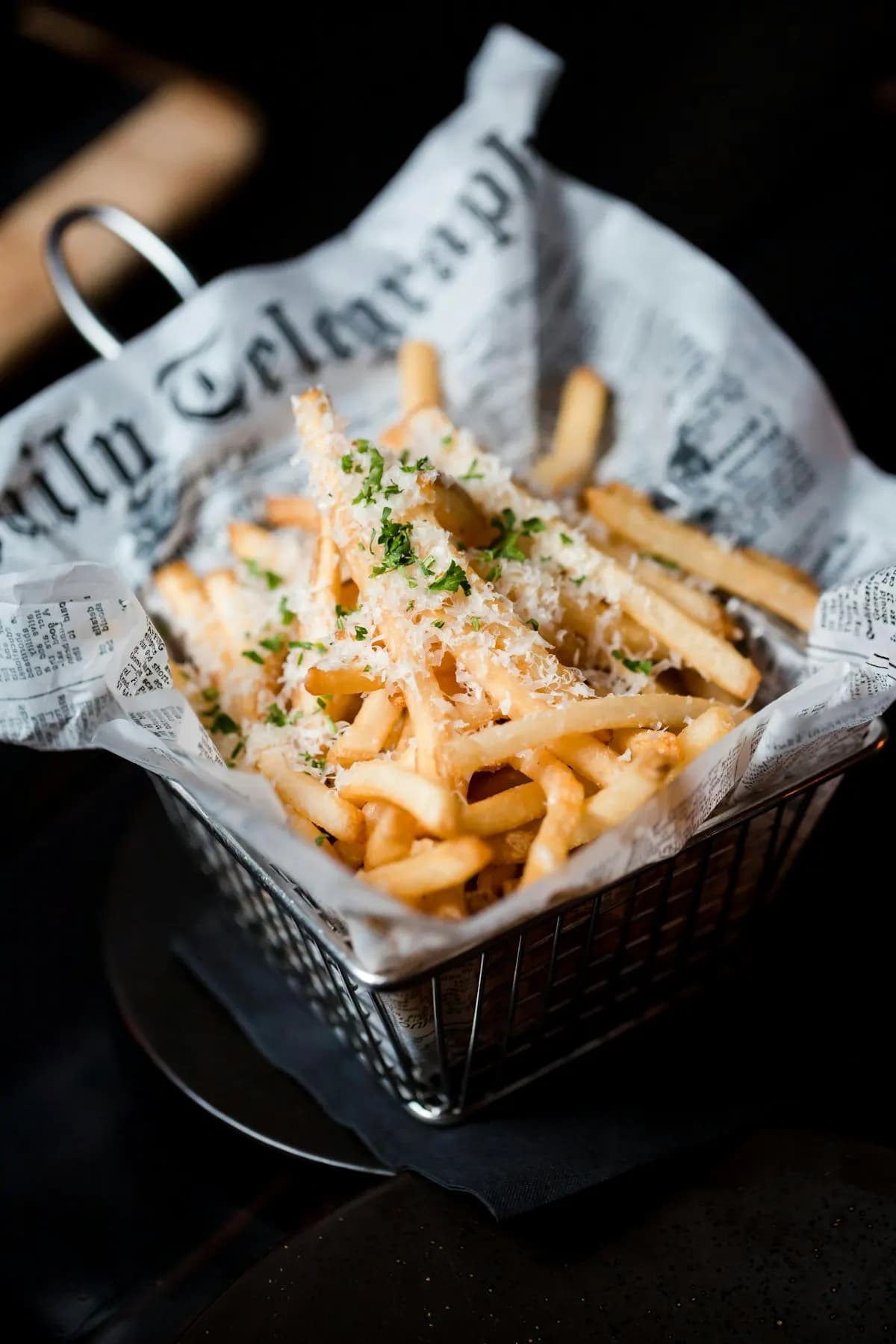
Fries & Potato Snacks

Ice Cream & Desserts
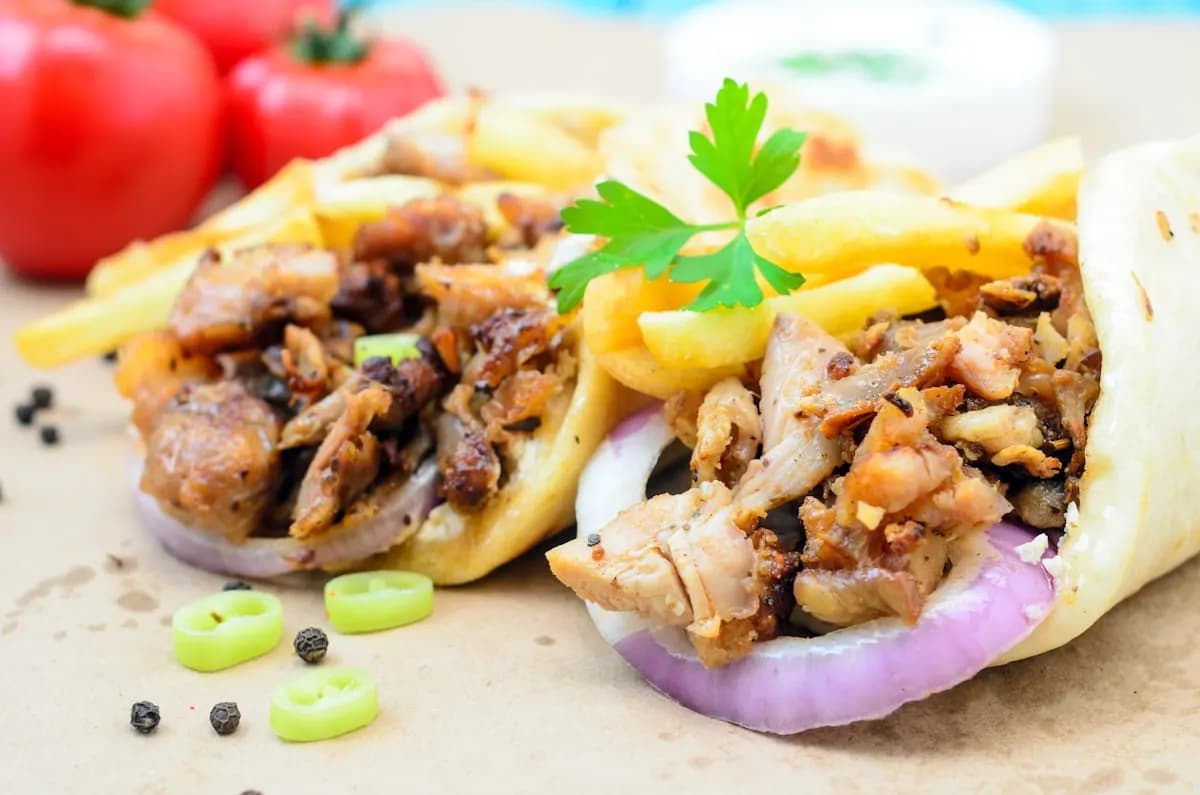
Shawarma
Street Food & Snacks
Siomai & Dimsum
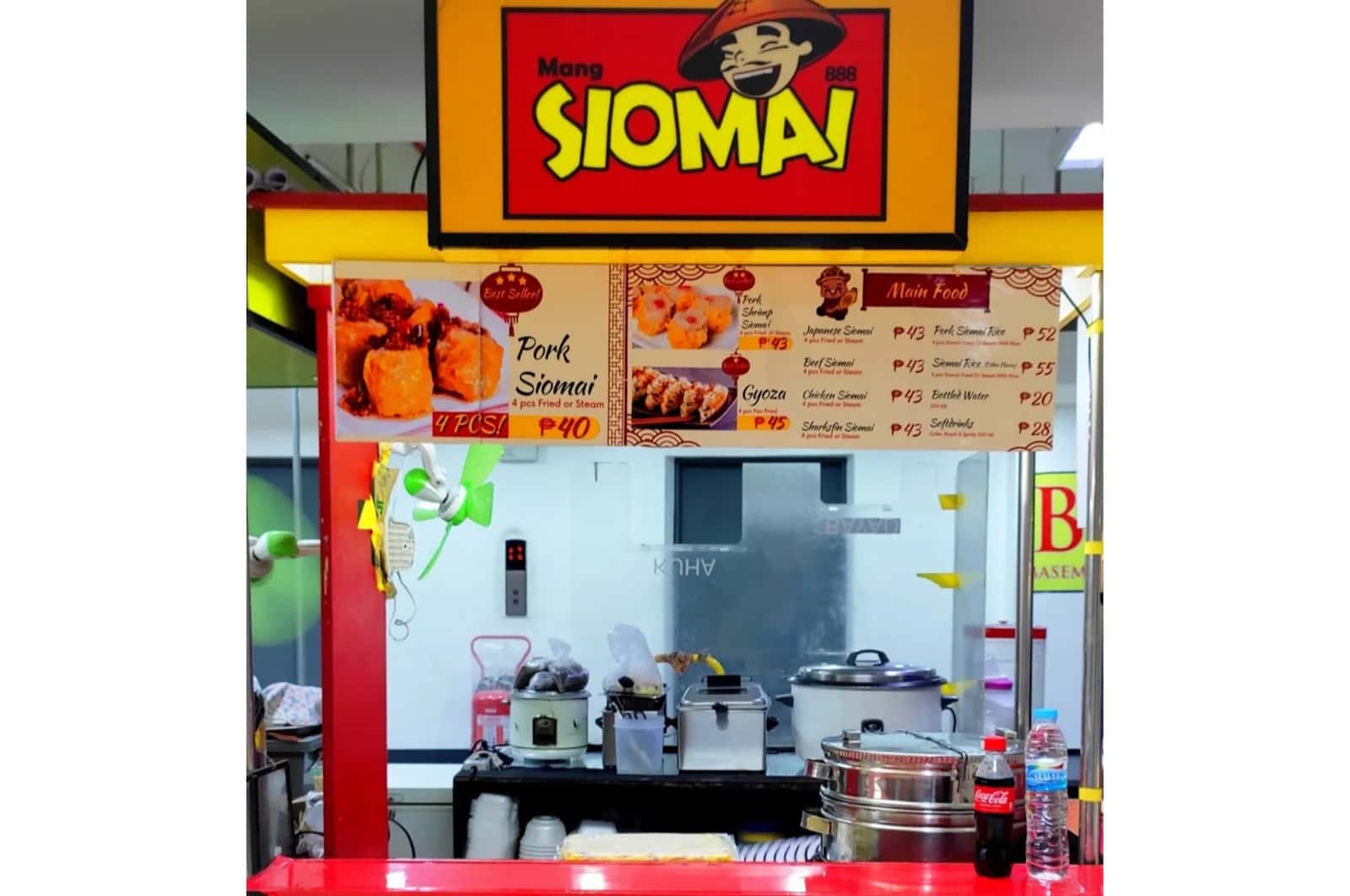
Siomai & Dimsum
Street Food & Snacks

Pizza & Pasta

Juices & Shakes
Fries & Potato Snacks
Street Food & Snacks
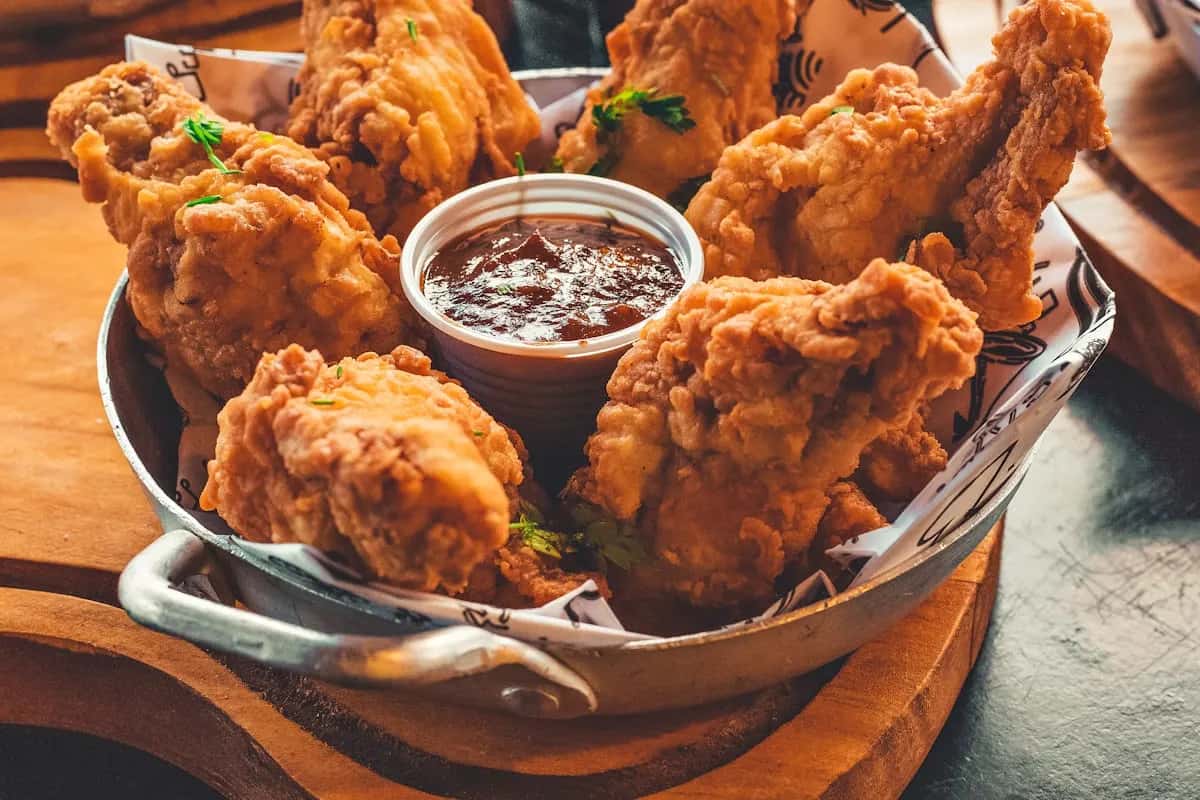
Chicken & BBQ
Street Food & Snacks

Burgers

Ice Cream & Desserts
Street Food & Snacks
Packaged Snacks
Ice Cream & Desserts
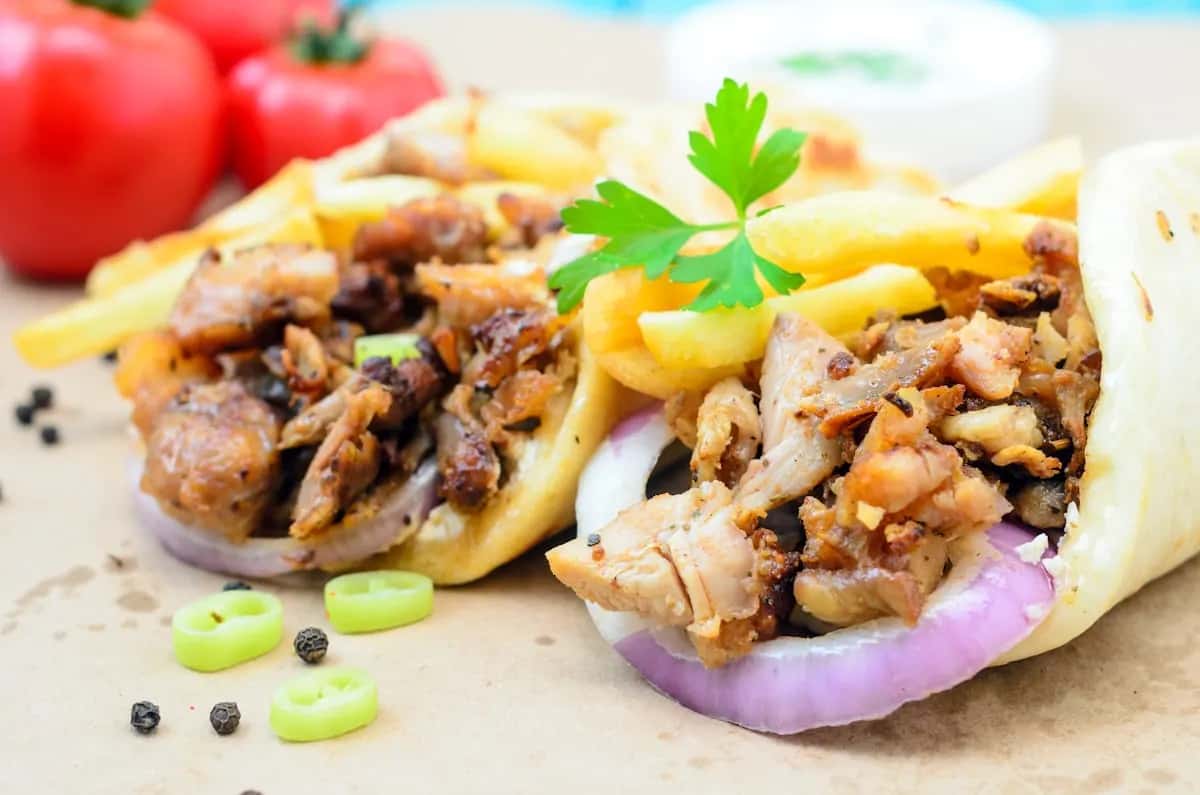
Shawarma
Up to ₱200,000 in food and beverage still lives mostly in cart territory, though a good share of packages here also offer a kiosk version, and a smaller share stretch to a basic inline setup. Entry cost runs from under ₱17,000 to ₱200,000, some packages charge no franchise fee at all while others ask up to ₱149,000, and payback can land anywhere from three months to a year. That is a wide spread for one budget, which means the specifics of a package matter more here than the headline figure.
Food and drink at this budget survives on habit rather than occasion: a snack bought on the way to work, a drink grabbed between errands, something eaten standing up rather than sat down for. That kind of buying happens constantly in places with steady foot traffic. It is exactly the kind of spot a cart or a small kiosk is built to occupy. Because the format keeps overhead low, the price per item can stay low too. That widens who is willing to buy on impulse rather than plan ahead for a meal. The category does not need to create demand from nothing. It is riding an eating habit that already exists in almost any busy corner, market, or transport stop in the country. That is also why the format mix here leans so heavily toward cart and kiosk rather than anything requiring a destination visit. The business depends on being in the path of people who were already going somewhere else.
Under ₱17,000 buys the simplest cart at this budget. Stretching to ₱200,000 reaches a sturdier kiosk build with a fuller opening stock. Franchise fees vary just as widely. Some packages charge nothing at all, rolling the cost into equipment and supply instead. Others ask as much as ₱149,000 where more training and support come behind it. Payback runs from as little as three months on the fastest end to about a year on the slower end, and that gap usually comes down to location rather than the package itself. A cheap setup in a strong spot can outrun an expensive one in a weak spot. The fee and investment figures matter less on their own than where the cart or kiosk actually ends up standing. Reading the two figures side by side, rather than picking a package by price alone, gives a better sense of what actually gets delivered for the money.
A cart or kiosk at this budget rarely needs more than one or two people: prepping, serving, and closing out the day without much room for anyone else on the payroll. The early months go into finding the right spot and the right hours. Foot traffic at any one corner can shift with the weather, the season, or whatever new stall opens nearby. Because the format restocks often, sometimes daily, there is little room to store extra inventory. A bad supply day shows up immediately rather than getting absorbed over a slower week. Profit in the first stretch typically goes back into the business, toward a better cart, a second unit, or a stronger stock order, rather than into the operator's pocket right away. The quick payback figures on paper describe a strong location performing well, not the average result. Building in patience for the first few months matters more than the headline number suggests.
A permit from the local government sits outside the published investment figure at this budget. So does a deposit where the spot falls inside a market, a terminal, or a mall. Enough stock to trade through the first couple of weeks also has to come from somewhere. Cutting that corner to stay within a lower headline figure tends to backfire once the opening batch runs out. Because payback is often quick at this level, having working capital held back for a slow week matters more than it might at a slower, pricier budget, since there is little cushion built into the model otherwise. Treating the investment number as the cost of the equipment, not the full cost of getting to opening day, keeps the first month from turning into an unplanned scramble for cash.
Now that you've seen what's here, a real advisor can help you shortlist and weigh the options against your budget. Free, at your pace.

Financing Readiness · Site Selection

Low-Capital Startups · Site Selection

Low-Capital Startups

Franchise Agreements · Multi-Unit Expansion
Are you a franchise advisor?Get your own workspace here
Choose a kind of food & beverage business and see only its franchises up to ₱200k, with their fees and investment ranges.
Get honest answers on fees, payback and the best setups for your area, free and with no pressure.
So far, 24 food & beverage franchises carry a price between ₱100k and ₱200k, which places them within ₱200k. To pick among them, compare what you receive for that price. Ask for itemized lists of equipment, stock, training and setup help, then check the gaps one option at a time. A package with a longer list at the same figure gives you a better start. Narrow your choices to the few whose lists leave you the fewest extra purchases.
Imagine comparing two food & beverage franchises that each ask ₱200k, where one delivers equipment, signage, starter stock and on site training while the other gives only the franchise fee and a manual. An advertisement would show them as equal, even though the contents are far apart. Price the gap by adding up what the bare offer would need to match the richer one, then add that sum to its asking price before judging which deal truly costs less.
Staff costs go beyond monthly wages, which matters when you are budgeting past ₱200k. Recruitment, uniforms, health certificates where required, and government contributions all come with each hire, and training replacements costs money when someone leaves. Plan for some turnover in your crew, and ask the franchisor whether they help train new staff after the initial batch, since retraining on your own takes time away from running the outlet.
Bigger does not mean easier among the food & beverage formats at ₱200k, which are food carts with 24 franchises, kiosks with 17 and inline stores with 3. A larger unit brings more tasks, more staff to coordinate and more hours to cover each week. Count the people and shifts each format would need and compare that with who you actually have, and give weight to the setup you can staff and supervise comfortably rather than the one that simply looks most impressive.
Equipment is usually priced apart from the franchise fee of ₱30k to ₱111k charged on food & beverage franchises at ₱200k. Ask whether the package lists equipment inside the fee or as a separate line, and whether the amount you pay for it is refundable if the opening falls through. Compare the totals of each franchisor with equipment counted, because a lower fee may simply mean more items are billed on top.
The complete opening bill is what ₱200k has to meet. With the 24 food & beverage franchises quoting an investment between ₱100k and ₱200k, that bill includes advance rent, permits, renovation, first stock and operating cash on top of the quote. Estimate every item, add the total and compare it with your budget. A plan that covers the package alone leaves you exposed in the first weeks.
A number of food & beverage franchises at the ₱200k level are not tied to one region, and 12 of them openly accept franchisees anywhere in the Philippines. Their branches are most common in Quezon City, Manila and Caloocan, so those cities show where each franchisor is strongest. For your own city, ask whether the franchisor has already opened or approved any branch there. Then ask which neighboring towns they cover, since a franchisor with nearby outlets can usually confirm your area faster than one starting fresh.
Sticking to funding sources you fully understand is the safest way to raise ₱200k for a food & beverage franchise, even when that adds a few months. Quick high-cost loans and rushed deals can leave repayment pressure that lingers well past opening day. Weigh at least two choices, for example a cooperative loan versus a longer saving stretch, and request the total cost of each in writing. Go with the route whose terms you could explain to your family in simple words.
Based on franchisor figures, a food & beverage franchise in the ₱200k bracket typically recovers its investment in 4 to 12 months. One detail worth checking is whether that estimate covers only the franchise package or also the fit-out, signage and equipment you may need to buy separately. Ask for a full written list of what the package price includes, then add the cost of anything missing to your own total before you judge whether the payback still looks realistic.
For OFWs sending money home, a ₱200k food & beverage franchise can be a meaningful first business when the funding plan is clear. Decide in advance whether remittances will fund only the opening or also cover early operating costs. Agree with your family on who signs documents and who can withdraw money. Clear roles prevent misunderstandings while you are working abroad and cannot step in quickly.
Compare how many food & beverage franchises start at each budget level, from the smallest packages up.
Food & Beverage franchises priced close to your budget, worth a look if you can stretch your savings or want to spend less.
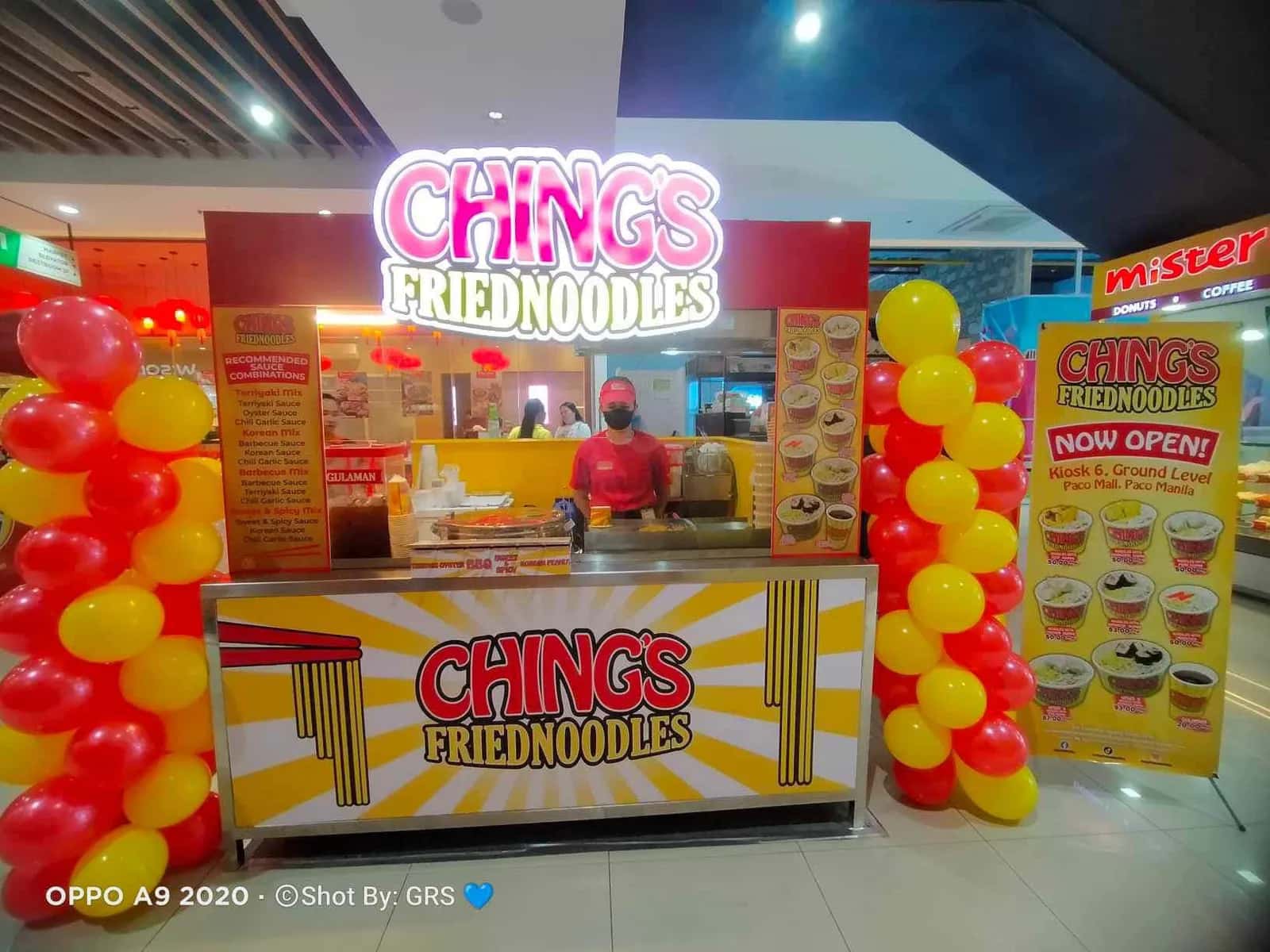
Street Food & Snacks

Filipino Restaurant
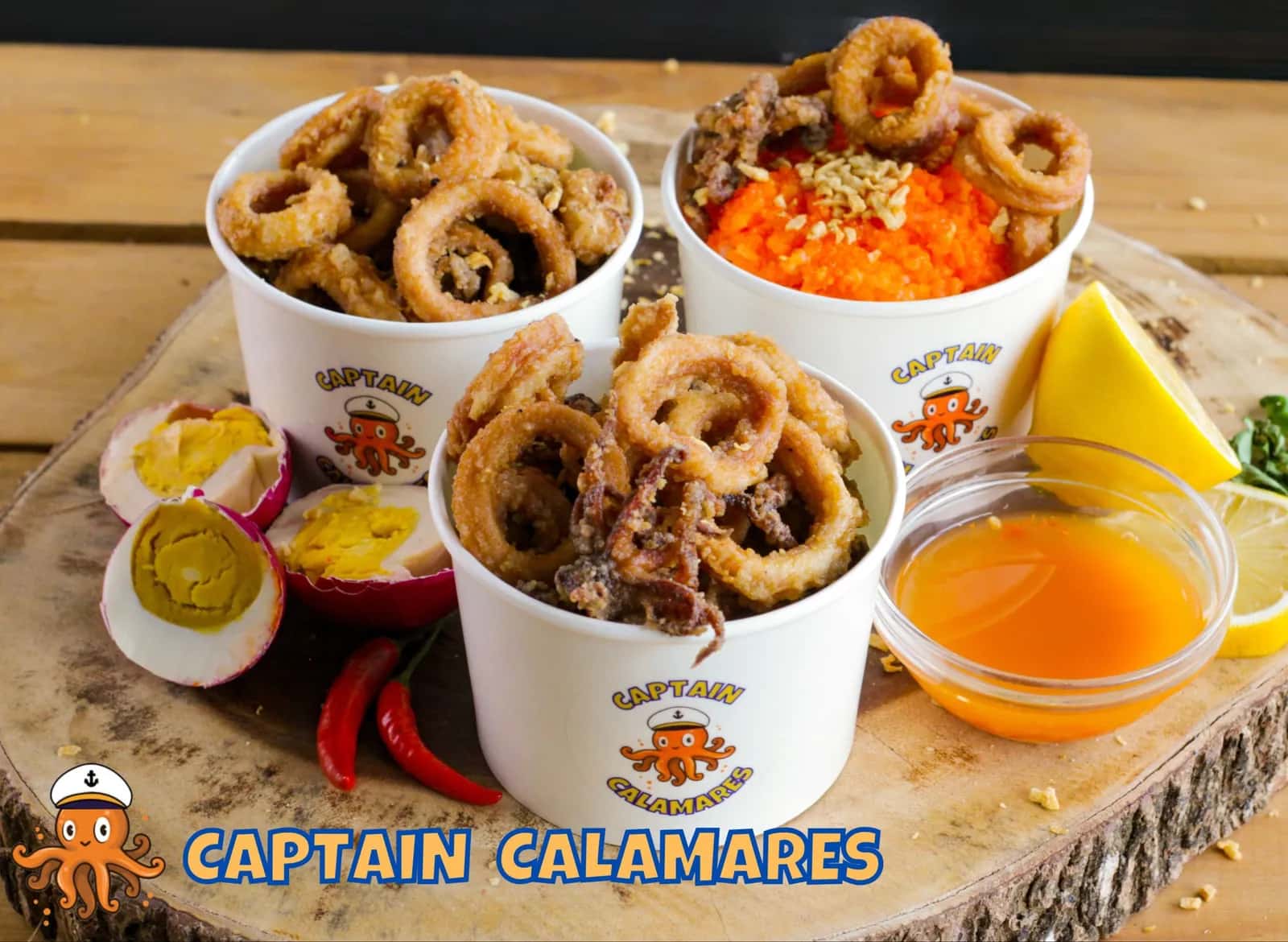
Street Food & Snacks
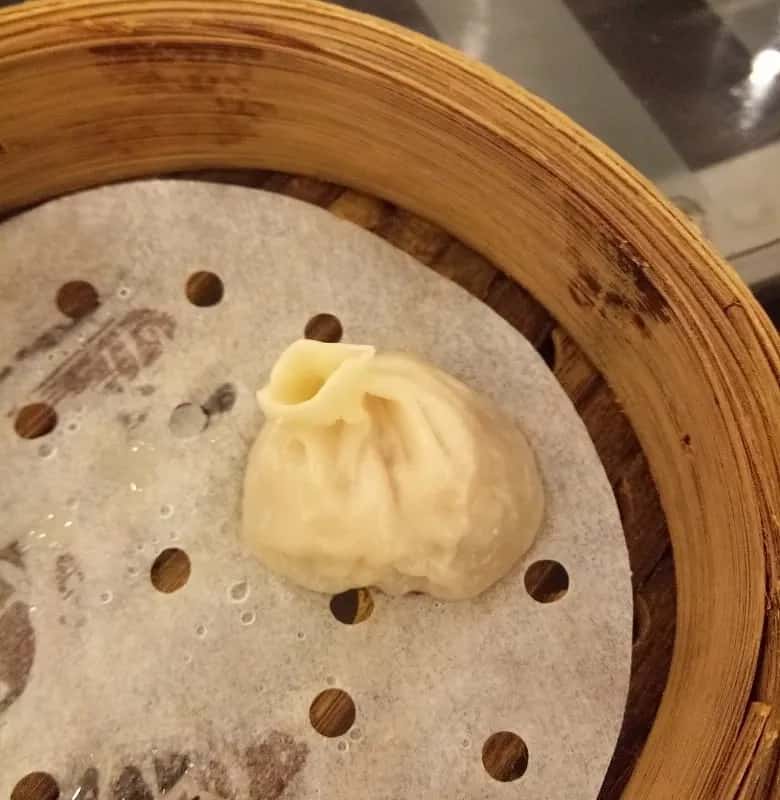
Siomai & Dimsum
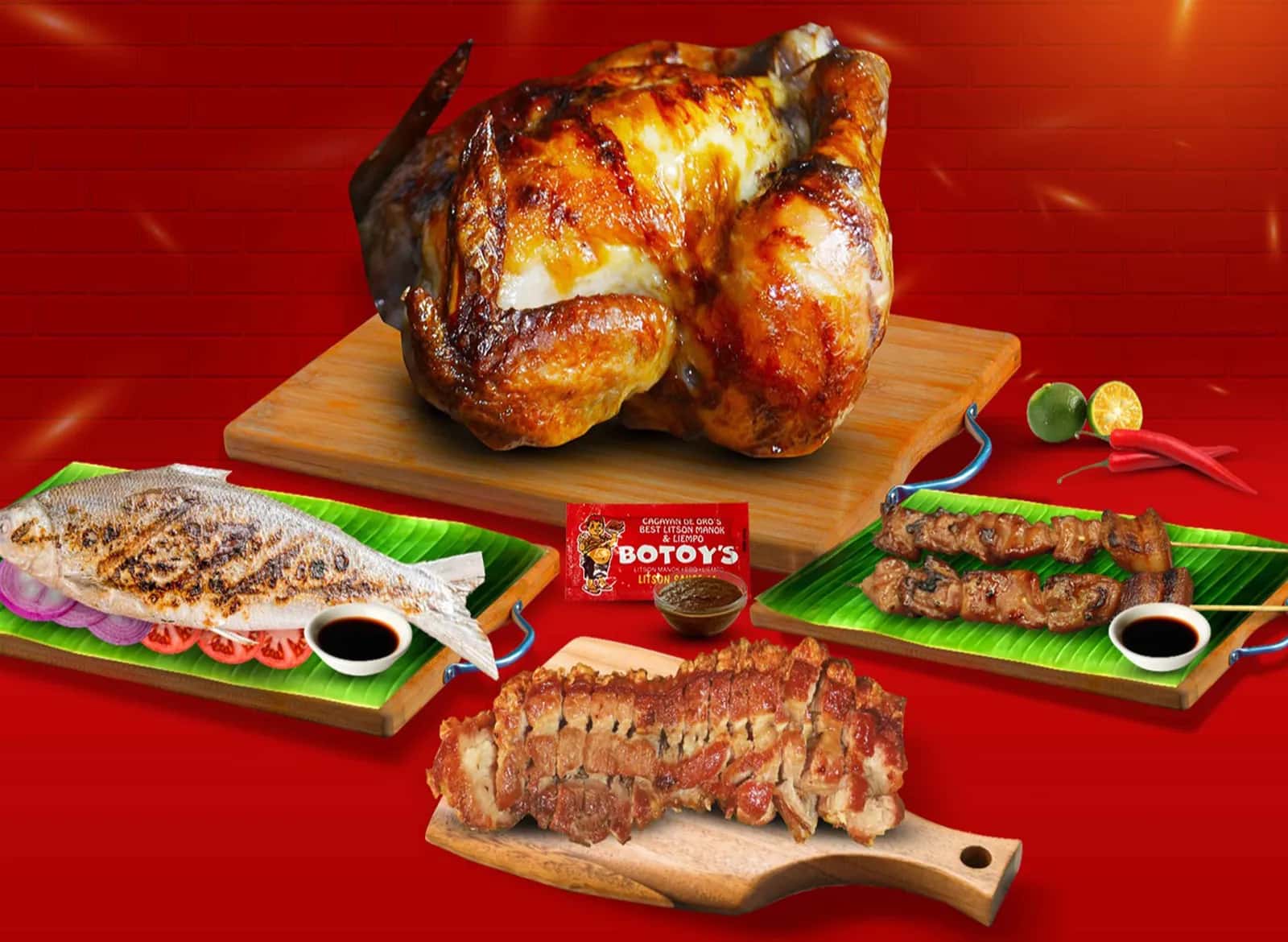
Chicken & BBQ
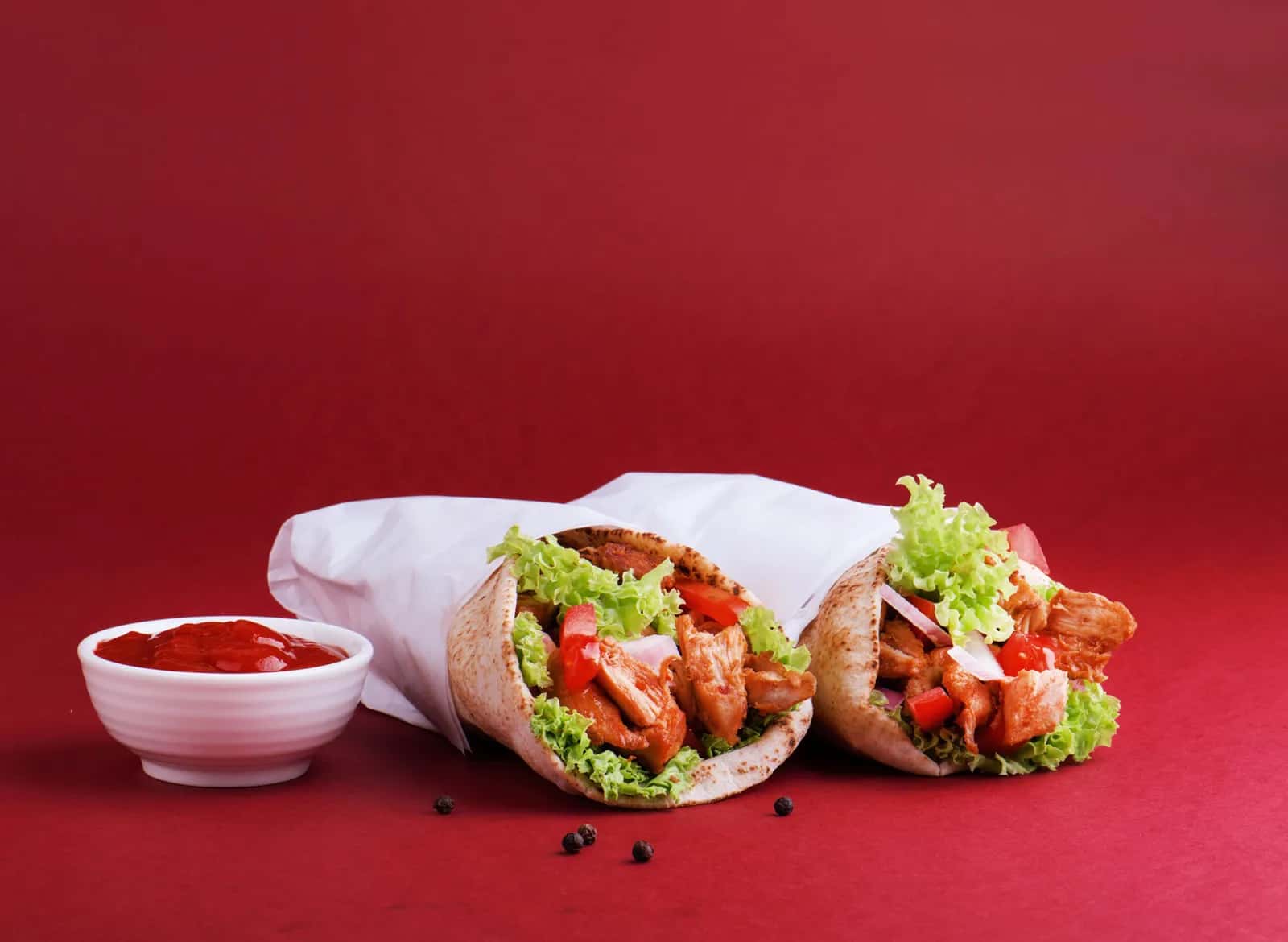
Shawarma

Filipino Restaurant
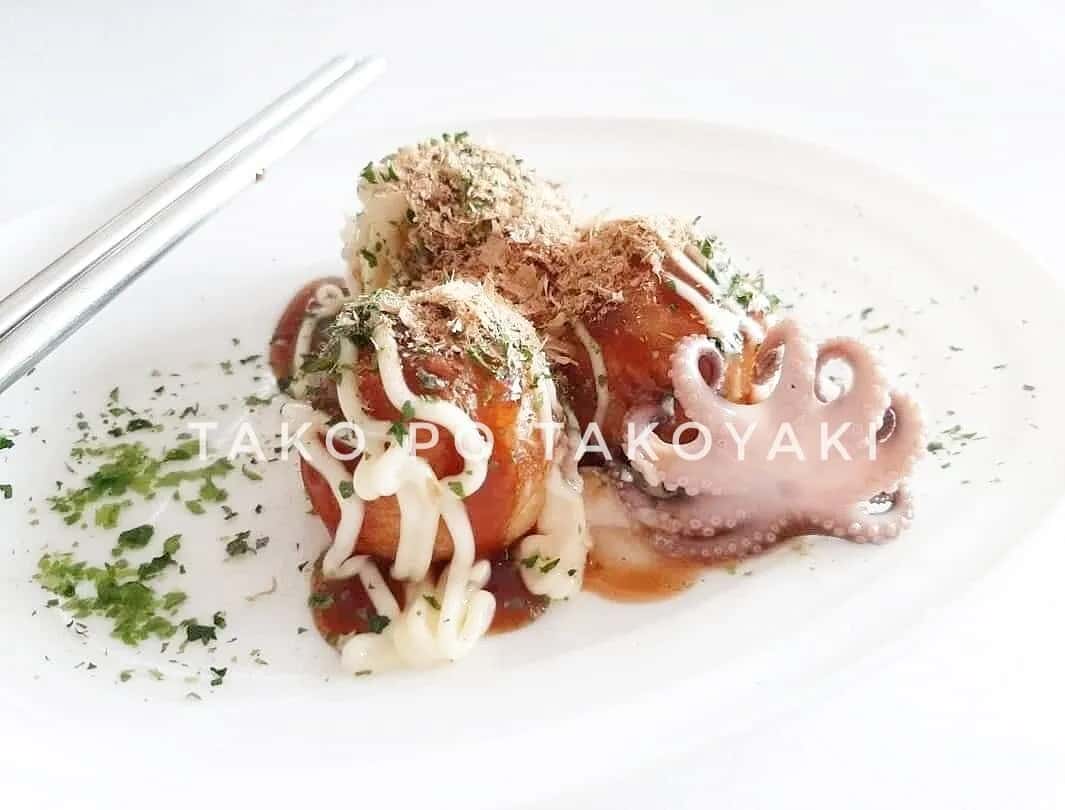
Takoyaki & Japanese Snacks
Compare food & beverage franchises with other industries at the same budget, each with its own brands, fees and investment ranges.
Compare industries by budget, daily work and payback before you choose one, free and with no pressure.

Learn practical inventory control steps for your Philippine franchise to cut waste, prevent loss, and protect your capital.
Aug 14, 2026 6 min read
Learn how non-compete clauses work when exiting a franchise agreement in the Philippines, protecting your investment after closing.
Jul 20, 2026 5 min read

Learn how to secure financing for your Philippine franchise, from preparation to approval. A practical guide for new operators and OFWs.
Jul 20, 2026 5 min read