Czyrah Pizza
Pizza & Pasta
- Franchise fee
- No franchise fee
- Total investment
- ₱30k–₱150k
🎁 Start Your 1 Month Free Trial of the Full Plan, Exclusively for Brands & Advisors.Get Started
Browse a pizza & pasta franchise up to ₱200k, with an investment of about ₱150k and paying back in about 6 months.
Updated
Up to ₱200,000 in pizza and pasta franchising currently comes in a specific shape: entry costs from around ₱30,000 to ₱150,000, no separate franchise fee attached, and payback expected inside about six months. That is a fast, low-fee entry point into a category more often associated with a full restaurant setup. The format on offer here can run as a kiosk, a food cart, or an inline counter, whichever suits the space available.
Pizza and pasta usually bring to mind a sit-down restaurant, but the category also works in a stripped-down form built around a narrow menu, a portable oven or fryer setup, and speed rather than atmosphere. At this budget, that stripped-down version is exactly what is on offer, with no separate fee eating into the entry money. That keeps the full amount available for equipment and a first batch of ingredients. A menu built around a handful of pizza and pasta items, sold fast and hot, can work from a kiosk, a cart, or a small inline counter interchangeably, since the cooking method matters more than the four walls around it. That flexibility is unusual this far down the budget scale, where most categories force a single format choice. It means a buyer can match the format to whatever site is available, rather than the other way around.
With no separate fee at this budget, the entire entry figure goes toward the physical setup. That means the oven or cooking equipment, the cart or counter structure itself, signage, and a first stock of dough, sauce, and toppings. Because there is no fee cushioning the brand's side of the arrangement, more of the responsibility for getting the format right on day one sits with the buyer. Choosing equipment that matches the specific menu matters more here than at a higher budget, where a fee typically bundles in more guidance. Payback lands around six months, among the fastest in the category, which reflects both the small amount of money at risk and how quickly a simple, fast-moving menu turns ingredients into cash. That speed makes this a low-stakes way to test whether a pizza and pasta concept can draw a crowd in a specific spot. It also means committing more money to a bigger format can wait until that is proven.
The first months at this budget usually mean one person running the whole operation: cooking, serving, and handling money, without much room for a second hire until sales justify the extra cost. A narrow menu built around pizza and pasta basics keeps prep manageable for the operator working alone. It also means consistency, getting the same dough and sauce right every time, matters more than variety in keeping customers coming back. Because there is no separate fee providing ongoing brand support, troubleshooting equipment issues or ingredient problems falls mostly on the operator, which rewards someone comfortable learning through trial and error early on. With payback expected around six months, the honest bar for success in the first year is reaching a steady daily routine well before that point. A slow start eats directly into what was meant to be profit, rather than just delaying it.
This budget suits someone who wants to test a pizza and pasta concept without a large amount of money at risk. It also suits someone comfortable being the one doing most of the work in the first months. It fits someone who already has some experience cooking at volume, since there is no fee-funded training program standing in for that experience here. It suits less well someone hoping for a turnkey operation with a support team on call, since the absence of a separate fee usually means the absence of that layer of help too. What this budget offers in return is speed and flexibility. Payback lands around six months, and the format can be a kiosk, a cart, or an inline counter, depending on what site actually becomes available. For a first-time buyer willing to learn quickly and adjust the format to the opportunity in front of them, that combination is hard to match at a higher budget. There, more of the plan is fixed in advance.
Now that you've seen what's here, a real advisor can help you shortlist and weigh the options against your budget. Free, at your pace.

Financing Readiness · Site Selection

Franchise Agreements · Multi-Unit Expansion

Low-Capital Startups

Low-Capital Startups · Site Selection
Are you a franchise advisor?Get your own workspace here
Compare pizza & pasta franchises with other food & beverage businesses up to ₱200k, each with its own brands, fees and investment ranges.
Get honest answers on fees, payback and the best setups for your area, free and with no pressure.
Depreciation and replacement of equipment are long-term costs hiding behind the ₱200k package. Machines, appliances and fixtures wear out, and when they do you will need money to replace them without closing the outlet. Set aside a small amount each month in a replacement fund, using the expected life of each major item as your guide, so worn-out equipment becomes a planned expense instead of a crisis.
Different franchisors fill ₱200k with different things, so the safest approach is to compare the contents line by line. Equipment, starter stock and training are common, and signage or uniforms sometimes join them. Build one table with a row per item and a column per franchisor, fill it only from written offers, and look for rows that stay empty, because those are items you may end up paying for separately.
You might find a ₱200k pizza & pasta franchise a good match if you can commit to the training period before opening. Training often happens during working hours and may require time away from your job. Ask how long the training lasts, where it takes place and whether a family member or manager can attend in your place. Planning your leave early avoids a rushed and stressful start for you and your crew.
Sticking to funding sources you fully understand is the safest way to raise ₱200k for a pizza & pasta franchise, even when that adds a few months. Quick high-cost loans and rushed deals can leave repayment pressure that lingers well past opening day. Weigh at least two choices, for example a cooperative loan versus a longer saving stretch, and request the total cost of each in writing. Go with the route whose terms you could explain to your family in simple words.
Practically speaking, a pizza & pasta franchise at ₱200k means food carts with 1 franchise, kiosks with 1 and inline stores with 1. A format that needs fewer decisions each day can be a gentle way to learn the business, while a fuller operation teaches more but punishes mistakes faster. Ask the franchisor which setup most of their new franchisees start with and why, and weigh their answer against your own confidence. A setup that matches your current skills gives you room to grow into the business.
Compare how many pizza & pasta franchises start at each budget level, from the smallest packages up.
Pizza & Pasta franchises priced close to your budget, worth a look if you can stretch your savings or want to spend less.

Pizza & Pasta
Pizza & Pasta
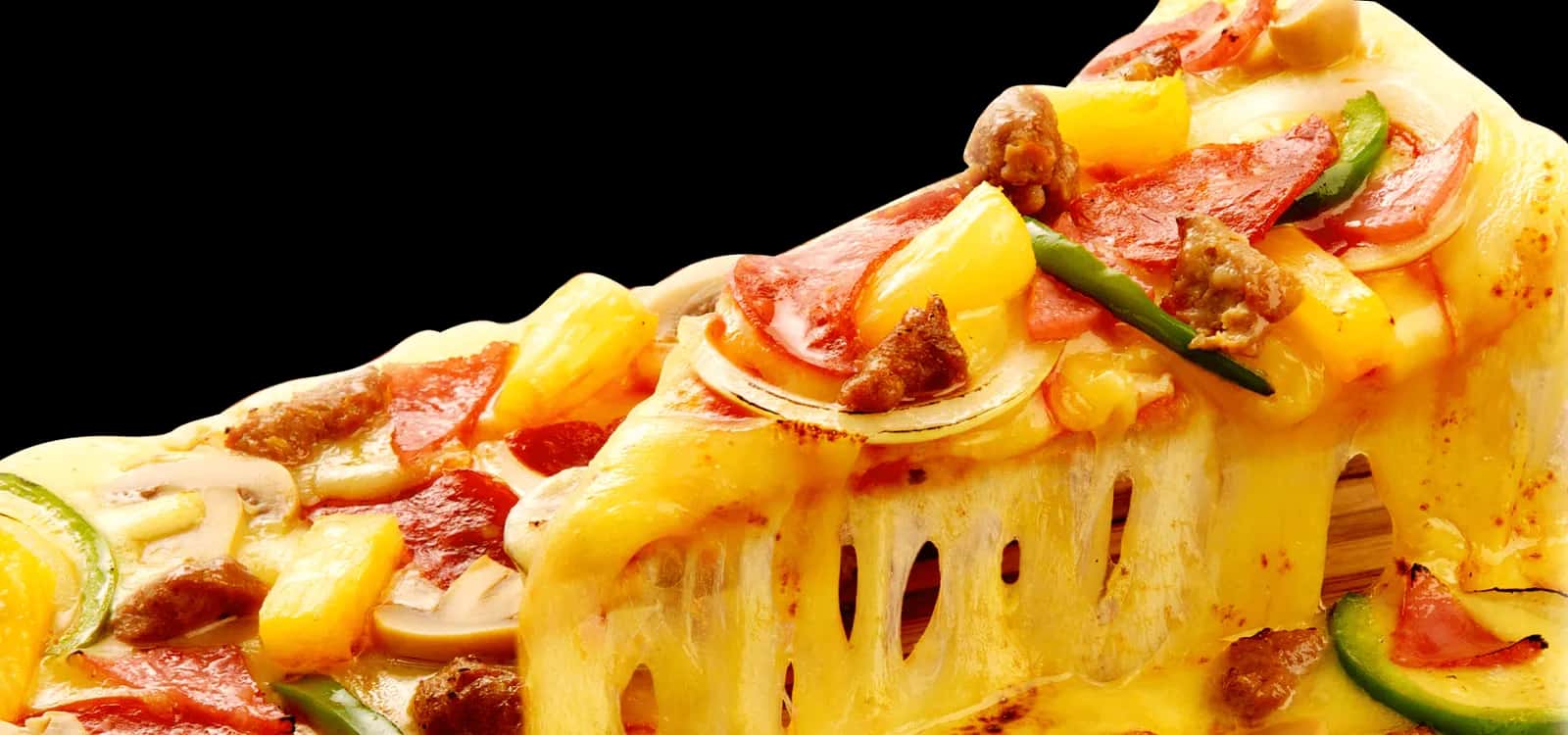
Pizza & Pasta
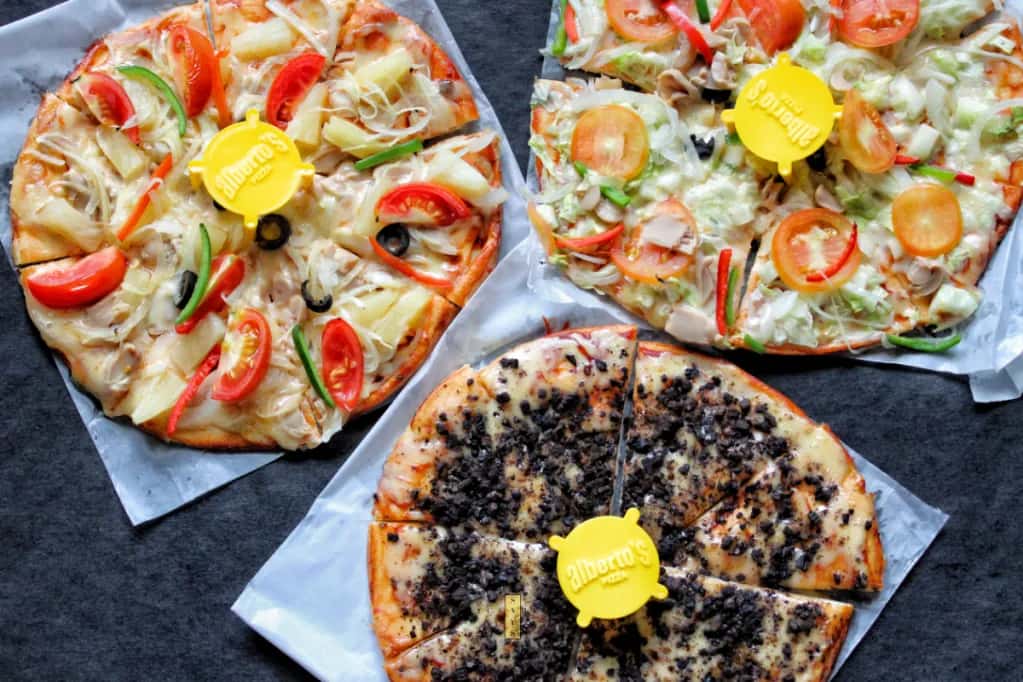
Pizza & Pasta

Pizza & Pasta
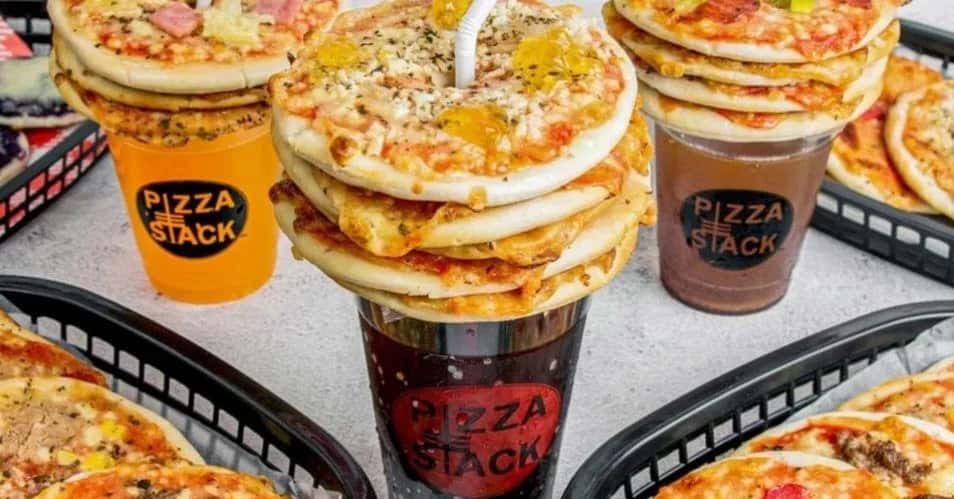
Pizza & Pasta
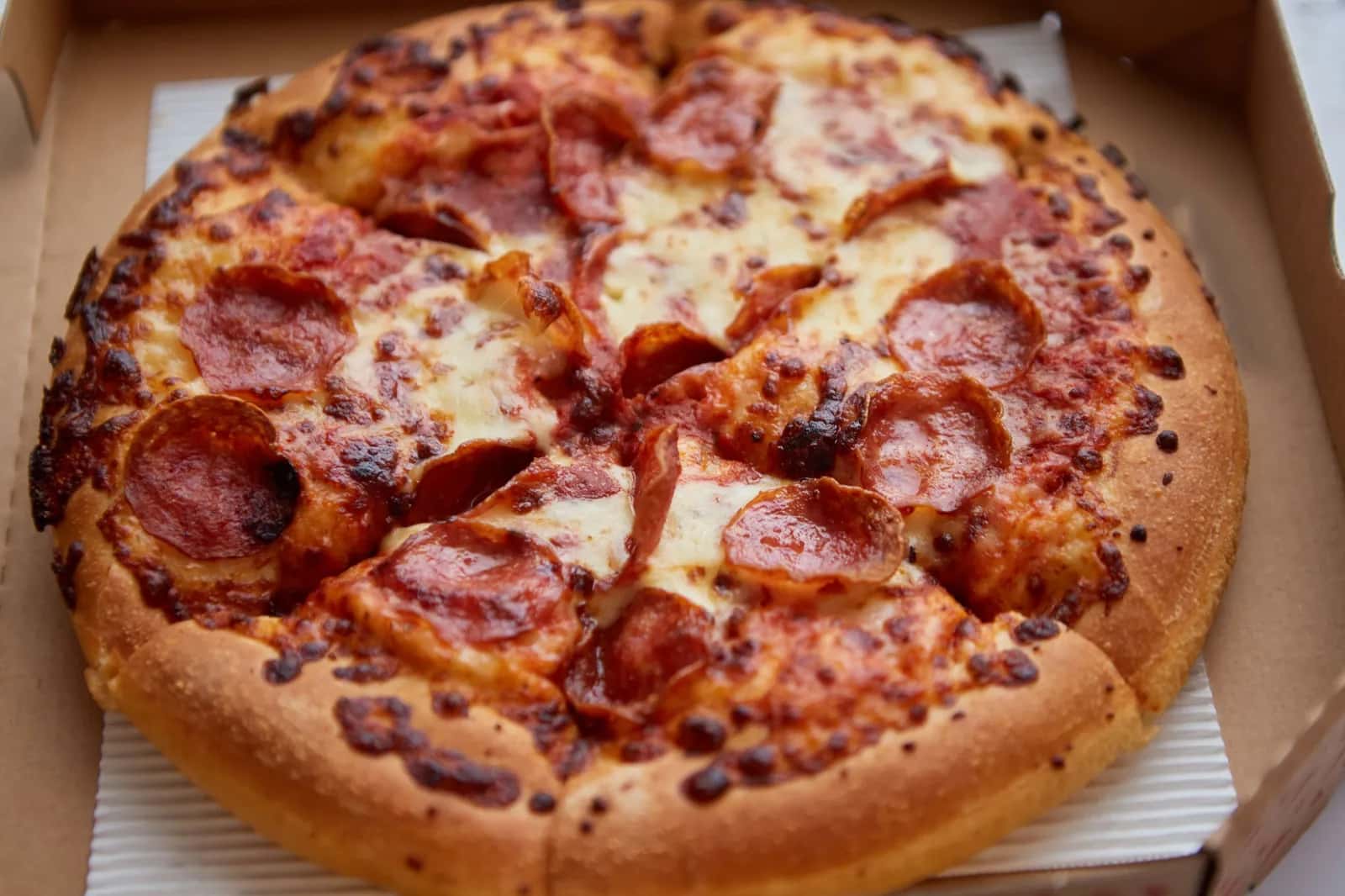
Pizza & Pasta
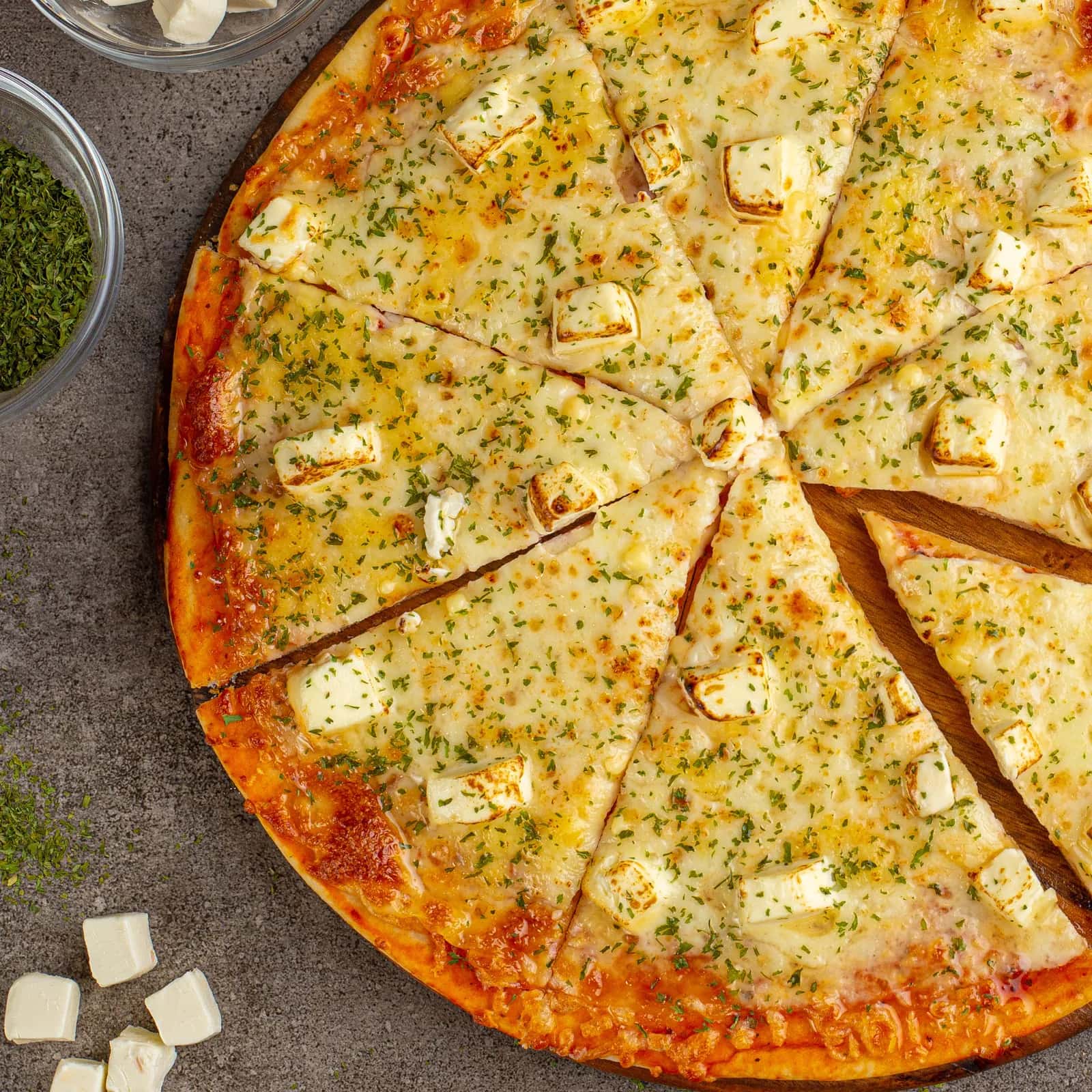
Pizza & Pasta
Compare pizza & pasta franchises with other industries at the same budget, each with its own brands, fees and investment ranges.
Compare industries by budget, daily work and payback before you choose one, free and with no pressure.

Learn practical inventory control steps for your Philippine franchise to cut waste, prevent loss, and protect your capital.
Aug 14, 2026 6 min read
Learn how non-compete clauses work when exiting a franchise agreement in the Philippines, protecting your investment after closing.
Jul 20, 2026 5 min read

Learn how to secure financing for your Philippine franchise, from preparation to approval. A practical guide for new operators and OFWs.
Jul 20, 2026 5 min read