Buko Fresh
Juices & Shakes
- Franchise fee
- No franchise fee
- Total investment
- ₱99k–₱149k
🎁 Start Your 1 Month Free Trial of the Full Plan, Exclusively for Brands & Advisors.Get Started
Browse a juice & shake franchise up to ₱200k, with an investment of about ₱149k and paying back in about 3 months.
Updated
The cheapest entry into juice and shake franchising sits under ₱150,000, well inside the ₱200,000 limit this budget sets, and it comes without a separate brand fee added on top of the build. Claimed payback here is fast, around three months, since a build this small clears its own modest cost quickly with even a light daily queue. This is the true starting point for the category: cheap to open, quick to test, and small enough that a slow site costs little to walk away from.
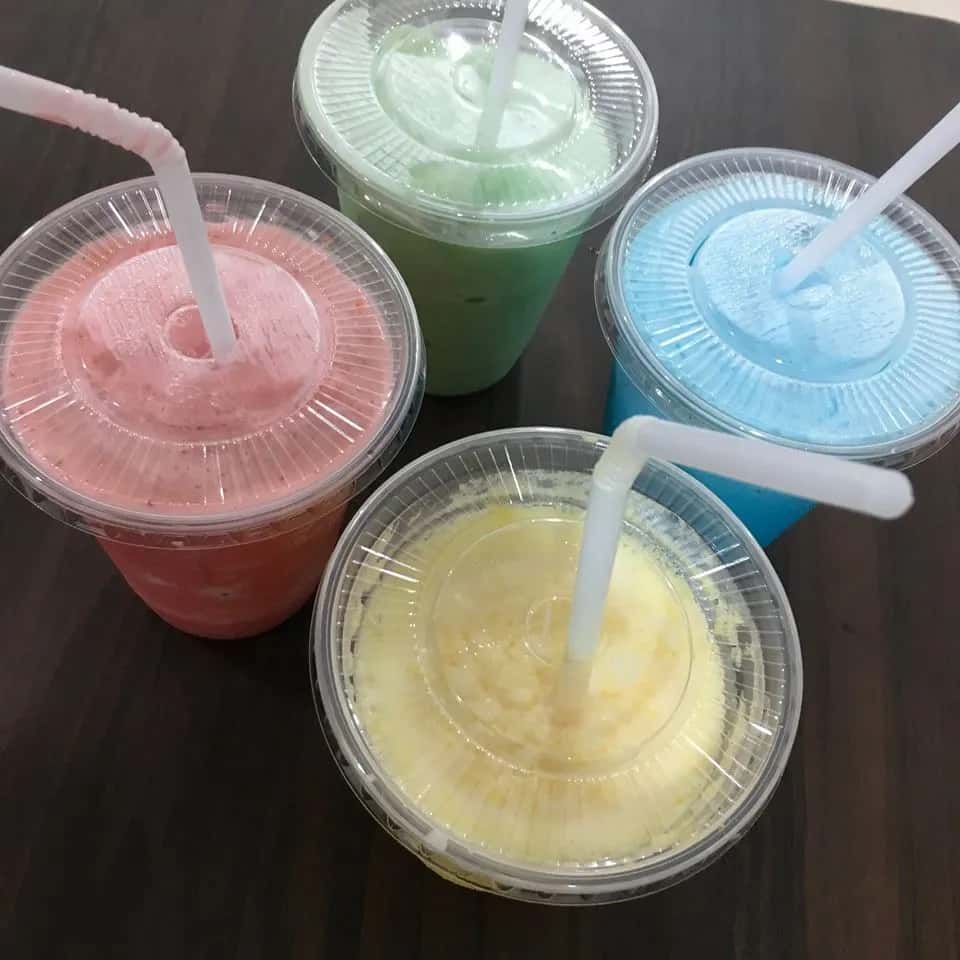
A cup of fresh juice or a fruit shake is one of the easiest impulse purchases in a hot climate, priced low enough that someone barely breaks stride to buy one on the way somewhere else. That is exactly the kind of demand this budget is built to catch. A cart or small kiosk at this price does not try to become a destination. It sits where people already walk, whether that is outside a school, along a market strip, or near a jeepney stop, and sells to whoever passes by thirsty. The simplicity of the product is part of what makes the category work at this budget. A short menu of blended fruit drinks needs little equipment and no cooking, which keeps the build cheap and the daily routine manageable for one person running the cart alone. That same simplicity also caps what this budget can earn: a cart this size lives on volume and repeat foot traffic, not on a big average sale, so the site matters more than almost anything else in the plan.
Total cost at this budget lands under ₱150,000, and that figure already includes the build, without a separate brand fee added the way pricier packages in this category often carry. Nearly the entire budget goes into the physical cart or kiosk, the blender and cooling equipment, and the first batch of fruit and ingredients. The claimed payback of around three months is short, and it is short because the setup itself is small: a slow week costs little to absorb when the whole build cost so little to begin with. That fast turnaround is the main appeal of an entry point this low, but it comes with less room for error too. There is no bigger build cushioning a bad site the way a costlier package further up this category can absorb one, so a location that does not draw enough walking traffic shows up in the numbers almost immediately. Testing a spot for a few weeks before treating the location as settled is worth the caution at this size.
A cart or kiosk at this budget is a one-person operation most days. That keeps costs low, but it also means the business stops the moment the operator cannot show up. The first months are mostly about finding the right spot and watching which hours actually sell. A build this size cannot afford to run a full day if half of it produces nothing. Reinvesting early profit into a second cart tends to be the more realistic path to growing past this budget, rather than trying to make one cart bigger than its format allows. A fast claimed payback also means a fast reality check. A site that is not earning back its small cost within that window is a site to leave, not one to keep subsidizing out of hope. Treating the first few months as a genuine trial keeps a budget this size from turning into a slow drain instead of a quick win. That means setting a clear point at which a quiet site gets abandoned for a busier one.
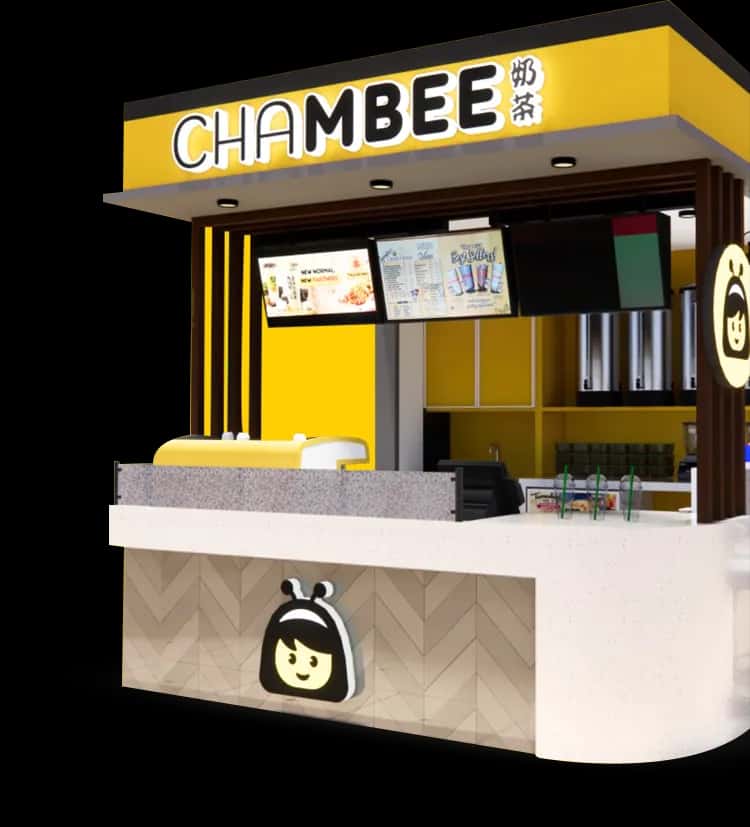
Both formats sold at this budget do essentially the same job at a similar cost, so the choice between a food cart and a kiosk comes down to the site rather than the price tag. A cart suits a spot without a fixed structure already in place, or a location an operator wants to test before committing further, since it can be moved if the location does not work out. A kiosk suits a spot with a semi-permanent structure available, such as a corner inside a public market or a covered walkway, where a slightly sturdier build can stay put for longer. Neither format changes the underlying economics much at this budget. Both run day to day on a small crew, both depend on a steady stream of passing customers rather than a big average sale, and both recover their small cost quickly or not at all. Picking based on what the intended site can physically support, rather than a preference for one format over the other, is the more useful way to decide between them here.
Now that you've seen what's here, a real advisor can help you shortlist and weigh the options against your budget. Free, at your pace.

Financing Readiness · Site Selection

Low-Capital Startups · Site Selection

Low-Capital Startups

Franchise Agreements · Multi-Unit Expansion
Are you a franchise advisor?Get your own workspace here
Compare juice & shake franchises with other food & beverage businesses up to ₱200k, each with its own brands, fees and investment ranges.
Get honest answers on fees, payback and the best setups for your area, free and with no pressure.
Training is often part of what ₱200k pays for in a juice & shake franchise, along with equipment, starter stock and some form of opening support. Training quality varies a great deal, so it deserves as much attention as the equipment list. Ask how many people the package trains, where the training happens, and whether a trainer comes to your outlet during the opening days, then compare those answers across the franchisors you are weighing.
Practically speaking, a juice & shake franchise at ₱200k means food carts with 1 franchise and kiosks with 1. A format that needs fewer decisions each day can be a gentle way to learn the business, while a fuller operation teaches more but punishes mistakes faster. Ask the franchisor which setup most of their new franchisees start with and why, and weigh their answer against your own confidence. A setup that matches your current skills gives you room to grow into the business.
Even a juice & shake franchise between ₱100k and ₱200k comes with ongoing administrative costs. Bookkeeping, payroll processing, government filings and the time it takes to handle them all cost money, whether you pay someone or do the work yourself at the expense of other income. Decide early which of these you will handle and which you will outsource, then price the outsourced parts so they appear in your monthly plan.
The short answer is yes for someone who is organized and patient, and less so for someone hoping for quick money from a ₱200k juice & shake franchise. Franchises reward steady management of staff, stock and cash over time. Ask yourself whether you enjoy routines and checklists, because much of franchise ownership is following and enforcing them. If that sounds tiring, look at your motivation again before investing any of your savings.
Pausing a big purchase you were planning can free up a large part of ₱200k for a juice & shake franchise. A new phone, car upgrade or home renovation may be able to wait while the business gets started. Look at upcoming plans, decide which can be postponed, and redirect that budget into your franchise fund so the money works toward your goal. Delaying a want for a while can bring you much closer to owning a working business.
Compare how many juice & shake franchises start at each budget level, from the smallest packages up.
Juice & Shake franchises priced close to your budget, worth a look if you can stretch your savings or want to spend less.

Juices & Shakes
Juices & Shakes

Juices & Shakes
Juices & Shakes
Juices & Shakes
Juices & Shakes
Juices & Shakes
Juices & Shakes
Compare juice & shake franchises with other industries at the same budget, each with its own brands, fees and investment ranges.
Compare industries by budget, daily work and payback before you choose one, free and with no pressure.

Learn practical inventory control steps for your Philippine franchise to cut waste, prevent loss, and protect your capital.
Aug 14, 2026 6 min read
Learn how non-compete clauses work when exiting a franchise agreement in the Philippines, protecting your investment after closing.
Jul 20, 2026 5 min read

Learn how to secure financing for your Philippine franchise, from preparation to approval. A practical guide for new operators and OFWs.
Jul 20, 2026 5 min read