Popping Corn
Packaged Snacks
- Franchise fee
- ₱35k
- Total investment
- ₱80k–₱150k
🎁 Start Your 1 Month Free Trial of the Full Plan, Exclusively for Brands & Advisors.Get Started
Browse a packaged snack franchise up to ₱200k, with an investment of about ₱150k, a franchise fee of about ₱35k, and paying back in about 6 months.
Updated
Packaged snacks at this money can run as either a food cart or a kiosk, both fitting inside the same investment. Total cost spans roughly ₱80,000 to ₱150,000, with a franchise fee near ₱35,000 built into that figure. Payback is fast, typically around six months, in line with the rest of this low-cost category. The choice between the two formats comes down to the space available rather than a real difference in what the business does.
Total investment at this level spans roughly ₱80,000 to ₱150,000, a little higher than the cheapest end of this category but still small compared to most food franchising. The franchise fee sits near ₱35,000 within that range, covering the product specification, initial training, and rights to the brand's packaging and name. The remaining money covers the cart or kiosk structure itself, initial stock, and small equipment for weighing, sealing, or displaying the product. Payback is estimated at around six months, a fast return that assumes steady daily sales from close to opening. That combination, a fee this size and a payback this quick, is one of the more forgiving entry points into food franchising, since the amount at risk stays contained even if the first few weeks underperform. Anyone budgeting at this level should still hold back a small buffer beyond the headline figures. Even a fast-payback business needs working capital to cover its first slow stretch.
Both a food cart and a kiosk sit inside this budget, and the choice between them comes down to the space available rather than a real difference in what the business does. A cart suits a spot with high foot traffic but limited space, like a market aisle or a spot near a terminal entrance. A kiosk needs a bit more room but offers a fixed structure with more display surface and storage, useful in a mall corridor or a busier commercial strip. Neither format changes the core product or the daily routine much, since packaged snacks sell the same way whether displayed from a cart's counter or a kiosk's shelving. What does change is visibility and how much stock can be shown at once, which affects how large an order looks to a passing customer. Someone deciding between the two should think about where the business will actually sit, and pick whichever format fits that spot most naturally, rather than assuming one format is inherently the stronger choice.
Day to day, this is a low-maintenance business built around restocking, display, and cash handling rather than food preparation. Most packaged snacks arrive ready to sell or need only light finishing like bagging or weighing, so there is no kitchen skill required to run either format well. The main daily task is keeping the display full and tidy, since a half-empty cart or kiosk sells less than one that looks freshly stocked. Because the product has a long shelf life, there is little pressure to move everything the same day, which keeps the stress level lower than in a fresh-food business. Staffing can stay minimal at this scale, often just the owner or one helper during busier hours. The main variable that affects daily results is footfall at the chosen spot, so tracking which days and times sell best helps in deciding staffing hours and how much stock to bring out each morning.
This budget suits someone who wants more physical presence than the cheapest cart-only entry offers, without yet committing to a larger retail investment. It works well for someone who already has a specific spot in mind, since the choice between cart and kiosk really depends on that location rather than on personal preference alone. It also suits a first-time franchisee who wants a fast, visible test of running a small business, given how quickly the payback is expected to land at this level. What this money does not buy is a wide product range or a large storefront, so it suits someone whose ambition matches a lean, foot-traffic-driven operation rather than a big retail presence. Someone comfortable running that kind of compact structure day to day will find this level of investment fits closely.
Now that you've seen what's here, a real advisor can help you shortlist and weigh the options against your budget. Free, at your pace.

Financing Readiness · Site Selection

Low-Capital Startups

Franchise Agreements · Multi-Unit Expansion

Low-Capital Startups · Site Selection
Are you a franchise advisor?Get your own workspace here
Compare packaged snack franchises with other food & beverage businesses up to ₱200k, each with its own brands, fees and investment ranges.
Get honest answers on fees, payback and the best setups for your area, free and with no pressure.
Seasonal dips mean your budget beyond ₱200k should carry the business through slower months, not just the opening. Many businesses see sales rise and fall with paydays, school calendars, holidays or the rainy season, and fixed costs like rent stay the same regardless. Ask the franchisor how sales at their outlets move across the year, and plan your reserves so a quiet season does not force hard choices.
Compared with larger packages, a ₱200k packaged snack franchise lets a beginner learn the trade with a smaller stake on the table. That lowers the cost of a mistake, though it does not make the lessons any easier. Treat the first year as an apprenticeship in running a business, and decide beforehand how much you are willing to pay for that education. If the answer is a comfortable amount, the budget level suits a first-timer well.
Opening a packaged snack franchise with money raised the slow way often feels less glamorous, yet it gives the business room to breathe. Without heavy loan payments, early profits can go back into stock and staff while you learn how the store runs. If you can wait a little longer to reach ₱200k, compare that delay with the comfort of starting nearly debt free, and choose the path that lets you sleep well at night.
Counter space and display room matter when choosing among food carts with 1 franchise and kiosks with 1 for a packaged snack franchise at ₱200k. Customers should see what you offer from a distance, and staff should reach everything quickly during a rush. Measure the front of your spot and compare it with what each format needs to show products and serve people at once, and favor the layout that lets one or two workers cover the whole front without strain.
For packaged snack franchises priced between ₱100k and ₱200k, you usually get equipment, training and some starter supplies, even when the offer is sold as complete, ready to operate or turnkey. Those labels sound reassuring but carry no fixed meaning, so a so called turnkey package can still leave out stock, permits or renovation. Ask the franchisor to define turnkey in their own terms, list each item it covers, and confirm that the same list appears in the signed agreement.
Compare how many packaged snack franchises start at each budget level, from the smallest packages up.
Packaged Snack franchises priced close to your budget, worth a look if you can stretch your savings or want to spend less.
Packaged Snacks
Packaged Snacks
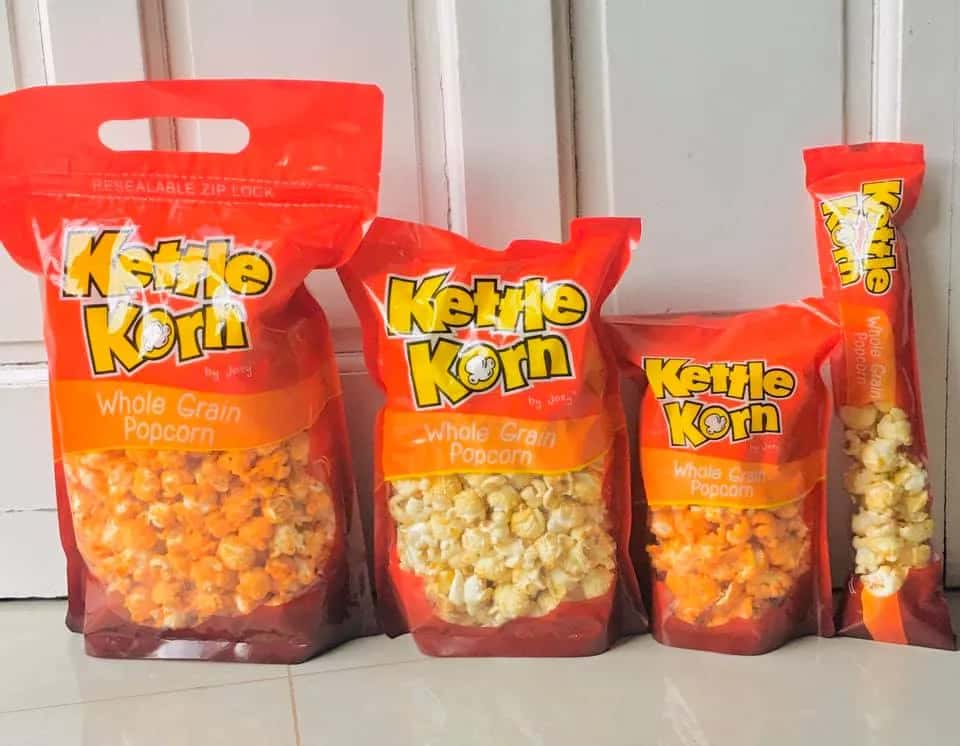
Packaged Snacks
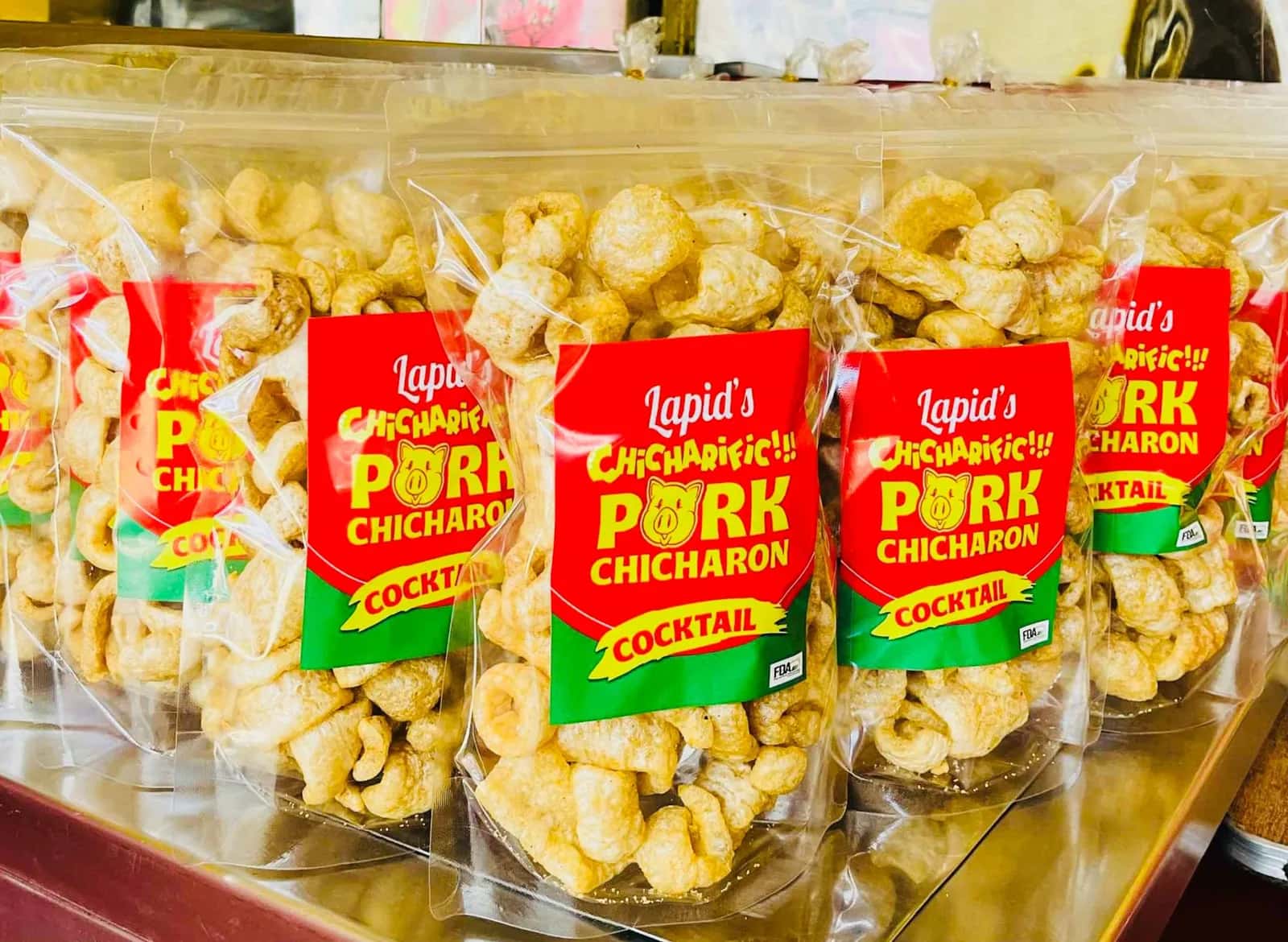
Packaged Snacks
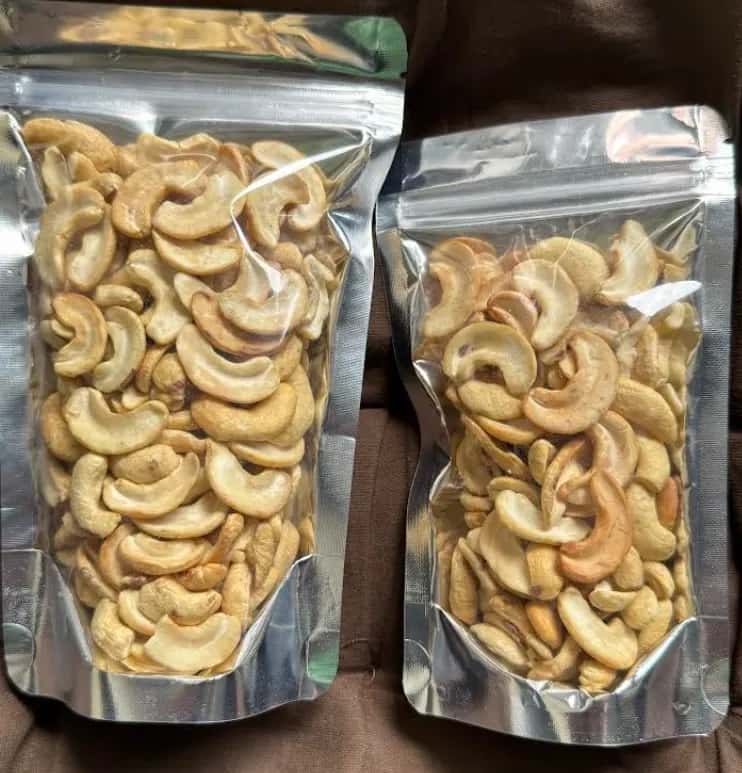
Packaged Snacks
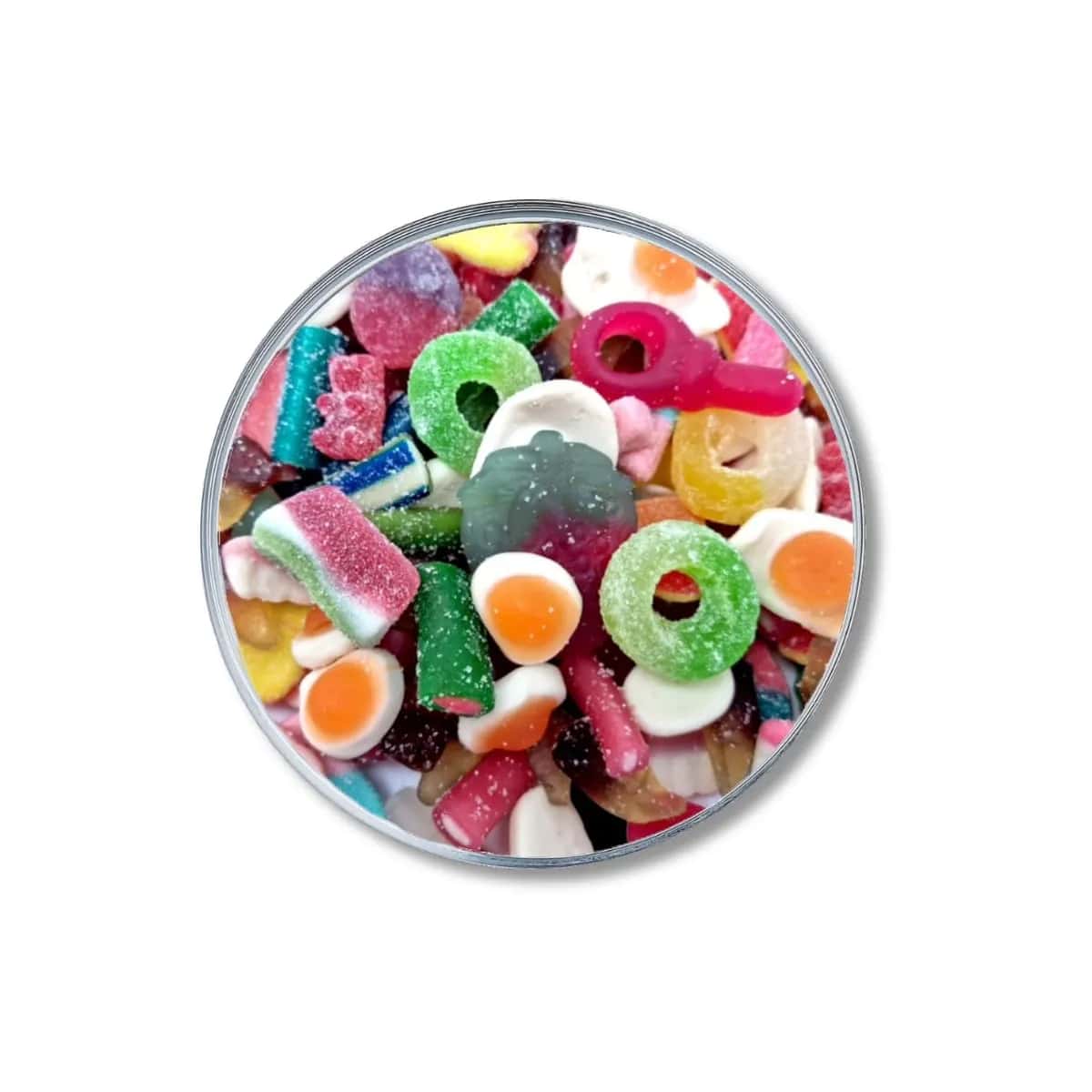
Packaged Snacks

Packaged Snacks
Packaged Snacks
Compare packaged snack franchises with other industries at the same budget, each with its own brands, fees and investment ranges.
Compare industries by budget, daily work and payback before you choose one, free and with no pressure.

Learn practical inventory control steps for your Philippine franchise to cut waste, prevent loss, and protect your capital.
Aug 14, 2026 6 min read
Learn how non-compete clauses work when exiting a franchise agreement in the Philippines, protecting your investment after closing.
Jul 20, 2026 5 min read

Learn how to secure financing for your Philippine franchise, from preparation to approval. A practical guide for new operators and OFWs.
Jul 20, 2026 5 min read