Supreme Burger
Burgers
- Franchise fee
- ₱17k
- Total investment
- ₱17k–₱150k
🎁 Start Your 1 Month Free Trial of the Full Plan, Exclusively for Brands & Advisors.Get Started
Browse a burger franchise up to ₱200k, with an investment of about ₱150k, a franchise fee of about ₱17k, and paying back in about 6 months.
Updated
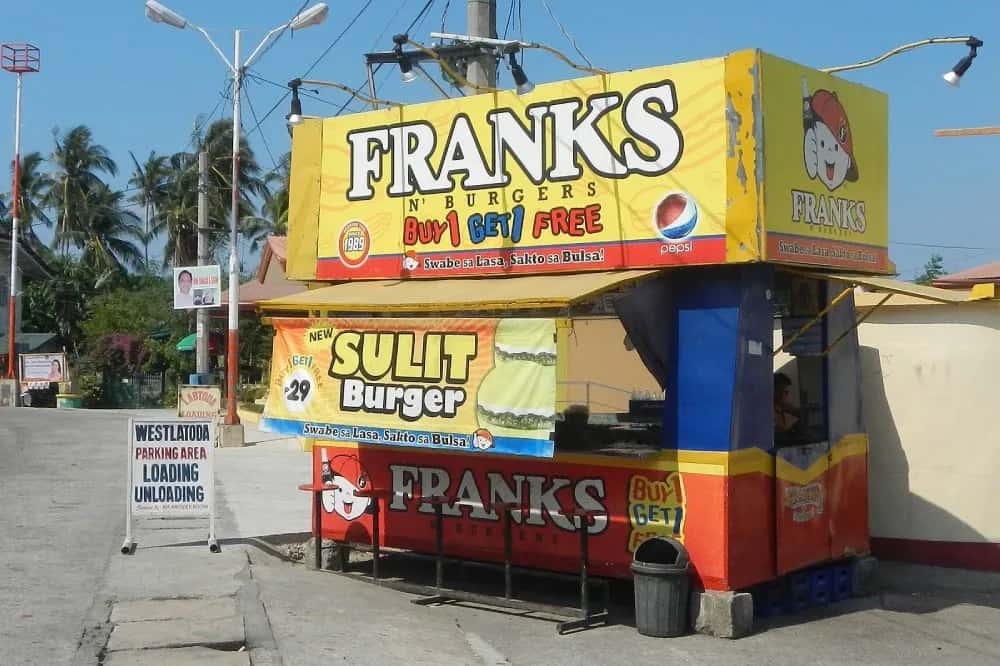
A burger franchise priced under ₱200,000 keeps to a cart or kiosk package, with total investment landing between roughly ₱17,000 and ₱150,000. The fee sits right at the low end of that range, among the cheapest anywhere in the category. Payback is reported at around six months, fast enough to test the idea without tying up serious capital for long. This is the cheapest end of the burger category, not a shrunken version of a pricier budget.
The figures at this budget sit at the base of a category whose priciest packages reach into the tens of millions of pesos. That contrast matters, because it shows how much room the category holds between a first attempt at running a food business and a full commercial operation. Whatever is offered at this price was built specifically to keep the cost of testing the idea as low as possible, not to compete head to head with the pricier names further up the ladder. A reader comparing this budget against a costlier one should judge the two on different terms rather than side by side. Treating this budget as a serious first step, rather than a lesser version of a bigger dream, tends to lead to a more honest decision about whether the idea is worth pursuing at all. What a reader learns running a single cart at this level, from sourcing ingredients to handling a slow afternoon, carries forward directly if a bigger format is ever attempted later.
A cart package and a kiosk package cost the same at this level, so the choice between them comes down to what kind of space is realistically available rather than to price. A cart suits a spot with strong foot traffic but no fixed stall. It can move to a better location if the first one underperforms. A kiosk suits a spot where an enclosed counter already exists, such as a public market bay or a mall corridor. Neither package demands the plumbing, exhaust, or construction work a bigger format would require. That simplicity is a large part of why the entry cost stays this low. It also means less can go wrong mechanically, since there is less equipment to maintain in the first place. A reader deciding between the two should walk the actual spot at different times of day before committing, since a corner that looks busy at noon can sit empty by evening.
A six month payback is among the quickest reported anywhere in this category. But a fast timeline at this scale still depends on steady daily sales rather than a single good week. The tradeoff for the low price is a correspondingly tight limit on daily output. A single cart or kiosk can only serve so many customers before a line starts costing sales instead of adding to them. A reader should treat six months as a best case built on consistent execution. It is not a guarantee that comes automatically with a low price tag, and a slow first month is common enough to plan around. Setting aside a small buffer beyond the listed investment figure, enough to cover a quiet first few weeks, keeps that slow start from turning into a reason to close early.
A fee this close to the total investment figure usually means the license and a basic equipment kit, with little left over for extras. It is worth asking directly whether that fee covers initial ingredients and signage, or only the right to operate under the name. Support once the cart or kiosk opens also tends to scale with the fee, so a leaner price generally means leaner ongoing help from the franchisor. A reader using this budget as a first step into franchising should expect to handle more of the daily problem solving personally than a pricier budget further up the category would require. Asking how many days of hands on training the fee actually buys is worth doing before signing, since that detail often separates a smooth opening from a rough one. A reader should also ask what happens if a piece of equipment fails in the first month, and whether the franchisor helps or leaves that entirely to the operator.
Now that you've seen what's here, a real advisor can help you shortlist and weigh the options against your budget. Free, at your pace.

Financing Readiness · Site Selection

Franchise Agreements · Multi-Unit Expansion

Low-Capital Startups · Site Selection

Low-Capital Startups
Are you a franchise advisor?Get your own workspace here
Compare burger franchises with other food & beverage businesses up to ₱200k, each with its own brands, fees and investment ranges.
Get honest answers on fees, payback and the best setups for your area, free and with no pressure.
Equipment maintenance and repairs are rarely part of ₱200k, even when the package includes the machines themselves. Warranties can be short or limited, and once they end, every service call and replacement part is yours to pay. Ask the franchisor what the warranty actually covers, who handles repairs, and how quickly technicians respond, then set aside a small monthly amount for upkeep.
Close attention to the numbers makes a ₱200k burger franchise a sound first choice, because owners who review sales and costs weekly usually spot trouble early. The system supplies a method, yet it cannot see a creeping supply bill or a quiet weekday on its own. Before signing, try tracking your household spending for one month. If record keeping comes easily, you already hold a habit that many newcomers lack. If it feels like a chore, set aside money for a bookkeeper from opening week.
Rather than splitting every paycheck, some two-earner households live on one salary and send the other straight toward ₱200k for a burger franchise. This only works if the smaller income can truly cover rent, food and bills without strain. Try living on that single salary for a few months before committing, and if it holds, you will have both a faster savings pace and proof that your household can handle a lean start.
Staff costs come with any setup that needs a crew, and among burger franchises at ₱200k you can choose from food carts with 1 franchise and kiosks with 1. Hiring legally means registering as an employer and remitting SSS, PhilHealth and Pag-IBIG contributions, which raises the true monthly cost of a staffed format. Ask an accountant to estimate these employer costs for the crew size each setup needs, so you compare formats by their real payroll.
At this level, a burger franchise might hand you equipment, an opening supply of ingredients or materials, staff training and some opening day support, all wrapped into the ₱200k figure. Whether that is a fair deal depends on the quantity and quality of each item, not just its presence on a list. Ask how much initial stock is included in actual units, because a small starter batch can run out within your early busy days.
Compare how many burger franchises start at each budget level, from the smallest packages up.
Burger franchises priced close to your budget, worth a look if you can stretch your savings or want to spend less.

Burgers
Burgers
Burgers
Burgers
Burgers
Burgers
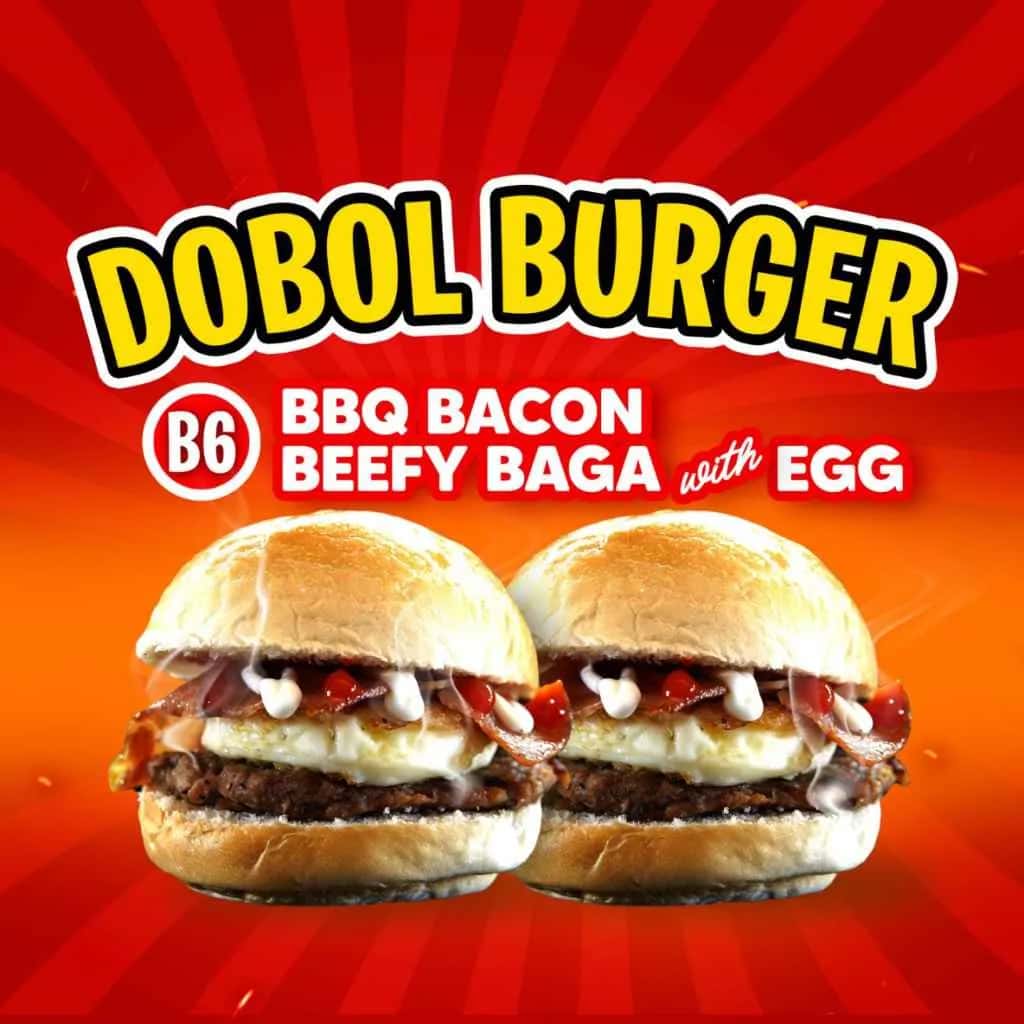
Burgers
Burgers
Compare burger franchises with other industries at the same budget, each with its own brands, fees and investment ranges.
Compare industries by budget, daily work and payback before you choose one, free and with no pressure.

Learn practical inventory control steps for your Philippine franchise to cut waste, prevent loss, and protect your capital.
Aug 14, 2026 6 min read
Learn how non-compete clauses work when exiting a franchise agreement in the Philippines, protecting your investment after closing.
Jul 20, 2026 5 min read

Learn how to secure financing for your Philippine franchise, from preparation to approval. A practical guide for new operators and OFWs.
Jul 20, 2026 5 min read