TK Takoyaki
Takoyaki & Japanese Snacks
- Franchise fee
- ₱45k
- Total investment
- ₱60k–₱200k
🎁 Start Your 1 Month Free Trial of the Full Plan, Exclusively for Brands & Advisors.Get Started
Browse a takoyaki & Japanese snack franchise up to ₱200k, with an investment of about ₱200k, a franchise fee of about ₱45k, and paying back in about 9 months.
Updated
Takoyaki & Japanese Snacks
Takoyaki & Japanese Snacks
Takoyaki & Japanese Snacks
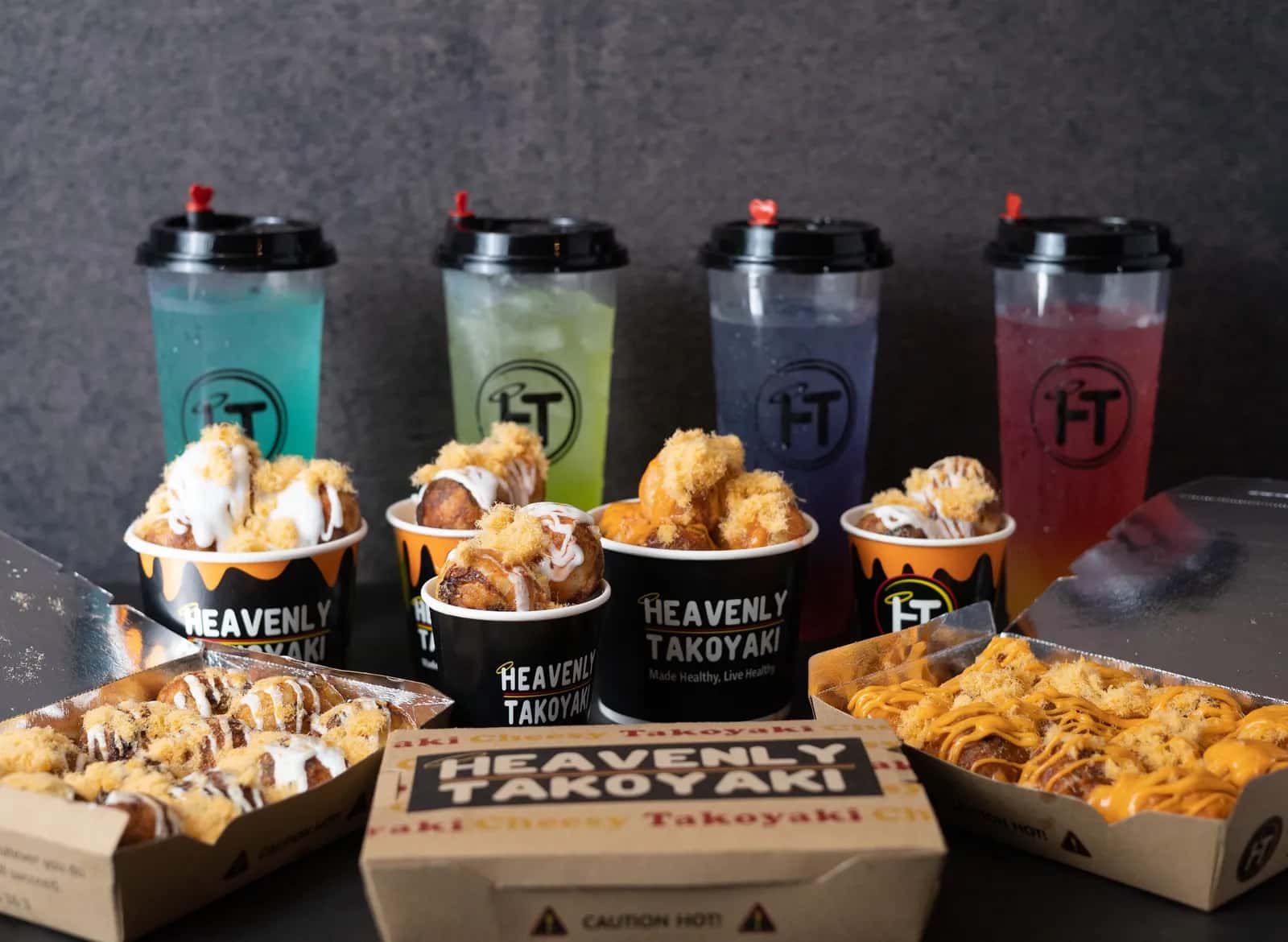
Takoyaki & Japanese Snacks
Up to ₱200,000 in takoyaki and Japanese snacks covers entry from around ₱60,000 to the full amount, with a franchise fee near ₱45,000. Both a food cart and a kiosk build sit within reach of this money, so the footprint is a choice rather than a limit at this budget. Payback lands around nine months, quick enough that the format decision matters more than the wait for a return.
A food cart at this budget is built to move: a compact griddle rig that can shift from a morning spot near a school to an afternoon pitch near a market without much trouble. A kiosk trades that mobility for walls, a counter, and a fixed address, better suited to a corner already known to draw steady foot traffic through the day. Both sit inside the same ₱60,000 to ₱200,000 range, so the choice does not hinge on the money at all. It hinges on the site already available and how long that site can be counted on. A borrowed corner that changes hands often favors a cart. A longer lease on one spot favors a kiosk. Either way, the cooking itself, the griddle work and the fillings, does not change between the two. The equipment behind either format is fairly basic at this price, so its condition on delivery is worth checking closely, since repairs eat into a budget this tight faster than they would at a higher spend.
Takoyaki and similar Japanese-style snacks sell on being a little different from the everyday street food around them, cooked in front of the customer rather than pre-made and waiting. That visible cooking is part of the draw, especially near schools, markets, and transport stops where people already expect to grab something quick rather than sit down. At this budget the format leans toward volume over variety, since the money supports one or two signature items done well rather than a wide menu. That focus actually suits the category, since the appeal is the format and the flavor rather than choice. A first-timer weighing this budget should look at whether the intended site already gets a crowd used to buying snacks on the move, since the product itself has already proven it can sell at this scale.
Before signing at this budget, it is worth asking what the ₱45,000 fee covers compared with the rest of the spend. The gap between the fee and the ₱200,000 top of this range has to go somewhere specific: equipment, an opening batch of ingredients, or working capital. It is worth asking how the ingredients specific to this category get sourced and how often deliveries run. A supply gap shows up faster in a menu built around one or two items than in a wider one. It is also worth asking what happens if the chosen format, cart or kiosk, does not suit the site as well as expected once trading actually starts. It is worth asking too whether switching between the two later is realistic at this budget. Payback around nine months assumes steady footfall from early on, so a realistic view of the first slow weeks is worth having before committing.
The ₱45,000 fee is a flat figure at this budget, not a sliding one, so it stays the same whether the rest of the spend lands closer to ₱60,000 or closer to ₱200,000. That means the variation across this range comes from the format and the equipment chosen, not from the brand relationship itself. A cart at the lower end of the range keeps the rest of the spend modest, mostly the rig and a starter batch of stock. A kiosk toward the top usually adds a sturdier structure and a bit more starting inventory to fill out a fixed counter. Payback around nine months is on the faster side for the category overall, which fits a budget built around a tight menu and low daily overhead rather than a wide one. Anyone comparing two setups within this range should separate the fixed fee from the flexible spend before deciding which format actually fits the site in mind.
Now that you've seen what's here, a real advisor can help you shortlist and weigh the options against your budget. Free, at your pace.

Financing Readiness · Site Selection

Low-Capital Startups · Site Selection

Low-Capital Startups

Franchise Agreements · Multi-Unit Expansion
Are you a franchise advisor?Get your own workspace here
Compare takoyaki & Japanese snack franchises with other food & beverage businesses up to ₱200k, each with its own brands, fees and investment ranges.
Get honest answers on fees, payback and the best setups for your area, free and with no pressure.
Salaries are among the largest costs the ₱200k package will not cover. Even a small takoyaki & Japanese snack outlet usually needs a helper or crew besides you, and you will owe wages, contributions to SSS, PhilHealth and Pag-IBIG, and thirteenth month pay. Find out how many people the franchisor expects you to schedule per shift and price several months of payroll before you open, so slow early weeks do not force you to cut staff.
Whether a takoyaki & Japanese snack franchise between ₱100k and ₱200k suits you as a beginner depends partly on how much hands-on skill the work needs. Some trades can be learned in a few days of training, while others take months of practice. Ask yourself honestly which kind this is and whether you could learn it or would rely on hired staff. Matching the skill demand to your own abilities is a quiet but important readiness check.
Partnering with a sibling or cousin who has complementary skills can help raise ₱200k and strengthen how a takoyaki & Japanese snack franchise is run. One person may bring more money while the other brings time to manage the store. Discuss expectations openly, agree on whose voice decides what, and settle how you will resolve disagreements before they arise. Clear roles from the beginning prevent the resentment that sometimes grows when one partner feels they do more.
Starter stock is one of the easiest inclusions to misjudge at ₱200k, since equipment, training and signage tend to get most of the attention. Some packages include a generous opening supply while others include only a token batch. Ask each franchisor to state the stock in units and in peso value on the written inclusion list, so you can compare offers on what you actually receive.
Site fit is the first test for the takoyaki & Japanese snack setups at ₱200k, which are food carts with 1 franchise and kiosks with 1. Each format needs a minimum floor area, frontage and foot traffic, so a space that suits one may be too small for another. Write down your space's measurements and daily passersby, then ask each franchisor which formats those numbers can support, and rule out any that need more room or crowd than you can offer.
Compare how many takoyaki & Japanese snack franchises start at each budget level, from the smallest packages up.
Takoyaki & Japanese Snack franchises priced close to your budget, worth a look if you can stretch your savings or want to spend less.
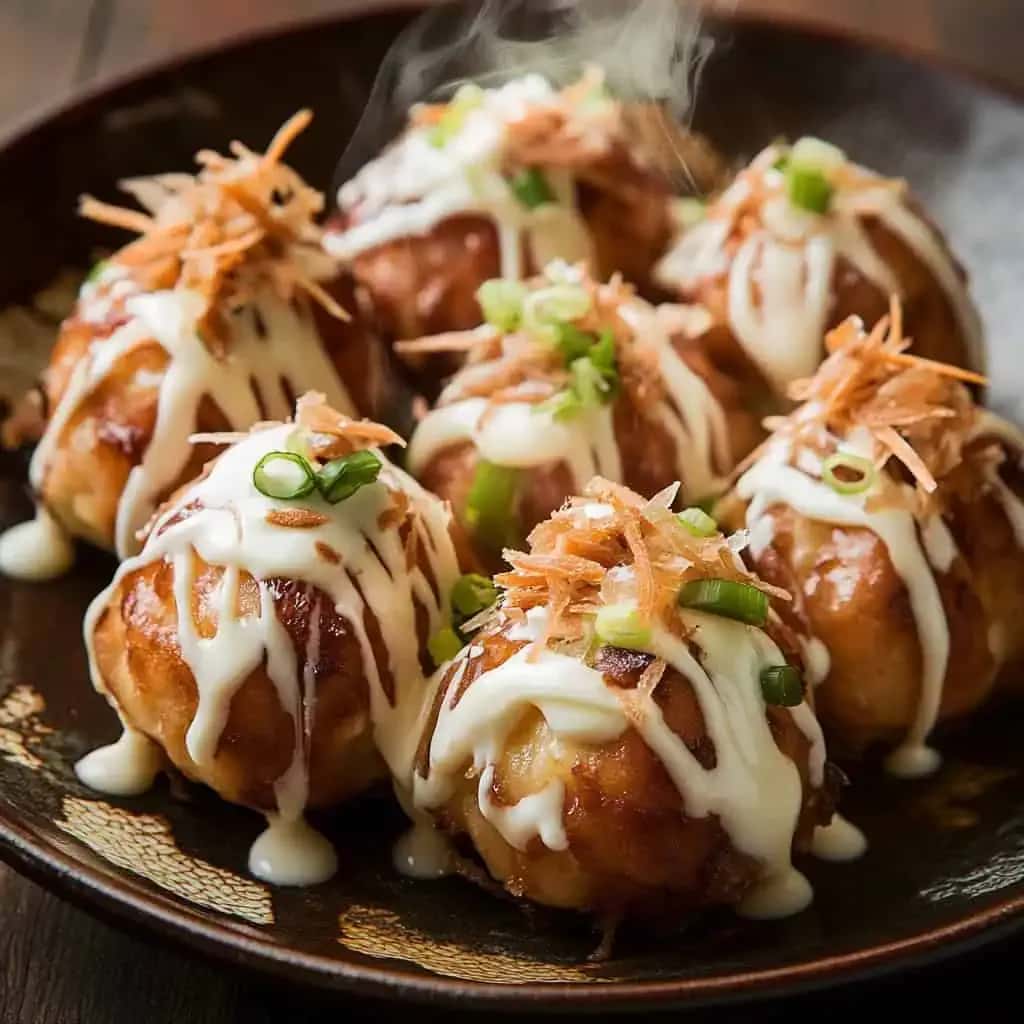
Takoyaki & Japanese Snacks
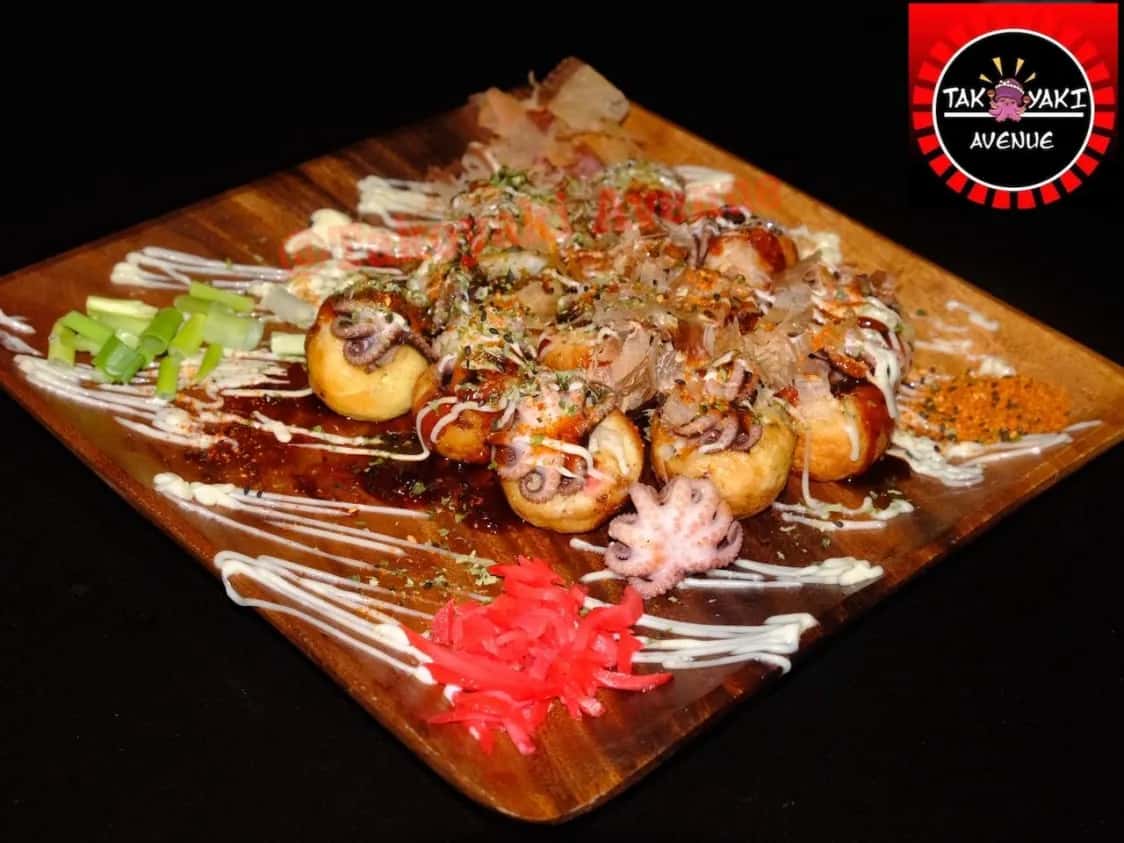
Takoyaki & Japanese Snacks
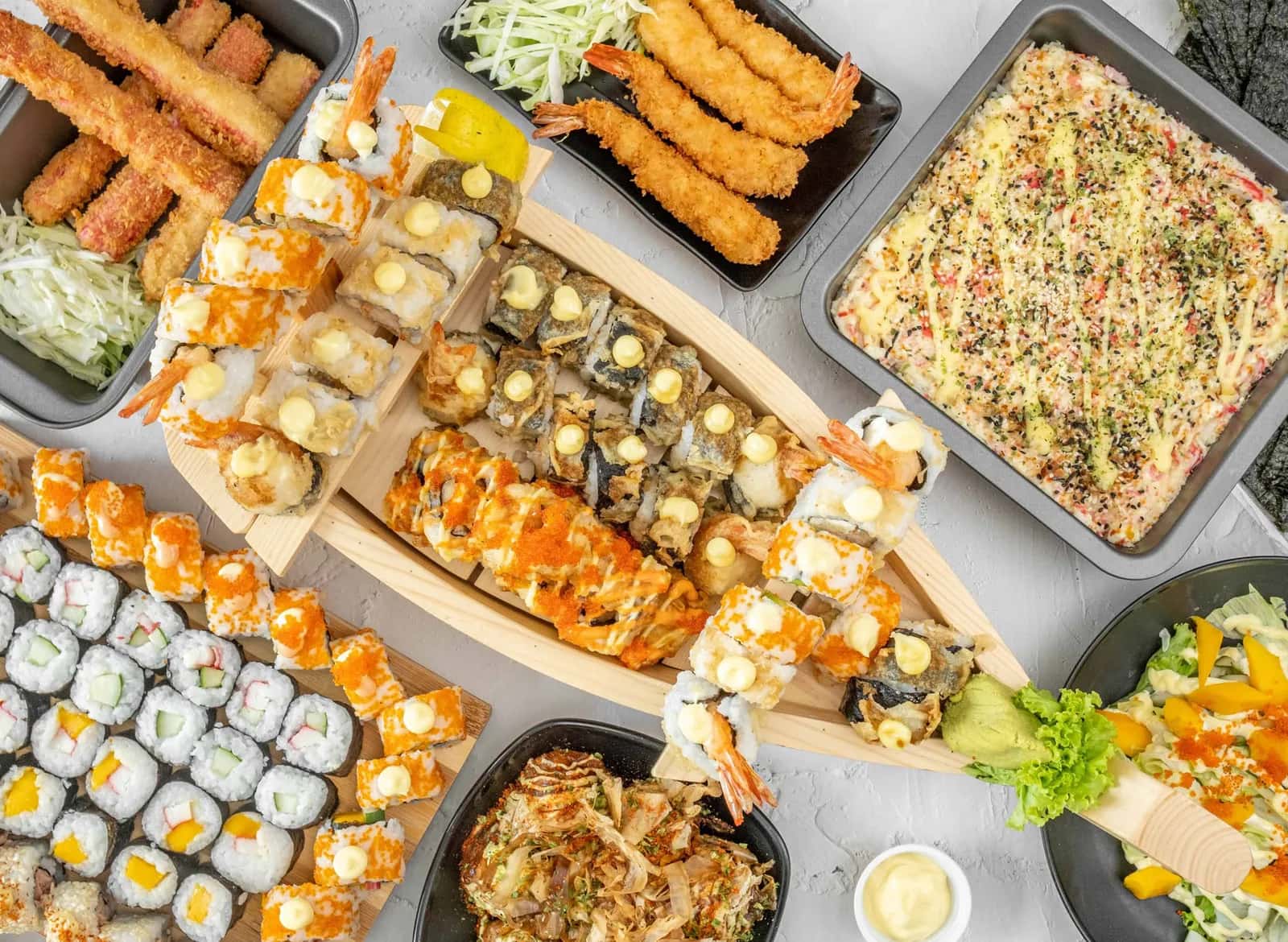
Takoyaki & Japanese Snacks
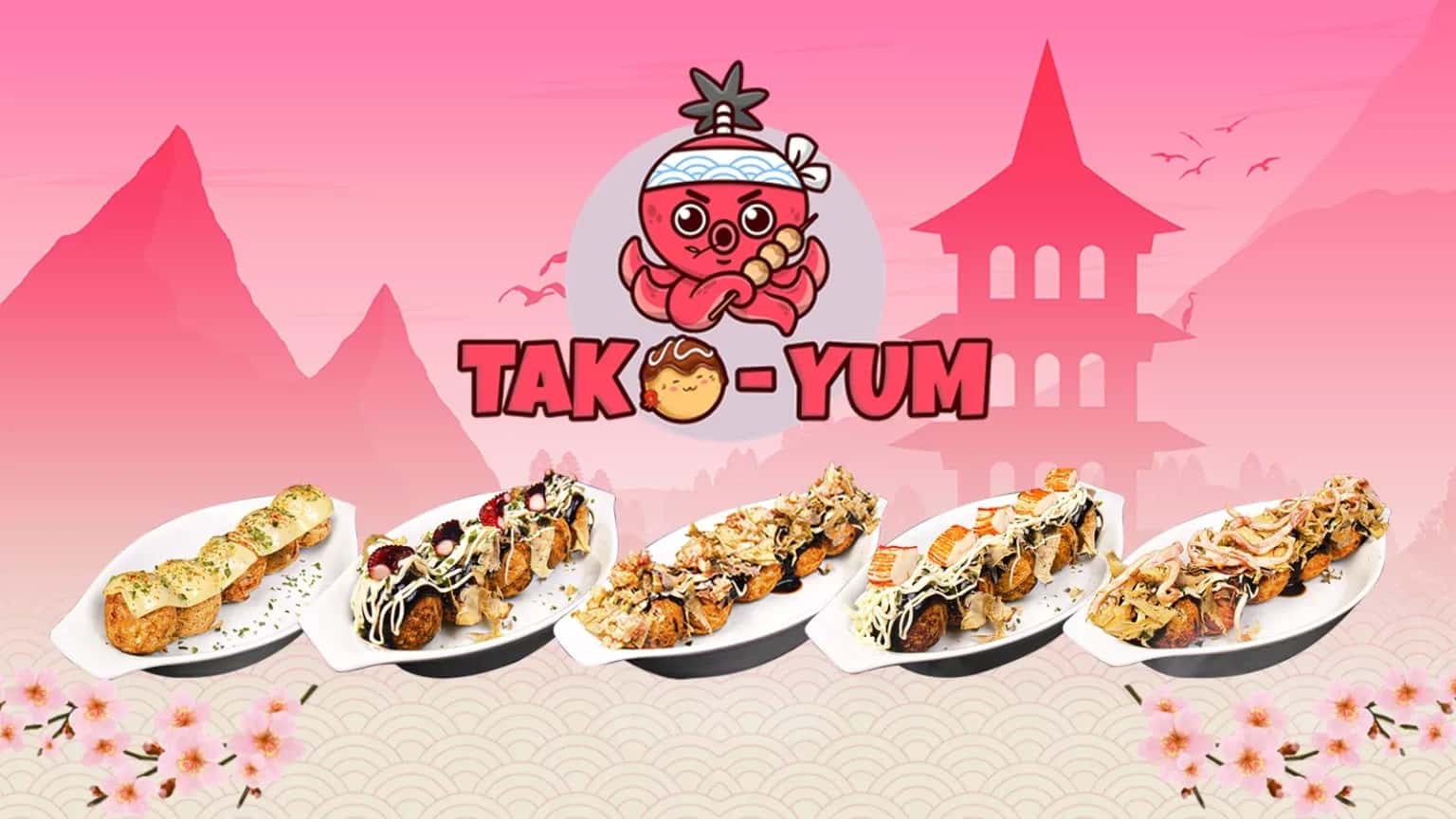
Takoyaki & Japanese Snacks
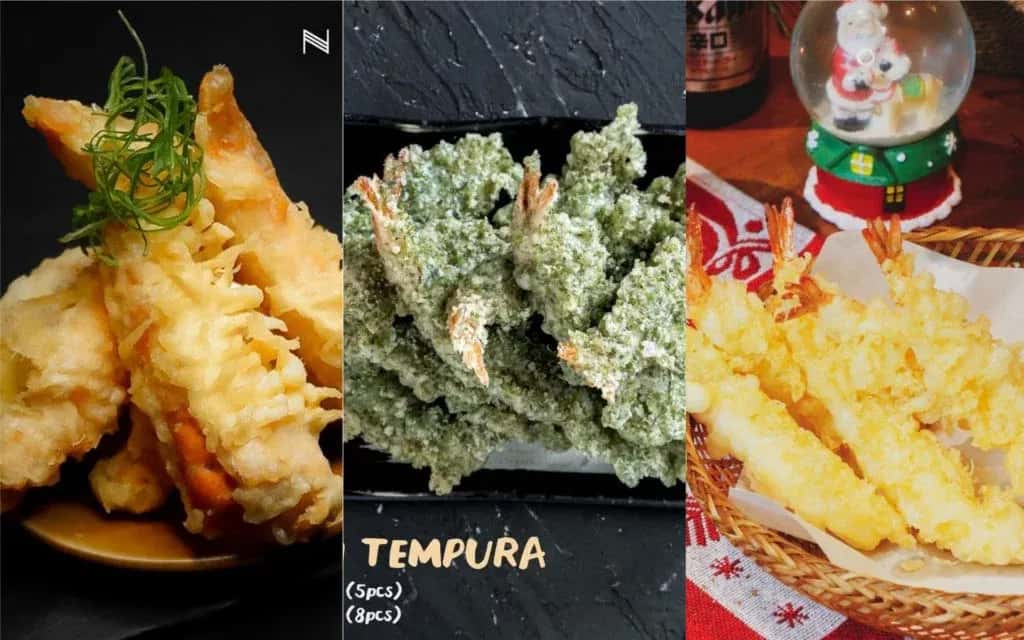
Takoyaki & Japanese Snacks
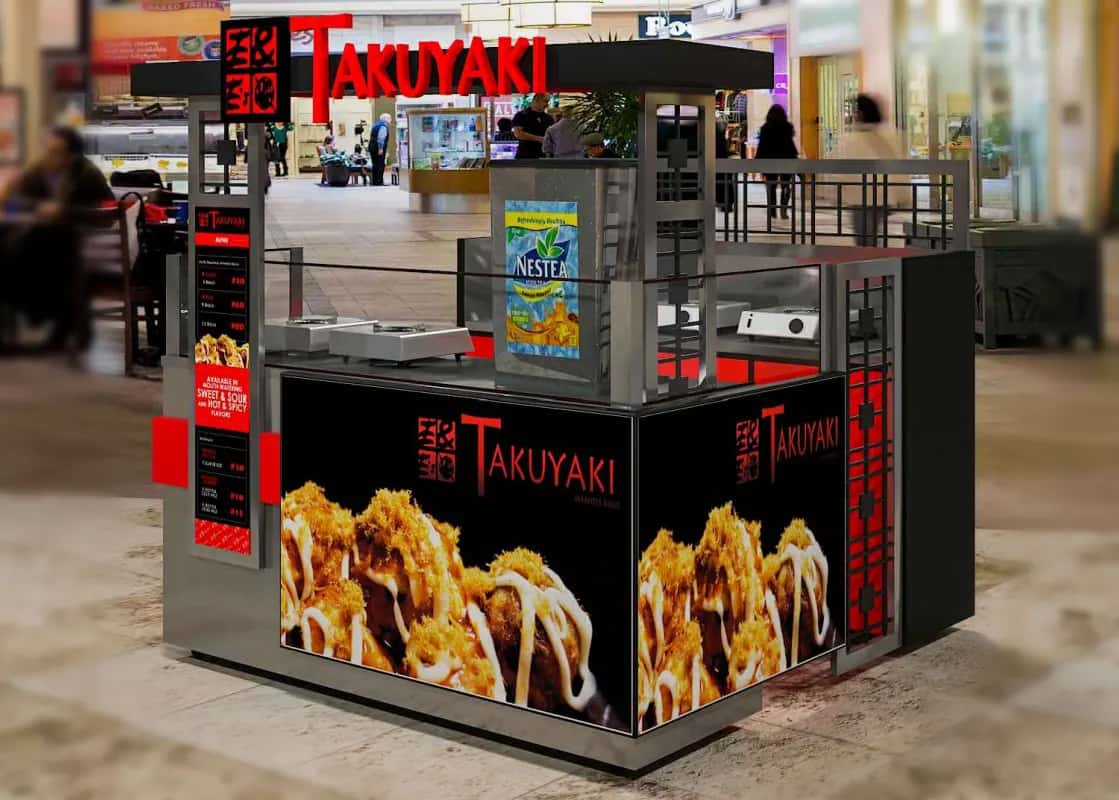
Takoyaki & Japanese Snacks
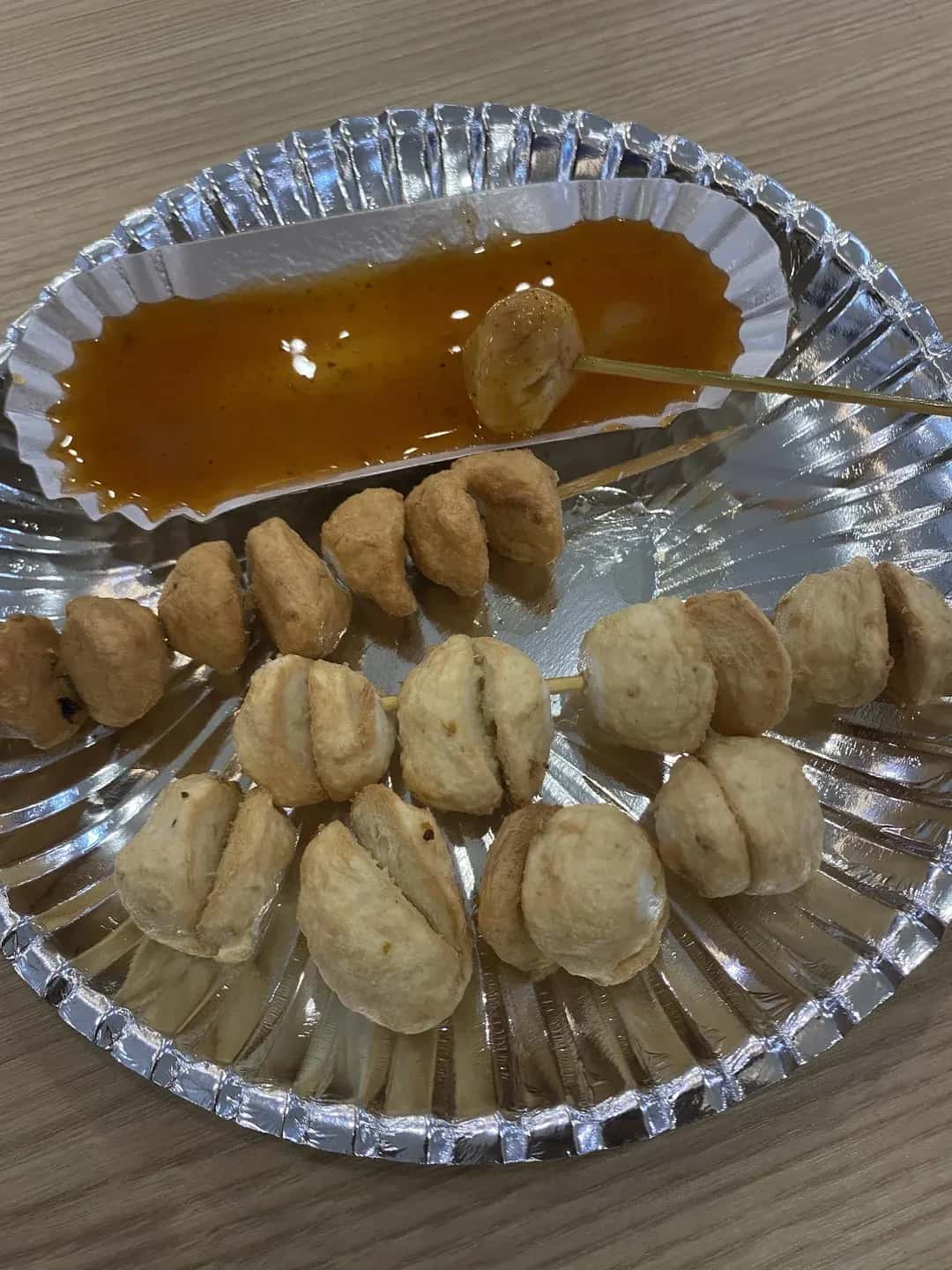
Takoyaki & Japanese Snacks
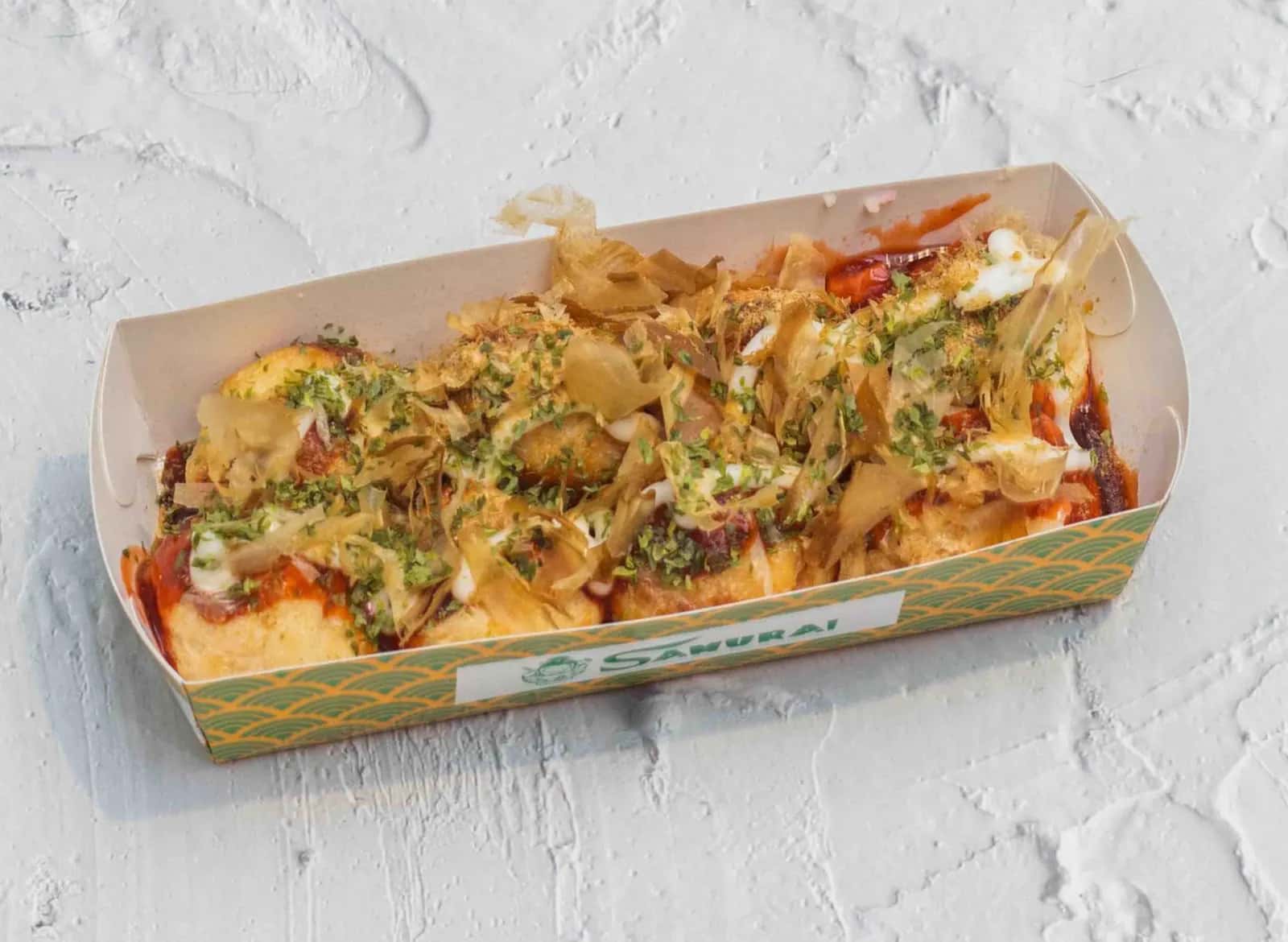
Takoyaki & Japanese Snacks
Compare takoyaki & Japanese snack franchises with other industries at the same budget, each with its own brands, fees and investment ranges.
Compare industries by budget, daily work and payback before you choose one, free and with no pressure.

Learn practical inventory control steps for your Philippine franchise to cut waste, prevent loss, and protect your capital.
Aug 14, 2026 6 min read
Learn how non-compete clauses work when exiting a franchise agreement in the Philippines, protecting your investment after closing.
Jul 20, 2026 5 min read

Learn how to secure financing for your Philippine franchise, from preparation to approval. A practical guide for new operators and OFWs.
Jul 20, 2026 5 min read