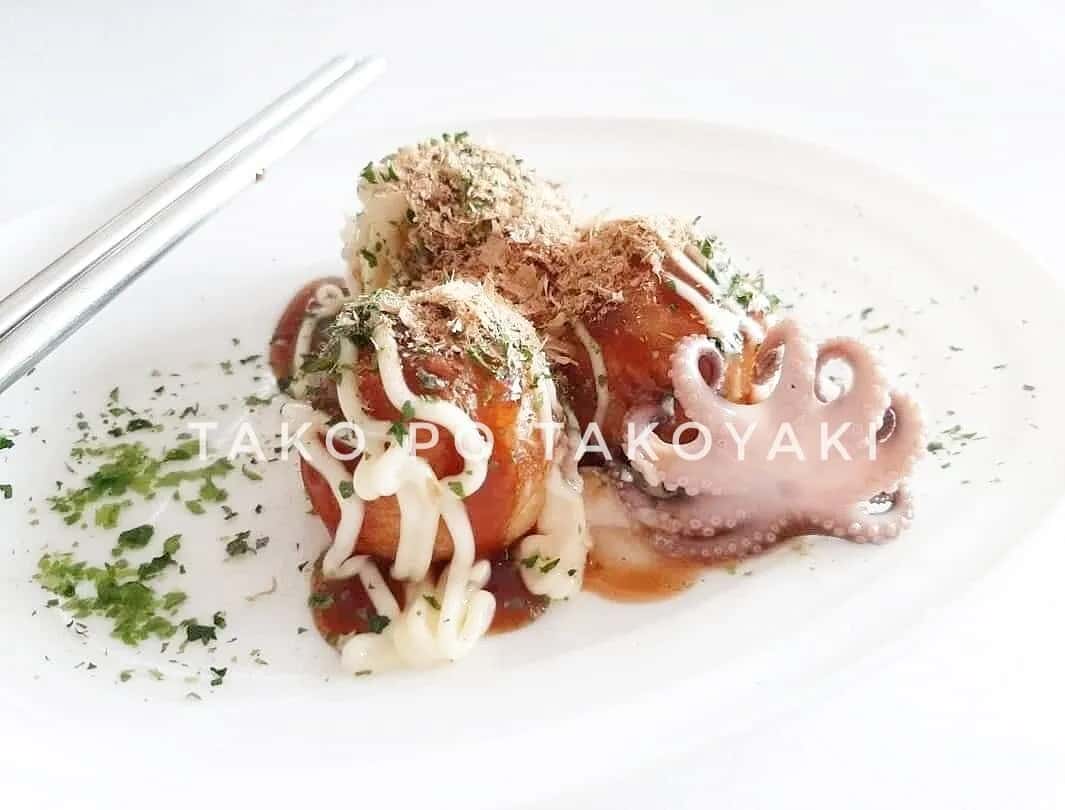
Koyaki
Takoyaki & Japanese Snacks
- Franchise fee
- ₱50k
- Total investment
- ₱150k–₱300k
🎁 Start Your 1 Month Free Trial of the Full Plan, Exclusively for Brands & Advisors.Get Started
Browse 4 takoyaki & Japanese snack franchises up to ₱300k, with investments from ₱250k to ₱300k, a franchise fee of about ₱50k, and most paying back in about 10 months.
Updated
Takoyaki & Japanese Snacks
Takoyaki & Japanese Snacks
Takoyaki & Japanese Snacks
Takoyaki & Japanese Snacks
This budget stretches from around ₱150,000 to a full ₱300,000 for takoyaki and other Japanese-style snacks, with a flat fee near ₱50,000 no matter where in that range a franchisee lands. A food cart comes with every package here, and most also add a kiosk build for someone who already has a fixed corner in mind. Payback settles around ten months, a little slower than the cheapest entry point in this category but still fast for a food business.
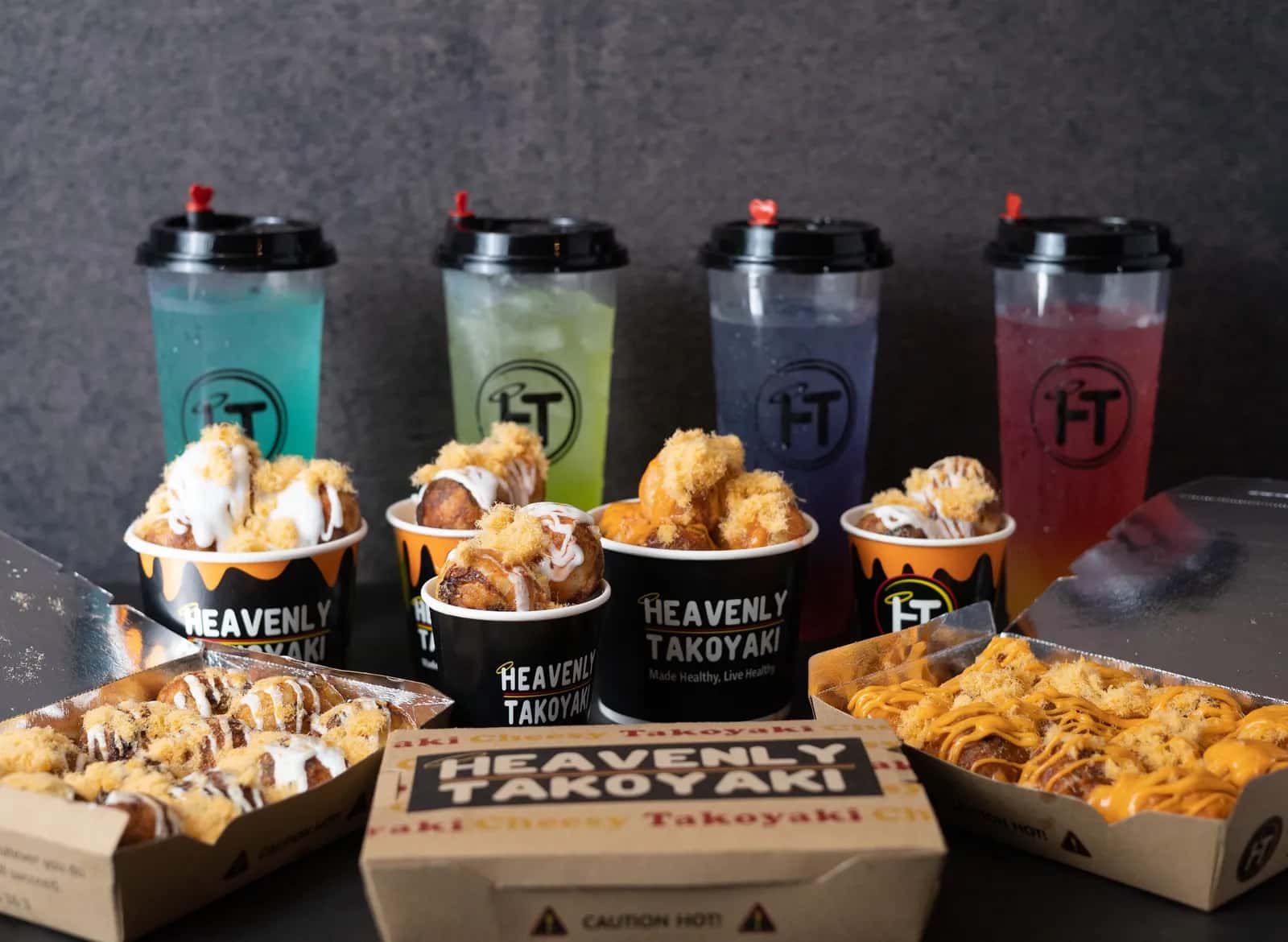
Every package at this level includes a food cart, ready to shift between a morning slot near a school gate and an afternoon spot near a jeepney terminal. Most packages go further and add a kiosk option. A kiosk trades that mobility for a counter and walls that customers learn to find in one place every day. The extra room in this budget compared with the cheapest entry point tends to go toward a sturdier cart or better cooking equipment. It rarely goes toward a wider menu, since the cooking itself stays much the same across the category regardless of budget. Choosing a kiosk here means committing to one location for a while. That fits a site already proven to draw a crowd better than one still being tested. A cart keeps that decision open for longer, at the cost of a smaller and less permanent presence.
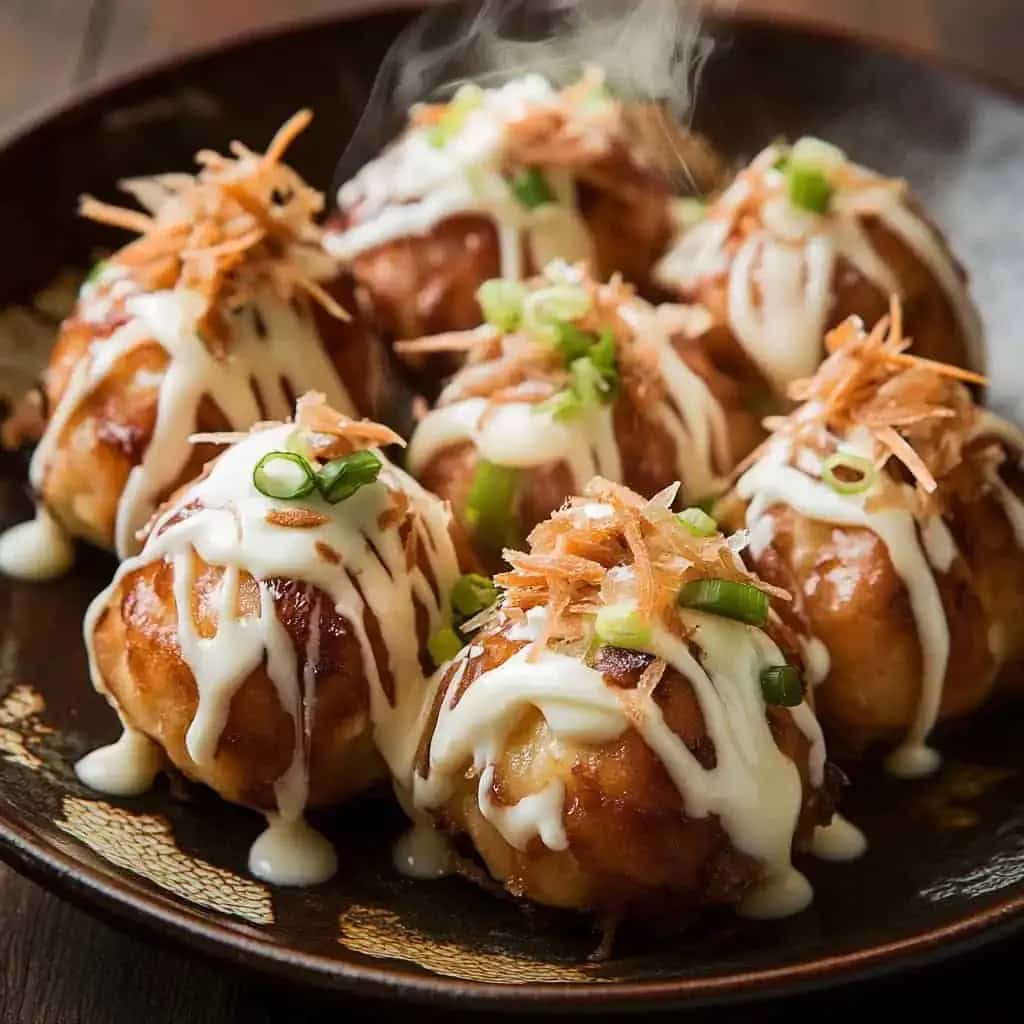
Part of the appeal is watching the batter turn on the griddle right in front of a buyer. That small piece of theatre sets a takoyaki stand apart from snacks that arrive pre-made and waiting under glass. Foot traffic near a school gate, a public market, or a jeepney terminal already includes plenty of people hunting for something quick, not a sit-down meal. This budget still rewards a tight menu built around one or two signature items rather than a long list, since most of the money goes into the cart or kiosk and its cooking gear rather than stocking a wider pantry. That narrow focus works with the category instead of against it. The draw is the sizzle and the flavor, not a long menu board to choose from. Anyone weighing this budget should spend time watching the intended site at the hours it would actually trade, checking whether people there already buy food to eat on the move rather than sit and order.
It is worth asking what the flat ₱50,000 fee covers against the rest of the spend. The gap between that fee and a full ₱300,000 has to buy something specific, whether that is a sturdier cart, upgraded equipment, or a larger opening batch of stock. Ask too where the batter, fillings, and sauces come from and how often a fresh delivery arrives, because a menu this short leaves no backup item to fall back on if one ingredient runs out. If a kiosk is on the table, ask what happens if that fixed site underperforms once trading starts, and whether stepping back to a cart later is realistic within this budget. The reported ten-month payback assumes fairly steady footfall from early on, so it is worth asking what that estimate assumes about the first slow weeks that most new stands face before word gets around.
The ₱50,000 fee holds flat across this budget, so it costs the same whether the rest of the spend sits closer to ₱150,000 or stretches to the full ₱300,000. What actually moves across the range is the format and the quality of the build, not the underlying brand terms. A cart near the lower end keeps spending modest, mostly the rig itself and a starter batch of ingredients. A kiosk toward the top usually adds a sturdier structure and enough stock to keep a fixed counter running properly from day one. A payback point around ten months sits near the faster end for food businesses generally, which suits a setup built around a tight menu and low daily overhead rather than a wide one. Comparing two setups inside this range works best by separating the flat fee from everything else, then matching what remains to the site already in mind.
Now that you've seen what's here, a real advisor can help you shortlist and weigh the options against your budget. Free, at your pace.

Financing Readiness · Site Selection

Low-Capital Startups

Low-Capital Startups · Site Selection

Franchise Agreements · Multi-Unit Expansion
Are you a franchise advisor?Get your own workspace here
Compare takoyaki & Japanese snack franchises with other food & beverage businesses up to ₱300k, each with its own brands, fees and investment ranges.
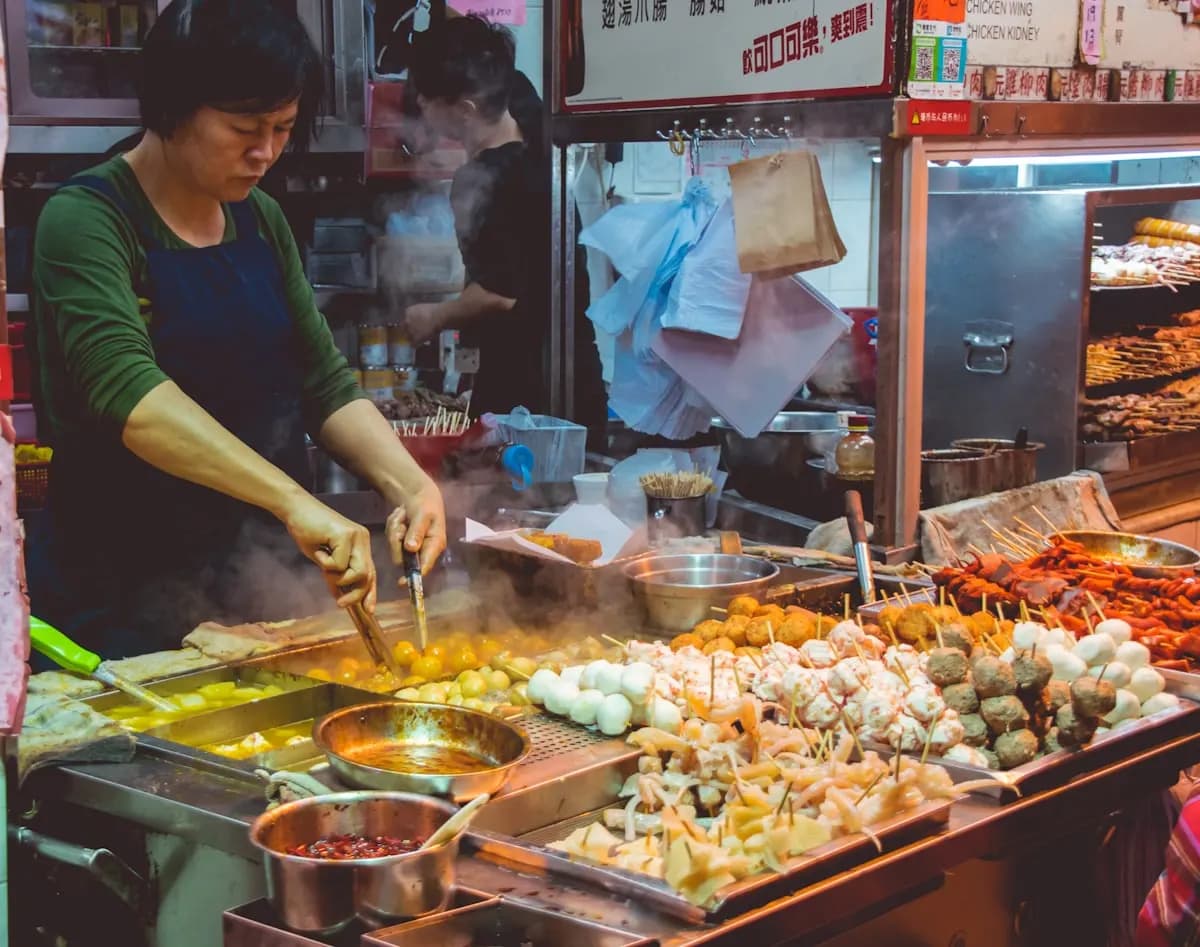
Fishball, siomai, and grab-and-go bites.
23 brandsFrom ₱150k
Chings Fried Noodles, Captain Calamares, Pinoy Hot Balls +20 more
See brands
Fresh juices, shakes, and smoothie bars.
11 brandsFrom ₱150k
Chillz Black Pearl Shake, Coolers Delight, Chambee +8 more
See brands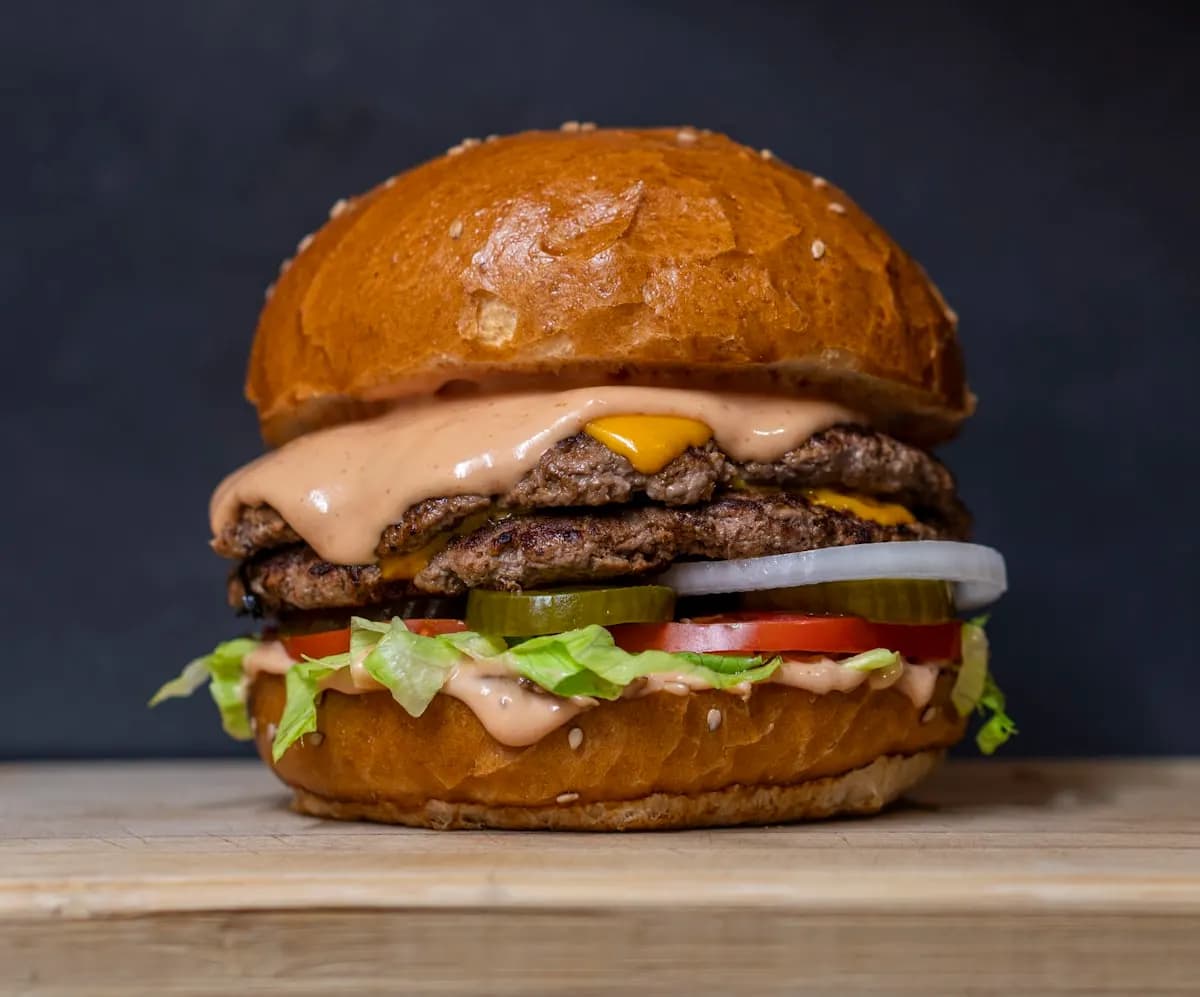
Burger joints and snack grills.
8 brandsFrom ₱150k
Frank's n Burgers, Heaven's Hamburger, Papa Burger +5 more
See brands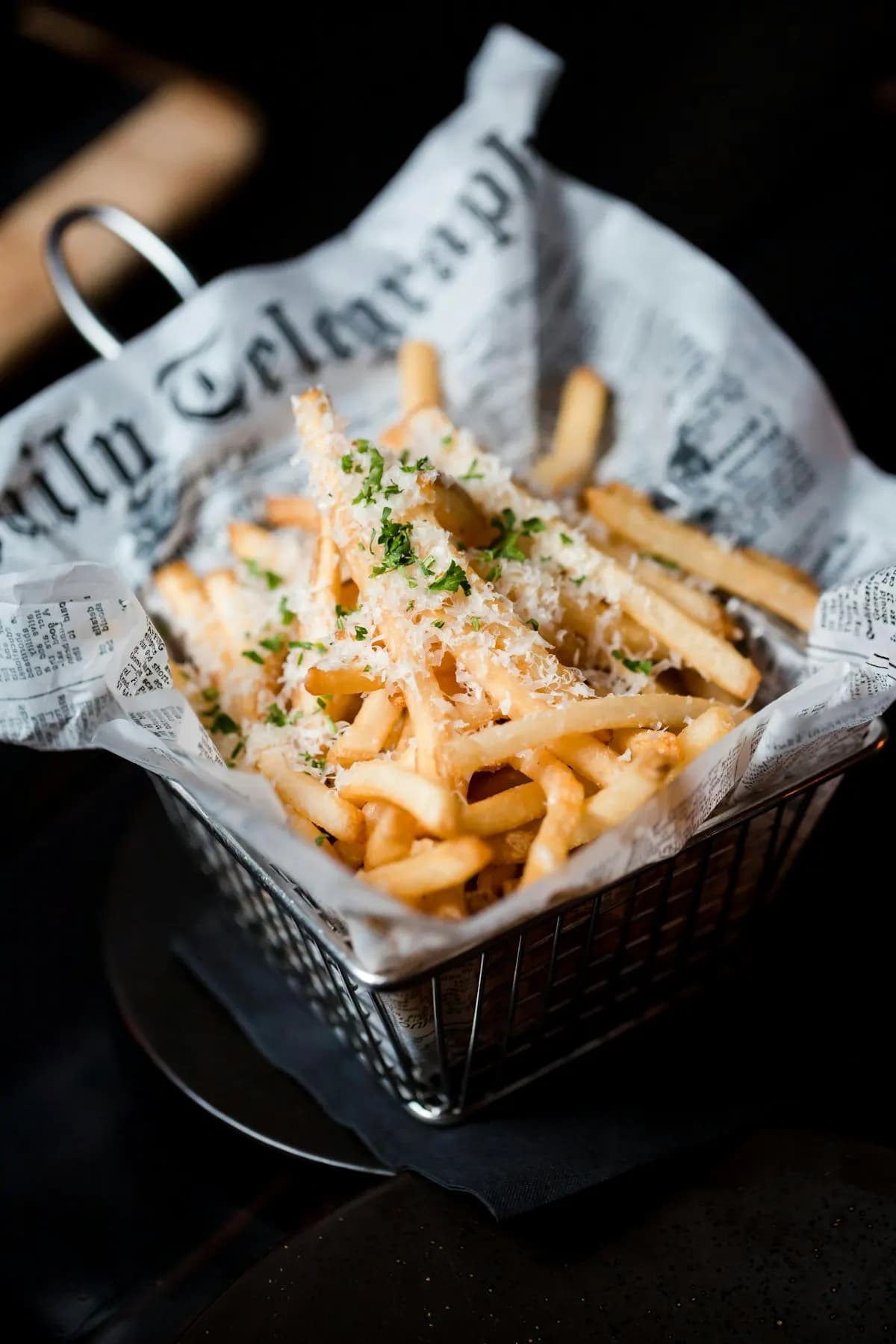
7 brandsFrom ₱149k
Sip Fries, Potdog Yummy Yes Delights, Hot Potato +4 more
See brands
Homegrown Filipino food concepts.
5 brandsFrom ₱30k
99 Silog, Brgy Silog, Pastil sa Tabi +2 more
See brands
Roast chicken, inasal, and grilled favorites.
4 brandsFrom ₱150k
Botoy's Litson Manok.BBQ.Liempo, Manoktok, Hey Chicken +1 more
See brands
Ice cream, halo-halo, and sweet treats.
4 brandsFrom ₱150k
I Love Ice Cream, Mr. Float, Sagoman +1 more
See brandsGet honest answers on fees, payback and the best setups for your area, free and with no pressure.
Considering only investments between ₱200k and ₱300k, you have four takoyaki & Japanese snack franchises to weigh with ₱300k. To weigh them fairly, compare the contents of each package rather than the price tag. Ask every franchisor what is covered, from equipment to training and opening stock, and put the answers in one table. The options with the longest lists give you more for the money. Keep those and drop the packages that leave out basics.
Rent is often the largest cost beyond ₱300k, and it keeps coming every month whether sales are strong or weak. Because rent is fixed, a location that is too expensive for your expected sales can sink an otherwise sound franchise. Ask the franchisor what share of sales rent usually takes at their healthier outlets, and use that to judge which spaces you can realistically afford.
A digital bank or time deposit account can hold your growing fund while you work toward ₱300k for a takoyaki & Japanese snack franchise. These accounts often pay more interest than a regular savings account and make it harder to dip into the money on impulse. Compare a few options, check that the bank is regulated by the central bank, and confirm how quickly you can withdraw when the franchise agreement is ready to sign.
Items tied to the franchisor's own suppliers often sit inside a ₱300k package, alongside equipment, starter stock and training. Knowing which inclusions are proprietary helps you compare offers fairly. Ask each franchisor to mark proprietary items on the written inclusion list, then compare those marks across packages, so you can see which offer hands you more of what you could not source elsewhere.
Reaching the opening date is the goal, so count everything that stands between ₱300k and a working outlet. The four takoyaki & Japanese snack franchises quoting an investment between ₱200k and ₱300k do not usually price deposits, permits, renovation or the first stock order. Add those and a cash reserve to the quote, then judge the sum. The result tells you whether the budget is enough or only close.
Staff readiness differs across the takoyaki & Japanese snack setups at ₱300k, namely food carts with 4 franchises and kiosks with 3. A format with several roles needs people who can learn quickly and cover for each other, while a simple one can be run by a small, steady team. Think about who you can realistically bring on, from relatives to local hires, and choose the setup whose roles those people could learn and perform well during every shift you plan to open.
Whether a takoyaki & Japanese snack franchise between ₱200k and ₱300k suits you as a beginner depends partly on how much hands-on skill the work needs. Some trades can be learned in a few days of training, while others take months of practice. Ask yourself honestly which kind this is and whether you could learn it or would rely on hired staff. Matching the skill demand to your own abilities is a quiet but important readiness check.
Compare how many takoyaki & Japanese snack franchises start at each budget level, from the smallest packages up.
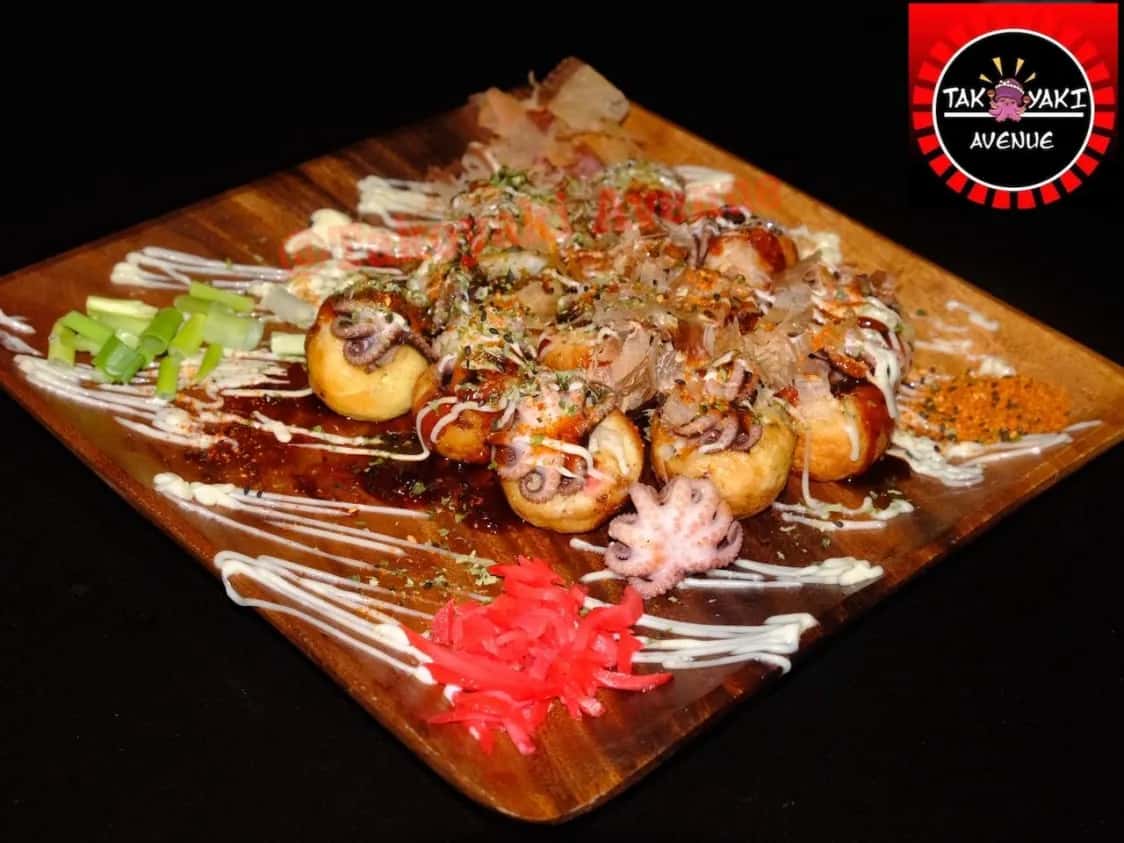
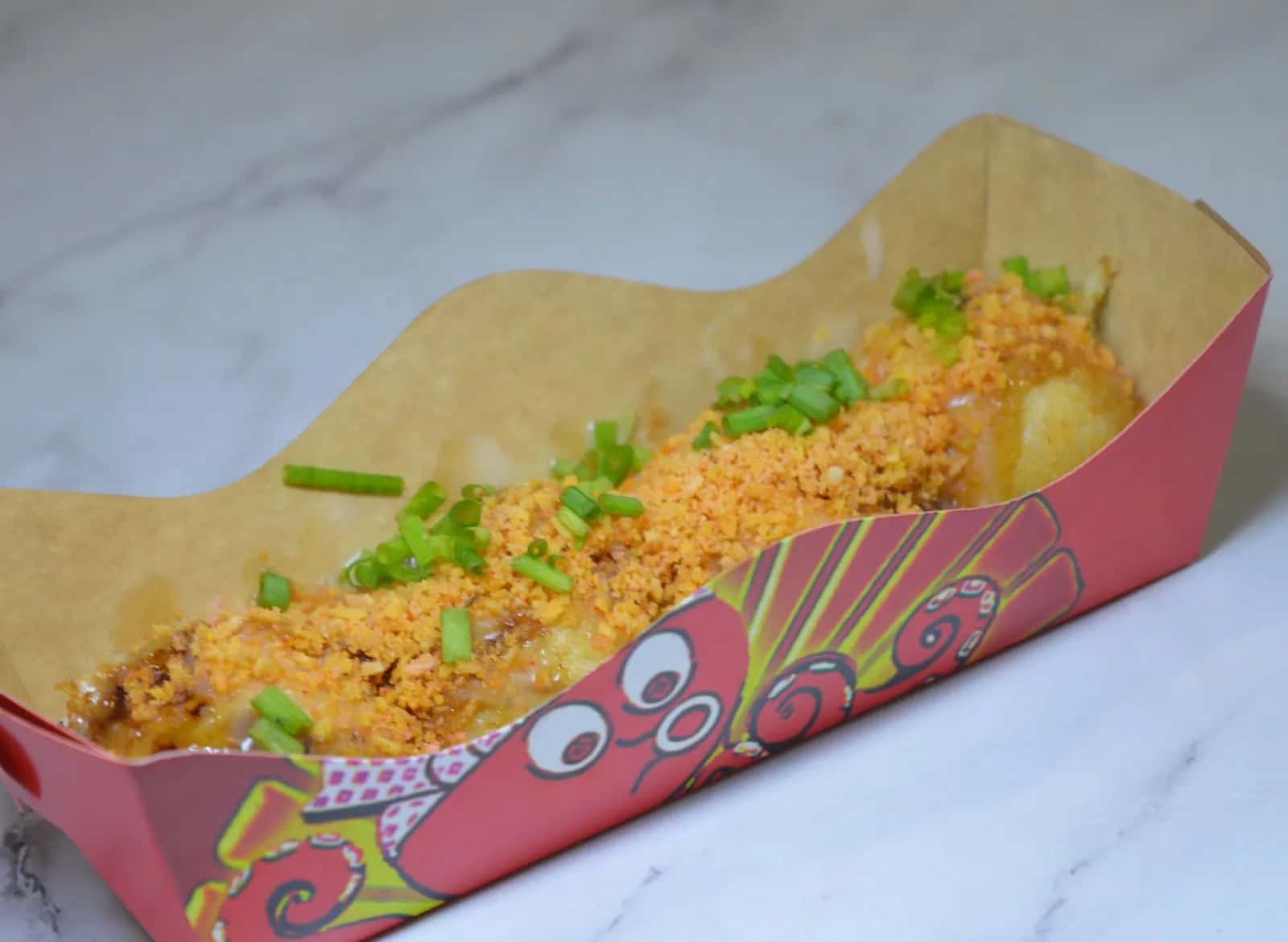
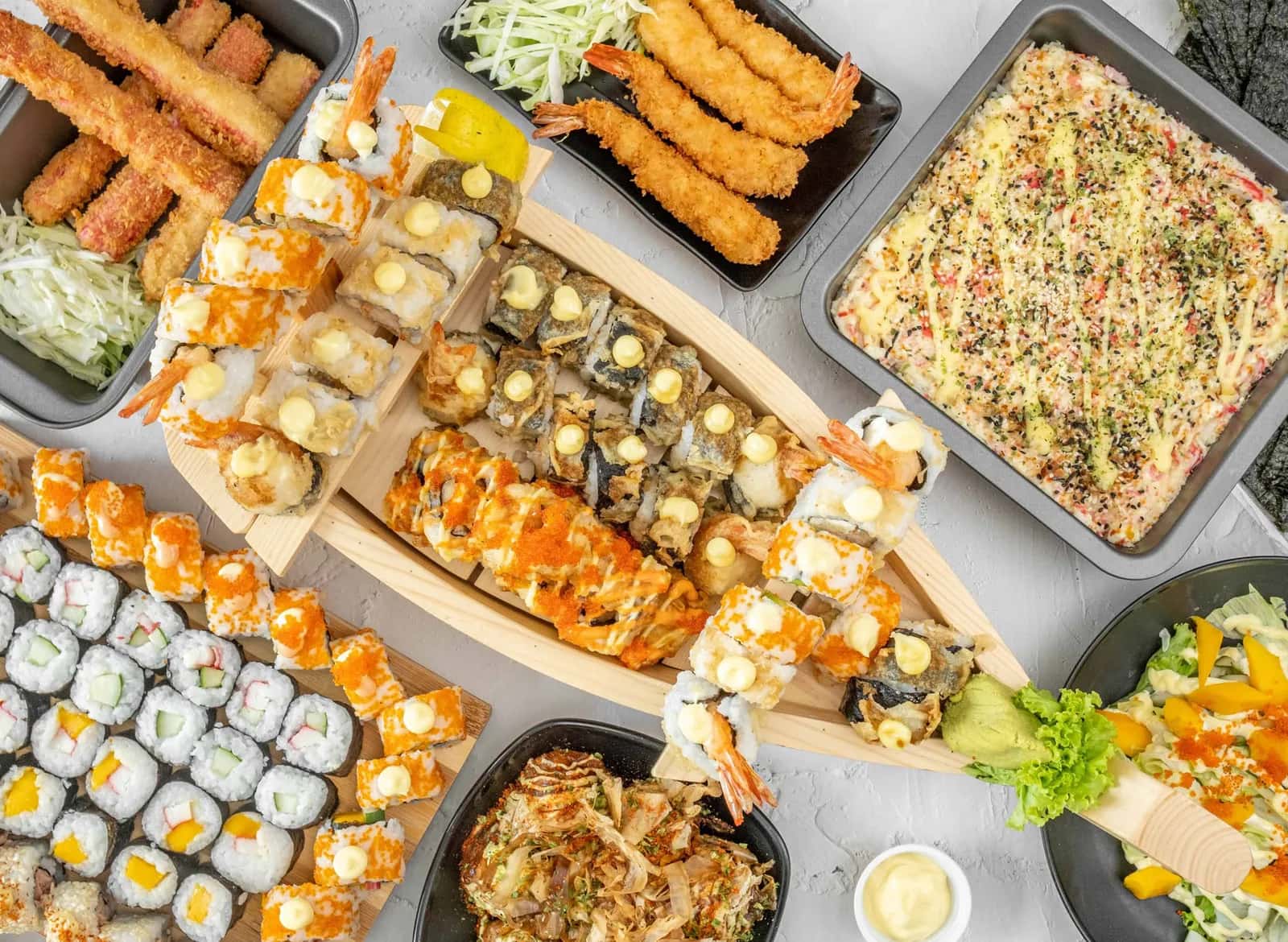
Takoyaki & Japanese Snack franchises priced close to your budget, worth a look if you can stretch your savings or want to spend less.
Takoyaki & Japanese Snacks
Takoyaki & Japanese Snacks
Takoyaki & Japanese Snacks
Takoyaki & Japanese Snacks
Takoyaki & Japanese Snacks
Takoyaki & Japanese Snacks
Takoyaki & Japanese Snacks
Takoyaki & Japanese Snacks
Compare takoyaki & Japanese snack franchises with other industries at the same budget, each with its own brands, fees and investment ranges.

Coffee, milk tea, and cold drink shops.
7 brandsFrom ₱150k
I Love Milk Tea, Milktealicious, Zan's Gallon Milktea +4 more
See brands
Bread, cakes, and pastry shops.
2 brandsFrom ₱150k
Puto ni Bumbong, Choo-Choo Waffle Station
See brandsCompare industries by budget, daily work and payback before you choose one, free and with no pressure.

Learn practical inventory control steps for your Philippine franchise to cut waste, prevent loss, and protect your capital.
Aug 14, 2026 6 min read
Learn how non-compete clauses work when exiting a franchise agreement in the Philippines, protecting your investment after closing.
Jul 20, 2026 5 min read

Learn how to secure financing for your Philippine franchise, from preparation to approval. A practical guide for new operators and OFWs.
Jul 20, 2026 5 min read