K-Croffles
Cakes & Pastries
- Franchise fee
- No franchise fee
- Total investment
- ₱17k–₱150k
🎁 Start Your 1 Month Free Trial of the Full Plan, Exclusively for Brands & Advisors.Get Started
Browse 3 bakery & pastry franchises up to ₱200k, with investments of about ₱150k each, a franchise fee of about ₱40k, and most paying back in 3 to 10 months.
Updated
Cakes & Pastries

Cakes & Pastries
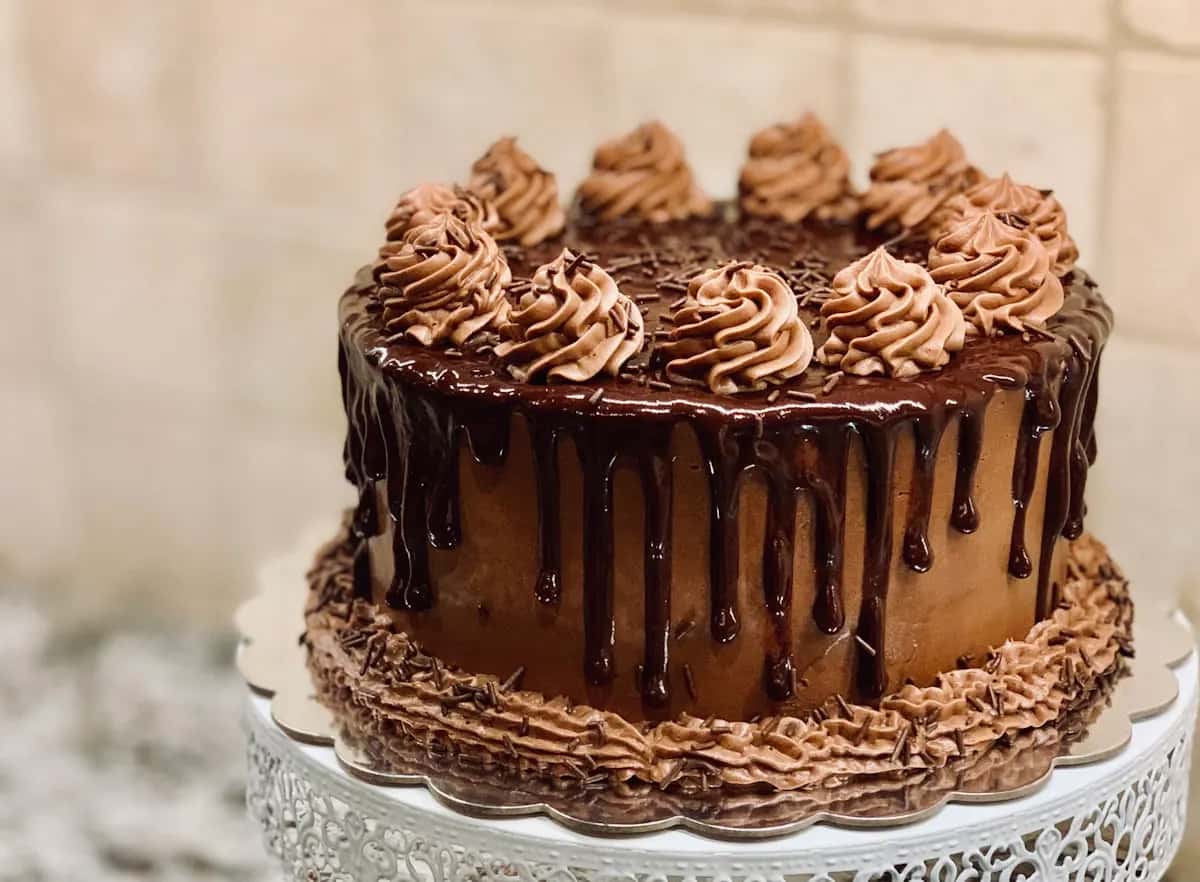
Cakes & Pastries
At ₱200,000, options split sharply between a kiosk package and a home-based or online package with no counter at all. Investment runs from well under ₱20,000 up to close to ₱150,000, and payback ranges from about three months to ten. That spread exists because a home-based setup costs far less to start than a kiosk needing a physical build. The format chosen decides almost everything else about the numbers that follow.
Every brand priced within this budget sells a kiosk package, the smallest storefront-style format in the category, and most also add a food cart version for an even lighter setup. A meaningful share go further, offering a home-based or online package with no public counter at all. That option is unusual for this category and suits products built to travel well: small-batch cookies, specialty cakes, or items meant for delivery and pre-order rather than walk-in sales. That range means the real choice at this price is not simply which brand to pick. It is which kind of daily business, a staffed counter or kitchen-based production, actually fits the buyer's own situation. A buyer set on a visible counter should rule out the home-based options early. Comparing their fees against a kiosk brand's fee treats a home kitchen and a public counter as though they were the same business, and they are not.
The range at this budget is wide relative to how little money is involved. Total investment runs from well under ₱20,000 at the low end to close to ₱150,000 near the top of this budget. Franchise fees stretch from nothing at all, folded into the total cost, up to about ₱40,000. Payback follows the same pattern, from as fast as three months for the cheapest setups to around ten months for the pricier ones. That spread exists because a home-based or online setup costs far less to start than a kiosk that needs a physical build. Brands sitting in this same price range can represent very different scales of commitment once the format is factored in. Reading the investment figure without checking the format first can leave a buyer comparing numbers that describe completely different businesses. The fee itself is a small piece of the total at every point in this range, so the build-out and starting stock deserve just as much scrutiny as the headline figure.
This price range suits someone who wants to keep a day job while running a small, order-based baking business from home. It also suits someone who wants a compact, visible counter without the cost of a full storefront. It suits less well anyone who wants a fixed answer at this price, since the spread between the cheapest and priciest option here runs close to eightfold. It also suits less well anyone counting on the fastest payback figures without first confirming the order volume those figures assume. Deciding which of these situations actually describes the buyer matters more than comparing fee amounts up front. That decision, made honestly, does more to narrow the field than any fee figure could. A day-job baker chasing walk-in traffic ends up disappointed no matter how good the fee looks on paper, and so does a counter-minded buyer stuck fielding delivery orders instead.
Because a home-based or online format sits alongside a kiosk option at this budget, the first thing worth confirming is which format a specific brand actually expects. Running a small cookie or cake business from a home kitchen is a completely different daily reality from staffing a public counter for set hours. Day to day, a home-based setup means baking to order, packing for pickup or delivery, and fitting production around a day job, with no fixed hours to keep. A kiosk means opening and closing on a set schedule and covering the counter through slow stretches as well as busy ones, whether or not there is a queue that day. It is also worth asking what the fee, if charged, is meant to cover, and whether the fastest three-month paybacks assume an order volume that is realistic for the situation being planned for. The numbers do not scale evenly between a kiosk package and a home-based one, so treating them as interchangeable is a mistake worth avoiding. A quick call with the franchisor about actual weekly output at this budget usually reveals more than the printed fee sheet does on its own.
Now that you've seen what's here, a real advisor can help you shortlist and weigh the options against your budget. Free, at your pace.

Financing Readiness · Site Selection

Low-Capital Startups · Site Selection

Franchise Agreements · Multi-Unit Expansion

Low-Capital Startups
Are you a franchise advisor?Get your own workspace here
Choose a kind of bakery & pastry business and see only its franchises up to ₱200k, with their fees and investment ranges.
Get honest answers on fees, payback and the best setups for your area, free and with no pressure.
Anyone reading these three bakery & pastry franchises priced between ₱100k and ₱200k should remember that ₱200k is a ceiling, not a target. Spending less than your ceiling is allowed, and a package well below it often leaves more room for the rest of your plans. Compare the cheapest options against the pricier ones and see what the difference actually adds. If it adds little, keep the saving. Treat your ceiling as permission to look, not as an instruction to spend it all.
Technology is a quiet line, so check whether ₱200k covers it. The three bakery & pastry franchises quoting an investment between ₱100k and ₱200k may not supply internet service, a tablet or computer, CCTV or a secure payment setup. Ask what the franchisor expects you to have on opening day, price those items and any installation fees, and add them to your list. Small devices and subscriptions can take a real share of the budget.
Minimum wage adjustments are a future cost to keep in mind beyond ₱200k. Regional wage boards review minimum pay from time to time, and when rates rise, your payroll rises with them regardless of sales. Build your projections with some room for higher wages, and check the current minimum that applies to you with DOLE before you finalize your staffing plan.
The fixed part of ₱200k is what every outlet receives, usually equipment, stock, training and signage. Fixed items set the floor of a package, while optional ones show where an offer leaves room for you to add or drop pieces. Ask the franchisor which items are fixed and which are optional, record the answer on a written inclusion sheet, and compare sheets across offers.
Operator involvement is something to compare across the bakery & pastry setups at ₱200k, which are kiosks with 3 franchises, food carts with 2 and home-based or online setups with 1. In some formats a capable crew can run things while you check in, and in others the owner is needed at the counter. Ask operating franchisees how many hours they personally work each week and what happens when they step away, then pick the setup whose answer matches the time you can give.
An honest look at your monthly cash flow is the right starting point for raising ₱200k for a bakery & pastry franchise. Knowing what comes in and goes out shows how much you can save and how big a loan you could repay. List every income and expense for one typical month, and use the difference as the base for your funding plan. If the difference is small, focus first on cutting costs before you think about borrowing.
Nearly every region is within reach for a bakery & pastry franchise between ₱100k and ₱200k, because two franchisors at this level take applicants from across the country, and today the largest branch counts are found in Mandaluyong, Marikina and Muntinlupa. Before you lock in a site, request an introduction to an existing franchisee whose town is about the size of yours. Find out from that owner how their spot got picked and cleared, how deliveries arrive, and what they would do differently with their location if they could begin again.
Expect a ₱200k bakery & pastry franchise to recover its investment in about 3 to 10 months, though that figure comes from the franchisor rather than independent data. Since the franchisor benefits when you buy, the franchisees it introduces you to may well be its happiest ones. Find a few outlets on your own instead, visit them during a quiet hour, and ask the owners directly how their payback compared with what they were promised when they signed.
For an OFW family managing a business from afar, a ₱200k bakery & pastry franchise can work if someone trustworthy is on the ground. Distance makes it harder to notice cash shortages, stock problems or poor service. Ask the franchisor what reporting tools are available so you can see daily sales remotely. Agree with your family manager on regular check-ins and simple reports from the very first week of operations.
Compare how many bakery & pastry franchises start at each budget level, from the smallest packages up.
Bakery & Pastry franchises priced close to your budget, worth a look if you can stretch your savings or want to spend less.
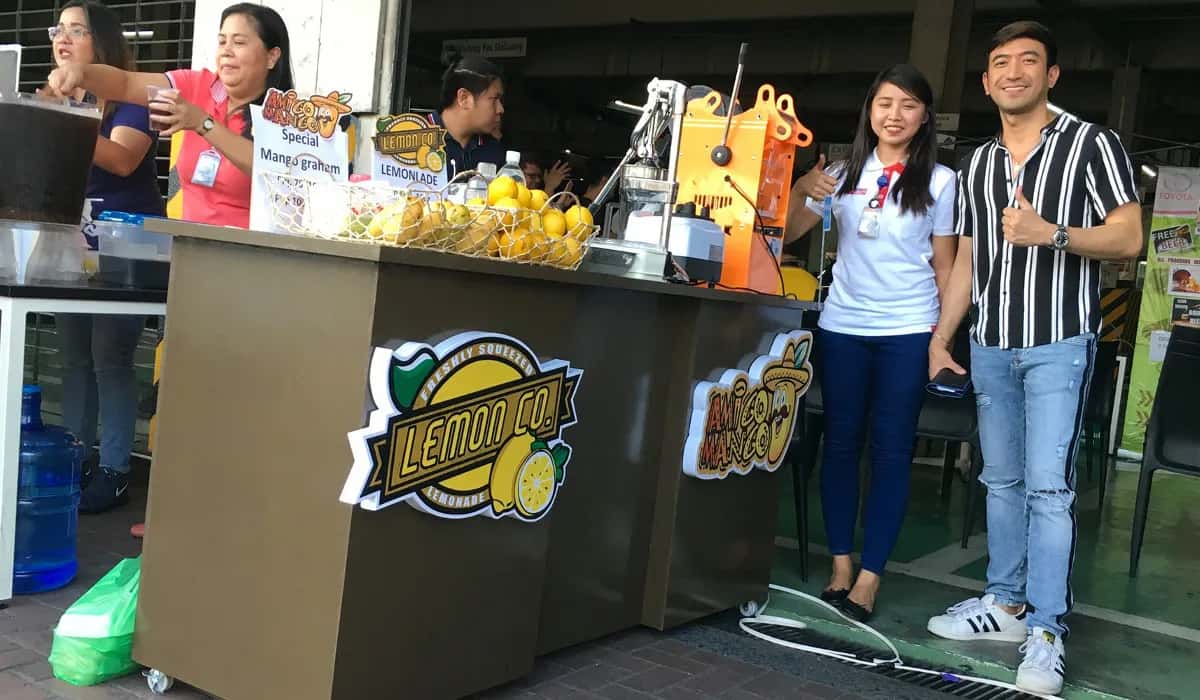
Waffle Shop
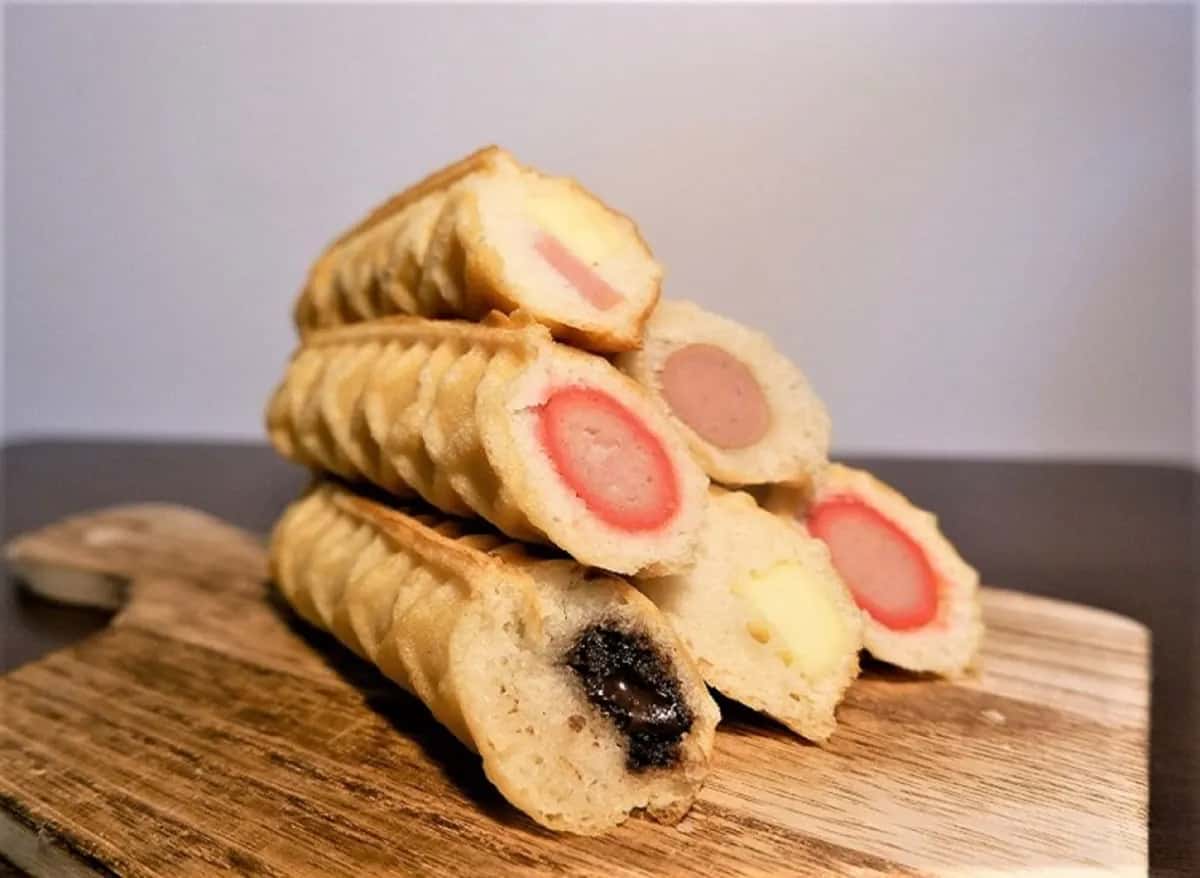
Waffle Shop
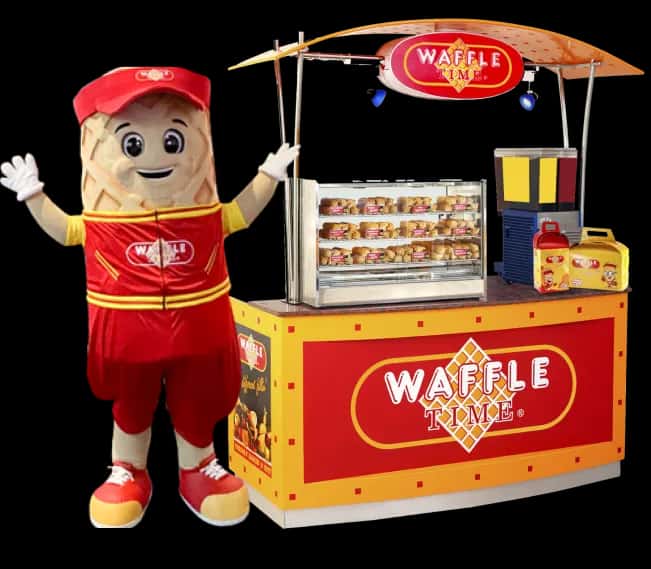
Waffle Shop
Bakeshop
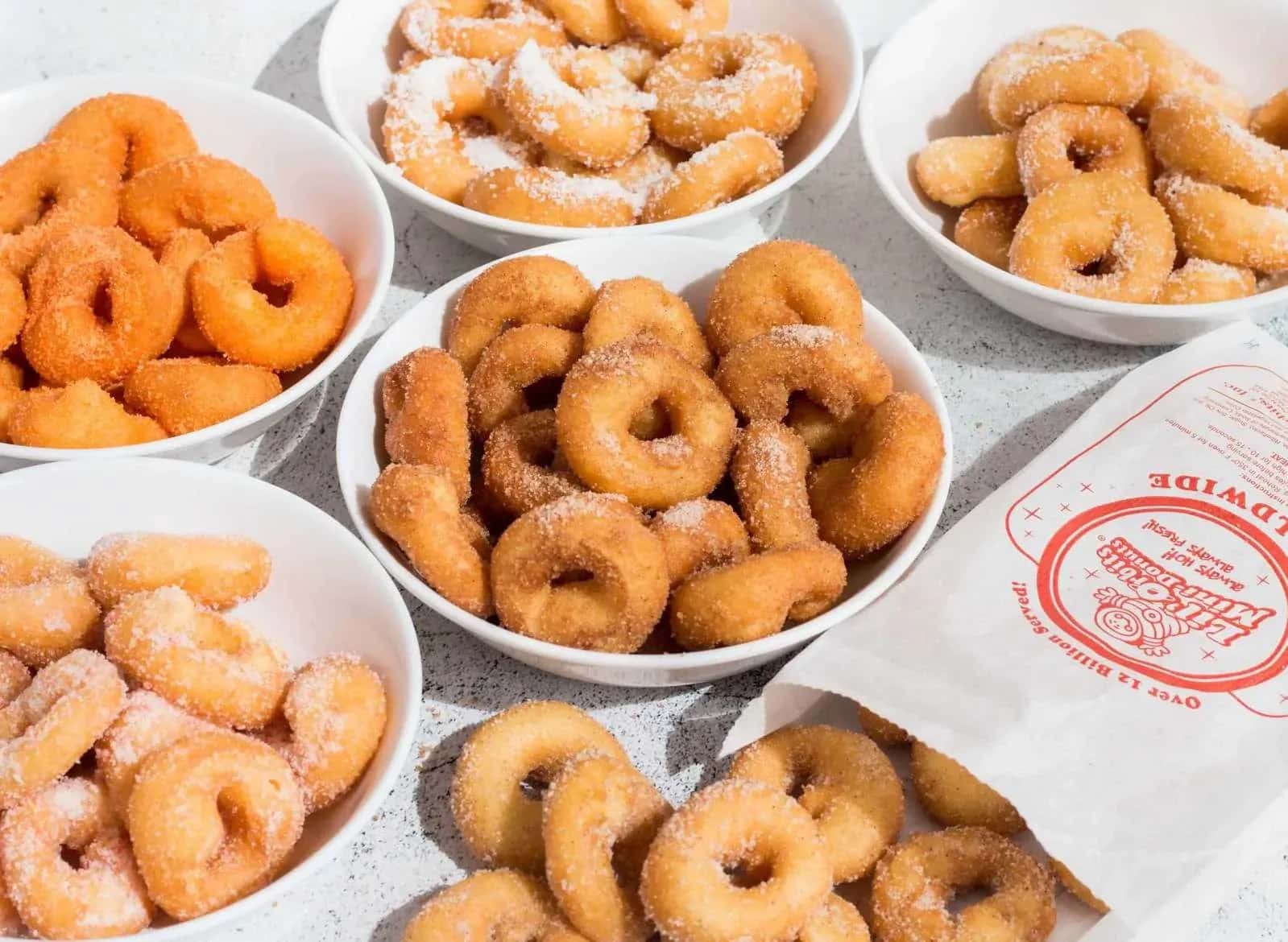
Donut Shop
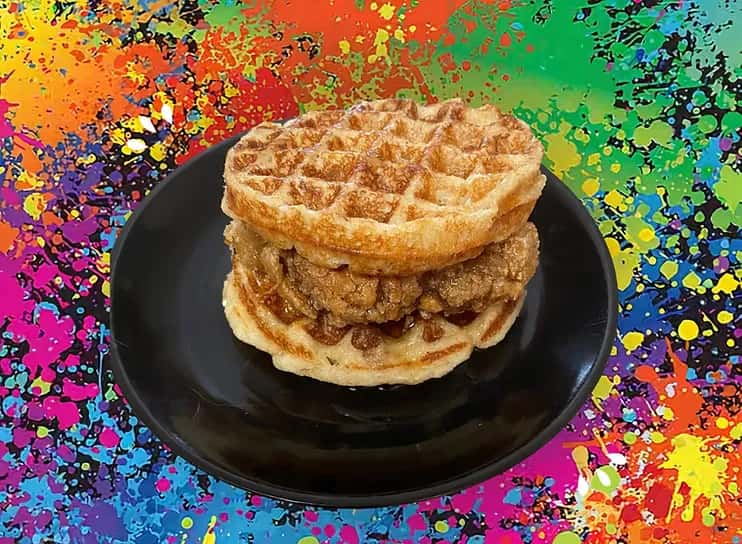
Waffle Shop
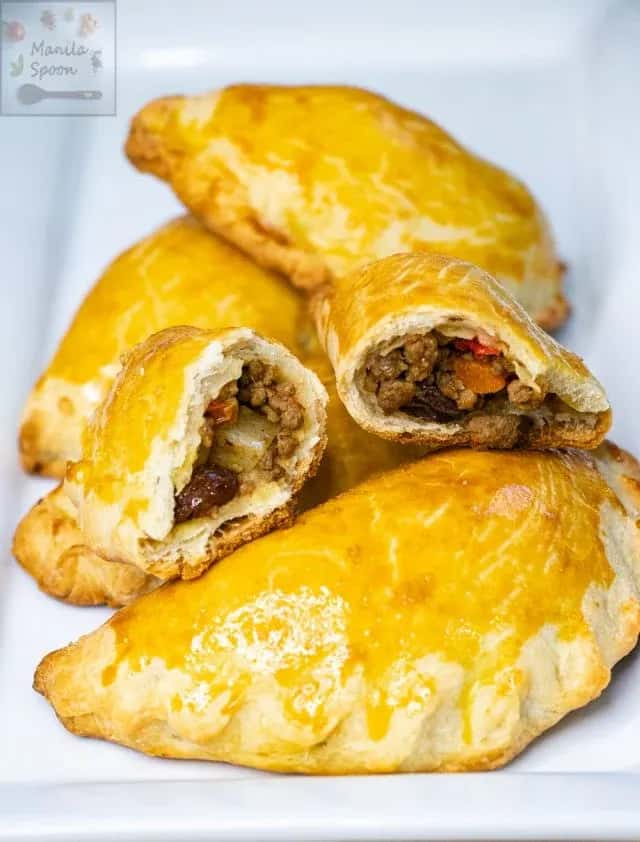
Bakery & Pastry

Donut Shop
Compare bakery & pastry franchises with other industries at the same budget, each with its own brands, fees and investment ranges.
Compare industries by budget, daily work and payback before you choose one, free and with no pressure.

Learn practical inventory control steps for your Philippine franchise to cut waste, prevent loss, and protect your capital.
Aug 14, 2026 6 min read
Learn how non-compete clauses work when exiting a franchise agreement in the Philippines, protecting your investment after closing.
Jul 20, 2026 5 min read

Learn how to secure financing for your Philippine franchise, from preparation to approval. A practical guide for new operators and OFWs.
Jul 20, 2026 5 min read