Puto ni Bumbong
Bakery & Pastry
- Franchise fee
- ₱50k
- Total investment
- ₱150k–₱300k
🎁 Start Your 1 Month Free Trial of the Full Plan, Exclusively for Brands & Advisors.Get Started
Browse 2 bakery & pastry franchises up to ₱300k, with investments from ₱250k to ₱300k, a franchise fee of about ₱50k, and most paying back in about 12 months.
Updated
Bakery & Pastry
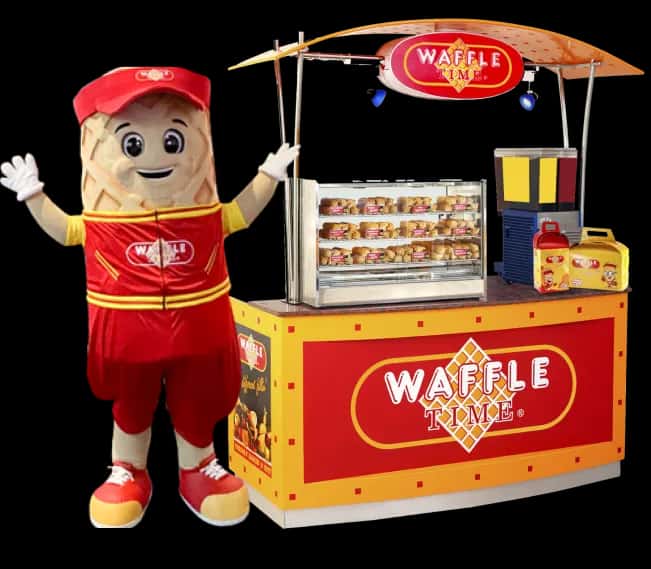
Waffle Shop
At ₱300,000, every brand sells a cart or kiosk package, and the franchise fee holds flat at ₱50,000 no matter which one is picked. Investment runs from about ₱150,000 up to ₱300,000, so the fee tells a buyer very little about where a brand actually sits. With the fee fixed, the real story is build quality and what happens after the counter opens. A sturdier cart or a stronger starting stock position explains most of the gap between the cheapest and priciest setup here.
The bottom of this budget sits around ₱150,000 and the top reaches ₱300,000, roughly double that starting point. The franchise fee itself holds flat at ₱50,000 across the range. That means the gap between the cheapest and priciest setup here is almost entirely about build-out and equipment rather than anything charged by the franchisor directly. A sturdier cart, a better display case, or a stronger starting stock position accounts for most of the extra money spent toward the top of the range. Payback holds at about a year across the range, a steady figure that gives a buyer a reliable planning number rather than a wide guess. That steadiness makes this budget easier to plan around than one where payback swings by years depending on the brand chosen. Someone deciding how much of the range to spend can treat the extra money mostly as a build-out choice, not as a bet on a fundamentally different kind of return.
Every brand priced within this budget can be run either as a food cart or as a kiosk, and nothing here reaches an inline store or a home-based version. That narrowness is typical of a budget this size, a fixed, small set of choices rather than a genuine spread. A buyer here is effectively choosing a brand rather than a format, since the format itself is already decided before the comparison even starts. That simplifies the decision considerably, since there is no separate format question to work through before the brand comparison can even begin. Both formats work well for the same reason. Bread, pastries, and grab-and-go items travel well and do not need seating or a dining area to sell, so a compact cart or counter can carry a full day of trade on its own. The choice between the two formats usually comes down to whichever a specific brand actually builds for, not a genuine preference either way.
Running a cart or kiosk bakery business at this budget means being on-site for most of the operating day, since the format is built around a small team rather than a full shopfront staff working shifts. A twelve-month payback assumes steady daily sales rather than the occasional spike. The honest question before signing is whether the intended location gets consistent foot traffic across most of the week, not only on weekends or during one busy hour. That daily presence is the real trade-off for the lower cost and simpler format at this budget: less capital at risk, but more of the owner's own time required to keep it running. That time commitment is worth treating as a real cost from day one, not an inconvenience that comes free with the lower price. A partner or a reliable relief worker for busy stretches is worth budgeting for early, even if the fee sheet never mentions it.
A fee that does not move between brands is unusual in this category, worth treating as a signal rather than a convenience. It means the fee itself will not help tell brands apart, so the real comparison happens somewhere else entirely, in what training and supply support come bundled with that fixed amount. It also shows up in how each brand's own recommended build-out uses up the rest of the ₱150,000 to ₱300,000 range. A buyer at this budget should ask each brand directly what the fee covers, rather than assume identical pricing means identical support behind it. That spending decision on build-out, not the shared fee, is where brands actually start to look different from each other. A quick side-by-side of two build-out lists, cart versus kiosk, sturdy versus basic, tells a buyer more than the fee sheet ever will on its own.
Now that you've seen what's here, a real advisor can help you shortlist and weigh the options against your budget. Free, at your pace.

Financing Readiness · Site Selection

Franchise Agreements · Multi-Unit Expansion

Low-Capital Startups · Site Selection

Low-Capital Startups
Are you a franchise advisor?Get your own workspace here
Choose a kind of bakery & pastry business and see only its franchises up to ₱300k, with their fees and investment ranges.
Get honest answers on fees, payback and the best setups for your area, free and with no pressure.
Should you go with ₱300k, there are two bakery & pastry franchises to pick from, each priced between ₱200k and ₱300k. To shorten that list, compare what each package includes at the price. List the equipment, opening stock, training and launch materials each one provides, and note what you would pay for separately. The packages covering the most items are the better value, so keep those and set aside any that look bare.
Seasonal dips mean your budget beyond ₱300k should carry the business through slower months, not just the opening. Many businesses see sales rise and fall with paydays, school calendars, holidays or the rainy season, and fixed costs like rent stay the same regardless. Ask the franchisor how sales at their outlets move across the year, and plan your reserves so a quiet season does not force hard choices.
Some packages at ₱300k are close to complete with equipment, signage, training, initial stock and launch marketing, while others offer the essentials and leave you to fill the gaps. That difference is exactly why the headline number deserves caution. Ask each franchisor which item they would drop first if you asked for a cheaper version of the package, since their answer shows you what they treat as essential and what they treat as padding.
Starting with a bakery & pastry franchise at ₱300k makes sense for a first-timer who wants structure, though it suits people who enjoy routine more than those who love to experiment. Franchisors usually set the product range, the pricing and the suppliers, so there is limited room for your own ideas. If following someone else's rules would frustrate you, weigh that carefully. Ask the franchisor which decisions remain yours as the owner.
Where ₱300k sits among the offers matters, since the two bakery & pastry franchises quoting an investment between ₱200k and ₱300k do not all start from the same place. An offer near the top of that range leaves less room for extras than one near the bottom. Check each quote against ₱300k, then subtract deposits, permits, renovation, stock and working capital from what remains to see which offers still leave something spare.
Some franchisors offer payment terms, so asking about installments is a sensible first step before you try to raise the full ₱300k for a bakery & pastry franchise upfront. A staggered schedule can let you pay a portion on signing and the rest over agreed dates. Request the terms in writing, confirm what happens if a payment is late, and make sure the schedule still leaves you enough cash for rent and supplies.
Handing work to staff looks different across food carts with 2 franchises and kiosks with 2, the bakery & pastry setups at ₱300k. In simple formats you can train one reliable person to open and close, while complex ones need you closely involved in many steps. Think about which tasks you are willing to hand off and which you must do yourself, then choose the format whose routines you can delegate without losing track of what happens on the floor.
Compare how many bakery & pastry franchises start at each budget level, from the smallest packages up.
Bakery & Pastry franchises priced close to your budget, worth a look if you can stretch your savings or want to spend less.
Donut Shop
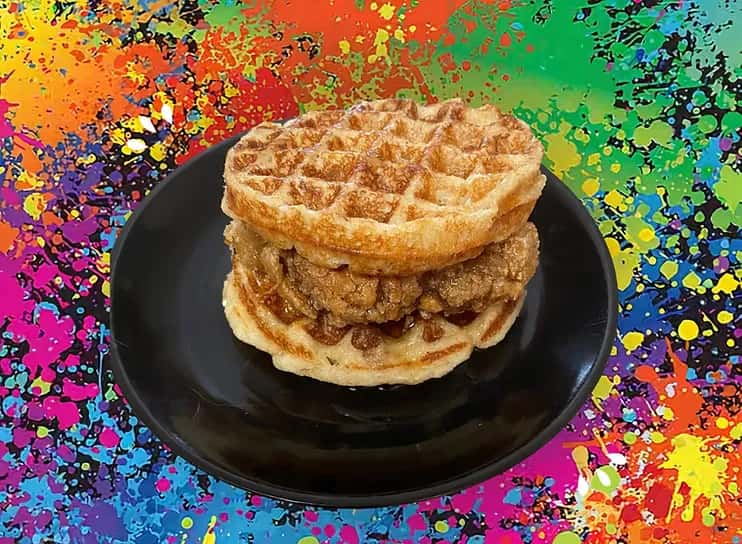
Waffle Shop
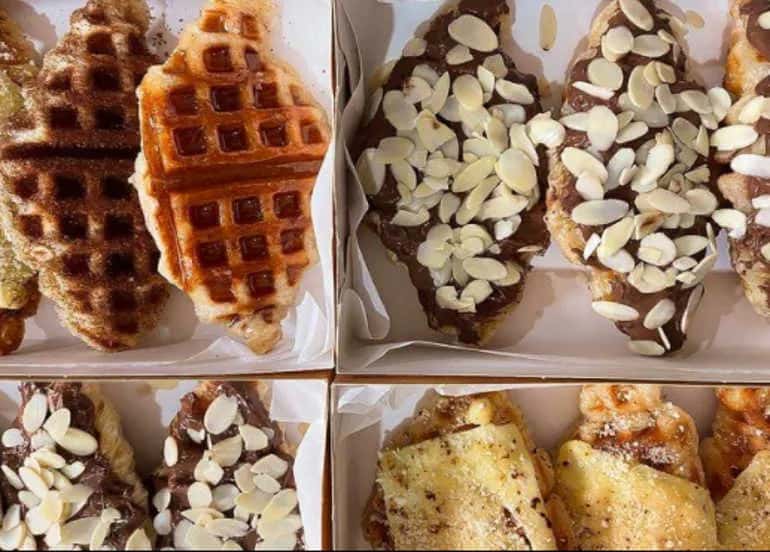
Cakes & Pastries

Cakes & Pastries
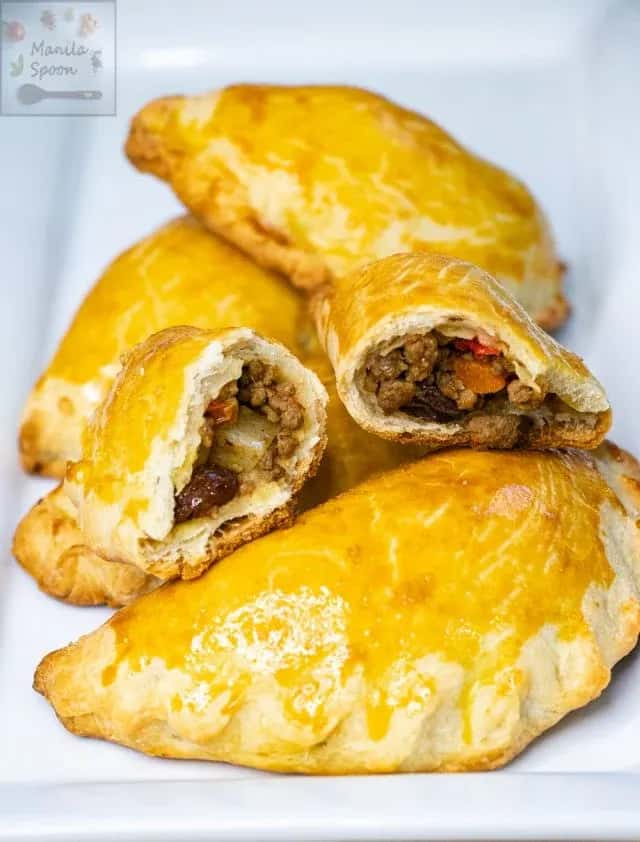
Bakery & Pastry

Donut Shop
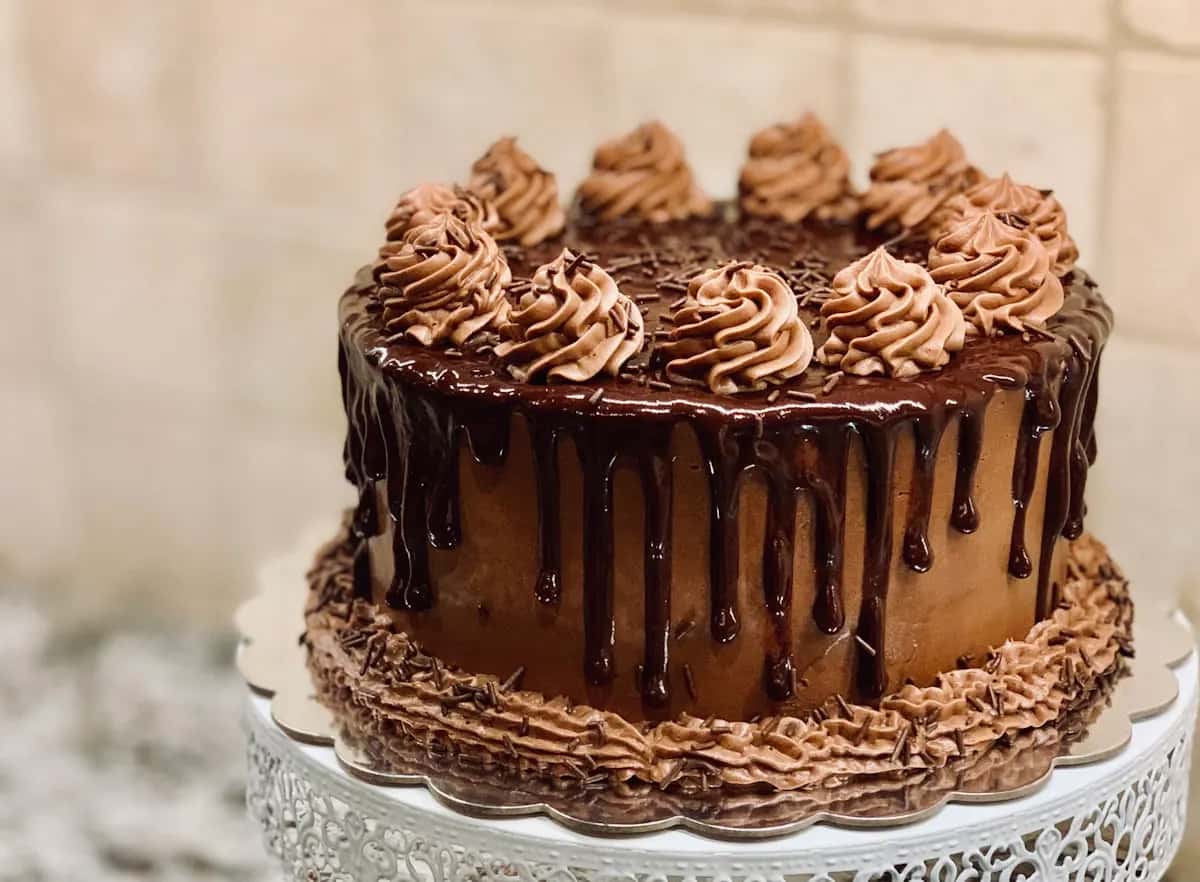
Cakes & Pastries
Donut Shop
Compare bakery & pastry franchises with other industries at the same budget, each with its own brands, fees and investment ranges.

Carts, kiosks, and full restaurants.
83 brandsFrom ₱30k
Chings Fried Noodles, 99 Silog, Captain Calamares +80 more
See brands
Coffee, milk tea, and cold drink shops.
7 brandsFrom ₱150k
I Love Milk Tea, Milktealicious, Zan's Gallon Milktea +4 more
See brandsCompare industries by budget, daily work and payback before you choose one, free and with no pressure.

Learn practical inventory control steps for your Philippine franchise to cut waste, prevent loss, and protect your capital.
Aug 14, 2026 6 min read
Learn how non-compete clauses work when exiting a franchise agreement in the Philippines, protecting your investment after closing.
Jul 20, 2026 5 min read

Learn how to secure financing for your Philippine franchise, from preparation to approval. A practical guide for new operators and OFWs.
Jul 20, 2026 5 min read