Bluewaters
Water Refilling
- Franchise fee
- No franchise fee
- Total investment
- ₱145k–₱300k
🎁 Start Your 1 Month Free Trial of the Full Plan, Exclusively for Brands & Advisors.Get Started
Browse 2 water refilling franchises up to ₱300k, with investments from ₱290k to ₱300k and most paying back in 6 to 12 months.
Updated
Water Refilling
Water Refilling
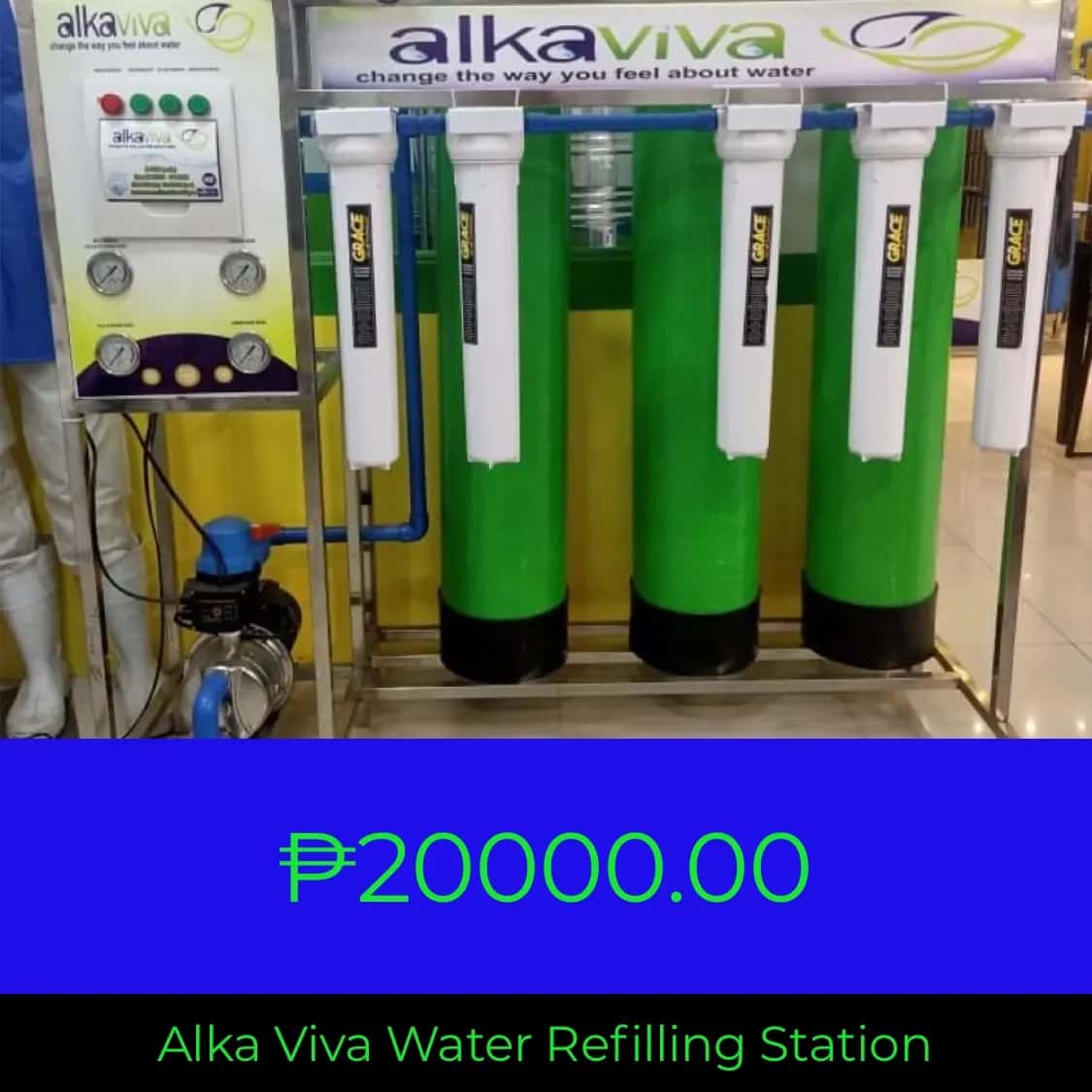
Up to ₱300,000 is entry money in water refilling. It covers a small station rather than a full plant: the machines to purify and dispense, a handful of gallon containers to start, and enough room for a counter by the road. Most packages at this level skip a franchise fee entirely, so nearly all of the budget goes straight into equipment and the space itself. Payback is quick by franchise standards, often inside a year, because the product is cheap to produce and every household nearby buys it on repeat.
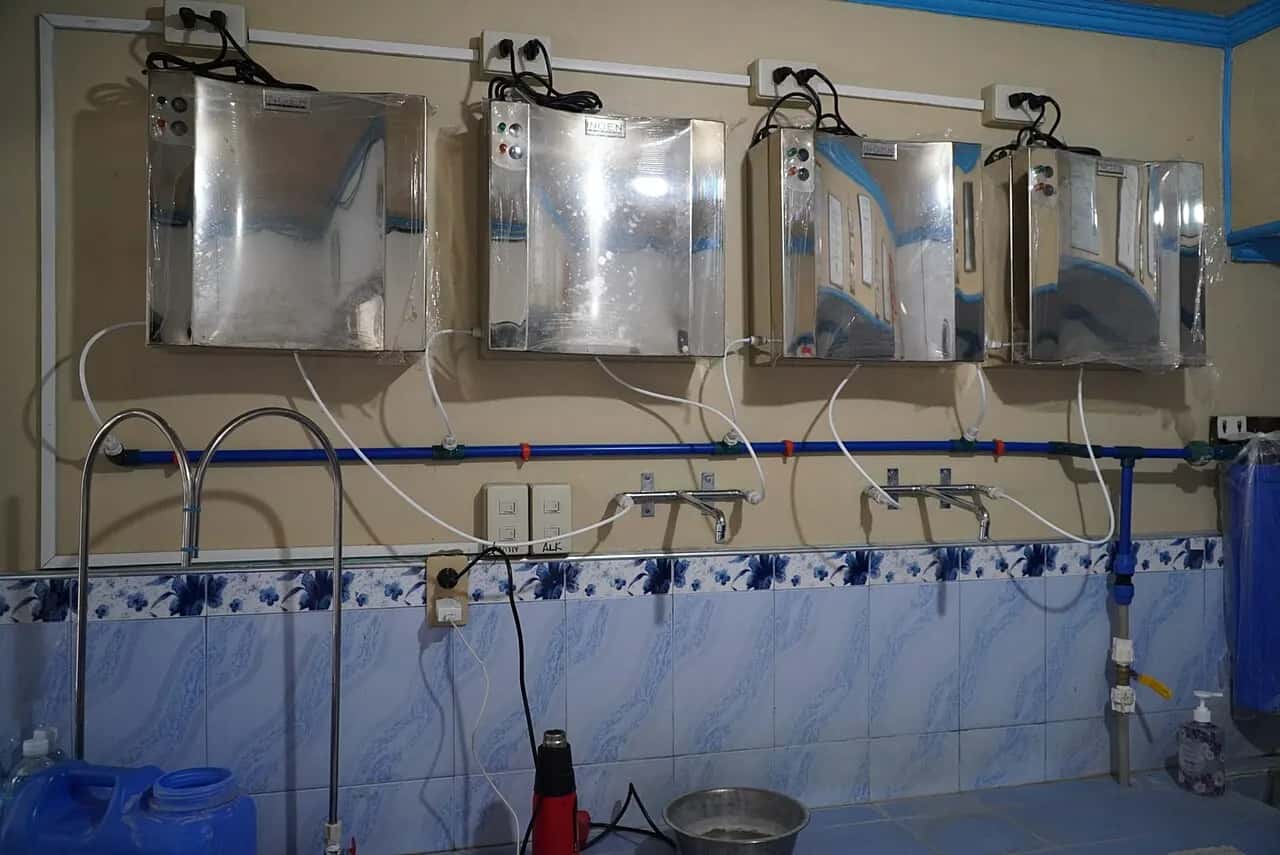
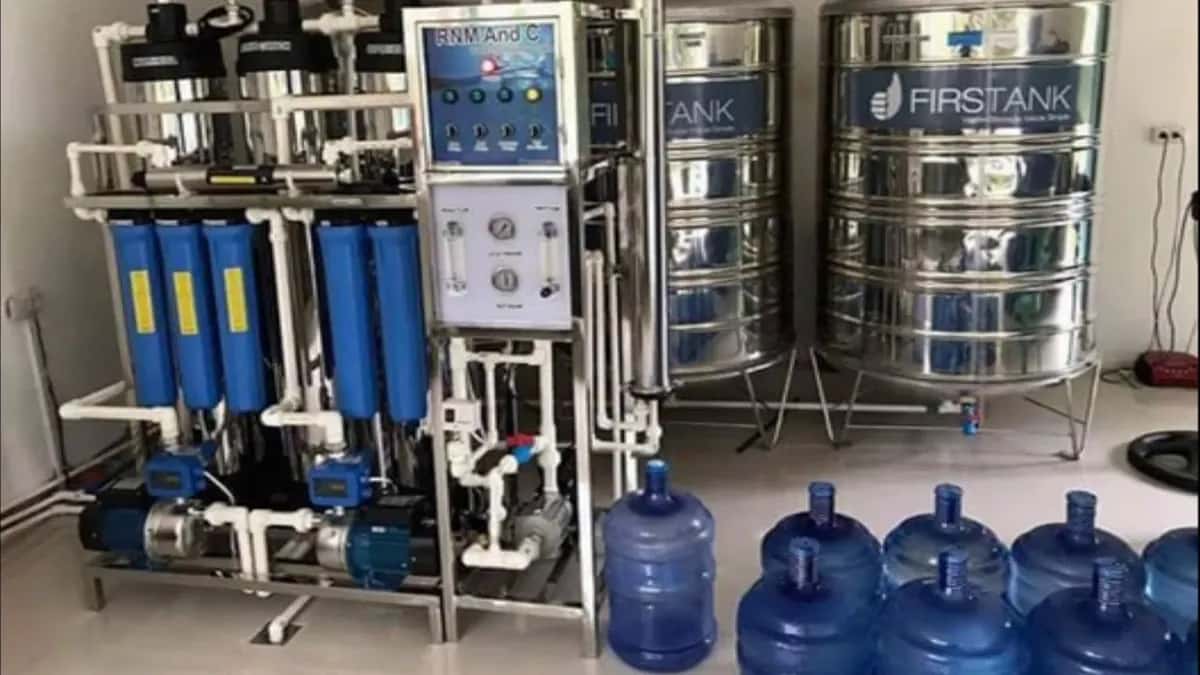
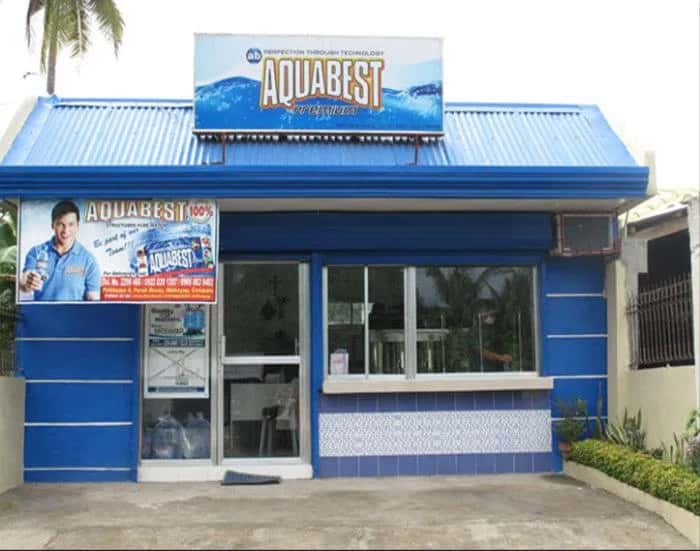
At this budget the packages sit toward the low end of the category. The fit is usually a small inline unit tucked into a rented storefront, though some packages work as a standalone setup instead, and either way refilling does not need much floor space. A working station needs a filtration and purification line, a washing and sterilizing setup for returned containers, and a counter where customers hand over empty jugs and collect full ones. There is no dining area to fit out and no menu to prep, which is why the entry cost stays low compared with a food or beverage franchise at the same price. The money has to stretch across several things at once. There is the equipment itself, plumbing and electrical work suited to running pumps most of the day, and an initial stock of gallon containers, since customers expect a full one in exchange for an empty one. It also needs a small buffer left over for permits and licenses, and for the first slow weeks before a regular route of repeat customers builds up. Skipping that buffer is the most common way a station opens undercapitalized, and the one adjustment worth making before signing anything. A kiosk footprint trims the space needed and the fit-out cost further, while a standalone unit asks for a little more room to work with inside the same budget, so the choice comes down to what space is actually available.
A station at this scale runs on repetition rather than variety. The same purification steps happen many times a day, containers come back to be washed and refilled, and the counter work is straightforward enough that one or two people can staff it in shifts. There is no cooking, no spoilage to manage, and no seasonal menu to keep fresh. That makes the daily routine steadier than most food and beverage formats at this price, but it trades one kind of effort for another. What replaces recipe work is upkeep: filters need regular changing, tanks need cleaning on a schedule, and the equipment has to be maintained well enough that water quality never becomes a question a customer asks twice. Margins come from volume and consistency rather than markup. A refill sells for a modest amount. Profit depends on serving the same neighborhood households week after week rather than chasing new customers constantly. A slip in water quality costs more in lost repeat business over the following months than it ever does in a single refund on the day it happens.
This budget suits someone who wants a straightforward, owner-operated business rather than a concept with room to expand quickly. It fits a first-time franchisee who wants low daily complexity, a fast route to breaking even, and a product that does not depend on trends or on foot traffic from passersby the way a cafe does. It suits someone willing to be hands-on with maintenance and quality control. The entire pitch to customers is that the water is clean and consistent every single time, and that promise only holds if the owner treats upkeep as seriously as sales. A part-time owner who leaves the equipment to run itself will feel the effect in returning customers first. It suits less well someone looking for a business with a strong brand identity, or one built to scale into a bigger footprint later, since packages at this level are built to stay small and simple rather than to grow. The realistic plan here is one steady location, run well and maintained without shortcuts, rather than a first step toward several at once.
Now that you've seen what's here, a real advisor can help you shortlist and weigh the options against your budget. Free, at your pace.

Financing Readiness · Site Selection

Franchise Agreements · Multi-Unit Expansion

Low-Capital Startups

Low-Capital Startups · Site Selection
Are you a franchise advisor?Get your own workspace here
Get honest answers on fees, payback and the best setups for your area, free and with no pressure.
Compare like with like among the two water refilling franchises priced between ₱200k and ₱300k, all within ₱300k. That means looking at the same items for each one, namely what is included, what is left out and what the quoted price already covers. Build one template and fill it in for every option. Differences then jump out, and you stop being swayed by whichever listing happens to be written most attractively.
If ₱300k is your ceiling, you can choose from inline stores with 2 franchises, kiosks with 1 and standalone stores with 1, with costs that run between ₱200k and ₱300k. A setup that needs staff on every shift will cost you salaries each month beyond the package, so think carefully about who will actually run it. Work out how many people you can hire and pay comfortably, including mandatory SSS, PhilHealth and Pag-IBIG contributions, and let that number narrow your shortlist.
Packages around ₱300k usually bundle equipment, training and initial inventory, plus a less visible inclusion, which is the franchise system itself. That system covers operating procedures, product or service standards, supplier access and the know how the franchisor has built over time. Ask the franchisor to explain exactly which systems, manuals and supplier arrangements you receive, so you can weigh that intangible part fairly alongside the physical items in the package.
Payback is usually estimated at 6 to 12 months for a ₱300k water refilling franchise, but the figure assumes the outlet opens on schedule. Construction delays, slow permit approvals and late equipment deliveries can push opening day back while rent and other costs keep running. Ask how long setup usually takes from signing to opening, and build that waiting period into your budget so it does not catch you short.
Walking into a local bank branch with your documents is often faster than applying online when you want to raise ₱300k for a water refilling franchise. A loan officer can tell you on the spot which products fit a small franchise and what you are missing. Bring your IDs, proof of income and the franchisor's cost breakdown, and ask directly what would make your application stronger.
Your learning style matters, since a ₱300k water refilling franchise starts with training that may be fast and practical. Some people learn by watching and doing, while others need written steps and time to review. Tell the franchisor your preferred way and see how they respond. If the training style suits you, the first weeks will feel far less stressful, and you will take in the system with more confidence.
Spoilage, damaged goods and shrinkage are real costs that no ₱300k package accounts for. Whether you handle food, supplies or parts, some stock will be lost, expire or go missing, and that loss comes straight out of your margin. Set up a simple inventory count from your first week, compare it with your sales records, and you will catch problems while they are still small.
Your own costs before opening are easy to miss, and ₱300k has to carry them. The two water refilling franchises listed with an investment between ₱200k and ₱300k quote the business side, yet you may still pay for travel to meet the franchisor, meals, a short stay away from home and weeks without income. Add these personal pre-opening expenses to the deposit, permit and renovation lines so the total you compare with ₱300k reflects what truly leaves your savings.
Compare how many water refilling franchises start at each budget level, from the smallest packages up.
Water Refilling franchises priced close to your budget, worth a look if you can stretch your savings or want to spend less.

Water Refilling
Water Refilling
Water Refilling
Water Refilling
Water Refilling
Water Refilling
Water Refilling

Water Refilling
Compare water refilling franchises with other industries at the same budget, each with its own brands, fees and investment ranges.

Carts, kiosks, and full restaurants.
83 brandsFrom ₱30k
Chings Fried Noodles, 99 Silog, Captain Calamares +80 more
See brands
Coffee, milk tea, and cold drink shops.
7 brandsFrom ₱150k
I Love Milk Tea, Milktealicious, Zan's Gallon Milktea +4 more
See brandsCompare industries by budget, daily work and payback before you choose one, free and with no pressure.

Learn practical inventory control steps for your Philippine franchise to cut waste, prevent loss, and protect your capital.
Aug 14, 2026 6 min read
Learn how non-compete clauses work when exiting a franchise agreement in the Philippines, protecting your investment after closing.
Jul 20, 2026 5 min read

Learn how to secure financing for your Philippine franchise, from preparation to approval. A practical guide for new operators and OFWs.
Jul 20, 2026 5 min read