Happy Waffle
Waffle Shop
- Franchise fee
- Not disclosed
- Total investment
- ₱43k–₱50k
🎁 Start Your 1 Month Free Trial of the Full Plan, Exclusively for Brands & Advisors.Get Started
Browse a bakery & pastry franchise up to ₱50k, with an investment of about ₱50k.
Updated
Neither a franchise fee nor a payback estimate gets reported separately at this price, just a total investment running from about ₱43,000 to ₱50,000. That is unusual for this category, where most packages at other budgets break out the fee and the timeline on their own. Reading between those gaps matters more here than reading any number directly, since the total figure is doing double duty, covering the fee and the build cost at once. What that total actually buys deserves closer attention than it would if the fee were listed on its own.
Most of this category breaks a franchise fee out from the rest of the investment, so a buyer can see how much goes to the franchisor versus the physical build. At this price, that breakdown disappears, and only a combined total survives, about ₱43,000 to ₱50,000. The most likely explanation is that the fee is small enough at this scale to fold into the build cost without much distortion, rather than a sign that no fee applies at all. A buyer should still confirm that directly. Assuming the whole total is pure build-out could lead to an unpleasant surprise once training and support get discussed. A short conversation before signing, asking exactly what the ₱43,000 to ₱50,000 figure includes, costs nothing and can save a buyer from budgeting for equipment that was never actually covered.
A cart or kiosk business avoids a proper lease, a dining area, and a full kitchen fit-out, three of the biggest costs behind most food franchises. What remains is a display case, a compact prep space, and enough starting stock to trade through the first stretch of days. That short list of needs is what makes a total this low possible in the first place. It also sets a ceiling on daily output. A small counter run by very few hands can only prepare and sell so much within the hours it stays open, no matter how strong the foot traffic gets. That ceiling on output is the trade-off for the low entry cost, and it does not lift just because a location happens to perform well.
No payback estimate accompanies this price, unlike most of the category, so a buyer has to work one out rather than read it off directly. Running costs at this scale are low enough that a strong daily spot could plausibly clear the investment within a few months, in the same range quoted at the next higher budget. A weak spot could stretch that out considerably. A small operation has less room to absorb a slow start than a bigger, better-equipped one does. Asking a franchisor directly for its own estimate is worth doing, since a brand that has genuinely tested this format should be able to offer one even without printing it upfront. Vague or evasive answers to that question say more about a franchisor's own preparation than any figure printed anywhere else.
Staying at this budget suits someone who wants to put the smallest possible amount of money at risk. The goal is learning whether they can run a food business day to day, treating the first months as a genuine test rather than a race for scale. It suits someone comfortable committing to what is on offer here without weighing it against a wider shortlist. The appeal of this budget is the low stake involved, not the range of choice on the table. It fits less well someone who wants to negotiate over a fee structure or compare support packages side by side, since the numbers at this level are already fixed and there is little room to negotiate around them. The clearest way to do well at this budget is running the cart or kiosk tightly and proving the format works in one dependable location, rather than treating the total investment as something to escape quickly. That means watching every peso of daily stock closely, since a small counter has almost no slack to absorb waste or a slow week. A buyer who masters the basics here, tight stock control, a steady daily routine, and a location that keeps performing, builds the strongest foundation for whatever they decide to do with that experience afterward.
Now that you've seen what's here, a real advisor can help you shortlist and weigh the options against your budget. Free, at your pace.

Financing Readiness · Site Selection

Franchise Agreements · Multi-Unit Expansion

Low-Capital Startups · Site Selection

Low-Capital Startups
Are you a franchise advisor?Get your own workspace here
Choose a kind of bakery & pastry business and see only its franchises up to ₱50k, with their fees and investment ranges.
Get honest answers on fees, payback and the best setups for your area, free and with no pressure.
Equipment, supplies, training and launch help are typical inside a ₱50k package, but some franchisors also include the outlet build itself, such as a cart, kiosk or counter. That inclusion changes the value dramatically because construction is costly. Ask whether the physical structure is included, what materials it uses and whether it fits the space you have in mind before you commit.
If you like hands on work, a ₱50k bakery & pastry franchise could be an enjoyable first venture where you learn by doing. Owners who work shifts themselves early on tend to understand their business faster than those who manage from a distance. Consider spending your first weeks working alongside your crew. You will catch problems early and earn the respect of your team at the same time.
Royalties and recurring fees are often the costs people miss most, because they come after you have already paid ₱50k. Many franchisors charge a monthly royalty or a share of sales, plus marketing contributions, and these continue for as long as you operate. Read the franchise agreement carefully for every fee that repeats, and build them into your monthly expenses instead of treating the package as your only payment.
Customer mix should steer your choice among food carts with 1 franchise and kiosks with 1 in bakery & pastry at ₱50k. Students, office workers and families each visit at different hours and expect different things from the unit. Spend time watching who actually passes your spot and when, then pick the format that suits those people and their schedules, so your hours and your crew line up with the customers who are really around.
Pooling money with trusted friends is another way to reach ₱50k for a bakery & pastry franchise, as long as roles are clear from the start. Problems usually come from unclear duties, such as who runs the store daily and who only invests. Settle who handles daily operations, who signs for supplies and how decisions get made before anyone hands over money, and consider registering the business properly so every stake is protected.
Compare how many bakery & pastry franchises start at each budget level, from the smallest packages up.
Bakery & Pastry franchises priced close to your budget, worth a look if you can stretch your savings or want to spend less.

Cakes & Pastries
Bakery & Pastry
Waffle Shop
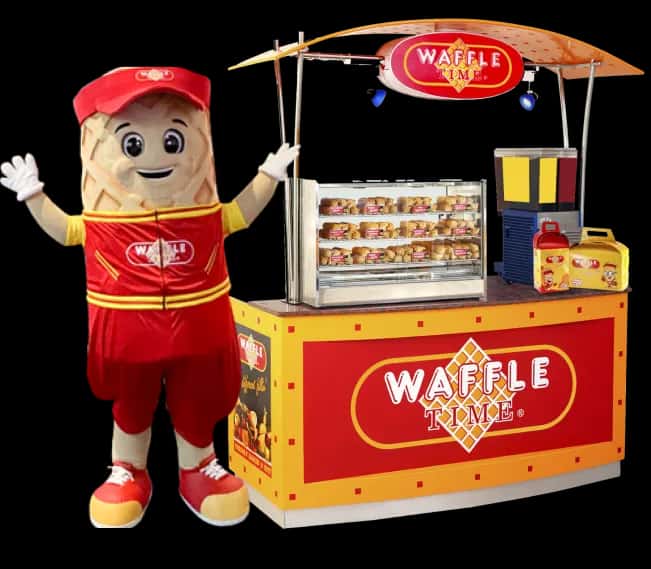
Waffle Shop
Bakeshop

Donut Shop

Waffle Shop

Bakery & Pastry
Compare bakery & pastry franchises with other industries at the same budget, each with its own brands, fees and investment ranges.

Carts, kiosks, and full restaurants.
9 brandsFrom ₱3k
Konam, Arce Dairy, K-Bowls +6 more
See brands
Coffee, milk tea, and cold drink shops.
3 brandsFrom ₱17k
Sip Up Coffee, Chong Cafe, KoTea
See brands
Padala, parcel, and delivery outlets.
3 brandsFrom ₱10k
Ninja Van, J&T Express, Toktok
See brandsCompare industries by budget, daily work and payback before you choose one, free and with no pressure.

Learn how non-compete clauses work when exiting a franchise agreement in the Philippines, protecting your investment after closing.
Jul 20, 2026 5 min read
Learn practical inventory control steps for your Philippine franchise to cut waste, prevent loss, and protect your capital.
Aug 14, 2026 6 min read

Learn what dispute resolution clauses mean for Philippine franchisees. Protect your investment with this guide to arbitration, mediation, and litigation steps.
Jul 21, 2026 6 min read