
PHILTECH ATM Go
Payment & Remittance Center
- Franchise fee
- ₱20k
- Total investment
- ₱20k–₱50k
🎁 Start Your 1 Month Free Trial of the Full Plan, Exclusively for Brands & Advisors.Get Started
Browse a financial services franchise up to ₱50k, with an investment of about ₱50k, a franchise fee of about ₱20k, and paying back in about 3 months.
Updated
Payment & Remittance Center

Payment & Remittance Center

Payment & Remittance Center

Payment & Remittance Center
Under ₱50,000, financial services franchising still means handling real money on someone else's behalf, just from a much smaller footprint than a branch or a full agent counter. Entry runs from about ₱19,500 to ₱50,000, with the franchise fee sitting close to the lower end of that range, and payback typically lands around three months. What opens at this level works from home or online, with a small counter setup as the other path to the same business. Options at this budget are thin, so the terms behind that one figure matter more than they would with more to compare against.
The business at this level runs from home or online, or from a small counter added on top of that, and the price does not shift between the two paths. What it processes tends to be a simple, repeatable transaction: a load, a small remittance, a bill payment, moved through a phone or a basic terminal rather than anything built like a bank. Someone already handling similar transactions informally, cashing checks for neighbors, topping up accounts for people nearby, starts closer to ready than someone with no exposure to the work at all. A working phone or terminal, kept charged and connected, functions as the real infrastructure here, more than any physical space does. The money at this level goes toward that equipment, a starting float to cover transactions before they are reimbursed, and whatever paperwork a handler of financial transactions needs to complete before opening at all. None of it goes toward a storefront.
The fee sits close to ₱19,500, and total investment barely moves past that, reaching roughly ₱50,000 once equipment and a starting float are folded in. Payback is stated at about three months, among the fastest figures quoted anywhere in this category. A payback that quick usually points to a business that turns over cash constantly rather than earning much per transaction, closer in spirit to a sari-sari store than to a fee-based service charging for advice. Hitting that three-month mark depends far more on how many transactions pass through in a day than on the fee paid up front. A buyer doing the math should treat the printed payback figure as an average built on decent daily volume, not a guarantee that arrives on its own regardless of foot traffic or location.
This is a one-person operation by design: a single handler managing a phone or terminal, a float, and a steady stream of small transactions rather than a staffed counter. Margins per transaction stay small, so the work rewards volume and reliability over any single sale. Income scales with how many transactions one person can process in a day, not with pricing. Handling other people's money, even in small amounts, usually comes with a licensing or agent step first. That step has to be completed before the business can legally take a single transaction, and it takes real time. It cannot be skipped the way it might be for a food stall, since financial transactions draw a level of scrutiny that a plate of food never will. Keeping the float topped up matters too. A shortfall mid-transaction stalls the business until cash comes back in, and there is rarely spare capital sitting around at this scale to absorb it.
Confirming the licensing step, and how long it realistically takes, is worth doing before any money changes hands. It is also worth asking what a typical location processes in a day, since that number, not the printed fee, is what actually determines whether the three-month payback holds. Knowing how disputed or failed transactions get resolved matters more here than in most categories priced this low, since a single bad transaction can erase a full week of margin at this scale. Having a realistic float set aside, separate from the franchise fee itself, avoids the most common way a business this size stalls in its first months. None of this requires much capital to prepare for, but it does require treating the paperwork and the cash management as seriously as the fee itself, since both determine whether the numbers on offer here actually play out in practice.
Now that you've seen what's here, a real advisor can help you shortlist and weigh the options against your budget. Free, at your pace.

Financing Readiness · Site Selection

Low-Capital Startups · Site Selection

Franchise Agreements · Multi-Unit Expansion

Low-Capital Startups
Are you a franchise advisor?Get your own workspace here
Choose a kind of financial services business and see only its franchises up to ₱50k, with their fees and investment ranges.
Get honest answers on fees, payback and the best setups for your area, free and with no pressure.
Credit cards are generally a poor way to raise ₱50k for a financial services franchise, because their interest builds quickly on unpaid balances. Using them for large startup costs can leave you with debt that outlasts your early profits. If you must use one, limit it to small items you can pay off in full each month, and look for a formal business loan or a cooperative for the larger amounts.
Inclusions in a ₱50k offer may be described in loose terms like complete equipment set or full training, and those phrases can hide a lot. Equipment, stock, training and signage are common, but you need specifics. Ask for model names or descriptions of each piece of equipment and the number of training days, so the inclusions list becomes something you can actually check against delivery.
Minimum wage adjustments are a future cost to keep in mind beyond ₱50k. Regional wage boards review minimum pay from time to time, and when rates rise, your payroll rises with them regardless of sales. Build your projections with some room for higher wages, and check the current minimum that applies to you with DOLE before you finalize your staffing plan.
Close attention to the numbers makes a ₱50k financial services franchise a sound first choice, because owners who review sales and costs weekly usually spot trouble early. The system supplies a method, yet it cannot see a creeping supply bill or a quiet weekday on its own. Before signing, try tracking your household spending for one month. If record keeping comes easily, you already hold a habit that many newcomers lack. If it feels like a chore, set aside money for a bookkeeper from opening week.
Your options sit up to ₱50k, and for financial services at ₱50k they include kiosks with 1 franchise and home-based or online setups with 1. Narrowing them is easier when you rank what matters most to you, whether that is low startup cost, little supervision or room to grow. Pick the factor you care about most, rank each setup against it, and talk to the franchisor about the format that comes out ahead. Having a clear priority keeps sales talk from pulling you off course.
Compare how many financial services franchises start at each budget level, from the smallest packages up.
Financial Services franchises priced close to your budget, worth a look if you can stretch your savings or want to spend less.

Payment & Remittance Center
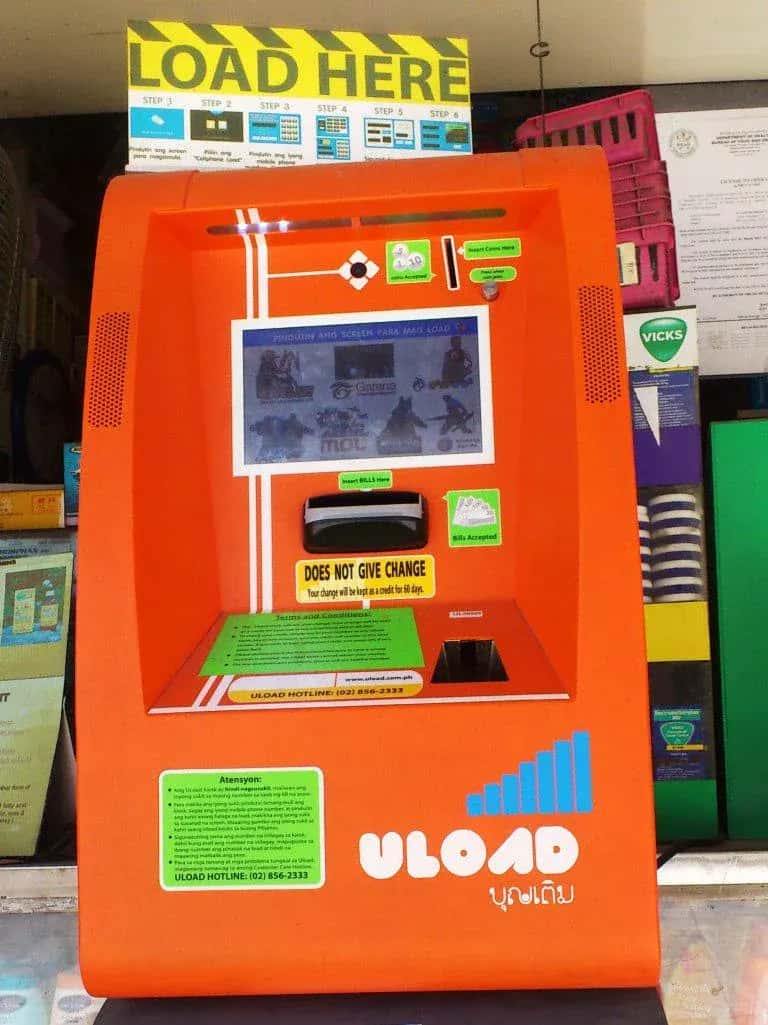
Payment & Remittance Center

Payment & Remittance Center

Payment & Remittance Center
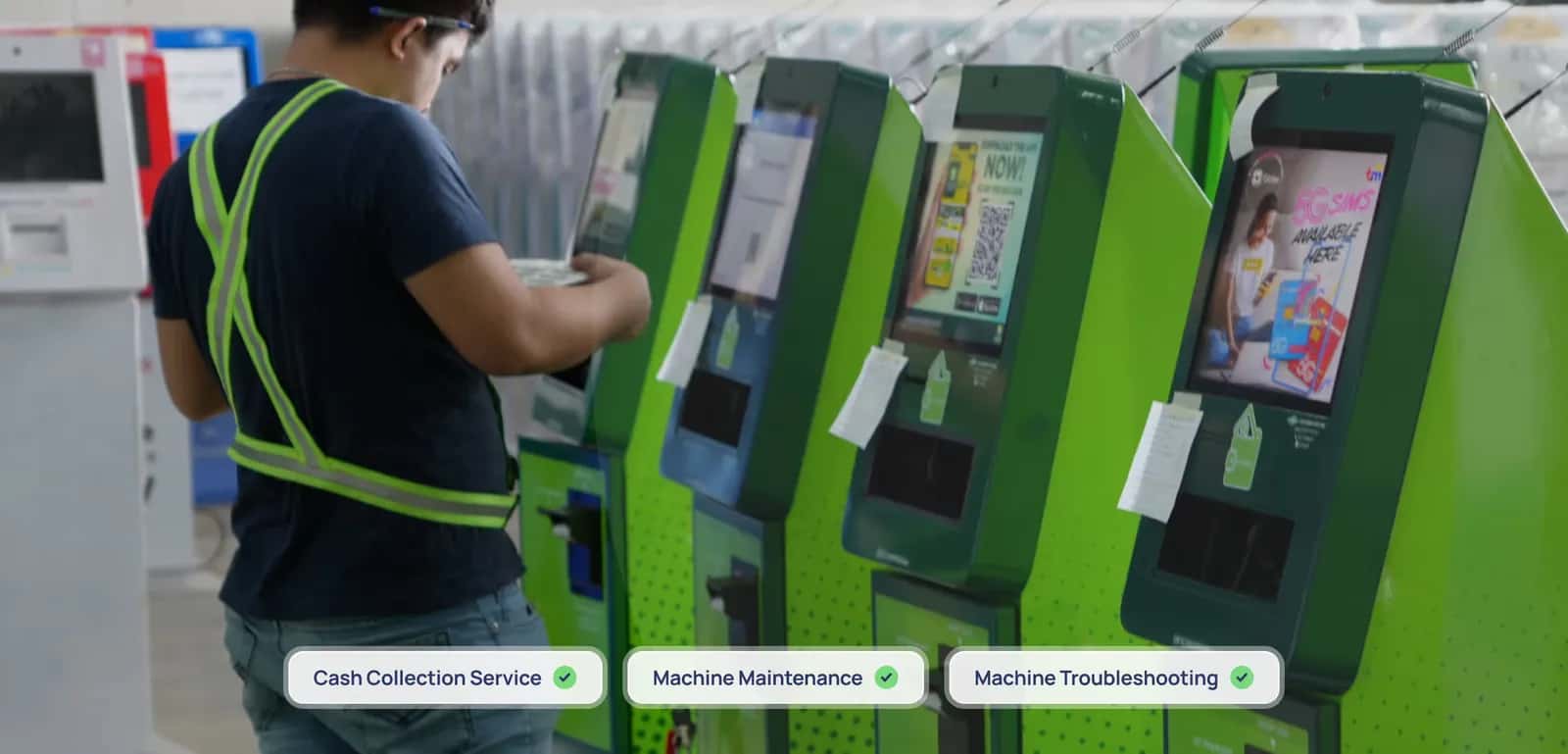
Payment & Remittance Center

Payment & Remittance Center
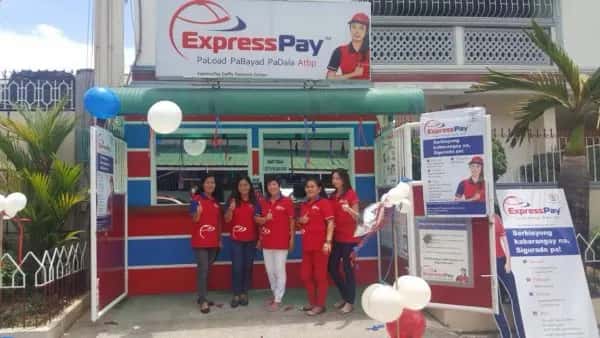
Payment & Remittance Center

Payment & Remittance Center
Compare financial services franchises with other industries at the same budget, each with its own brands, fees and investment ranges.

Carts, kiosks, and full restaurants.
9 brandsFrom ₱3k
Konam, Arce Dairy, K-Bowls +6 more
See brands
Coffee, milk tea, and cold drink shops.
3 brandsFrom ₱17k
Sip Up Coffee, Chong Cafe, KoTea
See brands
Padala, parcel, and delivery outlets.
3 brandsFrom ₱10k
Ninja Van, J&T Express, Toktok
See brandsCompare industries by budget, daily work and payback before you choose one, free and with no pressure.

Learn how non-compete clauses work when exiting a franchise agreement in the Philippines, protecting your investment after closing.
Jul 20, 2026 5 min read
Learn practical inventory control steps for your Philippine franchise to cut waste, prevent loss, and protect your capital.
Aug 14, 2026 6 min read

Learn what dispute resolution clauses mean for Philippine franchisees. Protect your investment with this guide to arbitration, mediation, and litigation steps.
Jul 21, 2026 6 min read