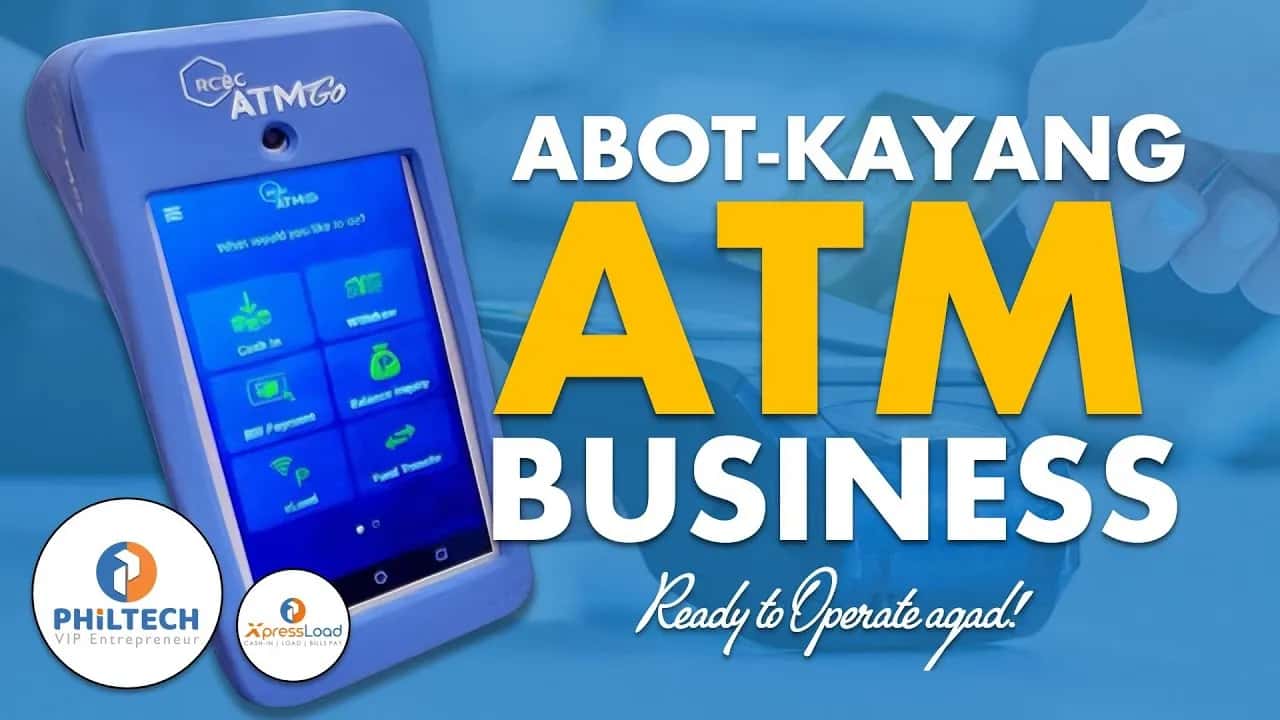
PHILTECH ATM Go
Payment & Remittance Center
- Franchise fee
- ₱20k
- Total investment
- ₱20k–₱50k
🎁 Start Your 1 Month Free Trial of the Full Plan, Exclusively for Brands & Advisors.Get Started
Browse a payment & remittance franchise up to ₱50k, with an investment of about ₱50k, a franchise fee of about ₱20k, and paying back in about 3 months.
Updated
Payment & Remittance Center

Payment & Remittance Center

Payment & Remittance Center

Payment & Remittance Center
A payment and remittance franchise at this budget opens for somewhere between ₱19,500 and ₱50,000, and the fee sits right at the bottom of that range. Payback is quick, around three months, because there is no shop to build and no stock to buy. What the money actually pays for is a terminal, a first batch of cash to cover payouts, and either a small kiosk counter or a setup that runs from home. Choosing between those two formats matters more here than the exact peso figure does.
Near the bottom of the range, most of the money pays the fee itself, with just enough left over for a terminal and a starting float to cover payouts before they get reimbursed. Nothing goes toward rent or a counter build, since a home-based setup needs neither. Closer to ₱50,000, the extra cash buys a bigger float and a sturdier kiosk fit-out, built to keep transactions moving through a busy stretch without cash running out midway. Payback lands around three months on either version. That is fast next to most franchises. It also means the plan has to work almost immediately, with little cushion for a slow first few weeks. Anyone stretching toward the top of the range should treat that extra float as the priority, not a bigger sign or a nicer counter. A thin float is the single most common reason a small transaction business stumbles in its first month, well before the fee or the fit-out ever becomes the problem.
Both formats sit inside this same budget, and the fee does not change much between them. A kiosk puts a small counter and terminal in an existing space where people already walk past, useful near where wages get collected or bills get paid in person. The home-based version drops the counter entirely and takes transactions over a phone or a basic terminal from wherever the operator already lives or works. Someone with a spare room but no public foot traffic gets more use from the home-based route, since it asks for the same fee without needing a spot people can walk into. Someone with access to a busy corner or an already-open shop counter gets more from the kiosk version, trading a bit more setup effort for transactions that come looking rather than transactions that have to be chased down.
Income here comes from a steady stream of small transactions, not a handful of big sales. That means being open during the hours people actually show up matters more than any feature of the counter or the app. Handling other people's money also comes with paperwork and vetting to clear first, and that process takes real time. The clock on it should start well before the planned opening day, not during it. Payback is expected within about three months, which leaves little room to recover from a week of missed hours or a cash shortfall along the way. Keeping the float funded becomes a daily habit rather than an occasional check under that kind of timeline. People also return to whoever handled their money reliably the first time, so a schedule that keeps slipping costs more trust here than it would in a shop selling ordinary goods. Building that habit early, before the first regular customers arrive, tends to matter more than any other part of the setup.
Ask how the float gets replenished day to day, and what the plan is for a day when payouts outrun the cash sitting on hand. Ask what paperwork and vetting need to clear before a single transaction can legally run, since that step can stretch on longer than expected and pushes the payback clock back with it. For the kiosk version, the location matters more than the fee, since a weak spot can leave a fully paid setup earning far below what this budget promises. For the home-based version, the open question is reach: how a first set of regular customers gets built without a public counter to draw them in. None of this is a reason to hold back at this budget. It just decides whether the lower end or the top of this range is the more realistic starting point.
Now that you've seen what's here, a real advisor can help you shortlist and weigh the options against your budget. Free, at your pace.

Financing Readiness · Site Selection

Low-Capital Startups

Low-Capital Startups · Site Selection

Franchise Agreements · Multi-Unit Expansion
Are you a franchise advisor?Get your own workspace here
Compare payment & remittance franchises with other financial services businesses up to ₱50k, each with its own brands, fees and investment ranges.
Get honest answers on fees, payback and the best setups for your area, free and with no pressure.
Comparing the full cost of each loan offer matters when you borrow toward ₱50k for a payment & remittance franchise. Interest rate alone is misleading, because processing fees, service charges and insurance add to what you pay back. Ask every lender for the total amount repayable and the monthly installment in writing, then place the offers side by side. Choose the one whose installment still fits a cautious sales estimate, even if another offer looks cheaper on paper.
For an OFW family managing a business from afar, a ₱50k payment & remittance franchise can work if someone trustworthy is on the ground. Distance makes it harder to notice cash shortages, stock problems or poor service. Ask the franchisor what reporting tools are available so you can see daily sales remotely. Agree with your family manager on regular check-ins and simple reports from the very first week of operations.
Staff costs come with any setup that needs a crew, and among payment & remittance franchises at ₱50k you can choose from kiosks with 1 franchise and home-based or online setups with 1. Hiring legally means registering as an employer and remitting SSS, PhilHealth and Pag-IBIG contributions, which raises the true monthly cost of a staffed format. Ask an accountant to estimate these employer costs for the crew size each setup needs, so you compare formats by their real payroll.
Between the franchise fee, equipment, starter stock and training, a package priced up to ₱50k can cover a lot, but only if the franchisor includes all of them. Many payment & remittance offers leave out at least a few items, such as signage or renovation. Ask the franchisor to mark each common inclusion as included, optional or not offered, which turns a vague brochure into a clear checklist you can compare.
Spoilage, damaged goods and shrinkage are real costs that no ₱50k package accounts for. Whether you handle food, supplies or parts, some stock will be lost, expire or go missing, and that loss comes straight out of your margin. Set up a simple inventory count from your first week, compare it with your sales records, and you will catch problems while they are still small.
Compare how many payment & remittance franchises start at each budget level, from the smallest packages up.
Payment & Remittance franchises priced close to your budget, worth a look if you can stretch your savings or want to spend less.
Payment & Remittance Center
Payment & Remittance Center
Payment & Remittance Center

Payment & Remittance Center
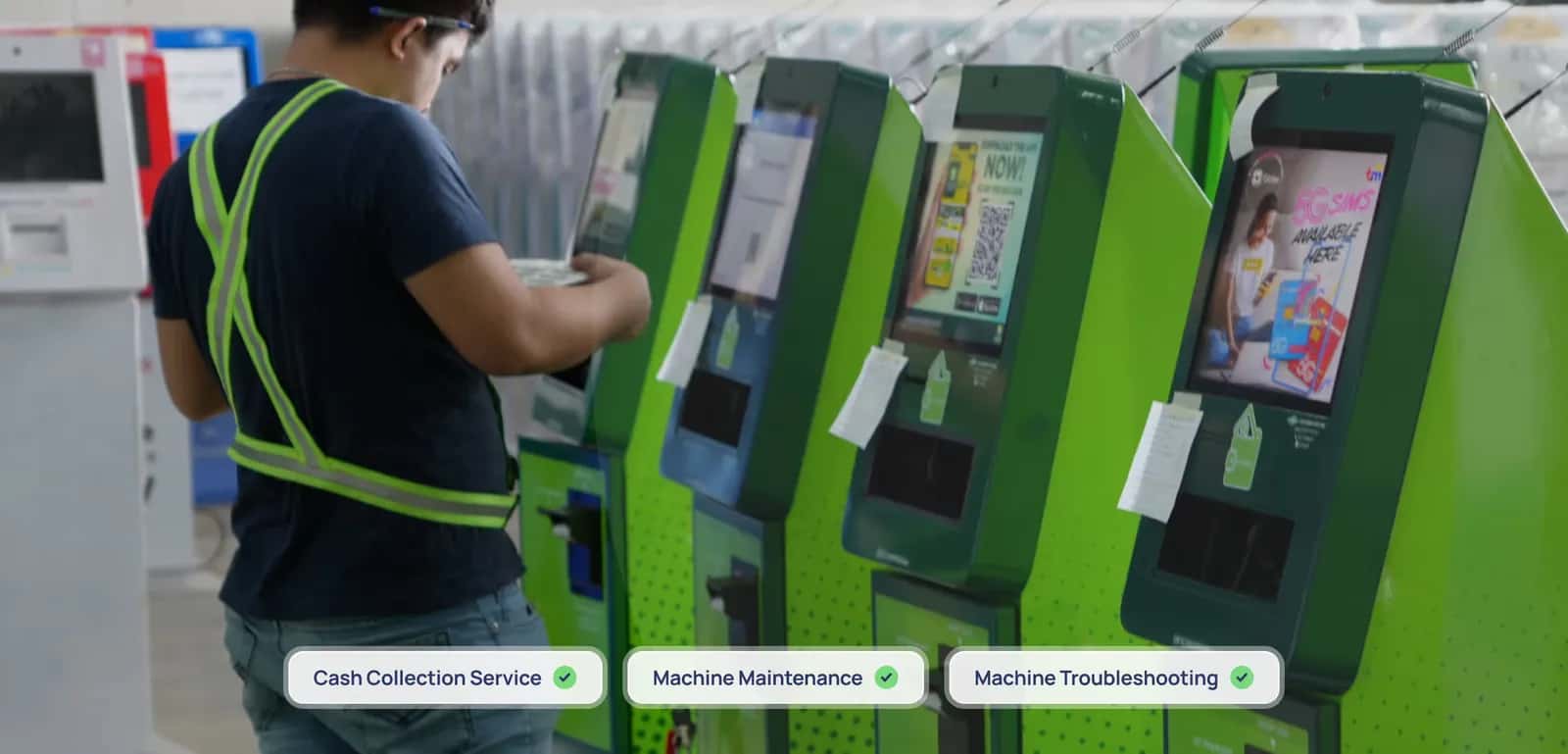
Payment & Remittance Center

Payment & Remittance Center
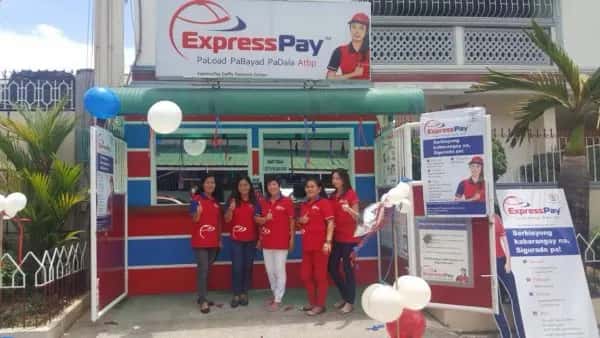
Payment & Remittance Center

Payment & Remittance Center
Compare payment & remittance franchises with other industries at the same budget, each with its own brands, fees and investment ranges.

Carts, kiosks, and full restaurants.
9 brandsFrom ₱3k
Konam, Arce Dairy, K-Bowls +6 more
See brands
Coffee, milk tea, and cold drink shops.
3 brandsFrom ₱17k
Sip Up Coffee, Chong Cafe, KoTea
See brands
Padala, parcel, and delivery outlets.
3 brandsFrom ₱10k
Ninja Van, J&T Express, Toktok
See brandsCompare industries by budget, daily work and payback before you choose one, free and with no pressure.

Learn how non-compete clauses work when exiting a franchise agreement in the Philippines, protecting your investment after closing.
Jul 20, 2026 5 min read
Learn practical inventory control steps for your Philippine franchise to cut waste, prevent loss, and protect your capital.
Aug 14, 2026 6 min read

Learn what dispute resolution clauses mean for Philippine franchisees. Protect your investment with this guide to arbitration, mediation, and litigation steps.
Jul 21, 2026 6 min read