
TouchPay
Payment & Remittance Center
- Franchise fee
- ₱350k
- Total investment
- ₱350k–₱400k
🎁 Start Your 1 Month Free Trial of the Full Plan, Exclusively for Brands & Advisors.Get Started
Browse 3 payment & remittance franchises up to ₱400k, with investments from ₱350k to ₱400k, franchise fees mostly between ₱252k and ₱350k, and most paying back in 6 to 24 months.
Updated
Payment & Remittance Center
Payment & Remittance Center
Payment & Remittance Center
Payment and remittance businesses sell something people need on a fixed schedule: rent due on the first, a bill due before it is cut off, money that has to reach a relative before the week ends. That need does not pause for a slow economy. It is a large part of why the category keeps drawing new operators at every budget. At this level, entry runs from about ₱250,000 to ₱400,000. The franchise fee ranges from nothing at all up to ₱350,000 depending on how the arrangement is structured, and payback stretches anywhere from six months to two years.
Cash still moves through daily life in ways not fully covered by a bank branch or an app alone. Paying a utility bill in person, sending money to a relative in another province, topping up a phone, cashing out from an online sale: those are small, frequent, unavoidable errands rather than occasional purchases. Someone doing one of them once tends to come back on the same schedule the next month. That repeat pattern is what makes a counter or a kiosk built around these transactions different from a shop that lives or dies on new customers walking in. A location earns a habit rather than a single sale. Once a person trusts a spot to handle their money correctly, switching somewhere else takes a real reason. That stickiness is the underlying appeal at every budget in this category, not only this one.
Entry at this level spans ₱250,000 to ₱400,000, a range wide enough to cover more than one way into the category. The franchise fee itself swings even further, from nothing up front to as much as ₱350,000. That gap points to more than one kind of arrangement on offer. Some are built on a straight upfront fee, while others sit closer to a revenue-sharing setup, where a share of each transaction is taken instead of the money being collected first. Payback follows the same pattern, ranging from six months on the fast end to two years on the slow one. A six-month payback likely belongs to a setup already placed somewhere with steady transaction flow from day one. The two-year figure is a more realistic expectation for a location still building that flow from scratch. Reading the fee and the payback together, rather than either number alone, says more about which version of this business a given offer actually is.
Most of the first year goes into building the repeat-transaction habit rather than earning at full pace from the start. Early months tend to run below the volume the payback figure assumes. Word of mouth and repeat visits take time to form, even in a category people already understand. A kiosk placed somewhere with existing foot traffic tends to build that habit faster than a counter in a quieter spot. People passing by regularly can start using it out of convenience before they consciously choose it. Keeping enough float on hand to cover slower weeks without turning transactions away matters more in this stretch than at any later point, since a shortage early on costs the trust that repeat business depends on. By the second half of the year, a location that has held steady service should start seeing the transaction volume the printed numbers assume.
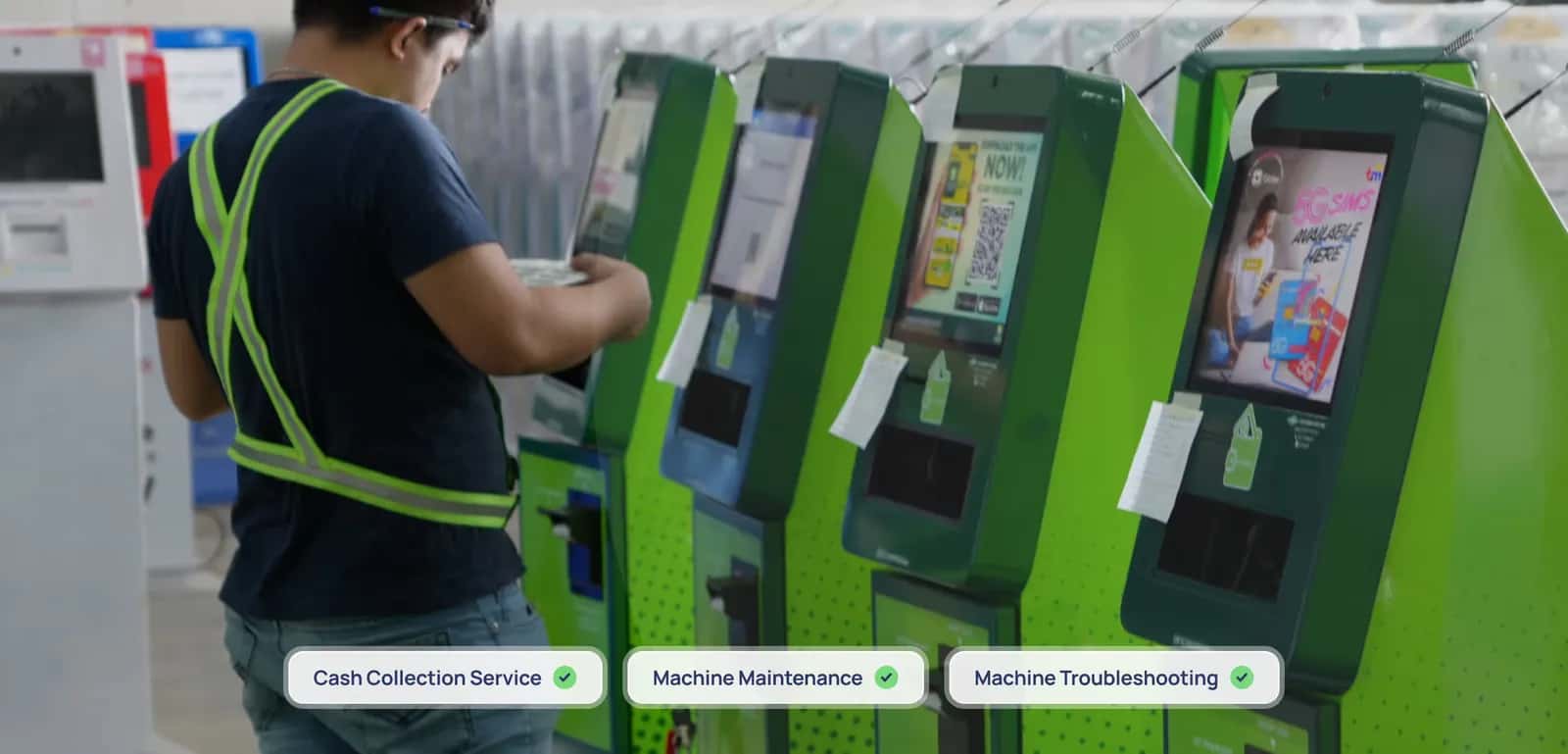
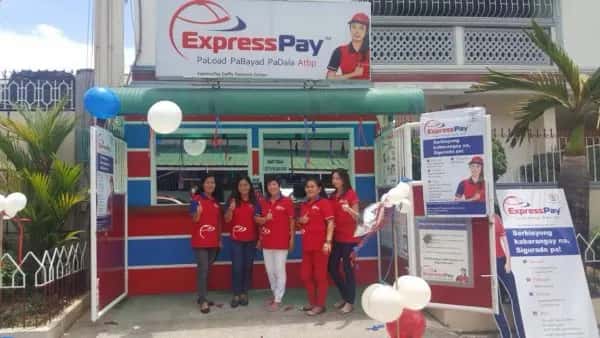
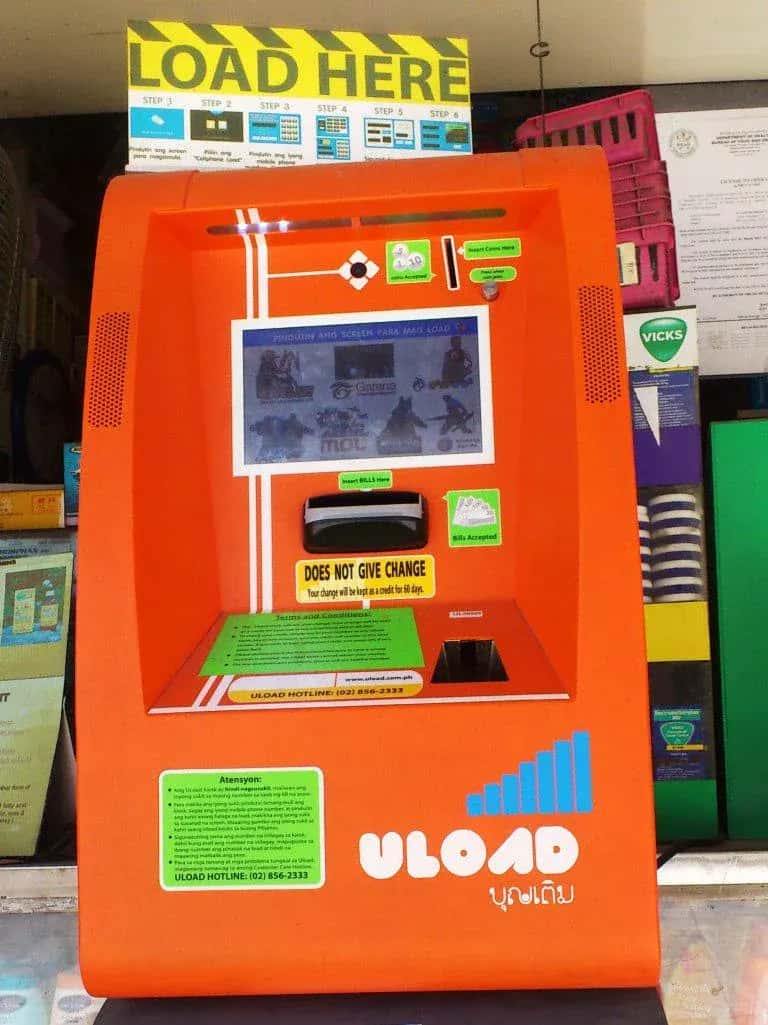
A kiosk is the standard setup at this budget, offered across the category here, while a smaller share also run as a full inline counter or from home and online instead. The kiosk sits in between: more visible than a home-based setup, lighter to open than a full counter build-out. That middle ground fits the wider entry range at this level well. A kiosk can be fitted out simply on the lower end of the budget, or built up with more equipment and a bigger float on the higher end. The kiosk is worth treating as the default expectation at this level. The home-based route fits someone with an existing network of contacts already in place, and the counter route fits someone with a spot to fit it into, an established shop willing to add the service alongside what it already sells.
Now that you've seen what's here, a real advisor can help you shortlist and weigh the options against your budget. Free, at your pace.

Financing Readiness · Site Selection

Franchise Agreements · Multi-Unit Expansion

Low-Capital Startups · Site Selection

Low-Capital Startups
Are you a franchise advisor?Get your own workspace here
Compare payment & remittance franchises with other financial services businesses up to ₱400k, each with its own brands, fees and investment ranges.
Get honest answers on fees, payback and the best setups for your area, free and with no pressure.
Staying within ₱400k gives you three payment & remittance franchises, each with an investment between ₱300k and ₱400k. The number tells you about choice, not about fit, so decide what fit means before you scroll. Write down two or three package features you want, such as included equipment or opening stock, and keep only listings that cover them. A short written filter turns a crowded list into a short one and makes each comparison easier to defend later.
Training is usually the biggest service inside a franchise fee, which runs ₱252k to ₱350k for payment & remittance franchises at ₱400k. Ask how many training days the fee buys and whether extra days are charged separately. You can compare franchisors by dividing the fee by the training days offered, a rough check that shows which fee gives you more training for the amount paid. The contract should name the days instead of promising training in general.
Money pooled with relatives for a payment & remittance franchise still needs the same cost lines beyond ₱400k, plus a few that families overlook. Rent, wages and stock come first, followed by a modest pay for any relative who works the outlet full time and a lawyer's fee if you write the arrangement down. List each as its own line, get a real quote for the paperwork, and keep a reserve so nobody is asked for more money mid year.
If you have things you no longer use, selling them is one of the quickest ways to close a gap toward ₱400k for a payment & remittance franchise without taking on debt. An unused motorcycle, gadgets, jewelry or furniture can add up faster than people expect. Go through your home with a list, price items honestly based on what similar ones actually sell for, and put every peso from the sales straight into your franchise fund.
Pricing the biggest lines first saves time when testing ₱400k. Among the three payment & remittance franchises quoting an investment between ₱300k and ₱400k, renovation and deposits usually dwarf permits and small supplies, so get those quotations before anything else. If those two lines alone push the total past ₱400k, you can drop the offer early without pricing the rest, and focus your effort on the ones that still look possible.
A gentler first step comes from sizing the commitment honestly, so look at the ₱400k payment & remittance franchise as a share of your total savings. A first venture should not take everything you own. Work out what share of your savings the package uses and how you would feel if it were lost. A smaller share leaves room for mistakes and for the unexpected.
In most cases, franchisors say a payment & remittance franchise at the ₱400k level earns back its investment in 6 to 24 months. A shorter estimate is appealing, but it also deserves the most questions, because it leaves the least room for a bad month. Ask the franchisor how many outlets in the network actually reached payback within that window, and how many are still working toward it.
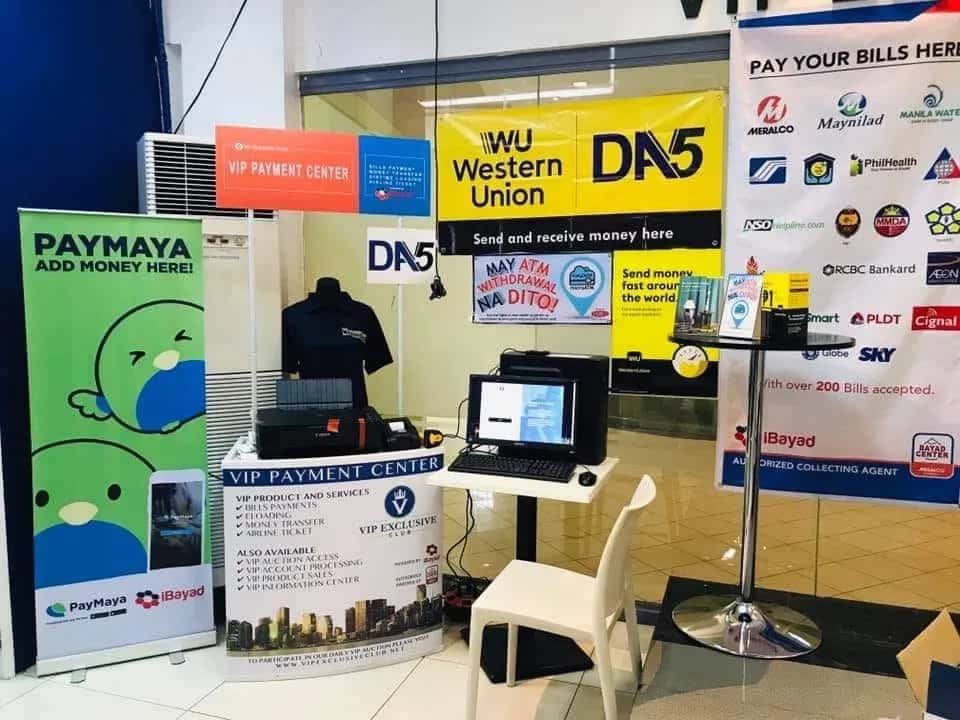
Broadly speaking, kiosks with 3 franchises, inline stores with 1 and home-based or online setups with 1 are open to you with a payment & remittance franchise at ₱400k. If you want to run the unit alongside a job or another commitment, the hours each setup demands become the main concern. Ask every franchisor how many hours per week the owner must be present, and check whether a trusted helper can cover the rest, so the format you pick fits the time you really have.
The way ₱400k packages are structured often reflects the format of a payment & remittance franchise, whether that is a cart, kiosk, counter or full store. Smaller formats tend to bundle more items into the package, while larger ones may separate construction and equipment. If you think you might move to a bigger format later, ask whether that means buying a whole new package or whether part of what you paid carries over.
Compare how many payment & remittance franchises start at each budget level, from the smallest packages up.
Payment & Remittance franchises priced close to your budget, worth a look if you can stretch your savings or want to spend less.

Payment & Remittance Center
Payment & Remittance Center

Payment & Remittance Center
Payment & Remittance Center
Payment & Remittance Center
Payment & Remittance Center
Payment & Remittance Center
Payment & Remittance Center
Compare payment & remittance franchises with other industries at the same budget, each with its own brands, fees and investment ranges.

Carts, kiosks, and full restaurants.
60 brandsFrom ₱29k
Amigo Mango, Buko Express, Burger Factory +57 more
See brands
Coffee, milk tea, and cold drink shops.
10 brandsFrom ₱150k
FaB Caffe', ThirsTEA, Zip 'N Sip +7 more
See brands
Bread, cakes, and pastry shops.
7 brandsFrom ₱250k
Waffle Time, JB's Garlic Pandesal, Lil Orbits +4 more
See brandsCompare industries by budget, daily work and payback before you choose one, free and with no pressure.

Learn practical inventory control steps for your Philippine franchise to cut waste, prevent loss, and protect your capital.
Aug 14, 2026 6 min read
Learn how non-compete clauses work when exiting a franchise agreement in the Philippines, protecting your investment after closing.
Jul 20, 2026 5 min read

Learn how to secure financing for your Philippine franchise, from preparation to approval. A practical guide for new operators and OFWs.
Jul 20, 2026 5 min read