Palawan Express Pera Padala
Payment & Remittance Center
- Franchise fee
- No franchise fee
- Total investment
- ₱100k–₱500k
🎁 Start Your 1 Month Free Trial of the Full Plan, Exclusively for Brands & Advisors.Get Started
Browse 2 payment & remittance franchises up to ₱500k, with investments of about ₱500k each, a franchise fee of about ₱50k, and most paying back in 12 to 18 months.
Updated
Payment & Remittance Center
Payment & Remittance Center
₱500,000 sits well above the smaller entry points in payment and remittance, and the money stretches accordingly. Entry across this budget runs from around ₱100,000 to the full ₱500,000, the franchise fee can reach roughly ₱50,000, and payback typically lands somewhere between a year and eighteen months. That is a wide enough range that the same headline figure can build noticeably different setups depending on how it is spent. Knowing which end of the range a plan actually needs matters more here than at a smaller budget.
Around ₱100,000 buys a lean, no-frills setup within this category. The full ₱500,000 buys considerably more room for fit-out, equipment, and a service counter built to handle a wider range of transactions at once. The franchise fee moves from nothing at all up to roughly ₱50,000 across that same range. That is a modest share of the total compared with what goes into the physical setup itself. Most of the difference between the low end and the high end of this budget shows up in the space, the equipment, and the working capital set aside, not in the fee. Someone spending closer to ₱100,000 is likely building a tighter, single-purpose counter. Someone spending closer to the full amount is likely building something meant to handle more volume and a broader menu of services from the start. Deciding which of those two pictures actually matches the plan, before spending anything, keeps the money from being split unevenly between a setup too small for its ambitions or one bigger than the site can support. It is worth pricing out both versions on paper before committing to either, since the gap between them is large enough to change what the first year of running the business actually looks like.
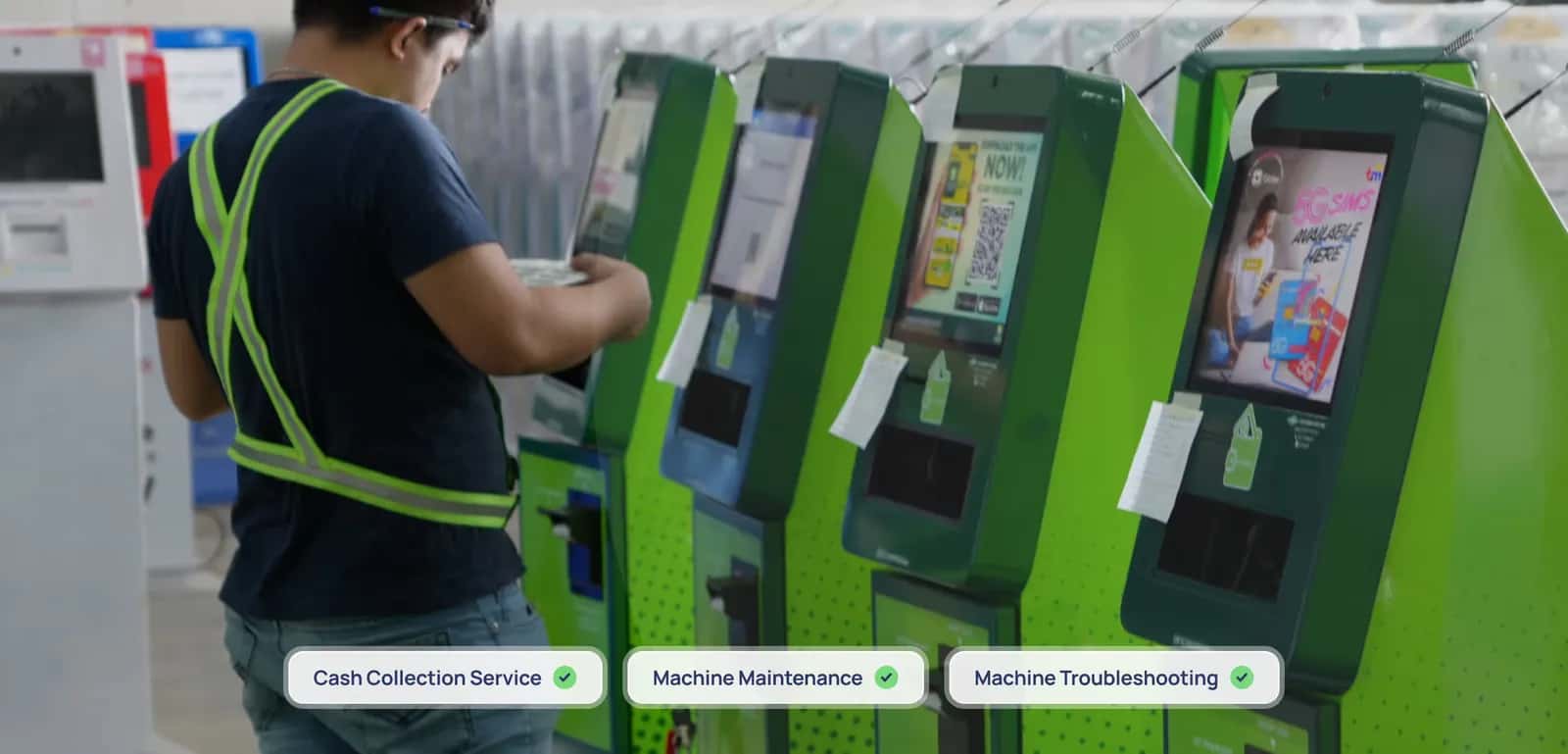
Both the kiosk and the inline store format are available across this entire budget, which is unusual compared with smaller budgets in this category, where the format choice narrows along with the money on hand. That means the decision here is genuinely open. A kiosk keeps costs down and fits into a mall corridor or a busy street frontage without needing its own walled space. An inline store carries higher fixed costs but usually supports a fuller service counter and a more comfortable setup for staff and customers alike. At this budget, the choice between the two comes down less to what the money can afford and more to what the site itself allows. A cramped corner might only ever work as a kiosk, while a wider frontage makes the inline option genuinely worth the extra fit-out cost. What kind of operation the reader actually wants to run day to day matters here too, since a kiosk suits quick, high-frequency transactions while an inline store suits a slower, fuller service visit. Neither format is the safer default at this budget, since the site and the intended customer routine decide the better fit more than the money itself does.
Payback of a year to eighteen months assumes steady, disciplined operation from close to the first week, not a slow ramp-up. Day to day, that means predictable hours, accurate cash handling, and staff trained well enough to process transactions quickly during busy stretches without errors creeping in. At this budget, hiring becomes a bigger part of the job than at smaller budgets in this category, since a fuller setup usually needs more than one person on the counter at a time. Scheduling, covering shifts, and training a replacement quickly when someone leaves all become part of running the business, not side tasks. Reconciling the till at the end of each shift, tracking which services are actually driving volume, and adjusting hours around when customers actually show up all matter more here than any single marketing decision. The size of this budget buys capacity, but it is the daily discipline behind the counter that decides whether that capacity turns into the payback the numbers suggest. A fuller setup left understaffed or loosely supervised can quietly underperform a smaller, tighter one that is run with far more daily attention and care.
Now that you've seen what's here, a real advisor can help you shortlist and weigh the options against your budget. Free, at your pace.

Financing Readiness · Site Selection

Low-Capital Startups · Site Selection

Franchise Agreements · Multi-Unit Expansion

Low-Capital Startups
Are you a franchise advisor?Get your own workspace here
Compare payment & remittance franchises with other financial services businesses up to ₱500k, each with its own brands, fees and investment ranges.
Get honest answers on fees, payback and the best setups for your area, free and with no pressure.
Filter by ₱500k and you will find two payment & remittance franchises priced between ₱400k and ₱500k. Next, narrow them by checking which packages include the most. Ask for a written list of equipment, stock, training and fixtures, and compare the lists. If two options cost about the same, the one covering more items gives you better value. Cross off packages that leave you buying the basics yourself, and keep the best matches for a deeper look.
Setting a ceiling on borrowing makes raising ₱500k for a payment & remittance franchise less stressful. Without a limit, it is easy to keep adding another loan as costs creep up. Decide the maximum monthly repayment your household can carry, and turn down any extra financing that would push you past it. A firm limit also keeps the business from starting under more pressure than it can handle, and it gives you a clear answer when a lender offers more.
In most offers priced between ₱400k and ₱500k, you are paying for a bundle that may include the franchise fee, equipment, initial inventory, training and signage. The bundle saves you from sourcing items separately, yet it also means you should check that each item is priced fairly. Try asking a local supplier what similar equipment would cost on its own, so you have a reference point when judging the package.
Getting the doors open with ₱500k for a payment & remittance franchise depends on costs outside the package. The two options quoting an investment between ₱400k and ₱500k generally leave out rent deposits, permits, renovation and initial stock. Price each of these, add cash for the first months of running costs, and compare the total with your budget. That comparison shows whether the money truly reaches opening day.
If you plan to pay for ₱500k by breaking a time deposit or cashing out an investment, budget for what that withdrawal costs you. Early withdrawal penalties, lost interest and any fees for selling before maturity all add to your true opening cost, and your household also loses a cushion it may have counted on. Ask your bank or fund manager exactly what you would forfeit by withdrawing now, and consider leaving part of those savings untouched as a separate safety net.
Calculating it yourself is wise, though franchisors usually estimate 12 to 18 months for a ₱500k payment & remittance franchise to pay for itself. A good place to begin is the franchisor's own worksheet, if they have one, because it shows which costs they chose to include. Go through it line by line and mark anything that is a guess rather than a known amount, then ask the franchisor how each guess was made before you lean on the final figure.
On a ₱500k budget, the payment & remittance setups you can consider are kiosks with 2 franchises and inline stores with 2. The quickest way to narrow them down is to start from your space rather than from the franchise, because a strong format in the wrong spot will struggle. List what your space offers, such as its size, frontage, power supply and nearby foot traffic, and match those facts against what each setup requires before you talk money.
With the right preparation, a ₱500k payment & remittance franchise can be a comfortable first business, and part of that preparation is a simple monthly budget. List the expected rent, salaries, utilities, supplies and fees, then estimate the sales needed just to cover them. If that figure seems hard to reach, discuss it with the franchisor and with existing owners. A break even figure turns a vague hope into a target you can judge.
Compare how many payment & remittance franchises start at each budget level, from the smallest packages up.
Payment & Remittance franchises priced close to your budget, worth a look if you can stretch your savings or want to spend less.
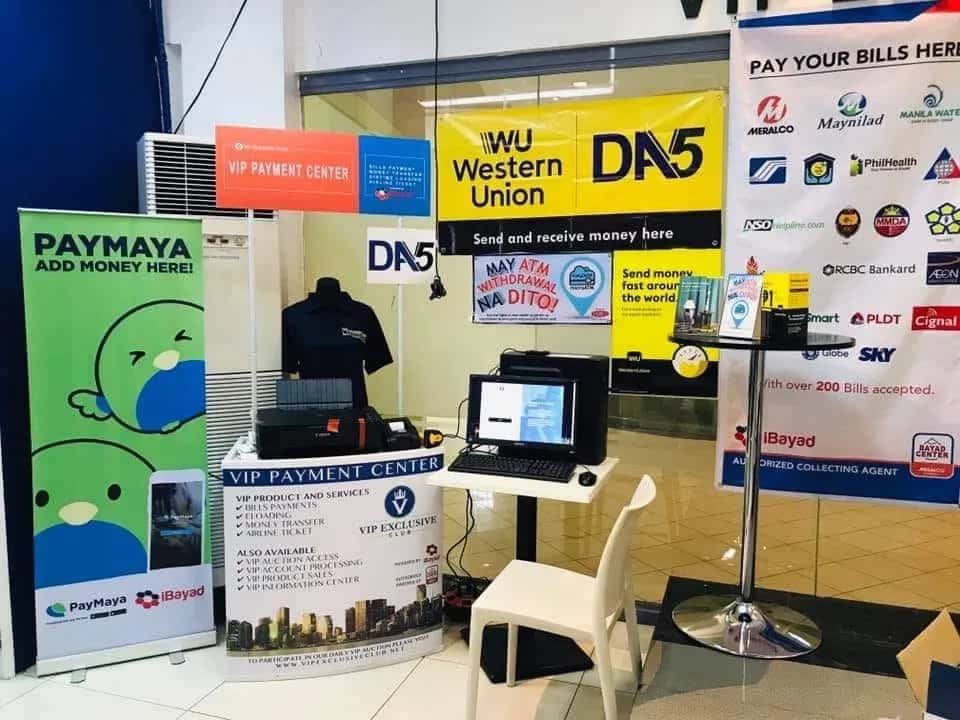
Payment & Remittance Center
Payment & Remittance Center
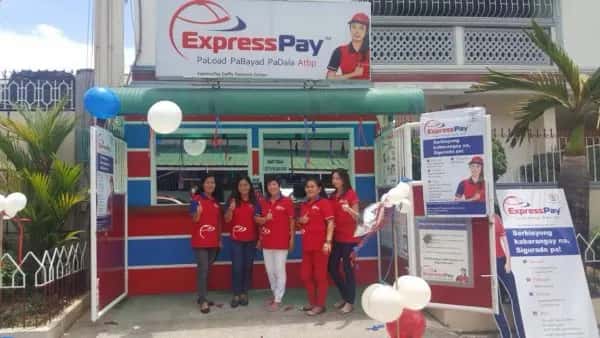
Payment & Remittance Center

Payment & Remittance Center

Payment & Remittance Center
Payment & Remittance Center
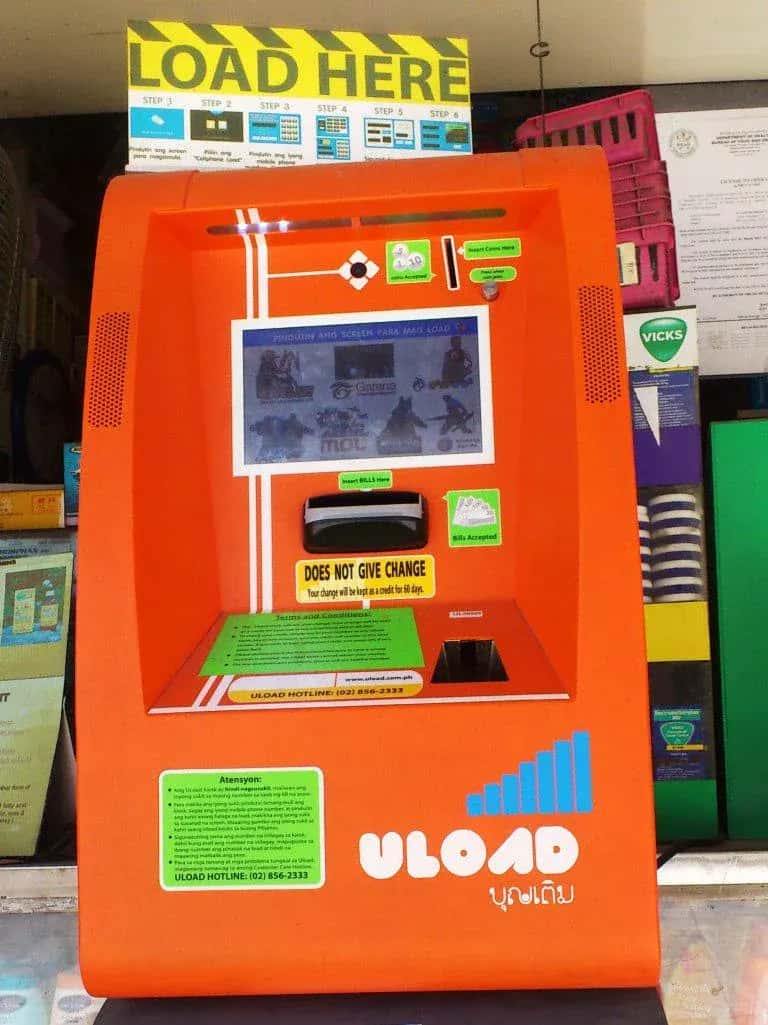
Payment & Remittance Center
Payment & Remittance Center
Compare payment & remittance franchises with other industries at the same budget, each with its own brands, fees and investment ranges.

Carts, kiosks, and full restaurants.
31 brandsFrom ₱50k
Chops To Go, Samurai Foods, Kettle Korn +28 more
See brands
4 brandsFrom ₱150k
Truewin, Keno Lotto Express Outlet, Picturebooks +1 more
See brands
Bread, cakes, and pastry shops.
3 brandsFrom ₱200k
Don Benito's Cassava Cake, Magic Melt, Mrs. Pandesalan
See brands
Coffee, milk tea, and cold drink shops.
3 brandsFrom ₱150k
Barista Choi, Happy Kopi, Tea Generation
See brandsCompare industries by budget, daily work and payback before you choose one, free and with no pressure.

Learn practical inventory control steps for your Philippine franchise to cut waste, prevent loss, and protect your capital.
Aug 14, 2026 6 min read
Learn how non-compete clauses work when exiting a franchise agreement in the Philippines, protecting your investment after closing.
Jul 20, 2026 5 min read

Learn how to secure financing for your Philippine franchise, from preparation to approval. A practical guide for new operators and OFWs.
Jul 20, 2026 5 min read