Konam
Chicken & BBQ
- Franchise fee
- ₱15k
- Total investment
- ₱15k–₱30k
🎁 Start Your 1 Month Free Trial of the Full Plan, Exclusively for Brands & Advisors.Get Started
Browse 9 food & beverage franchises up to ₱50k, with investments from ₱26k to ₱34k, franchise fees mostly between ₱16k and ₱22k, and most paying back in 2 to 6 months.
Updated
Chicken & BBQ
Korean Street Food
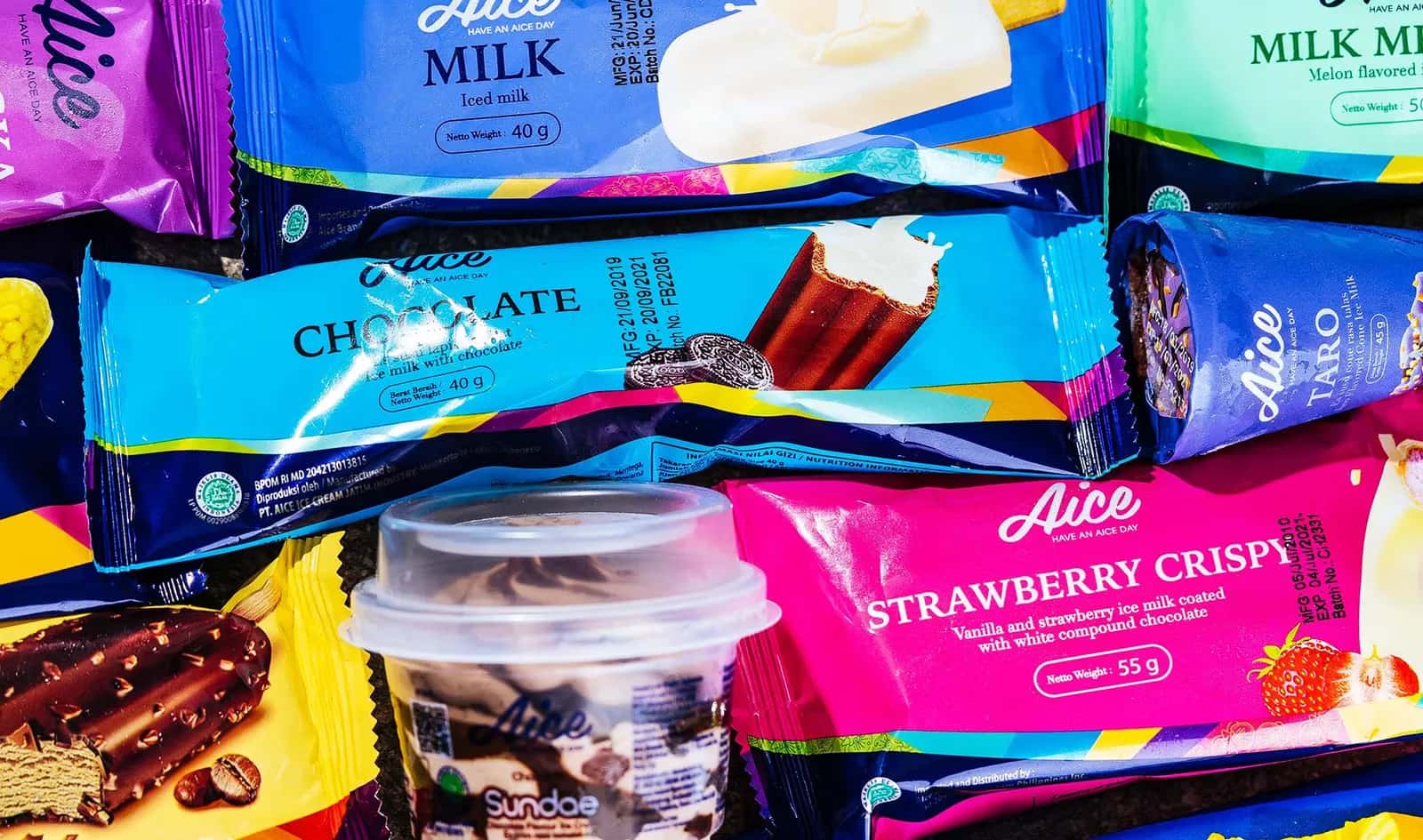
Ice Cream & Desserts
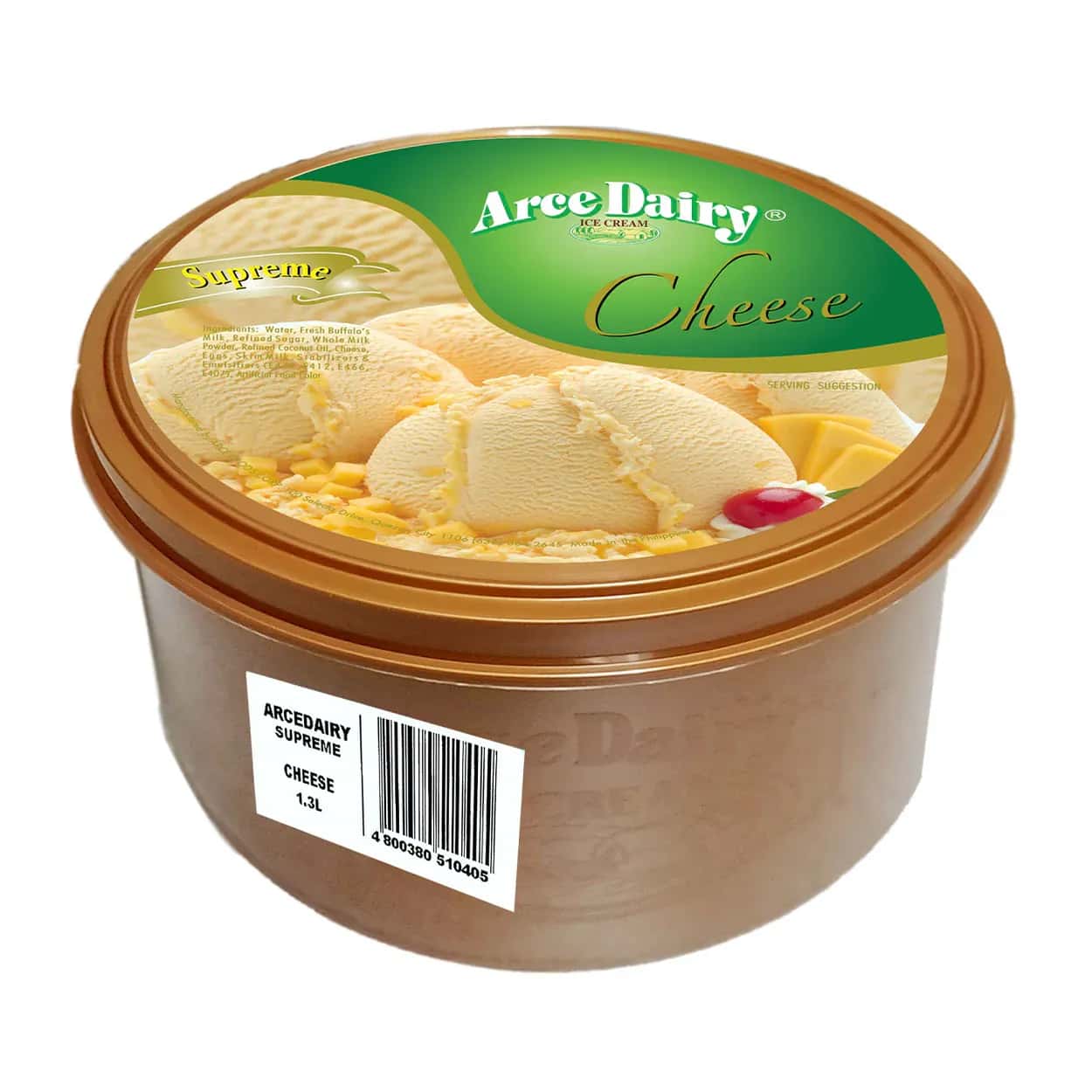
Ice Cream & Desserts

Korean Street Food

Takoyaki & Japanese Snacks
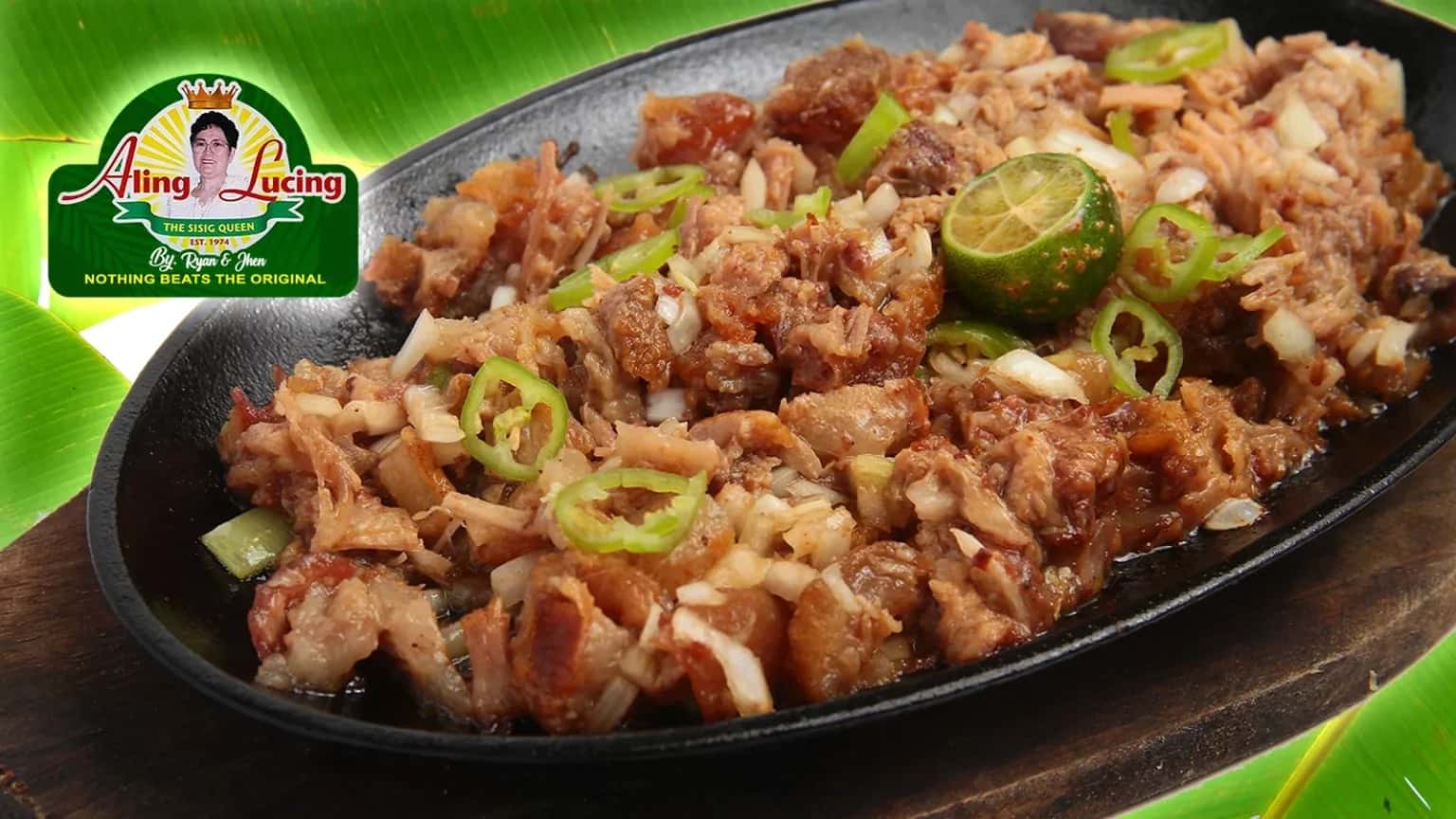
Filipino Restaurant
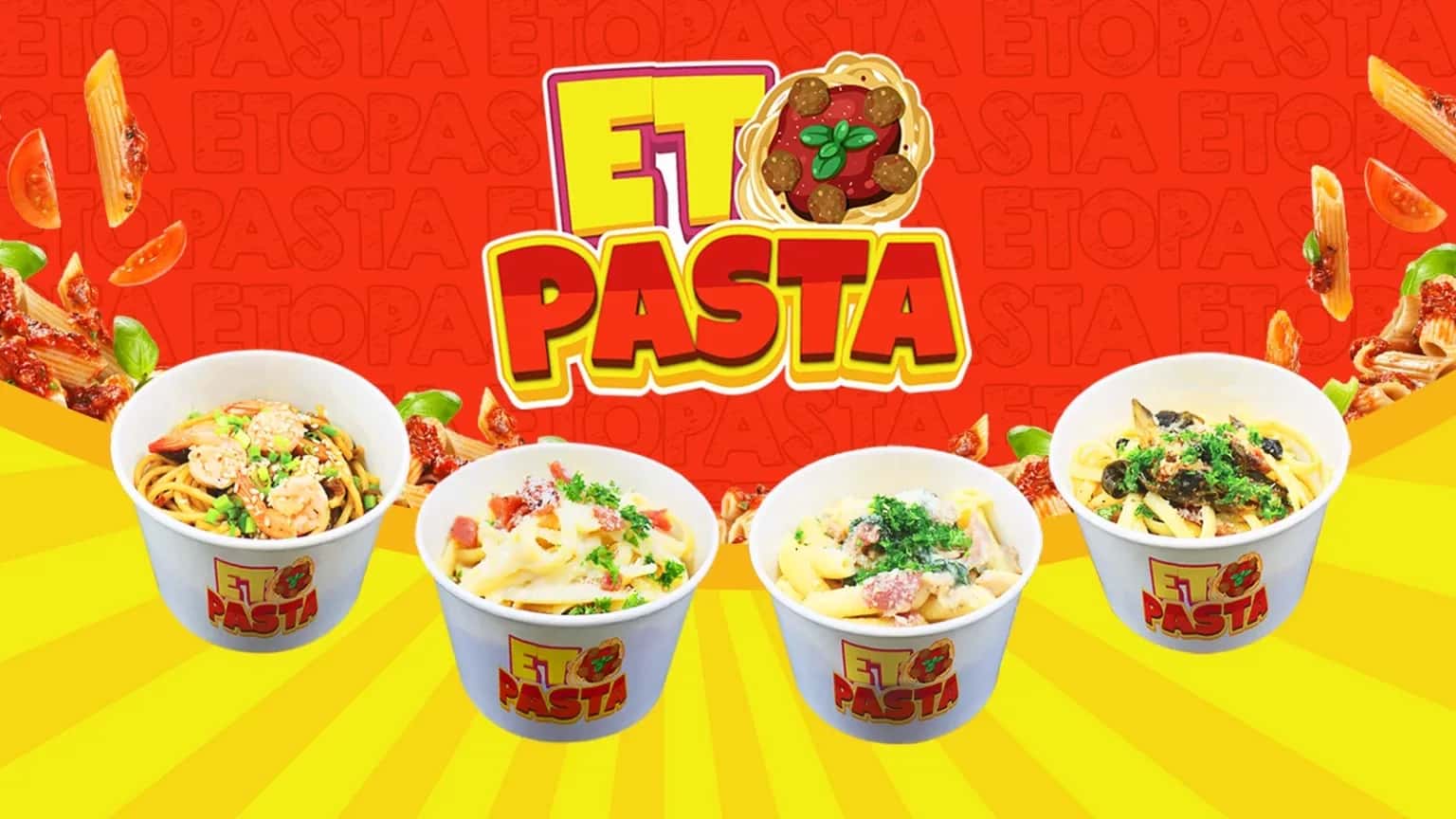
Pizza & Pasta
Street Food & Snacks
Under ₱50,000 sits at the very bottom of what food and beverage franchising offers in the Philippines, with entry costs starting around ₱3,000 and climbing to the full amount at the top. A lot of what sits here charges no separate fee at all, and the ones that do rarely ask past ₱30,000. Payback moves fast here, often inside two to six months, because the money at risk is small enough that a run of good days can cover it.
At the very low end, close to ₱3,000, what is on offer looks more like a home kitchen operation than a shop. It comes with minimal equipment, a small starter batch of stock, and often no separate fee at all beyond the cost of getting started. Climb toward the top of this budget, near the full ₱50,000, and the money starts buying an actual cart or a proper kiosk setup. Sometimes a fee of up to ₱30,000 is attached, covering training, signage, and a starter kit of equipment. The gap between those two ends is really a gap in how much is handed over already built. At the bottom, the buyer supplies almost everything and leans on the franchisor mostly for the recipe or the process. At the top of this budget, more of the setup work is already done, trading a bit more money for a bit less to figure out alone in the first weeks.
Every package inside this budget can run as a kiosk, which says plainly what this level of money is built for: a small, fixed, low-cost footprint rather than anything with four walls and a lease. Almost as many can run as a food cart instead. That gives a buyer the choice between staying in one spot and being able to move if a location does not work out. A meaningful share can also be run from home or sold online, which strips away rent entirely and suits someone testing a recipe before committing to any kind of stall. Smaller shares stretch to an inline store or a mobile unit, though both usually mean adding money beyond what this budget alone covers. The practical takeaway is that this budget buys a concept and a starting kit, not a location. The real work after signing is finding a spot with enough foot traffic to make a tiny footprint pay.
Running a business at this budget usually means one person doing everything, often around another job or in whatever hours are free during the day. The equipment is basic enough that there is little room for a breakdown to be absorbed quietly. A broken burner or a spoiled batch of stock can wipe out a chunk of the operating cash in one go. Because the money at risk is small, payback tends to be fast too, often inside two to six months when the location and the hours are right. That speed makes this a low-stakes way to learn how a food business runs before committing more money to something bigger. The trade-off is that growth from here usually means starting over at a higher budget, rather than simply reinvesting profit into the same setup. The format itself, a cart or a kiosk, has a limit on how much a single person can produce and sell in a day.
This budget suits someone testing an idea more than someone trying to build a long-term business straight away. It fits a retiree wanting a small side income, a parent working around school hours, or someone saving up before committing to a bigger concept later. It does not suit someone hoping to draw a full living wage from day one, since the daily numbers a tiny footprint can produce, even at good foot traffic, stay modest by definition. What this budget is genuinely good for is proving that a person can run a small food business day after day, source reliably, and handle a paying customer. Those are skills that carry directly into a bigger investment later on if the first attempt goes well. Treated that way, the money here is less about the profit it returns and more about the experience it buys before a bigger step is taken.
Now that you've seen what's here, a real advisor can help you shortlist and weigh the options against your budget. Free, at your pace.

Financing Readiness · Site Selection

Low-Capital Startups · Site Selection

Low-Capital Startups

Franchise Agreements · Multi-Unit Expansion
Are you a franchise advisor?Get your own workspace here
Choose a kind of food & beverage business and see only its franchises up to ₱50k, with their fees and investment ranges.
Get honest answers on fees, payback and the best setups for your area, free and with no pressure.
Staying within ₱50k gives you nine food & beverage franchises, each with an investment up to ₱50k. The number tells you about choice, not about fit, so decide what fit means before you scroll. Write down two or three package features you want, such as included equipment or opening stock, and keep only listings that cover them. A short written filter turns a crowded list into a short one and makes each comparison easier to defend later.
Franchisors at the ₱50k level generally estimate 2 to 6 months for a food & beverage franchise to pay for itself. You can often shorten the wait by keeping early costs under control and building sales quickly, while the opposite lengthens it. Ask current franchisees which choices sped their recovery and which delayed it, then keep a reserve that lasts until your profit becomes steady, before you commit.
If you work abroad as an OFW or will run the outlet from afar, a ₱50k package still typically gives you equipment, initial inventory, training and access to the franchise system, depending on the franchisor. What changes is how much the setup process matters, since you cannot be there in person. Check whether the franchisor will arrange delivery, installation and staff training directly with the manager you appoint while you are away.
Operating hours set by a mall or the franchisor can raise your costs beyond ₱50k more than you expect. Long required hours mean more shifts, more wages and higher utility bills, even during quiet periods when few customers come in. Ask about mandatory opening hours before you sign the lease, and price your staffing around those hours rather than the ones you would choose yourself.
Franchisors themselves can help you check whether ₱50k is enough, if you ask the right question. When you talk to any of the nine food & beverage franchises quoting an investment up to ₱50k, ask which costs new franchisees most often underestimate. A franchisor that answers openly is giving you a useful warning, and a franchisor that brushes the question aside is telling you something too, so note both kinds of answers as you compare.
After the one-time payment of ₱16k to ₱22k for food & beverage franchises at ₱50k, ask which charges keep going and which stop. The franchise fee ends once it is paid, while royalties or monthly fees may continue for the whole contract. Request a schedule showing what you pay at signing, what you pay monthly and what changes at renewal. That schedule shows whether the opening fee is the main cost or only the first of many.
It helps to tell one trusted person about your goal of raising ₱50k for a food & beverage franchise and ask them to check on you. Plans kept private are easy to quietly postpone when money gets tight. Choose someone who will be honest rather than flattering, share your monthly saving target with them, and let them ask how the fund is doing whenever you meet so the goal stays alive.
Picking a food & beverage franchise at ₱50k means choosing among kiosks with 9 franchises, food carts with 8 and home-based or online setups with 3, and the space you can get decides how much stock and staff each one can hold. Small units run on tight shelves and quick turnaround, so someone must watch what runs low every day. Measure your storage room and count the people who can handle daily restocking, then drop any format that asks for more space or more hands than you have. A few also offer inline stores and mobile units.
For OFWs sending money home, a ₱50k food & beverage franchise can be a meaningful first business when the funding plan is clear. Decide in advance whether remittances will fund only the opening or also cover early operating costs. Agree with your family on who signs documents and who can withdraw money. Clear roles prevent misunderstandings while you are working abroad and cannot step in quickly.
Compare how many food & beverage franchises start at each budget level, from the smallest packages up.
Food & Beverage franchises priced close to your budget, worth a look if you can stretch your savings or want to spend less.
Siomai & Dimsum
Siomai & Dimsum

Ice Cream & Desserts
Takoyaki & Japanese Snacks
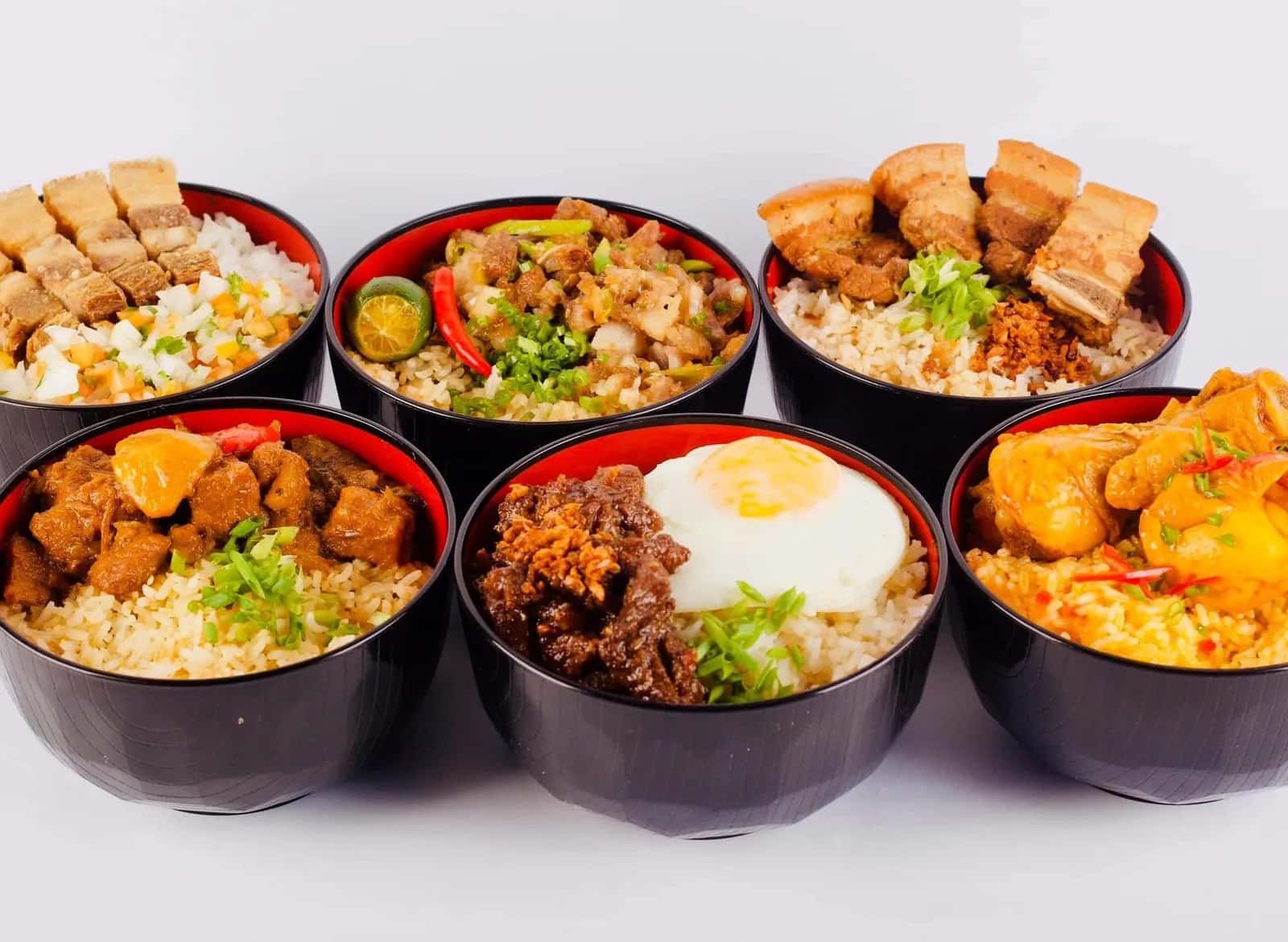
Street Food & Snacks
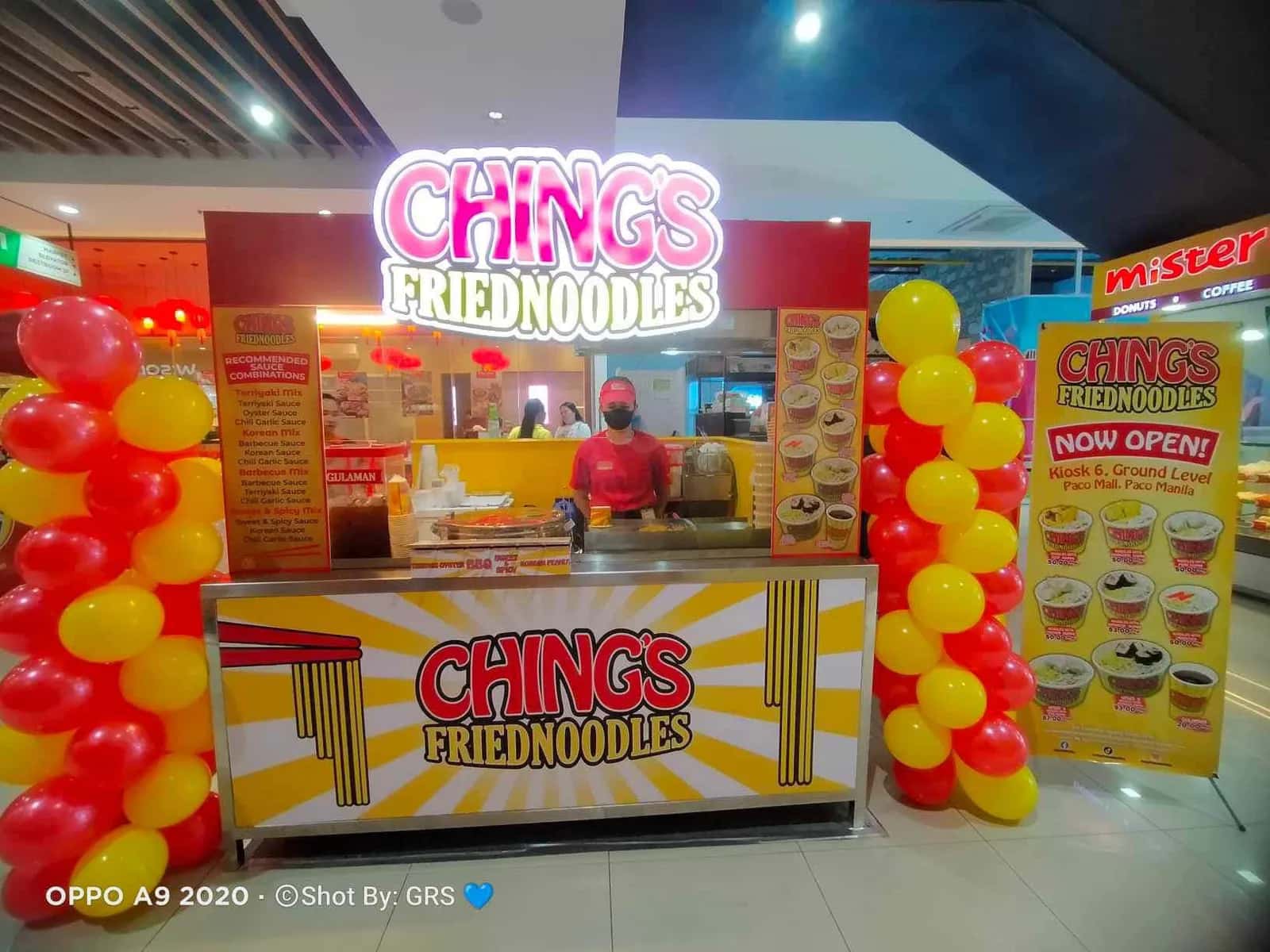
Street Food & Snacks

Filipino Restaurant
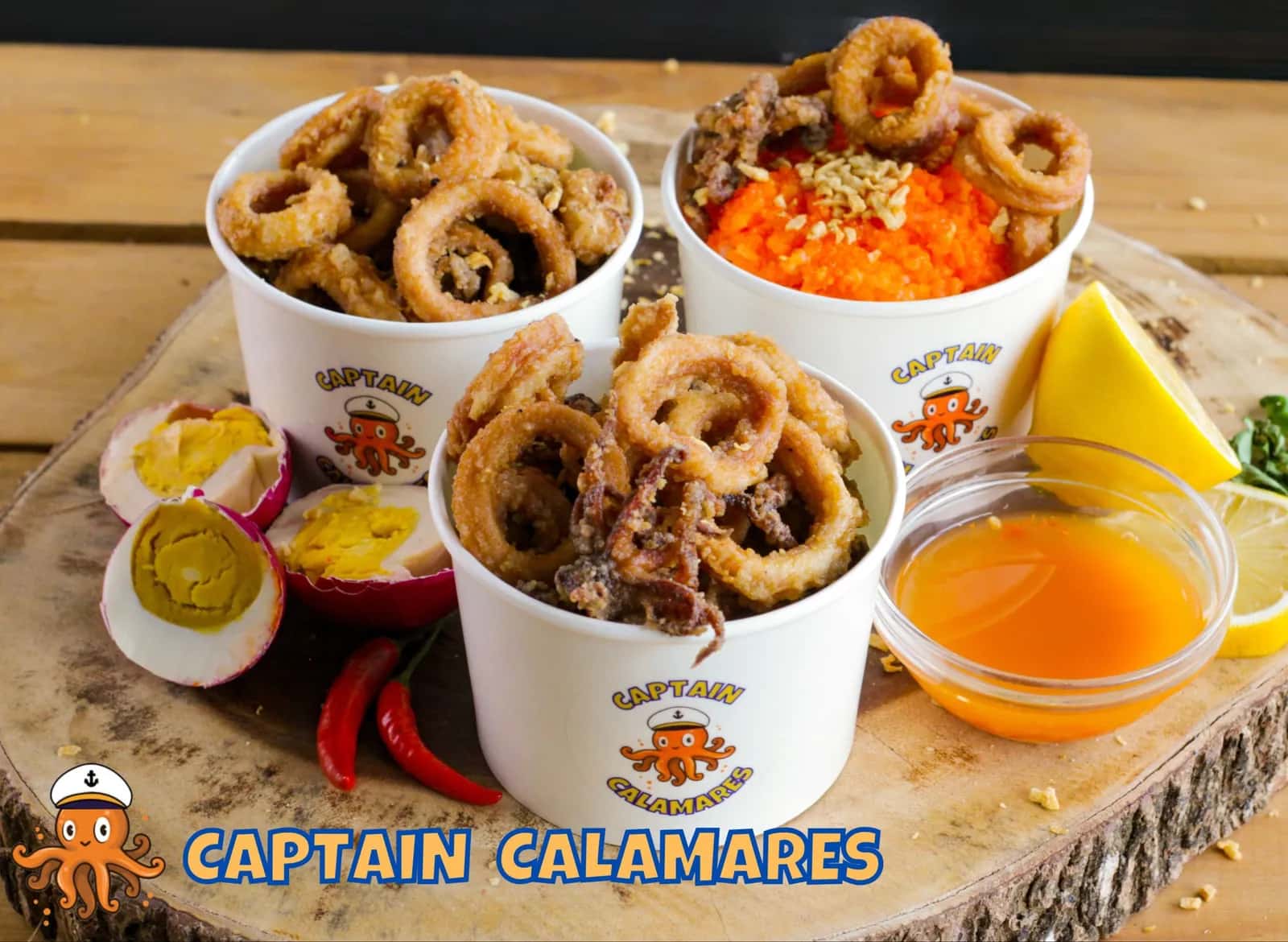
Street Food & Snacks
Compare food & beverage franchises with other industries at the same budget, each with its own brands, fees and investment ranges.

Coffee, milk tea, and cold drink shops.
3 brandsFrom ₱17k
Sip Up Coffee, Chong Cafe, KoTea
See brands
Padala, parcel, and delivery outlets.
3 brandsFrom ₱10k
Ninja Van, J&T Express, Toktok
See brandsCompare industries by budget, daily work and payback before you choose one, free and with no pressure.

Learn how non-compete clauses work when exiting a franchise agreement in the Philippines, protecting your investment after closing.
Jul 20, 2026 5 min read
Learn practical inventory control steps for your Philippine franchise to cut waste, prevent loss, and protect your capital.
Aug 14, 2026 6 min read

Learn what dispute resolution clauses mean for Philippine franchisees. Protect your investment with this guide to arbitration, mediation, and litigation steps.
Jul 21, 2026 6 min read