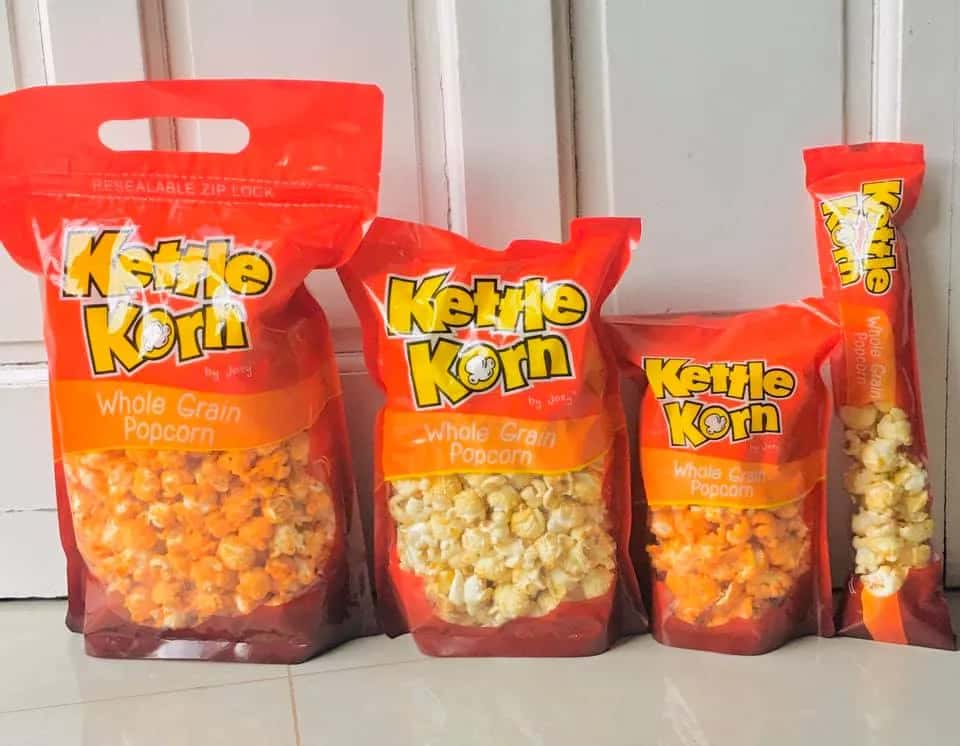
Kettle Korn
Packaged Snacks
- Franchise fee
- ₱150k
- Total investment
- ₱300k–₱450k
🎁 Start Your 1 Month Free Trial of the Full Plan, Exclusively for Brands & Advisors.Get Started
Browse 31 food & beverage franchises up to ₱500k, with investments from ₱450k to ₱500k, franchise fees mostly between ₱79k and ₱174k, and most paying back in 12 to 18 months.
Updated
Packaged Snacks
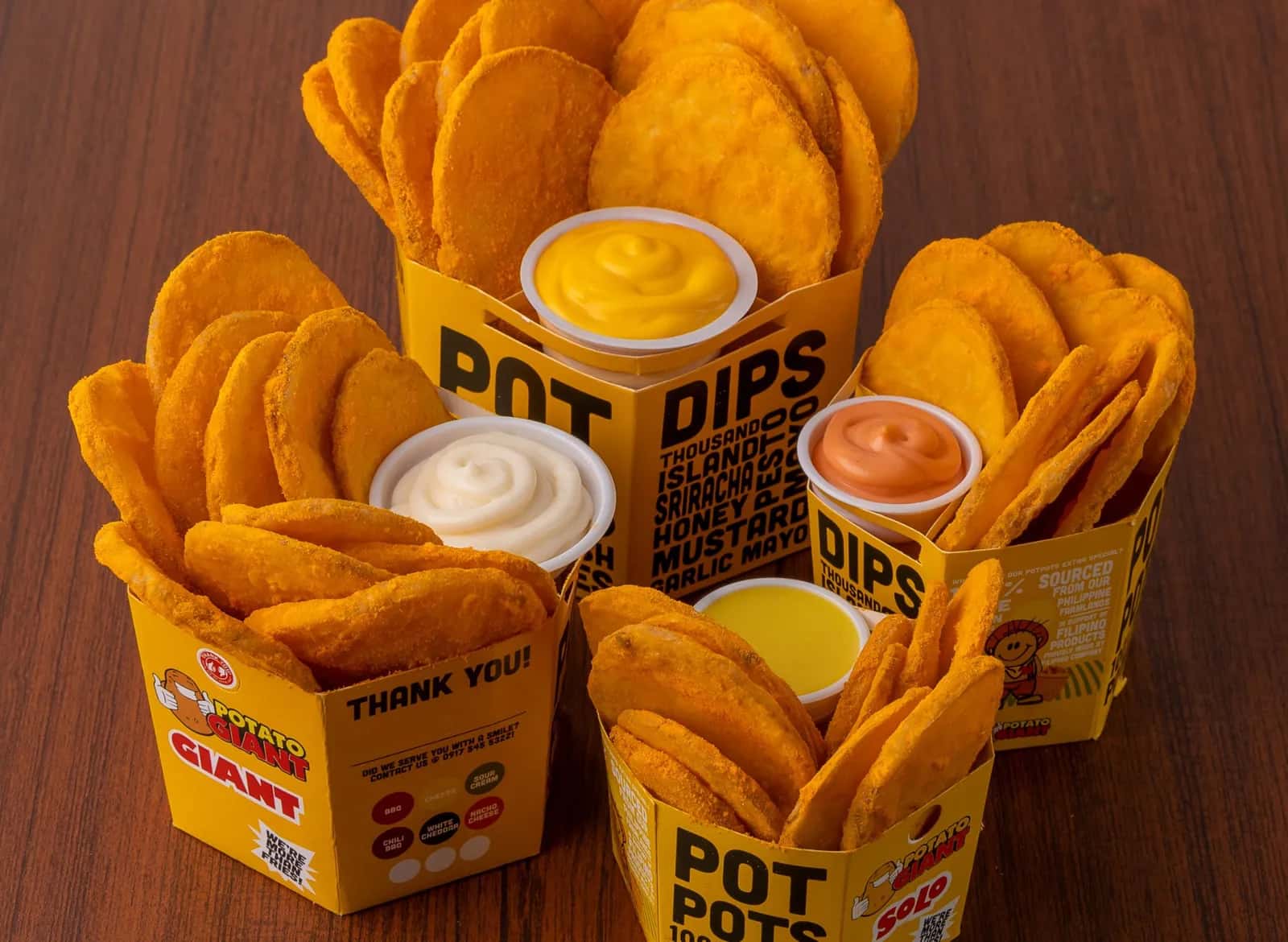
Fries & Potato Snacks
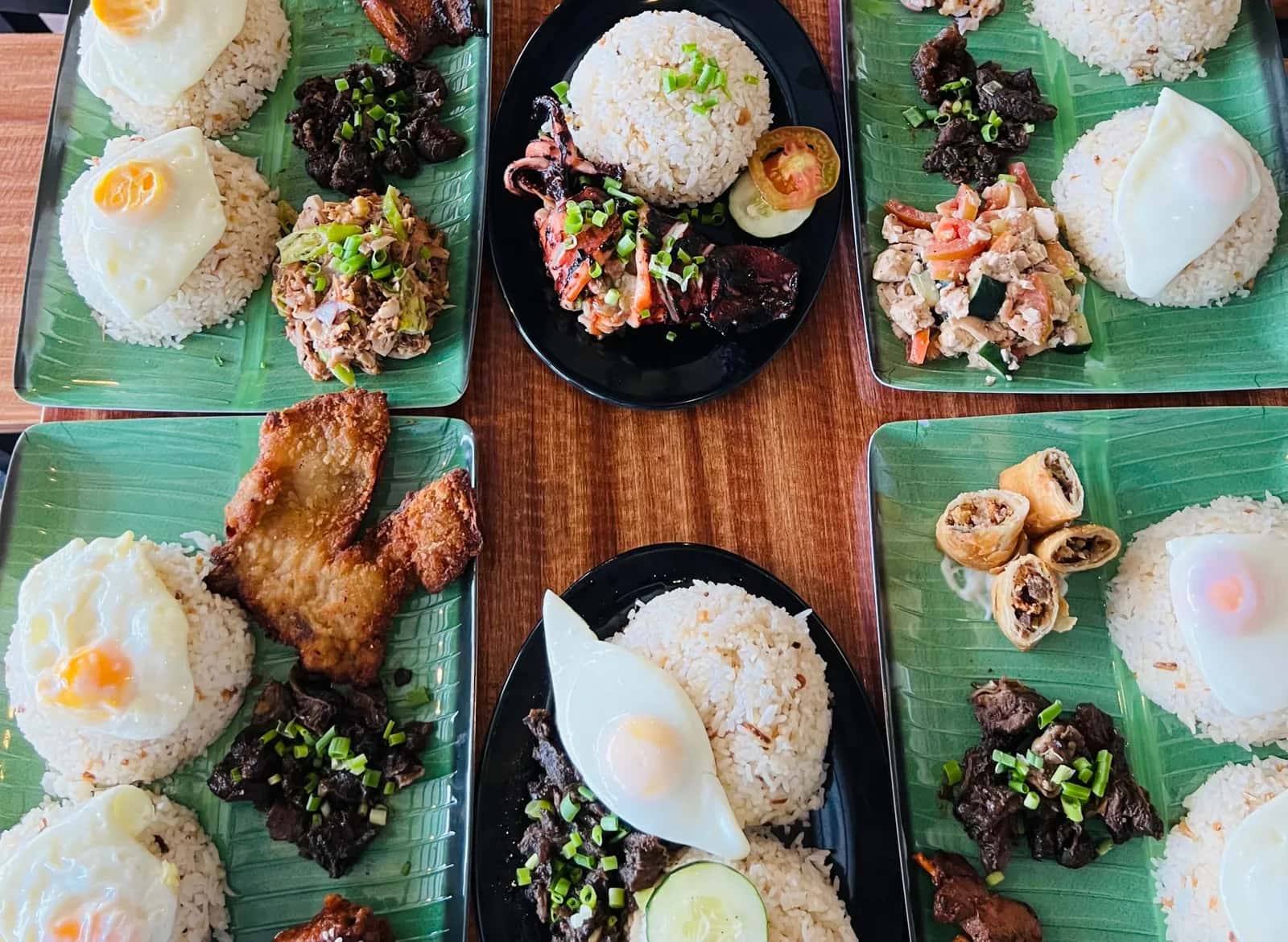
Filipino Restaurant
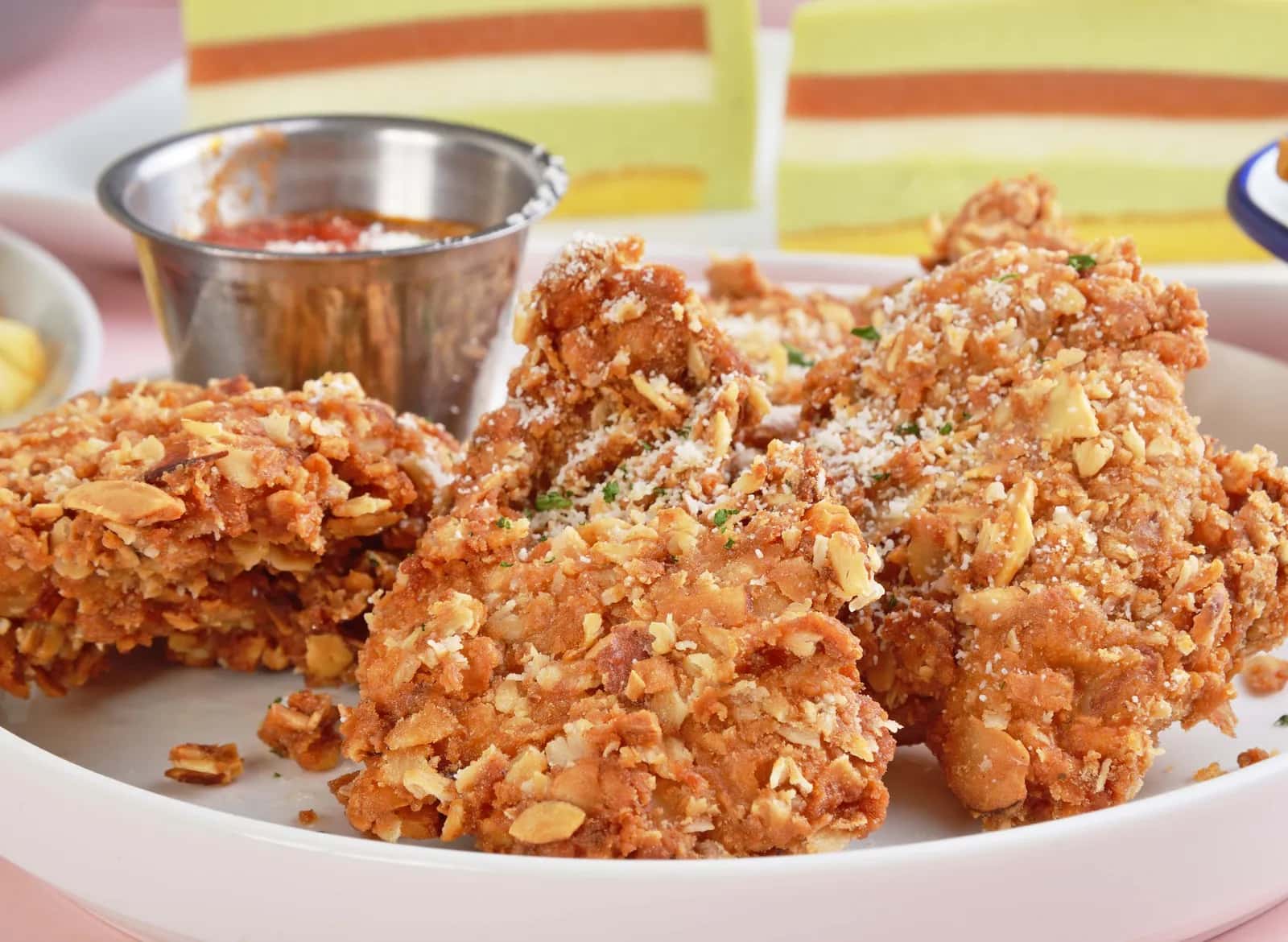
Chicken & BBQ
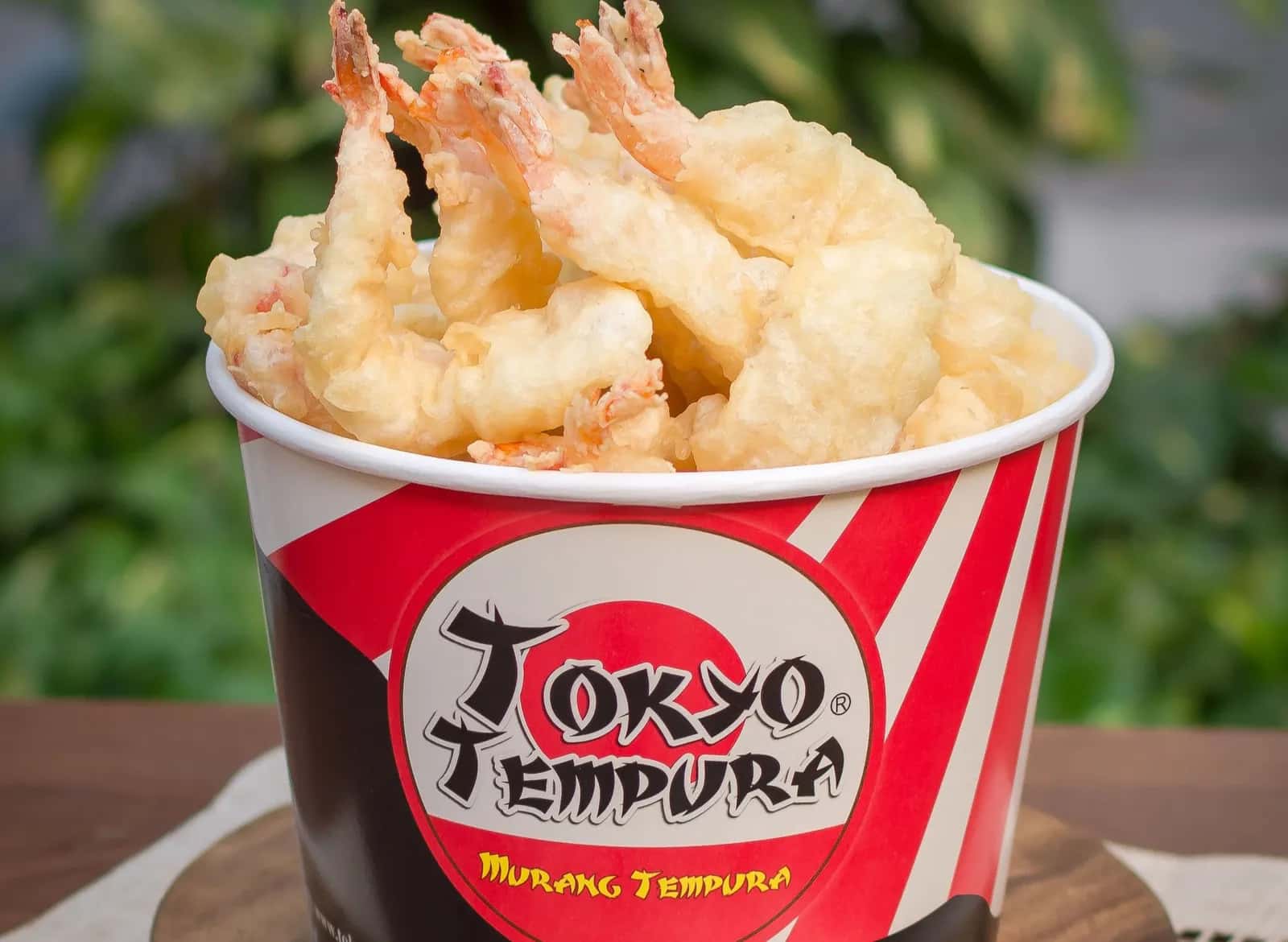
Takoyaki & Japanese Snacks

Ice Cream & Desserts
Chicken & BBQ
Filipino Restaurant

Juices & Shakes
Chicken & BBQ
Takoyaki & Japanese Snacks

Siomai & Dimsum
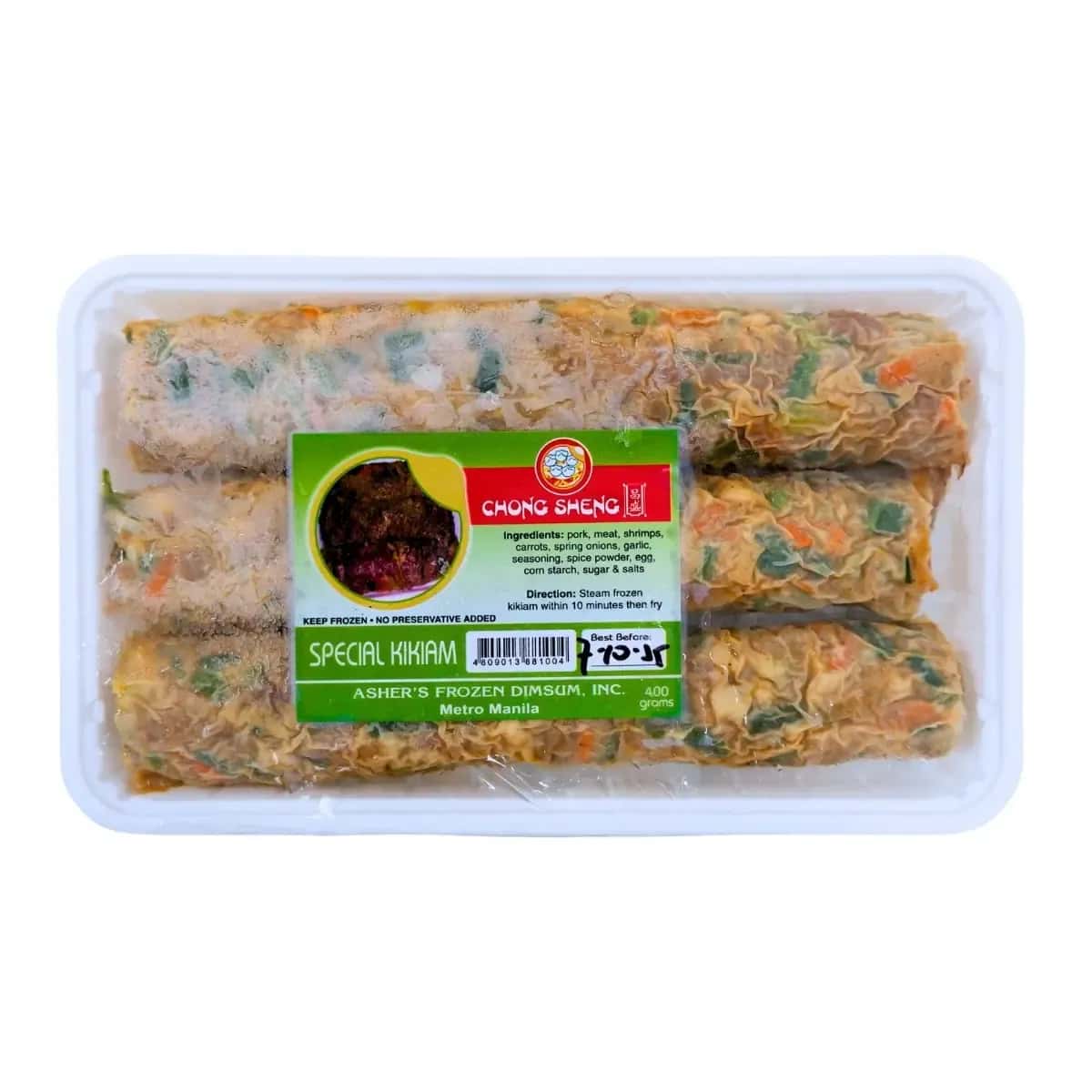
Siomai & Dimsum

Ice Cream & Desserts
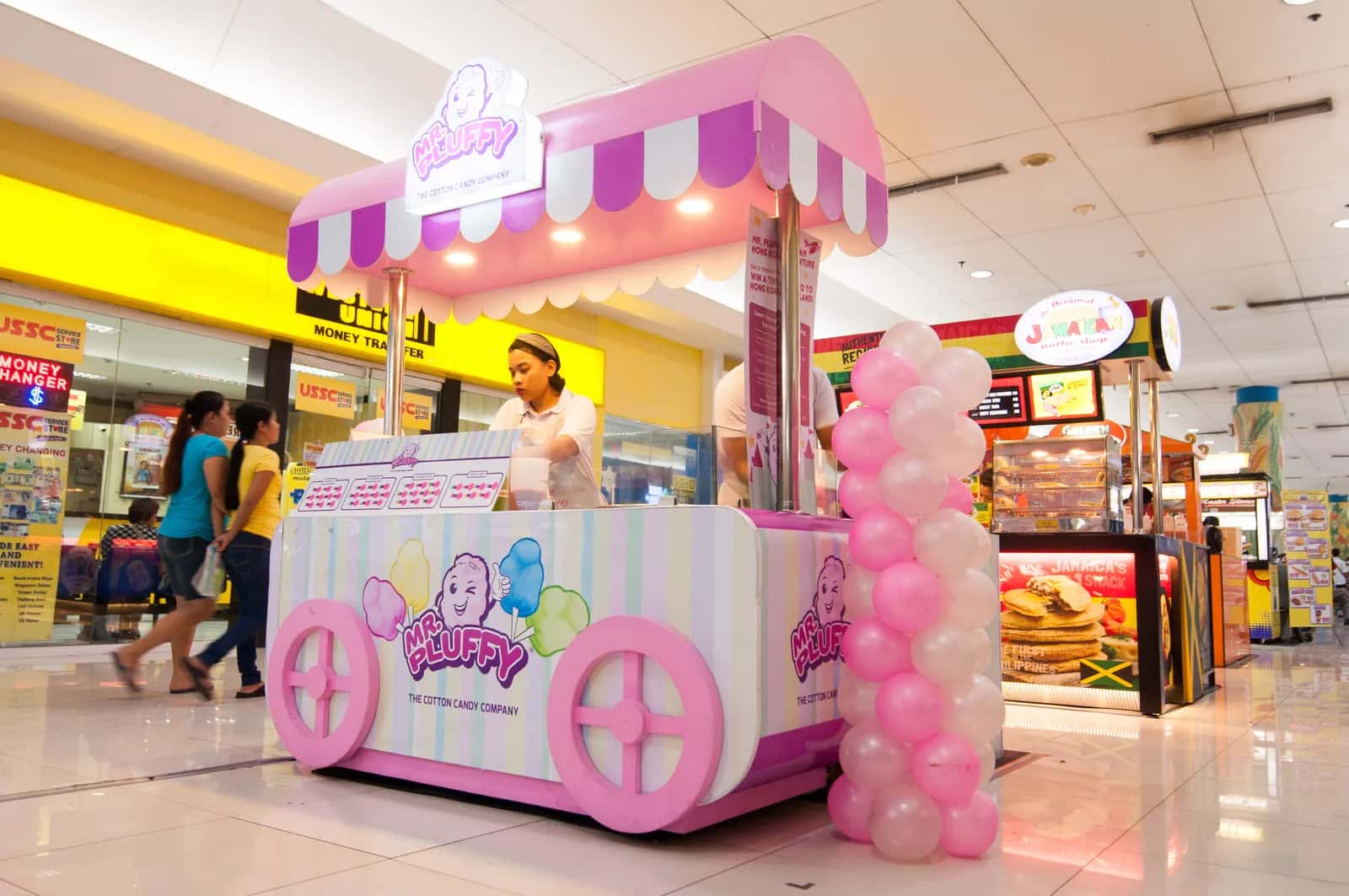
Ice Cream & Desserts
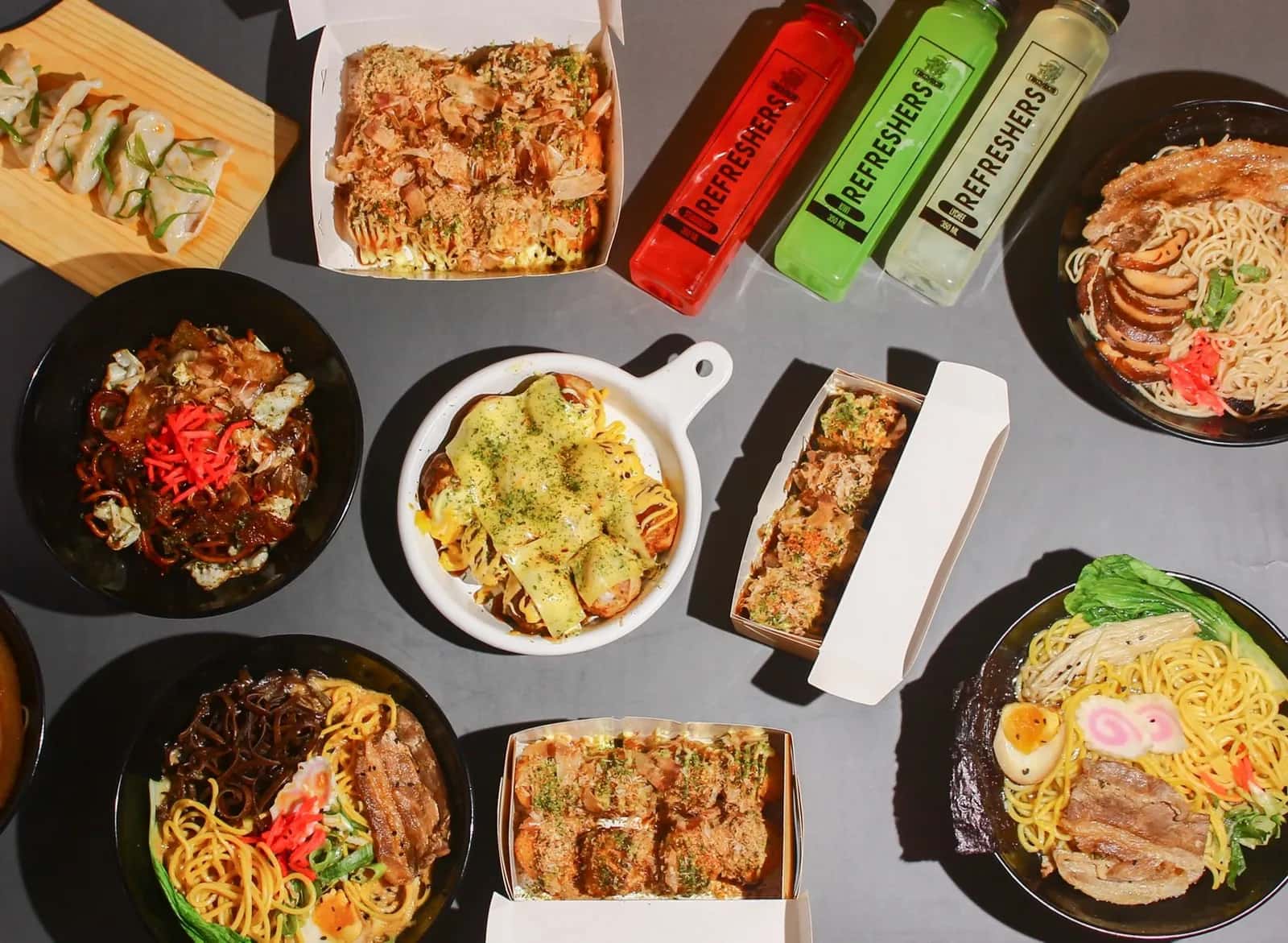
Takoyaki & Japanese Snacks
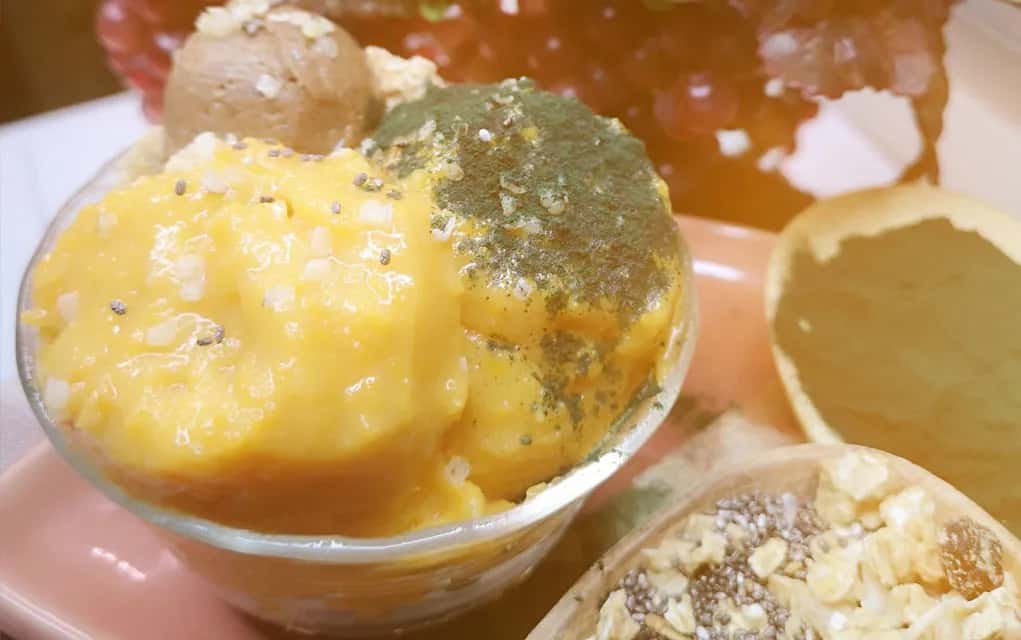
Ice Cream & Desserts
Pizza & Pasta

Street Food & Snacks
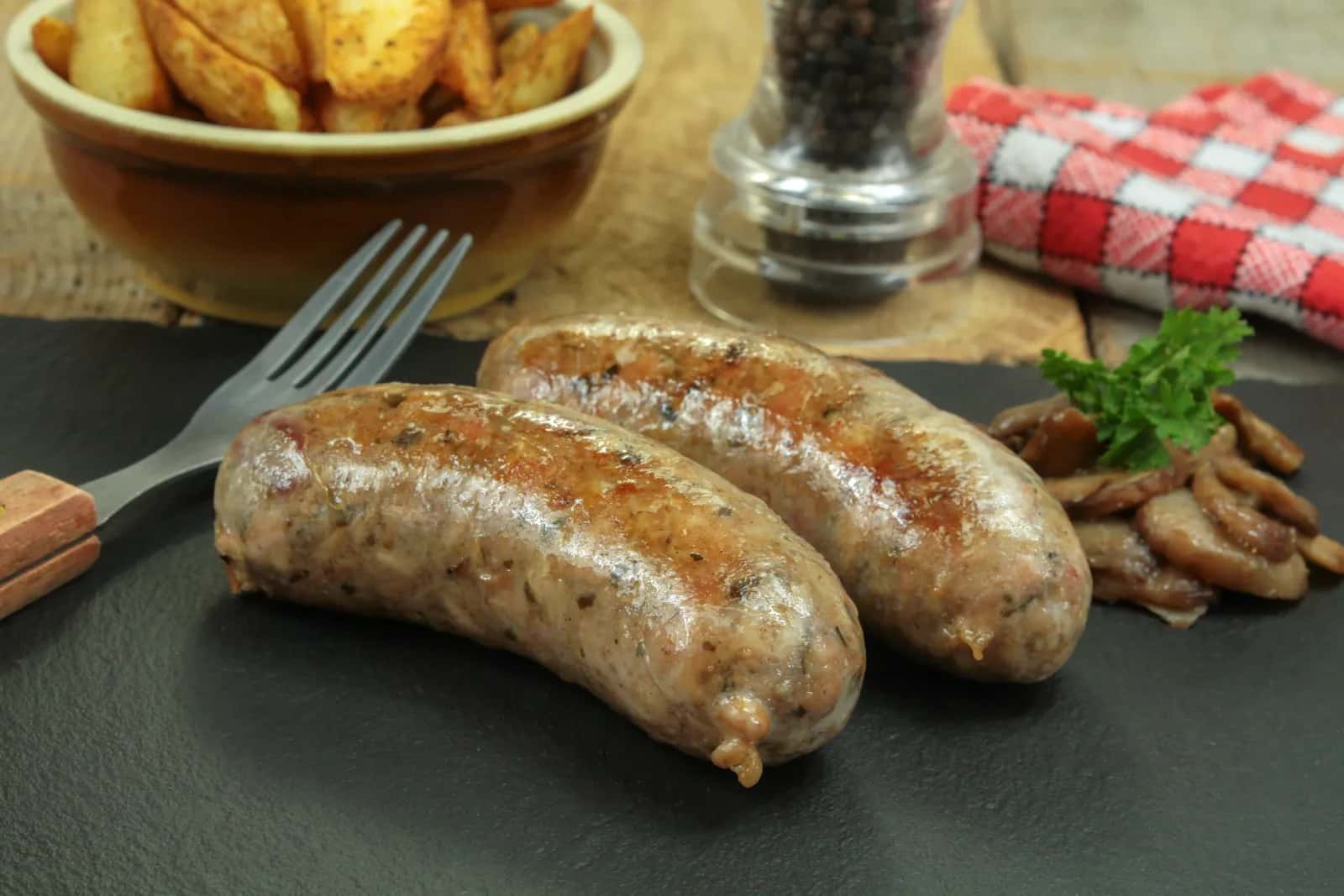
Street Food & Snacks
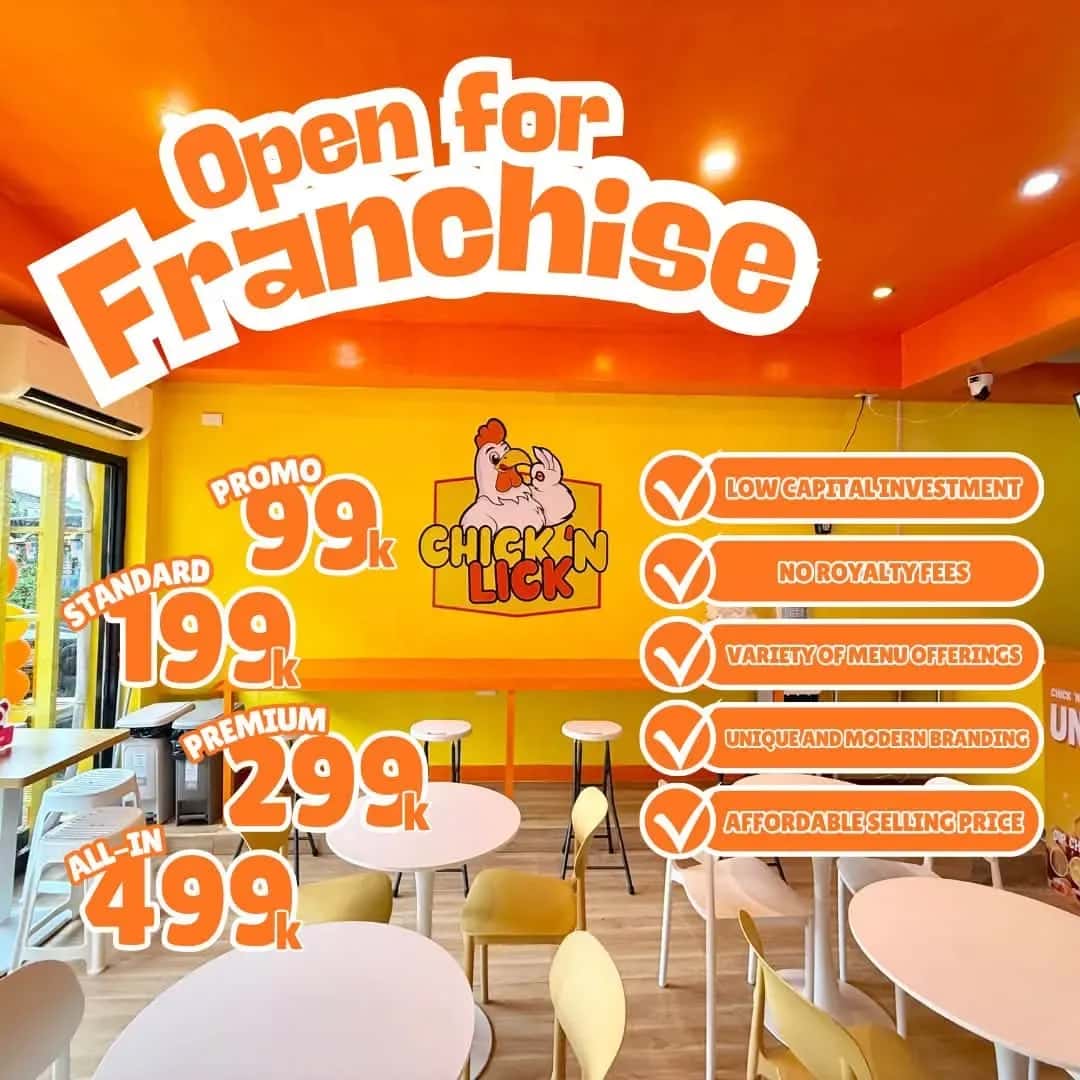
Chicken & BBQ

Fries & Potato Snacks
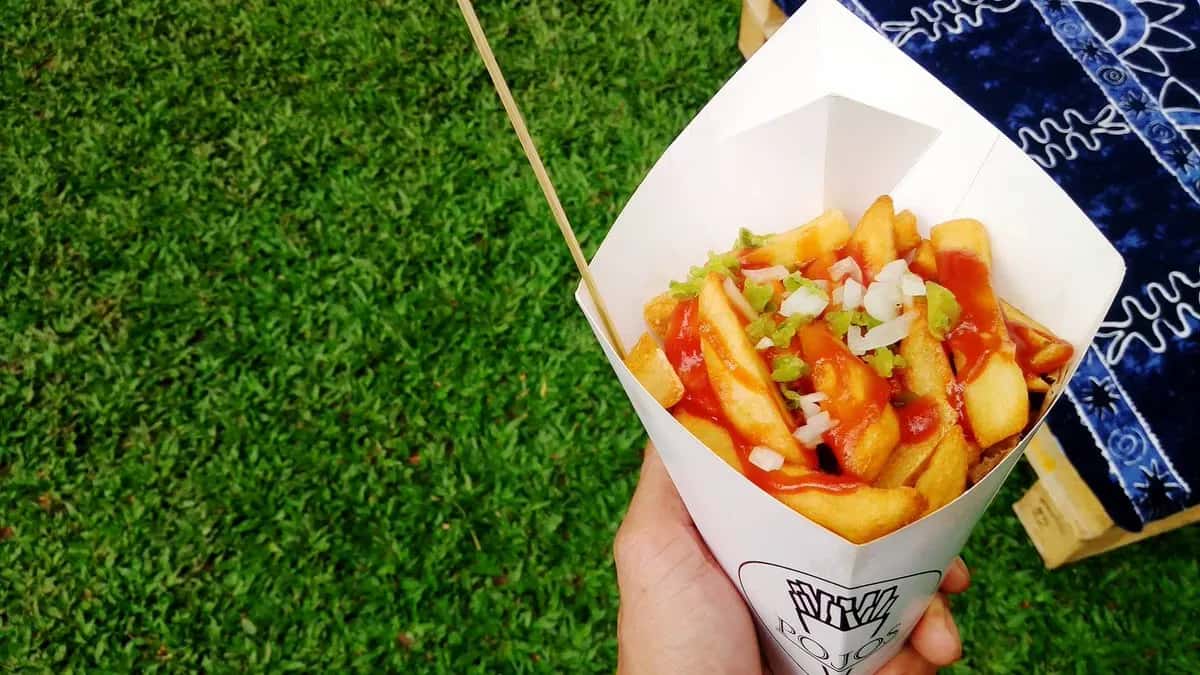
Fries & Potato Snacks
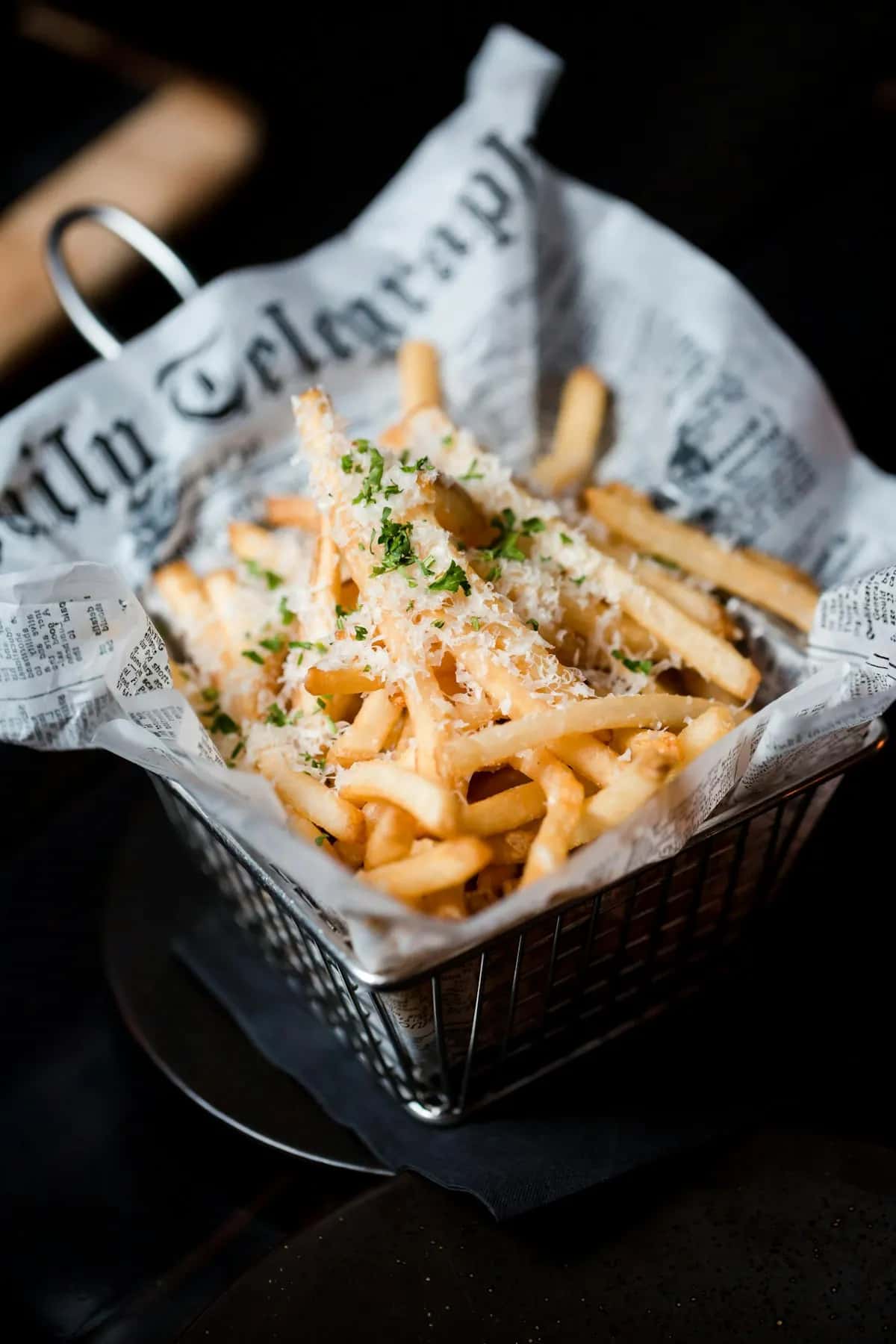
Fries & Potato Snacks
Showing 24 of 31
Up to ₱500,000 in food and beverage still favors cart and kiosk formats, but an inline storefront now shows up in a real share of what is on offer. A standalone building makes a rare appearance at the very top of this budget. Investment runs from ₱50,000 to ₱500,000, franchise fees from ₱50,000 to ₱280,000, and payback spans six months to eighteen months. The range covers a lot of different businesses under one number, from a modest cart to something close to a small restaurant.
Cart and kiosk formats still make up most of what is available at this budget. An inline storefront now appears often enough to be a real option rather than an exception, usually toward the higher end of the range. A storefront changes what the business can be: real walk-in customers, some seating in many cases, and a wider menu than a cart can carry. A standalone building shows up occasionally too, though it sits at the very edge of what this budget can support. That usually means a smaller lot or a simpler build than a standalone site further up the budget scale would need. The practical effect is that this budget spans two different kinds of decisions: staying compact and mobile with a cart or kiosk, or stretching the full amount toward a fixed storefront that behaves more like a small restaurant. Neither choice is automatically better. It depends on whether the location can support the extra cost of a fixed lease and a wider menu.
At the low end of this budget, ₱50,000 typically buys a basic cart with simple equipment. The top of the range, closer to ₱500,000, can stretch to an inline storefront or a compact standalone build with real fixtures and furniture. Franchise fees follow their own scale, from ₱50,000 to ₱280,000. The higher fees at this level usually come with more structured training, marketing support, and sometimes protected territory rather than just a bigger name. Payback runs from six months to eighteen months. The faster end typically belongs to the smaller, cheaper formats where overhead stays low, and the slower end to the storefronts that carry higher fixed costs but also higher potential volume. Comparing formats by total investment alone misses this trade-off between speed of return and scale of the business actually being built.
Before signing at this budget, it is worth asking what the fee actually buys at each end of its range. Does a ₱280,000 fee bring meaningfully more training and support than a ₱50,000 one, or does it simply reflect a bigger brand name? For anyone considering the storefront or standalone option, checking the lease terms matters as much as checking the franchise agreement, since a fixed location locks in costs for years in a way a cart does not. Ask how the payback estimate treats rent and staffing, since a storefront's slower payback usually comes from higher fixed costs rather than weaker sales. It is also worth asking what happens if the chosen format underperforms: whether there is any flexibility to downsize from a storefront back to a kiosk, or whether the lease and build-out make that impossible. These questions matter more here than at a lower budget, because more of the money is locked into the format itself rather than kept as working capital.
One or two people and a short menu are usually enough to keep a cart or kiosk running at this budget, with the operator often working the spot directly. A storefront changes that considerably: more seating means more staff, a wider menu means more prep work, and opening hours tend to stretch longer to justify the fixed rent. Stock deliveries become more frequent and more varied at the storefront end, since a wider menu needs more ingredients moving through the kitchen each week. The operator's role shifts from doing every task personally toward managing a small team and a more complex supply chain, a different job from running a cart alone. Choosing between the two ends of this budget is really a choice between two different daily routines, not just two different amounts of money, and that choice matters as much as the numbers on the page.
Now that you've seen what's here, a real advisor can help you shortlist and weigh the options against your budget. Free, at your pace.

Financing Readiness · Site Selection

Low-Capital Startups · Site Selection

Low-Capital Startups

Franchise Agreements · Multi-Unit Expansion
Are you a franchise advisor?Get your own workspace here
Choose a kind of food & beverage business and see only its franchises up to ₱500k, with their fees and investment ranges.
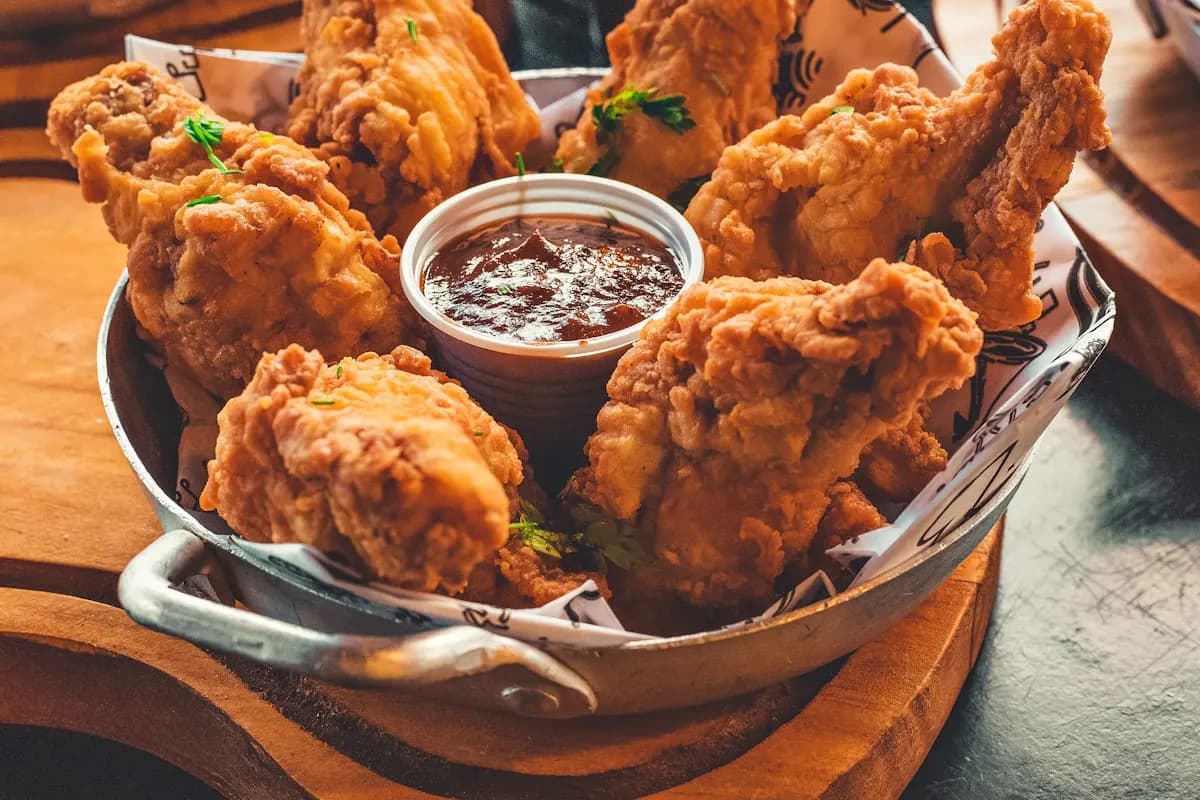
Roast chicken, inasal, and grilled favorites.
5 brandsFrom ₱99k
Chops To Go, The BBQ Shack, Yummy Chicken +2 more
See brands
Ice cream, halo-halo, and sweet treats.
4 brandsFrom ₱50k
KUKU Frozen Yogurt, 7,107 Halo Halo Islands, Mr. Pluffy +1 more
See brands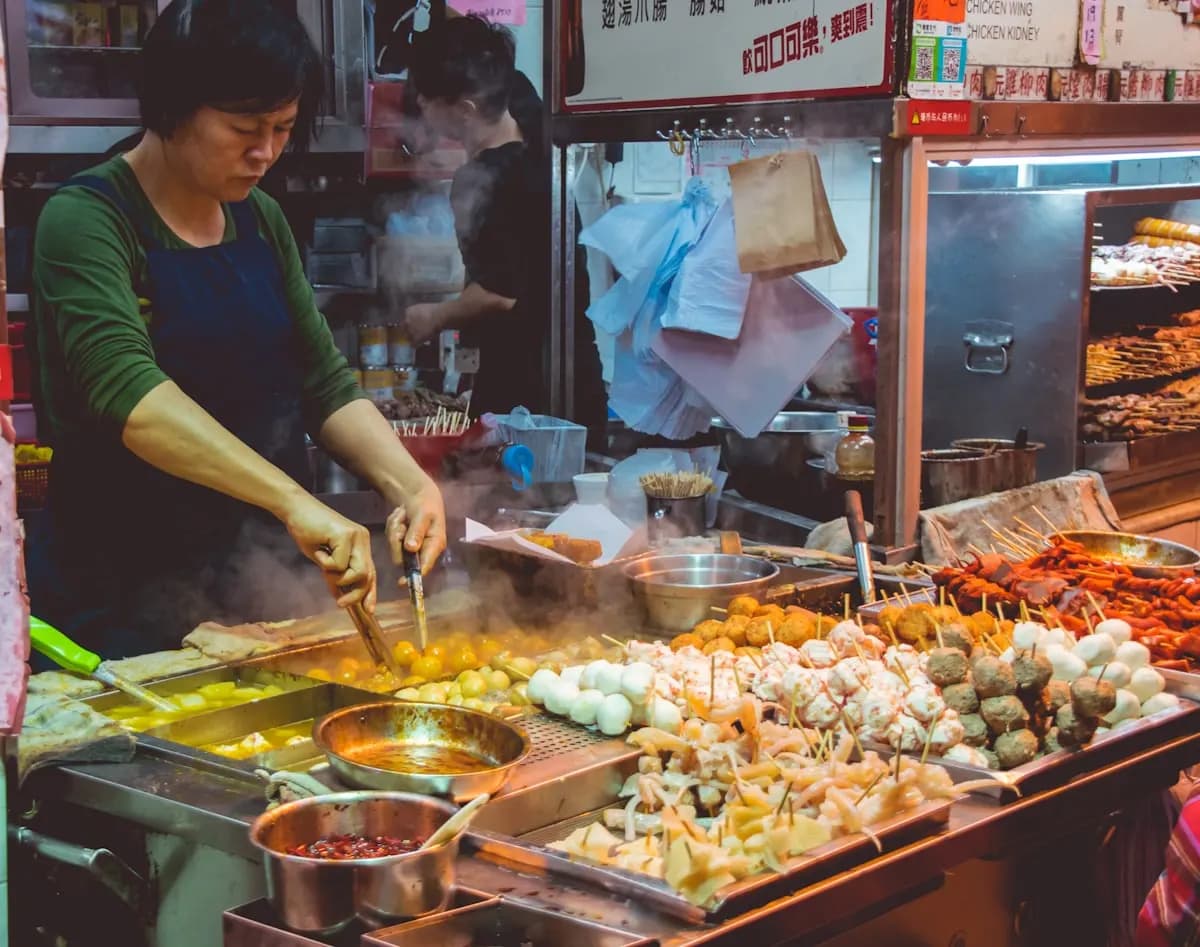
Fishball, siomai, and grab-and-go bites.
4 brandsFrom ₱200k
Hero Sausages, Sweet Corner, Buy the Bucket +1 more
See brands
Homegrown Filipino food concepts.
2 brandsFrom ₱200k
The TapsiShop, The Sisig Stop
See brandsGet honest answers on fees, payback and the best setups for your area, free and with no pressure.
Anyone reading these 31 food & beverage franchises priced between ₱400k and ₱500k should remember that ₱500k is a ceiling, not a target. Spending less than your ceiling is allowed, and a package well below it often leaves more room for the rest of your plans. Compare the cheapest options against the pricier ones and see what the difference actually adds. If it adds little, keep the saving. Treat your ceiling as permission to look, not as an instruction to spend it all.
For ₱500k, food & beverage franchises can be set up as food carts with 29 franchises, kiosks with 28 and inline stores with 11. A useful test is whether you could run the setup yourself on a day when your crew does not show up. Ask the franchisor how many people each format needs at minimum, and choose a setup you could cover alone or with a family member in a pinch, so a single absence never forces you to close. A few also offer standalone stores.
Owning a franchise while employed is common, and a ₱500k food & beverage franchise can fit that life if your employer allows side businesses. Some companies have rules about outside business interests or conflicts of interest. Check your employment contract or ask human resources before committing any money. Clearing this early protects both your job and your new venture from avoidable trouble later on.
With franchises priced between ₱400k and ₱500k, food & beverage franchisors tend to quote a payback period of about 12 to 18 months. Taxes are one reason the real figure often runs longer, because BIR obligations come out of your earnings before you can count anything as recovered. Sit down with a bookkeeper or accountant before you commit and ask them to estimate your monthly tax burden on the sales level the franchisor is projecting.
A reserve fund separate from ₱500k is what protects you when something goes wrong in your early years. Without it, a broken machine, a sudden rent increase or a slow quarter can push you into expensive loans or force an early closure. Calculate your total fixed monthly costs, then move a small share of each week's sales into the fund automatically so it keeps growing without you having to remember.
Reservation payments often come before the franchise fee of ₱79k to ₱174k that food & beverage franchises at ₱500k usually charge. Ask whether a reservation amount is credited toward the fee and whether it can be returned if you step back. Get the conditions in writing before paying anything, including how long the slot is held and whether the fee itself can be negotiated once you decide to proceed. A clear answer on credit and refund keeps you from paying the same money twice.
Lenders tend to respond better when you can show past discipline, so a record of steady saving helps you raise ₱500k for a food & beverage franchise. A bank statement with regular deposits over months tells a convincing story about your habits. Start saving consistently now, even small amounts, so you have that history ready when you apply. Consistency often matters more to lenders than the size of each deposit.
Some food & beverage franchises priced between ₱400k and ₱500k can be opened almost anywhere, since 13 of them welcome applicants from any part of the country. Branches are most numerous in Manila, Quezon City and Mandaluyong, and franchisors often find it easier to support new outlets close to existing ones. Ask each franchisor how far your city sits from their nearest operating branch, and whether outlets that distant are already running. Request the answer by email so the coverage of your exact area is on record.
Expect the inclusions at ₱500k to depend on the franchisor, with equipment, training and starter stock being common and extras like signage, uniforms and marketing appearing in some packages. Because the list varies, focus on the items you cannot easily source yourself. Ask which items are proprietary and available only from the franchisor, since those are the inclusions that matter most in the package.
Enough to open, perhaps, but the real test is the cash left after opening day. With ₱500k, the 31 food & beverage franchises quoting an investment between ₱400k and ₱500k still leave you to fund rent, wages, utilities and restocking while sales build. Estimate a few months of those running costs, add them to the setup total and compare the result with your budget. A plan with no cash after launch is not enough, however low the quote.
Compare how many food & beverage franchises start at each budget level, from the smallest packages up.
Food & Beverage franchises priced close to your budget, worth a look if you can stretch your savings or want to spend less.
Juices & Shakes
Filipino Restaurant

Juices & Shakes
Filipino Restaurant
Juices & Shakes
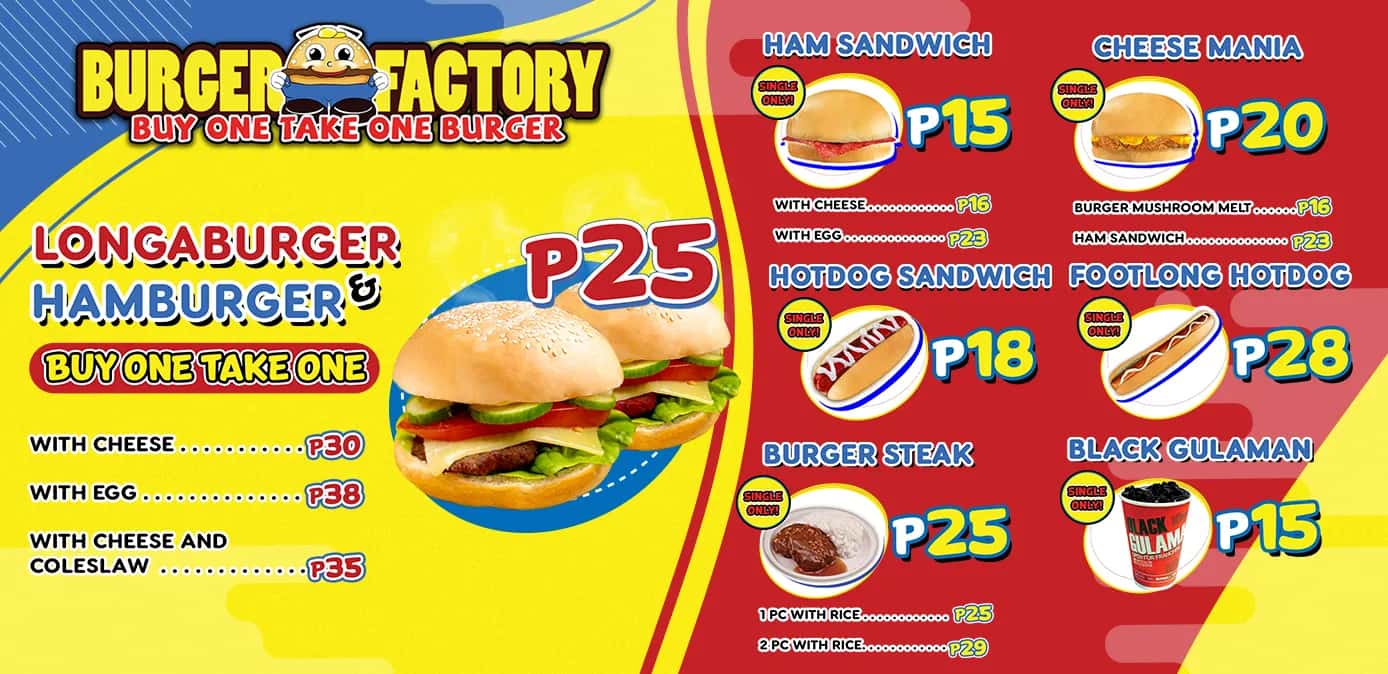
Burgers
Takoyaki & Japanese Snacks
Siomai & Dimsum
Compare food & beverage franchises with other industries at the same budget, each with its own brands, fees and investment ranges.

4 brandsFrom ₱150k
Truewin, Keno Lotto Express Outlet, Picturebooks +1 more
See brands
Bread, cakes, and pastry shops.
3 brandsFrom ₱200k
Don Benito's Cassava Cake, Magic Melt, Mrs. Pandesalan
See brands
Coffee, milk tea, and cold drink shops.
3 brandsFrom ₱150k
Barista Choi, Happy Kopi, Tea Generation
See brandsCompare industries by budget, daily work and payback before you choose one, free and with no pressure.

Learn practical inventory control steps for your Philippine franchise to cut waste, prevent loss, and protect your capital.
Aug 14, 2026 6 min read
Learn how non-compete clauses work when exiting a franchise agreement in the Philippines, protecting your investment after closing.
Jul 20, 2026 5 min read

Learn how to secure financing for your Philippine franchise, from preparation to approval. A practical guide for new operators and OFWs.
Jul 20, 2026 5 min read