El Bonito's
Pizza & Pasta
- Franchise fee
- ₱50k
- Total investment
- ₱250k–₱450k
🎁 Start Your 1 Month Free Trial of the Full Plan, Exclusively for Brands & Advisors.Get Started
Browse a pizza & pasta franchise up to ₱500k, with an investment of about ₱450k, a franchise fee of about ₱50k, and paying back in about 12 months.
Updated
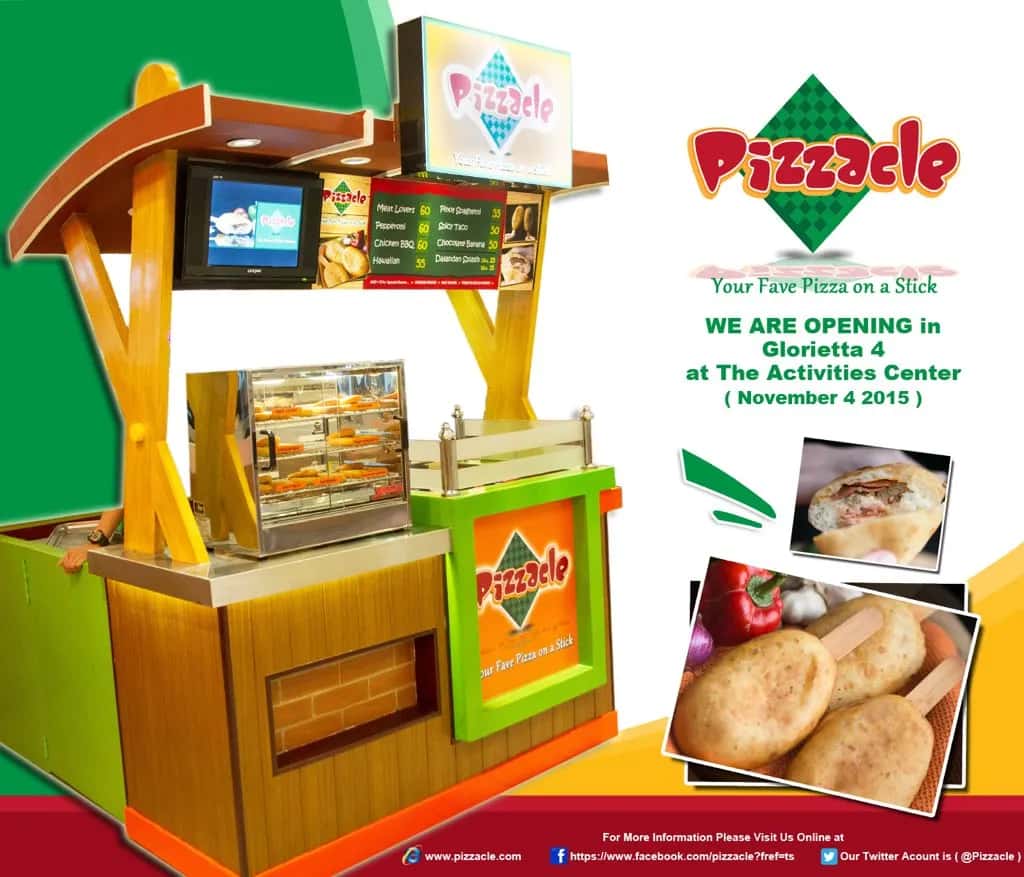
Around ₱500,000 is where a pizza and pasta package sits at this budget, with entry costs from about ₱250,000 to ₱450,000 and a fee near ₱50,000. Payback is expected around a year. The format available here covers a food cart and a kiosk, giving a choice of footprint within the same price. This is a scaled-down version of the category, built for speed and a tight menu rather than a full sit-down operation.
Pizza and pasta at full scale usually means a kitchen built for baking and boiling at the same time. A narrower version built around a handful of items, a single wedge of pizza, a cup of pasta, a simple combo, can run from a much smaller footprint instead. At this budget, that narrower version is exactly what is on offer, built to run as a cart or a kiosk rather than anything with a dining room attached. The appeal of that stripped-down approach is speed. A limited menu means faster prep, less waste, and a format that can be staffed by one or two people rather than a full kitchen crew. It works particularly well in a location with steady foot traffic and little time to sit down. A transit corner, a school gate, or a busy sidewalk are typical spots, where speed and a familiar, comforting menu matter more than atmosphere or a wide selection. That combination of low overhead and fast turnover is why the category shows up in tight, high-traffic spots rather than in a full storefront built for lingering customers.
Of the money needed to get started, roughly a fifth goes to the fee, leaving the bulk for equipment, the cart or kiosk structure itself, and a first stock of ingredients. Because the fee is a comparatively small share of the total, most of what a buyer pays for is the physical setup rather than ongoing brand backing. That puts more weight on getting the equipment and the initial stock right from day one. Payback is expected around a year, a reasonable pace for a food category that turns ingredients into cash quickly once the doors, or the cart, open for business. A buyer should treat that year-long estimate as resting on steady daily sales, not a slow ramp-up. Choosing a location with reliable foot traffic from the first week matters more here than in a business with a longer runway to find its footing. Someone entering near the ₱250,000 end should expect a smaller build with less standby equipment, while stretching toward ₱450,000 buys sturdier fixtures and a bit more capacity for busy periods.
In practice, the first year at this budget means one or two people handling prep, cooking, and service across most shifts. There is little slack built in for a sick day or a slow supplier. A narrow menu keeps the workload manageable, but it also means the format lives or dies on consistency. The same taste and the same portion have to come out of every single order, since there is no wide selection to fall back on if one item disappoints. Ongoing support tends to be lighter at this budget, so troubleshooting equipment problems or sourcing substitute ingredients when a supplier falls through mostly falls to the operator. Reaching the expected year-long payback assumes the cart or kiosk runs at a steady clip most days of the week. That makes finding the right spot the most important decision made before the money is even spent. A spot with dependable daily traffic beats one that only sees occasional footfall, no matter how good the menu tastes.
At this budget the fee covers a food cart and a kiosk alike, with the same figure applying whichever gets chosen. The decision comes down to the site rather than to price. A cart suits a spot that needs to move: a market day, a fair, a temporary corner near an event. The whole setup can be packed up and relocated without much fuss. A kiosk suits a fixed location inside an existing building instead, a mall corridor, a bus terminal, or a covered walkway. A permanent counter there can build repeat customers who pass the same spot every day. This kind of setup needs no plumbing, seating, or floor space that a full restaurant build would require, which is part of why the entry cost stays this low. Choosing between them mostly means matching the format to whatever site is actually on offer. Someone who already has a fixed indoor spot lined up gets more long-term value from a kiosk. Someone planning to chase foot traffic at different events or markets gets more from a cart's ability to move.
Now that you've seen what's here, a real advisor can help you shortlist and weigh the options against your budget. Free, at your pace.

Financing Readiness · Site Selection

Low-Capital Startups · Site Selection

Low-Capital Startups

Franchise Agreements · Multi-Unit Expansion
Are you a franchise advisor?Get your own workspace here
Compare pizza & pasta franchises with other food & beverage businesses up to ₱500k, each with its own brands, fees and investment ranges.
Roast chicken, inasal, and grilled favorites.
5 brandsFrom ₱99k
Chops To Go, The BBQ Shack, Yummy Chicken +2 more
See brands
Ice cream, halo-halo, and sweet treats.
4 brandsFrom ₱50k
KUKU Frozen Yogurt, 7,107 Halo Halo Islands, Mr. Pluffy +1 more
See brands
Fishball, siomai, and grab-and-go bites.
4 brandsFrom ₱200k
Hero Sausages, Sweet Corner, Buy the Bucket +1 more
See brands
Homegrown Filipino food concepts.
2 brandsFrom ₱200k
The TapsiShop, The Sisig Stop
See brandsGet honest answers on fees, payback and the best setups for your area, free and with no pressure.
A franchisor offering pizza & pasta franchises priced between ₱400k and ₱500k will usually include equipment, training and an opening set of supplies, with signage and marketing support appearing in many packages too. The quality of these items is harder to judge than their presence on a list. Ask to see the actual equipment in use at an existing outlet, so you can judge its condition and size before agreeing to the package.
Splitting your funding plan into must-have and nice-to-have costs can lower how much of ₱500k you need for a pizza & pasta franchise. Required items like the franchise fee, permits and opening stock come first, while extras like premium fixtures can wait. Fund the essentials before anything else, and add improvements later once the store earns steadily. Starting lean also leaves more cash for the reserve you need in the first months.
Beyond the package for a pizza & pasta franchise between ₱400k and ₱500k, budget for securing the location itself, since move-in costs often vary more between sites than between packages. Busy sites tend to ask for higher rent and bigger deposits, while quieter ones cost less to lease but may need more spending on promotion to draw customers. Visit a few possible sites at different times of day, count how many people pass, and weigh the monthly rent against that traffic before you sign anything.
Plenty of first-timers begin with a package between ₱400k and ₱500k, and a pizza & pasta franchise at that level can be a sensible way to learn how a business really runs. What matters most is whether the system is easy to follow and whether the training is thorough. Ask exactly what the training covers, who delivers it and whether your future staff can be trained the same way. Good training often separates a confident start from a shaky one.
Owners in pizza & pasta at ₱500k typically operate food carts with 1 franchise and kiosks with 1. Hours of operation vary widely between formats, and longer hours mean more shifts to fill and more electricity to pay for. Ask each franchisor what operating hours they require, whether you can adjust them to suit your location and what penalties apply if you close early or skip days. Long hours that suit a busy area can be a burden in a quieter neighborhood.
Compare how many pizza & pasta franchises start at each budget level, from the smallest packages up.
Pizza & Pasta franchises priced close to your budget, worth a look if you can stretch your savings or want to spend less.
Pizza & Pasta
Pizza & Pasta

Pizza & Pasta

Pizza & Pasta

Pizza & Pasta
Pizza & Pasta
Pizza & Pasta
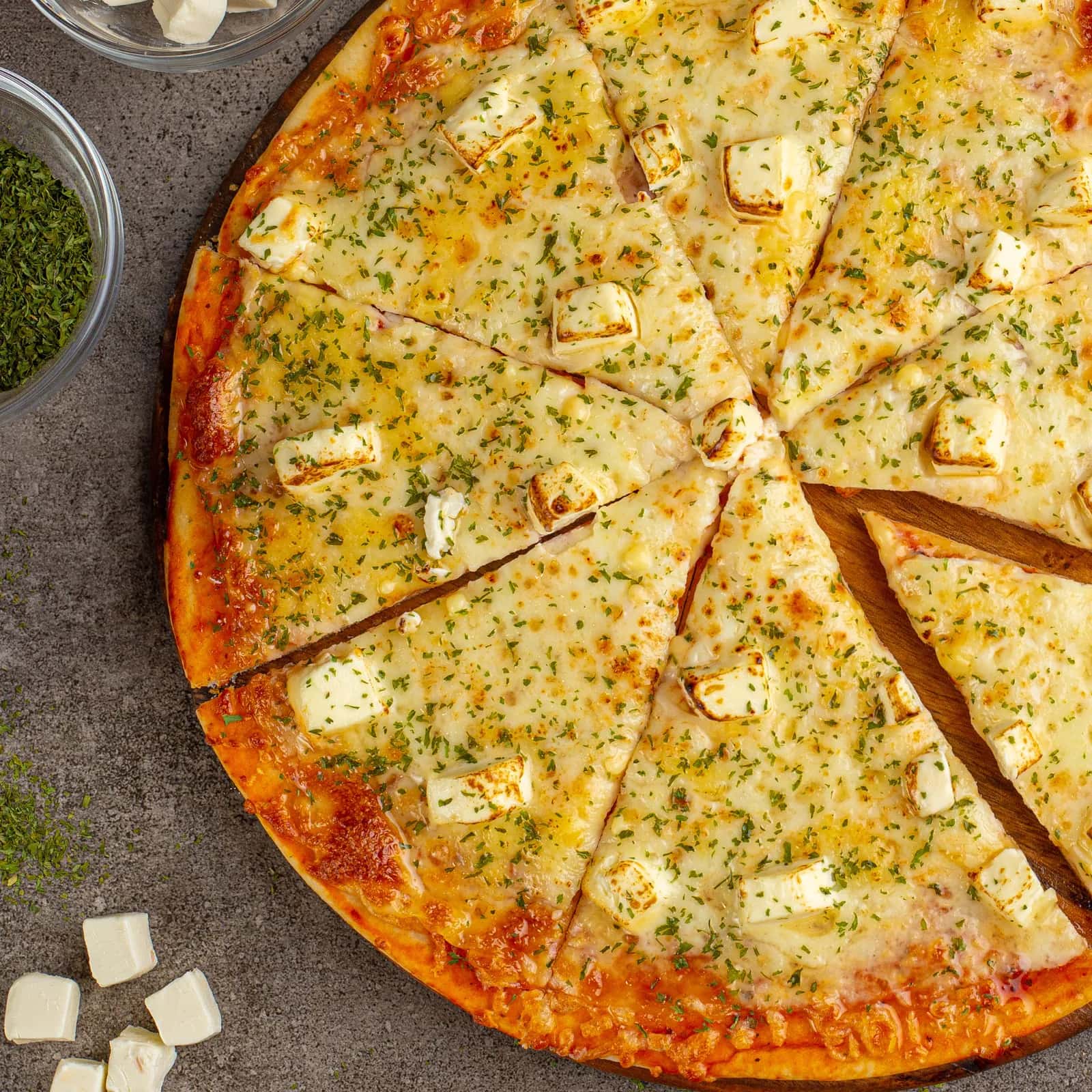
Pizza & Pasta
Compare pizza & pasta franchises with other industries at the same budget, each with its own brands, fees and investment ranges.

4 brandsFrom ₱150k
Truewin, Keno Lotto Express Outlet, Picturebooks +1 more
See brands
Bread, cakes, and pastry shops.
3 brandsFrom ₱200k
Don Benito's Cassava Cake, Magic Melt, Mrs. Pandesalan
See brands
Coffee, milk tea, and cold drink shops.
3 brandsFrom ₱150k
Barista Choi, Happy Kopi, Tea Generation
See brandsCompare industries by budget, daily work and payback before you choose one, free and with no pressure.

Learn practical inventory control steps for your Philippine franchise to cut waste, prevent loss, and protect your capital.
Aug 14, 2026 6 min read
Learn how non-compete clauses work when exiting a franchise agreement in the Philippines, protecting your investment after closing.
Jul 20, 2026 5 min read

Learn how to secure financing for your Philippine franchise, from preparation to approval. A practical guide for new operators and OFWs.
Jul 20, 2026 5 min read