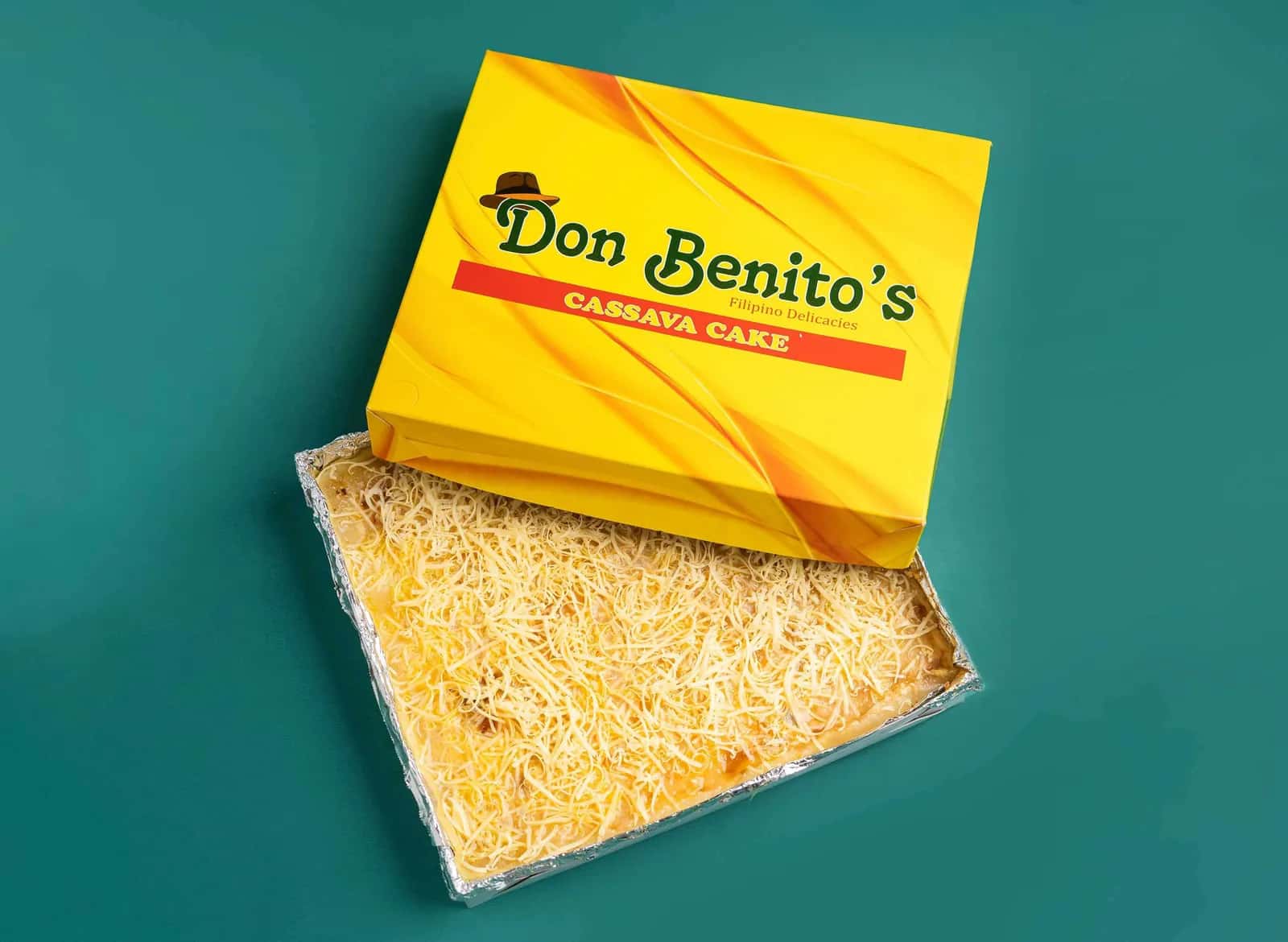
Don Benito's Cassava Cake
Bakery & Pastry
- Franchise fee
- ₱150k
- Total investment
- ₱200k–₱500k
🎁 Start Your 1 Month Free Trial of the Full Plan, Exclusively for Brands & Advisors.Get Started
Browse 3 bakery & pastry franchises up to ₱500k, with investments from ₱450k to ₱500k, franchise fees mostly between ₱50k and ₱150k, and most paying back in 12 to 18 months.
Updated
Bakery & Pastry
Cakes & Pastries

Bakeshop
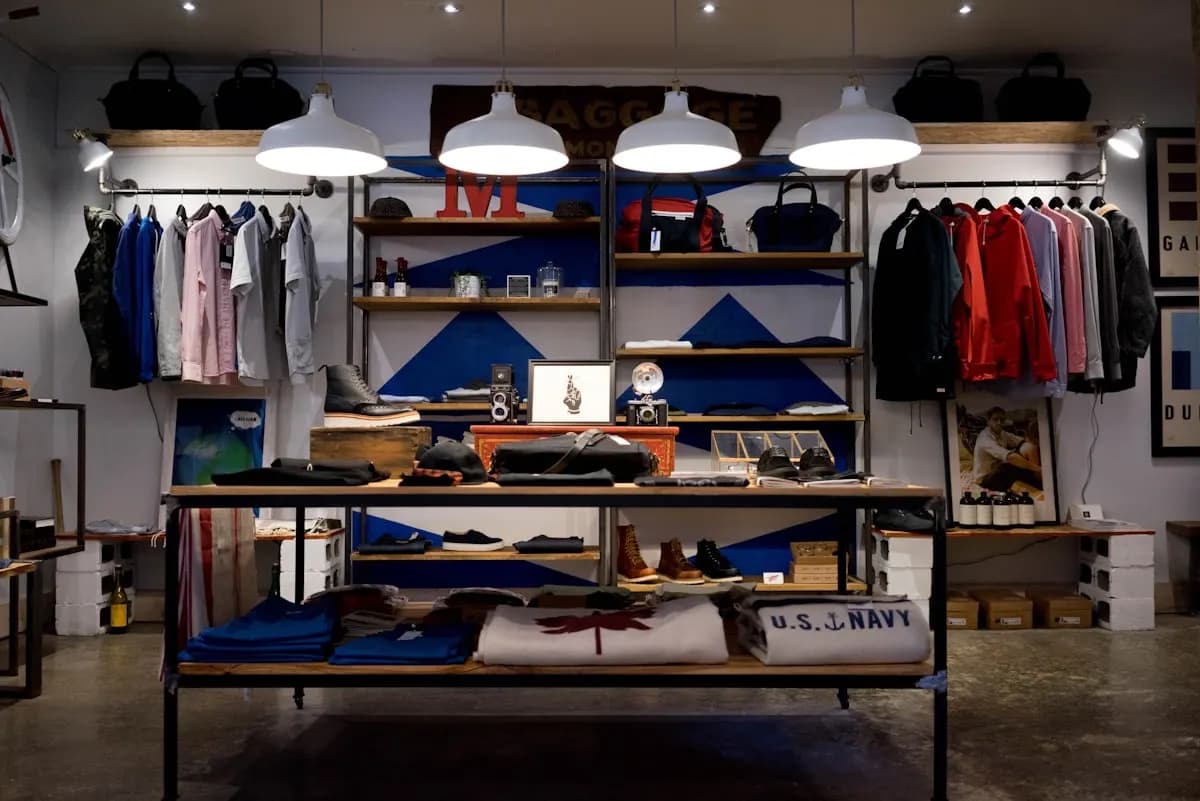
Around ₱500,000, an inline store package becomes a real option, alongside the cart, kiosk, and mobile setups that make up the rest of the field. Fees run between ₱50,000 and ₱150,000, and the full build stretches from about ₱200,000 up to ₱500,000. Format decides most of where in that range a brand lands, more than fee does. A cart or mobile setup sits toward the cheaper end, while a full storefront pushes toward the top of this budget.
Format flexibility is unusually pronounced in this category, and this is the budget where that flexibility shows up most. Most brands here offer an inline store or a kiosk, while a smaller share stretch further to a food cart or a mobile unit built to move between locations. What makes that spread possible is the nature of the product itself: small baked goods that hold up well without refrigeration or a dining area. A buyer's decision to purchase depends far more on visibility and freshness than on whether the seller has a fixed address. A mobile cart parked at a strong daily spot can compete credibly against a shopfront just a short distance away, something much harder to pull off in a category built around sit-down service. That is what makes this particular budget worth pausing on: it is the point where the category stops forcing one footprint and starts letting the buyer choose based on lifestyle and the spot available, not just the money on hand.
What the full build costs from the bottom of this budget to the top, and how much of that is the franchise fee itself, are the two figures that matter most at this budget. The fee sits somewhere between ₱50,000 and ₱150,000, while the full investment stretches from about ₱200,000 up to ₱500,000 once equipment and stock are added. Payback lands between a year and a year and a half across the options available, reflecting the heavier build behind an inline store next to a lighter cart or mobile setup. The format selected has a direct bearing on where a brand lands in that range. A mobile unit or cart setup tends to sit toward the cheaper end, while an inline store pushes the investment figure toward the top of this budget. Format decides where in the budget a brand actually lands more than the budget decides the format.
A first year at this budget usually means settling fully into whichever format was chosen rather than testing a different one. The fee and the build-out are sized for one operating style, not for switching between formats. Someone choosing the inline store side of this budget should expect to spend considerably more time on staffing and daily storefront management. Someone running a cart or mobile unit should instead expect a leaner operation built around a smaller number of genuinely high-traffic spots rather than a fixed address. The payback quoted at this budget, roughly a year to a year and a half, assumes fairly consistent output from close to day one. It does not assume a slow ramp-up over the first several months of trading. A slower opening stretch is worth acting on early, adjusting hours, stock, or the exact spot, rather than waiting it out as a normal part of settling in.
This budget genuinely splits between storefront-style operations and lighter cart or mobile setups, so the more useful first decision is not which brand looks best but which operating style actually fits. That choice changes almost everything else that follows, from the fee paid to the payback timeline to how the first year gets spent. Someone drawn to a fixed, visible location with room to build repeat customers over time fits the inline store side of this budget. Someone who values flexibility, moving to wherever foot traffic is strongest on a given day, fits the cart or mobile side instead. Settling that question first turns a wide, confusing comparison into a much narrower and more useful one. Trying to answer the lifestyle question and the fee question at the same time is what usually stalls a decision at this budget for weeks longer than it needs to.
Now that you've seen what's here, a real advisor can help you shortlist and weigh the options against your budget. Free, at your pace.

Financing Readiness · Site Selection

Low-Capital Startups · Site Selection

Low-Capital Startups

Franchise Agreements · Multi-Unit Expansion
Are you a franchise advisor?Get your own workspace here
Choose a kind of bakery & pastry business and see only its franchises up to ₱500k, with their fees and investment ranges.
Get honest answers on fees, payback and the best setups for your area, free and with no pressure.
Right now, three bakery & pastry franchises list an investment between ₱400k and ₱500k, so ₱500k opens that whole group to you. That number is a starting point rather than a shortlist, because packages at the same price can include very different things. Before you call anyone, ask each franchisor for a written breakdown of what the fee covers, from equipment to initial stock, and set aside the ones that stay vague. A clear breakdown usually tells you more about a franchisor than any brochure.
Over the first years, a ₱500k bakery & pastry franchise asks a beginner to keep learning, so check your appetite for ongoing effort. The first months are about basics, but later come new products, staff changes and growth decisions. Ask yourself whether you will stay curious once the novelty fades. Owners who keep improving their skills tend to cope better than those who simply coast.
Lenders and partners trust you more when you know the numbers behind a bakery & pastry franchise, so study them before raising ₱500k. Understanding expected costs, payback assumptions and the franchisor's support helps you answer hard questions. Ask the franchisor for their disclosure or information packet, read it fully, and note any figures you need to verify with existing franchisees. Lenders notice when an applicant clearly understands the business they are funding.
Renewal is worth asking about before paying a franchise fee of ₱50k to ₱150k for bakery & pastry franchises at ₱500k. Find out how long the first term lasts, what the franchisor charges to renew and whether the renewal terms can change. If renewal costs a fresh fee, add it to your plan so you can judge what the first payment is really buying you over the full time you intend to operate.
Starting small suits many first time owners of bakery & pastry at ₱500k, where formats include kiosks with 2 franchises, inline stores with 2 and food carts with 1. A smaller unit asks for fewer staff, a smaller space and shorter hours, which makes the daily routine easier to learn. If the compact format fits the foot traffic at your spot, it can be a sensible way to understand the work before taking on a bigger operation with a larger crew. A few also offer mobile units.
Franchisors usually say a ₱500k bakery & pastry franchise pays for itself in 12 to 18 months, and this is best treated as a starting estimate. Whether you reach it depends on how soon sales grow beyond your monthly costs. Ask current franchisees how long that took for them and what they would do differently, then hold some savings back for the months before your outlet reaches that point.
Rent is often the deciding factor, so ₱500k may be enough if you negotiate well with the landlord. Alongside the package from any of the three bakery & pastry franchises quoting an investment between ₱400k and ₱500k, your lease terms can swing your opening cost noticeably. Ask whether the landlord will give a rent free period during fit out or accept a smaller deposit for a longer lease, since every month you save on rent is cash you keep for operations.
Packages often differ in how much stock comes with ₱500k, which is easy to overlook. Some bakery & pastry franchisors include a generous opening supply, while others include only enough to test the equipment, and both still call it initial stock. Ask the franchisor for the peso value of the starter supplies inside the package, which gives you a clear figure to compare with other offers.
Small setup costs add up quickly in addition to ₱500k, even before you think about rent or staff. Opening a business bank account, ordering official receipts through BIR accredited printers, buying record books, and notarizing documents each cost a little, and together they can surprise you. Keep a running list of these small expenses as you go, and give them their own line so they do not drain your opening stock budget.
Compare how many bakery & pastry franchises start at each budget level, from the smallest packages up.
Bakery & Pastry franchises priced close to your budget, worth a look if you can stretch your savings or want to spend less.
Bakery & Pastry
Cakes & Pastries
Bakeshop
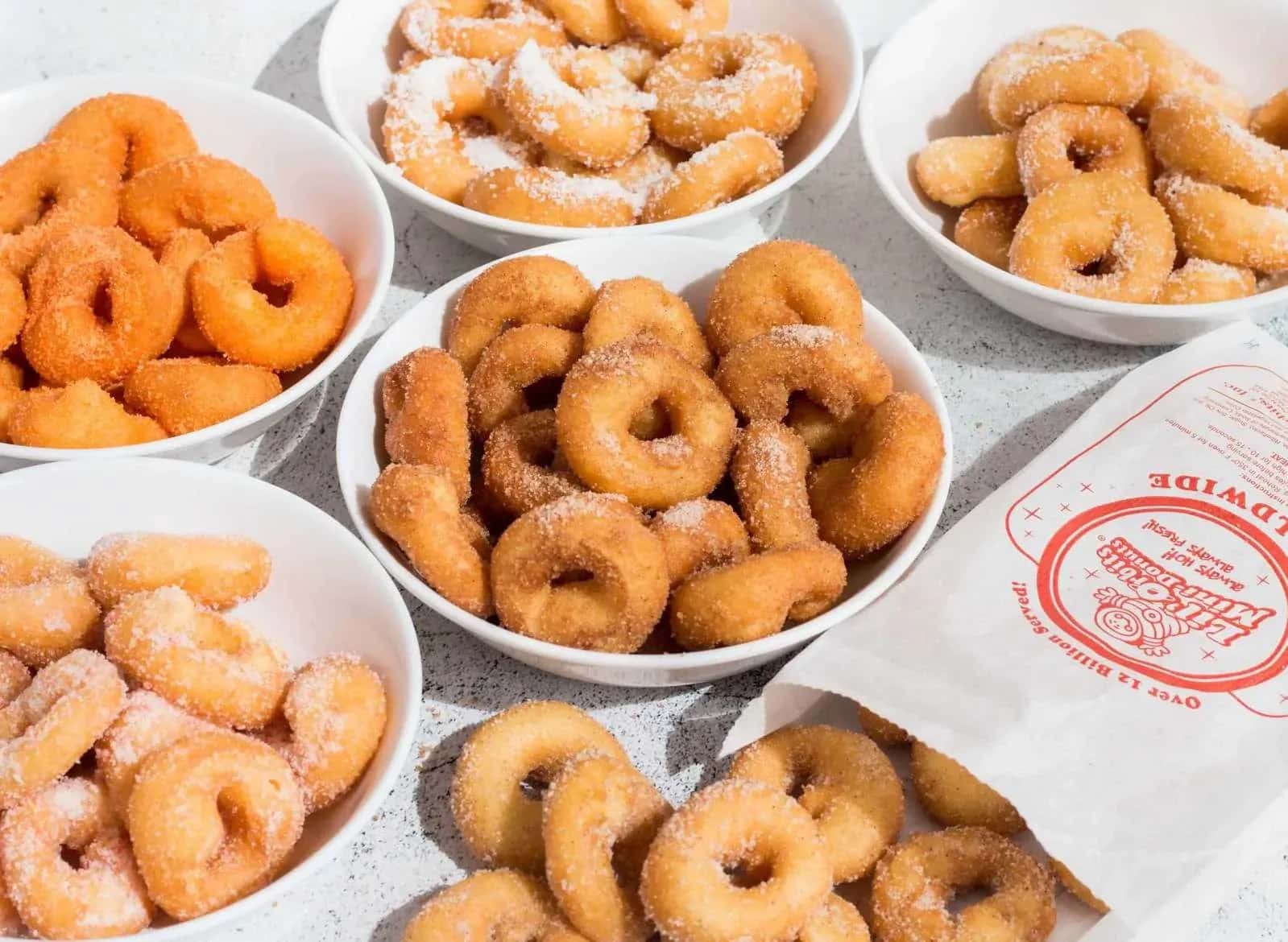
Donut Shop
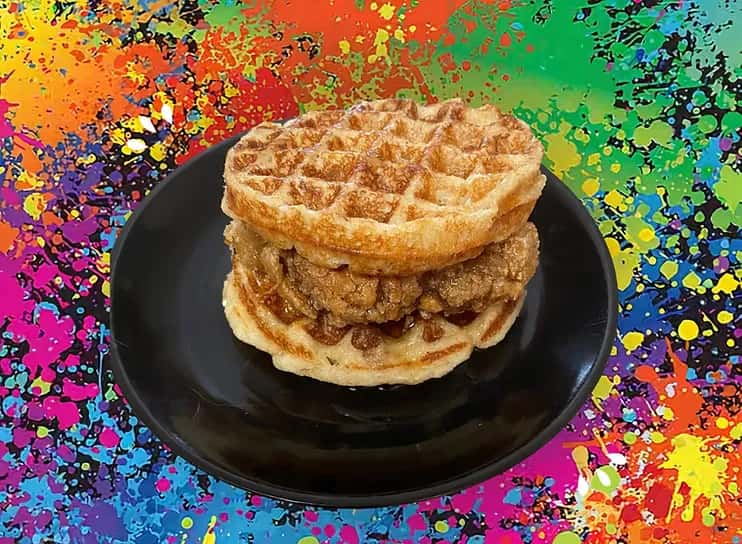
Waffle Shop

Bakeshop
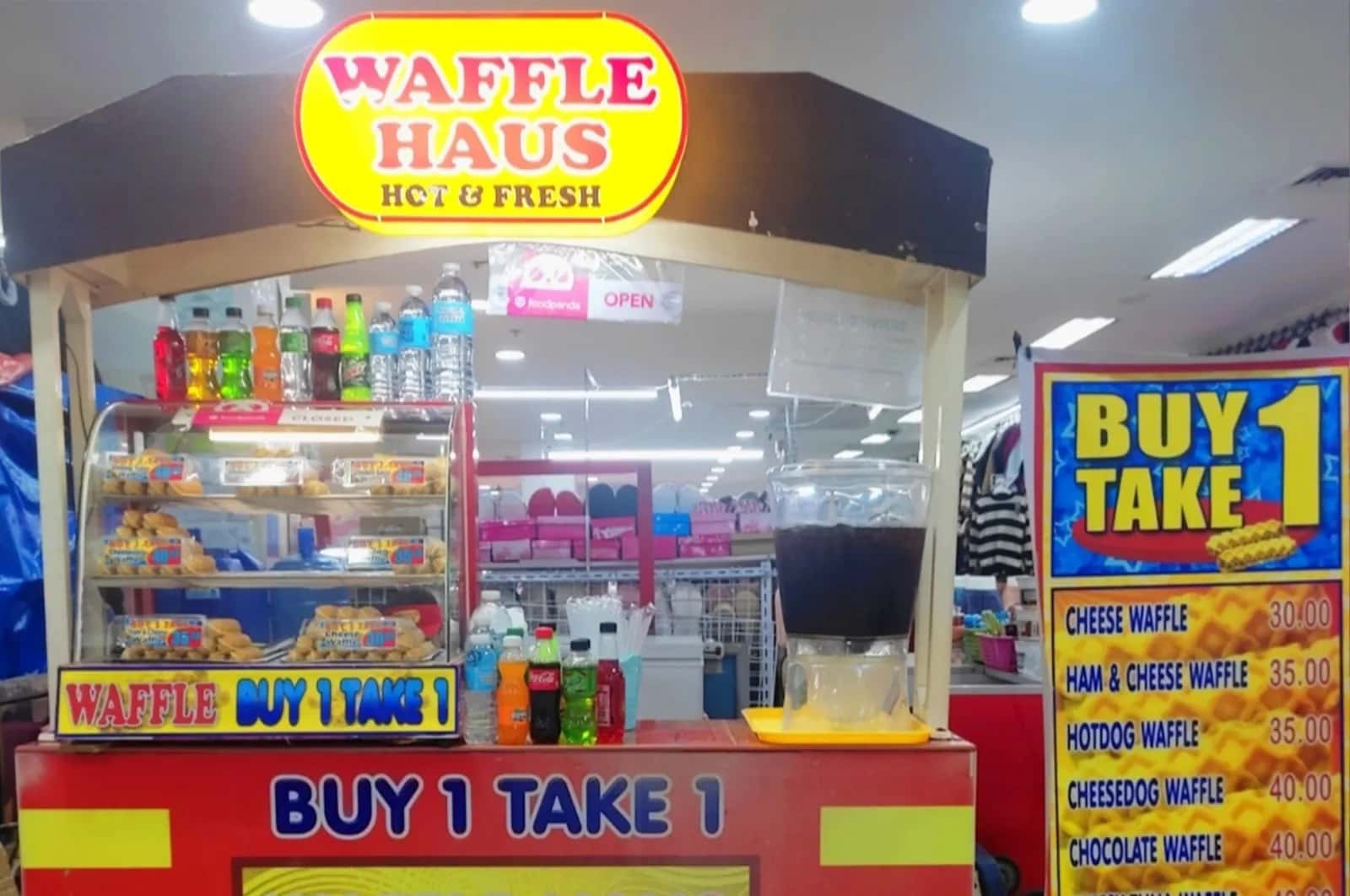
Waffle Shop
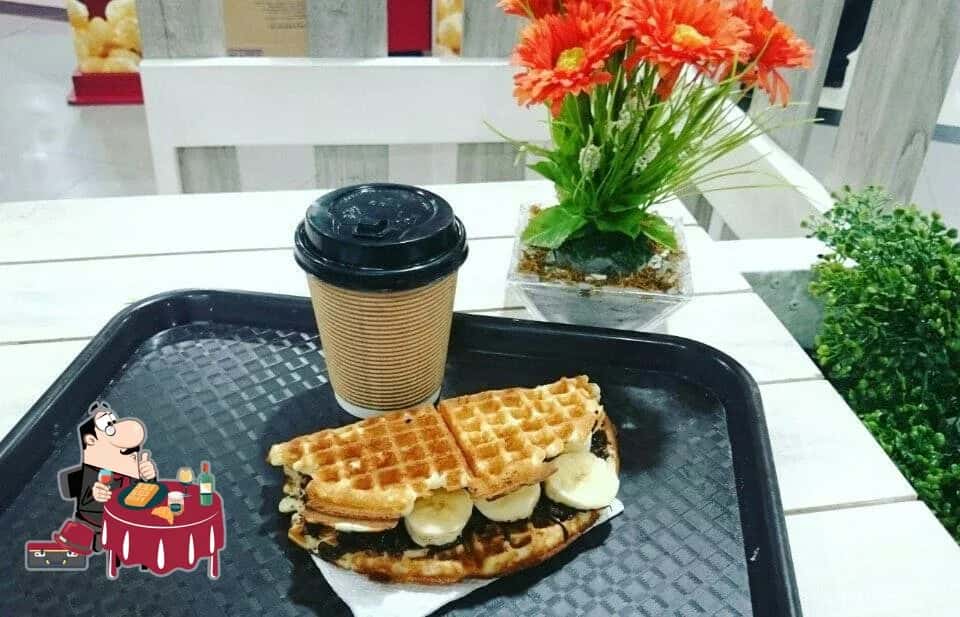
Waffle Shop
Compare bakery & pastry franchises with other industries at the same budget, each with its own brands, fees and investment ranges.

Carts, kiosks, and full restaurants.
31 brandsFrom ₱50k
Chops To Go, Samurai Foods, Kettle Korn +28 more
See brands
4 brandsFrom ₱150k
Truewin, Keno Lotto Express Outlet, Picturebooks +1 more
See brands
Coffee, milk tea, and cold drink shops.
3 brandsFrom ₱150k
Barista Choi, Happy Kopi, Tea Generation
See brandsCompare industries by budget, daily work and payback before you choose one, free and with no pressure.

Learn practical inventory control steps for your Philippine franchise to cut waste, prevent loss, and protect your capital.
Aug 14, 2026 6 min read
Learn how non-compete clauses work when exiting a franchise agreement in the Philippines, protecting your investment after closing.
Jul 20, 2026 5 min read

Learn how to secure financing for your Philippine franchise, from preparation to approval. A practical guide for new operators and OFWs.
Jul 20, 2026 5 min read