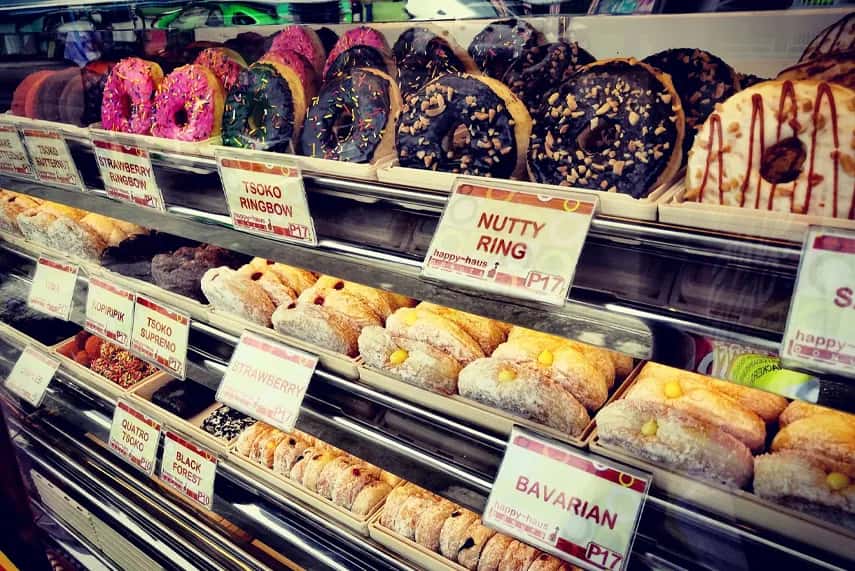
Happy~Haus Donuts
Donut Shop
- Franchise fee
- ₱150k
- Total investment
- ₱400k–₱800k
🎁 Start Your 1 Month Free Trial of the Full Plan, Exclusively for Brands & Advisors.Get Started
Browse 7 bakery & pastry franchises up to ₱800k, with investments from ₱750k to ₱800k, franchise fees mostly between ₱150k and ₱290k, and most paying back in 12 to 18 months.
Updated
Donut Shop

Bakeshop
Bakery & Pastry
Bakery & Pastry
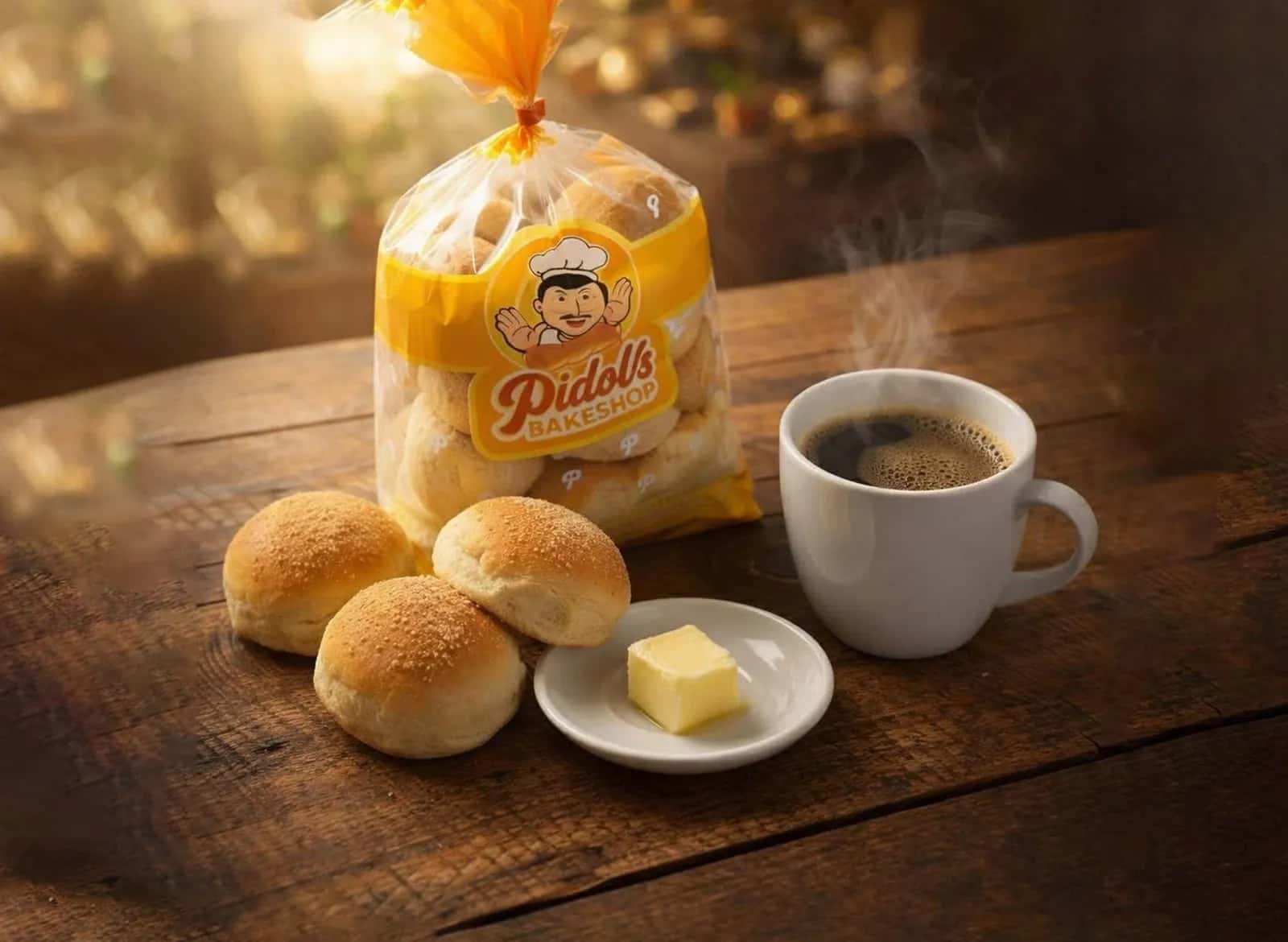
Bakeshop
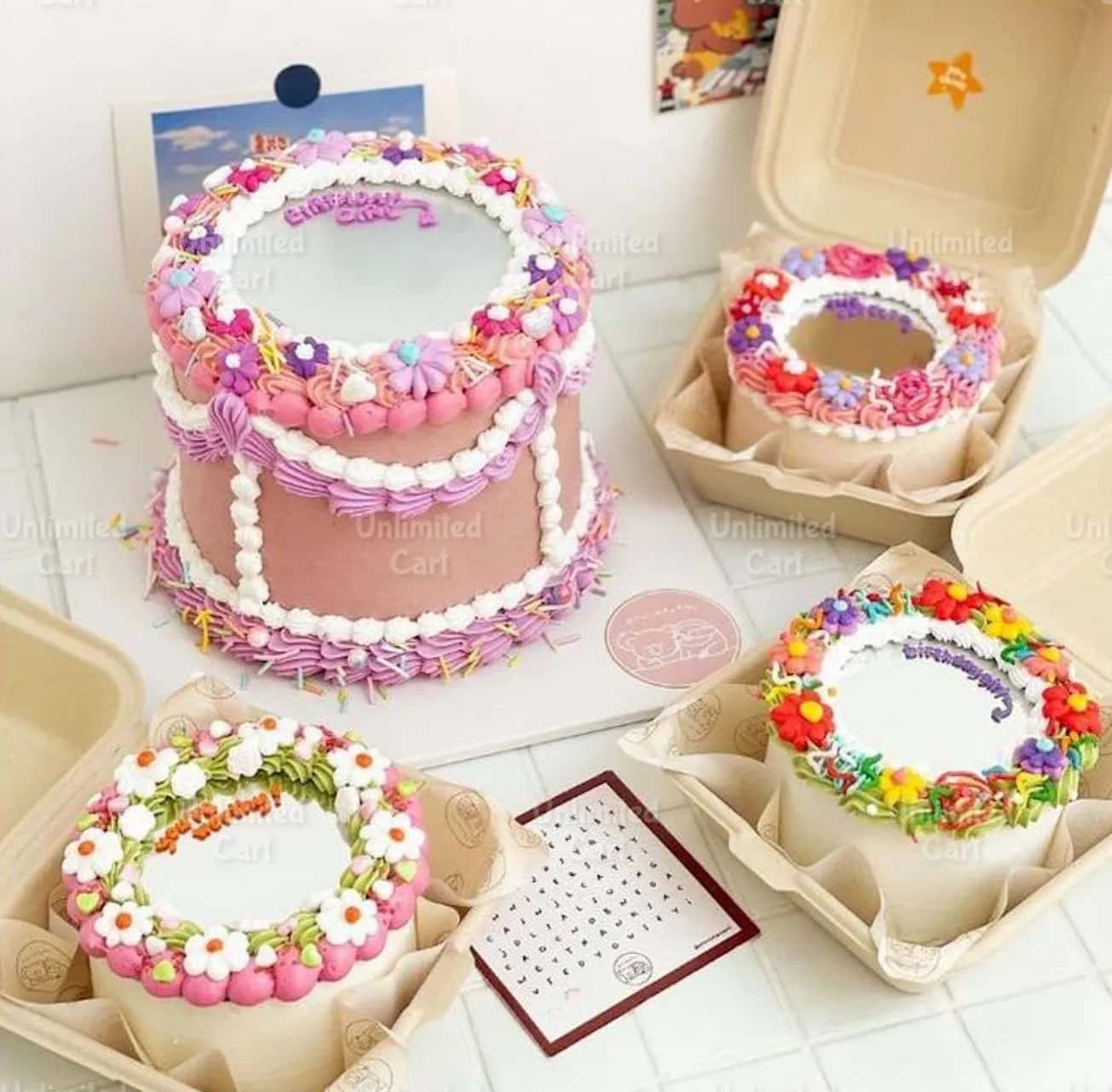
Cakes & Pastries
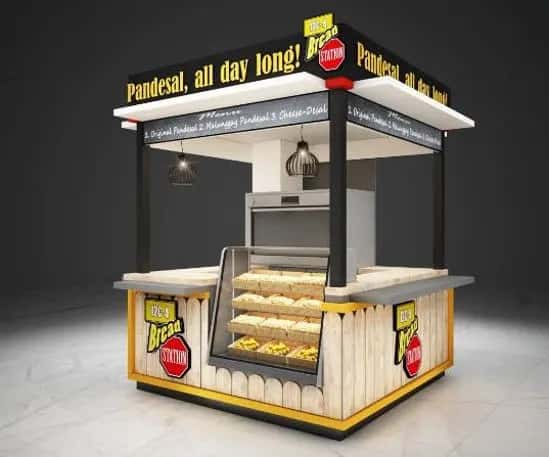
Bakeshop
Up to ₱800,000, the format list widens considerably: kiosk, inline store, food cart, and home-based or online packages all show up somewhere at this budget. Investment runs from about ₱300,000 up to ₱800,000, and fees move between ₱150,000 and ₱350,000. Brands sitting at the exact same price can involve completely different physical setups and completely different daily routines. That makes this one of the harder budgets to shop by price alone.
Most brands priced within this budget sell a kiosk package, and a large majority also offer a full inline store. A buyer weighing a specific brand is often really choosing between different versions of the same concept rather than between separate businesses entirely. A kiosk borrows its foot traffic from a mall corridor or a terminal, while a full inline store stands on its own with a frontage a passer-by can actually see from the street. The two demand different daily habits from whoever ends up running them. A smaller share extend to a food cart for a lighter, cheaper build, useful for testing a specific corner or an event circuit before committing to a longer lease. A slim share skip a public counter entirely, running instead as a home-based or online setup, unusual for a budget this size and suited to niche, pasalubong-style products built for gifting or delivery rather than walk-in sales. That range means the format question genuinely opens up at this budget in a way it does not at most other budgets in this category.
The money at this budget spans about ₱300,000 at the low end to ₱800,000 at the high end, with franchise fees moving between ₱150,000 and ₱350,000 depending on the specific format chosen. As a general rule, the lighter formats, a cart or a home-based setup, sit toward the bottom of that investment range, while a full inline store pushes the figures toward the top of this budget. The extra spending toward the top mostly buys a bigger kitchen setup, a fuller equipment list, and a larger opening stock rather than a steeper fee on its own. The format decision and the budget decision are effectively the same decision at this level rather than separate ones. Payback across this budget holds fairly steady regardless of format, from about a year to a year and a half. The choice between a lighter and a heavier format changes the entry cost far more than it changes how quickly that cost comes back. A buyer chasing a faster return by spending less alone will likely be disappointed, since payback barely moves either way.
Because the format options widen so much at this particular budget, the first practical step is deciding which one genuinely fits the location already in mind, rather than starting from a list of brand names. A kiosk needs mall or terminal foot traffic to justify its rent. An inline store needs a retail strip with visibility of its own rather than borrowed traffic from a bigger anchor tenant. A food cart needs a spot with heavy passing traffic but little room for anything permanent, such as a market entrance or a busy corner. A home-based option needs a reliable delivery arrangement or an established pasalubong-style customer base rather than walk-ins off the street. Once that fit is settled, comparing fees and payback estimates across brands becomes a fair comparison. Measuring a home-based setup against a kiosk setup on fee alone treats different businesses as though they were the same, when the actual daily routine behind each one looks almost nothing alike.
The home-based or online path at this budget matters more than its share suggests. It opens this budget to a buyer who cannot commit to daily hours at a public counter but still has the capital and interest to run a real baking business from a kitchen. That option trades away the walk-in visibility of a kiosk or storefront for lower daily overhead and far more flexible hours. It suits someone balancing the business with another job, or with caregiving responsibilities that make a fixed public schedule impractical. For a buyer in that position, the home-based setups at this budget deserve a closer look, even though they represent the smaller share of what is on offer here. Ruling them out just because they are less common risks missing the format at this budget that actually matches how some buyers can realistically operate. That format also tends to carry a lighter build-out cost, which can offset the smaller variety of brands offering it.
Now that you've seen what's here, a real advisor can help you shortlist and weigh the options against your budget. Free, at your pace.

Financing Readiness · Site Selection

Franchise Agreements · Multi-Unit Expansion

Low-Capital Startups

Low-Capital Startups · Site Selection
Are you a franchise advisor?Get your own workspace here
Choose a kind of bakery & pastry business and see only its franchises up to ₱800k, with their fees and investment ranges.
Get honest answers on fees, payback and the best setups for your area, free and with no pressure.
Think of the seven bakery & pastry franchises listed between ₱700k and ₱800k for ₱800k as a list to cut down in steps. First compare what each package includes, then compare how much of your budget each leaves untouched. A package near the top of the range that adds little is hard to justify, while a lower one with the same contents leaves you more breathing room. Keep the options with the best balance.
Wherever you are in the Philippines, three bakery & pastry franchises at ₱800k may be open to you, since these franchisors accept franchisees nationwide, and the cities with the most branches are Antipolo, Bacoor and Calamba. Before getting attached to one franchise, ask each franchisor whether your city and nearby cities are open. Keep the replies together so you can see which franchisors cover your area and which do not. That narrows your list quickly to the ones that can actually serve your location.
Nothing about payback is fixed, but franchisors typically estimate 12 to 18 months for a ₱800k bakery & pastry franchise. What moves it most at this budget is how quickly sales build and how much your fixed costs eat each month. Ask current franchisees how their sales grew during the first year, and hold back a reserve that can carry you through months when income runs below your costs.
When the budget is ₱800k, bakery & pastry franchises tend to set their franchise fee between ₱150k and ₱290k. A fair share of that money is supposed to fund the help you get in the weeks before and right after opening. Ask what opening support looks like in practice, such as whether someone from the franchisor will be on site during your first days, and how long that hands-on help lasts before you are on your own.
Treat ₱800k as a starter kit price for a bakery & pastry franchise, and ask what is physically in the box. A kit commonly holds some equipment, initial stock, training and opening help, though one franchisor may add signage while another does not. Request a line by line inclusion sheet from each franchisor, mark every item as included, partly included or missing, and keep the sheets together so you can see which kit leaves the fewest gaps.
An honest look at your monthly cash flow is the right starting point for raising ₱800k for a bakery & pastry franchise. Knowing what comes in and goes out shows how much you can save and how big a loan you could repay. List every income and expense for one typical month, and use the difference as the base for your funding plan. If the difference is small, focus first on cutting costs before you think about borrowing.
A ₱800k bakery & pastry franchise can be a good first choice, and an encouraging sign is a franchisor who is open about costs and asks you questions too. Careful franchisors screen applicants because a struggling outlet hurts the whole network. If you are being rushed to pay a reservation fee before seeing the agreement, slow down. Request the full documents, read them at home, and decide on your own schedule.
Prices between ₱700k and ₱800k separate kiosks with 6 franchises, inline stores with 5 and food carts with 2 for a bakery & pastry franchise at ₱800k, but the daily difference is usually size and crew. A larger unit holds more customers and needs more people, while a smaller one serves fewer at a time with a lighter team. Look at how many customers pass your spot in an hour and how many each format can serve, and choose the unit whose capacity is close to that flow. A few also offer home-based or online setups.
Training costs can go beyond what ₱800k includes, especially if the franchisor's program is held far from where you live. Travel, lodging and meals for you and your staff during training add up, and some franchisors charge separately for extra trainees or refresher sessions. Ask exactly who and how many people the package trains, and price any trips you will need before you count the package as complete.
A fair test is to rebuild the price from the ground up. Start with the package quoted by the seven bakery & pastry franchises at between ₱700k and ₱800k, then add the deposit, permits, renovation, stock and working capital one by one. Compare the final figure with ₱800k, and note whether you finish with a cushion or a gap. That gap is the honest measure of whether your money is enough.
Compare how many bakery & pastry franchises start at each budget level, from the smallest packages up.
Bakery & Pastry franchises priced close to your budget, worth a look if you can stretch your savings or want to spend less.
Bakery & Pastry
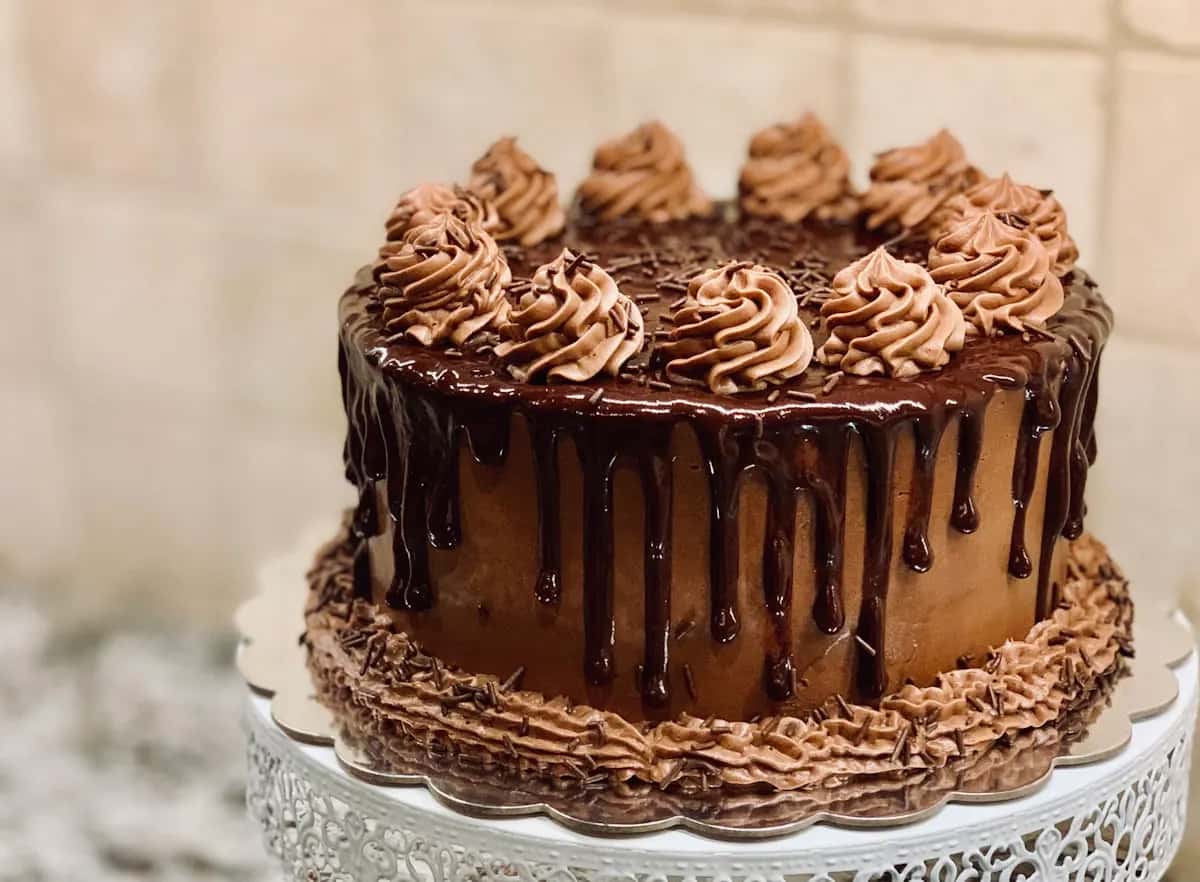
Cakes & Pastries
Bakery & Pastry
Bakery & Pastry
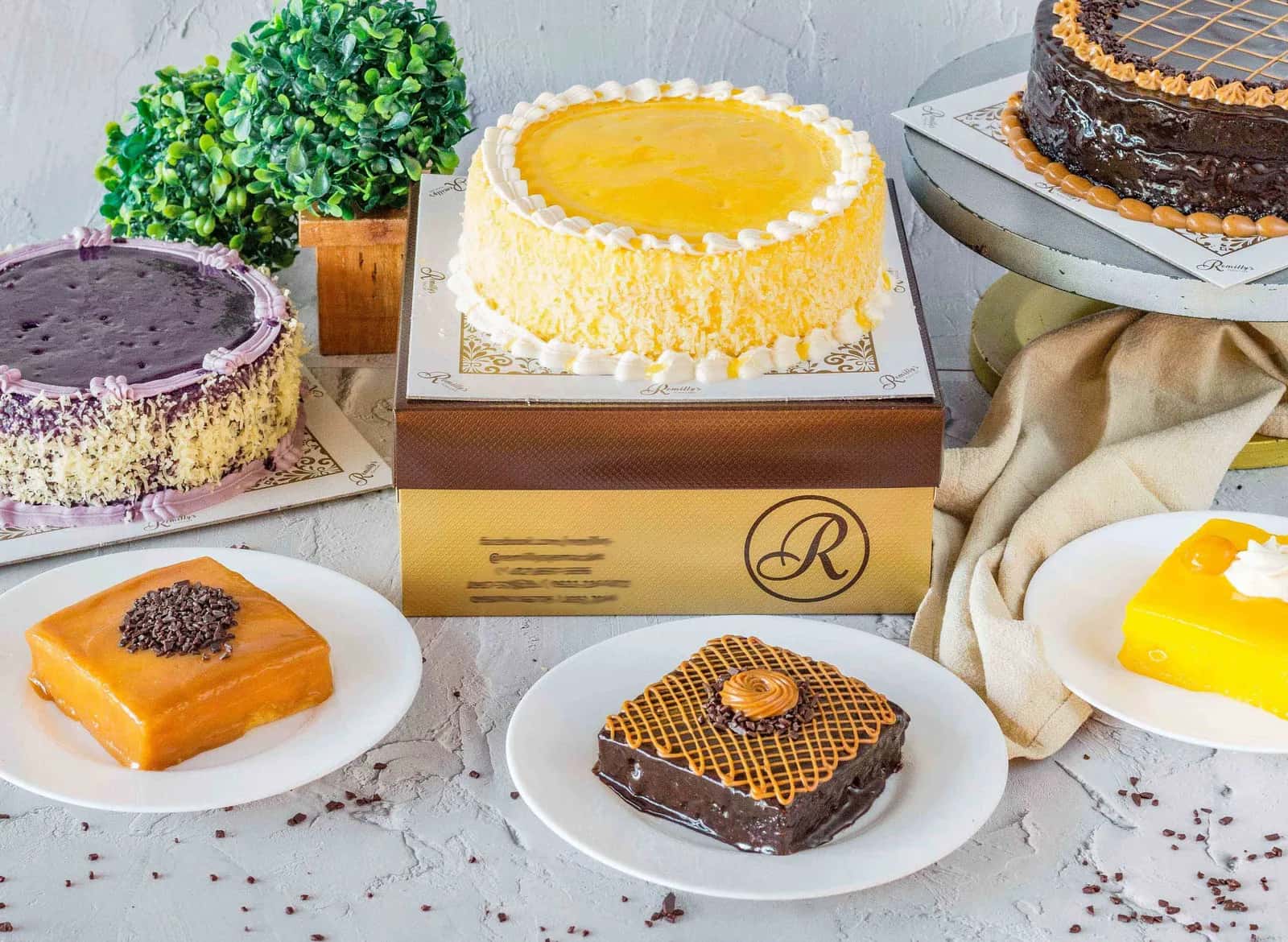
Cakes & Pastries
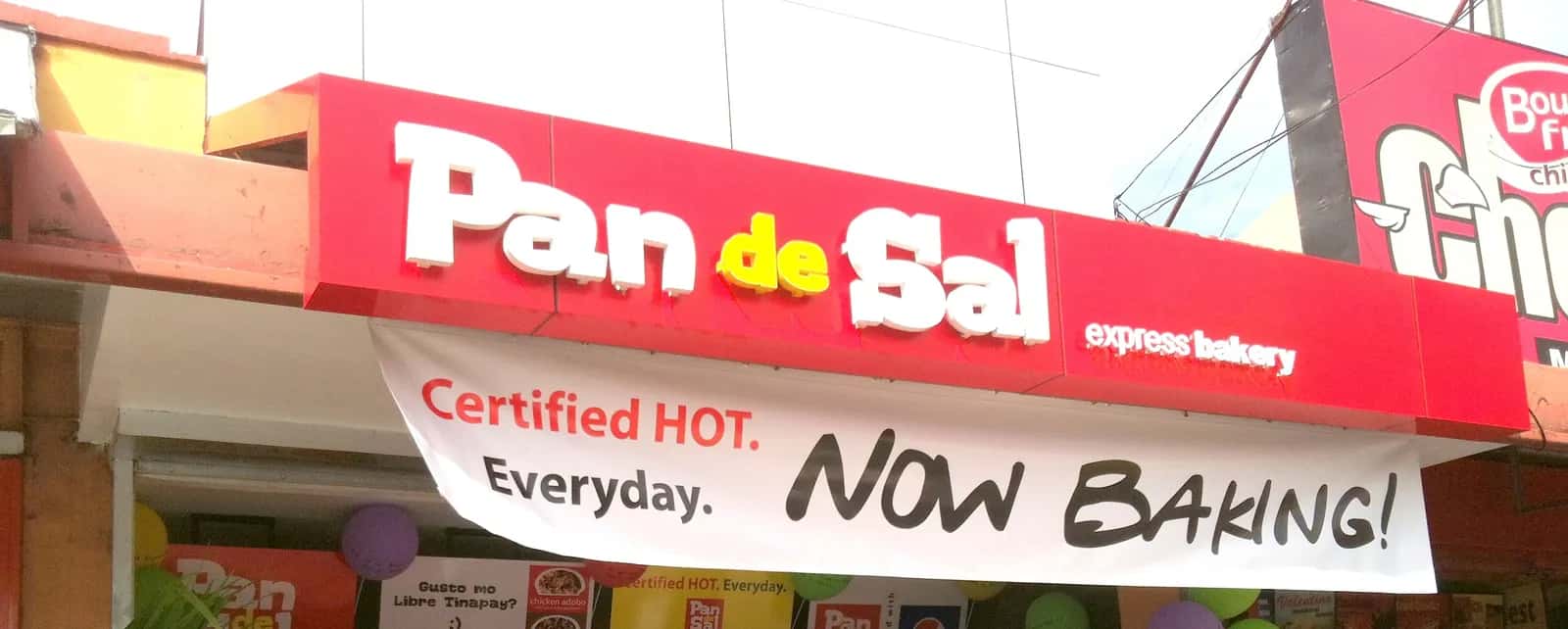
Bakeshop
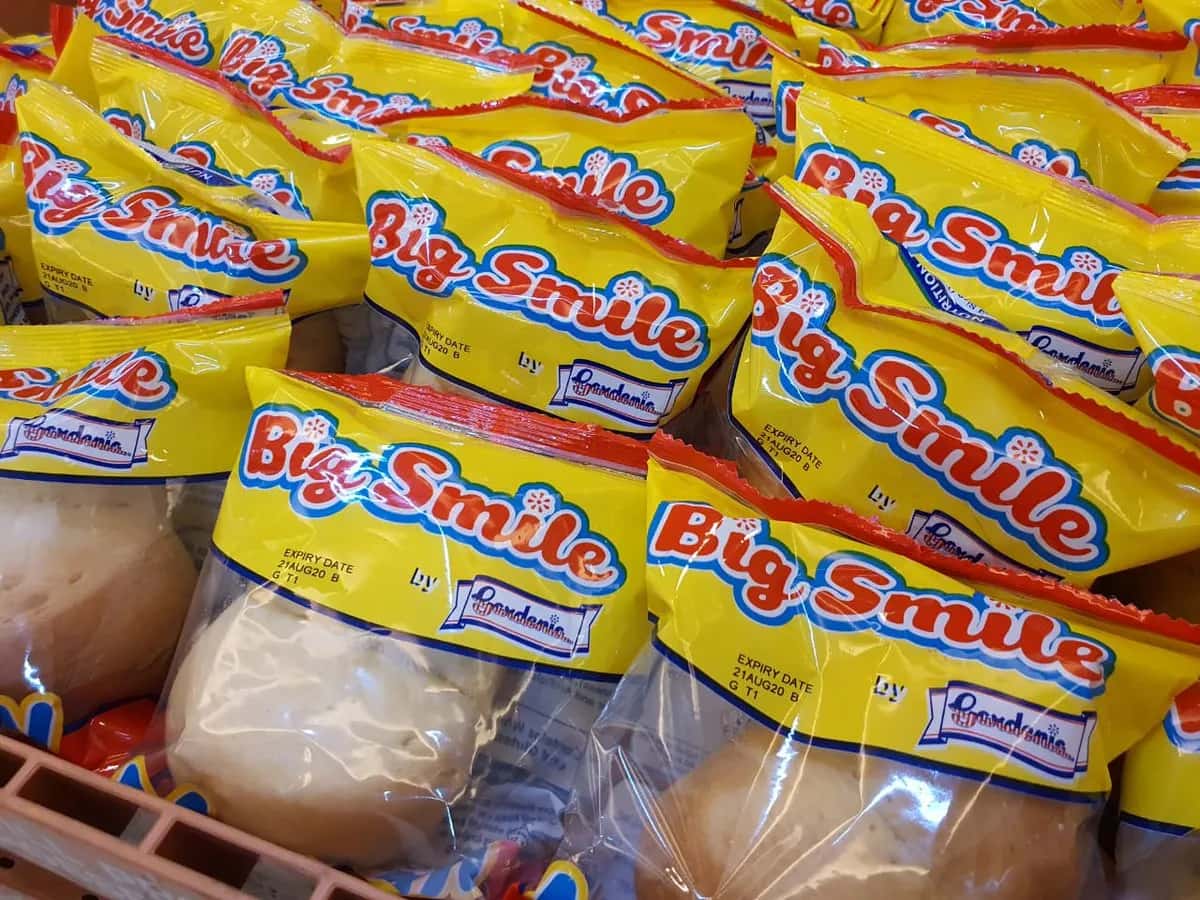
Bakeshop
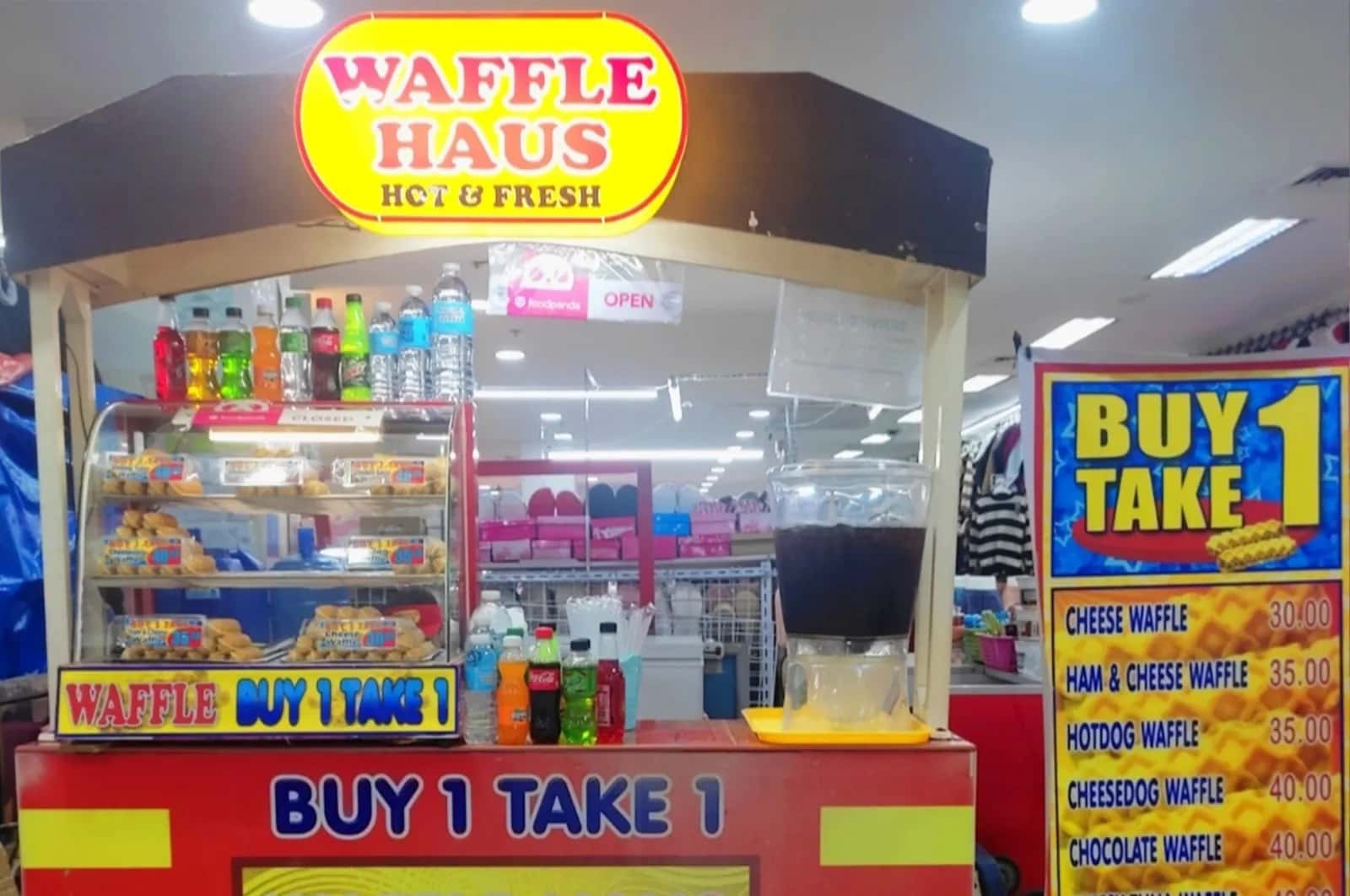
Waffle Shop
Compare bakery & pastry franchises with other industries at the same budget, each with its own brands, fees and investment ranges.

Carts, kiosks, and full restaurants.
34 brandsFrom ₱180k
Minute Burger, 101 Korean Hotdog, Khaleb Shawarma +31 more
See brands
Coffee, milk tea, and cold drink shops.
15 brandsFrom ₱300k
Frotea, Happy Cup, 1000CC Coffee +12 more
See brands
Mini marts and convenience stores.
5 brandsFrom ₱350k
C.Cellzone, Scents & Memories, Grainsmart +2 more
See brands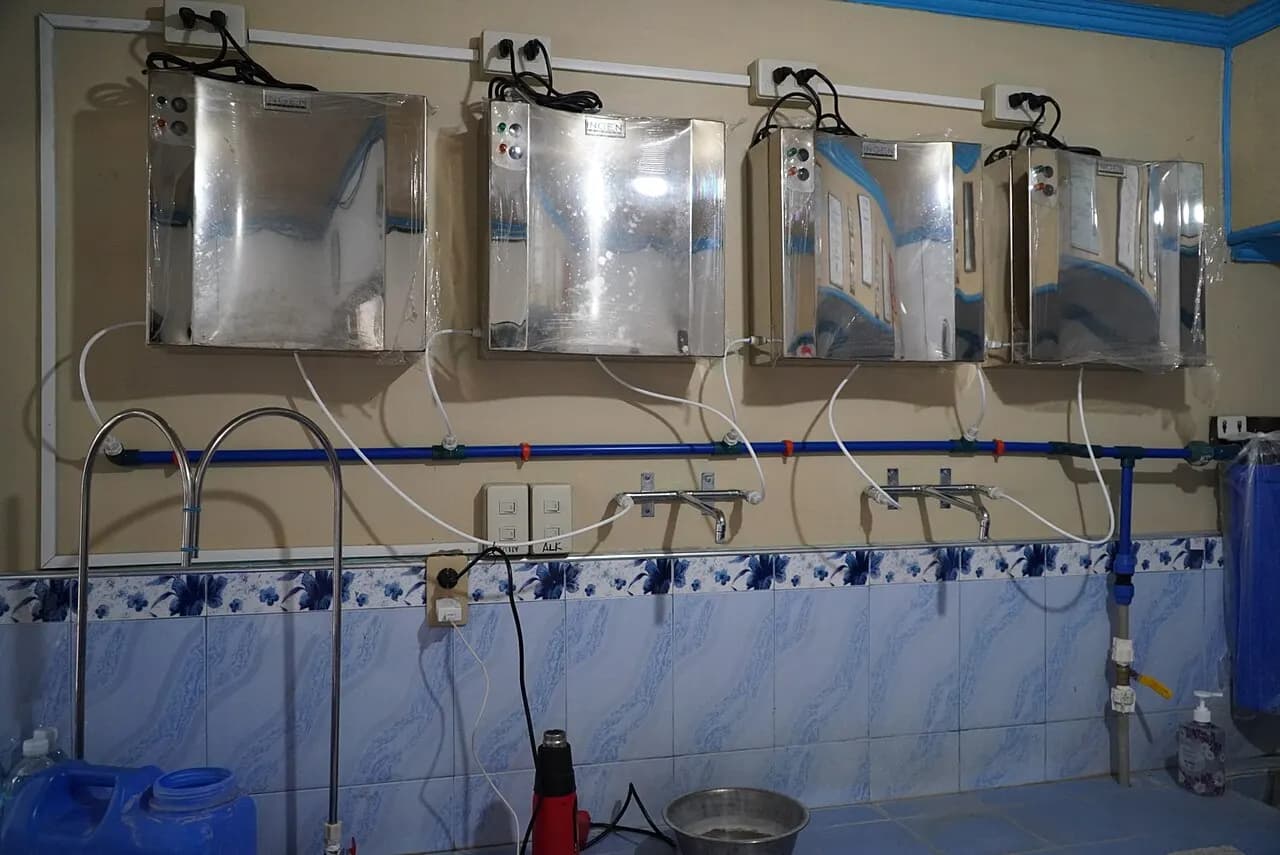
Purified and mineral water stations.
4 brandsFrom ₱400k
Aquabest, Water Boy, H2O Mineral Plus +1 more
See brands
Drugstores and health supplement outlets.
3 brandsFrom ₱300k
Sante Barley, We Serve Generic Medicines Pharmacy, BoticaPlus
See brandsCompare industries by budget, daily work and payback before you choose one, free and with no pressure.

Learn practical inventory control steps for your Philippine franchise to cut waste, prevent loss, and protect your capital.
Aug 14, 2026 6 min read
Learn how non-compete clauses work when exiting a franchise agreement in the Philippines, protecting your investment after closing.
Jul 20, 2026 5 min read

Learn how to secure financing for your Philippine franchise, from preparation to approval. A practical guide for new operators and OFWs.
Jul 20, 2026 5 min read