C.Cellzone
Retail & Convenience
- Franchise fee
- ₱150k
- Total investment
- ₱400k–₱800k
🎁 Start Your 1 Month Free Trial of the Full Plan, Exclusively for Brands & Advisors.Get Started
Browse 5 retail & convenience franchises up to ₱800k, with investments from ₱770k to ₱800k, franchise fees mostly between ₱150k and ₱210k, and most paying back in about 18 months.
Updated
Retail & Convenience

Retail & Convenience
Retail & Convenience
Retail & Convenience
Retail & Convenience
Up to ₱800,000 in retail and convenience mostly comes down to a choice between an inline store and a kiosk, since most packages at this level offer both formats. Entry runs from around ₱350,000 to the ₱800,000 mark, and the franchise fee sits between ₱150,000 and ₱250,000. Payback across this budget is unusually consistent, landing around eighteen months regardless of which package a reader picks. That consistency makes the format chosen matter more than which specific package looks cheapest on paper.
Most packages that fit this budget can be set up as either an inline store or a kiosk, which puts the real decision on footprint rather than on hunting for a rare third option. An inline store means a fixed unit inside a commercial strip, with a lease, a proper fit-out, and enough shelf space for a fuller range of goods. A kiosk means a smaller, lighter setup that costs less to fit out and can sit in a busier, more compact spot such as a mall corridor or a transit area. Both formats are common enough at this level that a reader can choose based on how they want to operate rather than settling for whichever happens to be available. Someone who wants a wider product range and a steadier, if less mobile, customer base tends toward the inline option. Someone who wants lower fixed cost and the flexibility to occupy a smaller, higher-traffic spot tends toward the kiosk instead.
The gap between ₱350,000 and ₱800,000 here mostly reflects the size of the space and the depth of the opening stock order, not a different business idea. A package near the lower end usually means a smaller unit with a leaner initial order. One near the top buys more floor space and a fuller shelf from day one. The franchise fee moves in a narrower range, from ₱150,000 to ₱250,000, so a large part of the gap between packages goes into the physical setup itself. A reader should treat the fee as a relatively fixed cost of entry and focus comparisons on what each package's fit-out and stock allowance actually covers. A similar fee can still sit behind very different total budgets once the space and the opening order are added in, so the fee alone is a poor way to rank packages against each other.
This budget suits someone ready to run a proper storefront or a staffed kiosk as their main focus, not a side project managed in spare hours. It suits someone comfortable overseeing daily stock counts and at least one other person behind the counter, since a unit at this scale rarely runs well on a single person working alone every shift. It suits less well someone who wants to test an idea with the smallest possible outlay and no staff at all. Both formats here assume a proper setup and at least some help serving customers day to day. It rewards a reader who can hold back some capital beyond the entry figure for the deposits, staffing, and slower opening weeks that come before the business finds its footing. Anyone comparing an inline store against a kiosk at this level should be honest about which one matches the amount of daily involvement they can actually give it.
One detail sets this budget apart from most others in the category: the payback timeline barely moves, sitting around eighteen months whether the package costs closer to ₱350,000 or closer to ₱800,000. Elsewhere a bigger package usually stretches the wait for payback longer, but not here. That points to a bigger package at this level bringing proportionally higher sales along with its higher cost, rather than simply costing more to run without earning more back. For a reader, that steadiness removes one variable from the comparison. The choice does not need to weigh a faster payback against a slower one, since the packages largely agree on timeline already. What is left to compare is the format, the fit-out, and how comfortable the reader is carrying the higher end of this budget for a year and a half before it starts to pay for itself in earnest.
Now that you've seen what's here, a real advisor can help you shortlist and weigh the options against your budget. Free, at your pace.

Financing Readiness · Site Selection

Low-Capital Startups

Low-Capital Startups · Site Selection

Franchise Agreements · Multi-Unit Expansion
Are you a franchise advisor?Get your own workspace here
Get honest answers on fees, payback and the best setups for your area, free and with no pressure.
Having ₱800k places five retail & convenience franchises within reach, each with an investment between ₱700k and ₱800k. A number like that is easier to handle when you split it into what you want and what you can accept. List your must have package items, then list the items you could buy yourself later. Any franchise missing a must have item drops out, and any missing only an optional item stays. This split gives you a clear shortlist.
Yes, a retail & convenience franchise at ₱800k can be a good first choice if you can picture yourself doing the same work for years. Beginners who last tend to enjoy the daily routine, not only the idea of owning a business. Try listing what you like and dislike about the tasks involved, such as early mornings, handling complaints or counting stock. A fair balance of likes over dislikes is a good sign, and a long list of dislikes deserves serious attention.
Your city changes the sums, so check ₱800k against local prices. The five retail & convenience franchises quoting an investment between ₱700k and ₱800k set one package price, while rent, deposits and construction rates differ from town to town. Ask local landlords and contractors for current rates, enter them into your list of omitted items, and compare the total with ₱800k. A budget that works in a provincial town may fall short in a busy city center.
Renovation and fit-out are costs that a ₱800k package often leaves to you, especially if you lease a bare unit. Franchisors tend to have strict design standards, and bringing an empty space up to their look can cost more than first-time owners expect. Before you sign, request the franchisor's store specifications and have a local contractor quote the work so you are planning from a real figure instead of a guess.
You can usually expect the franchise fee and a set of starter equipment at ₱800k, with training, signage and initial stock showing up in many offers but not all of them. Since the details change between franchisors, comparing headline prices will mislead you. Build a simple comparison table with rows for each possible inclusion and a column for every franchisor you are talking to, then fill it in only from documents they hand you.
The usual range for the franchise fee among retail & convenience franchises at ₱800k is ₱150k to ₱210k. Many franchisors describe the fee in a disclosure packet, and that document should state what the payment covers, what it excludes and what is refundable. Request it before paying and compare it against the contract. If the packet and the agreement disagree about the fee, ask for the correction in writing before you go further.
In many households, raising ₱800k for a retail & convenience franchise becomes easier once every working member chips in a little each month. Small regular contributions from several people can grow faster than one person saving alone. Hold a family meeting, agree on who gives how much, and keep a shared record so everyone can see the fund growing and knows their share is counted. Even a modest amount from each person shows commitment and builds trust inside the family.
Formats for a retail & convenience franchise at ₱800k are kiosks with 4 franchises and inline stores with 4. Picture a small corner near a busy commuter stop, where a compact setup can sell steadily without much staff, compared with a quieter street that needs a format people will seek out. Describe your actual spot to each franchisor, including how people pass by and when, and ask which of their setups they would recommend for it and why.
Compare how many retail & convenience franchises start at each budget level, from the smallest packages up.
Retail & Convenience franchises priced close to your budget, worth a look if you can stretch your savings or want to spend less.

Retail & Convenience
Retail & Convenience

Retail & Convenience
Meat Shop
Clothing & Footwear
Retail & Convenience

Meat Shop

Retail & Convenience
Compare retail & convenience franchises with other industries at the same budget, each with its own brands, fees and investment ranges.

Carts, kiosks, and full restaurants.
34 brandsFrom ₱180k
Minute Burger, 101 Korean Hotdog, Khaleb Shawarma +31 more
See brands
Coffee, milk tea, and cold drink shops.
15 brandsFrom ₱300k
Frotea, Happy Cup, 1000CC Coffee +12 more
See brands
Bread, cakes, and pastry shops.
7 brandsFrom ₱299k
Colette's Buko Pie at Pasalubong, Ferino's Bibingka, Happy~Haus Donuts +4 more
See brands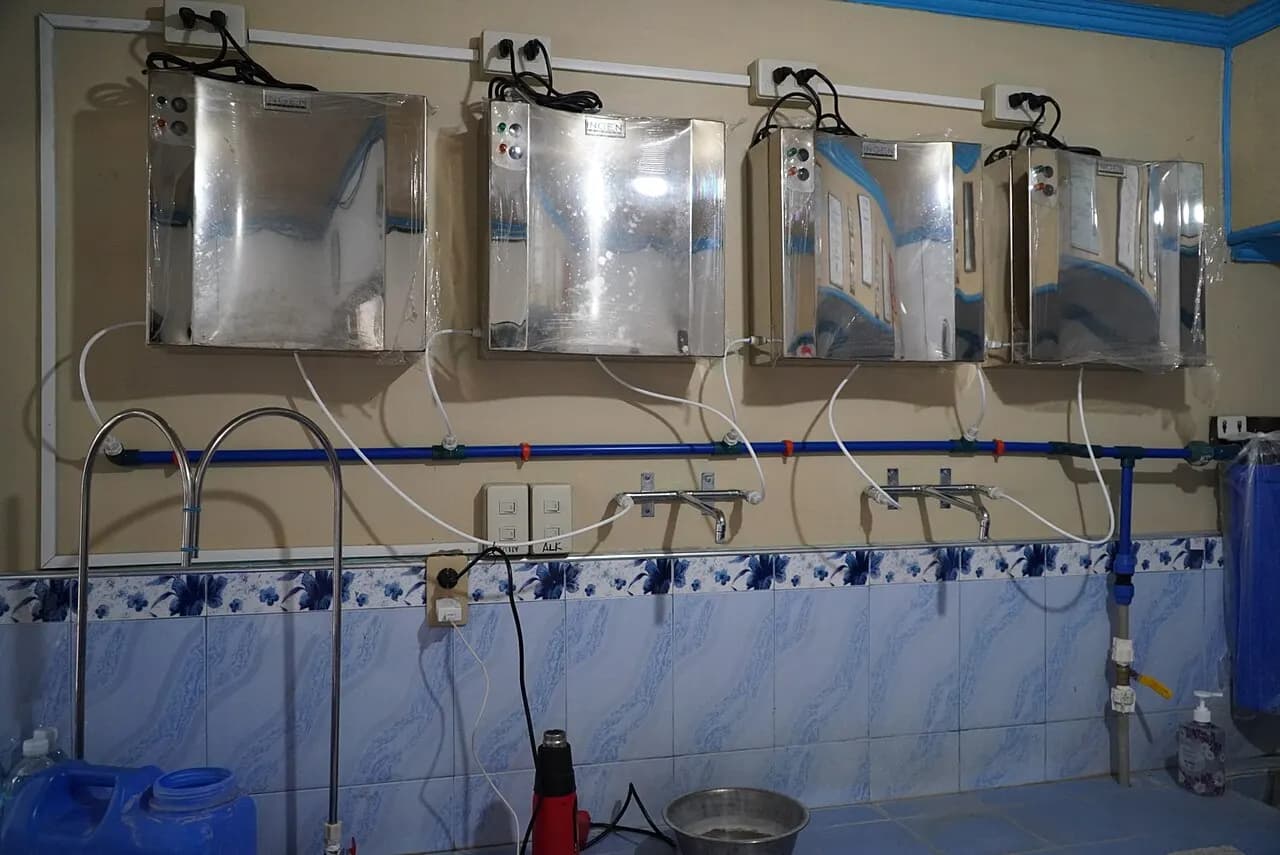
Purified and mineral water stations.
4 brandsFrom ₱400k
Aquabest, Water Boy, H2O Mineral Plus +1 more
See brands
Drugstores and health supplement outlets.
3 brandsFrom ₱300k
Sante Barley, We Serve Generic Medicines Pharmacy, BoticaPlus
See brandsCompare industries by budget, daily work and payback before you choose one, free and with no pressure.

Learn practical inventory control steps for your Philippine franchise to cut waste, prevent loss, and protect your capital.
Aug 14, 2026 6 min read
Learn how non-compete clauses work when exiting a franchise agreement in the Philippines, protecting your investment after closing.
Jul 20, 2026 5 min read

Learn how to secure financing for your Philippine franchise, from preparation to approval. A practical guide for new operators and OFWs.
Jul 20, 2026 5 min read