Goldmine Farm to Market
Meat Shop
- Franchise fee
- ₱100k
- Total investment
- ₱388k–₱538k
🎁 Start Your 1 Month Free Trial of the Full Plan, Exclusively for Brands & Advisors.Get Started
Browse 4 retail & convenience franchises up to ₱600k, with investments from ₱538k to ₱600k, franchise fees mostly between ₱100k and ₱150k, and most paying back in 8 to 18 months.
Updated
Meat Shop

Retail & Convenience
Retail & Convenience

Retail & Convenience
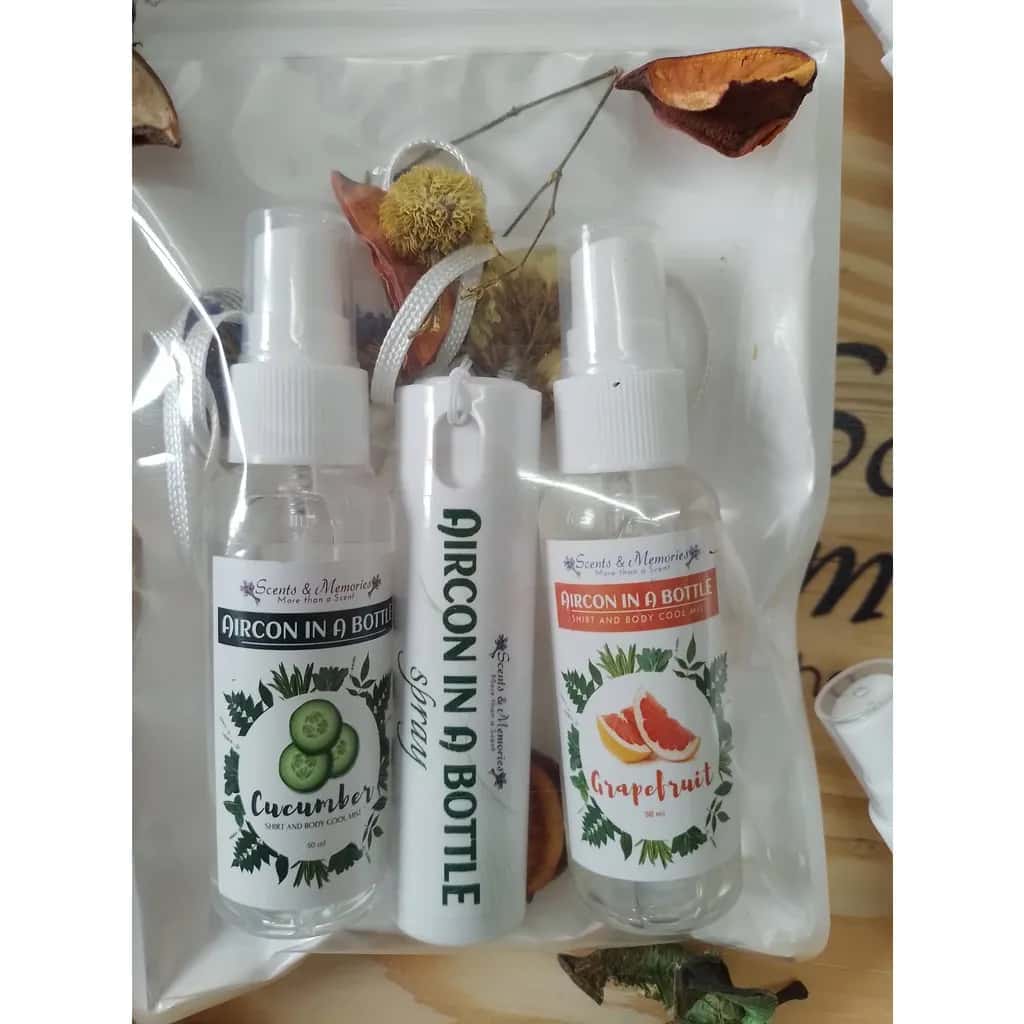
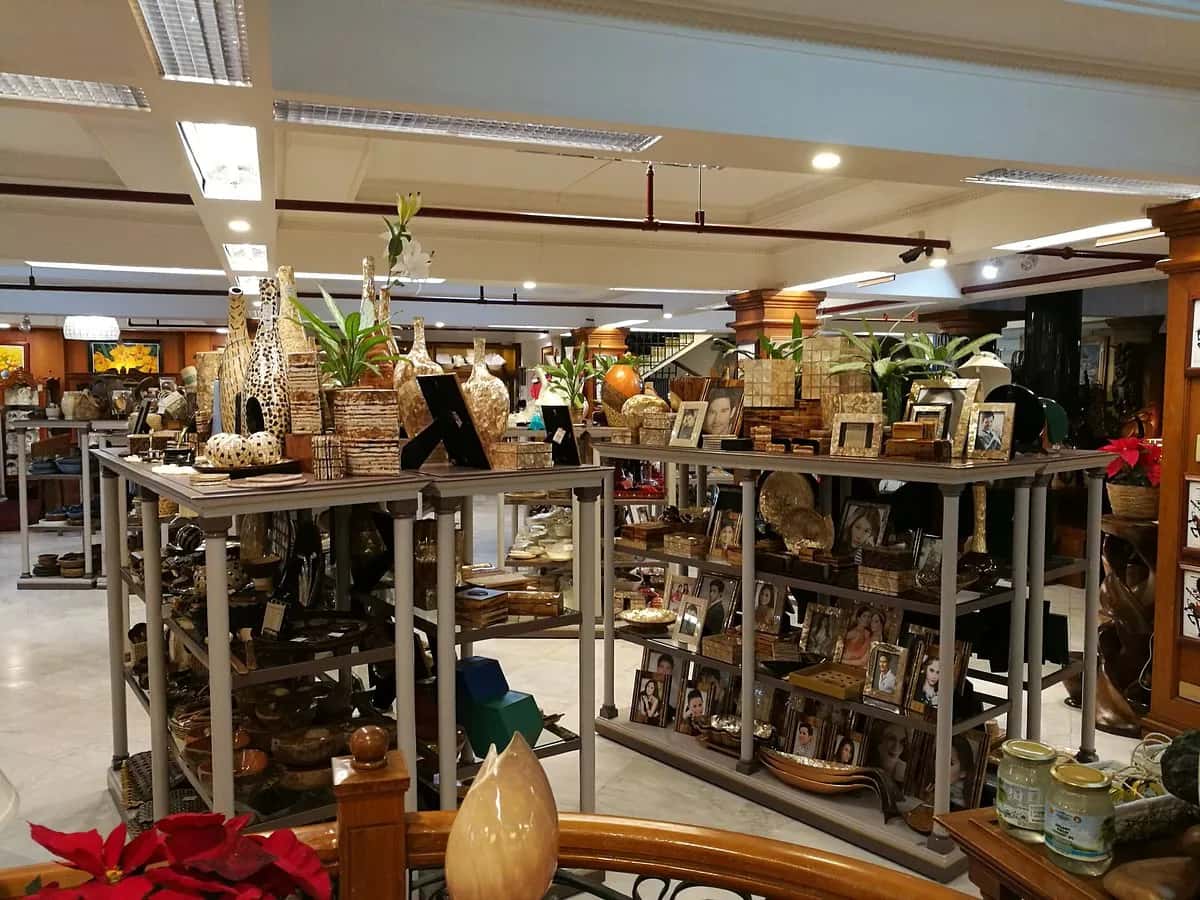
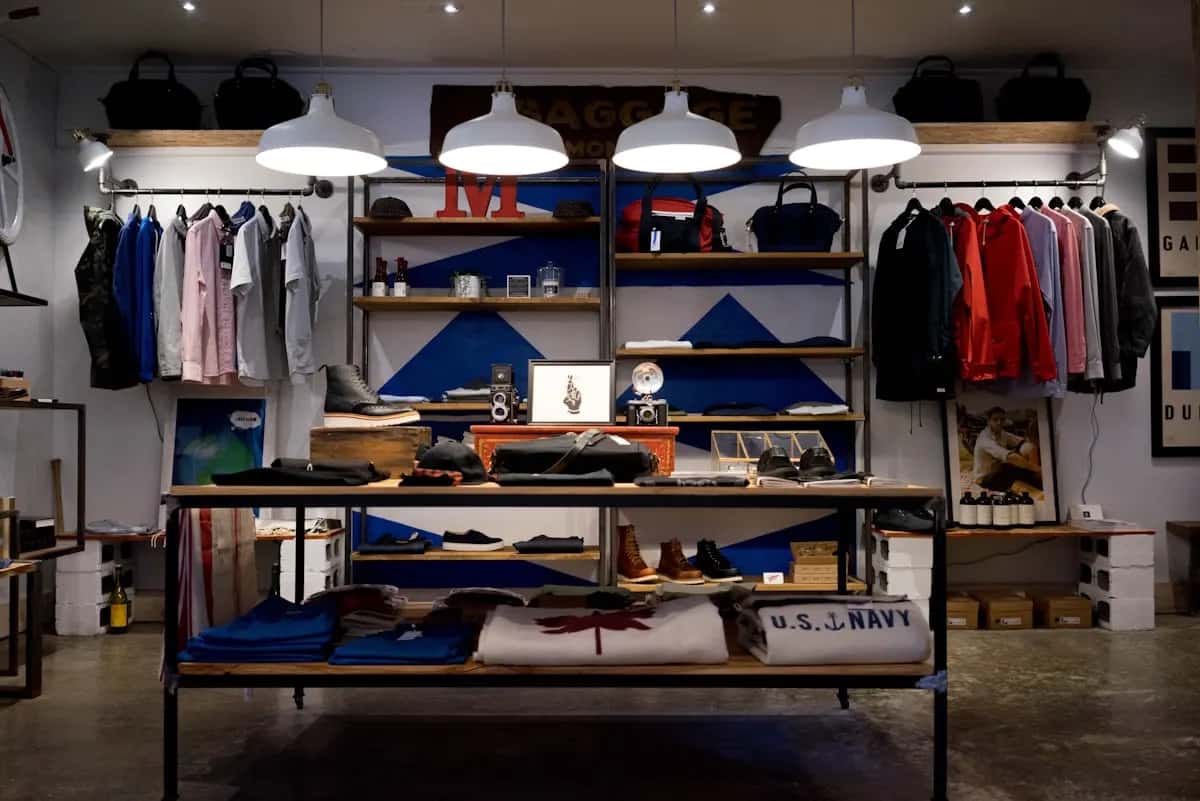
Retail and convenience franchises priced up to ₱600,000 are built mainly around the kiosk format. Entry runs from around ₱350,000 to the ₱600,000 mark, and the franchise fee sits between ₱100,000 and ₱150,000. Payback can be as fast as eight months or as slow as a year and a half, depending on the package chosen. The category itself sells because it covers things people buy often and are not willing to skip, which is what makes a modest kiosk investment work in the first place.
Retail and convenience goods are not a discretionary treat. They are the everyday items a household reaches for without thinking twice, restocked on a routine rather than a whim. That habit is what gives a small kiosk footprint a real chance at this budget, since the business does not need to convince anyone to try something new. It only needs to be in the right spot when the routine purchase comes around. A kiosk works well against that kind of demand because it puts a small, focused range of goods in front of people already moving through a busy area, rather than asking them to make a special trip. The category also tends to hold up when money is tight, since these are the purchases people cut last, not first. That resilience is part of why this budget clusters around a format built for speed and volume instead of a big single sale.
Money at this level runs from around ₱350,000 at the lower end to the ₱600,000 mark at the top, with the difference usually coming down to fixtures, opening stock, and the size of the space rented. The franchise fee sits in a tighter range, between ₱100,000 and ₱150,000, so most of that stretch goes into the physical setup rather than the cost of joining. Payback varies more than the entry cost does, running from as fast as eight months to as long as eighteen. A faster payback usually points to a leaner kiosk with lower fixed cost, while a slower one often reflects a bigger opening stock order or a pricier location. Either can work, but a reader should match the payback expectation to how quickly they need the money back rather than assuming the cheaper package is automatically the faster one. Location cost is often the hidden variable behind that gap, since two kiosks with near-identical fit-outs can land on very different payback timelines once rent and foot traffic are factored in.
The first months at this budget are about proving the location and the routine, not chasing a big launch. A kiosk this size typically runs on one or two people, which keeps staffing cost manageable but also means the business leans heavily on whoever is behind the counter each day. Stock has to turn over fast, since the categories that suit a kiosk sell in small, frequent amounts rather than big occasional purchases, so restocking rhythm matters more than the size of any single order. Early weeks often swing before settling into a pattern, and a reader should expect the real read on the location to take longer than the first few weeks suggest. By the middle of the first year the goal is a steady daily routine and a stock list narrowed down to what actually sells, rather than the wider range the kiosk may have opened with.
While the kiosk format fits every package in this budget, half also offer an inline store or a food cart instead, and a smaller share can be run as a home-based or online setup. An inline store trades the kiosk's mobility for a fixed address and a steadier, if less flexible, flow of customers. A food cart keeps the low fixed cost and the ability to move if a spot underperforms, closer to how a kiosk behaves than to a storefront. A home-based or online setup removes the cost of a physical spot altogether, trading that saving for a smaller, more scattered customer base that has to be reached rather than walked past. Choosing among these formats first, before comparing specific packages, keeps the decision anchored to how much the reader wants to be tied to one physical spot for the money they are putting in.
Now that you've seen what's here, a real advisor can help you shortlist and weigh the options against your budget. Free, at your pace.

Financing Readiness · Site Selection

Low-Capital Startups

Franchise Agreements · Multi-Unit Expansion

Low-Capital Startups · Site Selection
Are you a franchise advisor?Get your own workspace here
Choose a kind of retail & convenience business and see only its franchises up to ₱600k, with their fees and investment ranges.
Get honest answers on fees, payback and the best setups for your area, free and with no pressure.
Your ₱600k budget lines up with four retail & convenience franchises listed between ₱500k and ₱600k. Since that may be more than you can study closely at once, pick a handful that interest you and compare them on the same sheet, using columns for the package price, what it includes, the ongoing fees and the support offered. Laying them out this way makes the differences obvious and stops you from falling for whichever pitch you heard last. Keep the sheet updated as answers come in.
Compare ₱100k to ₱150k, the franchise fee for retail & convenience franchises at ₱600k, against the full price of each offer. Write down the fee, what it includes and whether it sits inside the total investment or beyond it. Offers that look alike on the fee alone can differ by a wide margin once royalties and renewal charges are added. Ask each franchisor for those extra figures so your comparison covers the whole cost of staying in the system.
Sticking to funding sources you fully understand is the safest way to raise ₱600k for a retail & convenience franchise, even when that adds a few months. Quick high-cost loans and rushed deals can leave repayment pressure that lingers well past opening day. Weigh at least two choices, for example a cooperative loan versus a longer saving stretch, and request the total cost of each in writing. Go with the route whose terms you could explain to your family in simple words.
Once the ₱600k package is paid, your next big expense is usually the working capital that keeps the doors open. Working capital covers stock, wages, rent and bills during the months when income is still uneven. Talk with existing franchisees about how much cash they needed on hand during their early months, and plan to have at least that available before your opening date.
Working for yourself feels different from employment, and a ₱600k retail & convenience franchise is a better first choice if you are ready for that shift. There is no fixed salary, no paid leave and no one else to blame when sales dip. Talk to people who left jobs to run their own business and ask what surprised them. Their answers help you judge whether you can accept the uncertainty.
Reading the fine print on inclusions tells you whether ₱600k is enough. The four retail & convenience franchises quoting an investment between ₱500k and ₱600k describe their packages differently, so one quote may bundle items that another sells separately. Ask each franchisor for an itemized sheet showing what the fee covers and what you must buy elsewhere, then lay the sheets side by side and add your own costs for deposits, permits and working capital before checking the result against ₱600k.
Trial runs are not always possible, but you can still test the fit of the retail & convenience setups at ₱600k, namely kiosks with 4 franchises, food carts with 2 and inline stores with 2. Rehearse a typical day on paper, from opening tasks through peak hours to closing, and assign a name to every job. If you find gaps where no one is available, that format asks for more people or hours than you have, and a simpler one may suit you better. A few also offer home-based or online setups.
Expect a ₱600k retail & convenience franchise to recover its investment in about 8 to 18 months, though that figure comes from the franchisor rather than independent data. Since the franchisor benefits when you buy, the franchisees it introduces you to may well be its happiest ones. Find a few outlets on your own instead, visit them during a quiet hour, and ask the owners directly how their payback compared with what they were promised when they signed.
Grand opening support, an initial order of supplies, equipment and training are what retail & convenience franchises priced between ₱500k and ₱600k might bring you. Since the franchisor alone chooses the contents, it pays to learn the thinking behind each piece. Question why every item is there and whether you could buy it from another source, because the reply reveals whether the package truly saves money or mainly ties you to their suppliers from the first day.
Compare how many retail & convenience franchises start at each budget level, from the smallest packages up.
Retail & Convenience franchises priced close to your budget, worth a look if you can stretch your savings or want to spend less.

Retail & Convenience
LPG Dealership

Retail & Convenience
Retail & Convenience

Retail & Convenience
Retail & Convenience
Retail & Convenience

Retail & Convenience
Compare retail & convenience franchises with other industries at the same budget, each with its own brands, fees and investment ranges.

Carts, kiosks, and full restaurants.
72 brandsFrom ₱198k
Boy Kanin, Bente Silog, Buko Juan +69 more
See brands
Coffee, milk tea, and cold drink shops.
19 brandsFrom ₱250k
Cha Thai, CLT Cafe, Island Tea Co. +16 more
See brands
Bread, cakes, and pastry shops.
7 brandsFrom ₱350k
Empanada Nation, Remilly's Yema Cake, Big Smile Bread Station +4 more
See brands
2 brandsFrom ₱250k
Ink All You Can, Premium Graphics Asia Center (TRANSFER-IT)
See brands
Padala, parcel, and delivery outlets.
2 brandsFrom ₱300k
OKS Xpress Courier, SUREX
See brands
Drugstores and health supplement outlets.
2 brandsFrom ₱350k
ValueMed Generics Pharmacy, Well-Family Midwife Clinics
See brandsCompare industries by budget, daily work and payback before you choose one, free and with no pressure.

Learn practical inventory control steps for your Philippine franchise to cut waste, prevent loss, and protect your capital.
Aug 14, 2026 6 min read
Learn how non-compete clauses work when exiting a franchise agreement in the Philippines, protecting your investment after closing.
Jul 20, 2026 5 min read

Learn how to secure financing for your Philippine franchise, from preparation to approval. A practical guide for new operators and OFWs.
Jul 20, 2026 5 min read