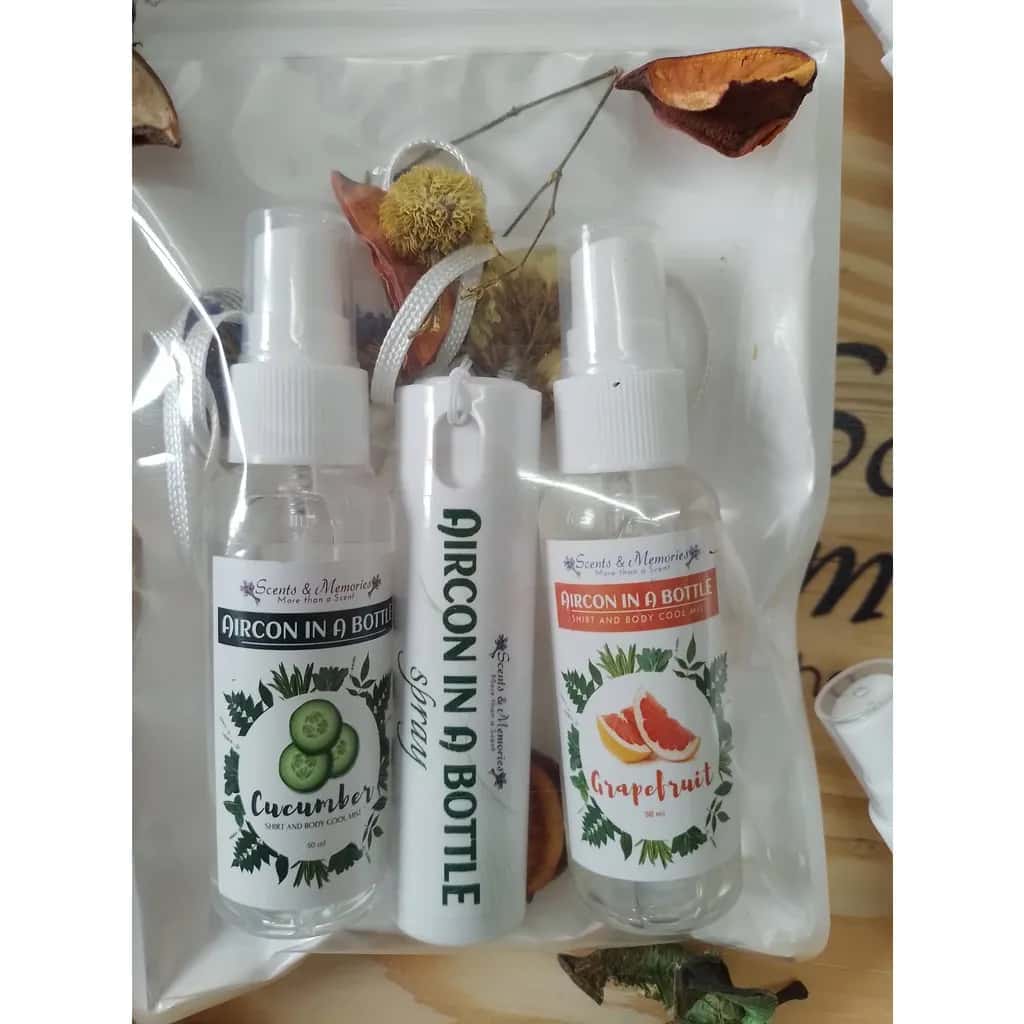
Palawan Pearls
Retail & Convenience
- Franchise fee
- ₱150k
- Total investment
- ₱450k–₱850k
🎁 Start Your 1 Month Free Trial of the Full Plan, Exclusively for Brands & Advisors.Get Started
Browse 2 retail & convenience franchises up to ₱900k, with investments of about ₱850k each, a franchise fee of about ₱150k, and most paying back in about 12 months.
Updated
Retail & Convenience

Retail & Convenience
Up to ₱900,000 in retail and convenience puts a Filipino franchisee mainly into a kiosk. Entry runs from around ₱450,000 to ₱850,000, with a fee sitting close to ₱150,000 on top. Payback here is unusually precise, landing at around twelve months. A defined format paired with a fast, predictable payback makes this a budget where the numbers are easier to plan around than the format choice itself.
The kiosk format anchors this budget. Around half of the packages available also offer a food cart or an inline store as an alternative shape for the same money. That kiosk lean means the reader is mostly choosing a compact, high-traffic setup rather than a full storefront. The fit-out bill is smaller, and the footprint suits a mall corridor, a transit point, or a busy street corner. Where a food cart is offered instead, it trades the fixed spot of a kiosk for the option to move if a location underperforms, at a similar cost. Where an inline store is offered, it trades that compactness for a steadier, fixed address with room for a fuller product range. Either alternative sits close to the kiosk's own cost, so the choice comes down to how the reader wants to operate day to day rather than which option costs less.
This budget runs from around ₱450,000 at its lower edge up to about ₱850,000 at the top, and that gap mostly reflects fit-out quality and the size of the opening stock order rather than a change in format. The fee stays close to ₱150,000 regardless of where in that range a package sits, so most of the difference in overall cost comes from the physical setup and the goods stocked on day one. A reader working near the lower end should expect a smaller, more basic build with a tighter product range. One working near the top should expect a fuller shelf and a more finished fit-out from the start. Because the fee barely moves across this range, comparing packages here is mostly a matter of comparing what each build and stock allowance actually deliver for the extra money. A reader should ask for an itemized breakdown of what the fit-out covers rather than accepting a single headline figure at face value.
A payback window of about twelve months is fast for retail and convenience, which points to a business built on frequent, small purchases rather than the occasional big sale. That rhythm asks for daily attention: counting stock, noticing which items move fastest, and reordering before a popular line runs out and costs a week of sales. A kiosk or cart at this scale typically runs on the owner plus one other person, since the footprint rarely justifies a bigger roster. That also means the business leans heavily on whoever is behind the counter on any given day. Margins in this category tend to be thin per item. The twelve month payback depends on steady volume, not high prices. An operator who treats the first few months as a test of foot traffic and product mix, rather than a guaranteed result, is better placed to adjust before a slow pattern sets in.
Because the franchise fee barely changes across this budget, it is worth asking exactly what that fee buys beyond the right to use the format, such as training length, supplier terms, and how much support comes after opening. It is also worth confirming how the opening stock order is priced, since that line item moves more than the fee does and has a real effect on the total needed before the first sale. A reader should ask how the twelve month payback figure was worked out and whether it assumes a specific level of daily footfall or sales, so expectations are grounded rather than aspirational. Site selection matters as much as the paperwork at this scale, so walking a proposed spot at different times of day before signing gives a clearer read than any projection on its own. None of this is about doubting the format. It is simply the groundwork any franchisee should do before putting money into a fixed spot.
Now that you've seen what's here, a real advisor can help you shortlist and weigh the options against your budget. Free, at your pace.

Financing Readiness · Site Selection

Low-Capital Startups

Franchise Agreements · Multi-Unit Expansion

Low-Capital Startups · Site Selection
Are you a franchise advisor?Get your own workspace here
Get honest answers on fees, payback and the best setups for your area, free and with no pressure.
Pick from two retail & convenience franchises if ₱900k is your budget, since each one costs between ₱800k and ₱900k. To cut the list, compare what each price actually includes. Request a written list of equipment, opening stock and training from every franchisor, then set them side by side. Packages that include more for the same cost are easier to start with, so move them up and shift the sparse ones down.
Beginners with a bookkeeping habit tend to settle into a ₱900k retail & convenience franchise more smoothly, so test that habit before you commit. Run a pretend month on paper, listing daily sales, supply purchases and wages as if the outlet were open. If keeping those records feels easy, you already have a useful skill for this level of investment. If it feels like a chore, plan to pay for part-time bookkeeping help and add that cost to your budget from the start.
Due diligence before you pay ₱900k has its own costs that deserve a place in your budget. Visiting existing outlets, travelling to the franchisor's office, and paying for a contract review all take money, but they help you avoid an expensive mistake. Treat this research money as part of the investment, and spend it before signing rather than wondering afterward what you missed.
Expect ₱900k to cover what the franchisor treats as the minimum needed to open, often equipment, starter supplies and training. That minimum may be thinner than what your own plans need. Ask for the inclusion list with quantities, such as how many units of each machine, and note any gap between that list and your plan, so you can raise it with each franchisor and compare their replies.
Year-end bonuses, including your thirteenth month pay, can carry a real portion of the ₱900k you need for a retail & convenience franchise if you commit them before they arrive. Lump sums disappear quickly during the holidays when there is no plan. Decide now what share of each bonus goes to the fund, write that decision down where your household can see it, and treat it as already spent the moment the bonus is released.
Handling orders from customers who are not at the counter adds work to the retail & convenience setups at ₱900k, which are kiosks with 2 franchises, food carts with 1 and inline stores with 1. Calls, messages and delivery pickups can interrupt staff already serving people in the unit. Decide whether someone will be dedicated to that task during busy hours, and check that your chosen format and crew can manage both walk in and remote customers without service slipping on either side.
A figure like ₱900k may cover the main package, yet the smaller items add up quietly. The two retail & convenience franchises quoting an investment between ₱800k and ₱900k may not include the point of sale system, signage, uniforms, cleaning supplies or packaging. Make a checklist of these smaller purchases and ask the franchisor which ones are already included, then price the rest so your total reflects what it truly takes to open.
Compare how many retail & convenience franchises start at each budget level, from the smallest packages up.
Retail & Convenience franchises priced close to your budget, worth a look if you can stretch your savings or want to spend less.

Retail & Convenience
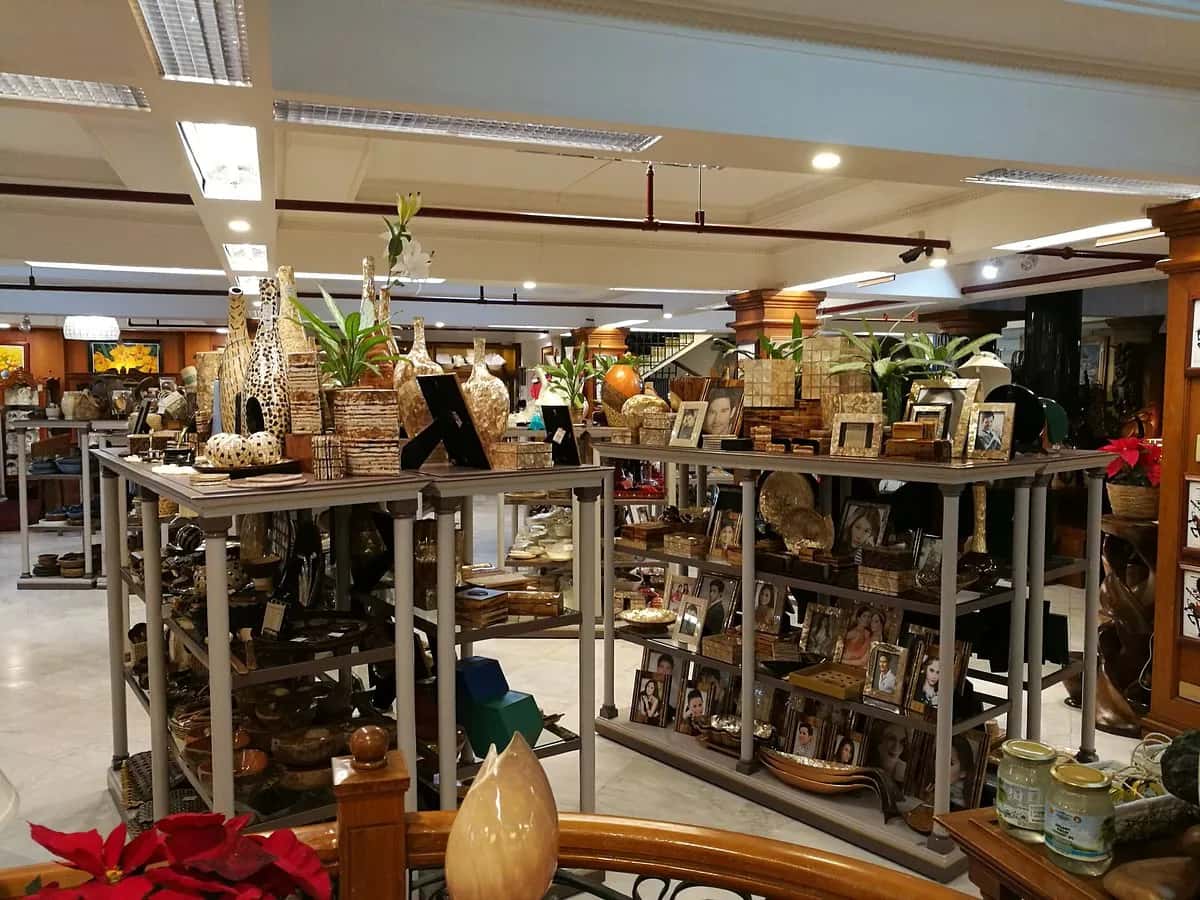
Retail & Convenience
Clothing & Footwear

Meat Shop
Retail & Convenience
Retail & Convenience

Clothing & Footwear
LPG Dealership
Compare retail & convenience franchises with other industries at the same budget, each with its own brands, fees and investment ranges.

Carts, kiosks, and full restaurants.
17 brandsFrom ₱400k
Kulpy Chicken, The Lemon Co., Thirsty Fresh Fruit Juices & Shakes +14 more
See brands
Coffee, milk tea, and cold drink shops.
5 brandsFrom ₱450k
Nitro 7 Coffee and Tea, Jelly G, Mocha Blends +2 more
See brands
Bread, cakes, and pastry shops.
2 brandsFrom ₱450k
Casa Empanada, Cookie Chef
See brandsCompare industries by budget, daily work and payback before you choose one, free and with no pressure.

Learn practical inventory control steps for your Philippine franchise to cut waste, prevent loss, and protect your capital.
Aug 14, 2026 6 min read
Learn how non-compete clauses work when exiting a franchise agreement in the Philippines, protecting your investment after closing.
Jul 20, 2026 5 min read

Learn how to secure financing for your Philippine franchise, from preparation to approval. A practical guide for new operators and OFWs.
Jul 20, 2026 5 min read