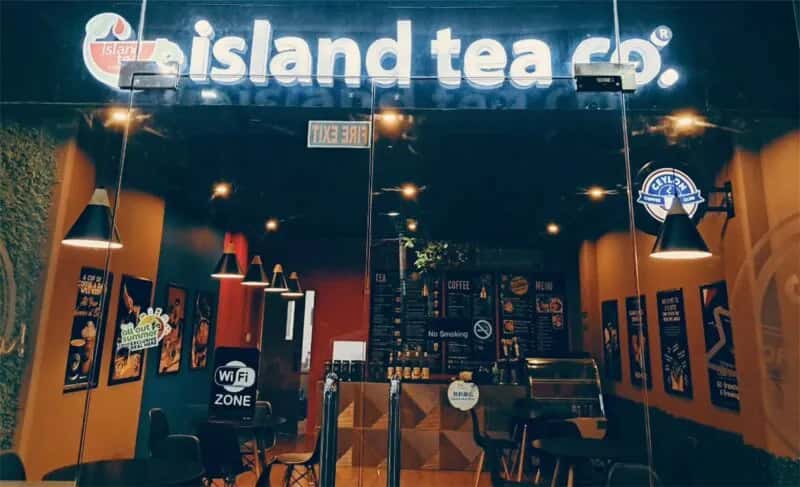
Island Tea Co.
Milk Tea & Boba
- Franchise fee
- ₱129k
- Total investment
- ₱299k–₱555k
🎁 Start Your 1 Month Free Trial of the Full Plan, Exclusively for Brands & Advisors.Get Started
Browse 19 coffee & milk tea franchises up to ₱600k, with investments of about ₱600k each, franchise fees mostly between ₱146k and ₱150k, and most paying back in 10 to 18 months.
Updated
Milk Tea & Boba
Milk Tea & Boba
Milk Tea & Boba
Coffee Shop
Milk Tea & Boba
Milk Tea & Boba

Coffee Shop
Coffee Shop
Milk Tea & Boba

Milk Tea & Boba

Coffee Shop
Milk Tea & Boba
Coffee Shop

Milk Tea & Boba

Milk Tea & Boba
Coffee Shop
Milk Tea & Boba
Milk Tea & Boba
Milk Tea & Boba
The field widens noticeably at a ₱600,000 budget. Setup across this range runs from about ₱250,000 to the full amount, and license fees follow, ₱99,000 to ₱188,000. Payback claims run six months to a year and a half. Most of what sits on offer here still leans toward the cart-and-kiosk end of the spectrum, even this close to ₱600,000. That matters for anyone assuming a bigger budget automatically buys a bigger business, since the format on the ground rarely scales as fast as the price does.
₱250,000 near the bottom of this budget and ₱600,000 near the top describe very different businesses, even under the same budget. The gap mostly buys a bigger site, more seating, or a stronger location, not a fundamentally different product. License fees cluster higher than in the cheaper budgets below, ₱99,000 to ₱188,000, and claimed payback ranges from about six months at the quick end to a year and a half at the slow end. A buyer paying toward the top of this budget should expect the extra spend to show up mostly in the timeline and the site, not in the drink itself. Two setups at opposite ends of this range can serve an almost identical menu at an almost identical price, and still look nothing alike from the sidewalk. Reading this budget by its top price alone hides that difference completely.
Rising toward ₱600,000 does not push the category away from small formats the way a buyer might expect. The smallest, cheapest setups stay on almost every price list at this budget. A standalone building, the format that finally looks like a real shop rather than a counter, appears only among the packages priced closest to the top of this budget. An inline store shows up more often than that, though still far from universally. That distribution says the extra spending at this budget buys more room to choose a format, not a guarantee of a bigger business. Anyone set on a standalone building specifically should expect to be near the top of this range, not comfortably inside it. Budgeting accordingly beats hoping the number stretches further than it likely will.
A kiosk or cart bought near the bottom of this budget still runs on roughly the same one or two person model as the cheaper budgets below it. The inline store and standalone options toward the top usually need a bigger crew, a longer daily setup routine, and a manager who can be trusted with the register when the owner is not around. The wider the format, the more the business depends on consistent staffing rather than on the owner alone, worth weighing against how much extra the higher end of this budget actually costs. Anyone stepping up to a standalone format in particular should expect the daily routine to look much closer to managing a small retail operation than to running a simple drinks counter. Inventory, scheduling, and cash controls all become real jobs rather than afterthoughts.
With this much variety priced into the same budget, a lower fee sometimes just means a smaller format, not a better deal. A more useful comparison lines up the total setup cost, the format included, and the claimed payback side by side for whatever is under consideration. Packages with similar fees can still sit at very different points on all three of those measures, so treating this budget as a genuine shortlist rather than a single price is what makes the wider choice here worth having. A modest fee attached to a small kiosk can still be a better fit than a bigger fee attached to a format the intended site cannot properly use. Figuring out which is which takes more than reading a price tag. Margin tells a similar story once the format is settled. A kiosk near the bottom of this budget earns less per sale but turns customers over quickly, with almost no space sitting idle. A standalone building near the top of this budget instead banks on a bigger crowd and a longer visit to justify its bigger crew and its rent. Growth from a cheaper setup here usually means opening a second one once the first proves itself. Growth from a standalone build tends to mean deepening that one site instead, since the capital already committed makes a near-identical second build a much bigger ask.
Now that you've seen what's here, a real advisor can help you shortlist and weigh the options against your budget. Free, at your pace.

Financing Readiness · Site Selection

Low-Capital Startups · Site Selection

Low-Capital Startups

Franchise Agreements · Multi-Unit Expansion
Are you a franchise advisor?Get your own workspace here
Choose a kind of coffee & milk tea business and see only its franchises up to ₱600k, with their fees and investment ranges.
Get honest answers on fees, payback and the best setups for your area, free and with no pressure.
Should you go with ₱600k, there are 19 coffee & milk tea franchises to pick from, each priced between ₱500k and ₱600k. To shorten that list, compare what each package includes at the price. List the equipment, opening stock, training and launch materials each one provides, and note what you would pay for separately. The packages covering the most items are the better value, so keep those and set aside any that look bare.
In most cities you can open a coffee & milk tea franchise between ₱500k and ₱600k, given that five franchisors at this level take franchisees nationwide, with most current outlets located in Manila, Quezon City and San Jose del Monte. To check your own city, ask the franchisor for the full list of areas they currently accept. Compare it against your preferred town and the towns around it. If yours is missing, ask whether that means closed or simply not yet reviewed, because the two lead to very different next steps.
A family partner can help you reach ₱600k for a coffee & milk tea franchise, provided everyone agrees on the terms before any money changes hands. Relatives often lend with good intentions and then feel differently when sales are slow in the first months. Put the arrangement in writing, stating whether the money is a loan or a share in the business, how profits will be split, and what happens if someone wants out later.
Tech comfort is a fair readiness check, and a coffee & milk tea franchise at ₱600k suits a beginner who can learn simple apps and reports quickly. Owners often track sales, orders and staff schedules on a phone or tablet every day. Try using a free spreadsheet or notes app to log a week of your own spending and see how natural it feels. If it frustrates you, plan extra training time in the first weeks so the learning curve stays manageable.
Becoming an employer adds costs beyond ₱600k that go further than paying wages. You will need to register as an employer with SSS, PhilHealth and Pag-IBIG, remit contributions on time, and keep records that labor inspectors can review. Learn the employer share of each contribution before you hire, so your payroll budget reflects the true cost of each worker rather than just their take-home pay.
Legal rights are what the franchise fee of ₱146k to ₱150k mainly purchases for coffee & milk tea franchises at ₱600k. That usually means permission to use the brand, system and methods for a set term in a defined way. Ask exactly which rights are granted, such as brand use, product formulas and supplier access, and which are not. Knowing the scope shows whether the fee gives you a complete operating system or only a license to carry the name.
Rather than asking only what ₱600k includes, also ask how it compares with what other franchisees actually received once their outlets were set up. Packages commonly list equipment, stock, training and signage, but real deliveries sometimes differ from the brochure. Request contact details for a few current franchisees and ask them whether everything promised in the package arrived on time and in good condition.
Franchisors often state 10 to 18 months as the time a ₱600k coffee & milk tea franchise needs to pay for itself. Hidden costs are the usual reason that timeline slips, and they include things like bank charges, point of sale fees, uniforms and cleaning supplies. Ask the franchisor for a list of every recurring cost an outlet carries, then add anything missing from it after talking to people who have run one.
Restocking is a daily task for the coffee & milk tea setups at ₱600k, namely kiosks with 19 franchises, food carts with 18 and inline stores with 4. Small units fill up and empty quickly, so someone must keep track of what is running low and when to reorder. Decide who on your team will handle this each day, and check that the format you choose has enough room in your space to hold a sensible amount, so staff are not constantly running out for supplies mid shift. A few also offer standalone stores.
On paper, ₱600k lines up with the 19 coffee & milk tea franchises that quote an investment between ₱500k and ₱600k. In practice, the people who know the true cost are franchisees already running an outlet. Ask the franchisor for contacts of current owners and politely ask them what they spent from signing to opening day, including anything that surprised them. Their answers will tell you quickly whether your budget has room or needs padding.
Compare how many coffee & milk tea franchises start at each budget level, from the smallest packages up.
Coffee & Milk Tea franchises priced close to your budget, worth a look if you can stretch your savings or want to spend less.
Coffee Shop
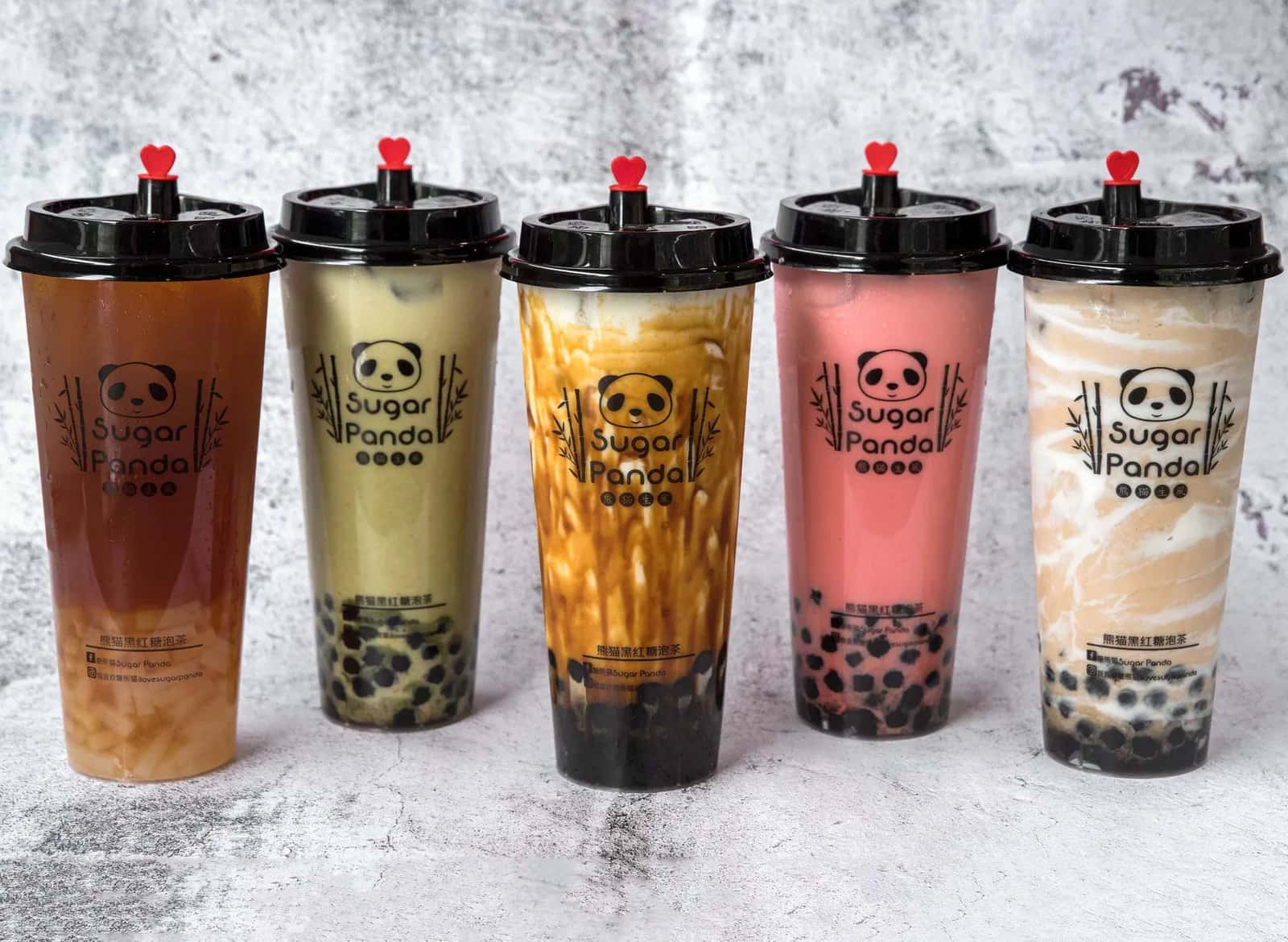
Milk Tea & Boba

Coffee Shop

Milk Tea & Boba
Milk Tea & Boba

Milk Tea & Boba
Milk Tea & Boba
Coffee Shop
Compare coffee & milk tea franchises with other industries at the same budget, each with its own brands, fees and investment ranges.

Carts, kiosks, and full restaurants.
72 brandsFrom ₱198k
Boy Kanin, Bente Silog, Buko Juan +69 more
See brands
Bread, cakes, and pastry shops.
7 brandsFrom ₱350k
Empanada Nation, Remilly's Yema Cake, Big Smile Bread Station +4 more
See brands
Mini marts and convenience stores.
4 brandsFrom ₱350k
P. TOGO, Goldmine Farm to Market, Scents and Blends +1 more
See brands
2 brandsFrom ₱250k
Ink All You Can, Premium Graphics Asia Center (TRANSFER-IT)
See brands
Padala, parcel, and delivery outlets.
2 brandsFrom ₱300k
OKS Xpress Courier, SUREX
See brands
Drugstores and health supplement outlets.
2 brandsFrom ₱350k
ValueMed Generics Pharmacy, Well-Family Midwife Clinics
See brandsCompare industries by budget, daily work and payback before you choose one, free and with no pressure.

Learn practical inventory control steps for your Philippine franchise to cut waste, prevent loss, and protect your capital.
Aug 14, 2026 6 min read
Learn how non-compete clauses work when exiting a franchise agreement in the Philippines, protecting your investment after closing.
Jul 20, 2026 5 min read

Learn how to secure financing for your Philippine franchise, from preparation to approval. A practical guide for new operators and OFWs.
Jul 20, 2026 5 min read