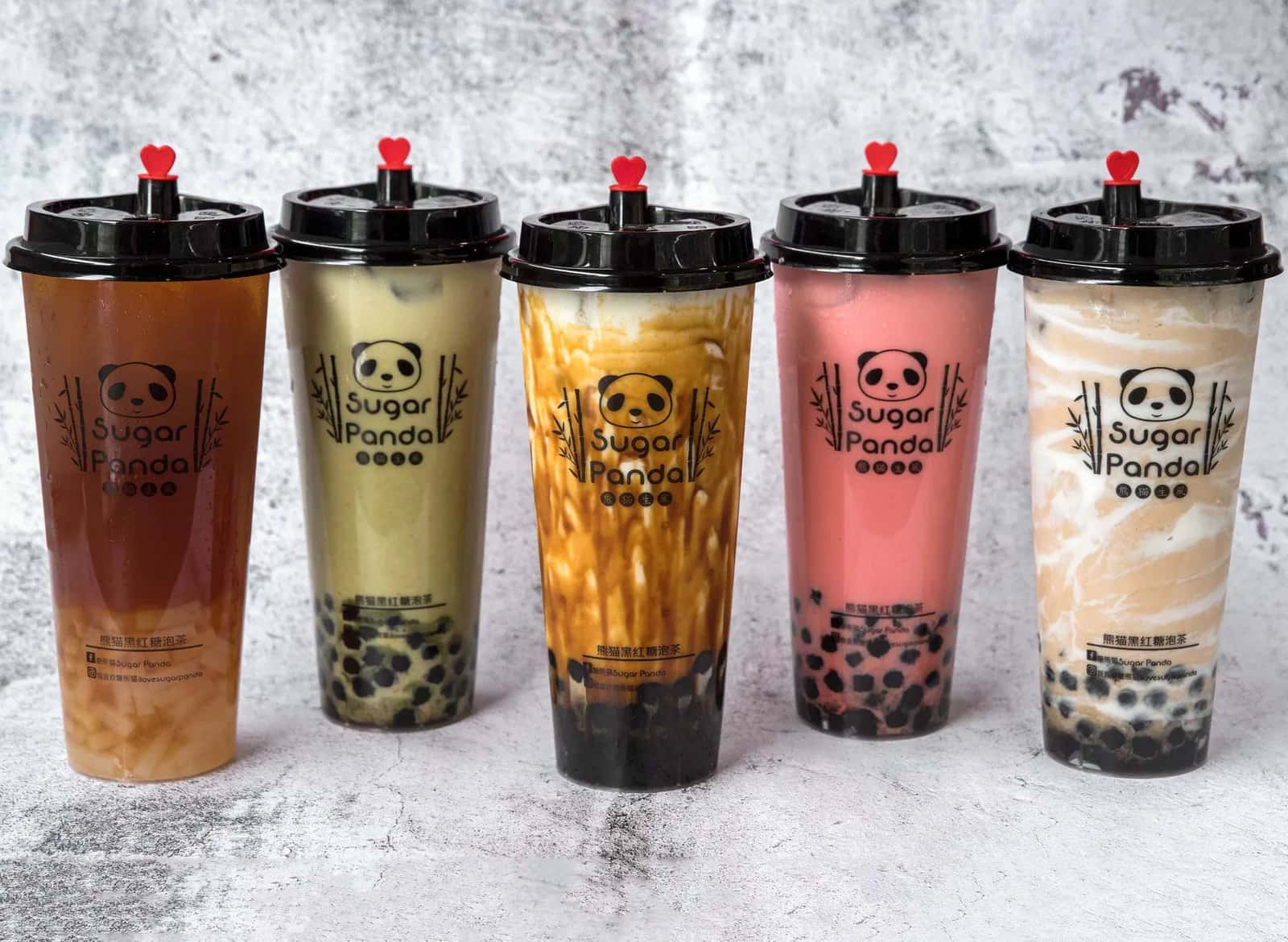
Sugar Panda
Milk Tea & Boba
- Franchise fee
- ₱180k
- Total investment
- ₱385k–₱680k
🎁 Start Your 1 Month Free Trial of the Full Plan, Exclusively for Brands & Advisors.Get Started
Browse 6 coffee & milk tea franchises up to ₱700k, with investments from ₱650k to ₱700k, franchise fees mostly between ₱150k and ₱240k, and most paying back in 12 to 18 months.
Updated
Milk Tea & Boba

Milk Tea & Boba

Milk Tea & Boba
Milk Tea & Boba
Milk Tea & Boba
Coffee Shop
By the time a coffee or milk tea budget reaches ₱700,000, the category leans as hard toward the inline store as it does toward anything mobile. Total setup spans ₱299,000 to the full ₱700,000, and the license runs ₱150,000 to ₱300,000. Payback claims hold between a year and a year and a half. The drink itself has not changed from the cheapest budgets; what changes is how much of the business is built for permanence rather than mobility. That shift is worth understanding on its own terms before comparing this budget against anything cheaper or more expensive in the same category.
A customer ordering at the counter does not know or care what the franchise cost to set up. They only care that the queue moves and the drink tastes the way it did last time. That is true whether the setup behind the counter cost ₱300,000 or ₱700,000, which is worth remembering before assuming a higher price automatically shows up in the cup. What the extra spend at this level buys is capacity to handle a busier stretch of the day, not a fundamentally different product. The inline store format, with room for a counter and some seating, appears on the vast majority of price lists at this budget, alongside the kiosk every brand still offers. Fewer walk-away customers during a busy hour, rather than a larger customer base overall, tends to be the actual return on that extra capacity.
₱299,000 marks the bottom of what this budget costs to set up, and ₱700,000 marks the top. The license fee follows a similarly wide path, ₱150,000 to ₱300,000, reflecting that a number of these brands carry more recognition and charge accordingly. Recognition alone is not the same as quality, so it is worth asking what that fee funds beyond a name a customer might already know. Claimed payback sits between a year and a year and a half, longer than the cart-only budgets well below it. A buyer should treat that longer window as the price of a more durable business, not as a sign the investment performs worse. Fast payback and durability tend to trade off against each other across this category. Chasing one usually means giving up some of the other.
A business financed at this level usually opens with more fixed costs already committed: rent on a proper counter space, a bigger initial stock order, possibly a small staff from day one. The first months matter less for finding the right format and more for proving the site was worth the extra spend. Someone coming from a cheaper budget should expect the daily routine to look less like running a cart and more like managing a small retail counter, with the inventory, staffing, and cash handling that come with it. Budgeting time to learn those habits matters as much as budgeting money for the site itself. Margins in the first year usually trail behind expectations, since a bigger site with more seating also carries more fixed cost sitting there whether a shift is busy or slow. Growth beyond the first year tends to come from squeezing more turns out of the same seats during peak hours, not from raising prices, since the drink itself stays priced close to what the cheaper budgets already charge. An owner who reaches the claimed payback with the site running well is usually looking at a second location next. That second build tends to be funded largely by what the first one has already banked, rather than a bigger build in the same spot.
A food cart still shows up on most price lists at this budget, alongside an inline store and the kiosk every brand offers, so a buyer here is rarely locked into one shape of business by the fee alone. Choosing the cart or kiosk version despite having the budget for the inline store keeps more money in reserve rather than committed to a fixed build. Choosing the inline store commits the budget more fully to one site for longer. Either choice is defensible, but making it deliberately beats defaulting to the biggest format the budget technically allows. A site with heavy foot traffic and nowhere to add seating rarely earns back the cost of the inline store version, no matter how appealing it looks on paper.
Now that you've seen what's here, a real advisor can help you shortlist and weigh the options against your budget. Free, at your pace.

Financing Readiness · Site Selection

Low-Capital Startups · Site Selection

Franchise Agreements · Multi-Unit Expansion

Low-Capital Startups
Are you a franchise advisor?Get your own workspace here
Choose a kind of coffee & milk tea business and see only its franchises up to ₱700k, with their fees and investment ranges.
Get honest answers on fees, payback and the best setups for your area, free and with no pressure.
Thinking ahead, six coffee & milk tea franchises sit between ₱600k and ₱700k, the group ₱700k lets you choose from. Because the group is broad, narrow it by looking at what each package includes. Ask every franchisor for an itemized list and compare equipment, stock and training line by line. The options that include the most for the same price give you the strongest start, while those that leave out basics should move down. Keep notes so you can compare the lists fairly.
Most first-time owners raise ₱700k for a coffee & milk tea franchise by combining personal savings with one outside source, such as a family partner or a small loan. Mixing sources keeps any single lender or relative from carrying the whole weight, which makes repayment easier to manage once the store opens. Before choosing, write down how much you already have and how much is still missing, because that gap tells you whether you need a loan at all or just a few more months of disciplined saving.
Beyond the equipment, training and starting inventory that ₱700k commonly buys, a big share of the value is invisible, namely the franchise system. Recipes, step by step procedures, approved suppliers and quality standards all come with the franchise fee. Have the franchisor describe this know how in detail, then decide how much it is worth to you next to the machines and stock you can see and touch.
Hidden extras can sit behind a franchise fee of ₱150k to ₱240k, a common range for coffee & milk tea franchises at ₱700k. Ask the franchisor to list every payment due before opening, including deposits, training charges and package items, and mark which ones are part of the fee. Anything not part of the fee is on top, so add it to your total. A short written list prevents surprises and shows how open the franchisor is about cost.
The quote alone will not tell you, because ₱700k also has to cover everything the quote omits. Some of the six coffee & milk tea franchises that quote an investment between ₱600k and ₱700k leave out the deposit, permits, renovation, stock and working capital. Ask for a written list of inclusions, then price each omitted item yourself. The adjusted total shows whether your budget is enough.
Rent increases over the life of your lease are a future cost to plan for alongside ₱700k. Many commercial leases raise rent each year or at renewal, and a figure that works today may squeeze your margin later. Ask the landlord exactly how the escalation works, and test your budget at the higher rent to see whether the business still makes sense at that level.
Franchisors generally quote 12 to 18 months as the payback period for a ₱700k coffee & milk tea franchise. It helps to ask where that number came from, since a timeline based on the newest outlets can differ a lot from one based on outlets that have been open for years. Request a sample profit and loss statement from a real outlet, and compare its monthly profit with the figure in the sales pitch.
A ₱700k coffee & milk tea franchise can be a good first choice, and an encouraging sign is a franchisor who is open about costs and asks you questions too. Careful franchisors screen applicants because a struggling outlet hurts the whole network. If you are being rushed to pay a reservation fee before seeing the agreement, slow down. Request the full documents, read them at home, and decide on your own schedule.
Daily rhythm differs among kiosks with 6 franchises, food carts with 5 and inline stores with 5, the coffee & milk tea setups at ₱700k. Some formats have a long prep period before customers arrive and a long cleanup after they leave, so your actual working day is longer than opening hours suggest. Ask current operators to describe a full day from first task to last, then count those hours honestly against the time you and your helpers can commit each week.
Compare how many coffee & milk tea franchises start at each budget level, from the smallest packages up.
Coffee & Milk Tea franchises priced close to your budget, worth a look if you can stretch your savings or want to spend less.
Milk Tea & Boba
Milk Tea & Boba
Milk Tea & Boba
Milk Tea & Boba
Milk Tea & Boba
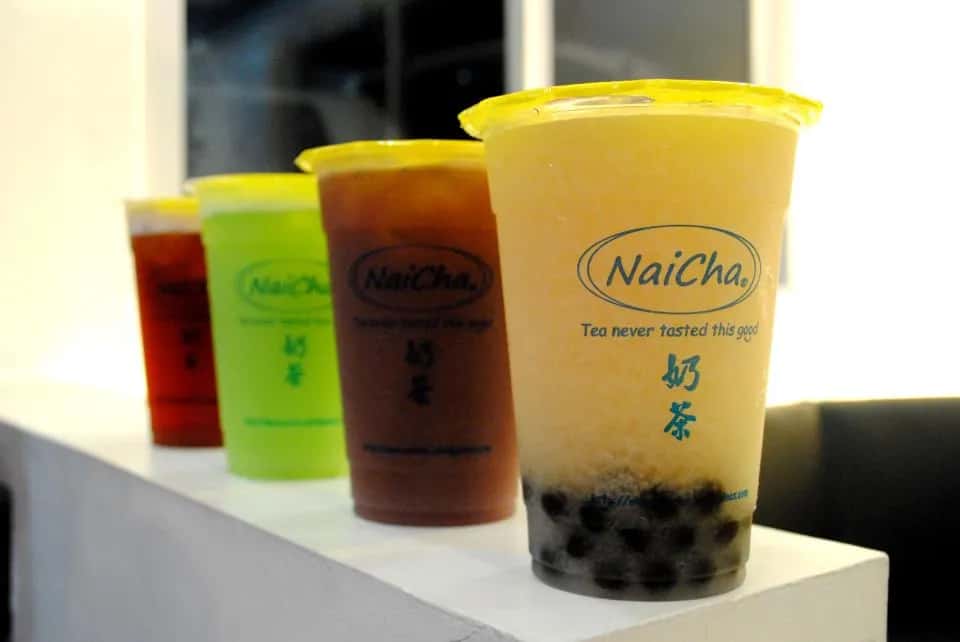
Milk Tea & Boba
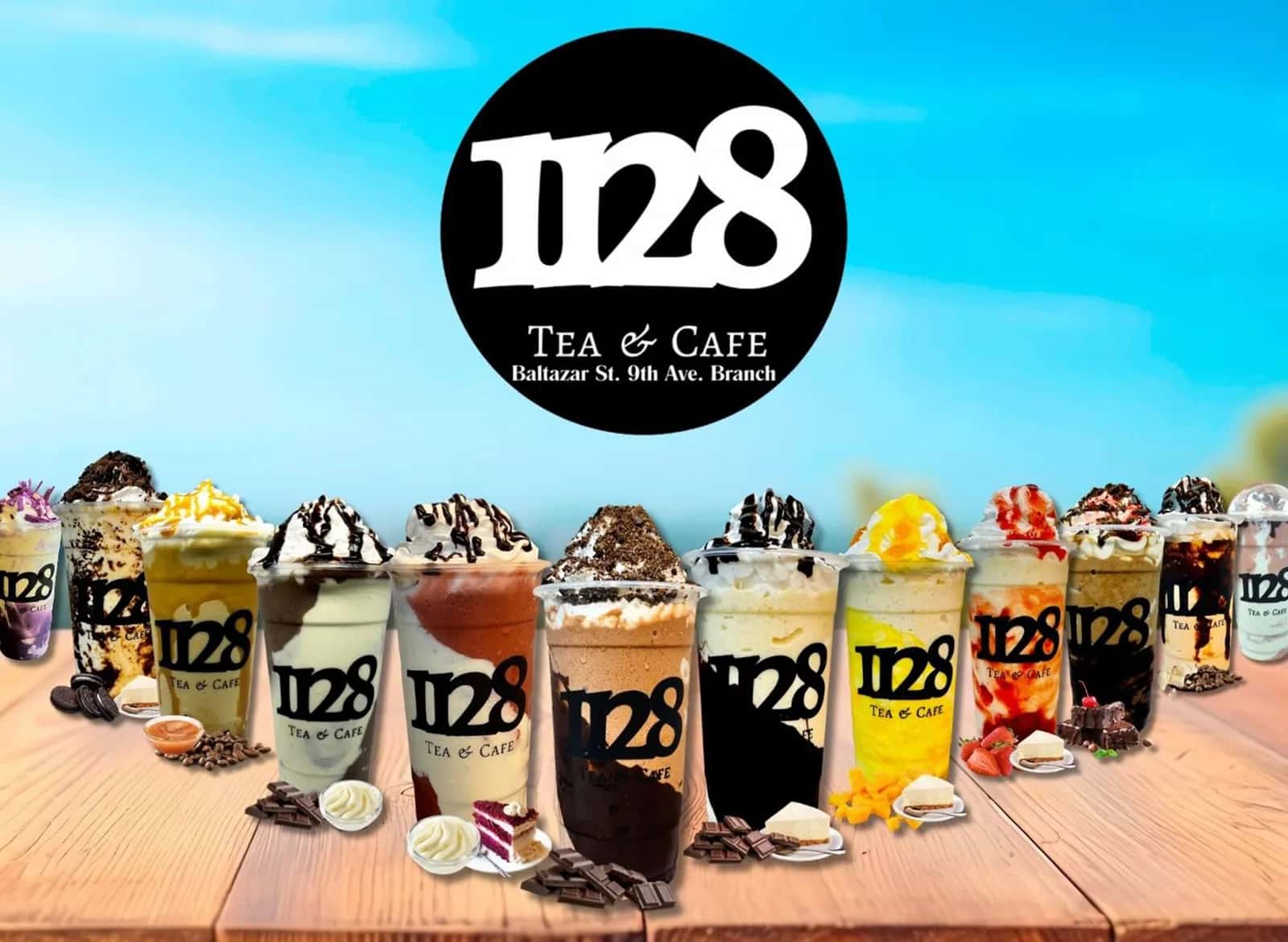
Milk Tea & Boba
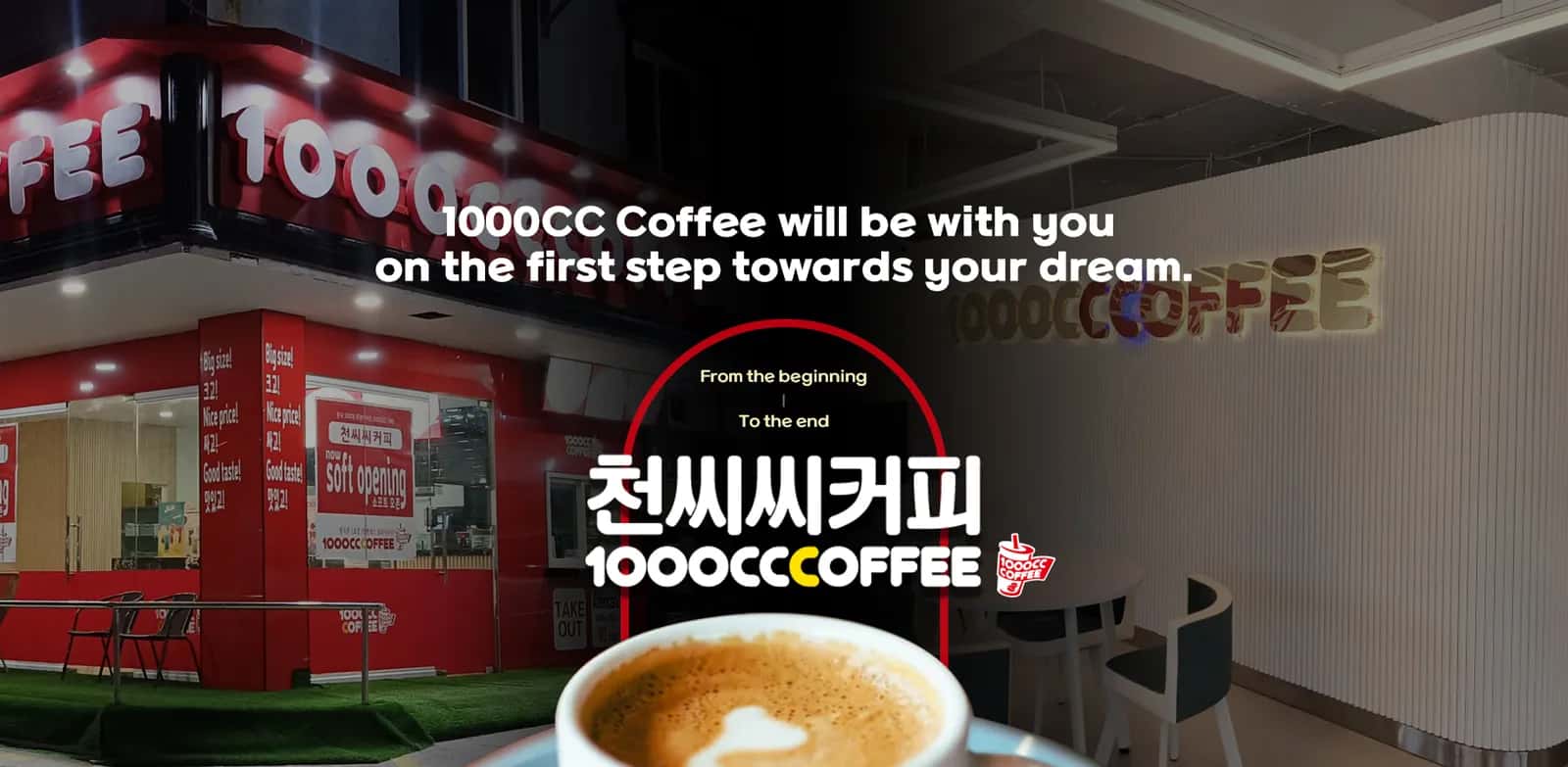
Coffee Shop
Compare coffee & milk tea franchises with other industries at the same budget, each with its own brands, fees and investment ranges.
Compare industries by budget, daily work and payback before you choose one, free and with no pressure.

Learn practical inventory control steps for your Philippine franchise to cut waste, prevent loss, and protect your capital.
Aug 14, 2026 6 min read
Learn how non-compete clauses work when exiting a franchise agreement in the Philippines, protecting your investment after closing.
Jul 20, 2026 5 min read

Learn how to secure financing for your Philippine franchise, from preparation to approval. A practical guide for new operators and OFWs.
Jul 20, 2026 5 min read