Javaman
Coffee Shop
- Franchise fee
- ₱150k
- Total investment
- ₱400k–₱700k
🎁 Start Your 1 Month Free Trial of the Full Plan, Exclusively for Brands & Advisors.Get Started
Browse a coffee shop franchise up to ₱700k, with an investment of about ₱700k, a franchise fee of about ₱150k, and paying back in about 18 months.
Updated
At ₱700,000, a coffee shop franchise in this category still lands on the lower half of the industry's range, with the fee itself fixed at around ₱150,000 regardless of which format is chosen. The rest of the budget, running from about ₱400,000 to the full ₱700,000, covers the build and the first months of trading. A kiosk or a food cart is the format on offer at this level, and payback typically runs close to a year and a half.
At this level, the format on offer covers both a kiosk and a food cart, so the choice comes down to which fits the site rather than which the budget allows. A kiosk asks for a fixed spot with steady walk-by traffic, held on a lease long enough to build a following before the fee and fit-out spend is recovered. A food cart trades that fixed address for the ability to move toward wherever people already gather that week, a market day, an event, a busy corner on other days. The fee inside this budget does not change with the format chosen, so the decision is less about cost and more about how the owner wants to operate day to day. Someone who prefers a set routine and can commit to one location for the long run tends toward the kiosk. Someone who wants flexibility, or is testing a location before deciding whether to anchor there, tends toward the cart. The build cost sits inside this budget either way, but rent for a kiosk against fuel and mobility for a cart diverge once the doors actually open.
The total for a coffee shop at this level runs from around ₱400,000 up to ₱700,000, with the franchise fee fixed at roughly ₱150,000 no matter which format ends up chosen. That leaves the remaining spread to cover the equipment, counter build, signage, and first stock that actually get the shop open on day one. First-time owners often forget that the fee and fit-out figures are not the whole budget. A deposit on the site, a permit and licensing run, and enough cash to cover payroll and rent before the first steady month of sales all sit outside those headline numbers. Someone budgeting exactly to the top of this range, with nothing held back, is one slow month away from a cash problem. A more realistic plan treats the published figure as the fit-out cost and sets aside a separate cushion, worth several months of rent and wages, before signing anything. That cushion is what actually determines whether the first year survives a slow start, more than the format or the site chosen.
This level suits someone who already has capital saved and wants a coffee shop rather than a lighter trial format. The fee is fixed here and does not scale down for a smaller setup. It fits a first-time franchisee who can commit fully through the run-up to payback, roughly a year and a half, without needing the business to produce income right away. It also fits someone who already has a strong site in mind. The format choice is wide enough, kiosk or cart, to work with an available spot rather than demanding one specific kind of location. It suits less well someone who wants to test the category on a shoestring, since the fee here does not flex. It also suits less well someone who needs the shop to turn a profit within a few months to cover other obligations, given how long the payback timeline runs. Matching the timeline and the fixed fee against personal finances, rather than against the shop's potential, is what actually decides whether this budget fits.
Before approaching any brand at this level, having the full ₱700,000 in hand, not just the ₱150,000 fee, avoids underestimating what actually gets spent before opening day. Local permits, a signed lease with move-in-ready terms, and a supplier or two lined up for beans, milk, and packaging shorten the runway between signing and opening. That runway matters since the fee alone does not include time. Staffing at this scale usually means a part-time hire beyond the owner during the ramp-up months, moving to a small full-time team once the shop settles into a routine. Setting aside working capital equal to several months of rent and payroll, on top of the build cost, is what turns the fixed fee into an actual operating plan. It is more than just a number paid to start. Someone who arrives at a conversation with a brand already knowing the total cash needed, not just the entry figure, tends to come away with a clearer picture of what is included before any money changes hands.
Now that you've seen what's here, a real advisor can help you shortlist and weigh the options against your budget. Free, at your pace.

Financing Readiness · Site Selection

Franchise Agreements · Multi-Unit Expansion

Low-Capital Startups

Low-Capital Startups · Site Selection
Are you a franchise advisor?Get your own workspace here
Compare coffee shop franchises with other coffee & milk tea businesses up to ₱700k, each with its own brands, fees and investment ranges.
Get honest answers on fees, payback and the best setups for your area, free and with no pressure.
For a coffee shop franchise at ₱700k, the options on record are food carts with 1 franchise and kiosks with 1, all with investments between ₱600k and ₱700k. The right pick depends less on the price tag and more on the space you can actually rent and how many people walk past it each day. Before you commit, ask the franchisor for a written list of what each package includes, from equipment to opening stock, so you can compare setups on equal terms.
Banks do lend for franchises, and a loan can cover part of the ₱700k you need for a coffee shop franchise if you can show steady income and a clear plan. Lenders usually want proof of earnings, valid IDs, and some sense of how the business will pay them back. Visit a few banks with your payslips or income records ready, and ask each one which loan product suits a first franchise and how long approval usually takes.
In most offers priced between ₱600k and ₱700k, you are paying for a bundle that may include the franchise fee, equipment, initial inventory, training and signage. The bundle saves you from sourcing items separately, yet it also means you should check that each item is priced fairly. Try asking a local supplier what similar equipment would cost on its own, so you have a reference point when judging the package.
Franchisors sometimes require upgrades over time, which means costs beyond ₱700k can appear years into the business. New equipment, store redesigns or updated systems may be mandatory to keep your franchise in good standing. Ask the franchisor how often they require renovations or upgrades and who pays for them, and look for this in the agreement before you commit, so a required makeover never arrives as a surprise.
Yes, it may suit you, provided you treat the investment, which sits between ₱600k and ₱700k, as the start of your spending and not the whole of it. Many new owners underestimate the cash needed to keep the doors open while sales build up. Set aside working capital for rent, salaries and supplies in a separate account. If you cannot fund both the package and that cushion, it is wiser to keep saving a little longer.
Compare how many coffee shop franchises start at each budget level, from the smallest packages up.
Coffee Shop franchises priced close to your budget, worth a look if you can stretch your savings or want to spend less.

Coffee Shop

Coffee Shop
Coffee Shop
Coffee Shop

Coffee Shop
Coffee Shop
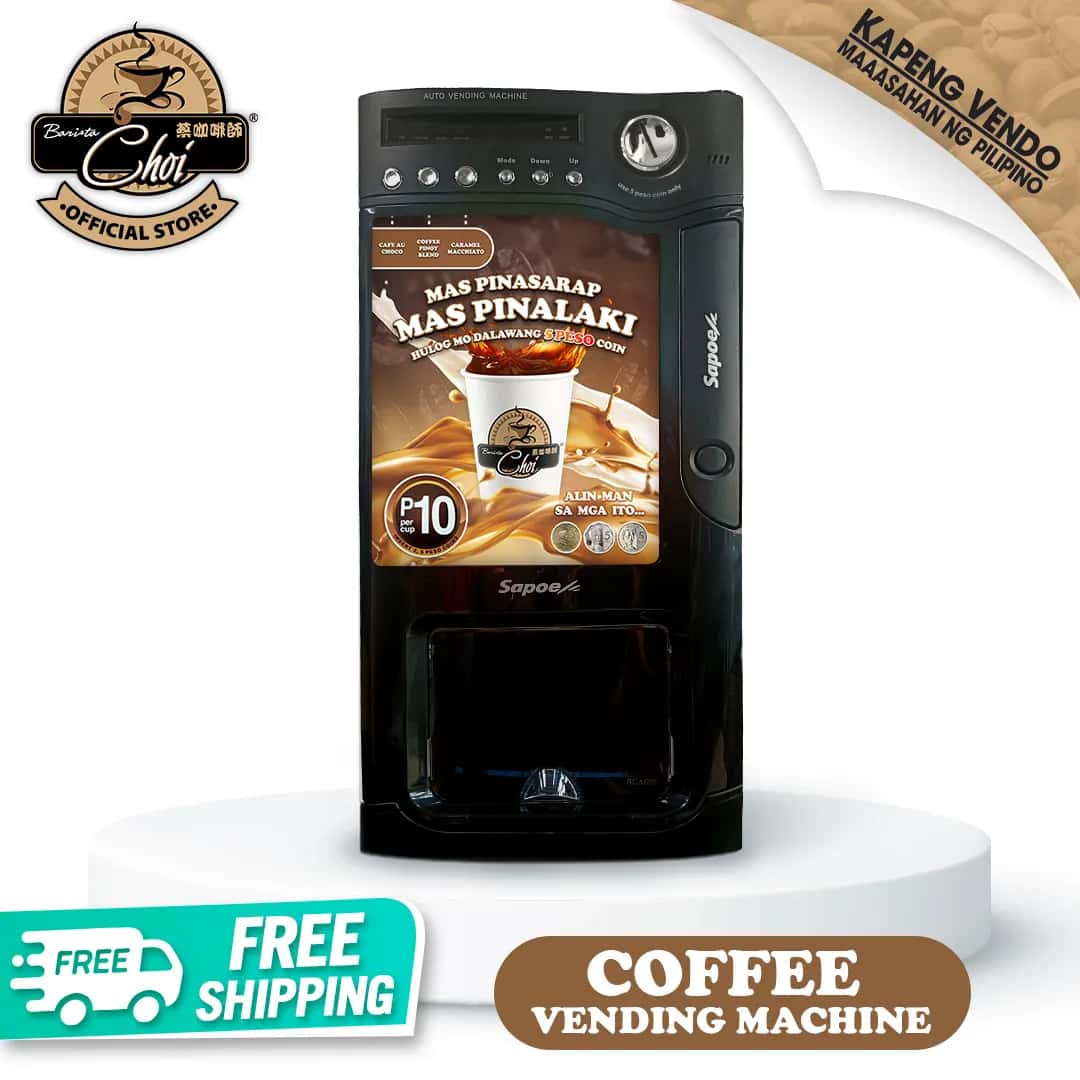
Coffee Shop

Coffee Shop
Compare coffee shop franchises with other industries at the same budget, each with its own brands, fees and investment ranges.
Compare industries by budget, daily work and payback before you choose one, free and with no pressure.

Learn practical inventory control steps for your Philippine franchise to cut waste, prevent loss, and protect your capital.
Aug 14, 2026 6 min read
Learn how non-compete clauses work when exiting a franchise agreement in the Philippines, protecting your investment after closing.
Jul 20, 2026 5 min read

Learn how to secure financing for your Philippine franchise, from preparation to approval. A practical guide for new operators and OFWs.
Jul 20, 2026 5 min read