Kwatogs
Filipino Restaurant
- Franchise fee
- Not disclosed
- Total investment
- From ₱700k
🎁 Start Your 1 Month Free Trial of the Full Plan, Exclusively for Brands & Advisors.Get Started
Browse 18 franchises up to ₱700k, with investments from ₱650k to ₱700k, franchise fees mostly between ₱125k and ₱300k, and most paying back in 12 to 18 months.
Updated
Filipino Restaurant
Takoyaki & Japanese Snacks

Ice Cream & Desserts

Juices & Shakes
Ice Cream & Desserts
Fries & Potato Snacks

Chicken & BBQ
Juices & Shakes

Ice Cream & Desserts
Tutorial & Review Center

Milk Tea & Boba

Milk Tea & Boba
Water Refilling

Milk Tea & Boba
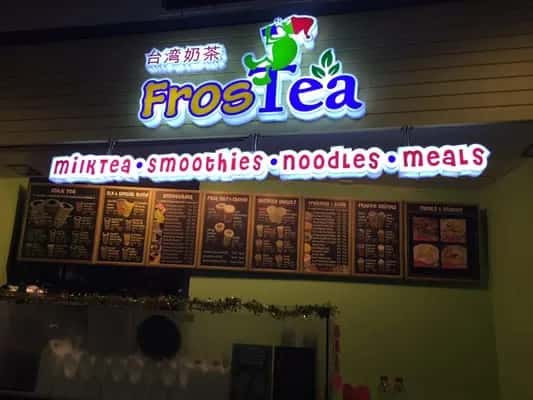
Milk Tea & Boba

Juices & Shakes

Milk Tea & Boba
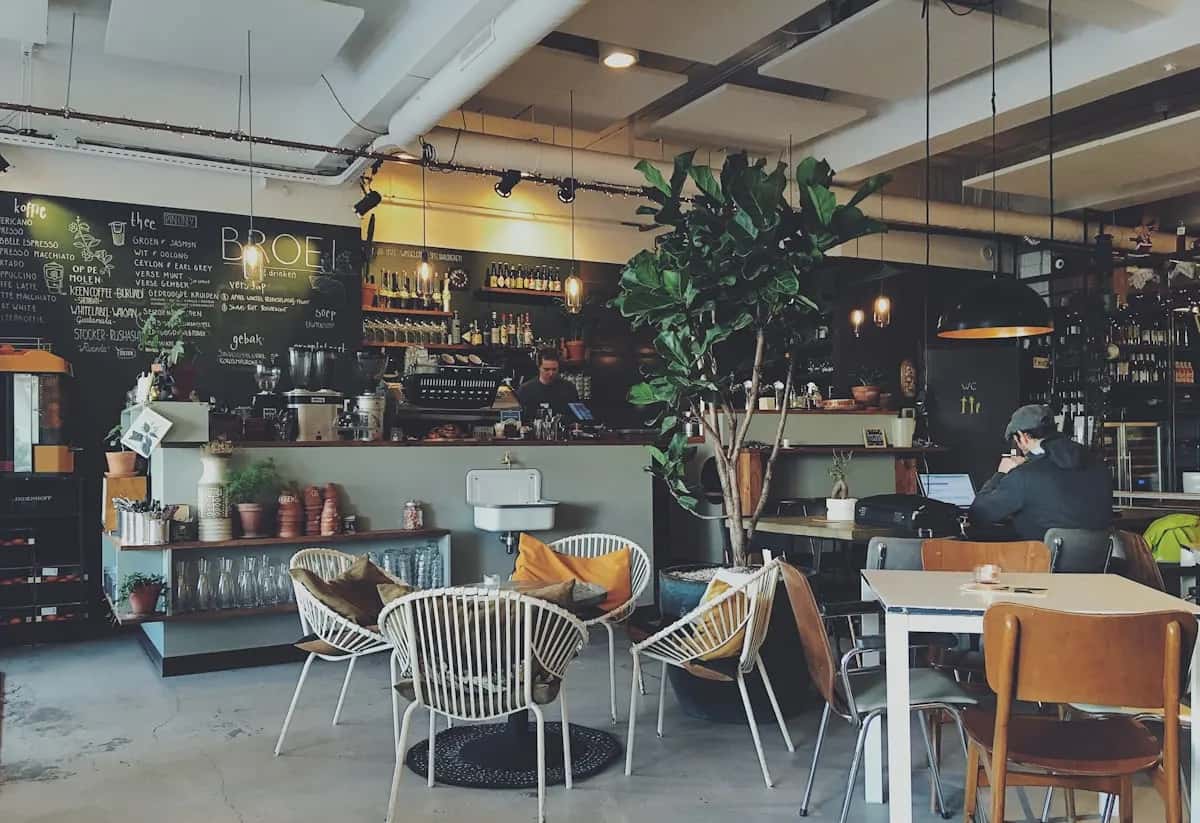
Coffee Shop
At ₱700,000 the lineup thins out compared with the budgets just below it, but what remains leans toward fuller setups instead of the bare carts that dominate cheaper budgets. Entry starts around ₱95,000 and climbs to the full ₱700,000, and an inline store becomes a realistic first choice here rather than an upgrade to save toward.
Most of what sits in this budget still comes as a kiosk or a food cart. An inline store now appears in a large majority of the lineup though, a far bigger share than the cheaper budgets carry. A standalone shop remains rare at this price. This budget reads as the point where counter selling starts giving way to a proper small storefront, rather than a straight jump to a destination business with seating and a dining area attached. Whoever runs it still has to earn repeat visits the same way a smaller cart would, just with more square footage riding on the outcome. Someone coming from a cheaper budget should expect the shopping process itself to change here, since weighing an inline store against a cart means comparing a lease and a fit-out, not just two numbers on a brochure. Budget extra time for that comparison too, since a lease negotiation can drag on far longer than simply picking a cart model off a list.
Entry runs from about ₱95,000 up to the full ₱700,000, wide enough that packages carrying the same nominal budget label can differ sharply in what they include. Franchise fees run from nothing, where the brand earns on ongoing goods instead, up to roughly ₱324,000. Payback sits between about a year and two years across this budget, longer than the fastest paybacks lower budgets can claim, but broadly in line with the extra build-out this higher price range buys. The gap between the cheapest and priciest packages here is wide enough to treat it as a range worth shopping within, not a single fixed amount to spend in full. Packages carrying this same nominal budget can differ sharply from each other in what they actually include, so compare the full spread before settling on one. A buyer who only checks the ₱700,000 top end risks missing a fuller setup sitting closer to the cheaper end of the same budget.
Because an inline store shows up so often at this budget, look closely at what the lease actually covers. Fit-out cost, common area charges, and the length of the term matter far more once the format has real square footage than they ever do for a cart on a sidewalk. The longer payback window at this level also means a slow first few months matters less on its own. What matters is whether the site can sustain a full year of the traffic the projection assumes, since a proper storefront carries fixed costs a cart never has to absorb. Ask directly what happens to any fit-out investment if the lease is not renewed, since a storefront's value is tied to that specific site in a way a cart's value never is.
The extra money at this level goes toward more than a bigger number on the contract. It buys the shift from a cart to an inline store, which changes the daily operating reality far more than it changes the underlying business itself. The narrower field of choices at this price also means less room to shop around on concept alone. Weigh a site's lease terms and its traffic pattern as heavily as the concept itself, since a weak site at this budget will still underperform a strong one, regardless of which format it carries. Spend the extra time on the lease and the traffic count before spending it comparing brand logos. That shift also changes what a first-timer needs ready before signing anything. An inline store generally needs at least two people on a working shift rather than one, plus a deposit worth a few months of rent and common area charges that a cart never has to pay. Working capital has to stretch further too, enough stock and payroll to survive a slow opening month while the site builds a regular customer base. Renewal terms are worth reading early rather than at the end of the lease, since a store built around one address loses most of its value if that lease is not renewed on workable terms. Budgeting for those extras alongside the fee keeps this budget's higher cost from turning into a cash squeeze in the first year.
Now that you've seen what's here, a real advisor can help you shortlist and weigh the options against your budget. Free, at your pace.

Financing Readiness · Site Selection

Franchise Agreements · Multi-Unit Expansion

Low-Capital Startups · Site Selection

Low-Capital Startups
Are you a franchise advisor?Get your own workspace here
Choose an industry to see only its franchises up to ₱700k, with their fees and investment ranges.
Get honest answers on what this budget really covers, fees and payback, free and with no pressure.
All told, the ₱700k group has 18 franchises, each with an investment between ₱600k and ₱700k. Not every one of them will feel right when you read it, and that reaction is useful information. Note which listings you keep returning to and which you skip without thinking. Your own pull toward a product is a fair way to cut a long list, because you will be talking about it with customers for years.
A budget of ₱700k is a reasonable place to start your search, and you will find packages that fall between ₱600k and ₱700k. The part people often skip is checking whether the price includes the first delivery of supplies or ingredients, which every outlet needs before opening. Ask the franchisor what your opening inventory costs and whether you must buy it from them, since this affects both your startup budget and your ongoing expenses.
Most choice at ₱700k lives in food & beverage, with the totals at food & beverage with 10 franchises, coffee & milk tea with 6 and education & tutoring with 1. If you have a specific skill like baking, cutting hair or bookkeeping, check whether an industry on the list values that skill, because it can shorten your learning curve. Ask the franchisor whether owners with prior experience get different training, and whether your skill would be put to use or replaced by their system.
Family input helps you narrow kiosks with 15 franchises, food carts with 14 and inline stores with 13 at ₱700k, where packages are priced between ₱600k and ₱700k. Sit down with the people who will be affected, show them the shortlisted formats, and ask which ones they could support. A setup that suits your budget but strains your household time will not last, so let the setups that everyone can live with rise to the top.
The fee range for ₱700k franchises is usually between ₱600k and ₱700k. Think of that figure as the price of a ready system, which only has value if the system is actually good. Ask how the franchisor supports owners after opening, such as field visits, refresher training or help with problems, and how quickly they respond when something goes wrong in the middle of a busy day.
Most franchisors at the ₱700k level will quote you a payback estimate, but the real speed depends on how much profit your own outlet keeps each month. A package priced between ₱600k and ₱700k only earns back its cost once sales cover rent, wages, supplies and royalties with something left over. The most honest check is to call or visit franchisees already operating and ask how long it actually took them to recover what they spent.
Hopeful franchisees from any province can consider the nine franchises costing between ₱600k and ₱700k that accept applicants nationwide. A franchise that is open to everyone may still be selective about who it approves, so prepare to explain your plans clearly. Write a short note about your chosen area, your budget and who will run the outlet, and send it along with your first inquiry.
A contingency fund is the honest answer to the costs nobody can list in advance. Equipment fails, a landlord changes terms, or a slow season arrives earlier than planned. Owners who keep a separate reserve can ride these out, while owners who spent everything on a ₱700k package often cannot. Decide on a reserve before you buy, and treat it as untouchable except for real emergencies, not for routine expenses.
Once you have narrowed your options to a few franchises priced between ₱600k and ₱700k, the ₱700k decision becomes easier to make. Compare them on support, total cost, contract terms and how well they fit your area. Then trust the option that performs well across all those areas rather than the one with the flashiest presentation. A steady, well-supported franchise is usually the safest start for someone new to business.
Rather than raising ₱700k all at once, it helps to split the amount into stages tied to what you need first. The franchise fee and reservation usually come before equipment, stock and renovation, which come before your opening day working capital. Ask the franchisor for a payment schedule, then plan which source covers each stage, so you are never scrambling for the whole sum at one time.
Compare how many franchises start at each budget level, from the smallest packages up.
Search your city or province, or browse by region to see the ₱700k franchises available there.
16 cities · Quezon City, Manila, Muntinlupa
Metro Manila franchises →5 provinces · 22 cities · Cabuyao, Bacoor, Dasmariñas
Calabarzon franchises →5 provinces · 4 cities · Tuguegarao, Cauayan, Ilagan
Cagayan Valley franchises →7 provinces · 15 cities · Malolos, Tarlac City, Baliwag
Central Luzon franchises →6 provinces · 2 cities · Baguio, Tabuk
Cordillera Administrative Region franchises →4 provinces · 9 cities · San Fernando, Batac, Laoag
Ilocos Region franchises →5 provinces · 2 cities · Calapan, Puerto Princesa
Mimaropa franchises →6 provinces · 7 cities · Legazpi, Ligao, Tabaco
Bicol Region franchises →5 provinces · 3 cities · Iloilo City, Passi, Roxas
Western Visayas franchises →3 provinces · 19 cities · Bacolod, Bago, Cadiz
Negros Island Region franchises →6 provinces · 7 cities · Borongan, Baybay, Ormoc
Eastern Visayas franchises →5 provinces · 6 cities · Tagum, Davao City, Panabo
Davao Region franchises →5 provinces · 9 cities · Cagayan de Oro, El Salvador, Gingoog
Northern Mindanao franchises →3 provinces · 4 cities · Dapitan, Dipolog, Pagadian
Zamboanga Peninsula franchises →4 provinces · 4 cities · Kidapawan, General Santos, Koronadal
Soccsksargen franchises →5 provinces · 6 cities · Butuan, Cabadbaran, Bayugan
Caraga franchises →6 provinces · 4 cities · Isabela City, Lamitan, Marawi
Bangsamoro (BARMM) franchises →Franchises at the next budget level, ₱800k, worth a look if you can stretch your savings a little.
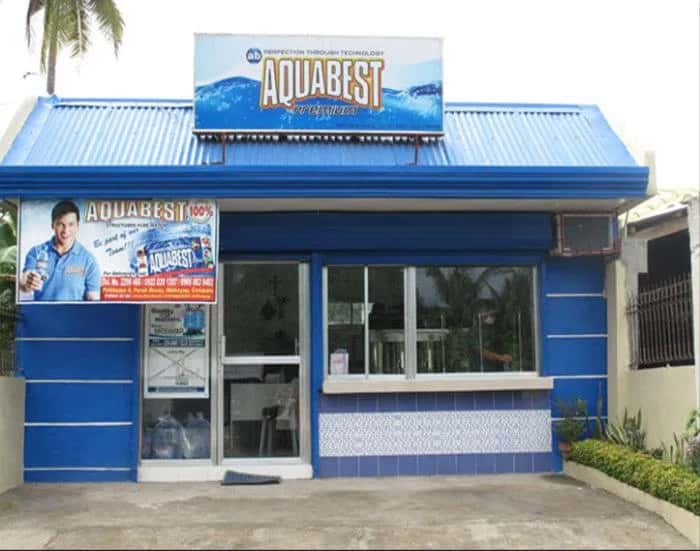
Water Refilling

Burgers
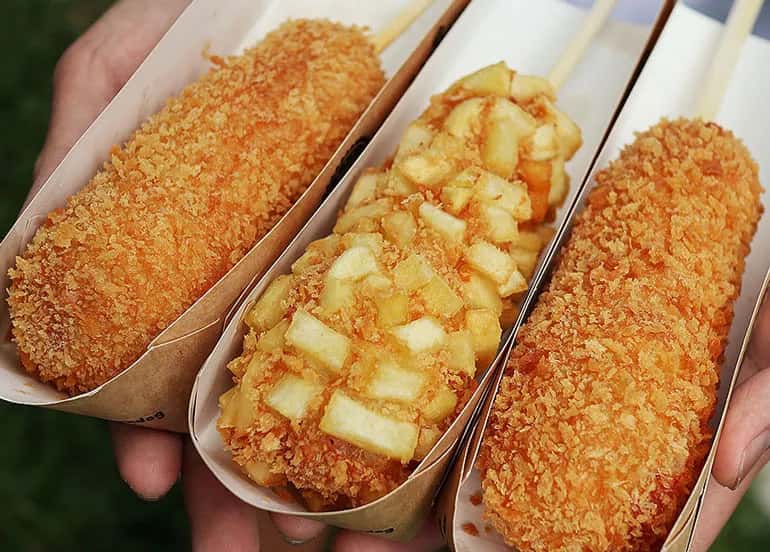
Korean Street Food
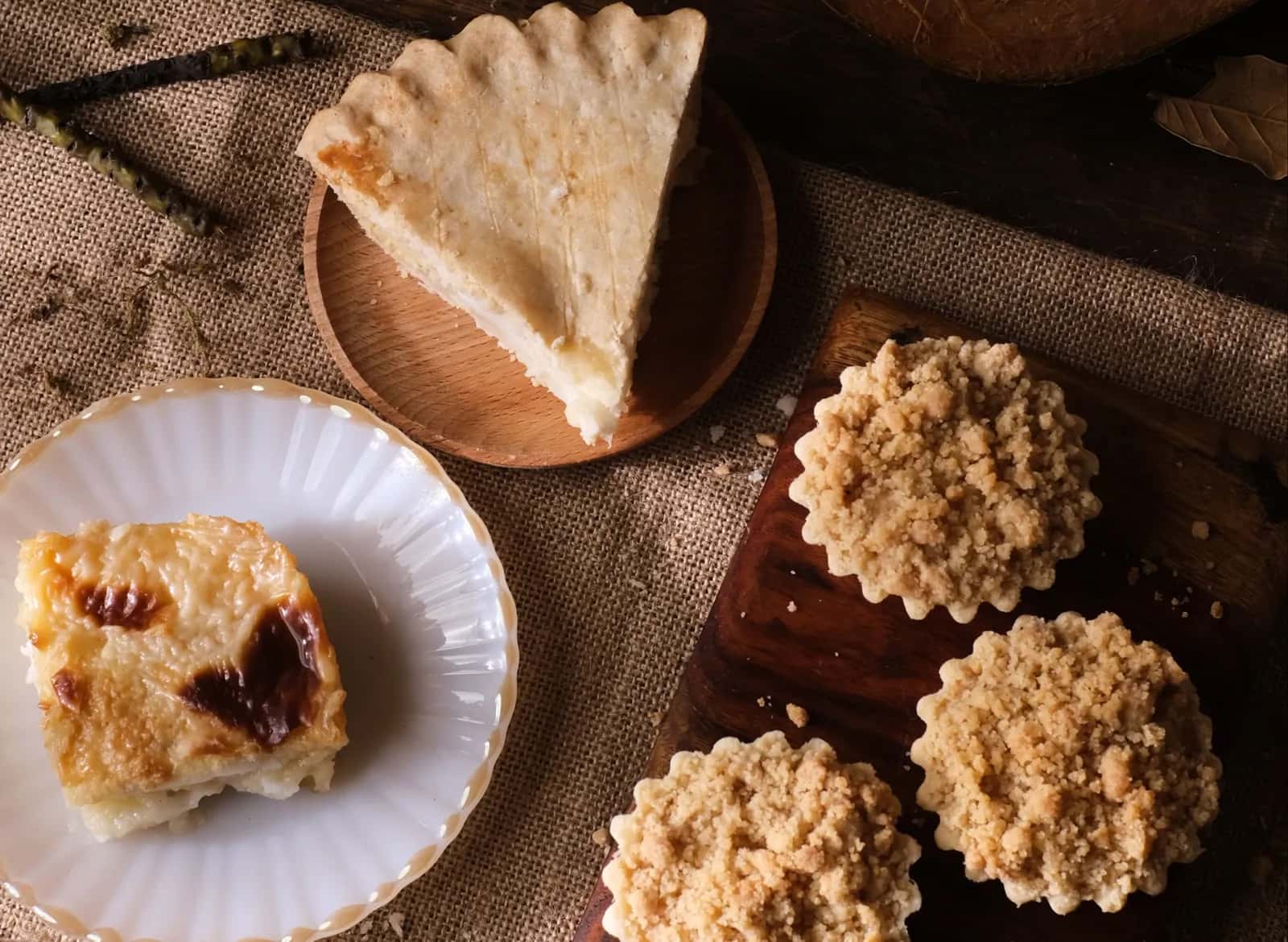
Bakery & Pastry

Cleaning & Pest Control
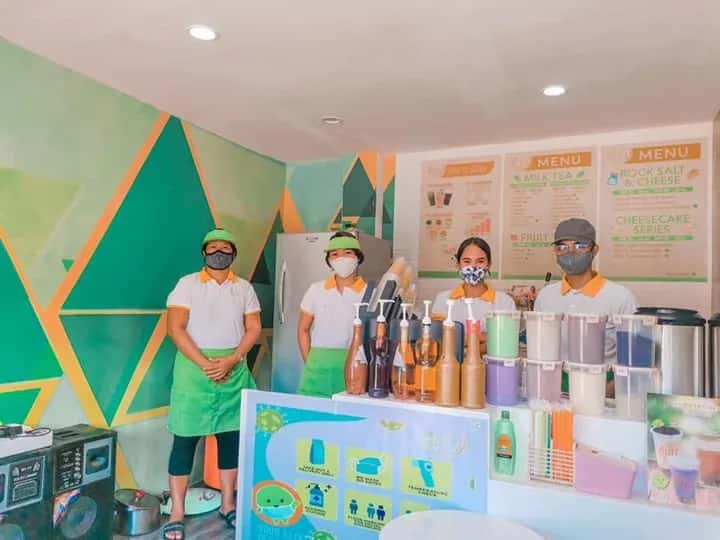
Milk Tea & Boba
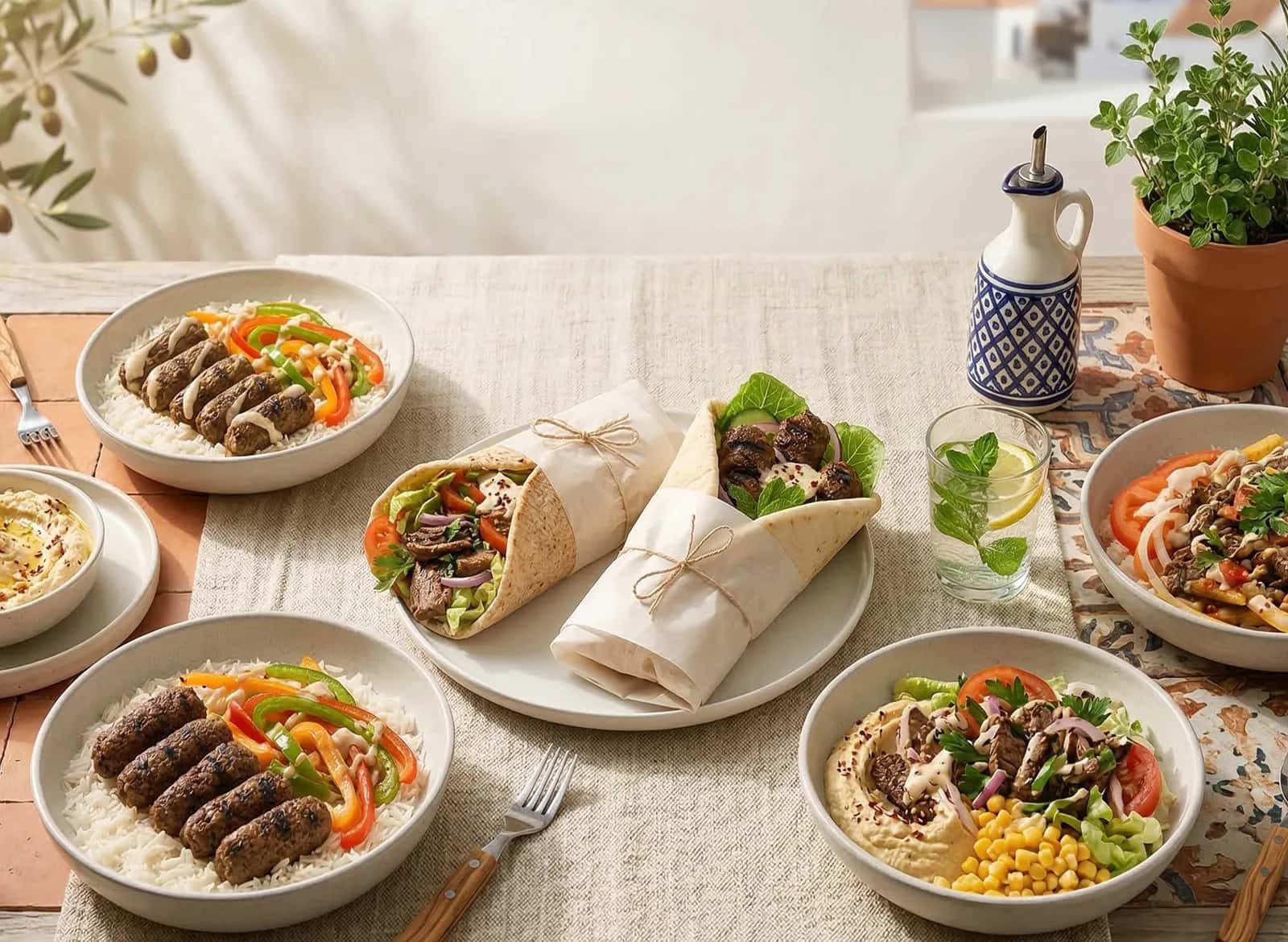
Shawarma

Siomai & Dimsum

Learn practical inventory control steps for your Philippine franchise to cut waste, prevent loss, and protect your capital.
Aug 14, 2026 6 min read
Learn how non-compete clauses work when exiting a franchise agreement in the Philippines, protecting your investment after closing.
Jul 20, 2026 5 min read

Learn how to secure financing for your Philippine franchise, from preparation to approval. A practical guide for new operators and OFWs.
Jul 20, 2026 5 min read