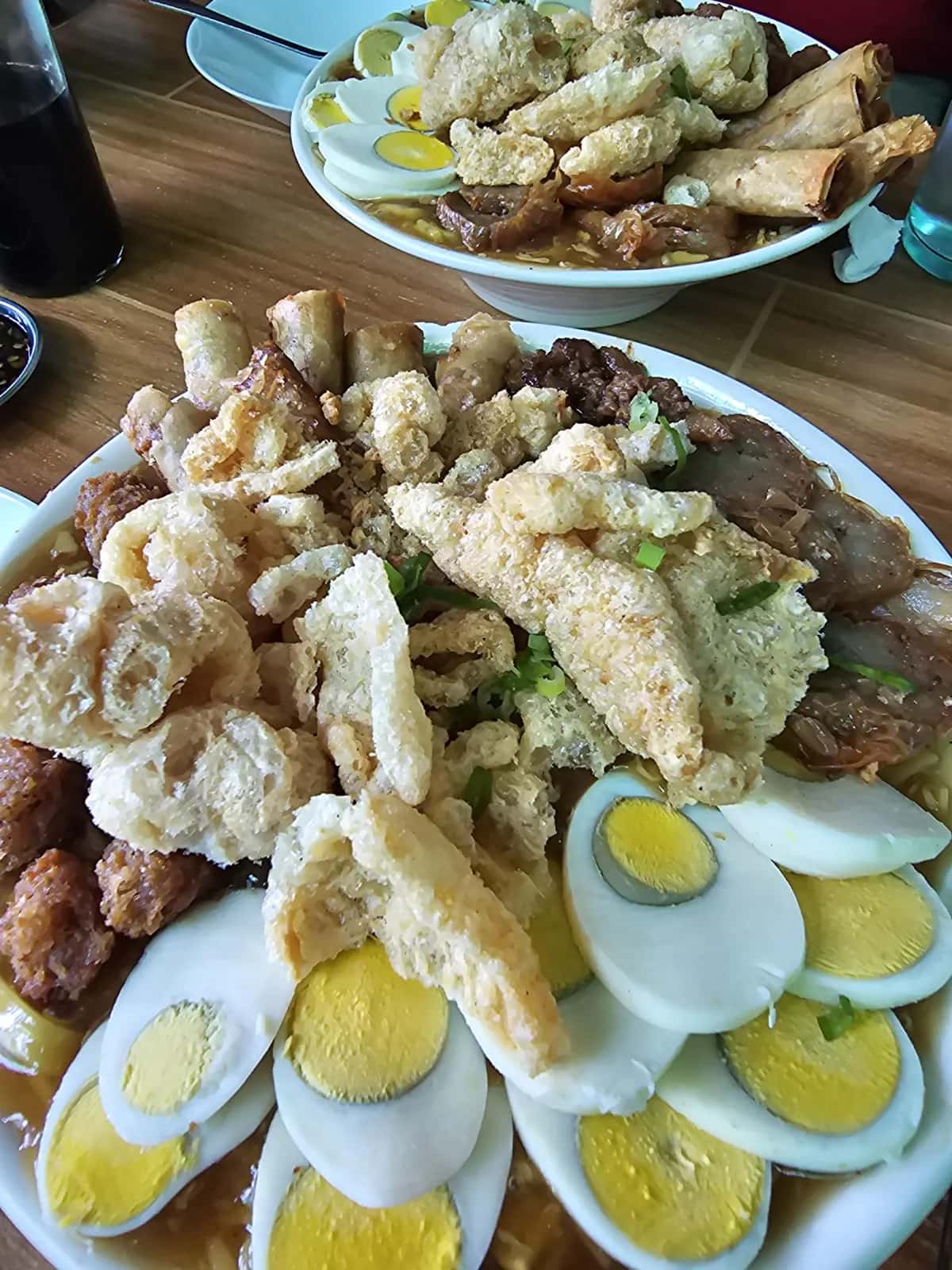
Kwatogs
Filipino Restaurant
- Franchise fee
- Not disclosed
- Total investment
- From ₱700k
🎁 Start Your 1 Month Free Trial of the Full Plan, Exclusively for Brands & Advisors.Get Started
Browse 10 franchises up to ₱700k in Cebu, with investments from ₱650k to ₱700k, franchise fees mostly between ₱135k and ₱307k, and most paying back in 12 to 18 months.
Updated
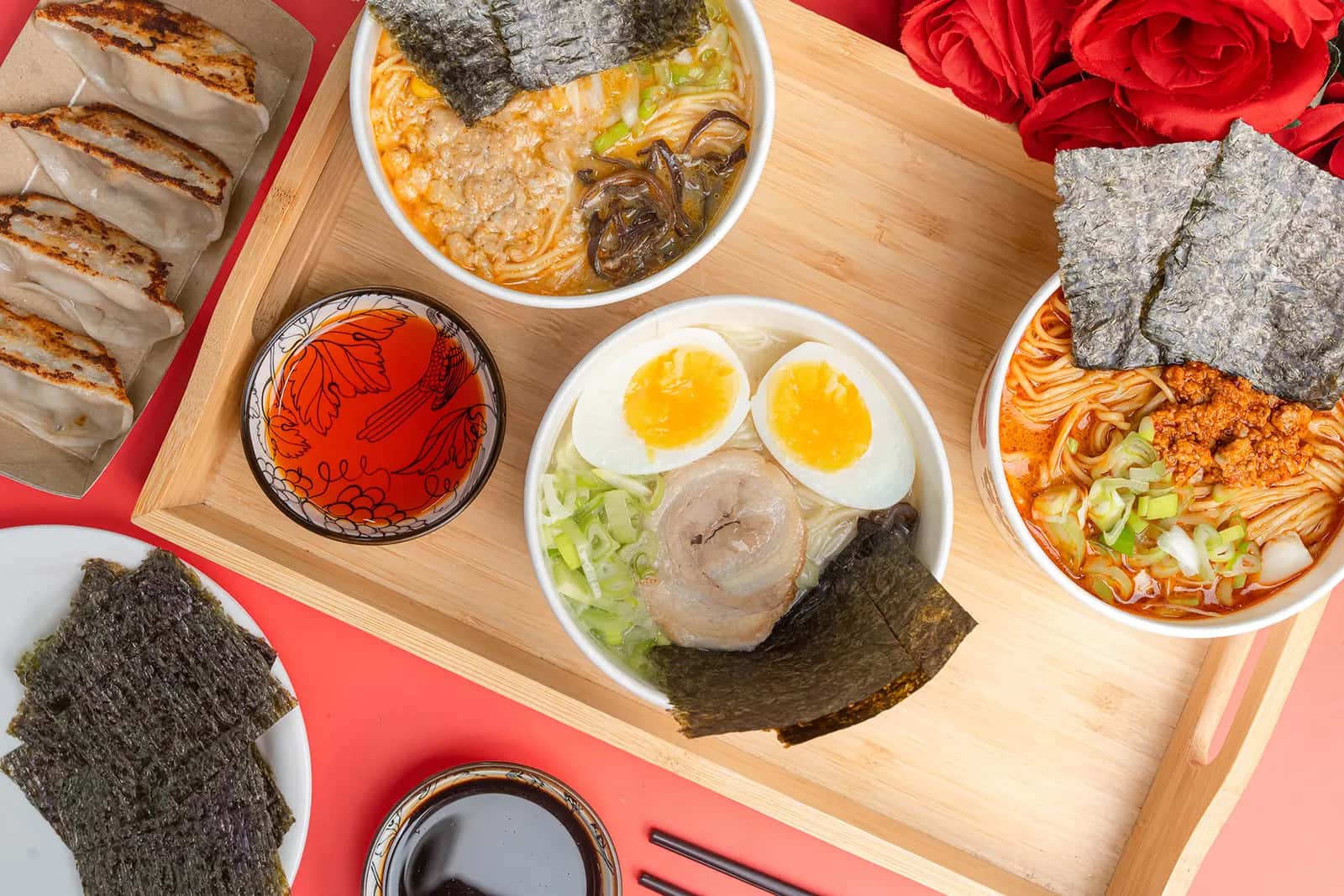
Takoyaki & Japanese Snacks
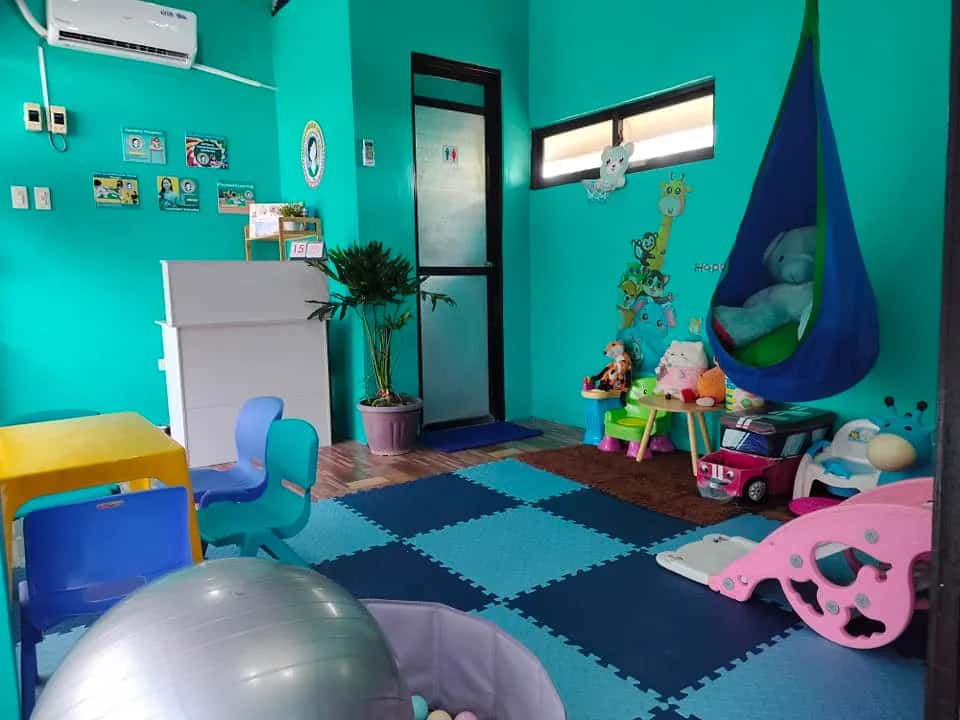
Tutorial & Review Center
Cebu has about 56,653 businesses on the map across its cities and towns, from food and drink to shops, services and clinics. Check what already operates near the spot you have in mind.
Population
5,151,2742020 census
Per 10,000 residents
110businesses we track
Business locations are based on Overture Maps open data (October 21, 2026 release) and do not represent a complete census of all businesses.
Eighteen months is the payback quoted for the inline store that brands already build in Cebu province, at a cost of about ₱400,000 up to the full ₱700,000. The province stretches from busy industrial and port towns to island resorts and quiet farming barangays, so a store fits best where a main road or a town center keeps foot traffic steady all week. Local demand is broad enough that a well placed shop has customers coming from both the town and the barangays around it.
Local brands in Cebu province offer an inline store, a shopfront built into a row of shops or a commercial building. Builds start at about ₱400,000 and reach the full ₱700,000, and the franchise fee is ₱150,000, which is a fixed part of the plan. Brands that sell across the country add carts and kiosks that start near ₱250,000, so a buyer who prefers a smaller outlet or wants cash in reserve is not limited to a store. The province is large and its towns differ a great deal in size and pace, with busy centers along the coast and quieter communities inland. That variety means the same budget can go into a full store in a lively poblacion or into a lean counter in a smaller town. Deciding which of the two fits the chosen town comes before deciding which brand to approach. A buyer who is new to business often does best by starting with one outlet in the town they know best and expanding only after the first has paid its way.
The choice of format costs differently in each case. A store carries a monthly lease, more staff and a larger fit-out. In return it gives a permanent address and room for stock or seating. A kiosk costs less to open and less to run, and a cart costs least of all, though a cart depends on a spot that the local government allows. Across the country, carts and kiosks are each offered in roughly three of every four setups, with inline stores in about two thirds and standalone buildings in only a small share. For a Cebu buyer, the local store is the format that is already set up for the province, and the nationwide carts and kiosks are the lighter routes for anyone who would rather test a town before committing to rent. Whichever route is taken, the total to plan around is the fee plus the build plus a reserve, and comparing that total rather than the build alone gives an honest view of each format.
Cebu's towns keep a busy pace. Factories, shipping and warehouses fill the industrial belt with workers whose shifts set the rush hours, while resort and dive areas on the coast and the islands see visitors peak on weekends and holidays. Farming towns inland follow market days and harvests. A store on a main road in a factory town does its best trade at shift changes and paydays, and a counter near a tourist landing point follows ferry and flight arrivals. The January festival season and the many town fiestas bring crowds and heavier spending, and a plan that stocks up for them reaps the benefit. Typhoon weeks disrupt boats and roads, so a stock buffer of a few days protects sales through bad weather. Staffing follows the same rhythm, with extra hands for festival weeks and a lean crew for the ordinary ones, and an owner who cross-trains helpers can cover absences without closing the doors.
A visit to the chosen town at several hours tells a buyer what no brochure can. Count the people who pass at breakfast, midday and evening, on a weekday and a weekend, and notice where nearby shops are busiest. Ask the landlord for the lease length, deposit and the rate of increase at renewal, since rent is the largest fixed cost of a store. Ask the brand what the eighteen month payback assumes about daily sales and rent, and whether the territory around the store is protected. Confirm how stock reaches the province and how often, especially for towns on the islands. Visit the municipal office to learn which permits apply and how long they take. Keep working capital for the first months, so a slow start does not force a rushed decision. Speaking with owners of neighboring shops about their slow months gives a truer picture than any average.
Now that you've seen what's here, a real advisor can help you shortlist and weigh the options against your budget. Free, at your pace.

Financing Readiness · Site Selection

Franchise Agreements · Multi-Unit Expansion

Low-Capital Startups

Low-Capital Startups · Site Selection
Are you a franchise advisor?Get your own workspace here
Choose an industry to see its franchises in Cebu, with their fees and investment ranges.
Get honest answers on what this budget really covers, fees and payback, free and with no pressure.
Yes for 10 franchises in Cebu, since their quoted investment sits between ₱600k and ₱700k and ₱700k meets it. That figure usually covers the franchise package itself, so rent deposits, permits and your first stock often come on top. Before you commit, ask each franchisor for a written list of what the package leaves out, then add those items to ₱700k to see your real total.
Most of Cebu's ₱700k franchise choices come from food & beverage, with the full count reading food & beverage with 8 franchises, education & tutoring with 1 and water refilling with 1. Industries differ in how fast money comes back to you, since some earn small amounts every hour while others collect larger payments less often. Think about how much buffer cash you hold for the early months and pick an industry whose cash rhythm you can comfortably wait out.
Verbal promises about refunds mean very little once money has changed hands, and the franchise fee for ₱700k franchises in Cebu usually runs ₱135k to ₱307k. If a salesperson tells you the fee can be returned under certain conditions, ask for those exact conditions in the contract. If the contract is silent, treat the promise as if it was never made.
Simpler concepts with fewer products and steps tend to be easier for first time owners, which can help a ₱700k franchise in Cebu stay within the 12 to 18 months payback franchisors quote. Every extra item adds inventory, training and room for error. Compare the menus or product lists of the franchises you are considering, and lean toward the one whose daily operations you can understand fully before opening.
A day of counting is cheap next to the cost of a wrong spot. Since Cebu shows 56,653 businesses on the map, led by services with 15,671, food and drink with 12,387 and shops and retail with 10,993, and open data is incomplete, set aside a full day to count rivals yourself. Walk the whole trade area, note each shop of your kind and mark the busy ones. That effort turns a rough number into one you can rely on.
Delivery and logistics can quietly raise the working capital a ₱700k franchise needs in Cebu, especially if supplies travel from a central commissary or warehouse. Freight charges, delays and spoilage risk all eat into cash before anything is sold. Ask the franchisor where your stock will ship from, who pays for transport, and how often deliveries arrive, then add those costs to your monthly plan.
Training gaps are a risk when you and your staff are new to the industry. Some ₱700k franchises offer only brief training before opening, which can leave you unsure how to handle stock, complaints or slow days in Cebu. Ask exactly what the training covers, who attends, and whether refresher sessions are available, and plan to work in the outlet yourself during the early weeks to learn what the manual leaves out.
The truest picture of what a ₱700k franchise earns in Cebu comes from owners who have already lived through the early months. They know when their outlet started paying them and what nearly derailed it. Ask them directly how long it took to see their first real profit, and whether they would buy the same franchise again knowing what they know now.
Because rent varies by street, mall and floor area, the amount to plan for a ₱700k franchise in Cebu only becomes clear once you have quotes in hand. Those quotes are easier to trust when you know how the landlord measured the space, since some count only the usable floor while others include walls, corridors or shared areas. Ask each landlord whether the quoted area is net or gross, and measure the space yourself during the viewing so you know exactly what you are paying for.
Compare how many franchises start at each budget level in Cebu, from the smallest packages up.
Compare how many ₱700k franchises take franchisees in each place.
Franchises at the next budget level, ₱800k, worth a look if you can stretch your savings a little.
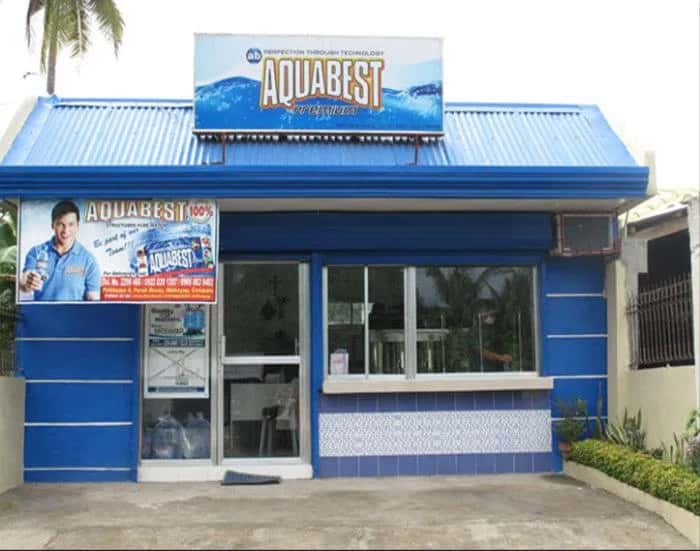
Water Refilling

Burgers

Cleaning & Pest Control
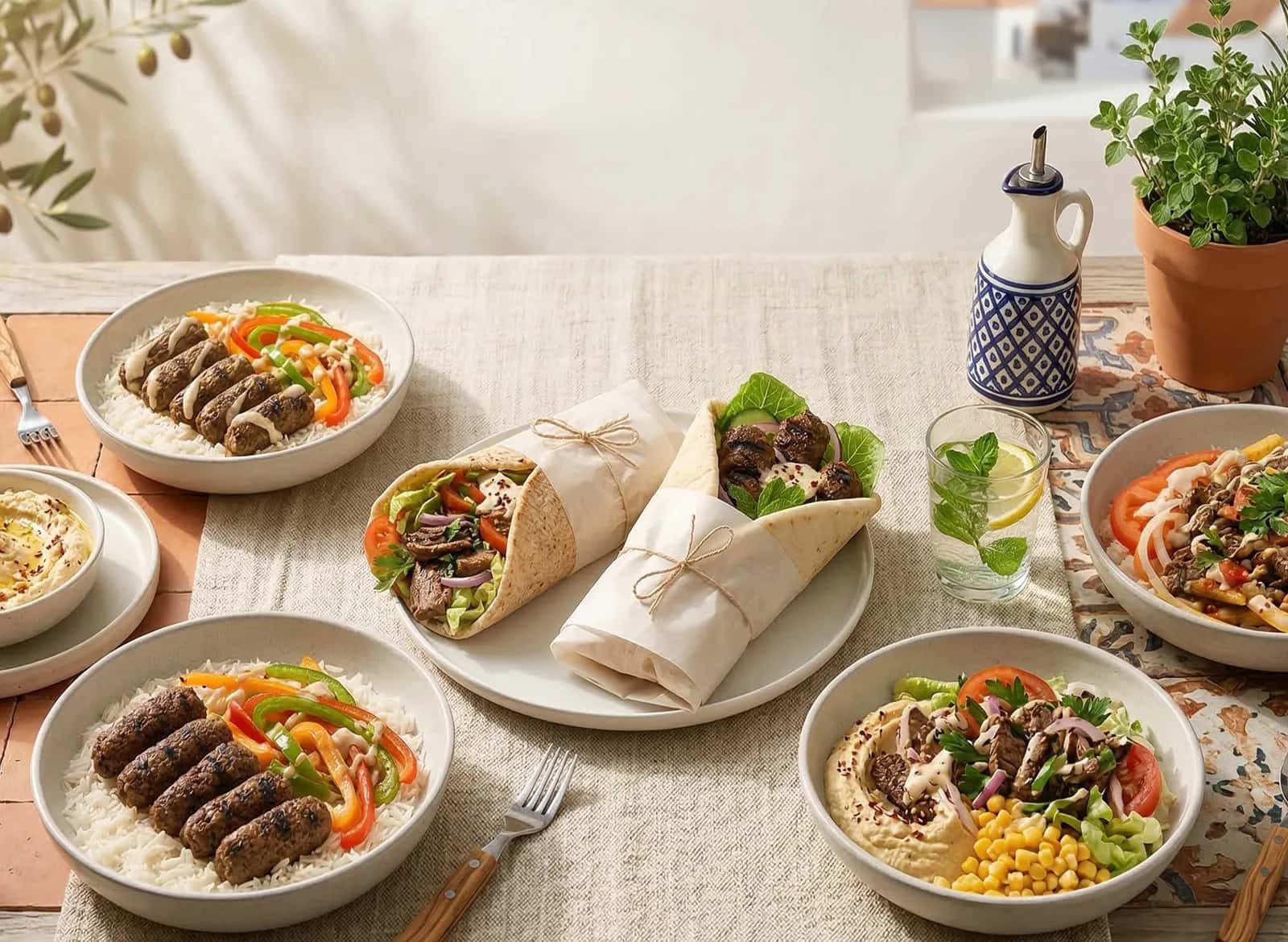
Shawarma
Siomai & Dimsum

Milk Tea & Boba
Visit a branch
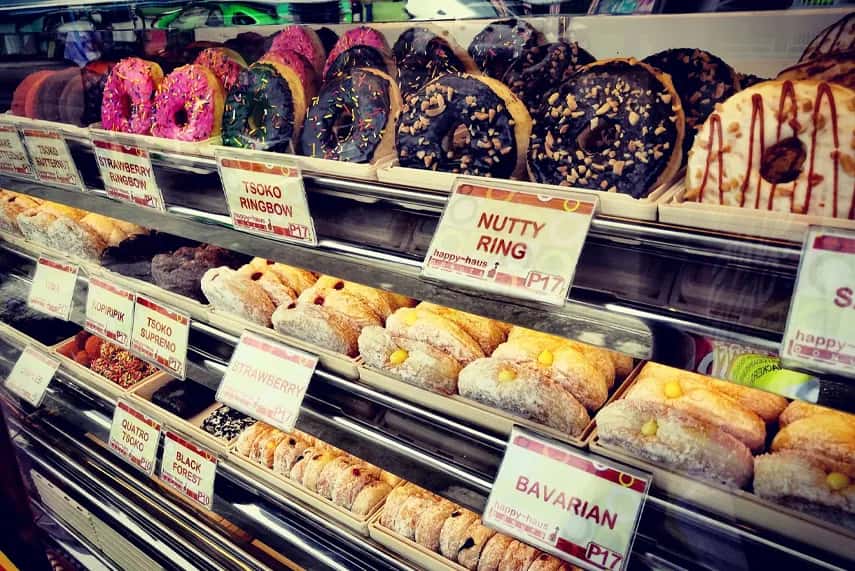
Donut Shop
Visit a branch
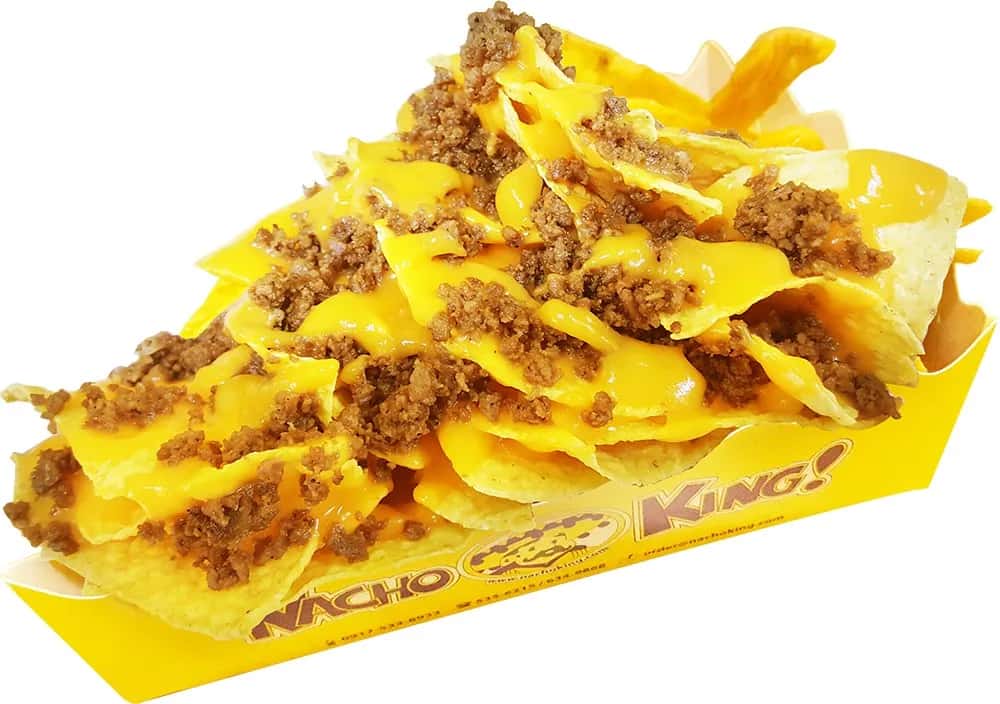
Street Food & Snacks

Learn practical inventory control steps for your Philippine franchise to cut waste, prevent loss, and protect your capital.
Aug 14, 2026 6 min read
Learn how non-compete clauses work when exiting a franchise agreement in the Philippines, protecting your investment after closing.
Jul 20, 2026 5 min read

Learn how to secure financing for your Philippine franchise, from preparation to approval. A practical guide for new operators and OFWs.
Jul 20, 2026 5 min read