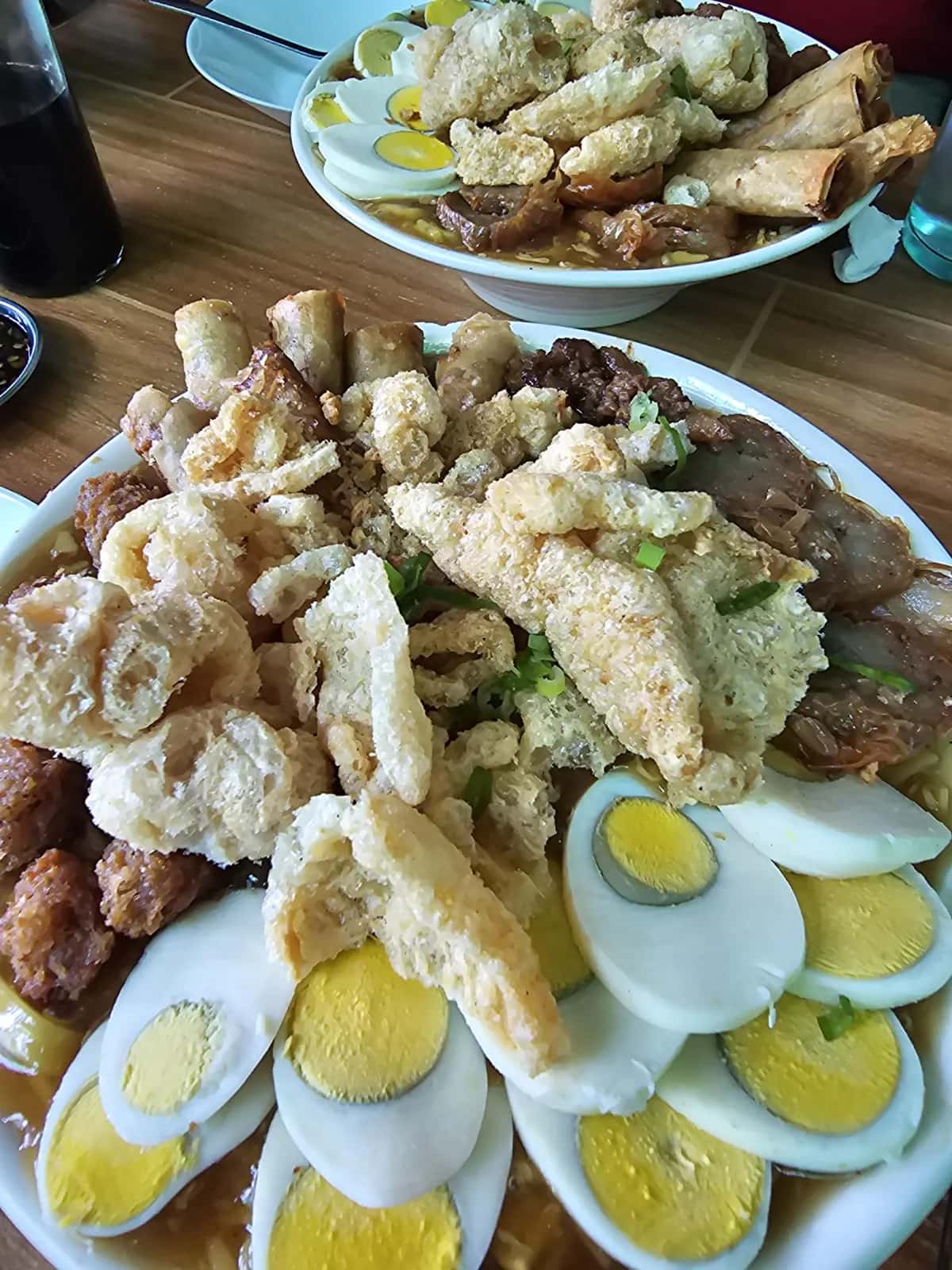
Kwatogs
Filipino Restaurant
- Franchise fee
- Not disclosed
- Total investment
- From ₱700k
🎁 Start Your 1 Month Free Trial of the Full Plan, Exclusively for Brands & Advisors.Get Started
Browse 9 franchises up to ₱700k in Sulu, with investments from ₱650k to ₱700k, franchise fees mostly between ₱130k and ₱310k, and most paying back in 12 to 18 months.
Updated
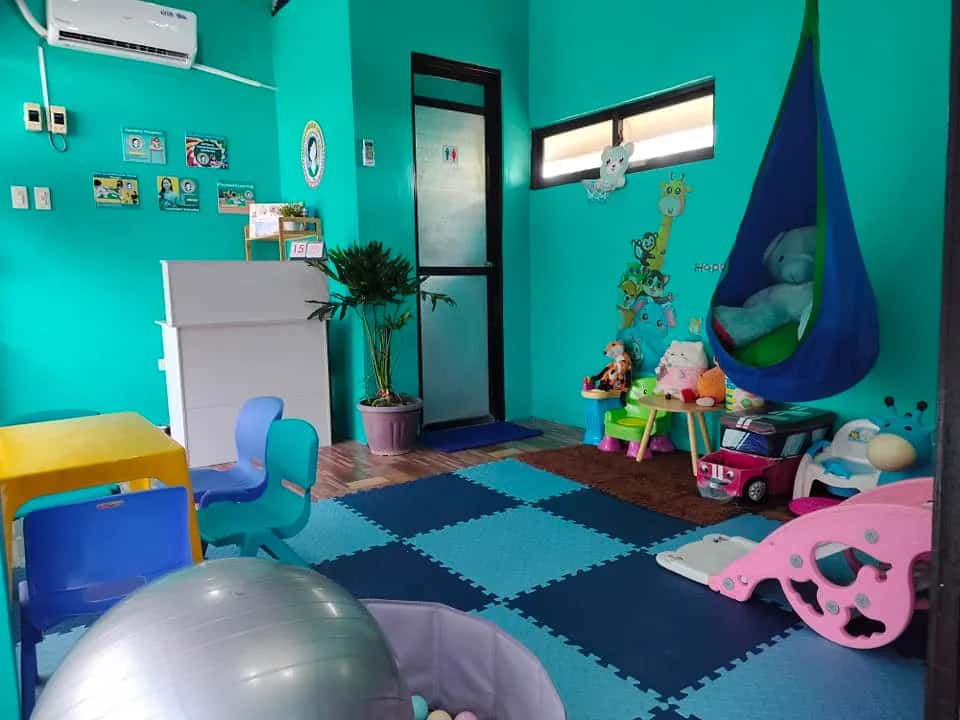
Tutorial & Review Center
Sulu has about 229 businesses on the map across its cities and towns, from food and drink to shops, services and clinics. Check what already operates near the spot you have in mind.
Population
1,000,1082020 census
Per 10,000 residents
2businesses we track
Business locations are based on Overture Maps open data (October 21, 2026 release) and do not represent a complete census of all businesses.
Payback is the number to plan around in Sulu, where brands that fit ₱700,000 quote anywhere from twelve to eighteen months. No franchise has been priced for a Sulu town yet, so the terms come from brands that operate across the country, and they start near ₱250,000. The province is a chain of islands living on fishing, seaweed and trade by sea, and that shapes which formats, deliveries and opening hours make sense for a small counter.
A quoted payback is drawn from outlets elsewhere in the country, so it helps to adjust it for the islands. Brands at this budget put it between twelve and eighteen months, and the lighter builds sit at the shorter end because they carry less rent and fewer staff. In an island province, freight and delays can stretch the timeline, so a sensible buyer adds a few months to the brand's own figure and plans the reserve to match. Fees vary from nothing at all to ₱324,000, and a high fee pushes recovery further out even when the build itself is modest. With no local setup to compare against, the comparison that helps is between the brands themselves, keeping the delivered cost of equipment and stock to Jolo in every calculation. Keep the reserve apart from the build money, so that a late shipment does not force a rushed decision. Each brand should also state whether payback is counted from signing or from the first day of trading.
Carts and kiosks dominate what is offered at this money, with inline stores close behind and standalone buildings appearing only occasionally. On a chain of islands, the lighter formats have an edge, because they carry low rent, are quick to open and can be moved or paused when supplies or boats are delayed. A cart can serve a public market in the morning and a pier or road junction when the ferries arrive. A kiosk holds a fixed spot near a school, a government office or a busy junction, where people pass every day. An inline store suits an owner with savings to carry a lease through the slower weeks. Match the format to the site first, and to the brand second. Ask the brand how much floor area each format needs, since a narrow market stall and a proper unit call for very different equipment.
Supplies reach the islands by boat, so the sea route is the first thing to test. Ask the brand how stock will arrive, how often, and who pays when a shipment is late or damaged. Ask what happens to a counter's supply when the sea is rough for several days, and whether the brand allows a local supplier for basics. Check the power at the site, since a small outlet loses stock quickly when the electricity stops. Find out who repairs the equipment, and whether the technician must travel from another island. Local traders and market vendors know these delays better than any brochure does, so a conversation with two or three of them is worth an afternoon. Write down each answer and compare it across the brands on your shortlist. Confirm which permits the municipal office requires for a food or retail counter, and how long each takes to issue. A quick visit to the port at the hour boats arrive shows how goods actually move through the town.
Boats and market days set the beat of trade across the islands. Fishing families sell their catch and spend in town on market days, seaweed farmers are paid after each harvest, and government offices and schools give the capital a steady weekday crowd. Festivals and religious holidays bring relatives home and lift sales of food and drinks for several days at a time. Rough seas and the rainy months thin the crowd and delay deliveries, so a counter needs a cash cushion for the slow weeks. Most small outlets run with two or three people sharing the hours, often family members. An owner who logs takings by day for the first quarter will learn which market days and paydays carry the rest of the month. Ramadan and other observances change the hours people buy, and an owner who follows those hours keeps stock fresh and waste low.
Now that you've seen what's here, a real advisor can help you shortlist and weigh the options against your budget. Free, at your pace.

Financing Readiness · Site Selection

Low-Capital Startups · Site Selection

Franchise Agreements · Multi-Unit Expansion

Low-Capital Startups
Are you a franchise advisor?Get your own workspace here
Choose an industry to see its franchises in Sulu, with their fees and investment ranges.
Get honest answers on what this budget really covers, fees and payback, free and with no pressure.
Strongest in numbers is food & beverage, which leads ₱700k franchises in Sulu ahead of food & beverage with 8 franchises and education & tutoring with 1. Numbers show where franchisors are placing offers, and they are only a first filter. Narrow the list by the customers you expect near your spot, since a field with plenty of listings can still sell something your neighbors rarely buy. Picture the people who pass your door each day and ask which industry on the list they would visit without being persuaded.
Imported or local, the products matter, and ₱700k in Sulu offers food carts with 7 franchises, kiosks with 7 and inline stores with 6. Ask what each format sells and where its goods come from, since a format built around familiar local products is easier to explain to neighbors. Compare that with a format built on something newer. Both can succeed, yet the familiar ones usually need less effort to introduce, so weigh how much explaining you are willing to do.
Openness about the fee early on is a good sign, because ₱700k franchises in Sulu usually charge ₱130k to ₱310k. Notice whether the franchisor publishes its fee or only reveals it after collecting your contact details. Secrecy until you are emotionally committed gives you a reason to ask more questions, while a franchisor that states its amount plainly is easier to trust.
Product mix shapes profit as much as sales volume, so it helps to know which items drive the 12 to 18 months payback that ₱700k franchisors in Sulu quote. Some items sell well but earn thin margins, while others earn more per sale but move slowly. Ask the franchisor which products contribute most to branch profit and how owners can steer customers toward them without hurting service.
Street level photos, where available, can reveal shops the map lacks, and Sulu lists 229 businesses led by food and drink with 61, services with 44 and places to stay with 33 on incomplete open data. Compare the images of your street with the pins and note the storefronts without a match. The images may be older than the street, so confirm each one in person before you add it to your own count of nearby businesses.
You may need different people for different kinds of work at a ₱700k franchise in Sulu, such as a crew member for the counter and someone part-time for deliveries or inventory. Thinking in roles helps you avoid overstaffing on the floor while leaving key tasks undone. List every recurring task in the business and assign each to a role before deciding how many actual people you need.
Approval can slow down if your application is missing details, which pushes back everything else for a ₱700k franchise in Sulu. Franchisors often ask about your background, financial capacity and plans for the business. Fill in the application completely and honestly, attach any documents they ask for up front, and follow up politely if you have not heard back after a reasonable wait.
In Sulu, franchises priced between ₱600k and ₱700k usually bundle initial training that covers the product, the daily routine and the sales system, though hours and depth differ. Compare programs by asking how many days they run, who teaches, and whether you practice on real shifts. A longer program is not always better, so match its length to how complex the business is and how new you are to it. Request the full outline in writing.
Should sales stall, a well-run franchisor will usually put a struggling ₱700k franchise in Sulu on some kind of improvement plan before discussing exit. These plans might cover staff training, marketing, product changes or cost control. Ask whether such a process exists, what it typically includes and whether it is written into the operations manual. A defined plan means you will not be left wondering what to do when results disappoint, and it gives both sides a fair way to measure progress.
Compare how many franchises start at each budget level in Sulu, from the smallest packages up.
Franchises at the next budget level, ₱800k, worth a look if you can stretch your savings a little.
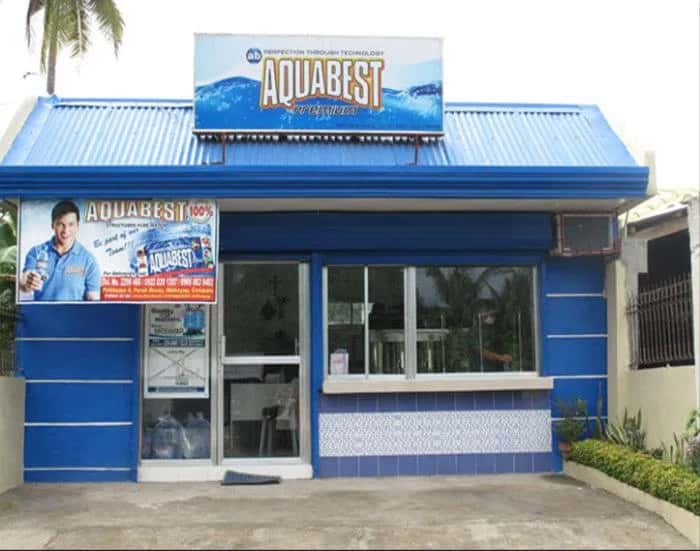
Water Refilling

Burgers

Cleaning & Pest Control
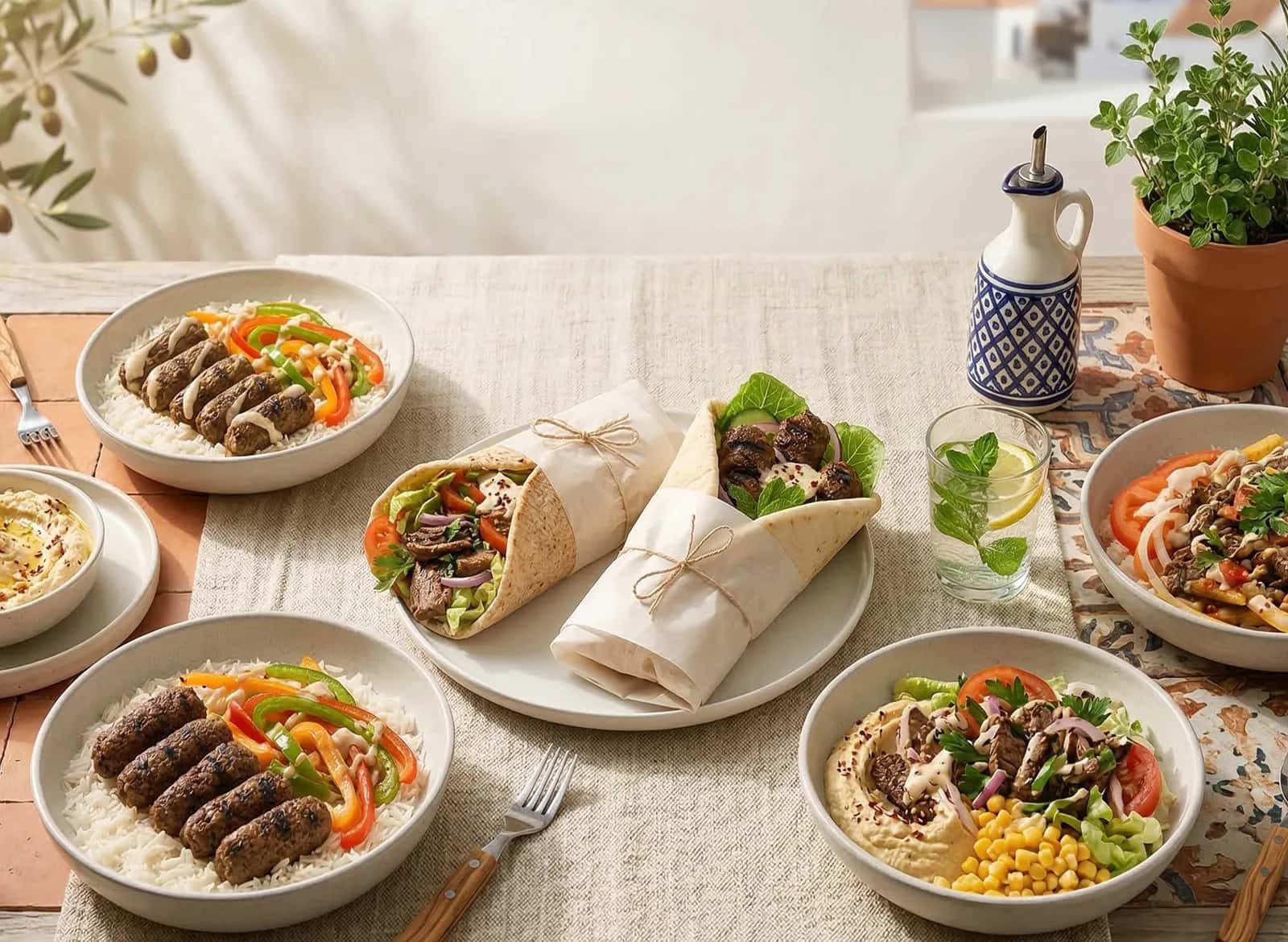
Shawarma

Siomai & Dimsum

Milk Tea & Boba
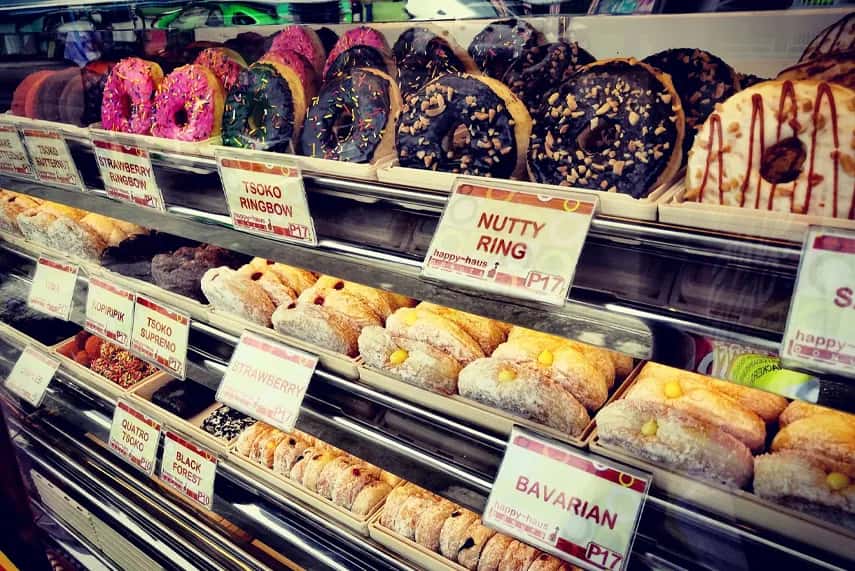
Donut Shop
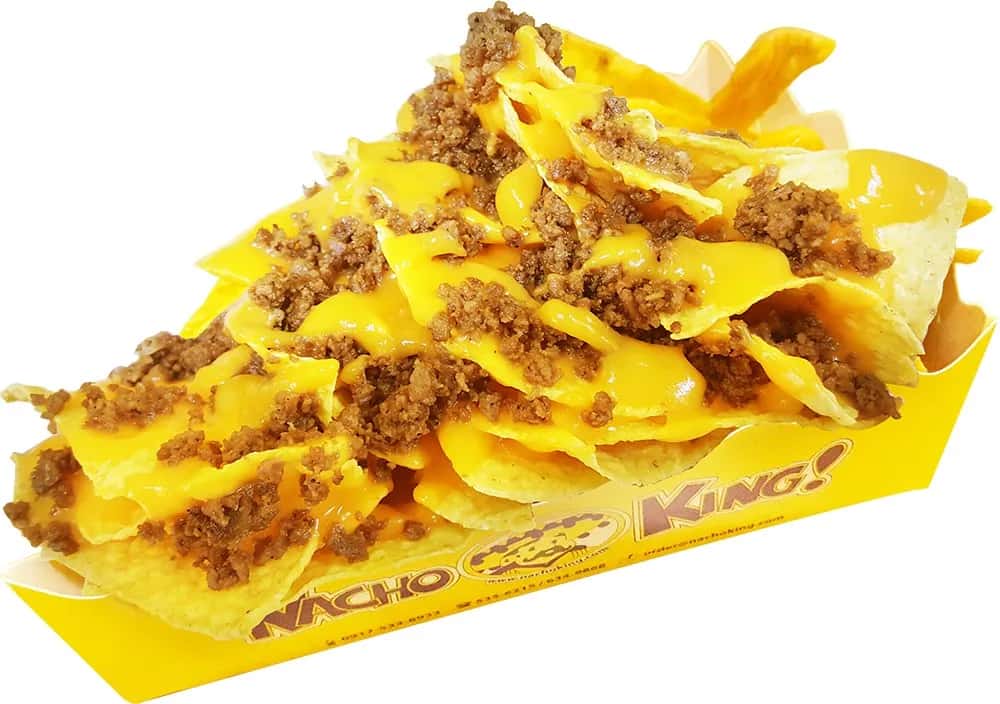
Street Food & Snacks

Learn practical inventory control steps for your Philippine franchise to cut waste, prevent loss, and protect your capital.
Aug 14, 2026 6 min read
Learn how non-compete clauses work when exiting a franchise agreement in the Philippines, protecting your investment after closing.
Jul 20, 2026 5 min read

Learn how to secure financing for your Philippine franchise, from preparation to approval. A practical guide for new operators and OFWs.
Jul 20, 2026 5 min read