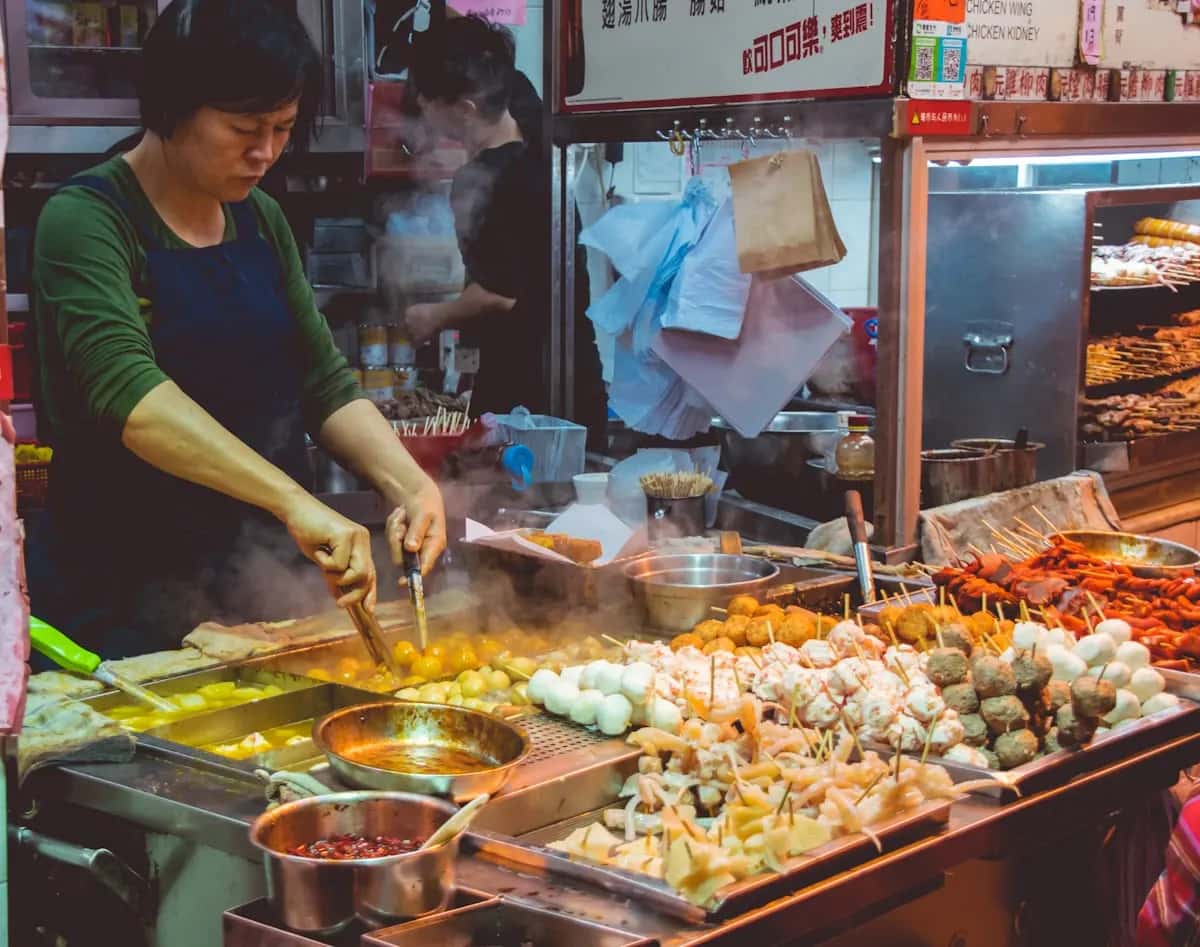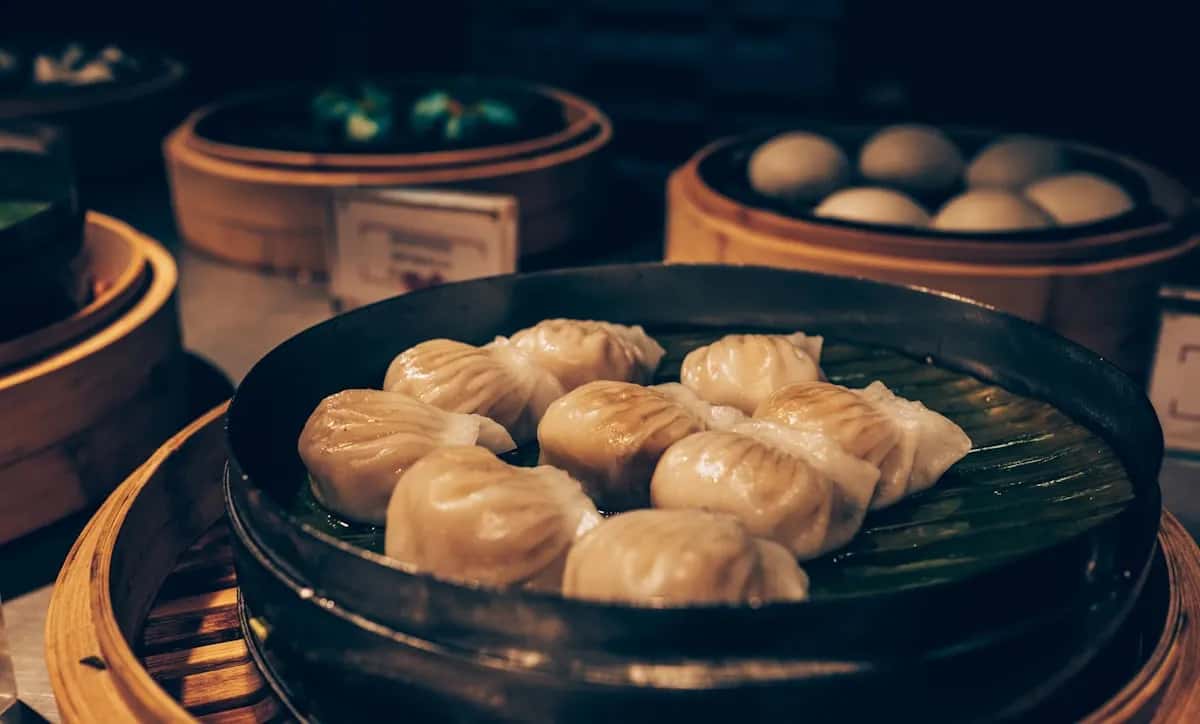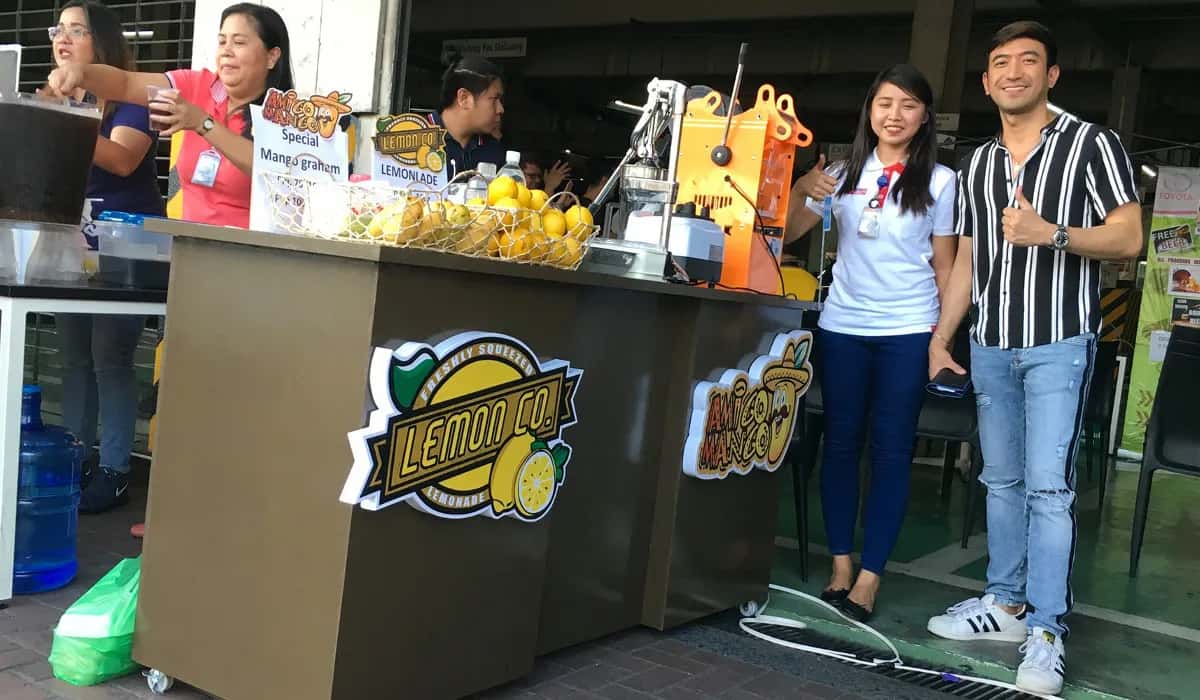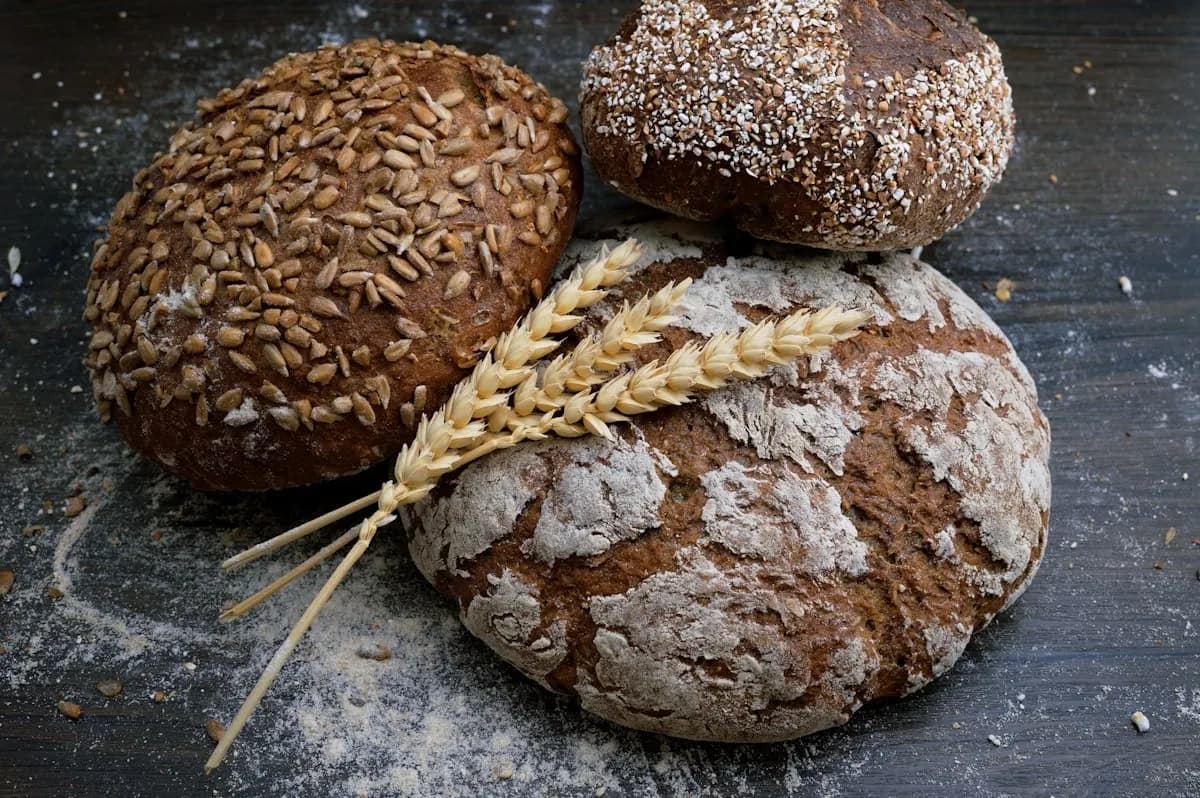
Stan Wings and Bowls
Street Food & Snacks
- Franchise fee
- ₱35k
- Total investment
- ₱35k–₱75k
🎁 Start Your 1 Month Free Trial of the Full Plan, Exclusively for Brands & Advisors.Get Started
Browse 9 franchises up to ₱100k in Sulu, with investments from ₱60k to ₱100k, franchise fees mostly between ₱15k and ₱37k, and most paying back in 4 to 12 months.
Updated

Payment & Remittance Center
Sulu has about 229 businesses on the map across its cities and towns, from food and drink to shops, services and clinics. Check what already operates near the spot you have in mind.
Population
1,000,1082020 census
Per 10,000 residents
2businesses we track
Business locations are based on Overture Maps open data (October 21, 2026 release) and do not represent a complete census of all businesses.
Sulu is an island province where trade moves by boat and through the busy public markets of its towns, so small counters and stalls already fit the way people buy and sell. The local list is empty for now, which leaves the nationwide setups as the way in, and they run from ₱25,000 up to a full ₱100,000. That is enough to open a cart or kiosk with a working reserve behind it.
Sulu is a chain of islands, with the provincial capital at Jolo and towns that live off fishing, seaweed farming and the goods that arrive by sea. People here shop in the market, at the wharf and along the main streets, and much of the daily buying is small and frequent. A cart or kiosk placed where those routines cross, near the market entrance or the pier where boats unload, can rely on a crowd that gathers whether or not anything special is happening. Boat arrivals matter, because a landing brings passengers and traders with time to spend and an appetite for something ready to eat or drink. An owner who learns the schedule of the nearest boats can shape opening hours around them and keep the counter busiest when the crowd is thickest. Festivals, school days and the weekly rhythm of the market add smaller peaks that a regular owner comes to expect. A counter that stays open through the quiet middle of the day, and keeps its prices simple, tends to earn the loyalty of people who pass the same spot every morning.
The nationwide setups at this budget begin around ₱25,000 for a small cart and reach ₱100,000 for a larger build. Franchise fees run from nothing to about ₱40,000, so a buyer can spend most of the money on equipment and stock or keep some aside. Quoted payback stays within a year, and the shorter times belong to the leaner setups. Because supplies reach an island province by sea, the cost of getting stock delivered matters as much as the price of the setup, and it is sensible to ask a franchisor how deliveries would be handled and how often. Keeping enough cash to hold extra stock ahead of rough weather, when boats may not sail for a few days, protects sales in the weeks that follow. Permits from the municipal office, a deposit on a small space and the first weeks of wages for a helper should be counted before the setup is chosen. Spending the whole budget on the build leaves nothing for those, so a cheaper setup with a healthier reserve is often the more comfortable route.
This business suits someone who knows their own town well and has a sense of where people gather and when. It is a good fit for an owner who wants a first business of modest size, works comfortably with family, and is willing to be behind the counter for the opening months. A person returning from work abroad with savings, or a household combining income from fishing or farming with a side business, can run it without a large team. It is a poorer fit for someone hoping for quick profit with little attention, because a small counter earns through steady hours, consistent quality and repeat customers who come back because the owner remembers them. An owner who keeps a steady routine, records each day's sales and reorders before stock runs out will usually find the second half of the year easier than the first. The business rewards patience, and those who bring it are best placed to grow into a second cart later.
Nearly every setup at this budget is a cart or a kiosk, so the practical question is how firmly the owner wants to be tied to one spot. A cart can be moved between the market, the wharf and a festival ground if one place slows down. A kiosk stays put and can hold more stock, which helps when deliveries are infrequent. Inline stores and home-based or online setups are offered less often at this money. A home-based setup needs no rent and can work for someone with another job, though it relies on neighbours and social media to find customers, while a stall in a busy market gathers walk-in trade without any advertising at all. Whichever format is chosen, the position of the counter matters more than its size, so a few mornings spent watching foot traffic before signing is time well used.
Now that you've seen what's here, a real advisor can help you shortlist and weigh the options against your budget. Free, at your pace.

Financing Readiness · Site Selection

Low-Capital Startups · Site Selection

Low-Capital Startups

Franchise Agreements · Multi-Unit Expansion
Are you a franchise advisor?Get your own workspace here
Choose an industry to see its franchises in Sulu, with their fees and investment ranges.
Get honest answers on what this budget really covers, fees and payback, free and with no pressure.
Ordering workflow is part of a format, and ₱100k in Sulu offers food carts with 7 franchises, kiosks with 7 and inline stores with 1. Some formats take orders at the counter and serve immediately, while others take orders in advance. Look at how each format handles an order from start to finish. A simple workflow with few steps is easier for a new crew to follow and less likely to produce errors during busy moments.
Shared decisions work better with shared numbers, so write down that the map shows 229 businesses in Sulu, led by food and drink with 61, services with 44 and places to stay with 33, and that open data misses some. Show the same list to everyone involved and agree on how you will count rivals near your spot. When everyone uses one method, disagreements are about the area and not about whose tally is right.
Serving customers is the visible part of a ₱100k franchise in Sulu, but it rests on unseen work like preparation, cleaning, ordering and recordkeeping. Customers only experience the counter or the service itself, so every task behind it needs to be done well for the outlet to feel smooth. Visit an existing outlet as an ordinary customer and pay attention to everything that must have happened before you walked in.
Your own living expenses belong in the plan too, because a ₱100k franchise in Sulu may not pay you a salary for a while. Many new owners count only business costs, then find themselves pulling cash out of the till to cover groceries and tuition. Work out what your household needs each month, keep that money separate from the business reserve, and assume the outlet will not support your family until it clearly does.
Part-time help is one way to settle the headcount question at a ₱100k franchise in Sulu. Instead of hiring a full crew for every hour, keep a small core team and add short-shift workers for lunch rushes, payday weekends and holidays. Ask the franchisor if their format allows this mix. Then plan the core team around the quiet hours, so the part-timers only cover the peaks that truly need more hands.
Registering with DTI, or with SEC for a corporation, is the first permit step for a ₱100k franchise in Sulu, followed by barangay clearance, the mayor's permit and BIR registration. Choosing between a sole proprietorship and a corporation affects which agency you file with and how your taxes work later. Many first-time franchisees start as sole proprietors, while partners pooling money sometimes choose a corporation or partnership. Decide on your business structure before filing, ideally after a short talk with someone who knows business taxes.
Set aside part of your capital specifically for marketing when you budget for a ₱100k franchise in Sulu, because launch promos, signage and local ads all cost money. Many first-time owners spend everything on the franchise fee, equipment and rent, leaving nothing to bring people in. Ask the franchisor whether the package already covers opening materials or launch support, and what you will need to pay for on your own. That way your opening plan matches the cash you actually have.
Closing a ₱100k franchise in Sulu also affects the people who work for you, and Philippine labor rules still apply when a small business shuts down. Employees are generally owed their final pay and benefits, and your remittances to SSS, PhilHealth and Pag-IBIG need to be settled. Keep employment records, payslips and contribution receipts in order from the start. If the business ever ends, that preparation lets you close fairly and avoids complaints that could cost you more.
Compare how many franchises start at each budget level in Sulu, from the smallest packages up.
Franchises at the next budget level, ₱200k, worth a look if you can stretch your savings a little.
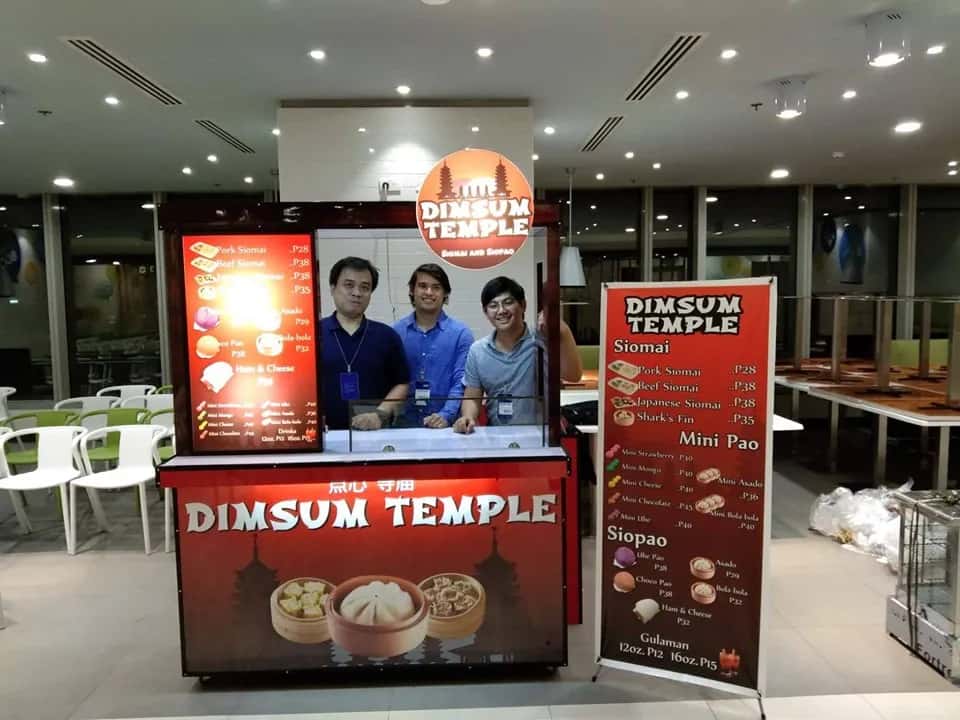
Siomai & Dimsum

Ice Cream & Desserts
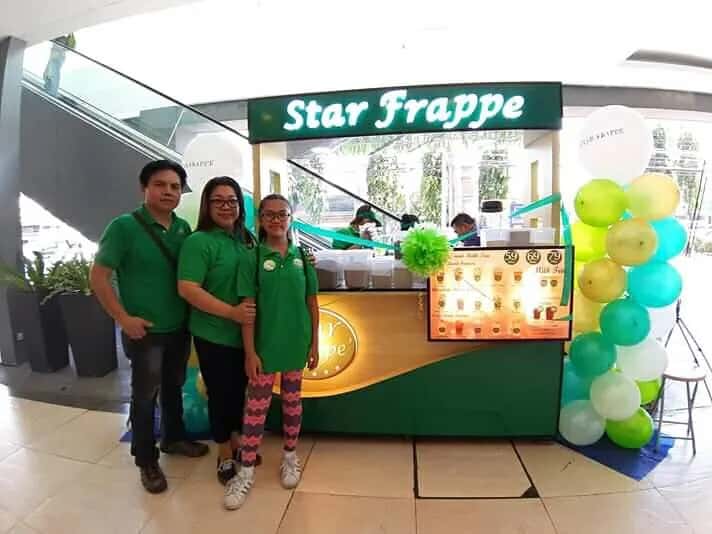
Coffee Shop
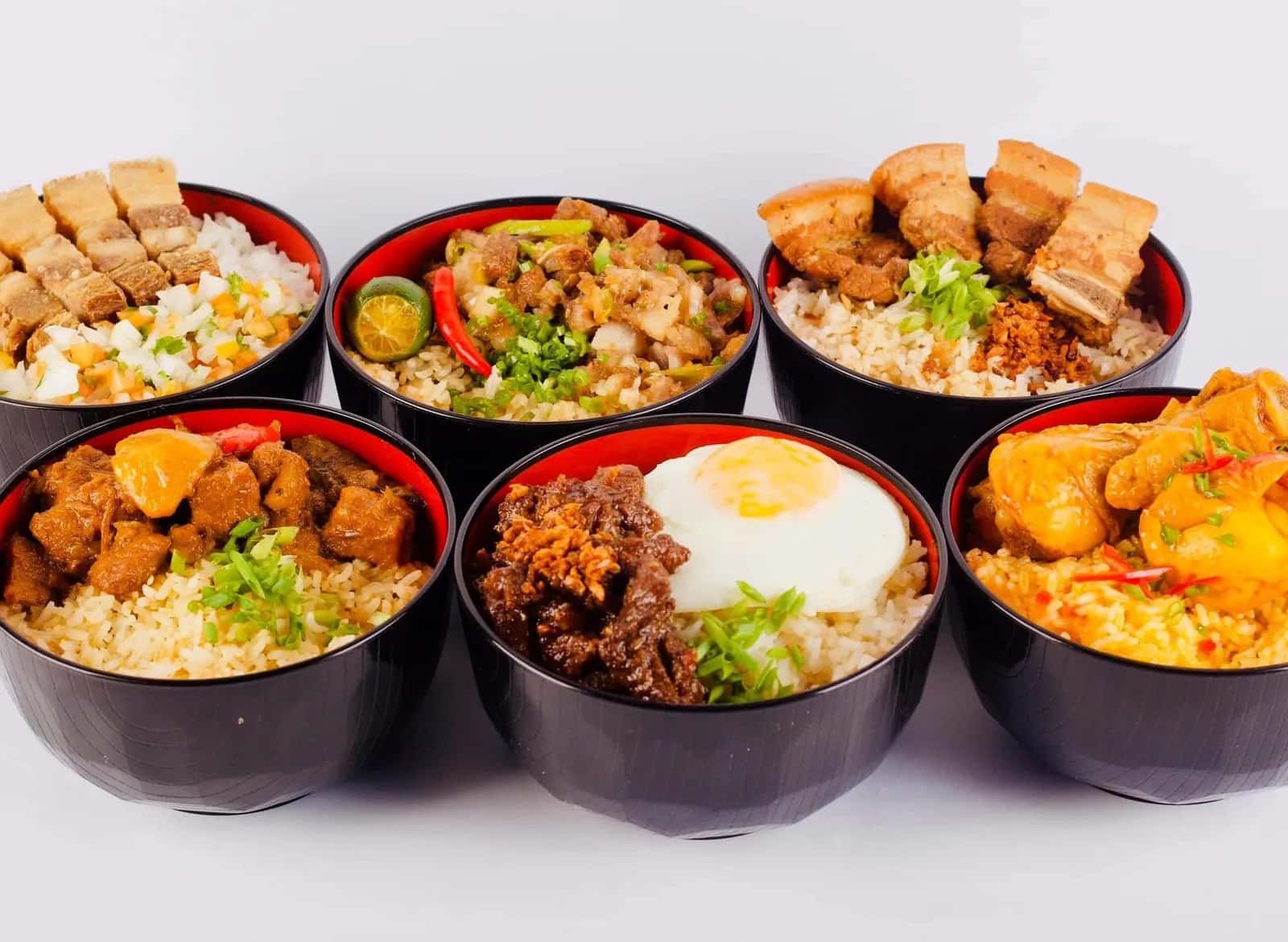
Street Food & Snacks

Payment & Remittance Center
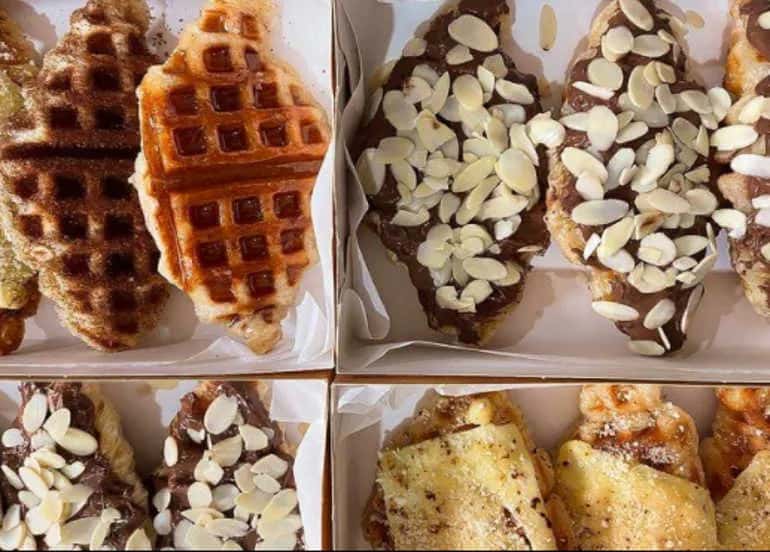
Cakes & Pastries
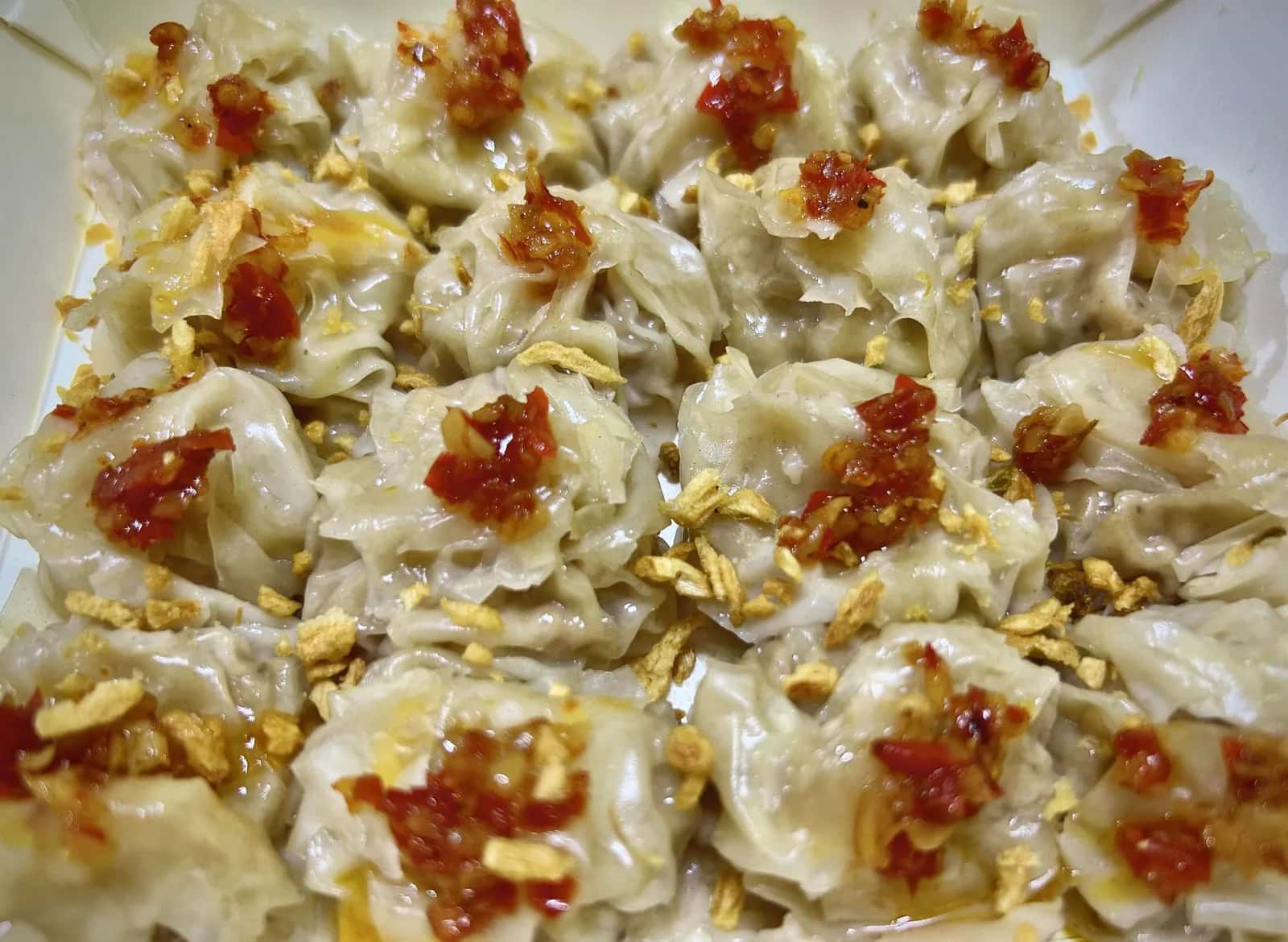
Siomai & Dimsum
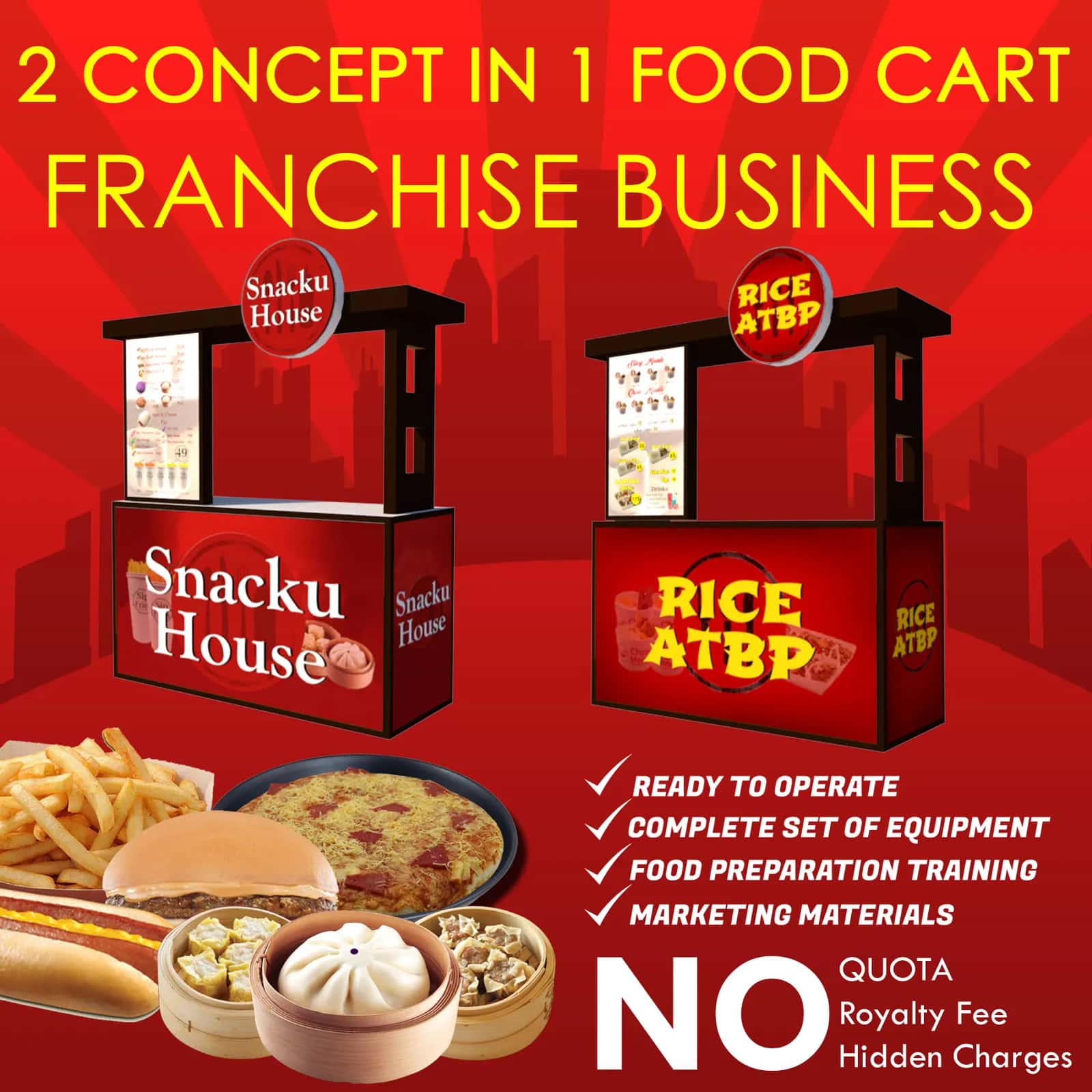
Street Food & Snacks

Learn practical inventory control steps for your Philippine franchise to cut waste, prevent loss, and protect your capital.
Aug 14, 2026 6 min read
Learn how non-compete clauses work when exiting a franchise agreement in the Philippines, protecting your investment after closing.
Jul 20, 2026 5 min read

Learn how to secure financing for your Philippine franchise, from preparation to approval. A practical guide for new operators and OFWs.
Jul 20, 2026 5 min read