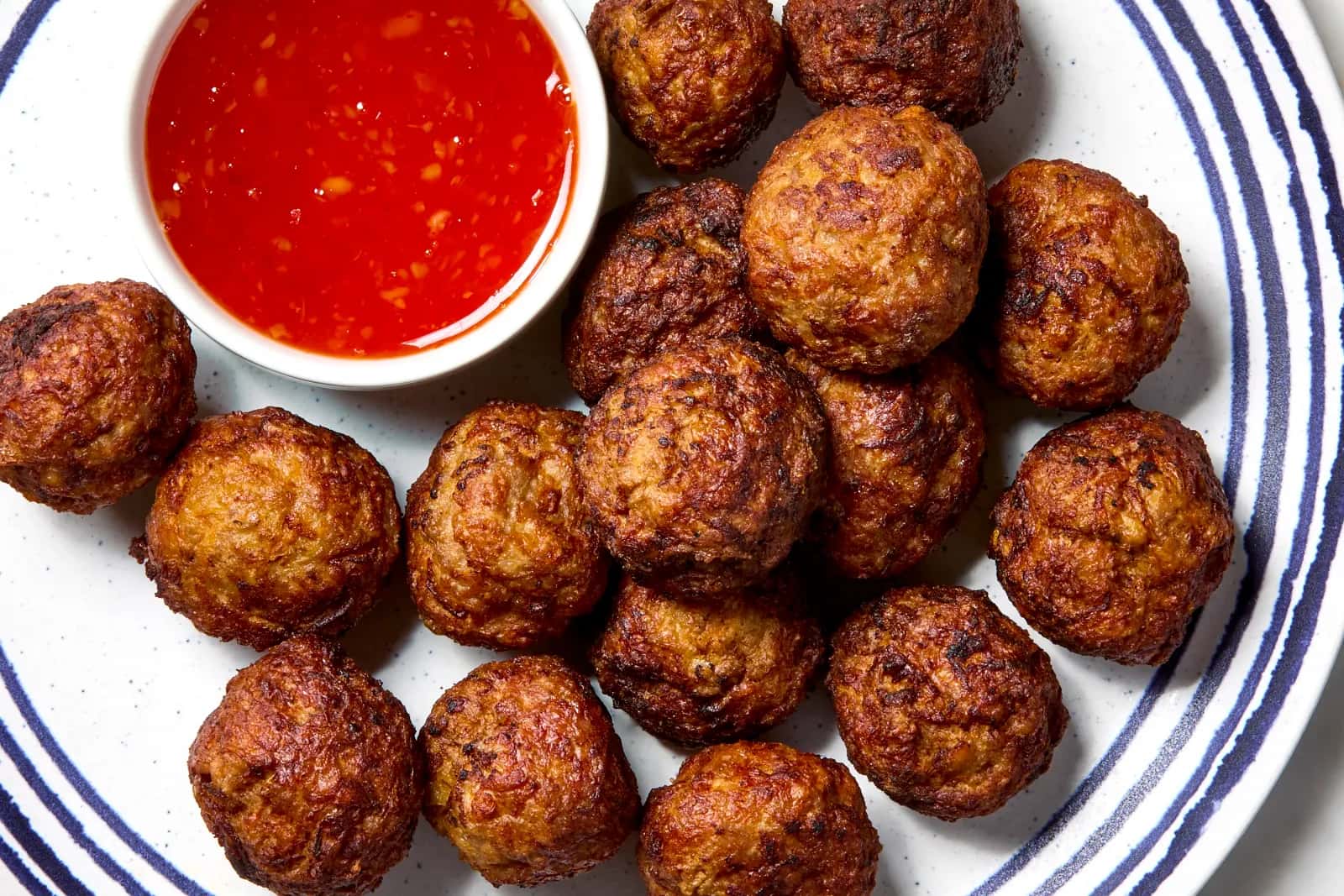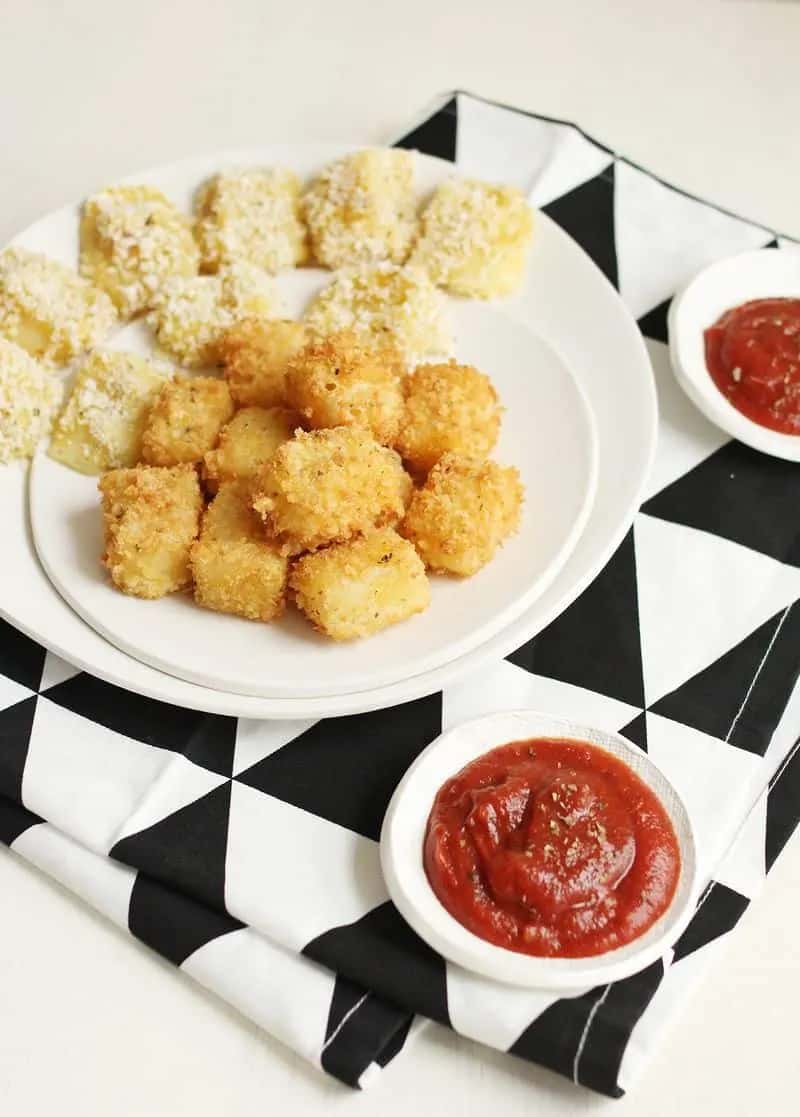
Jack's Fried Bites
Fast Food Restaurant
- Franchise fee
- ₱50k
- Total investment
- ₱150k–₱250k
🎁 Start Your 1 Month Free Trial of the Full Plan, Exclusively for Brands & Advisors.Get Started
Browse 37 franchises up to ₱300k in Sulu, with investments from ₱250k to ₱300k, franchise fees mostly between ₱50k and ₱58k, and most paying back in 6 to 16 months.
Updated
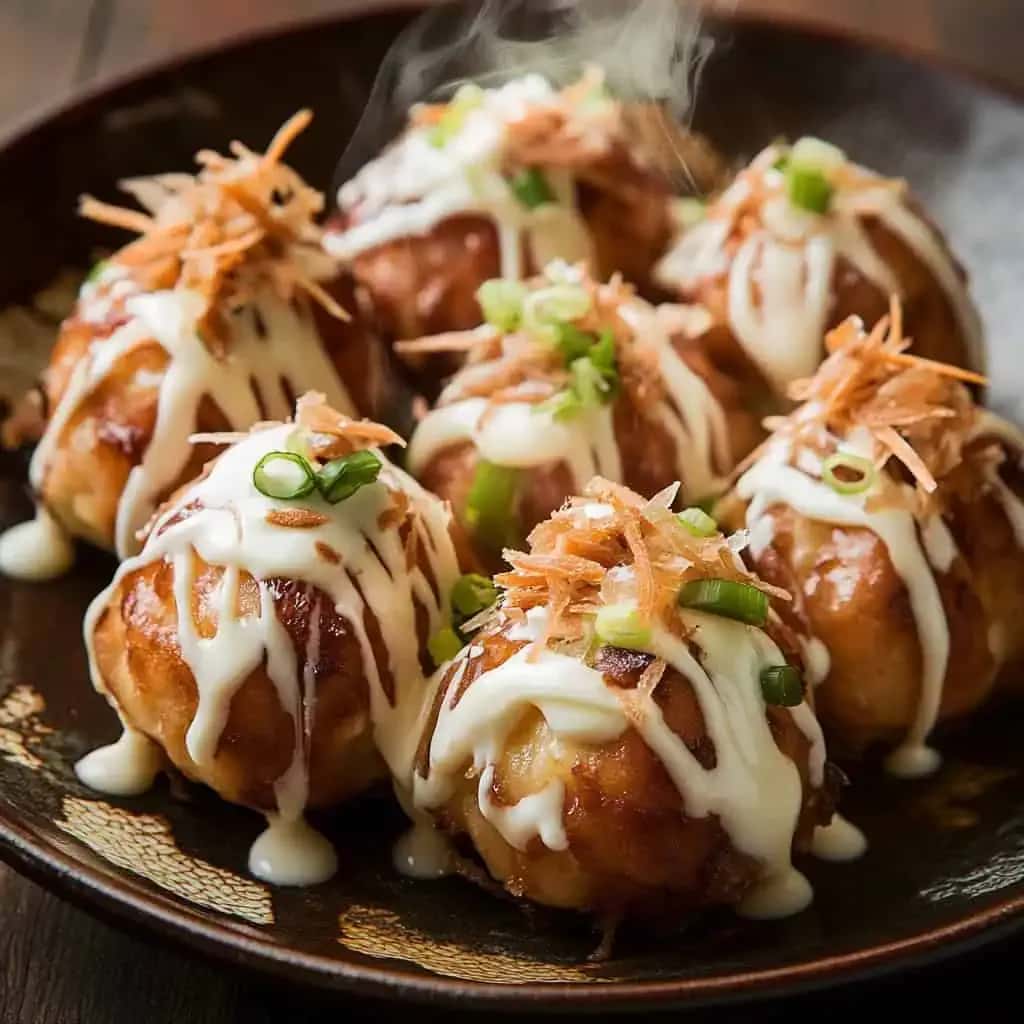
Takoyaki & Japanese Snacks

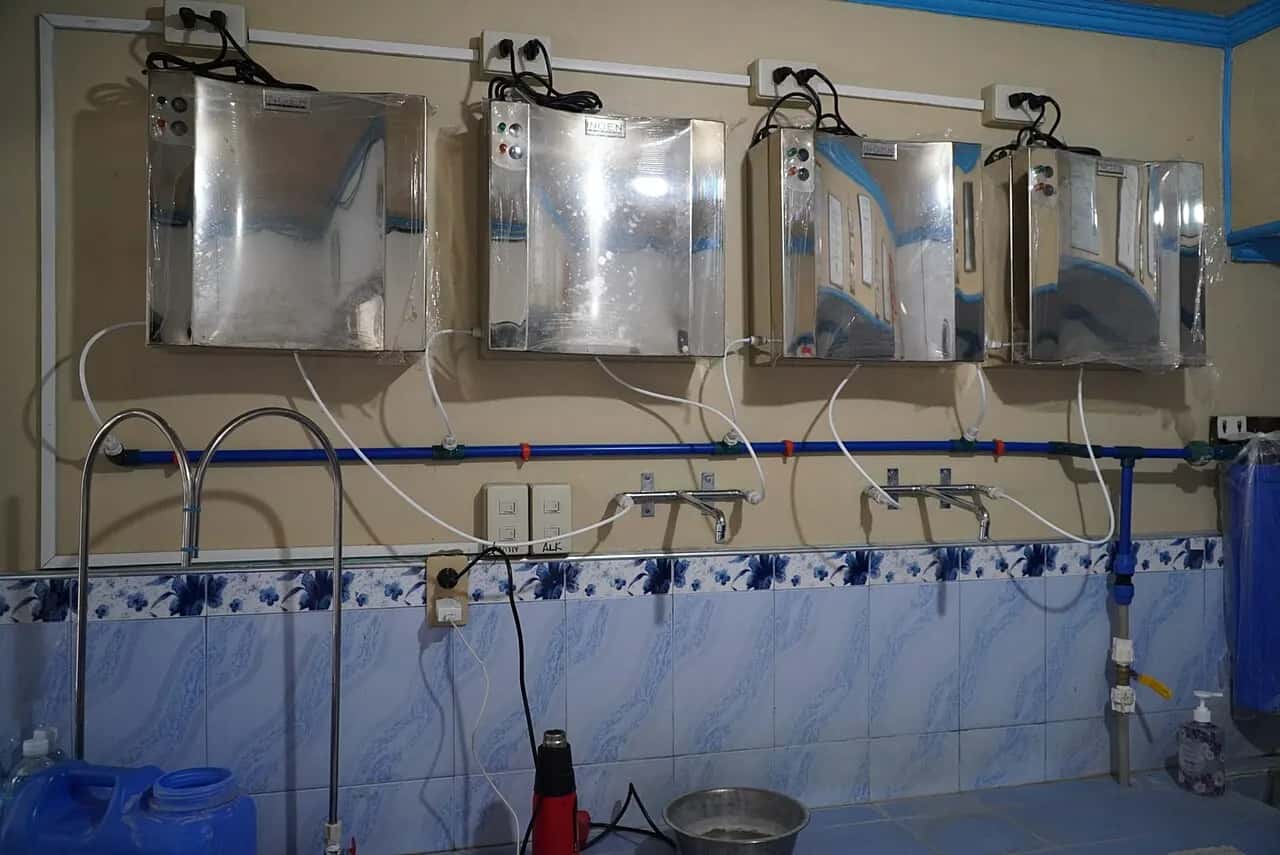
Water Refilling
Showing 24 of 37
Sulu has about 229 businesses on the map across its cities and towns, from food and drink to shops, services and clinics. Check what already operates near the spot you have in mind.
Population
1,000,1082020 census
Per 10,000 residents
2businesses we track
Business locations are based on Overture Maps open data (October 21, 2026 release) and do not represent a complete census of all businesses.
Up to ₱300,000 is what a food cart or kiosk can cost through the nationwide systems that could serve Sulu, and the cheapest of them start at about ₱30,000. Nothing is priced for the province directly, so the choice is made from sellers that operate across the country and can reach an island group. Sulu is a place of markets, boats and close-knit towns, where quick, familiar food sells all day to people going about their trade.
Sulu is an archipelago where trade by boat links the towns and where markets are the center of daily life. Fishing families, seaweed farmers, traders and travelers all pass through the market areas and the piers, and each of them needs something to eat between tasks. Small food sellers meet that need at low cost, and shoppers already expect snacks, drinks and hot rice meals close at hand. In a largely Muslim province, halal preparation matters to customers, and the fasting month of Ramadan shifts sales toward the evening, when families break the fast together. A stall that respects those habits, keeps its products simple and stays near the market or the pier has a dependable crowd. Its customers value familiar tastes and fair prices over novelty, so a modest menu that is done well suits the place. Sharing the stall's cost with a family member can also spread the workload across long market days.
Costs across nationwide systems run from about ₱30,000 to the full ₱300,000, and fees range from nothing to ₱179,000, so the budget covers everything from a small cart to a well-equipped kiosk. Payback claims vary widely between sellers, which is why each estimate deserves a request for the daily sales it assumes. A buyer with ₱300,000 does not need to spend the whole amount, since a middle build with a healthy reserve often outperforms the largest one that leaves no cash for stock. Permits, packaging, freight for supplies and the first weeks of helpers all come out of that reserve. On an island group, freight can be a larger cost than on the mainland, so asking each seller who pays for delivery, and how often shipments arrive, gives a truer picture of what the stall will really cost. Comparing two written quotes line by line, with equipment and freight shown separately, keeps the true cost visible.
Most of the money is decided by the format a buyer picks. A cart costs the least and can be pushed to a busy market edge or pier, which keeps rent out of the first months. A kiosk costs more to build and often means a fee for the space, but it protects stock from the sun and the sudden rain that arrive on the islands. Inline stores and standalone builds ask for the largest sums, and they add rent, staff and a longer lease, so they suit a buyer who already knows the trade and has a dependable site. Most nationwide systems are built around carts, with kiosks close behind, and that gives a first-time owner the widest choice at the lowest risk. Whatever the format, deliveries by sea are less predictable, so spare stock is part of the real cost. Ask each seller to describe how a cart or kiosk has performed in a comparable island town, and what it would change.
Twelve months of trading mostly teach the rhythm of the place. The first months go to finding which corner, hours and products pull the steadiest crowd, and to building regular customers who return for the same item. Sales tend to rise around market days, holidays and the evenings of Ramadan, and dip in stormy weeks when boats stop running. An owner who saves a little from the good weeks can carry the stall through the slow ones without borrowing. By the middle of the year, a stall that keeps a daily record of sales and costs can see clearly whether it is on the pace that its seller quoted. A second cart, a longer menu or a move to a kiosk is best considered only after that record shows a steady picture for several months. Setting a fixed monthly day to review takings, costs and stock keeps decisions calm and based on what actually happened.
Now that you've seen what's here, a real advisor can help you shortlist and weigh the options against your budget. Free, at your pace.

Financing Readiness · Site Selection

Low-Capital Startups

Franchise Agreements · Multi-Unit Expansion

Low-Capital Startups · Site Selection
Are you a franchise advisor?Get your own workspace here
Choose an industry to see its franchises in Sulu, with their fees and investment ranges.

Carts, kiosks, and full restaurants.
From ₱30k
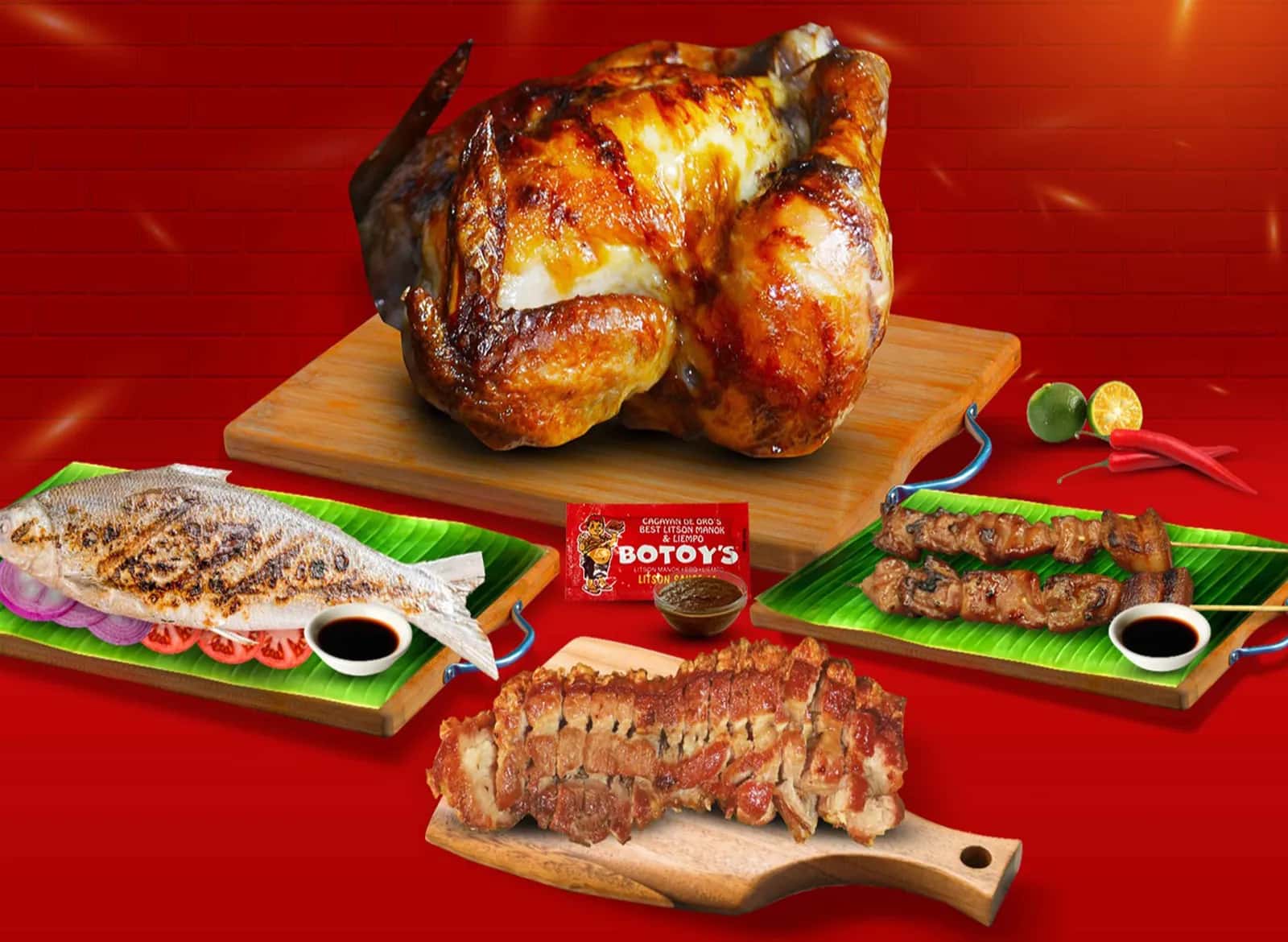
Chings Fried Noodles, Captain Calamares, Botoy's Litson Manok.BBQ.Liempo
See brands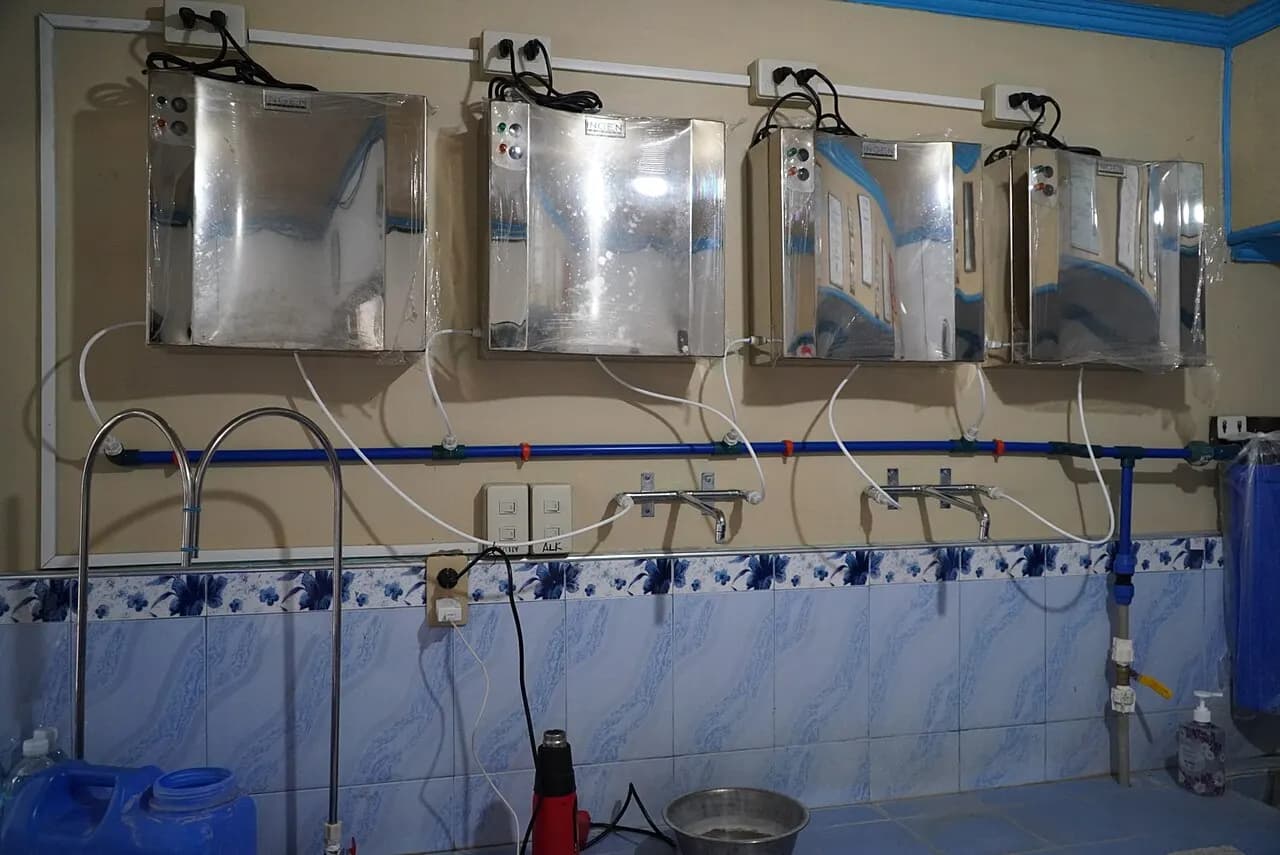
Purified and mineral water stations.
From ₱100k
AlkaViva Water Refilling Station, Bluewaters
See brandsGet honest answers on what this budget really covers, fees and payback, free and with no pressure.
Specialist and general fields both appear in the ₱300k count for Sulu: food & beverage with 31 franchises, travel & tours with 2 and water refilling with 2. Specialist fields serve one need well, and general fields serve many needs adequately. If your area has a clear unmet need, a specialist field could meet it directly. If you are unsure what your area wants, a general field gives you more room to adjust. Match your own certainty about the local need to the type of field.
Time of day shapes a format, and the ₱300k choices in Sulu are food carts with 32 franchises, kiosks with 24 and inline stores with 6. A breakfast style format has a very different day from an evening snack format. Look at when each format does most of its selling and whether those hours fit your life. If you want your evenings free, choose a morning or daytime format. If mornings are hard, choose one that sells later in the day.
Judging the fee against its own history helps, since the franchise fee for ₱300k franchises in Sulu usually runs ₱50k to ₱58k. Ask the franchisor whether its fee has stayed the same since it began franchising or has changed, and why. A stable fee suggests a settled system, while repeated changes may mean the franchisor is still working out what its franchise is worth.
For many first-time owners, the right crew size becomes clear only after a few months of operation. A ₱300k franchise in Sulu might start with a plan that later needs adjustment as sales patterns emerge. Keep a simple log of daily sales, customer counts and staff hours, and review it monthly so your staffing decisions rest on real numbers from your own outlet.
Of course, a ₱300k franchise in Sulu can run while you work, as long as you check in on staff morale and not just numbers. A team you rarely see can drift if people feel ignored. Make time to talk with your crew, recognize good work and listen to their concerns, since a motivated team tends to look after the business when you are not around.
If you are looking at franchises priced between ₱200k and ₱300k in Sulu, profit comes down to how your monthly sales compare with your monthly bills. Royalties are often charged on gross sales, so they grow as you sell more, while rent and salaries stay the same whether the day is busy or slow. Read the royalty and marketing fee clauses in the franchise agreement carefully so you know exactly what gets deducted before anything reaches you.
Short or long, the term for a ₱300k franchise in Sulu is set by the franchisor, and you should never assume it matches another franchise you have looked at. What really protects you is clarity on how the contract ends. Read the section on expiry and termination twice, then explain it back to someone you trust in your own words. If you cannot explain it simply, ask the franchisor to clarify before you sign anything.
Group and bulk orders can fill slow periods for a ₱300k franchise in Sulu if the business suits them. Families planning birthdays, christenings and reunions often need larger orders or packages, and a household that orders for a celebration tends to remember you for the next one. Prepare a simple package list with clear pricing and pin it to the top of your page. Mention it to regulars at the counter as well, since people often plan a party well ahead and appreciate knowing the option exists.
Compare how many franchises start at each budget level in Sulu, from the smallest packages up.
The ₱300k franchises whose franchisors quote the shortest time to earn back the investment, worth checking against your own costs.

Filipino Restaurant
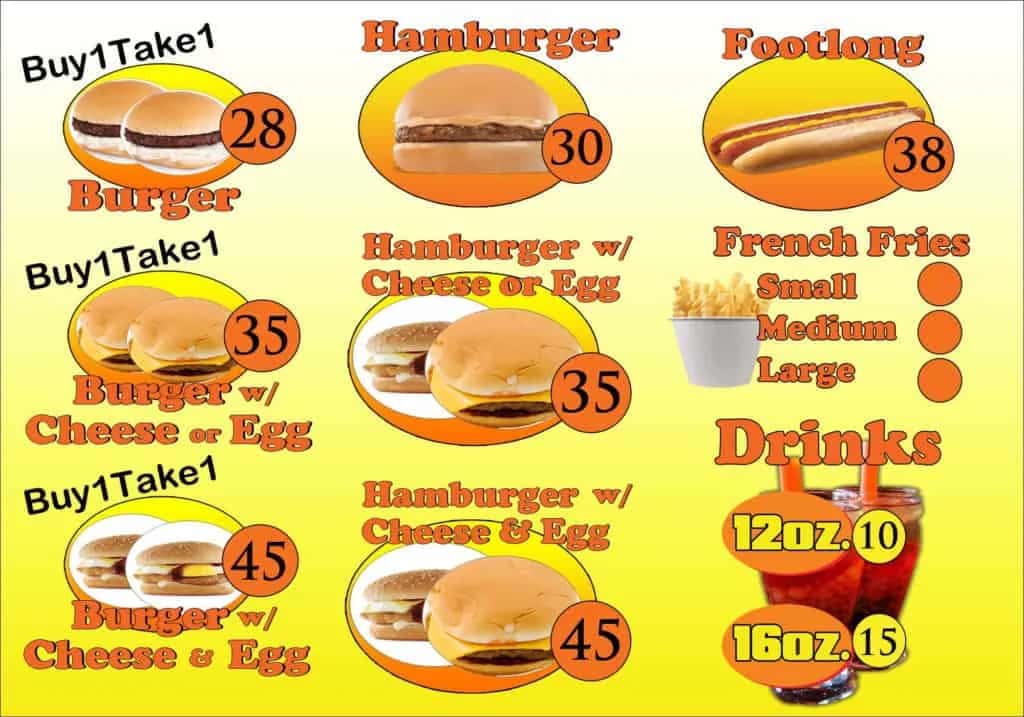
Burgers
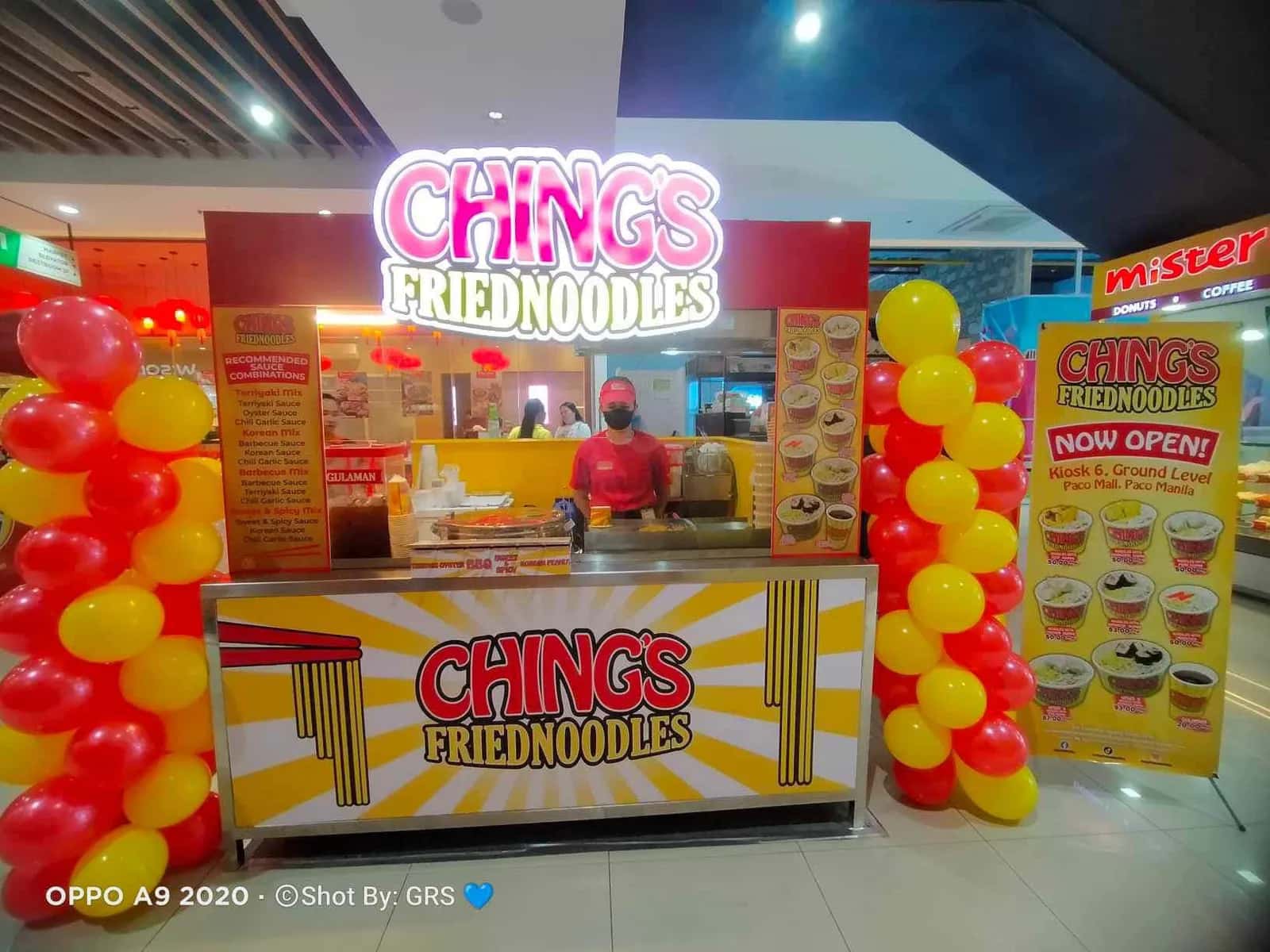
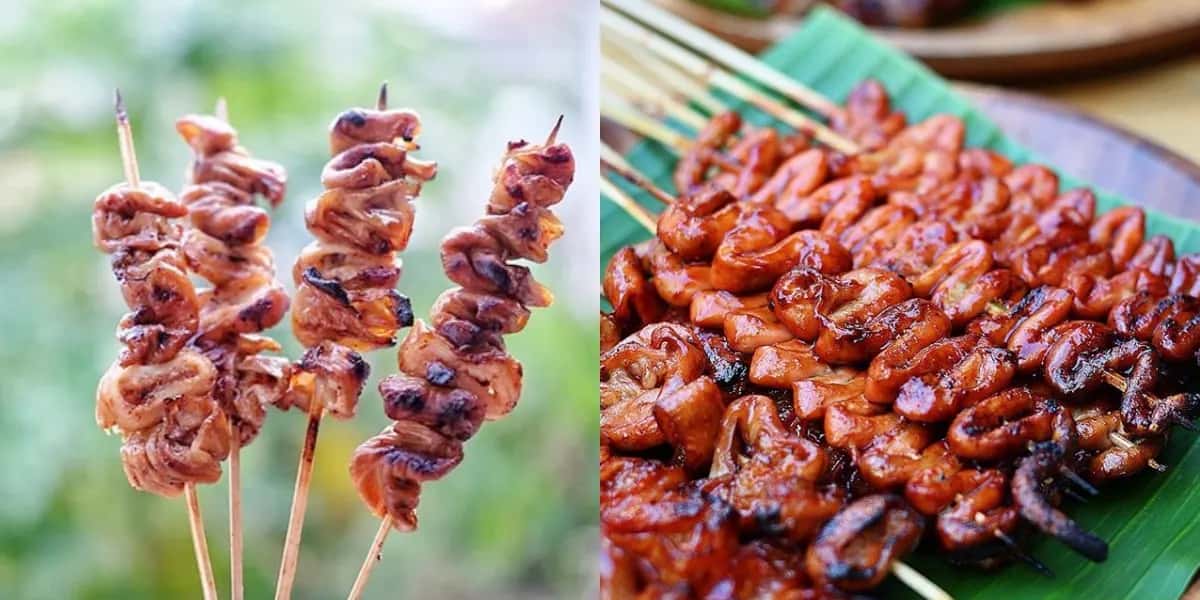
Street Food & Snacks
Street Food & Snacks

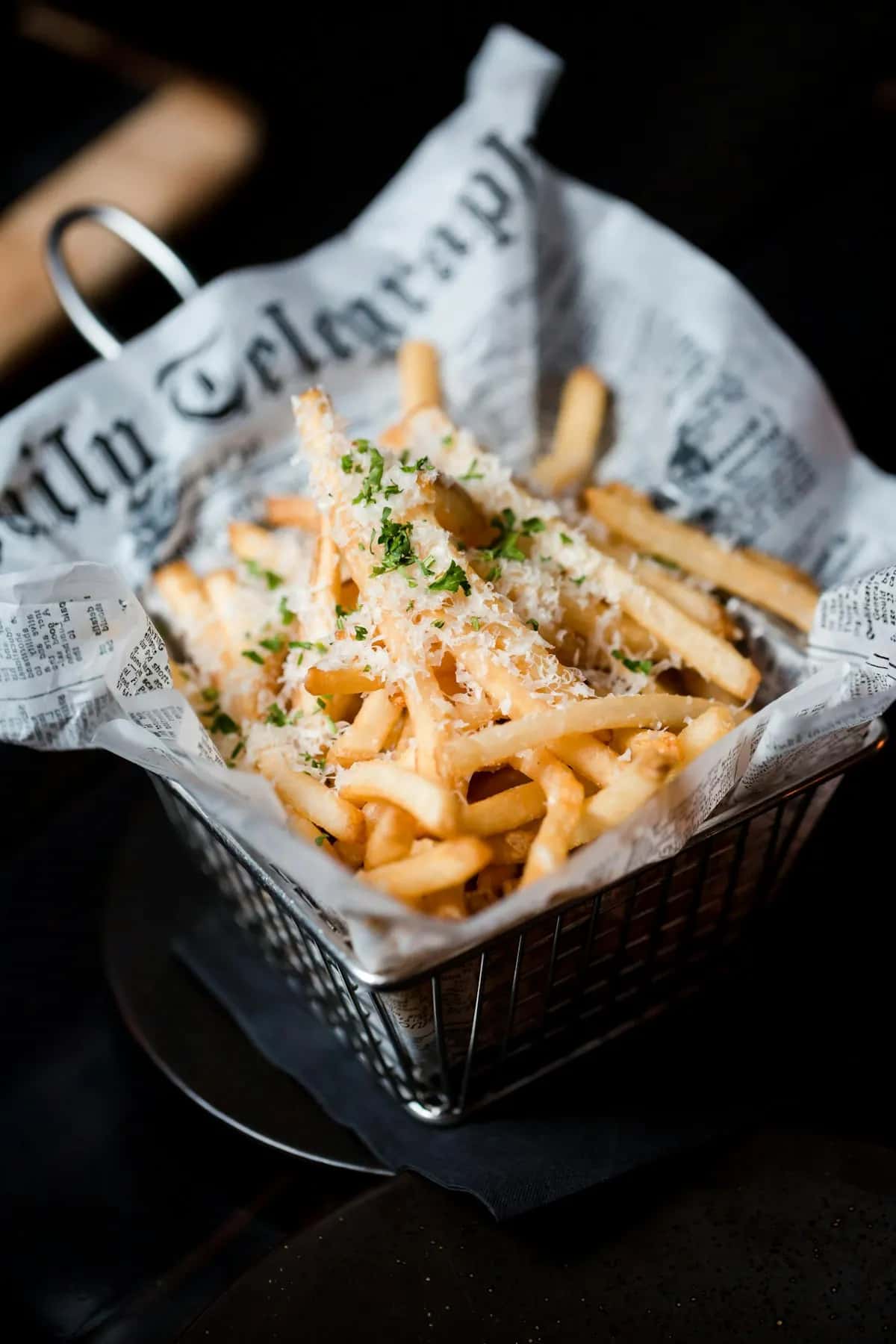
Fries & Potato Snacks
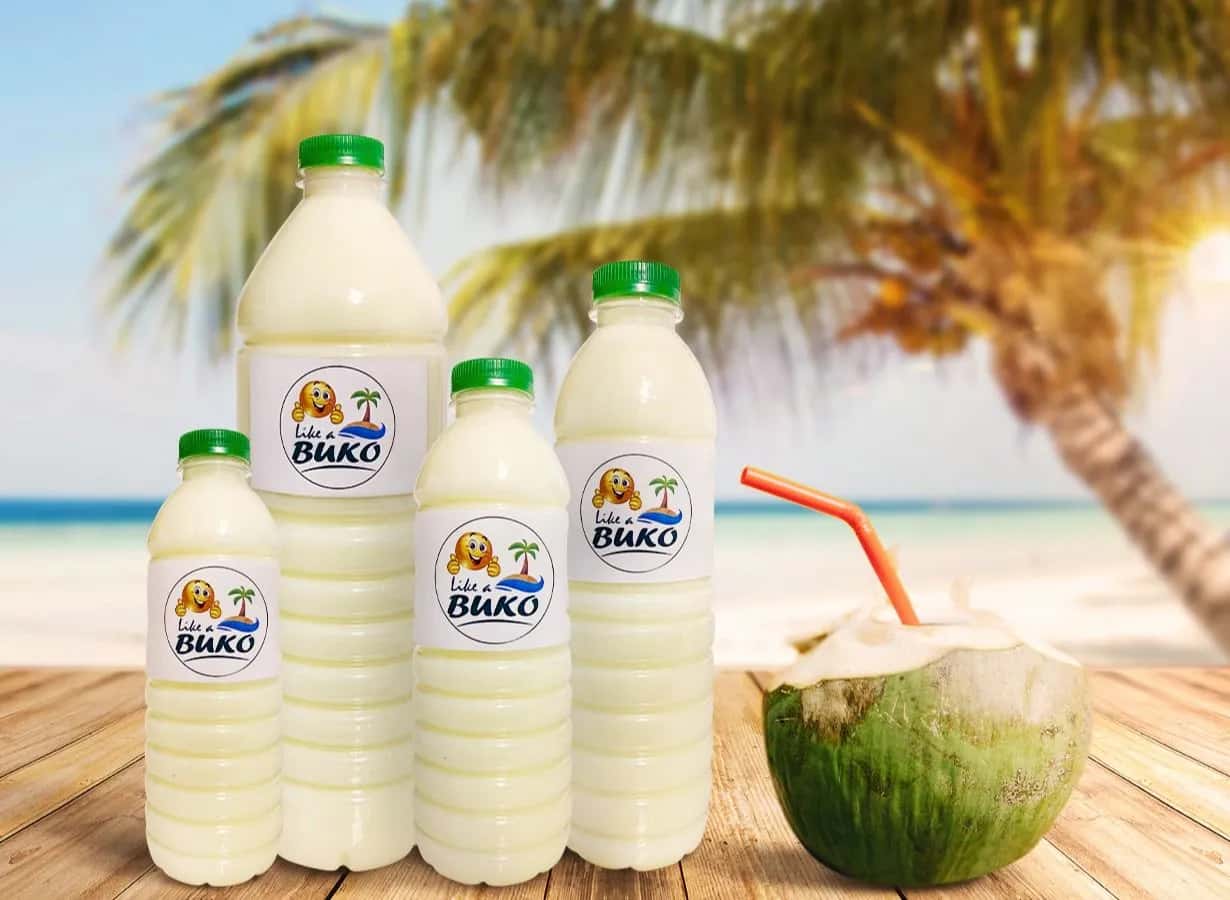
Juices & Shakes

Juices & Shakes
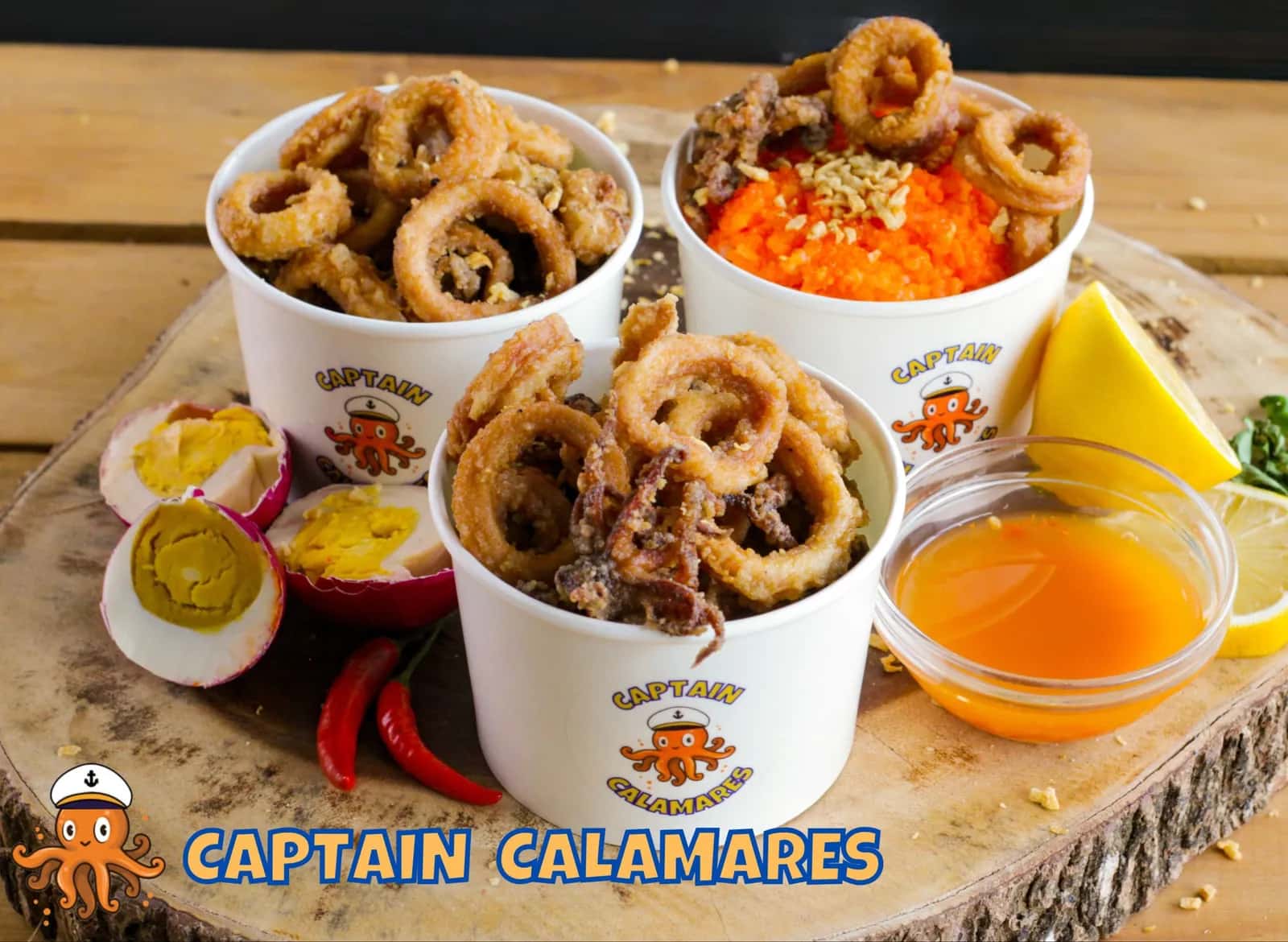
Street Food & Snacks
Franchises at the next budget level, ₱400k, worth a look if you can stretch your savings a little.
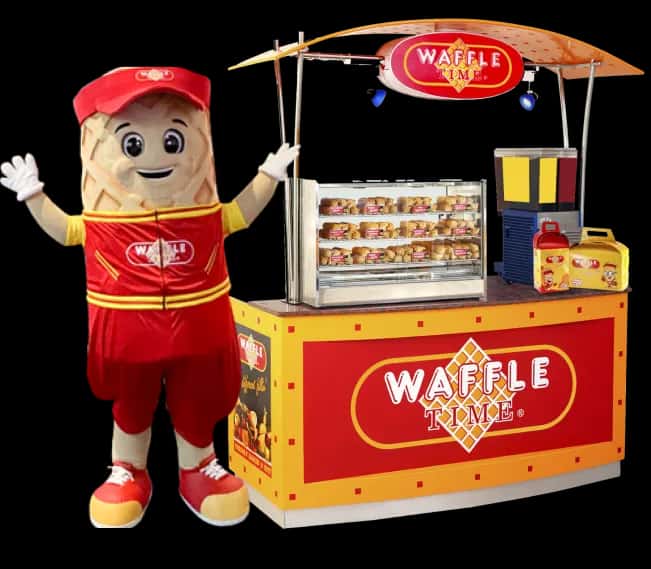
Waffle Shop

Juices & Shakes

Burgers
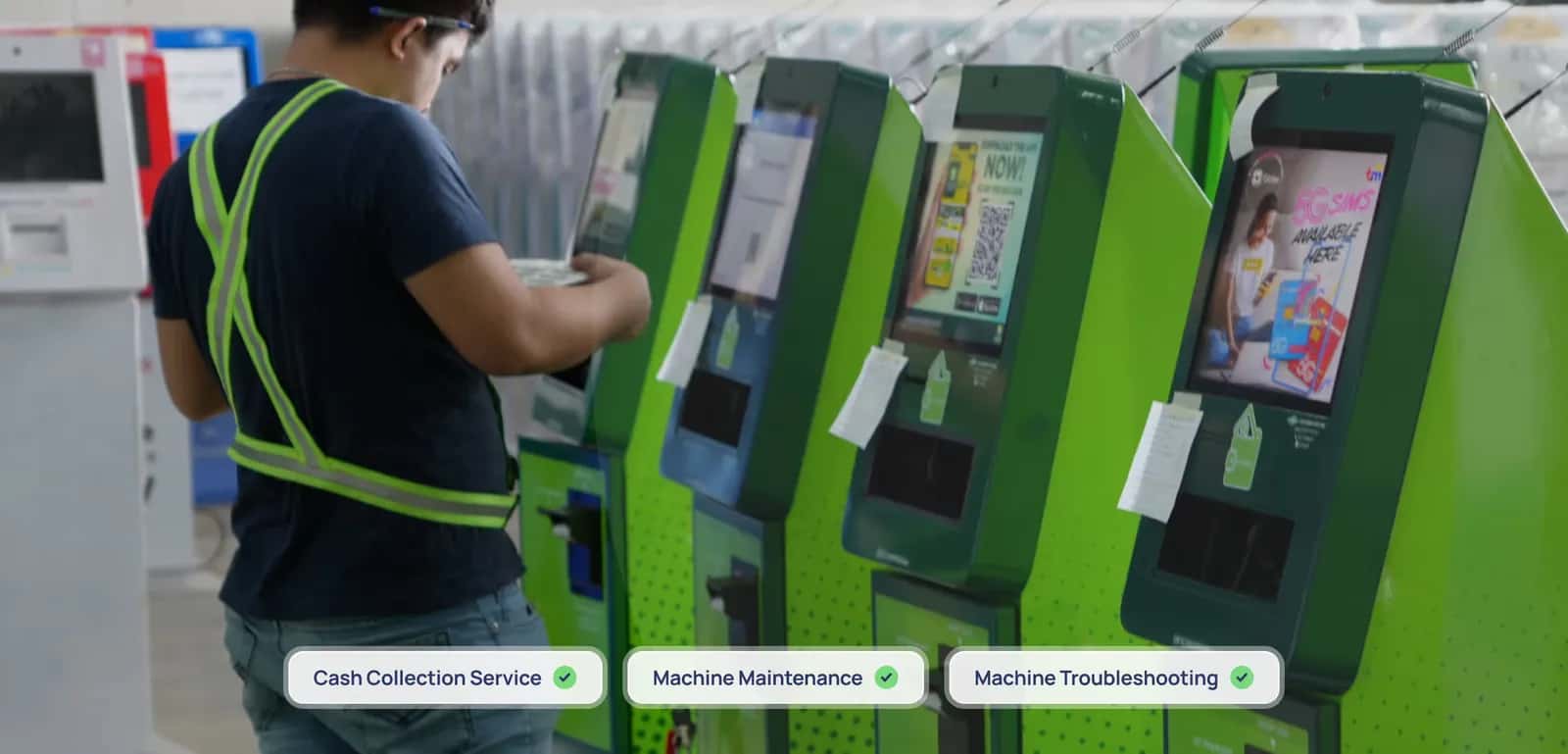
Payment & Remittance Center
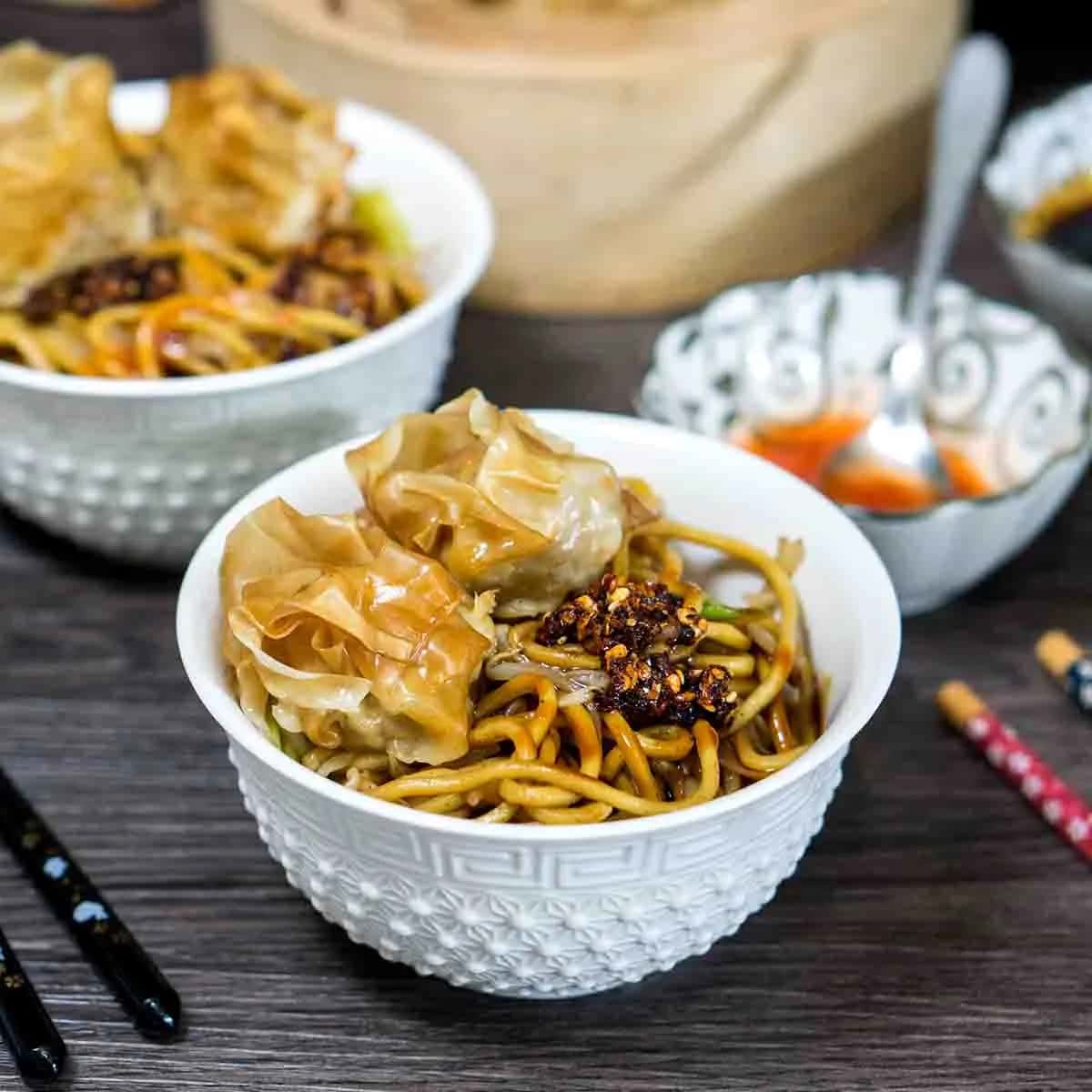
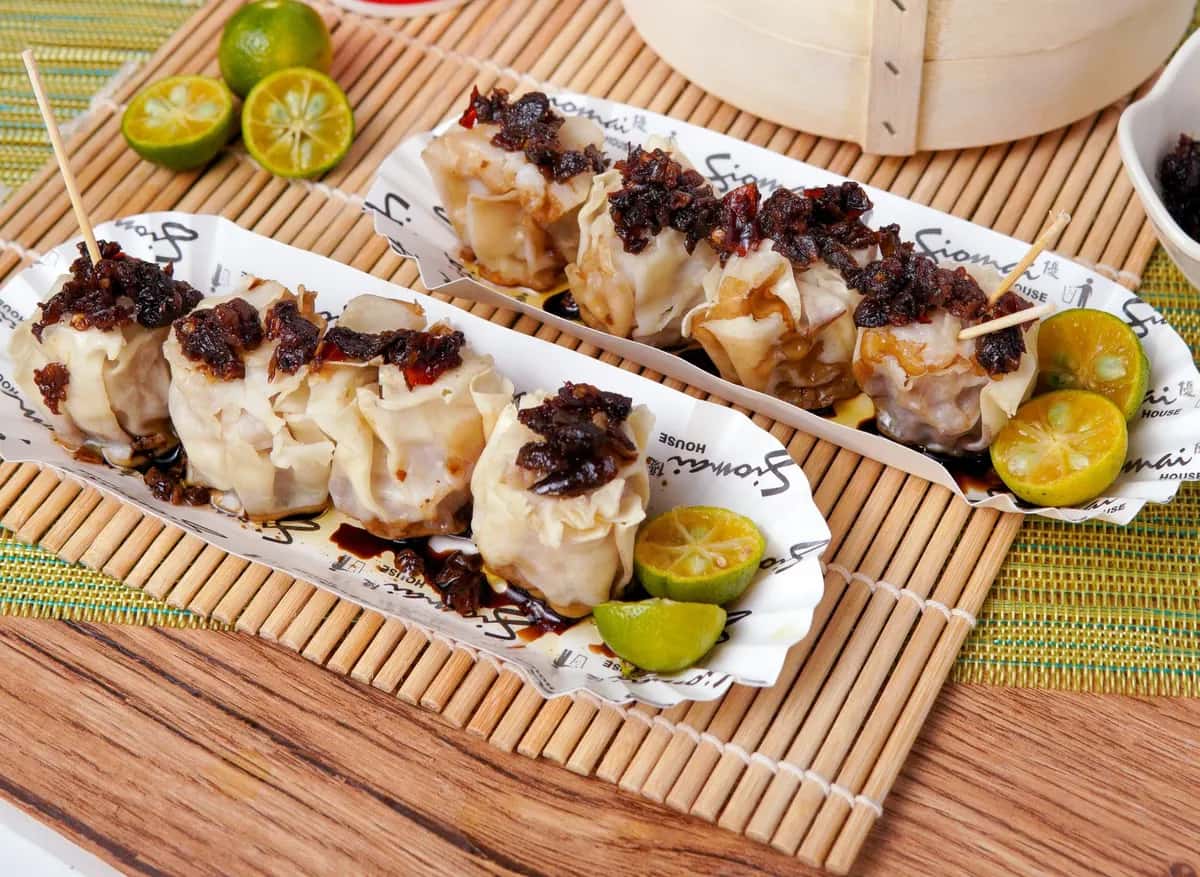
Siomai & Dimsum

Shawarma
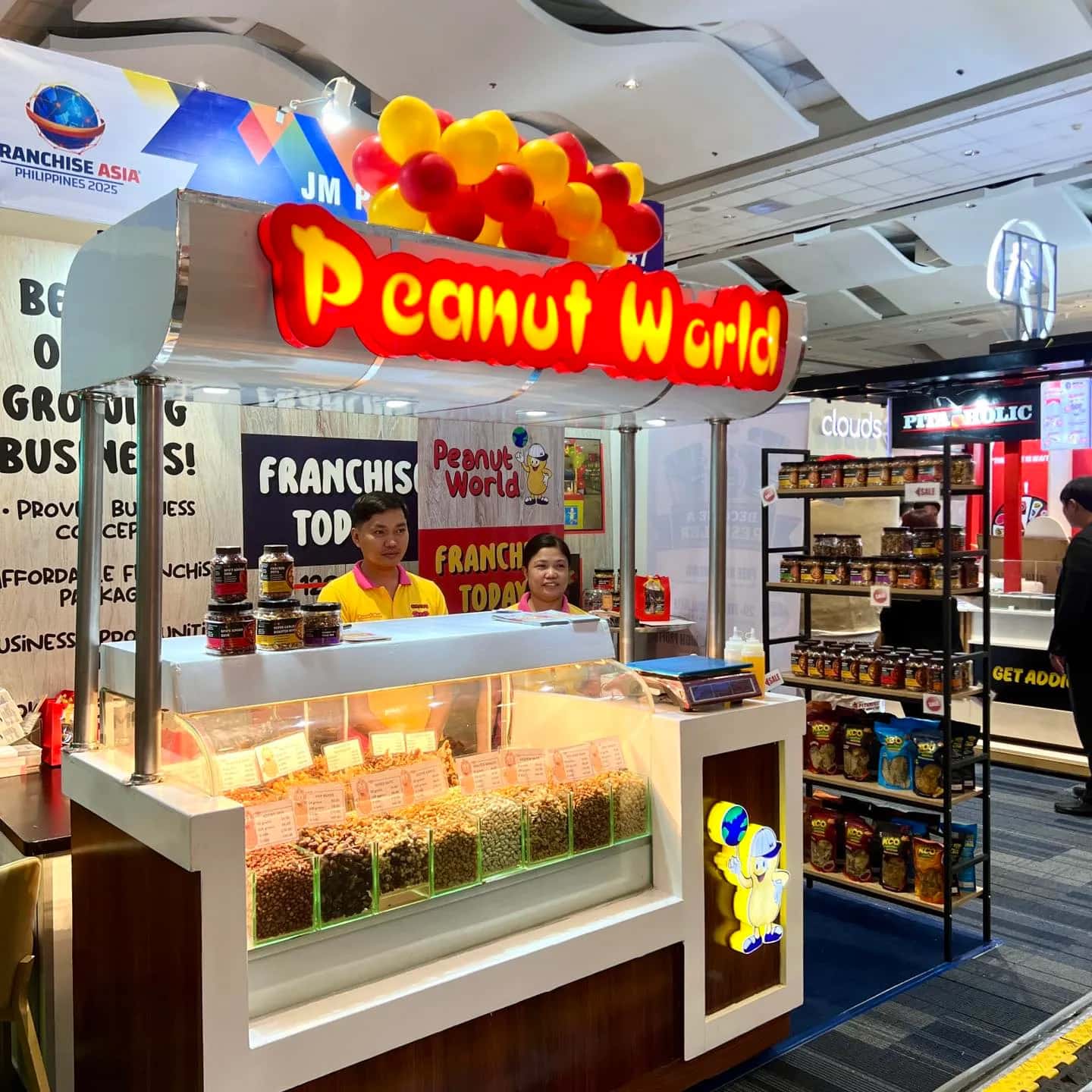
Packaged Snacks
Coffee Shop

Learn practical inventory control steps for your Philippine franchise to cut waste, prevent loss, and protect your capital.
Aug 14, 2026 6 min read
Learn how non-compete clauses work when exiting a franchise agreement in the Philippines, protecting your investment after closing.
Jul 20, 2026 5 min read

Learn how to secure financing for your Philippine franchise, from preparation to approval. A practical guide for new operators and OFWs.
Jul 20, 2026 5 min read