M Lhuillier (ML Express)
Payment & Remittance Center
- Franchise fee
- No franchise fee
- Total investment
- ₱70k–₱99k
🎁 Start Your 1 Month Free Trial of the Full Plan, Exclusively for Brands & Advisors.Get Started
Browse 17 franchises up to ₱100k, with investments from ₱60k to ₱99k, franchise fees mostly between ₱17k and ₱38k, and most paying back in 4 to 8 months.
Updated
Payment & Remittance Center

Payment & Remittance Center
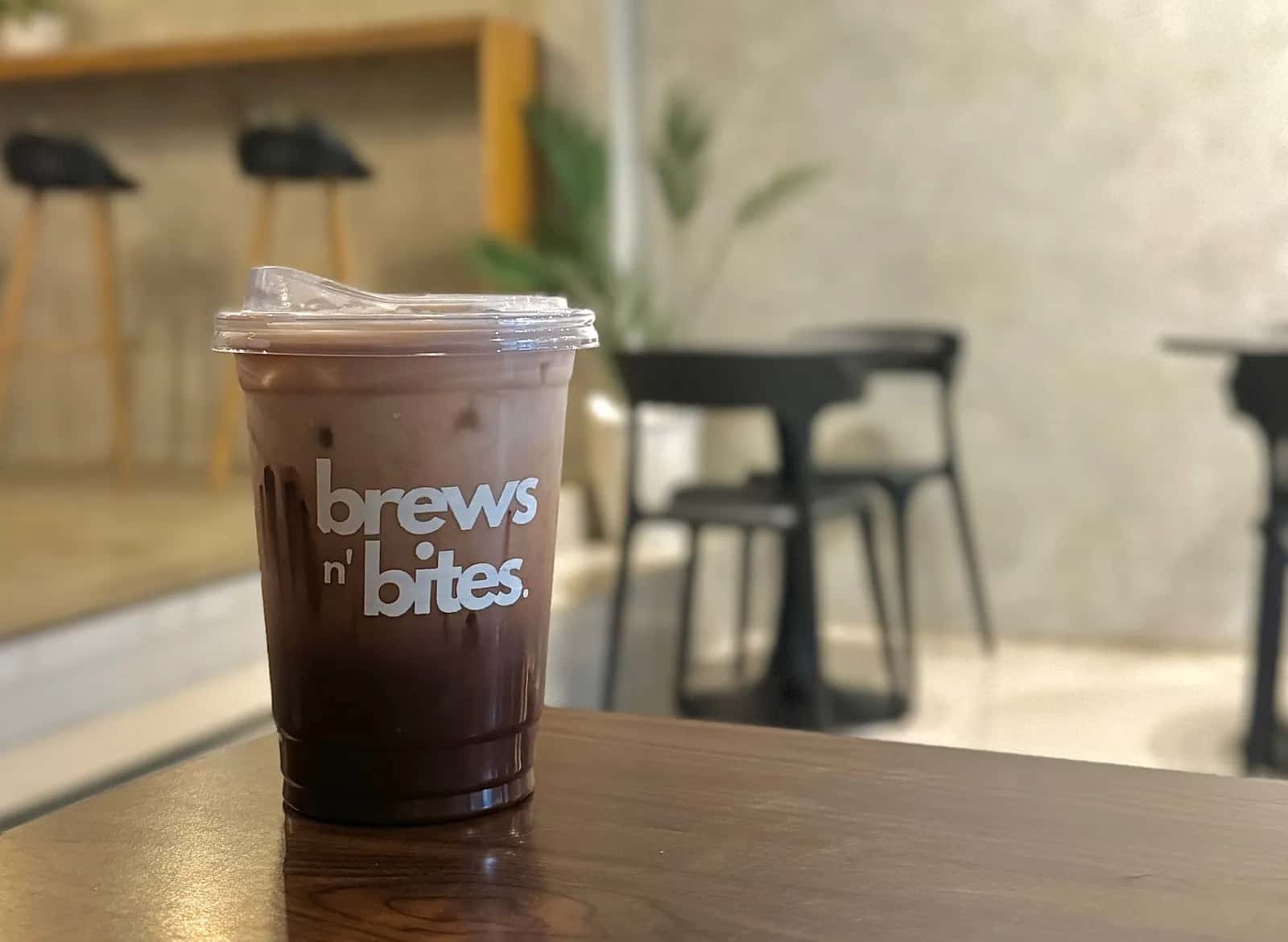
Milk Tea & Boba
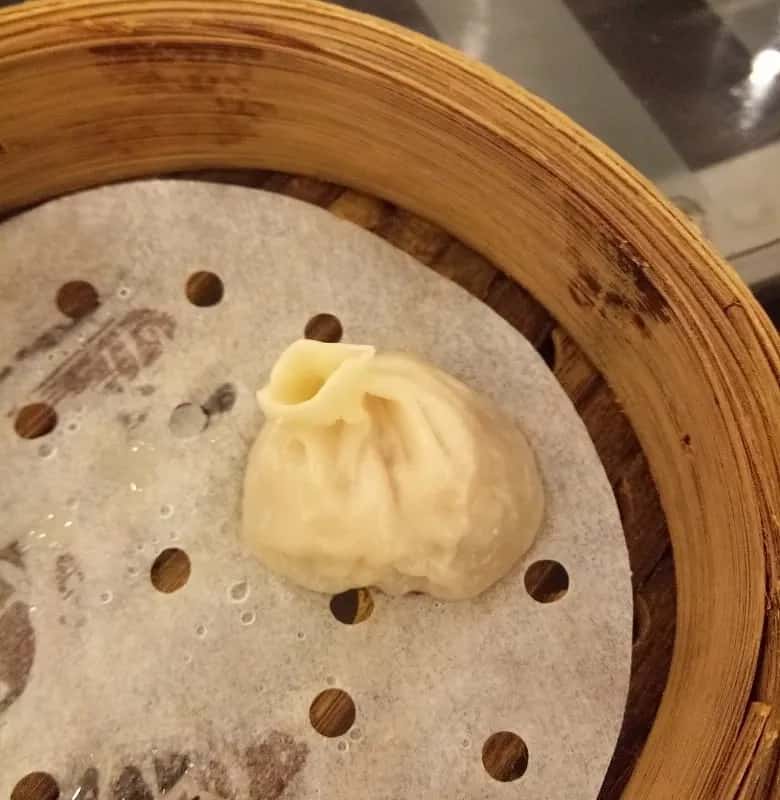
Siomai & Dimsum
Waffle Shop
Street Food & Snacks

Street Food & Snacks

Fries & Potato Snacks
Street Food & Snacks
Packaged Snacks
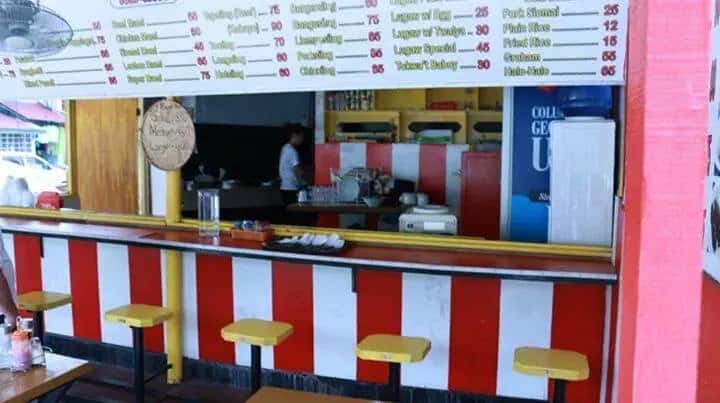
Filipino Restaurant

Juices & Shakes
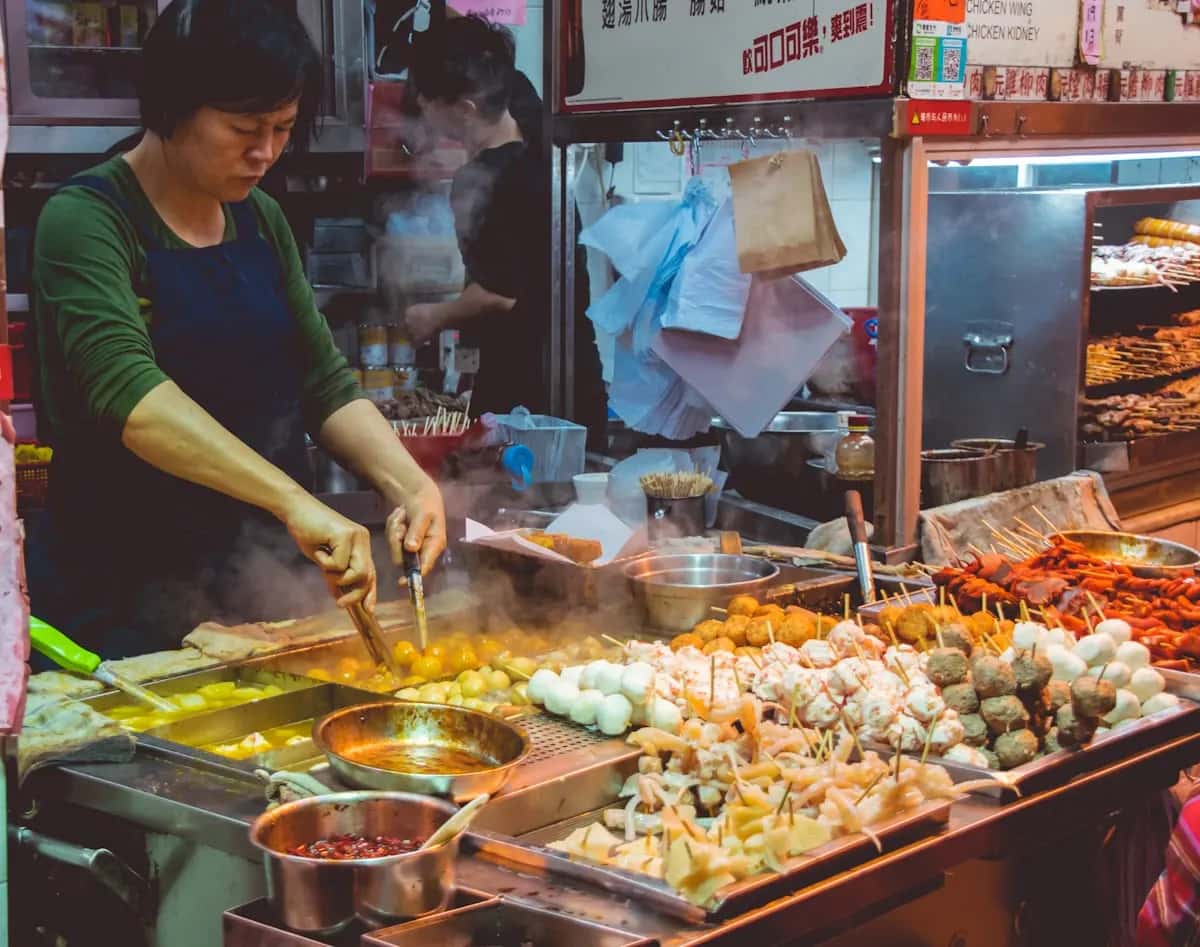
Street Food & Snacks
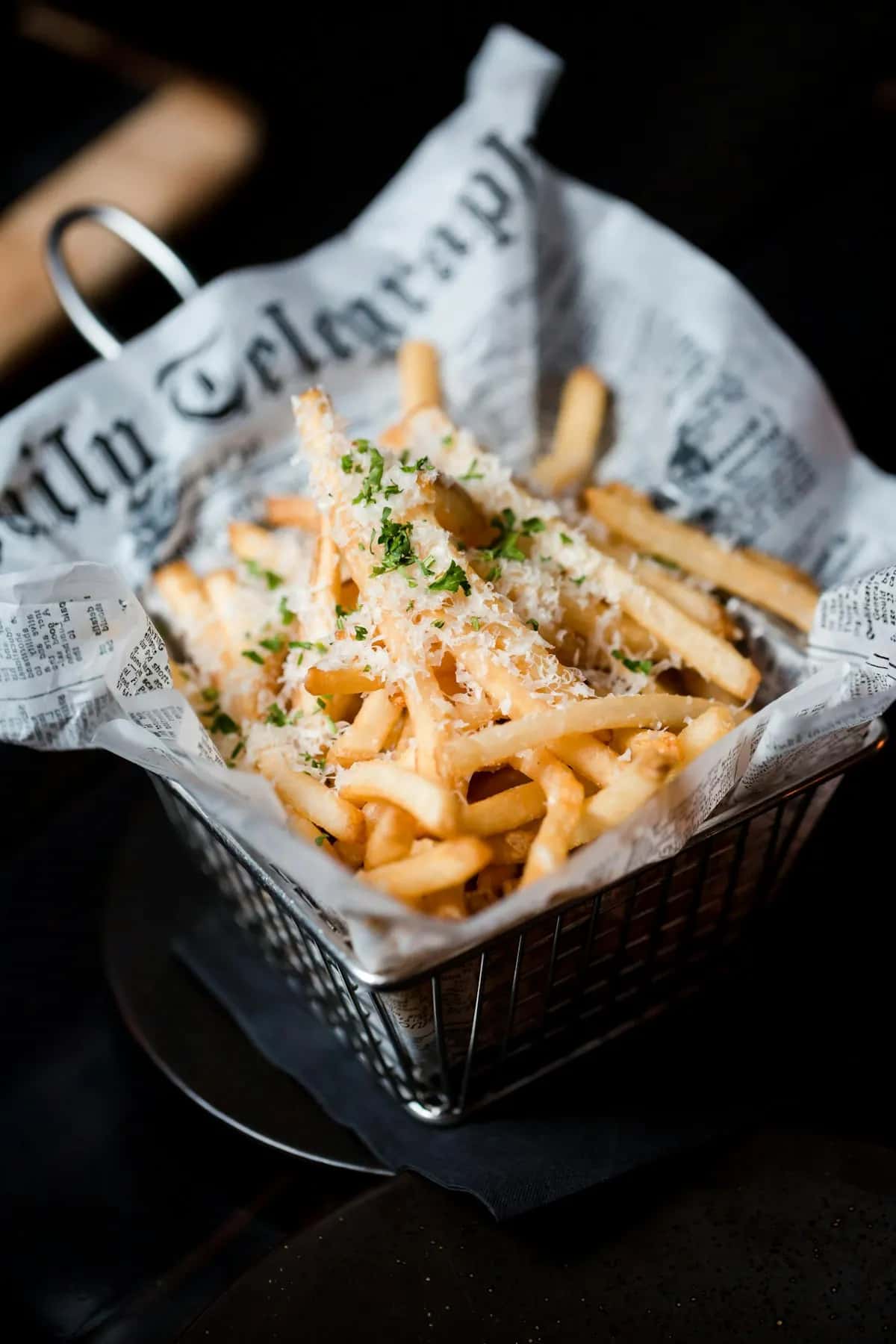
Fries & Potato Snacks
Street Food & Snacks
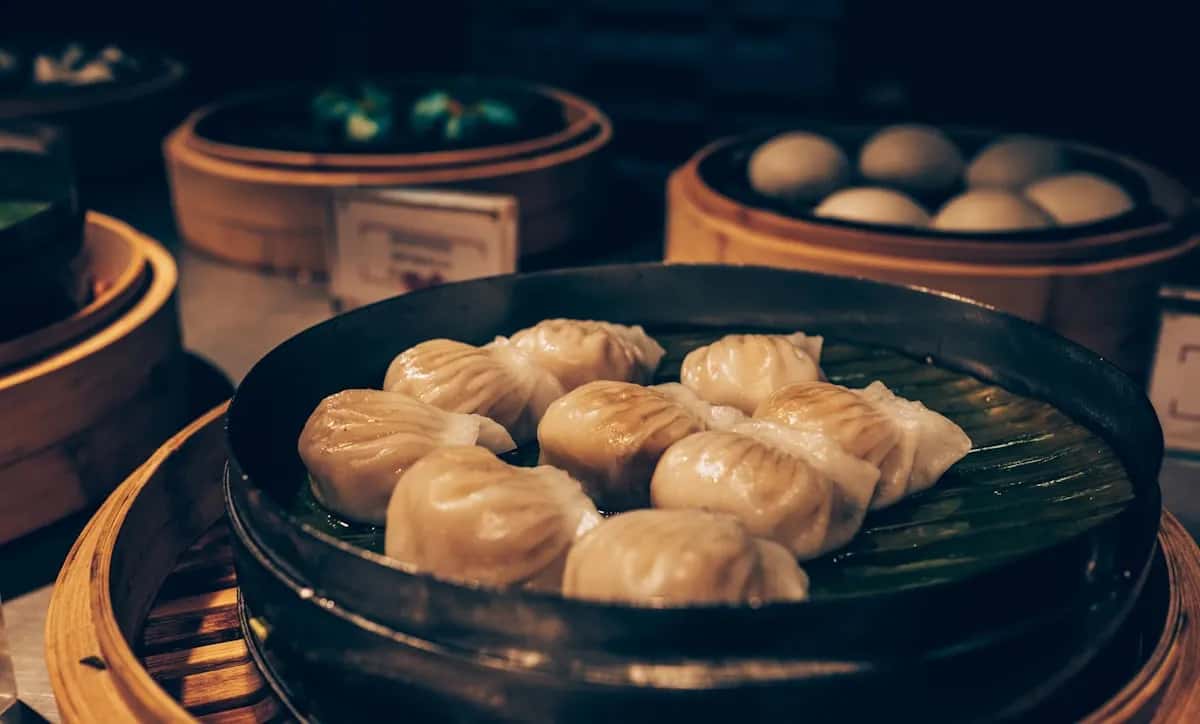
Siomai & Dimsum
Siomai & Dimsum
Up to ₱100,000 mostly buys a cart or a kiosk. Entry costs start around ₱25,000, and the fee on top runs anywhere from free to roughly ₱43,000. This budget is well stocked with options, and almost nothing in it needs a leased storefront to open. It is the entry ramp of the whole franchise ladder, built for someone testing a first business rather than expanding an existing one. Claimed payback runs fast, often inside a year.
Most of the brands here sell a food cart package, and most also offer a kiosk version of the same concept for a slightly different site. A small share offers an inline store built into a commercial space, and about the same share needs no public counter at all, running as a home-based or online setup instead. A reader working with this budget is really choosing between a cart and a kiosk, not between a small business and a large one. Almost nothing at this price comes with a lease attached. That matters for a reader picturing a proper storefront on this budget: it is not the shape this money is built around. A cart can move with foot traffic and cost little to relocate if a corner turns out to be wrong. A kiosk trades that flexibility for a fixed spot, usually inside or beside an existing commercial building, which can mean steadier walk-by traffic but less room to chase a better site later.
Entry costs across this budget run from around ₱25,000 at the cheapest end to the full ₱100,000. A good number of brands charge no separate franchise fee at all, earning instead on the supplies and stock an operator buys afterward. Others near the top ask up to roughly ₱43,000 on top of the setup cost, covering training, branding, and site support. Claimed payback is fast for franchising, typically landing somewhere between four months and a year, which reflects how little capital sits tied up in a cart or kiosk compared with a full store. That speed cuts both ways, though. A fast claimed payback usually assumes strong sales from the first week, and any brand quoting it should be asked what site conditions that figure actually depends on. A number built on a strong corner in a busy district rarely holds up the same way on a quiet residential street.
A brand that charges nothing beyond the setup cost usually recovers its margin through the ingredients or stock it sells the operator going forward. The real cost of that relationship shows up gradually rather than upfront. A reader should ask what those ongoing supply prices look like before assuming a zero-fee brand beats a fee-charging one over a full year of trading. A brand asking for a visible fee is, in one sense, more transparent about the number, even when it looks larger on day one. A near-identical cart can be priced very differently by different brands, one betting on ongoing supply sales, another on the fee itself. Comparing the two purely by the sticker price is how a reader ends up in the more expensive relationship while believing they picked the cheaper one. Neither figure usually covers the first batch of stock, a permit or two, or the small cushion needed to cover a slow first week. A beginner budgeting only to the sticker price often finds those costs waiting right after signing.
This budget rewards someone who intends to work the counter personally. The margin on a single cup or serving sold from a cart leaves almost nothing to pay a hired hand and still turn a profit, so the operator's own labor is effectively part of the capital. It suits a first business far more than a passive second income, because a fast claimed payback assumes daily presence to manage stock, cash, and quality. Anyone planning to stay hands-off from day one should look higher up the ladder instead. The thin margin here has no room to absorb someone else running it. Someone testing whether they even enjoy running a small food or retail business, before putting more money behind a bigger format later, is arguably the best fit of all. The downside is capped by how little there is to lose in the first place.
Now that you've seen what's here, a real advisor can help you shortlist and weigh the options against your budget. Free, at your pace.

Financing Readiness · Site Selection

Franchise Agreements · Multi-Unit Expansion

Low-Capital Startups · Site Selection

Low-Capital Startups
Are you a franchise advisor?Get your own workspace here
Choose an industry to see only its franchises up to ₱100k, with their fees and investment ranges.
Get honest answers on what this budget really covers, fees and payback, free and with no pressure.
Neighboring budget levels give context to the 17 franchises at ₱100k, priced between ₱50k and ₱100k. Check how the count changes one level down and one level up. A big jump suggests that a modest change in budget would open many more choices, while a small change suggests little is gained either way. Only your own finances can decide your level, but seeing the counts side by side keeps you informed and avoids guessing.
Absolutely, many people start with ₱100k, but they do well when they plan for the full cost of opening and not just the package. Space, renovation, government permits and working capital usually come on top of the quoted price. Consider keeping a personal emergency fund that stays separate from the business, so a family need does not force you to pull money out of the outlet at a bad time.
Even at ₱100k, the industries range widely, and food & beverage leads a list that reads food & beverage with 13 franchises, financial services with 2 and bakery & pastry with 1. Size of choice can tempt you to scan quickly and pick whatever looks attractive. Slow down by reading what each industry actually sells and who buys it. If you cannot name the customer in a sentence, the industry is not yet clear to you, and clarity should come before any further comparison.
Check what each name means when you see food carts with 15 franchises, kiosks with 12 and inline stores with 1 at ₱100k, priced between ₱50k and ₱100k. Two franchisors can use the same word for setups that look nothing alike, so a kiosk from one may resemble a stall from another. Ask for photos and floor plans of every setup you like, and compare these side by side so you judge the actual format and not the label.
Franchise fees in the ₱100k category commonly fall between ₱50k and ₱100k. For an employee planning a side business, that range helps you decide how long you need to save before you can move. Work backward from the amount closest to the offer you like, divide it by what you can realistically set aside each month, and you will know whether your timeline is honest.
Payback on a ₱100k franchise can look quick on paper, yet the pace you experience depends heavily on where you set up. A spot with steady foot traffic recovers costs far sooner than a quiet corner, even with the same package. Before relying on any estimate, stand at your proposed location at different hours on weekdays and weekends and count the people who pass and stop, since that tells you more than any brochure.
Island and mountain towns still count among the places open to nine ₱100k franchises that accept franchisees nationwide. Places that are hard to reach can be approved case by case. Ask the franchisor whether it has opened outlets in towns with similar access and what made them acceptable. If it has, your location is a known type, and if not, ask what extra review it would need before approving you.
Price checks on equipment can reveal hidden costs too. Some packages include only basic equipment, while the franchisor recommends optional upgrades that most busy outlets end up buying. If you are looking at packages priced between ₱50k and ₱100k, ask which optional items most franchisees eventually add and why. Knowing that early helps you decide whether to buy them at the start or set money aside for later.
You can treat a ₱100k franchise as a strong first option when the franchisor's existing outlets are healthy and long-running. Ask how many outlets have closed and why, because that tells you about the real risks. A franchisor who shares this openly is being honest with you. If closures seem frequent or the explanations are vague, look at other options in the same price range.
Compare how many franchises start at each budget level, from the smallest packages up.
Search your city or province, or browse by region to see the ₱100k franchises available there.
16 cities · Manila, Quezon City, Caloocan
Metro Manila franchises →5 provinces · 22 cities · Antipolo, Batangas City, Calaca
Calabarzon franchises →6 provinces · 2 cities · Baguio, Tabuk
Cordillera Administrative Region franchises →4 provinces · 9 cities · Batac, Laoag, Candon
Ilocos Region franchises →5 provinces · 4 cities · Tuguegarao, Cauayan, Ilagan
Cagayan Valley franchises →7 provinces · 15 cities · Balanga, Baliwag, Malolos
Central Luzon franchises →5 provinces · 2 cities · Calapan, Puerto Princesa
Mimaropa franchises →6 provinces · 7 cities · Legazpi, Ligao, Tabaco
Bicol Region franchises →5 provinces · 3 cities · Roxas, Iloilo City, Passi
Western Visayas franchises →3 provinces · 19 cities · Bacolod, Bago, Cadiz
Negros Island Region franchises →6 provinces · 7 cities · Borongan, Baybay, Ormoc
Eastern Visayas franchises →3 provinces · 4 cities · Dapitan, Dipolog, Pagadian
Zamboanga Peninsula franchises →5 provinces · 9 cities · Malaybalay, Valencia, Iligan
Northern Mindanao franchises →5 provinces · 6 cities · Panabo, Samal, Tagum
Davao Region franchises →4 provinces · 4 cities · Kidapawan, General Santos, Koronadal
Soccsksargen franchises →5 provinces · 6 cities · Butuan, Cabadbaran, Bayugan
Caraga franchises →6 provinces · 4 cities · Isabela City, Lamitan, Marawi
Bangsamoro (BARMM) franchises →Franchises at the next budget level, ₱200k, worth a look if you can stretch your savings a little.
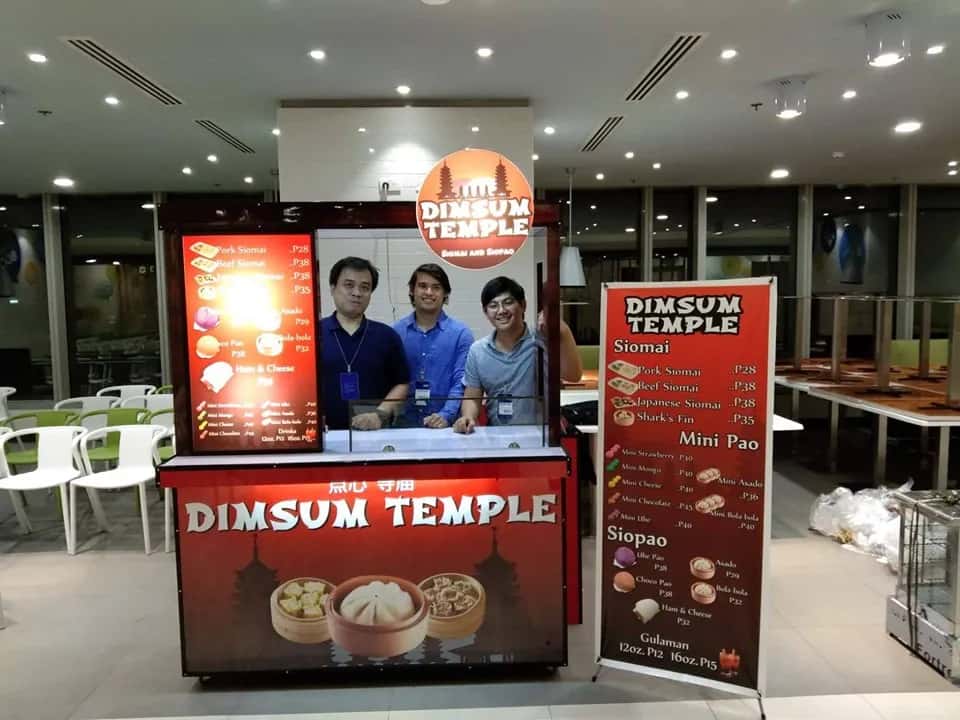
Siomai & Dimsum

Ice Cream & Desserts
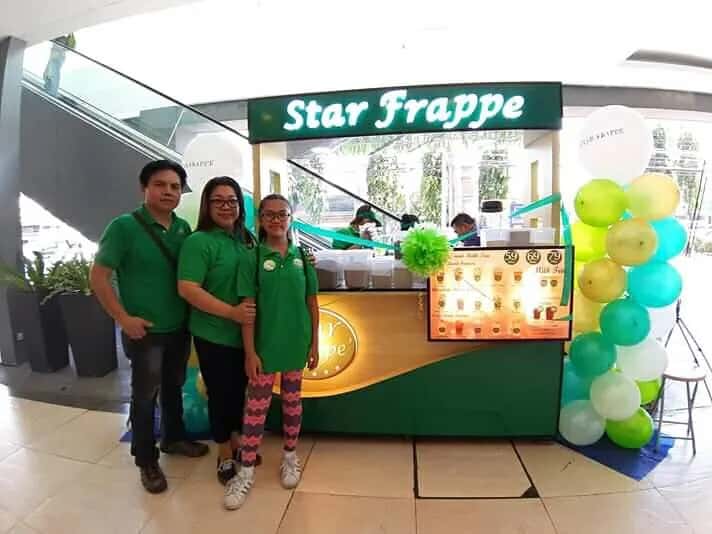
Coffee Shop
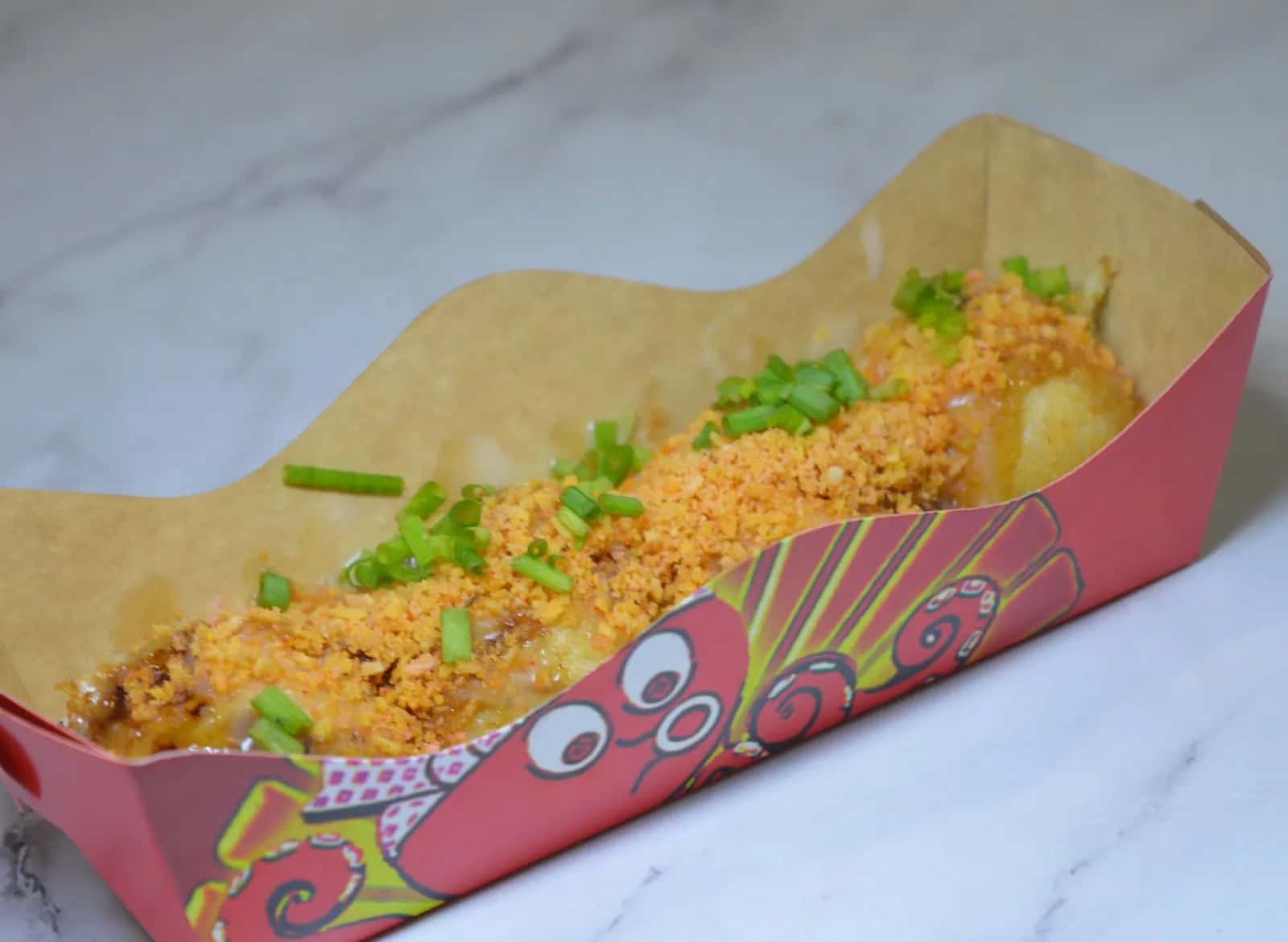
Takoyaki & Japanese Snacks
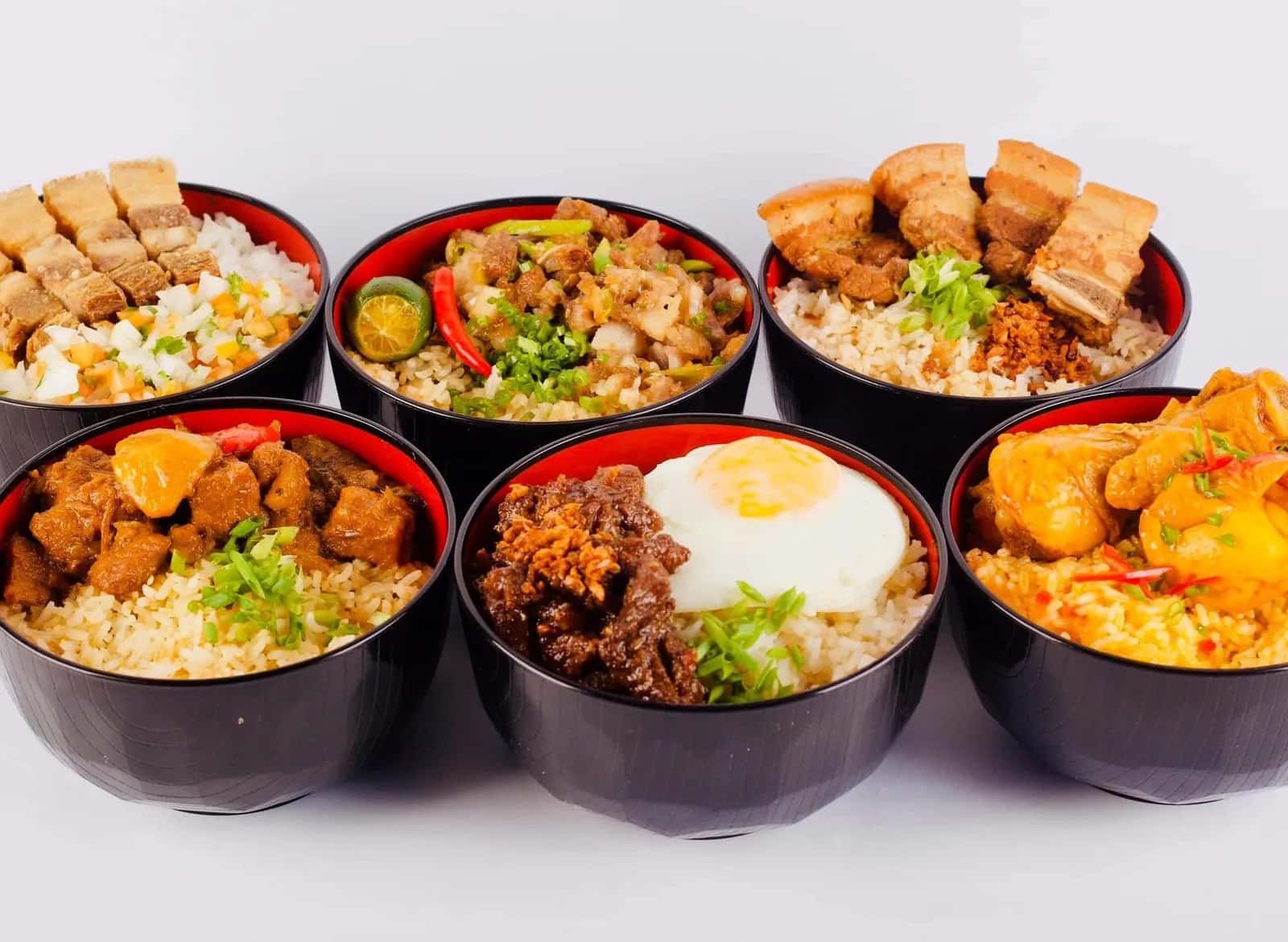
Street Food & Snacks
Payment & Remittance Center

Cakes & Pastries
Fries & Potato Snacks

Learn practical inventory control steps for your Philippine franchise to cut waste, prevent loss, and protect your capital.
Aug 14, 2026 6 min read
Learn how non-compete clauses work when exiting a franchise agreement in the Philippines, protecting your investment after closing.
Jul 20, 2026 5 min read

Learn how to secure financing for your Philippine franchise, from preparation to approval. A practical guide for new operators and OFWs.
Jul 20, 2026 5 min read