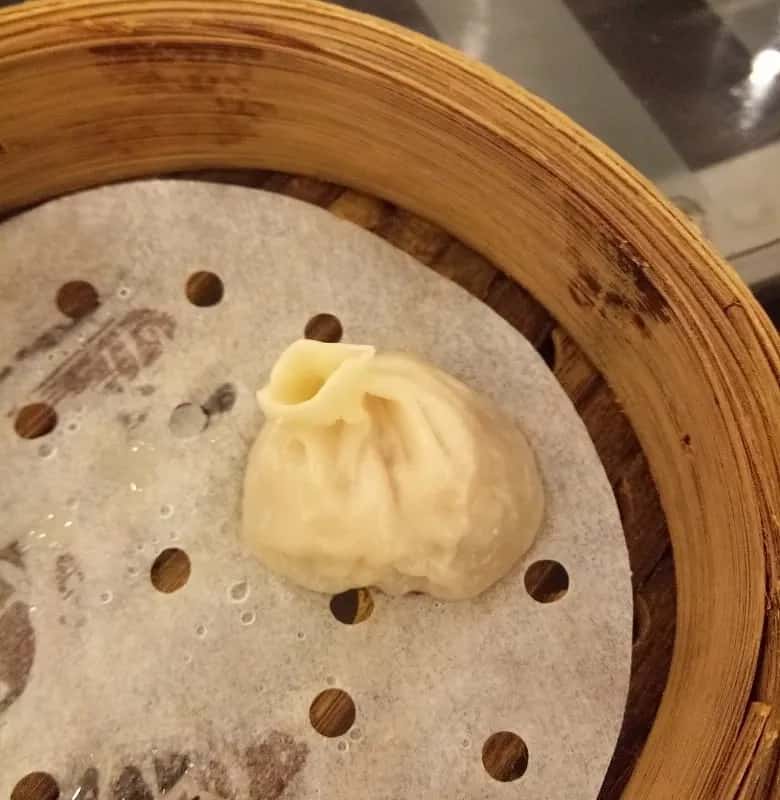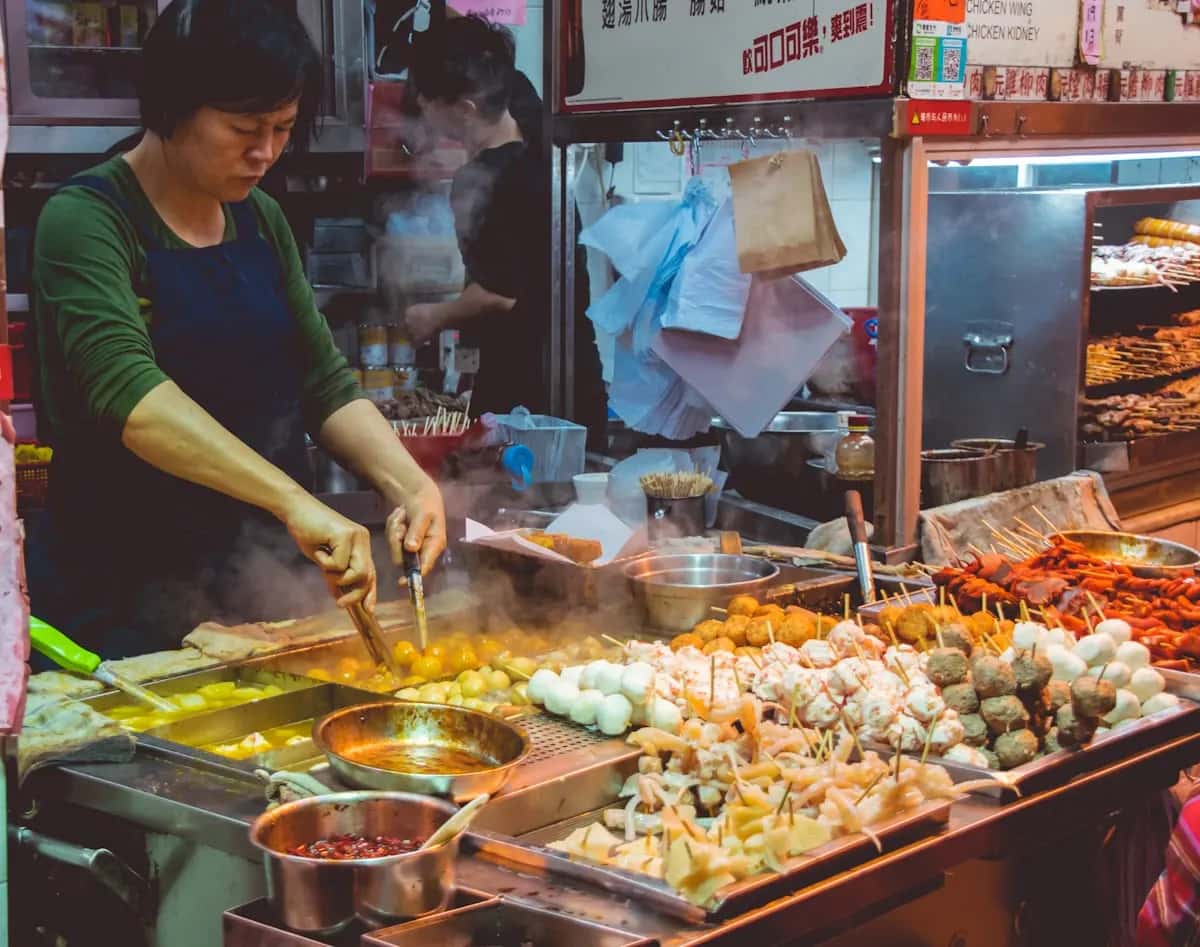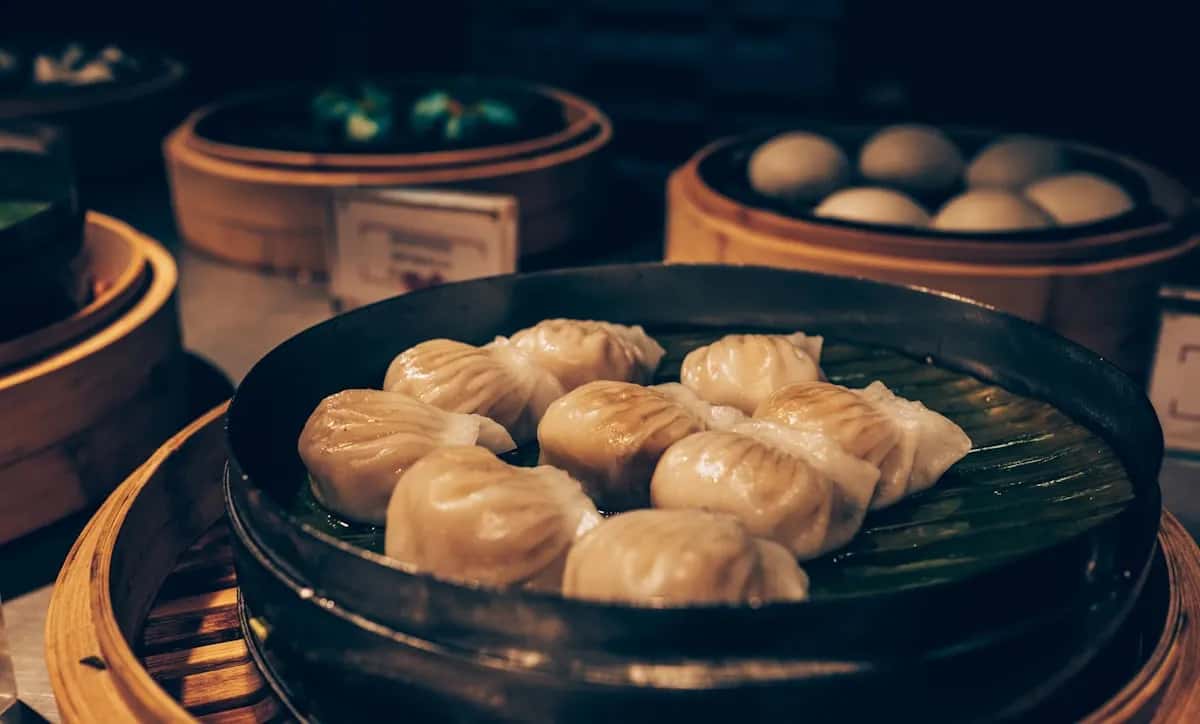
Siomai Fast Bites
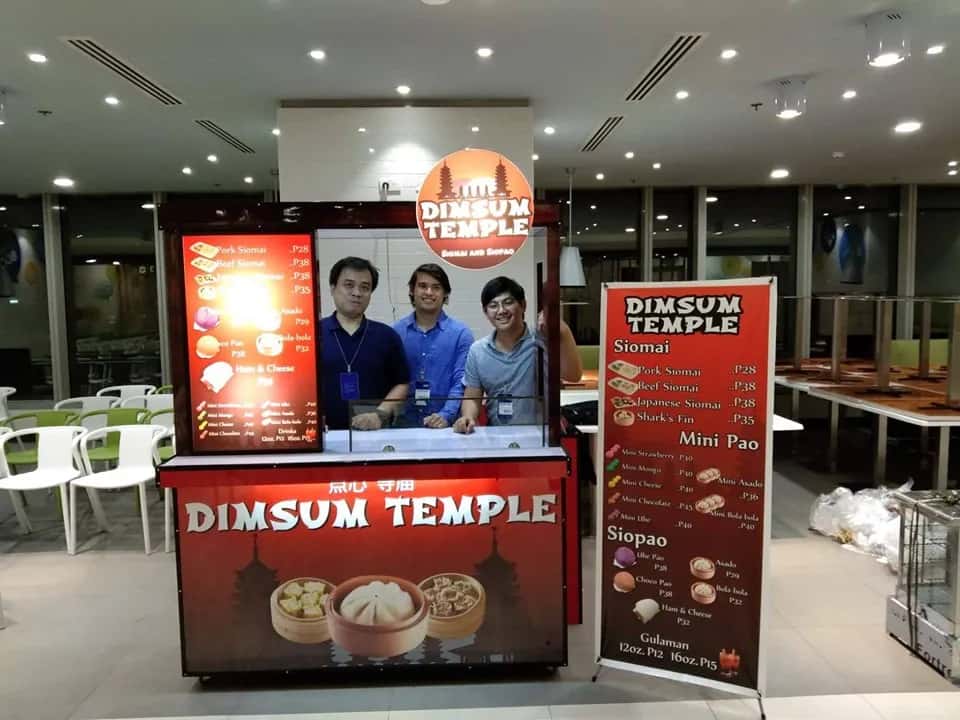
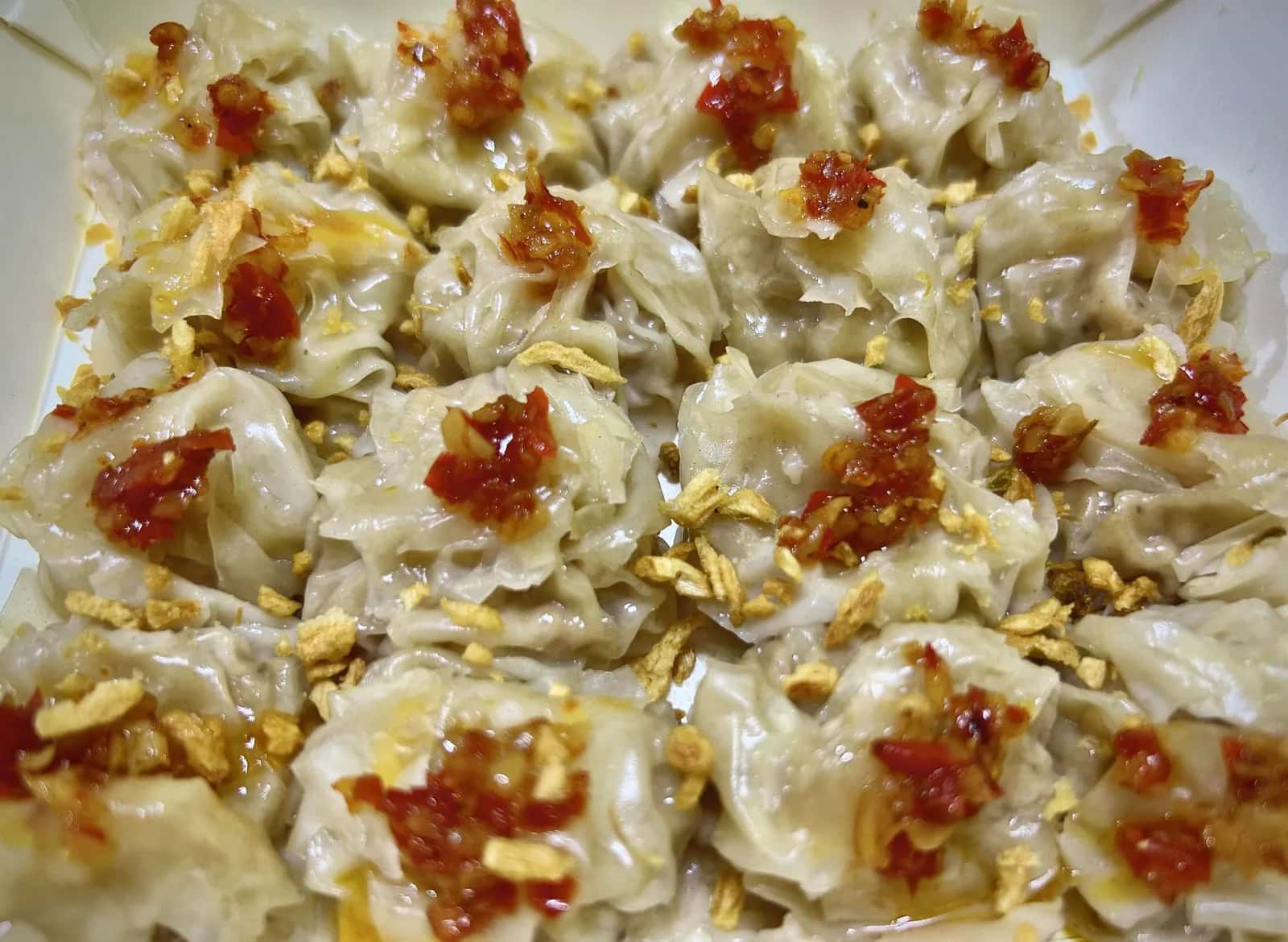
Siomai & Dimsum
- Franchise fee
- ₱35k
- Total investment
- ₱35k–₱65k
🎁 Start Your 1 Month Free Trial of the Full Plan, Exclusively for Brands & Advisors.Get Started
Browse 10 franchises up to ₱100k in Isabela, with investments from ₱60k to ₱100k, franchise fees mostly between ₱15k and ₱36k, and most paying back in 4 to 12 months.
Updated

Payment & Remittance Center
Visit a branch
Isabela has about 7,650 businesses on the map across its cities and towns, from food and drink to shops, services and clinics. Check what already operates near the spot you have in mind.
Population
1,697,0502020 census
Per 10,000 residents
45businesses we track
Business locations are based on Overture Maps open data (October 21, 2026 release) and do not represent a complete census of all businesses.
Isabela's own franchise field at this ₱100,000 budget is thin. What already names the province directly prices from around ₱35,000 to ₱65,000, with the fee flat at ₱35,000 and payback claimed at six months, sold as a cart or a kiosk. The nationwide field for the same budget runs deeper, reaching the full ₱100,000. Isabela runs on corn and rice farming across a wide stretch of the Cagayan Valley. Its towns depend on market days and highway traffic rather than one commercial center, and that shapes what a small food business can expect to sell.
Isabela is corn and rice country, one of the largest producers in the Cagayan Valley, and its towns run on a calendar shaped by planting and harvest rather than a fixed weekly rhythm. Public markets and roadside stops along the highway that threads the province carry the daily trade, especially on the days farmers and traders come in to sell or buy supplies. A cart or kiosk selling something quick, ready in minutes, fits that rhythm better than a sit-down concept would, since the crowd passing through a market or a highway stop wants speed over a seat. Money moves in bursts here too, heavier around harvest when farmers are paid for a crop, thinner in the weeks before the next one comes in. That pattern rewards a format that can flex with demand. A cart that opens longer hours during a busy market day and scales back when the town is quiet costs less to run than a fixed storefront carrying the same overhead every day of the month, harvest or not.
What already names Isabela directly at this budget prices from around ₱35,000 to ₱65,000, a narrow range compared with what the nationwide field allows here. The fee is flat, around ₱35,000, and it is quoted as covering training and the starter batch of stock needed to open. Payback locally is claimed at six months, right in the middle of the four-to-twelve-month range the wider nationwide field quotes for this same budget. Nationwide, entry can run from ₱25,000 at the very low end to the full ₱100,000, and the fee can stretch up to ₱40,000 on the pricier end of that range. Formats stay consistent whichever way the money is spent: a cart or a kiosk covers most of the field, with an inline space or a home-based setup making up the smaller remainder. For Isabela specifically, the local price sits close to the entry point of that wider spread. A first franchise here costs less to test than the nationwide top figure might suggest, though it also buys a smaller, simpler build.
The first year on a cart or kiosk in Isabela is likely to be uneven rather than a steady climb. Expect the strongest weeks around harvest and local fiestas, when farmers and vendors have cash on hand and market days draw heavier crowds than usual. The quieter stretches in between are when the six-month payback claim gets tested. A location beside a market or along the highway keeps some traffic even in a slow month, while a spot removed from that flow can sit idle for stretches at a time. Stock control matters more in a farming province like this. Supply runs take longer and cost more once freight and distance are factored in, so overordering ties up cash that a slower month cannot easily free back up. Someone running the stall personally through that first year, watching which market days and which hours actually sell, is in a better position to adjust than someone hiring help immediately and hoping the location does the work. By the second season, the pattern of when the province spends becomes clear enough to plan stock and staffing around with real confidence.
Someone set on opening in Isabela at this budget faces a real choice. Take what already names the province directly, a known price and a known formula, or bring in a nationwide brand that has not yet set up locally but offers more formats and a wider price spread to choose from. The local option asks less upfront and comes with a shorter, six-month payback claim, which suits someone who wants to start small and prove the idea before spending more. The nationwide field gives more room to pick a format that matches a specific spot: an inline counter for a market building, a cart for a highway shoulder. Choosing that way also means introducing a name the province has not seen operate there before. Either path still depends on the same local rhythm: farming income, market days, and a highway that carries people through rather than a resident crowd that shops daily regardless of the season.
Now that you've seen what's here, a real advisor can help you shortlist and weigh the options against your budget. Free, at your pace.

Financing Readiness · Site Selection

Low-Capital Startups

Franchise Agreements · Multi-Unit Expansion

Low-Capital Startups · Site Selection
Are you a franchise advisor?Get your own workspace here
Choose an industry to see its franchises in Isabela, with their fees and investment ranges.
Get honest answers on what this budget really covers, fees and payback, free and with no pressure.
At ₱100k for Isabela, the formats on offer are food carts with 8 franchises, kiosks with 8 and inline stores with 1. People often forget that some setups can be run by a small team of relatives, while others call for strangers hired in bulk. Think about who will actually stand behind the counter. If it is mostly family, favor the formats with simple routines and few steps, since they are easier to share among people who also have other jobs to do.
By number of ₱100k franchises, Cauayan leads Isabela with 10, and Ilagan with 10 and Santiago with 10 are the next busiest. Before you choose among them, find out how many outlets of the exact franchise you want already operate in each city. A city may have plenty of franchises overall but none of yours, which could be the opening you are looking for. Do this for every city on your shortlist before you rank them, so the comparison stays fair across all of them.
Missing from the count of 7,650 businesses in Isabela are the ones open data never captured, and food and drink with 1,881, shops and retail with 1,641 and services with 1,579 lead only among those that were. Small family stores, repair shops and food stalls go missing most often. Ask neighbors to name three they know that the map lacks. Doing this quickly shows how large the hidden part is and how much to scale up the figure.
Picture a saver who already has part of the money for a ₱100k franchise in Isabela and wants to close the gap without heavy debt. A sensible route for that person might be a modest cooperative or bank loan for the remainder, with a small family contribution kept as a cash reserve rather than spent on setup. If that sounds like you, ask each possible source how much of the gap it could realistically cover before you choose.
Filing for a ₱100k franchise in Isabela starts with DTI or SEC registration, followed by barangay clearance, a mayor's permit and BIR registration, with fire safety and sanitary permits where they apply. Because each permit names the exact address, moving sites before opening usually means reissuing most of them. Confirm your location is final before filing, and ask the permit office whether fees already paid can be credited if you must move.
Existence and size both matter, since ₱100k franchises in Isabela may charge a royalty and may set it high or low. Ask for the rate and then ask how it compares with similar franchises you are looking at. Rates are easier to judge side by side than alone. A franchisor should be able to explain the rate in terms of what it pays for, and you can test that explanation against what existing outlets receive.
Franchisors usually train you in their systems when you buy a ₱100k franchise in Isabela, covering operations, products and selling. Training costs money to deliver, so some franchisors cap the number of trainees or days and charge for anything beyond. Ask what the cap is, whether unused training can be used later for new staff, and what each additional session costs.
Mall operators in Isabela usually have formal leasing processes for a ₱100k franchise, with set requirements, deposits and charges that a private landlord might not have. Street front landlords can be more flexible but may leave you handling repairs, security and permits on your own. Talk to both kinds of landlord before deciding, and ask each to put their full terms in writing so you can see the real monthly and upfront cost side by side.
Compare how many franchises start at each budget level in Isabela, from the smallest packages up.
Compare how many ₱100k franchises take franchisees in each place.
Franchises at the next budget level, ₱200k, worth a look if you can stretch your savings a little.
Siomai & Dimsum

Ice Cream & Desserts

Coffee Shop
Visit a branch
Street Food & Snacks

Payment & Remittance Center
Visit a branch

Cakes & Pastries
Siomai & Dimsum
Street Food & Snacks

Learn practical inventory control steps for your Philippine franchise to cut waste, prevent loss, and protect your capital.
Aug 14, 2026 6 min read
Learn how non-compete clauses work when exiting a franchise agreement in the Philippines, protecting your investment after closing.
Jul 20, 2026 5 min read

Learn how to secure financing for your Philippine franchise, from preparation to approval. A practical guide for new operators and OFWs.
Jul 20, 2026 5 min read