JuanPay
Payment & Remittance Center
- Franchise fee
- ₱15k
- Total investment
- ₱50k–₱100k
🎁 Start Your 1 Month Free Trial of the Full Plan, Exclusively for Brands & Advisors.Get Started
Browse 9 franchises up to ₱100k in Cebu City, with investments from ₱60k to ₱100k, franchise fees mostly between ₱15k and ₱37k, and most paying back in 4 to 12 months.
Updated

Payment & Remittance Center
Visit a branch
Cebu City has about 23,488 businesses on the map, from food and drink to shops, services and clinics. Check what already operates near the spot you have in mind.
Population
964,1692020 census
Per 10,000 residents
244businesses we track
Business locations are based on Overture Maps open data (October 21, 2026 release) and do not represent a complete census of all businesses.
Cebu City, Cebu packs offices, schools, a busy port and old market streets into one dense urban core, and a small counter can catch several of those crowds on a budget of ₱100,000. Carts and kiosks that operate nationwide start around ₱25,000, with fees from nothing to ₱40,000 and payback quoted at four to twelve months. No setup names the city directly, but the range is wide enough to suit most first-time owners.
At the lower end, about ₱25,000 buys a compact cart, a short menu and a first order of stock, which is enough to test a corner without much risk. Moving toward ₱100,000 adds a sturdier counter or a small kiosk, better equipment, signage and a wider menu that lets one attendant serve more people in the same hour. The franchise fee is the other difference, running from nothing on some setups to ₱40,000 on others, so a modest build with a high fee can cost as much as a generous build with none. Payback tracks the money, with the leanest carts quoted near four months and the heavier setups closer to a year. Asking each franchisor to split the total into fee, equipment and stock shows what the extra spending actually buys. An owner does not have to spend the whole budget, and holding back part of it as a reserve for stock, permits and a helper often gives a steadier start than choosing the biggest build.
A large city creates many small crowds, each with its own hours. Office workers want a quick coffee before the day starts, students look for cheap snacks between classes, and market shoppers buy on the way home. Commuters waiting for jeepneys and buses add a steady flow along the main roads and near terminals. Port and warehouse workers keep odd hours, which leaves room for a counter that opens early or stays late. Because so many people pass each corner, a small counter does not need a large menu, and a cart placed where foot traffic is heaviest can earn from the first week. Rent near the busiest streets is high, which is a good reason to favour a cart or a compact kiosk over a full shop, and it keeps the money at ₱100,000 stretching further. Weekends bring shoppers to the malls and markets, while paydays lift spending on the days that follow.
Most setups at this money come as a cart or a kiosk, and the two are offered by the same share of franchisors. A cart can follow the crowd between a school gate, a market and a terminal, and it can be moved if a corner slows down. A kiosk sits in a mall corner or a building lobby and earns from regular customers, with a landlord's rent in return. Inline stores and home-based or online arrangements are less common, and a home-based setup suits someone with a kitchen who can deliver to offices and neighbours. A standalone shop is out of reach at this money once city rents are counted. Choosing between a cart and a kiosk is largely a question of whether the owner already has a spot in mind. Whichever is chosen, training is short and covers preparation, hygiene and pricing, so a newcomer with no food background can be ready in days. A short menu of quick sellers also keeps queues moving at the busiest hours.
A city counter runs on tight timing. Stock is bought and prepared early, the counter opens ahead of the commute, and the busiest stretches fall around breakfast, lunch and the afternoon rush from schools and offices. One owner can manage most of it, with a helper for peak hours. Deliveries from suppliers tend to be quick in a large city, so a counter can restock often instead of holding much inventory. Permits, barangay clearances and vendor rules deserve attention, since a city government may limit where carts can stand. Keeping a daily record of takings and stock shows which items sell out early. After a few weeks, the menu can shrink to what pays, and the four to twelve month payback becomes something the owner can measure. A part-time helper for the lunch and after-school rushes lets the owner handle permits and supplier calls without closing the counter, and a relative who can cover a shift now and then keeps the routine steady during the first months.
Now that you've seen what's here, a real advisor can help you shortlist and weigh the options against your budget. Free, at your pace.

Financing Readiness · Site Selection

Franchise Agreements · Multi-Unit Expansion

Low-Capital Startups · Site Selection

Low-Capital Startups
Are you a franchise advisor?Get your own workspace here
Choose an industry to see its franchises in Cebu City, with their fees and investment ranges.
Get honest answers on what this budget really covers, fees and payback, free and with no pressure.
Safety spending is a real cost, and ₱100k covers the nine franchises in Cebu City quoting an investment between ₱50k and ₱100k. A first aid kit, protective gear and staff coverage add to the setup budget. Ask the franchisor what safety items are required and what insurance costs, then include them to see whether ₱100k remains enough. Small protective costs now can prevent a larger loss to your reserve later, so give them a line in your plan.
Perishable goods call for care, and ₱100k in Cebu City offers food carts with 7 franchises, kiosks with 7 and inline stores with 1. Some formats sell items that spoil in a day, while others sell goods that keep for weeks. Check the shelf life of the main products in each format. Longer shelf life means less waste and less pressure to sell quickly. Shorter shelf life suits owners who can predict demand well. Choose according to how you handle ordering.
On paper, a ₱100k franchise in Cebu City pays back in 4 to 12 months, based on what most franchisors quote. Delivery apps can lift sales but take a commission on every order, which trims the profit that repays you. Ask what share of a typical branch's sales comes through delivery and whether the franchisor's estimate already deducted those commissions. If delivery matters for your spot, ask whether app prices may differ from store prices and who pays for packaging, since containers for every order are one more cost your own math should include.
As a rule of thumb, plan working capital for a ₱100k franchise in Cebu City so that it can cover all fixed costs even if sales are far lower than projected. Fixed costs like rent, salaries and fees do not shrink when the store is quiet. Separate your fixed costs from variable ones like stock, and make sure the reserve could carry the fixed side alone for a meaningful stretch.
Industry norms do not settle it, because ₱100k franchises in Cebu City follow each franchisor's own policy on royalties. What is common elsewhere may not apply to the offer in front of you. Judge each franchise on its contract, not on general claims about what franchisors usually do. If someone says all franchises charge a royalty or none do, treat that as a reason to double check the facts yourself.
For franchises priced between ₱50k and ₱100k, site support in Cebu City is usually lighter than with bigger investments, though some franchisors still go out and scout with you. Lighter support simply means your own groundwork carries more weight. Spend a few mornings and evenings watching the foot traffic around a space you like, since a place that looks busy at noon can be quiet after dark, and share those notes when you ask for approval.
Opening promos work well for a ₱100k franchise in Cebu City, as long as they are simple and approved by the franchisor. A small discount, a freebie with purchase or a raffle for early visitors gives people a reason to try something new without much risk. Many franchisors have rules on discounts and giveaways to protect pricing across outlets. Send your promo plan to them in writing before printing anything, and keep their approval on file in case questions come up later.
You may still owe money after closing, and that is the part many first-time franchisees overlook. A ₱100k franchise in Cebu City can leave behind unpaid royalties, marketing fund contributions, supplier balances, rent and final pay for staff. Make a simple list of every recurring obligation in your contract and lease, then ask the franchisor which ones end when you close and which continue. Seeing the full list in one place makes the real cost of an exit much clearer.
Compare how many franchises start at each budget level in Cebu City, from the smallest packages up.
Compare how many ₱100k franchises take franchisees in each place, nearest first.
Franchises at the next budget level, ₱200k, worth a look if you can stretch your savings a little.
Siomai & Dimsum

Ice Cream & Desserts
Coffee Shop
Visit a branch
Street Food & Snacks
Payment & Remittance Center
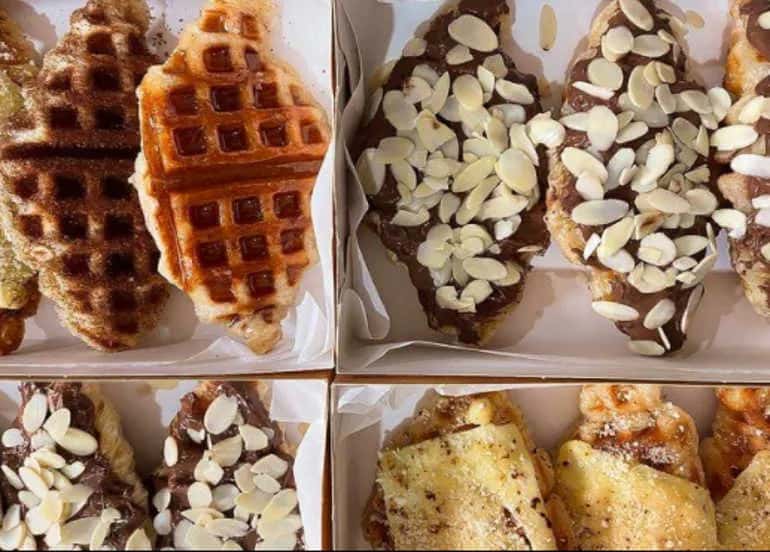
Cakes & Pastries
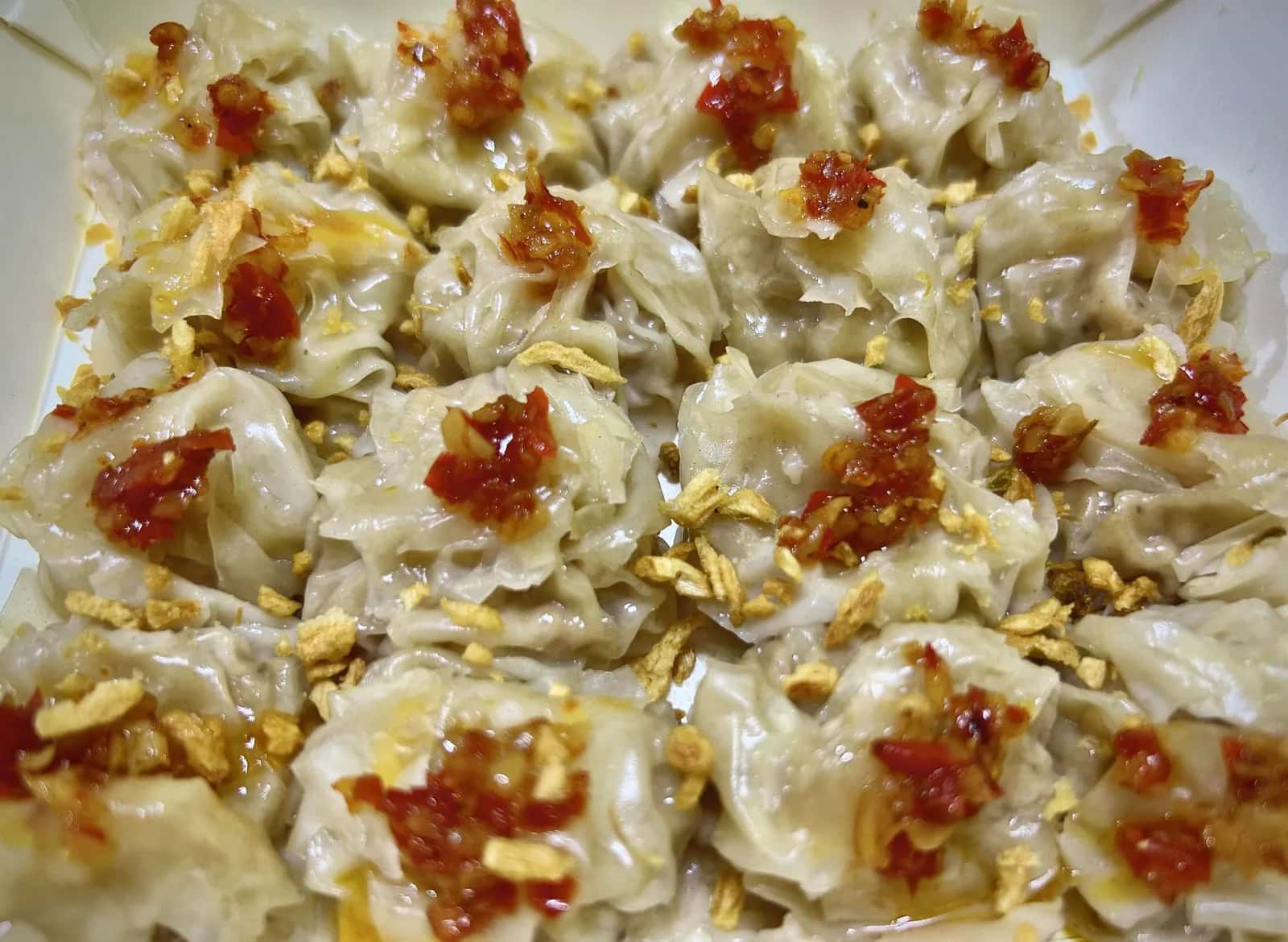
Siomai & Dimsum
Visit a branch
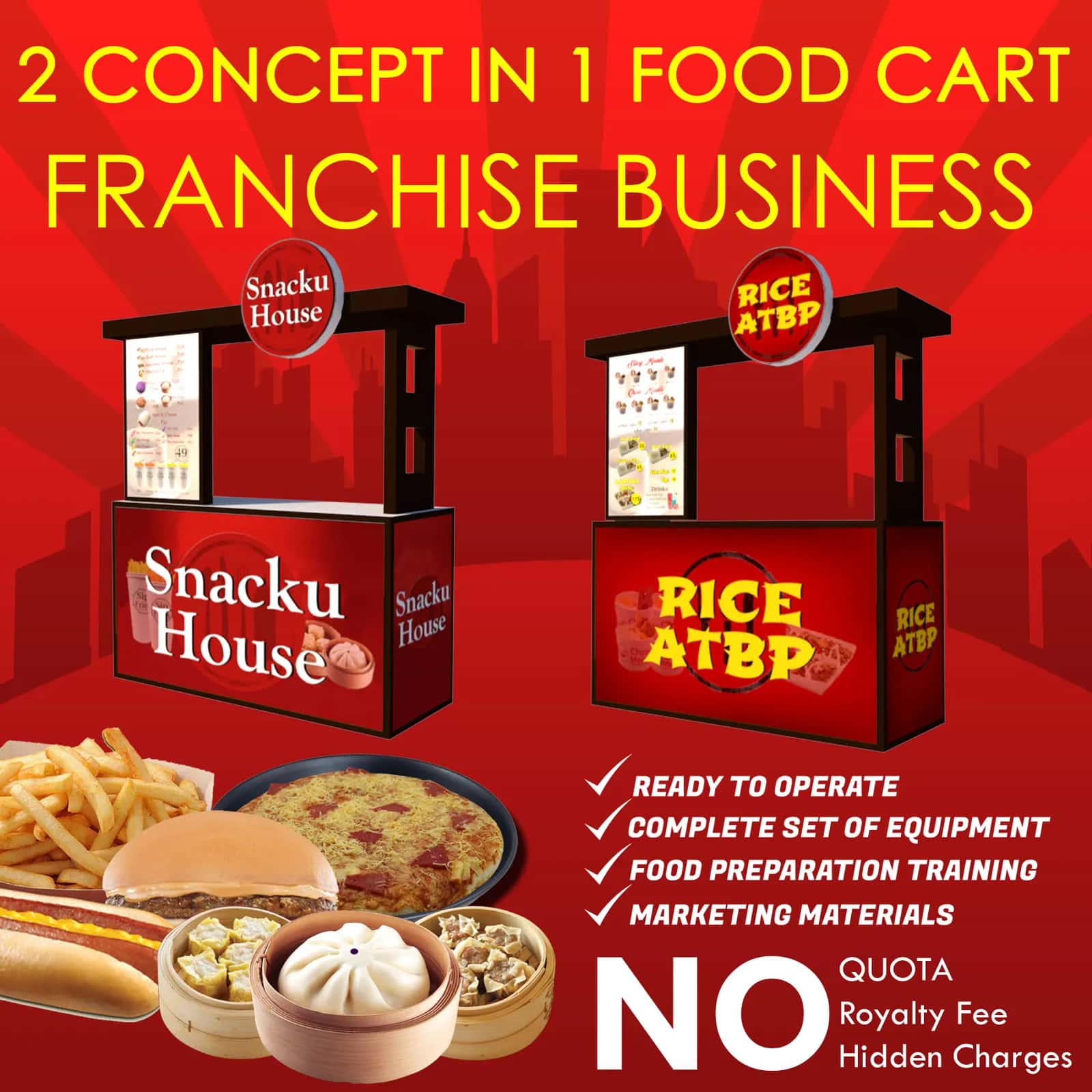
Street Food & Snacks

Learn practical inventory control steps for your Philippine franchise to cut waste, prevent loss, and protect your capital.
Aug 14, 2026 6 min read
Learn how non-compete clauses work when exiting a franchise agreement in the Philippines, protecting your investment after closing.
Jul 20, 2026 5 min read

Learn how to secure financing for your Philippine franchise, from preparation to approval. A practical guide for new operators and OFWs.
Jul 20, 2026 5 min read