Waffle Craze
Waffle Shop
- Franchise fee
- ₱40k
- Total investment
- ₱40k–₱65k
🎁 Start Your 1 Month Free Trial of the Full Plan, Exclusively for Brands & Advisors.Get Started
Browse a bakery & pastry franchise up to ₱100k, with an investment of about ₱65k, a franchise fee of about ₱40k, and paying back in about 4 months.
Updated
At this budget, the field is thin, and what is available runs as a cart or kiosk package priced from about ₱40,000 to ₱65,000. A fee near ₱40,000 sits inside that total, and payback lands fast, around four months. That speed is typical of the smallest setups in this category, where low overhead lets a strong location pay for itself quickly. A slow spot, though, erases that advantage just as fast.
Small-format baked goods, grab-and-go pastries, donuts, or a short bread menu, do not need seating or a dining area to sell well. A display case, a compact prep area, and a fryer or oven sized for a solo operator cover most of what this format needs. That minimal build is exactly what keeps the entry cost this low. Most other bakery and pastry concepts need a bigger kitchen footprint to fit an oven, proofing space, or refrigeration. That extra space pushes their cost well past this ceiling almost immediately. The format, not the recipe, is what separates this budget from the next one up. Ingredients and packaging tend to be simple too, since a small display case cannot hold a wide product range without slowing down the line at busy times. That keeps the daily workflow predictable, even if it caps how much variety any day of trading can offer.
Total investment lands between about ₱40,000 and ₱65,000, with the fee making up roughly ₱40,000 of that. The remainder covers the cart or kiosk build and enough starting stock to trade through the first several days. Payback at around four months is fast for this category. That speed only makes sense at this scale, where daily running costs are low relative to what a strong sales day can bring in. A fast payback here should not be read as proof this format earns more over time than a larger build would. It mainly reflects how little there is to recover in the first place, not superior daily earnings once the counter is open. A buyer should still ask what the quoted fee actually bundles, since not every brand folds equipment and initial stock into that same figure.
A first year at this budget means being present for most of the operating day, since the format depends on hands-on work rather than delegated shifts. Location does more of the work than the brand itself. A strong spot in front of steady foot traffic can make the four-month payback realistic. A weak one can stretch it out no matter how well the format is designed. The first few months are worth treating as a live test of the exact spot chosen. Adjusting stock levels and hours to match what actually walks by matters more than assuming the numbers hold automatically. Building a small base of repeat buyers nearby, rather than relying solely on passers-by, tends to steady sales once the initial excitement of a new counter fades. That steadiness is what actually carries a cart or kiosk business past its first few months.
Choosing this end of the category is a deliberate way to test a concept without putting much money at risk. That is a reasonable plan on its own terms, not a placeholder for something bigger. A cart or kiosk at this price proves out the basics fast: whether a chosen spot actually draws steady foot traffic, whether the product sells at the pace assumed, and whether the daily routine suits the person running it. Those answers come back within months rather than years, which is the real advantage of staying this small. Once a spot is proven, the same format can often be repeated at a second location for close to the same outlay. That spreads the same low risk across more than one counter instead of concentrating more money into one bigger build. It also keeps the format's core strength, fast and cheap proof, intact while the business grows. Reinvesting the profit from a strong first counter into a second one, run the same way, is a realistic path for anyone who wants to grow without changing what already works.
Now that you've seen what's here, a real advisor can help you shortlist and weigh the options against your budget. Free, at your pace.

Financing Readiness · Site Selection

Low-Capital Startups

Low-Capital Startups · Site Selection

Franchise Agreements · Multi-Unit Expansion
Are you a franchise advisor?Get your own workspace here
Choose a kind of bakery & pastry business and see only its franchises up to ₱100k, with their fees and investment ranges.
Get honest answers on fees, payback and the best setups for your area, free and with no pressure.
Partnering with a sibling or cousin who has complementary skills can help raise ₱100k and strengthen how a bakery & pastry franchise is run. One person may bring more money while the other brings time to manage the store. Discuss expectations openly, agree on whose voice decides what, and settle how you will resolve disagreements before they arise. Clear roles from the beginning prevent the resentment that sometimes grows when one partner feels they do more.
Delivery and logistics can quietly raise your costs beyond the ₱100k package. If supplies come from a central commissary or warehouse, you may pay shipping each time you reorder, and the amount depends on how far you are from the franchisor's supply point. These charges repeat with every order, so they matter more over time than they seem at first. Ask whether delivery fees are included in supply prices or charged separately, and factor that into your monthly costs.
Your own availability limits which of food carts with 1 franchise and kiosks with 1 you can take in bakery & pastry at ₱100k. Formats that open early, close late or run on weekends and holidays ask the most from an owner. Check the usual opening schedule for each setup, mark the days and hours you simply cannot be there, and ask the franchisor whether those gaps can be covered by a trusted helper or manager.
Every franchisor packages ₱100k a little differently, so the honest answer is that inclusions range from a bare franchise fee to a nearly complete setup. Some offers cover equipment, signage, training and stock, while others leave several of those to you. When you meet a franchisor, ask them plainly what you would still need to spend to open the doors, and write their answer down so you can hold them to it.
Having a fallback plan makes a ₱100k bakery & pastry franchise a calmer first choice. Decide beforehand what you would do if the outlet struggled, such as returning to a job, using savings for a set period or seeking family help. Write down the trigger point at which you would reassess. A beginner with a clear fallback can take reasonable risks without losing sleep over every slow week.
Compare how many bakery & pastry franchises start at each budget level, from the smallest packages up.
Bakery & Pastry franchises priced close to your budget, worth a look if you can stretch your savings or want to spend less.
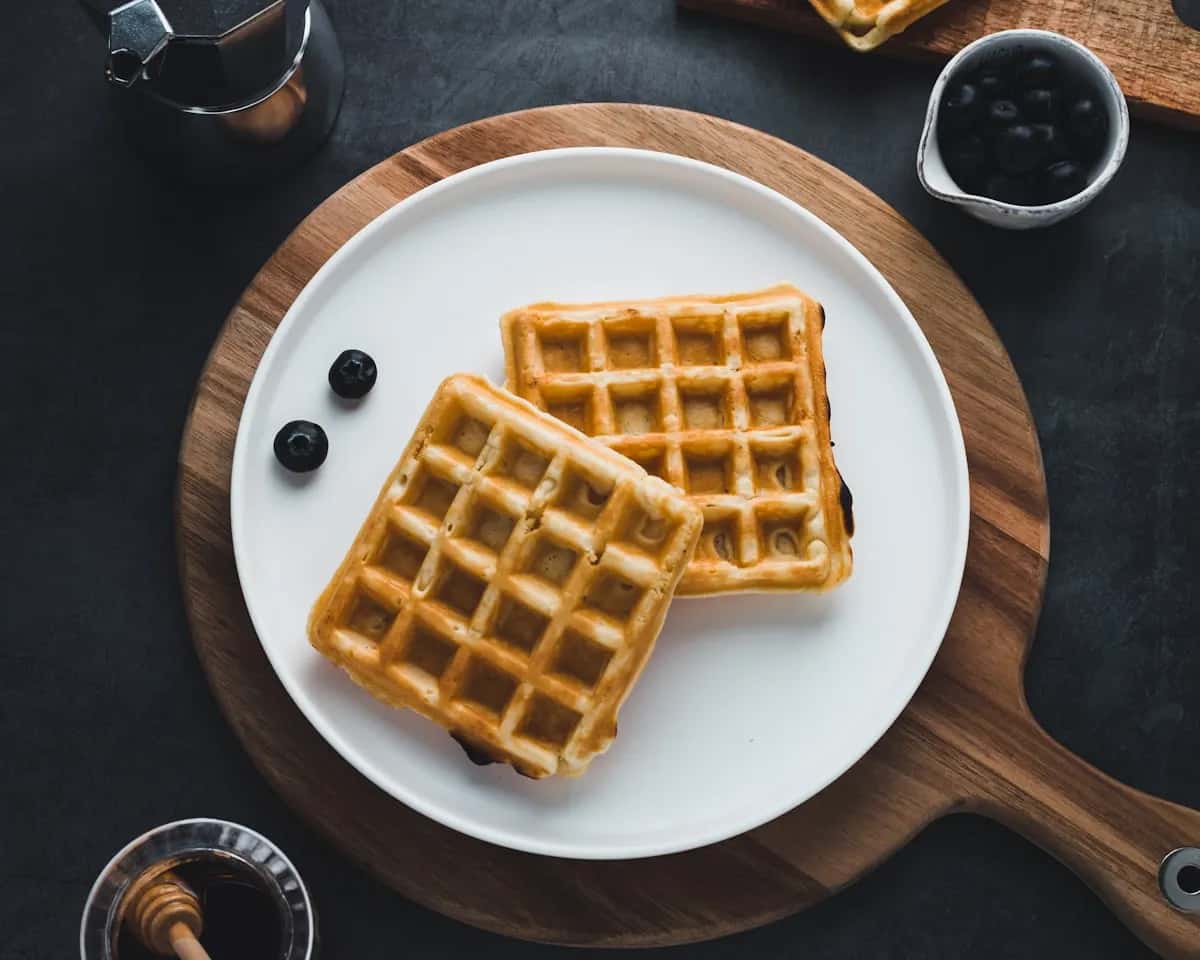
Waffle Shop
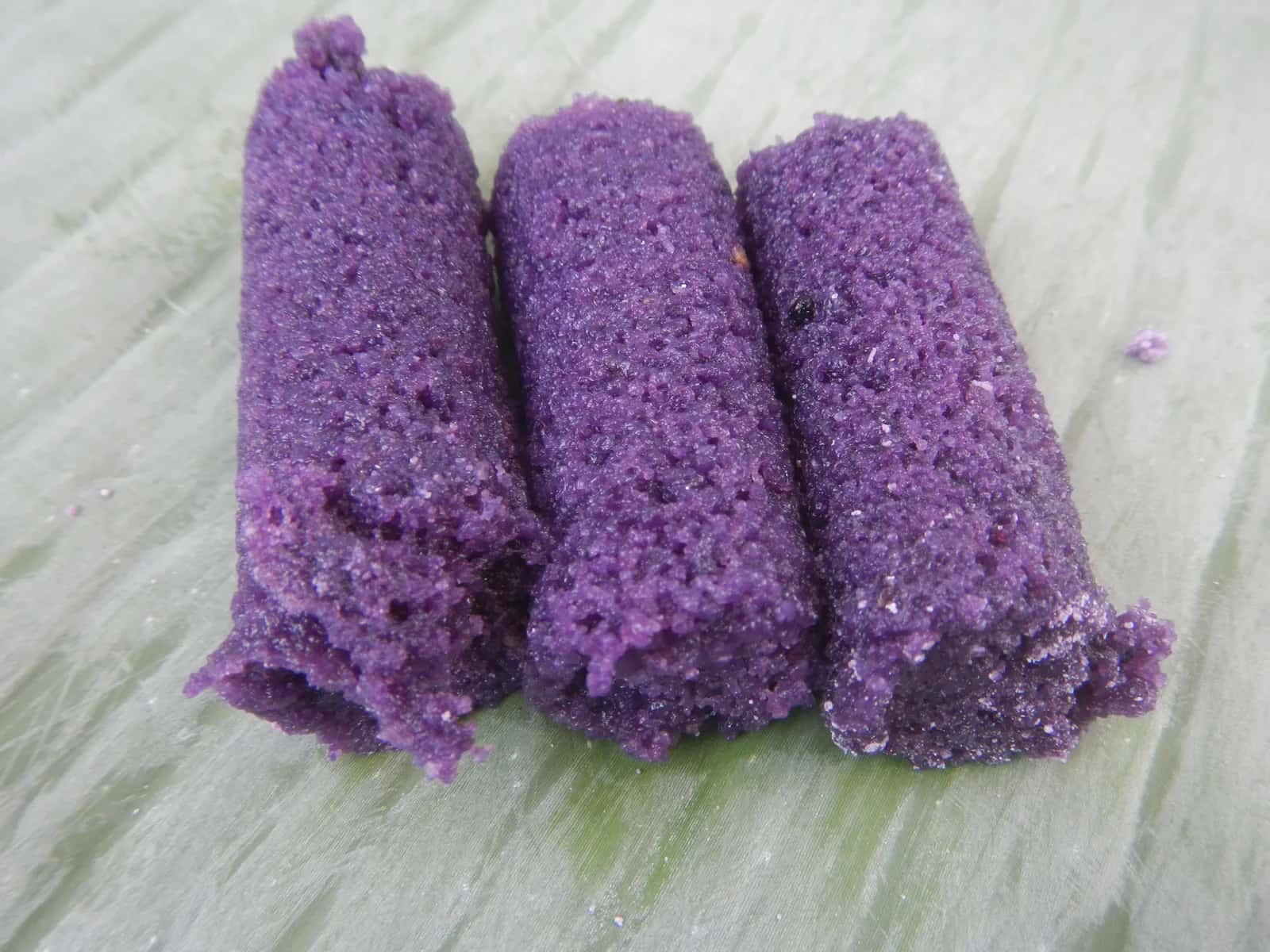
Bakery & Pastry
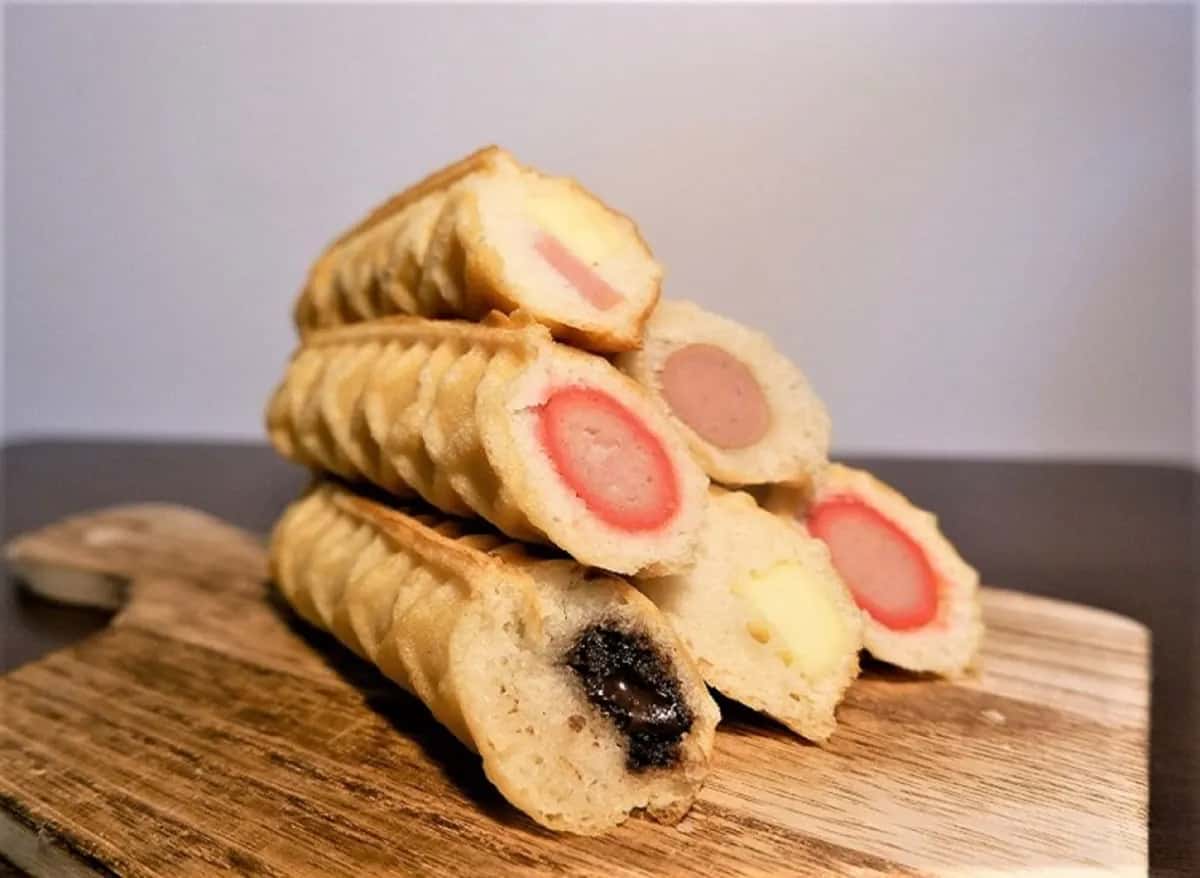
Waffle Shop
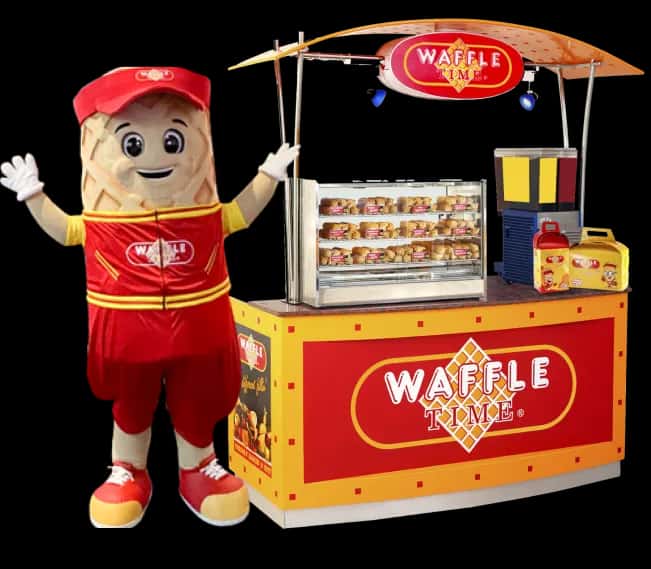
Waffle Shop
Bakeshop
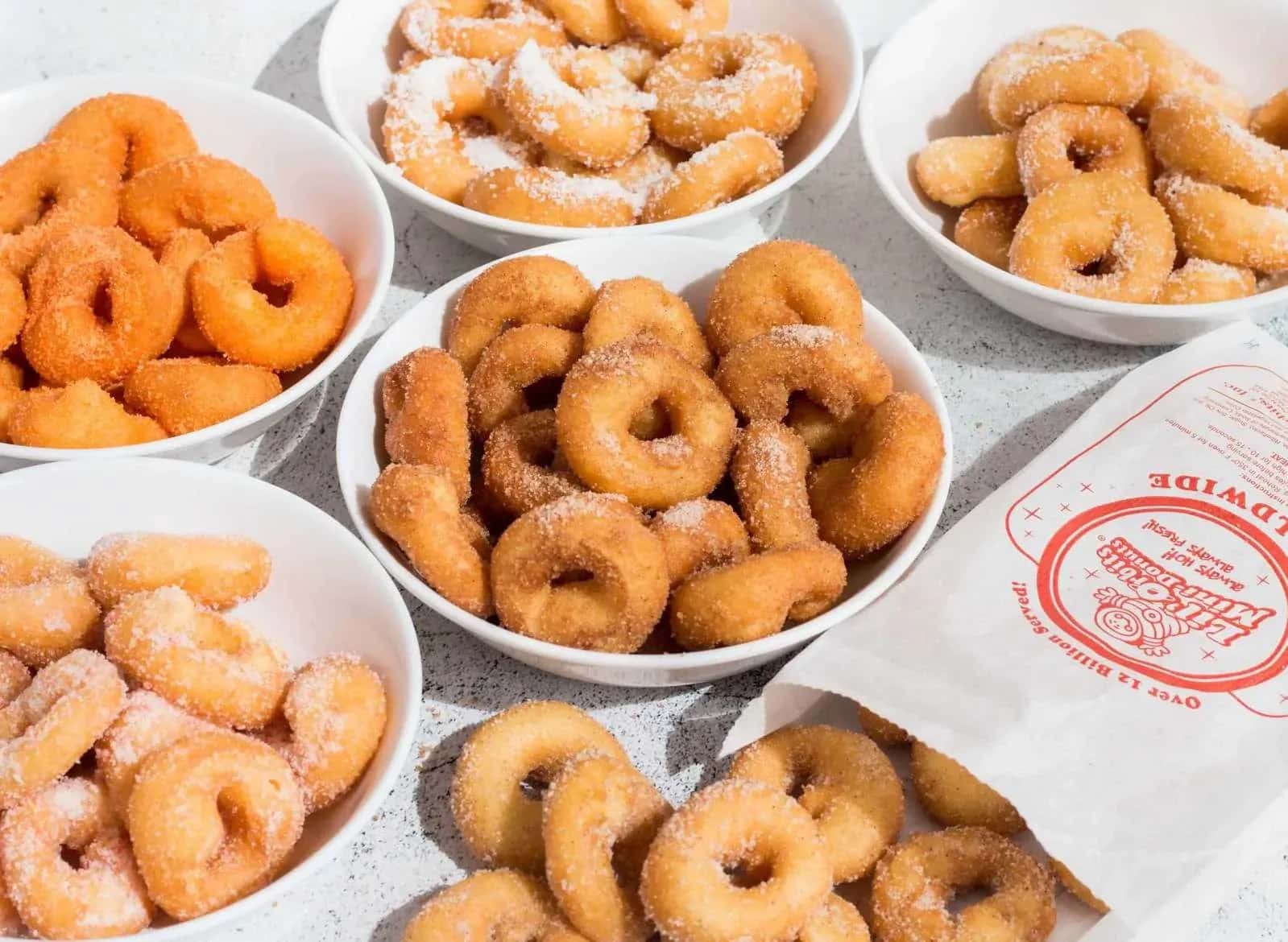
Donut Shop
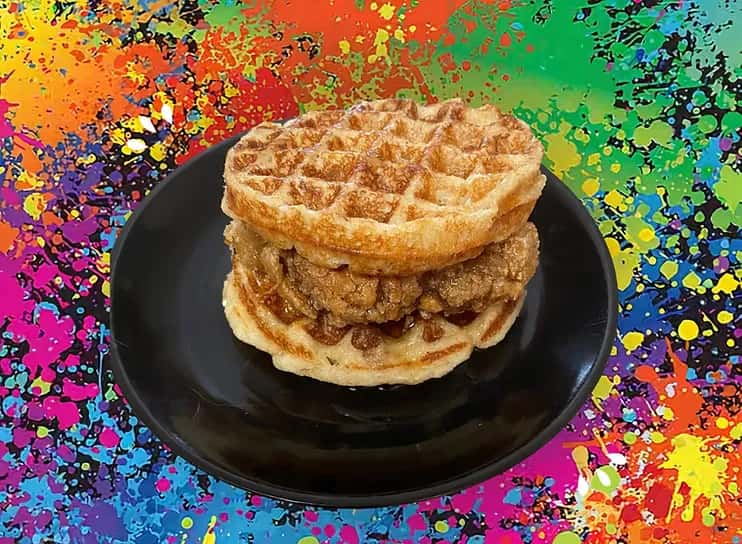
Waffle Shop

Bakery & Pastry
Compare bakery & pastry franchises with other industries at the same budget, each with its own brands, fees and investment ranges.
Compare industries by budget, daily work and payback before you choose one, free and with no pressure.

Learn practical inventory control steps for your Philippine franchise to cut waste, prevent loss, and protect your capital.
Aug 14, 2026 6 min read
Learn how non-compete clauses work when exiting a franchise agreement in the Philippines, protecting your investment after closing.
Jul 20, 2026 5 min read

Learn how to secure financing for your Philippine franchise, from preparation to approval. A practical guide for new operators and OFWs.
Jul 20, 2026 5 min read