Waffle Craze
Waffle Shop
- Franchise fee
- ₱40k
- Total investment
- ₱40k–₱65k
🎁 Start Your 1 Month Free Trial of the Full Plan, Exclusively for Brands & Advisors.Get Started
Browse a waffle franchise up to ₱100k, with an investment of about ₱65k, a franchise fee of about ₱40k, and paying back in about 4 months.
Updated
A waffle business built for a budget near ₱100,000 sits at the cheapest end of the trade: a rolling cart or a small kiosk, not a sit-down cafe with tables. The package priced for this range opens from around ₱40,000 and tops out near ₱65,000, on top of a separate fee close to ₱40,000, and it quotes payback in about four months if the spot performs. That is the fastest turnaround the category advertises, matched to the smallest footprint it sells.
Inside this budget, the difference between ₱40,000 and ₱65,000 comes down to how finished the stall looks on day one. The lower figure covers a bare cart: a griddle, a folding counter, and enough batter and toppings to open the doors, with signage and a canopy added later out of pocket. Closer to ₱65,000 buys a kiosk shell already built, with lighting, a proper serving window, and stock for the first weeks included rather than bolted on afterward. The fee, near ₱40,000, sits outside either figure and does not shrink for the cheaper build. It pays for the recipe, the training, and the right to use the name, regardless of whether the money goes into a cart or a kiosk. A buyer choosing the lower end should plan to spend again within the first month on the things a finished kiosk already has. That follow-up spending is worth pricing in early. Payback near four months assumes the corner earns from the first week, a fast clock for any new food stall to meet.
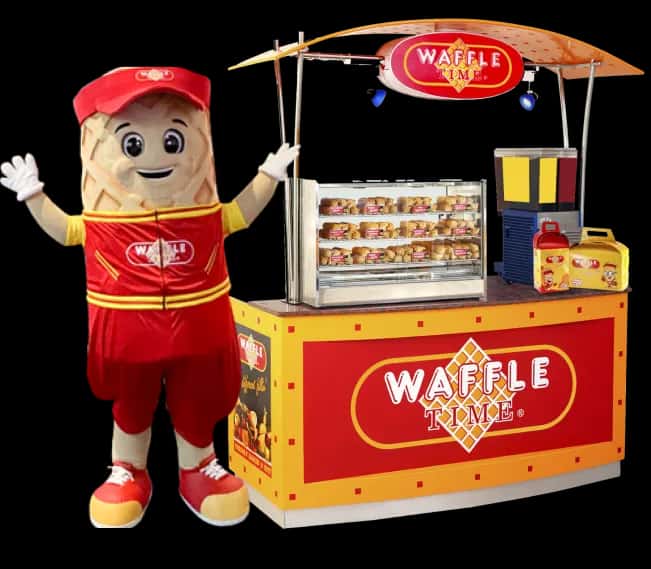
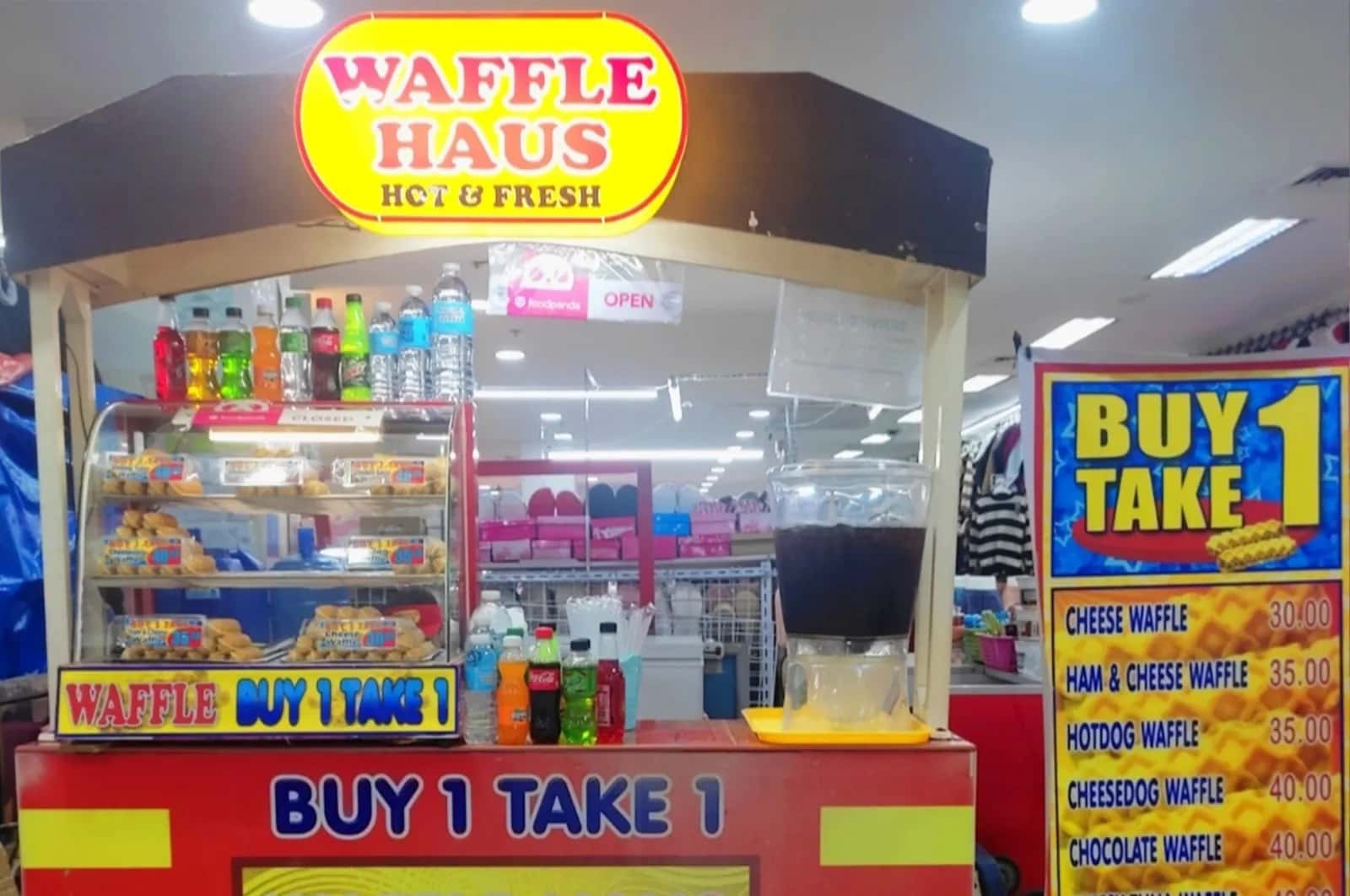
Both formats sit inside the same package, and the fee does not change depending on which one gets chosen. A cart works where foot traffic moves rather than gathers: a market aisle, a school gate, a transport terminal. It can be set up in the morning and packed away again at night. A kiosk needs a fixed spot with a landlord and a lease. In exchange it holds a line of customers waiting rather than passersby glancing over, and it can stay open later without someone needing to haul equipment home. The choice is less about the gap between the two entry figures and more about the site already available to the buyer. A mobile cart suits someone without a fixed location yet. A kiosk suits someone who already has a corner in mind and wants a proper stall built into it once. Either way, the format gets picked once and the footprint follows from it, so the site should come before the format decision, not after.
Running a waffle stall at this budget is a one or two person operation, usually the owner and a single helper trading shifts across opening hours. The work itself is repetitive: mixing batter each morning, keeping a griddle at a steady heat, plating quickly during a lunch rush or a dismissal crowd. Toppings need restocking before they run low mid afternoon. Ingredients are cheap and shelf stable compared to a full bakery, which keeps daily waste low. The margin depends on volume more than on price, since each unit sells for a small amount. The busiest hours cluster around school dismissal, a mall's afternoon crowd, or a market's morning rush. The stall earns in bursts rather than steadily across the day, so staffing should match that rhythm instead of spreading evenly across open hours. Weekends and paydays tend to outperform an ordinary weekday by a wide margin here, worth planning cash flow around rather than treating every day as average.
The entry figure and the fee are the advertised numbers, but they rarely cover everything a stall needs before it opens. A lease deposit, if the site is a kiosk rather than a cart, is usually asked for upfront and sits outside the package price entirely. A few extra days of ingredient stock and a cash float for change add up too. So does a small buffer for the first slow week before word gets around, a cost a first-time buyer tends to forget when comparing the sticker price to what actually leaves the bank account. The detail worth confirming before signing is what the entry figure already carries, since coverage varies: sometimes the first batch of stock is bundled in, other times it has to be bought separately. Building in working capital beyond the sticker price, even a modest amount, is what turns a four month payback into one that survives an ordinary slow patch. A buyer with that cushion ready before talking to any brand starts from a stronger position than one counting on day one to break even.
Now that you've seen what's here, a real advisor can help you shortlist and weigh the options against your budget. Free, at your pace.

Financing Readiness · Site Selection

Low-Capital Startups · Site Selection

Low-Capital Startups

Franchise Agreements · Multi-Unit Expansion
Are you a franchise advisor?Get your own workspace here
Compare waffle franchises with other bakery & pastry businesses up to ₱100k, each with its own brands, fees and investment ranges.
Get honest answers on fees, payback and the best setups for your area, free and with no pressure.
Even if you have never managed staff, handled cash daily or dealt with unhappy customers, a ₱100k waffle franchise can still work, though you should expect a learning curve. The franchise system hands you a playbook, but you supply the judgment on busy days. Spend time observing an existing outlet, ideally during its busiest hours, to see what the job looks like up close. You will quickly sense whether that pace suits you.
Your realistic picks for a waffle franchise at ₱100k are food carts with 1 franchise and kiosks with 1. Quiet and busy hours repeat through the week, so a setup should suit both. Track your spot's traffic across weekdays and weekends, then ask each franchisor how many staff a unit of that format uses at slow and peak times, and favor the one you could run lean on slow days and still handle on busy ones.
Holding costs before launch are part of what you budget beyond ₱100k. Between signing and opening you may pay rent, utilities, storage for equipment and staff training, all with no sales coming in. Ask the franchisor for a realistic opening timeline from contract to launch day, and multiply your fixed monthly costs across that period to see what waiting truly costs you.
Every franchisor packages ₱100k a little differently, so the honest answer is that inclusions range from a bare franchise fee to a nearly complete setup. Some offers cover equipment, signage, training and stock, while others leave several of those to you. When you meet a franchisor, ask them plainly what you would still need to spend to open the doors, and write their answer down so you can hold them to it.
You can raise ₱100k more easily by asking whether the franchisor offers a smaller format priced between ₱50k and ₱100k, since a lighter setup needs less cash to fund. Some franchisors sell more than one package, and the smaller one may still teach you how the business runs. Ask which formats are available, compare what each includes, and fund the one your savings and a modest loan can cover without stretching your household. You can always move up to a bigger format later once the first one earns.
Compare how many waffle franchises start at each budget level, from the smallest packages up.
Waffle franchises priced close to your budget, worth a look if you can stretch your savings or want to spend less.

Waffle Shop
Waffle Shop

Waffle Shop
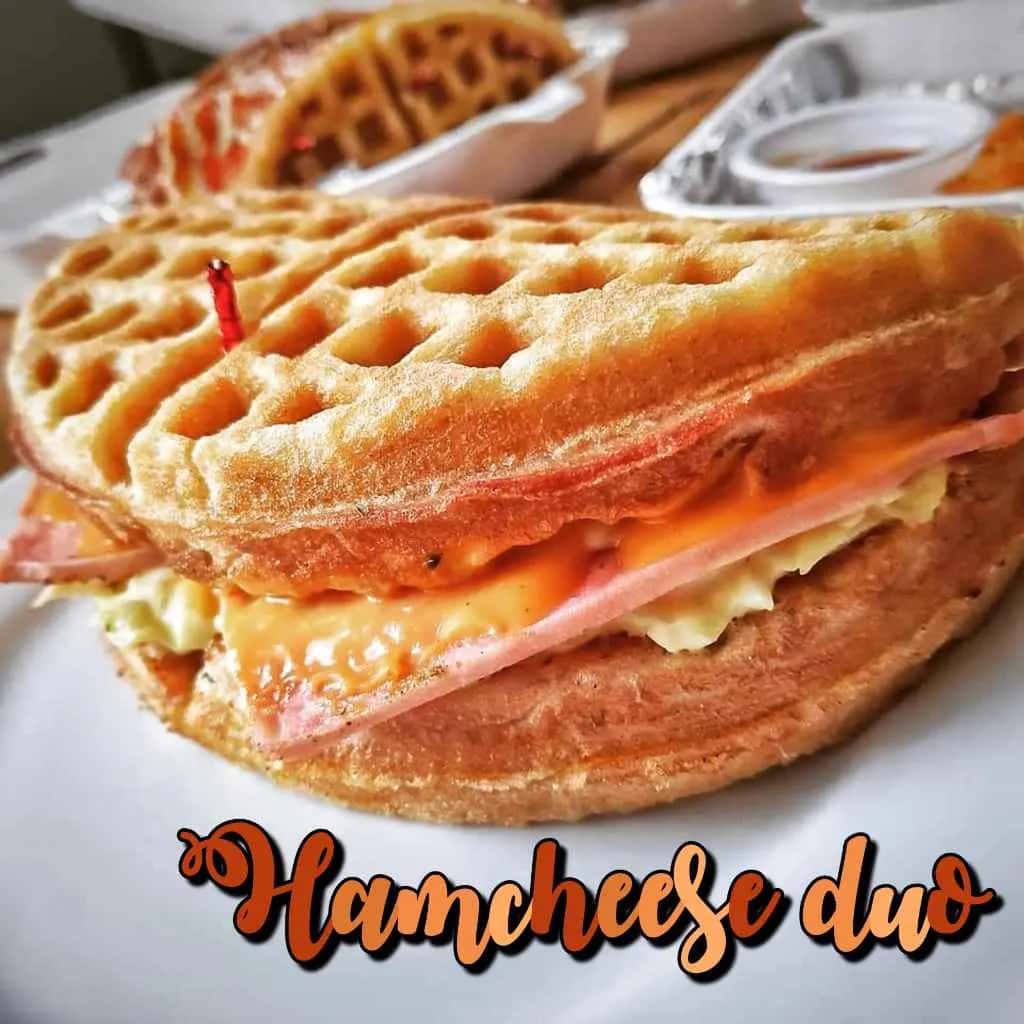
Waffle Shop
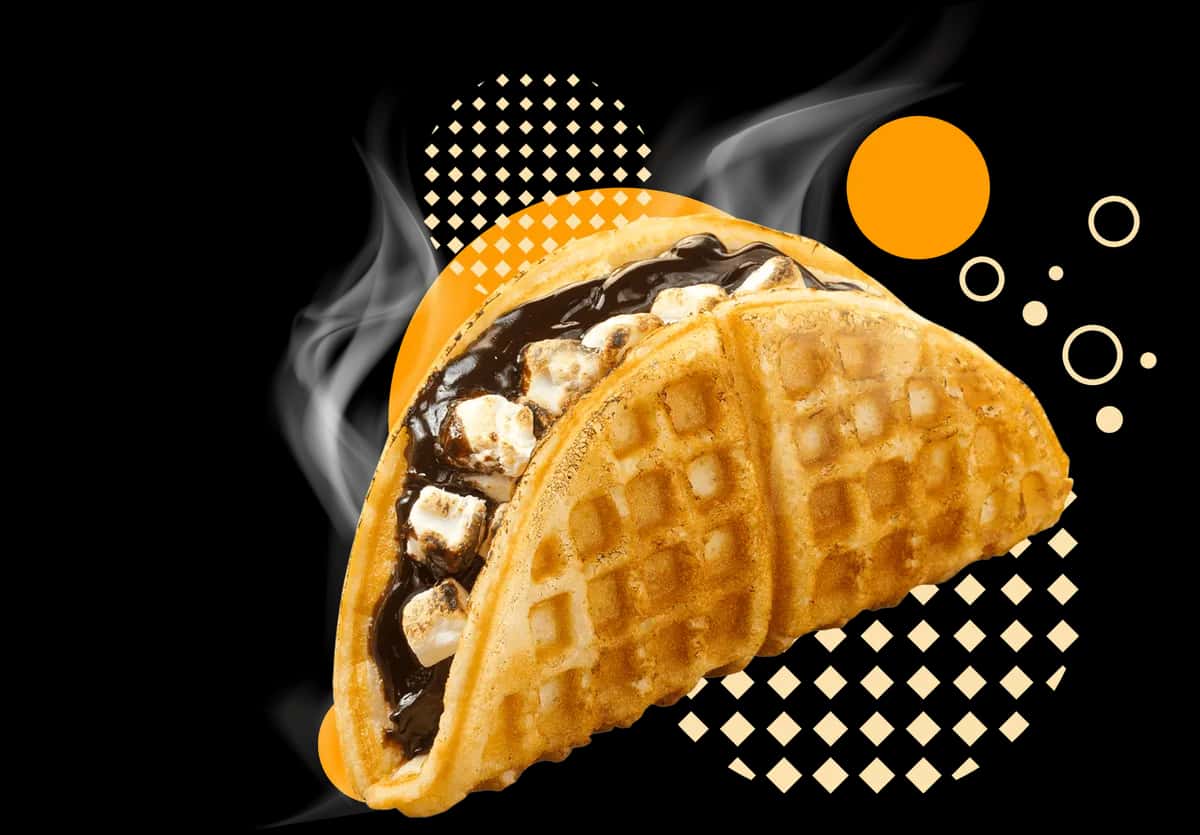
Waffle Shop
Compare waffle franchises with other industries at the same budget, each with its own brands, fees and investment ranges.
Compare industries by budget, daily work and payback before you choose one, free and with no pressure.

Learn practical inventory control steps for your Philippine franchise to cut waste, prevent loss, and protect your capital.
Aug 14, 2026 6 min read
Learn how non-compete clauses work when exiting a franchise agreement in the Philippines, protecting your investment after closing.
Jul 20, 2026 5 min read

Learn how to secure financing for your Philippine franchise, from preparation to approval. A practical guide for new operators and OFWs.
Jul 20, 2026 5 min read