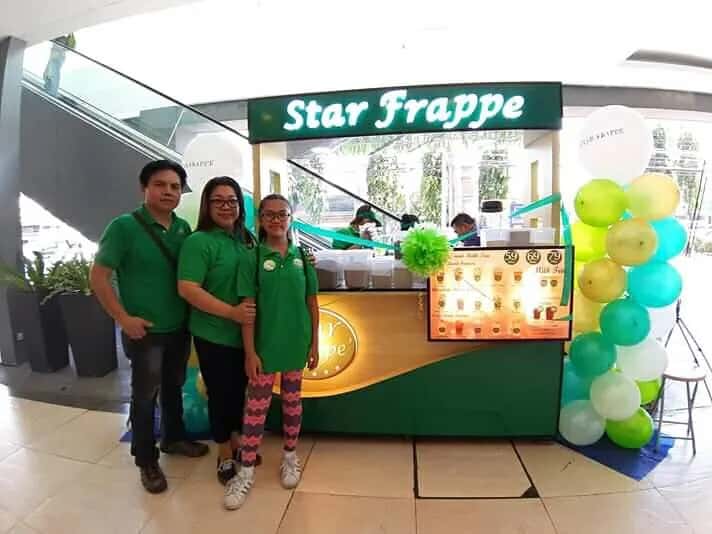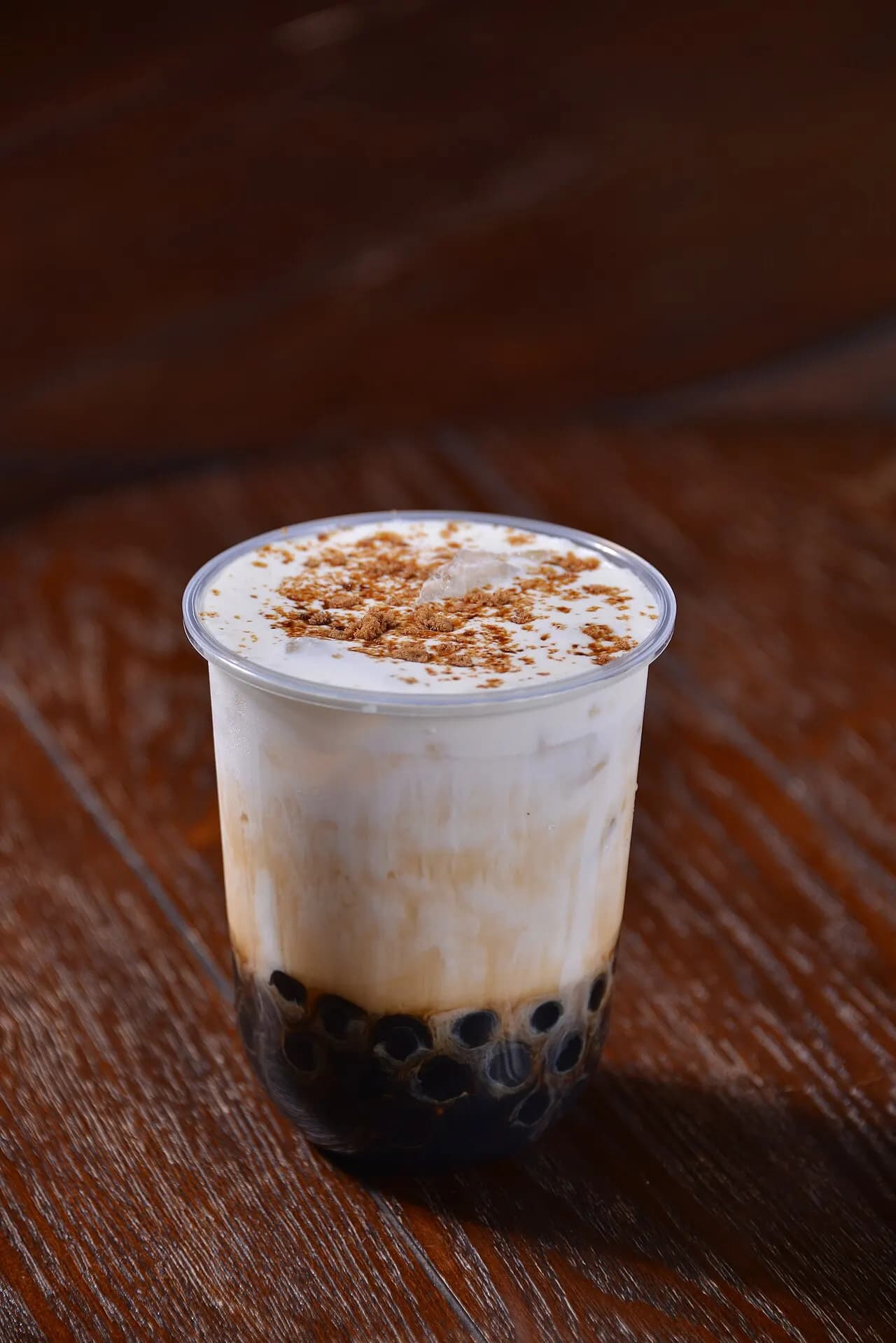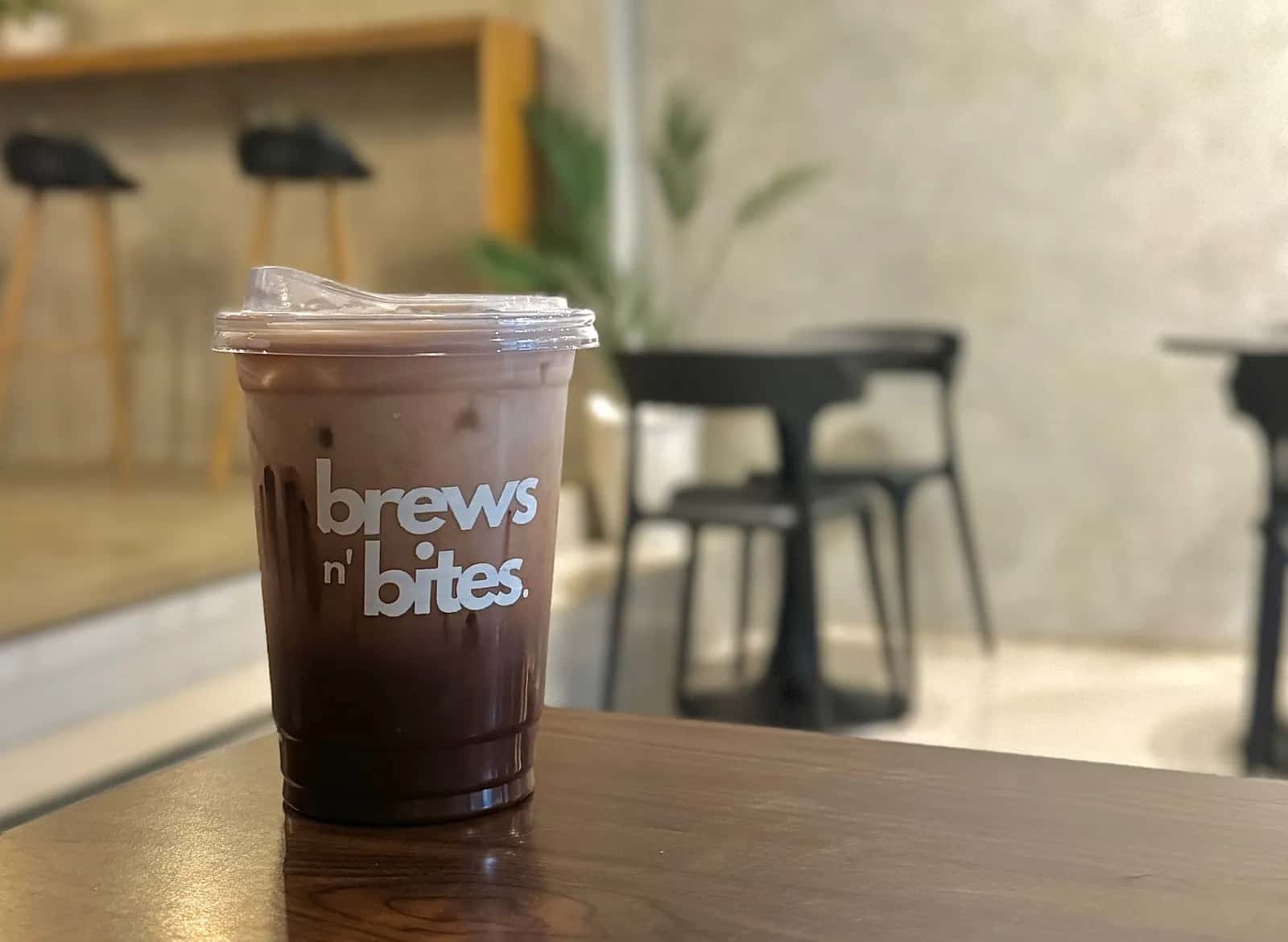
The Brew N' Bites
Milk Tea & Boba
- Franchise fee
- ₱20k
- Total investment
- ₱25k–₱60k
🎁 Start Your 1 Month Free Trial of the Full Plan, Exclusively for Brands & Advisors.Get Started
Browse a coffee & milk tea franchise up to ₱100k, with an investment of about ₱60k, a franchise fee of about ₱20k, and paying back in about 4 months.
Updated
A budget capped at ₱100,000 buys into the cheapest end of the coffee and milk tea category, a cart or kiosk setup priced from about ₱25,000 to ₱60,000. The fee for using the brand runs close to ₱19,889. Options priced exactly at this ₱100,000 limit run thin, so this is really about what that money has to cover rather than a wide shortlist to compare. It suits someone testing whether a small drinks business fits them at all, not someone shopping for the strongest brand on offer.
₱19,889 of the roughly ₱60,000 top-end setup cost is the franchise fee itself, leaving a fairly narrow gap for equipment and first stock. That split points to a business with modest gear needs rather than one built around a large menu. Claimed payback lands at around four months, fast by any measure in this category. A return that quick usually reflects how little capital is at risk, not extraordinary sales, since a cart or kiosk this size has correspondingly little room to lose money slowly. A fee this size typically covers the right to use the brand, a short training period, and a starter batch of supplies. Site scouting, marketing support, or an extended mentorship period tend to arrive only once a fee climbs well past this level, so a buyer here should expect to handle most of those decisions alone.
Both formats available at this budget need a counter, basic equipment, and a spot with steady foot traffic, nothing more elaborate. A food cart suits a site that changes hands or is only available part of the day. A kiosk assumes something closer to a fixed corner. Neither format supports a large menu or a long queue at once, so the choice between them comes down to where a site can actually be secured, not which one performs better. Running either one is almost always a solo job at first, since there is no real margin in the model to pay a second wage before sales are proven. The owner typically buys stock, prepares drinks, handles cash, and closes up in the same shift, which means the business depends heavily on that person's availability rather than on any system the franchise provides.
The fee takes up such a large share of this budget that almost everything else has to be planned around what is left over. Fit-out at this size usually means a counter, signage, and enough small equipment to keep drinks moving, not a full build. Most buyers here are working from a corner already available to them, a family spot or a stall inside a market or terminal. A formal lease with its own deposit would eat further into a budget already this tight. The first stock order has to be sized carefully too. Buying too little means running out mid-shift and losing sales to a queue that walks away; buying too much ties up cash that should be sitting in reserve for a slow week. A buyer should also hold back a small cash buffer beyond the setup cost itself, enough to cover a restock or a slow stretch. There is very little room in a business this size to absorb a surprise before the claimed four month payback has a chance to play out.
A ₱19,889 fee this size should be checked carefully for what it actually includes beyond permission to use the brand. Equipment, signage, and the first stock order can sometimes be billed separately even at this small a scale. It is also worth asking what happens if the four month payback estimate does not hold, since a business this size has very little buffer if early sales run slower than hoped. Confirming whether ongoing supply must be bought from the brand at a fixed price matters too, since that detail often decides how much margin is left in each cup sold. A buyer who gets clear answers to all three questions before signing tends to have a far more realistic view of what the first year will actually feel like than one who focuses only on the headline price.
Now that you've seen what's here, a real advisor can help you shortlist and weigh the options against your budget. Free, at your pace.

Financing Readiness · Site Selection

Low-Capital Startups · Site Selection

Low-Capital Startups

Franchise Agreements · Multi-Unit Expansion
Are you a franchise advisor?Get your own workspace here
Choose a kind of coffee & milk tea business and see only its franchises up to ₱100k, with their fees and investment ranges.
Get honest answers on fees, payback and the best setups for your area, free and with no pressure.
Budget for the stretch between paying ₱100k and your first profitable month, because bills keep coming while sales build up. Rent, wages and stock reorders all need to be paid during that time, even while customers are still discovering you. Add up your fixed monthly costs, multiply them by the months you expect sales to be thin, and check that your savings cover that total without touching household money.
Expect a starter bundle of equipment, supplies, training and some help with opening when you pay ₱100k, with the exact contents left to each franchisor. Real value comes from how well those items fit one another and your outlet, not from the length of the list. Have the franchisor explain the reasoning behind their package choices, and find out if owners already operating have pointed out any gaps after launch.
Think of food carts with 1 franchise and kiosks with 1 as the range of setups for coffee & milk tea at ₱100k. An OFW family managing the business from a distance would likely do better with a format that needs little daily decision making, while someone home full time can handle a busier operation. Be honest about who will be on site each day, and pick the setup that fits that person's time and experience.
Government lending programs for small businesses exist in the Philippines, and some can help cover part of ₱100k for a coffee & milk tea franchise. These programs usually focus on micro and small enterprises and may ask for a business plan, registration papers, and proof that you can repay. Check with your local government business or livelihood office about which programs are open right now, since availability and requirements change over time.
Your time is a cost too, so ask whether a coffee & milk tea franchise between ₱50k and ₱100k fits the hours you can truly give. Beginners often picture a few hours a week, then find the early months need far more. Count the hours in a normal week that are already taken by work, family and rest. What is left is your real capacity, and the franchise should fit inside it without strain.
Compare how many coffee & milk tea franchises start at each budget level, from the smallest packages up.
Coffee & Milk Tea franchises priced close to your budget, worth a look if you can stretch your savings or want to spend less.

Milk Tea & Boba

Milk Tea & Boba
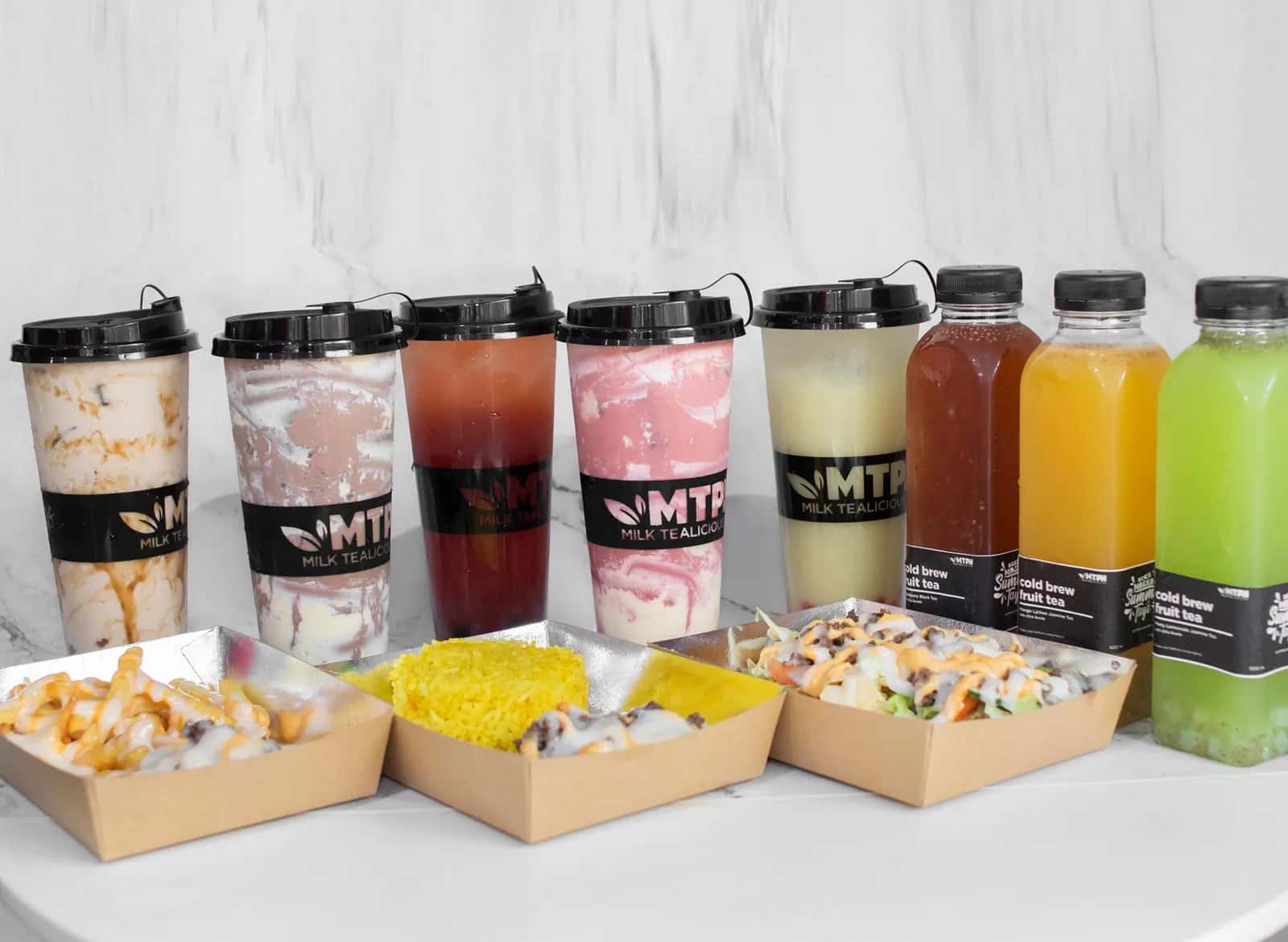
Milk Tea & Boba

Milk Tea & Boba
Coffee Shop

Coffee Shop
Coffee Shop
Milk Tea & Boba
Compare coffee & milk tea franchises with other industries at the same budget, each with its own brands, fees and investment ranges.
Compare industries by budget, daily work and payback before you choose one, free and with no pressure.

Learn practical inventory control steps for your Philippine franchise to cut waste, prevent loss, and protect your capital.
Aug 14, 2026 6 min read
Learn how non-compete clauses work when exiting a franchise agreement in the Philippines, protecting your investment after closing.
Jul 20, 2026 5 min read

Learn how to secure financing for your Philippine franchise, from preparation to approval. A practical guide for new operators and OFWs.
Jul 20, 2026 5 min read