JuanPay
Payment & Remittance Center
- Franchise fee
- ₱15k
- Total investment
- ₱50k–₱100k
🎁 Start Your 1 Month Free Trial of the Full Plan, Exclusively for Brands & Advisors.Get Started
Browse 9 franchises up to ₱100k in Davao de Oro, with investments from ₱60k to ₱100k, franchise fees mostly between ₱15k and ₱37k, and most paying back in 4 to 12 months.
Updated

Payment & Remittance Center
Davao de Oro has about 1,718 businesses on the map across its cities and towns, from food and drink to shops, services and clinics. Check what already operates near the spot you have in mind.
Population
767,5472020 census
Per 10,000 residents
22businesses we track
Business locations are based on Overture Maps open data (October 21, 2026 release) and do not represent a complete census of all businesses.
Davao de Oro runs on farming and small-scale gold mining, a province of agricultural towns rather than a dense retail center, and that shapes what a first franchise location here can realistically expect. Nothing at this budget currently names the province directly, so entry runs against a nationwide field that opens around ₱25,000 and reaches the full ₱100,000, with fees up to about ₱40,000 and payback typically quoted between four and twelve months.
Most of the nationwide packages available at this budget come as a food cart or a kiosk, roughly the same share choosing each. Both formats are small enough to set up along a highway strip, at a public market, or beside a mining town's main road, without needing a real storefront lease. A smaller share also work as a home-based setup, filling orders before ever renting space, or as a proper inline unit for a franchisee who already has retail space secured. Davao de Oro is built around farming and mining towns rather than shopping centers. The cart and kiosk formats matter most here because they follow the trade routes and market days that already draw people, rather than asking customers to travel somewhere purpose built. A home-based option also fits a province like this well, since many towns here do not yet have the retail footfall to support a fixed storefront on their own. Starting from home lets a franchisee test demand before committing to a location.
The nationwide list at this budget spans a real range, from around ₱25,000 at the low end to the full ₱100,000 many franchisees eventually commit. That gap usually separates a bare cart, built for a single product and minimal stock, from a fuller kiosk setup with more equipment and a wider menu. Fees layer on top of that entry cost, running from nothing at all to about ₱40,000. Packages with a real fee typically bundle training and initial stock into the price rather than charging for them separately later. Payback across the nationwide list runs from four months on the fastest end to a full year on the slower one. Trade here follows harvest and mining cycles more than a steady weekly wage. The slower end of that range is the safer number to plan around, since a single bad season can push even a well-run cart past the faster estimate.
Davao de Oro's economy runs on cacao, other crops, and small-scale gold mining rather than on office work or dense residential shopping, so the daily spending pattern looks different from a big-city suburb. Money moves through the province in waves tied to harvest and to mining payouts. A cart or kiosk timed to those waves, near a market on a buying day or close to where miners cash out, can catch spending that a fixed schedule would miss. Outside those waves the towns run at a slower, steadier pace, enough to support a modest daily routine but not constant footfall. That rhythm suits a format built to move or to run lean more than one that depends on a fixed crowd walking past every hour. Someone opening here should expect an uneven flow of customers, stronger on paydays and market days and thinner in between. The format and the staffing should plan around that pattern rather than around a steady average this kind of province rarely delivers.
The first question worth asking is whether a package's payback estimate, quoted at four to twelve months nationwide, assumes a certain kind of location. Does it plan around a highway strip or a market town, the ones that actually exist in Davao de Oro, rather than a dense city corridor? A package built and tested somewhere busier may quote numbers that simply do not apply here. It is worth confirming what the fee, up to about ₱40,000, actually includes, since a lean, cart-based setup should not carry the same training and support a fuller storefront format gets. Ask, too, how the brand supports a location far from its usual base. Remote guidance only, or an actual visit before opening, matters most exactly where a province has no existing local presence to lean on. Working capital deserves real thought as well. Income here ties to harvest and mining cycles rather than a steady weekly wage, so a new operator needs enough cushion to cover the slower weeks between paydays, not just the entry cost and the fee.
Now that you've seen what's here, a real advisor can help you shortlist and weigh the options against your budget. Free, at your pace.

Financing Readiness · Site Selection

Franchise Agreements · Multi-Unit Expansion

Low-Capital Startups · Site Selection

Low-Capital Startups
Are you a franchise advisor?Get your own workspace here
Choose an industry to see its franchises in Davao de Oro, with their fees and investment ranges.
Get honest answers on what this budget really covers, fees and payback, free and with no pressure.
Yes, ₱100k can be enough, since nine franchises in Davao de Oro list an investment between ₱50k and ₱100k. Still, the cheapest package is not always the sensible pick, because a very small format may earn too little to cover monthly costs. Compare packages by how many months of expenses your money still covers after the purchase, and prefer the one that leaves a comfortable cushion. Price alone tells you little about whether the business can carry itself while sales build.
Flooding is worth checking before you pick among the ₱100k industries in Davao de Oro, which stand at food & beverage with 6 franchises, financial services with 2 and bakery & pastry with 1. Industries that rely on freezers, washers or electronics can lose expensive equipment in a single bad storm. Ask neighbors and the barangay whether your spot has flooded before, and if it has, favor an industry with lighter equipment or plan for raised fixtures from the start.
At ₱100k in Davao de Oro, the setups on offer are food carts with 7 franchises, kiosks with 7 and inline stores with 1. Each one asks something different of you, so think about how much floor space you can realistically rent before picking a favorite. Ask each franchisor for the exact floor area their setup needs, then compare that against a few spaces you could actually lease. Remember to leave room for storage and a spot where crew can prepare or rest, since a setup that barely fits the counter often feels cramped once stock starts arriving.
Keep an eye on whether the quoted fee is final, because the franchise fee for ₱100k franchises in Davao de Oro usually runs ₱15k to ₱37k. Ask if later adjustments can be made, such as a surcharge for your area or a change when the franchisor updates its package. Get the final figure confirmed on paper before you transfer, so what you pay is exactly what was quoted.
Taxes are part of operating costs, and a ₱100k franchise in Davao de Oro must file and pay BIR obligations even in months when profit is thin. Withholding taxes on rent and percentage or value added tax can catch new owners by surprise. Ask a tax practitioner which returns apply to your setup and how often they are due, and include tax payments in the reserve.
Beyond the main permits for a ₱100k franchise in Davao de Oro, which are DTI or SEC registration, barangay clearance, a mayor's permit and BIR registration, you may need a separate permit for your store sign. Fire safety and sanitary permits may apply too. Franchisors usually have fixed sign designs, but local rules can limit size or placement. Ask the permit office about signage rules before ordering the sign, so you do not pay for one you cannot put up.
Supply contracts sometimes hide a second markup, so ask whether the franchisor earns money from what you buy. There is nothing wrong with a franchisor profiting from supplies, but you should know about it, because it affects how much you really pay above the ₱100k fee. Ask whether you can source non-core items like cleaning supplies or packaging locally. A franchise in Davao de Oro that lets you buy basics nearby can save you both money and delivery hassles.
Whether a royalty applies depends on the franchisor, and ₱100k franchises in Davao de Oro include models with and without one. Start by asking for the rate, the basis it is applied to and the payment schedule, all in writing. With those three facts you can estimate a yearly amount for your outlet. Without them you are guessing, so do not move forward with any franchisor who will not provide them.
Compare how many franchises start at each budget level in Davao de Oro, from the smallest packages up.
Franchises at the next budget level, ₱200k, worth a look if you can stretch your savings a little.
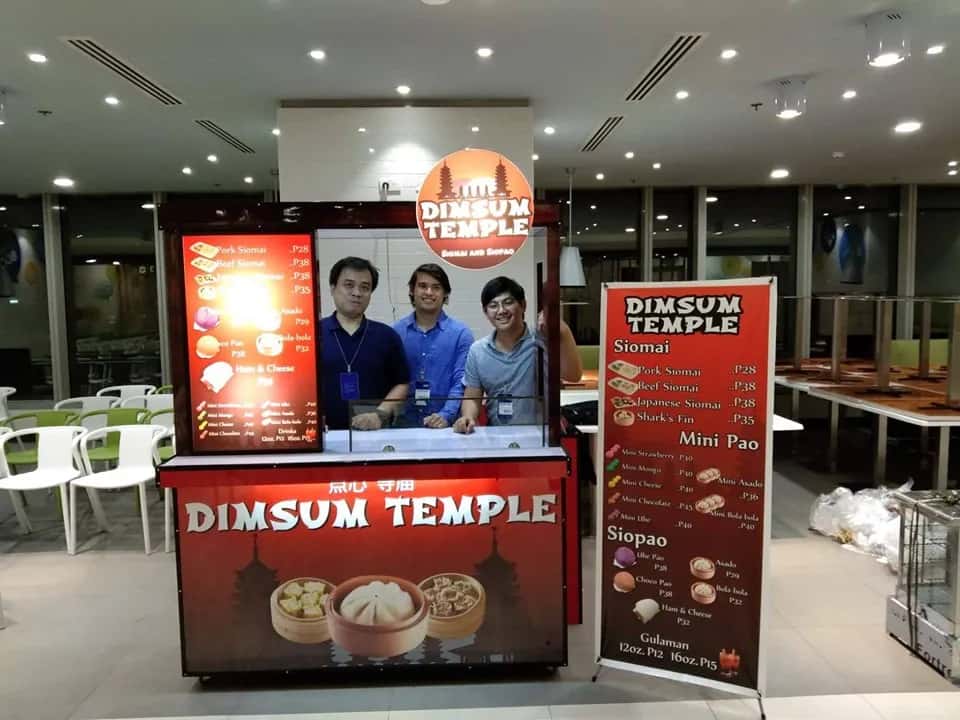
Siomai & Dimsum

Ice Cream & Desserts
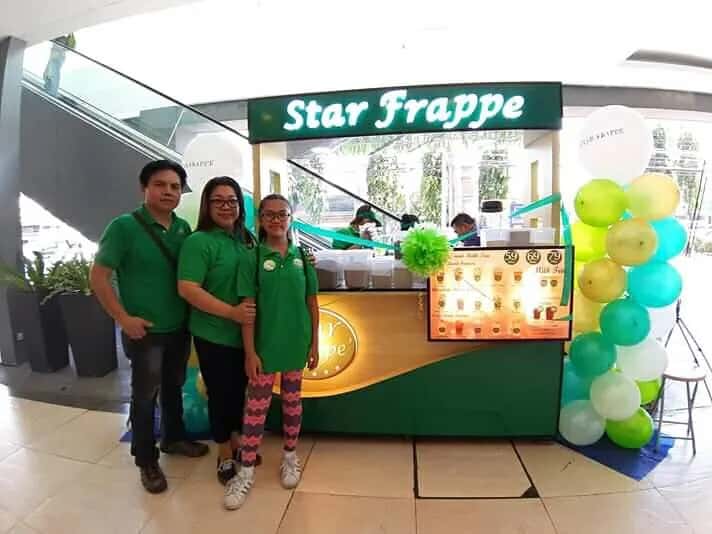
Coffee Shop
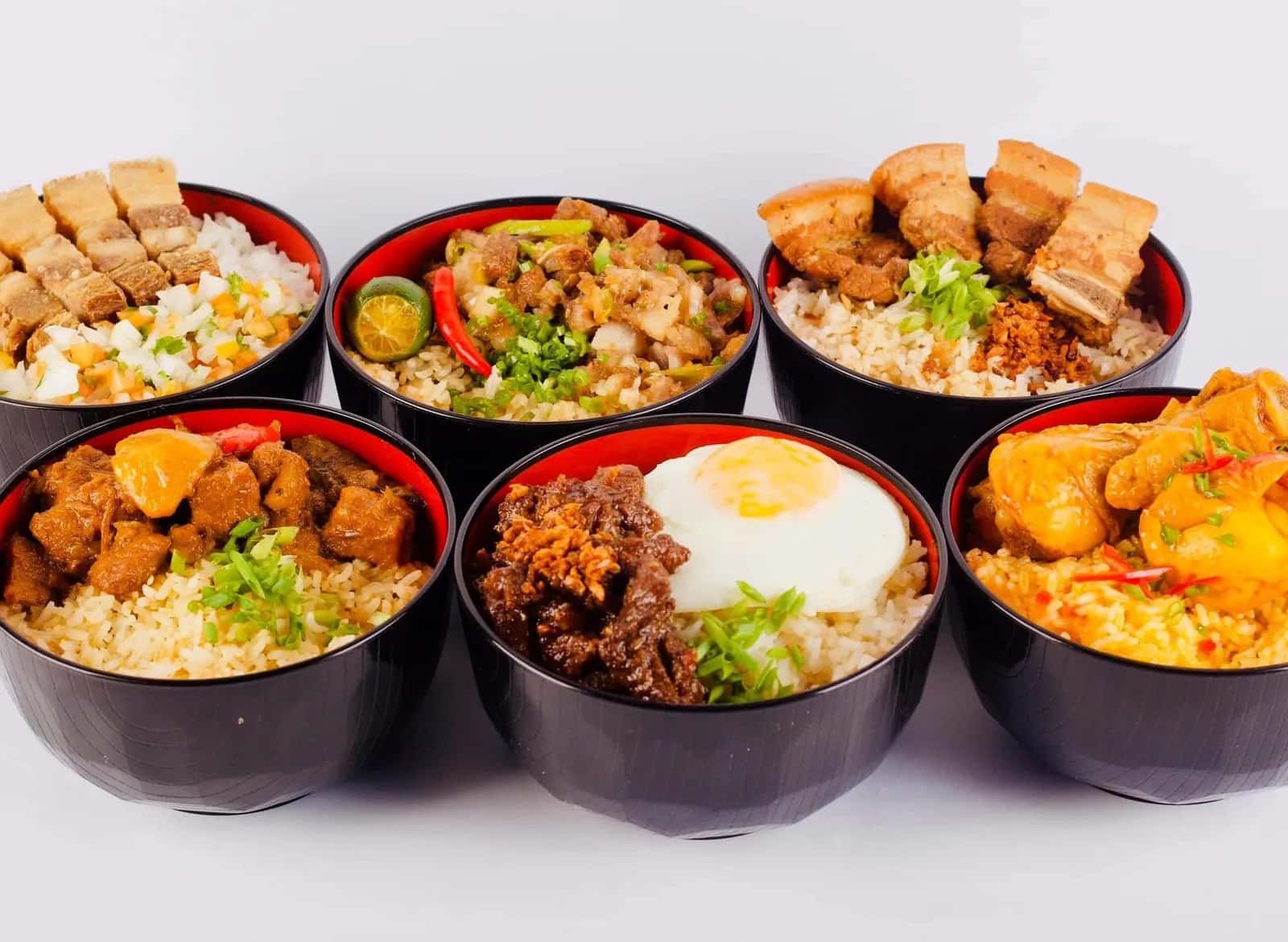
Street Food & Snacks
Payment & Remittance Center

Cakes & Pastries
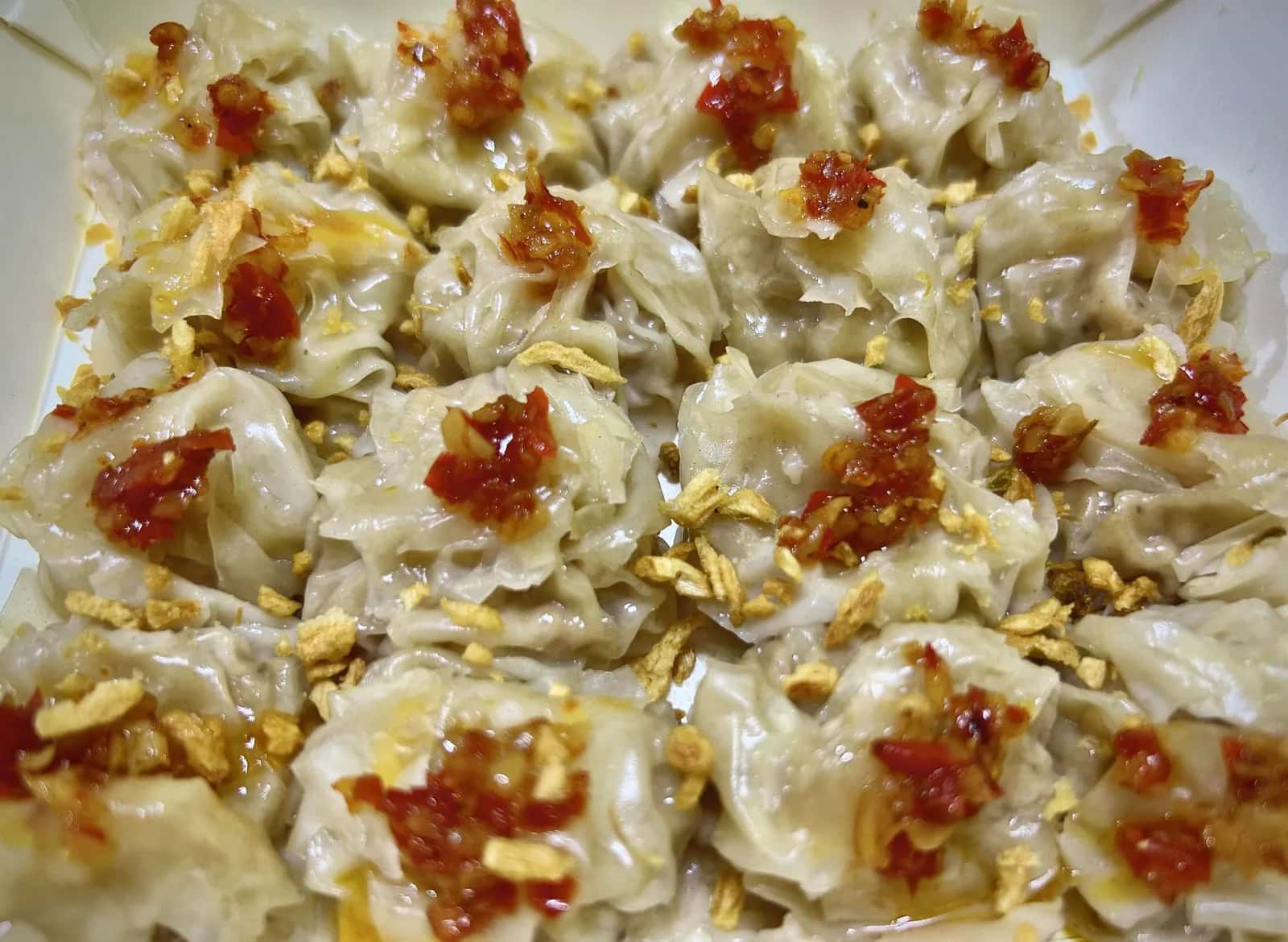
Siomai & Dimsum
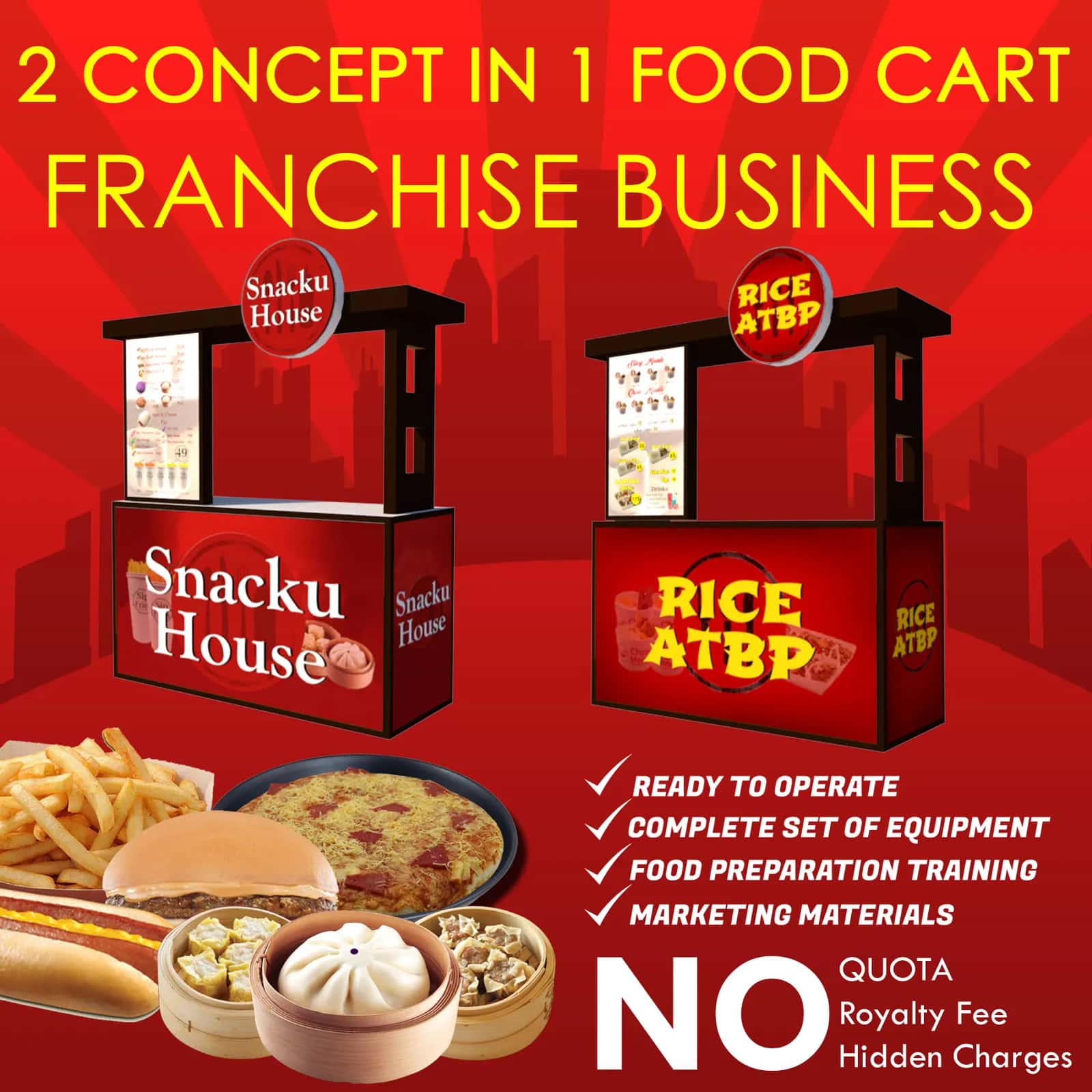
Street Food & Snacks

Learn practical inventory control steps for your Philippine franchise to cut waste, prevent loss, and protect your capital.
Aug 14, 2026 6 min read
Learn how non-compete clauses work when exiting a franchise agreement in the Philippines, protecting your investment after closing.
Jul 20, 2026 5 min read

Learn how to secure financing for your Philippine franchise, from preparation to approval. A practical guide for new operators and OFWs.
Jul 20, 2026 5 min read