JuanPay
Payment & Remittance Center
- Franchise fee
- ₱15k
- Total investment
- ₱50k–₱100k
🎁 Start Your 1 Month Free Trial of the Full Plan, Exclusively for Brands & Advisors.Get Started
Browse 9 franchises up to ₱100k in Gingoog, with investments from ₱60k to ₱100k, franchise fees mostly between ₱15k and ₱37k, and most paying back in 4 to 12 months.
Updated

Payment & Remittance Center
Gingoog has about 535 businesses on the map, from food and drink to shops, services and clinics. Check what already operates near the spot you have in mind.
Population
136,6982020 census
Per 10,000 residents
39businesses we track
Business locations are based on Overture Maps open data (October 21, 2026 release) and do not represent a complete census of all businesses.
Carts and kiosks take up most of what ₱100,000 buys in Gingoog, Misamis Oriental, with starting prices near ₱25,000 for the lightest build. Nothing is priced for the city by name, so the options come from setups that operate nationwide and can be run from a single corner of the city. A port on the bay and a farming hinterland behind it bring buyers into town on market days, and a small stall can serve them well.
The lightest setup starts near ₱25,000 and buys a compact cart with its equipment and a first supply of stock. Moving up the range adds a bigger counter, better signage and more stock, and the top reaches the full ₱100,000 for a small inline space with a basic fit-out. Franchise fees run from nothing to ₱40,000, and that fee, together with the size of the build, is what separates one setup from another. A buyer comparing two setups should ask what training and supplies are included with the fee, since a low fee sometimes means supplies are sold at a higher price. Payback is quoted between four and twelve months, and lighter builds usually come in sooner. Holding back a fifth or more of the budget as working cash protects a new stall from a slow start. It pays for stock, wages and a small repair without pushing the owner to borrow in the first month.
Gingoog looks out on a bay and reaches back into a wide farming hinterland, so its trade comes from the coast and the countryside at once. Farmers bring crops into the city, fishers land their catch, and market days pull buyers in from the barangays around. Schools, offices and the port add a weekday crowd, and the highway carries travelers through on their way to other parts of Mindanao. A stall near the market, the port or a school gate meets those buyers when they are already on the move. The city's own population is modest, so a stall depends on regulars, and a familiar product priced fairly is likely to become a habit. Sales rise on market days and after harvests, when farm families have cash to spend, and they ease in the quieter weeks between. Watching the market calendar and the harvest months lets an owner order more stock before the busy days and less before the slow ones.
A stall in Gingoog opens early to catch market traders and students, and it stays open through the afternoon when farmers head home. One owner on the counter and a helper for market days is a workable team, and quiet hours suit restocking and cleaning. Stock comes in by road, so the owner should learn the delivery days early and keep a small reserve of the fastest sellers. Heavy rain is common in the wet months and can keep buyers away, which is why a covered position matters. Permits from the city government and a sanitary clearance take a few weeks, and filing them early avoids a wait once the equipment has arrived. By the third month, the owner usually knows the best hours and can adjust the menu or the opening times to match the actual flow of customers. A short daily note of what sold and when makes those changes easier and keeps the owner honest about which hours actually pay.
Inline stores and home-based or online setups are the rarer formats at this budget across the country, while the food cart and the kiosk make up the bulk of what is offered. That pattern reflects money more than taste, since an inline store needs a lease and a fit-out that take most of the ₱100,000. A home-based setup needs no rent and suits someone who can sell to neighbors and online followers, though its reach is limited to those buyers. A cart keeps costs low and can be moved between the market and the port, and a kiosk gives a fixed address that regulars learn. Choosing between them comes down to the spot: a busy pavement favors a cart, while a covered corridor favors a kiosk. Either way, the budget should leave a reserve for the first months. A buyer who visits a working stall in a similar city before deciding sees the daily routine as it is, not as a brochure describes it.
Now that you've seen what's here, a real advisor can help you shortlist and weigh the options against your budget. Free, at your pace.

Financing Readiness · Site Selection

Franchise Agreements · Multi-Unit Expansion

Low-Capital Startups

Low-Capital Startups · Site Selection
Are you a franchise advisor?Get your own workspace here
Choose an industry to see its franchises in Gingoog, with their fees and investment ranges.
Get honest answers on what this budget really covers, fees and payback, free and with no pressure.
Commissary preparation is part of some setups, and at ₱100k in Gingoog you can choose from food carts with 7 franchises, kiosks with 7 and inline stores with 1. Certain formats need ingredients prepared in a separate kitchen or delivered ready from the franchisor, while others are prepared entirely at the counter. Off site preparation means extra space, extra trips or a reliance on someone else's schedule. Ask where each item is prepared before reaching customers, and whether you would need your own prep area at home or nearby.
A near match in count is a prompt to compare terms, not cities. In Gingoog you will find 9 ₱100k franchises, and the area around it lists Cagayan de Oro with 9, El Salvador with 9, Iligan with 9 and Malaybalay with 9. Gather the key terms for a handful of franchises, such as the stated investment range and the type of support, and set them beside each other. That comparison tells you more than the city totals ever could.
You can combine a job with a ₱100k franchise in Gingoog if you track a few key numbers instead of everything. Choose a small set of figures such as daily sales, waste and labor cost, and review them on a regular schedule. Those figures tell you quickly when something has gone wrong, even when you only have a few minutes between meetings to look.
Your permit list for a ₱100k franchise in Gingoog begins with DTI or SEC registration and then moves to the barangay clearance, the mayor's permit and BIR registration, with fire safety and sanitary permits added where they apply. Order matters because each office usually wants to see the paper issued before it. Ask the city hall which sequence it follows for your type of setup, and keep copies of every receipt so renewals go smoothly.
Rather than asking only what you get, ask what you must keep paying for. Point of sale systems, software subscriptions, uniforms, packaging with the franchisor's logo and required repairs can all be ongoing charges on top of a ₱100k franchise. Ask the franchisor to name every recurring fee in the agreement, however small. Add them up and see how much of your expected sales in Gingoog they take before you even pay rent or wages.
Staff turnover can quietly reduce earnings from a ₱100k franchise in Gingoog. Every time a trained crew member leaves, you lose sales during the gap and spend time training someone new. Ask current franchisees how they keep good staff and whether they pay above the minimum, then factor fair wages into your estimate instead of the lowest possible figure, since a stable crew usually serves customers better.
Franchisors approach site selection in different ways, so before choosing a ₱100k franchise in Gingoog, find out whether they actively scout or only approve. If they scout, ask how many options they usually present. If they only approve, ask how quickly they respond to a submitted location, since a slow review can leave you paying for a space that cannot open yet.
Word of mouth from your earliest customers often does more for a ₱100k franchise in Gingoog than any paid ad. When people have a good experience, they tell family, coworkers and neighbors, and that kind of recommendation is trusted far more than a post from the business itself. Make it easy for them by asking happy customers to tag your page or share a photo while they are still at the counter. Train your staff to ask politely and only after the customer is clearly satisfied.
Disappointing results often come from expectations set too high rather than from a failing unit, and a ₱100k franchise in Gingoog sold on rosy projections is a common example. Sample earnings may not match your location or costs. Ask how projections were calculated and whether they came from outlets in similar areas. Grounded figures help you tell a normal slow start from a real problem and respond to each properly.
Compare how many franchises start at each budget level in Gingoog, from the smallest packages up.
Compare how many ₱100k franchises take franchisees in each place, nearest first.
Franchises at the next budget level, ₱200k, worth a look if you can stretch your savings a little.
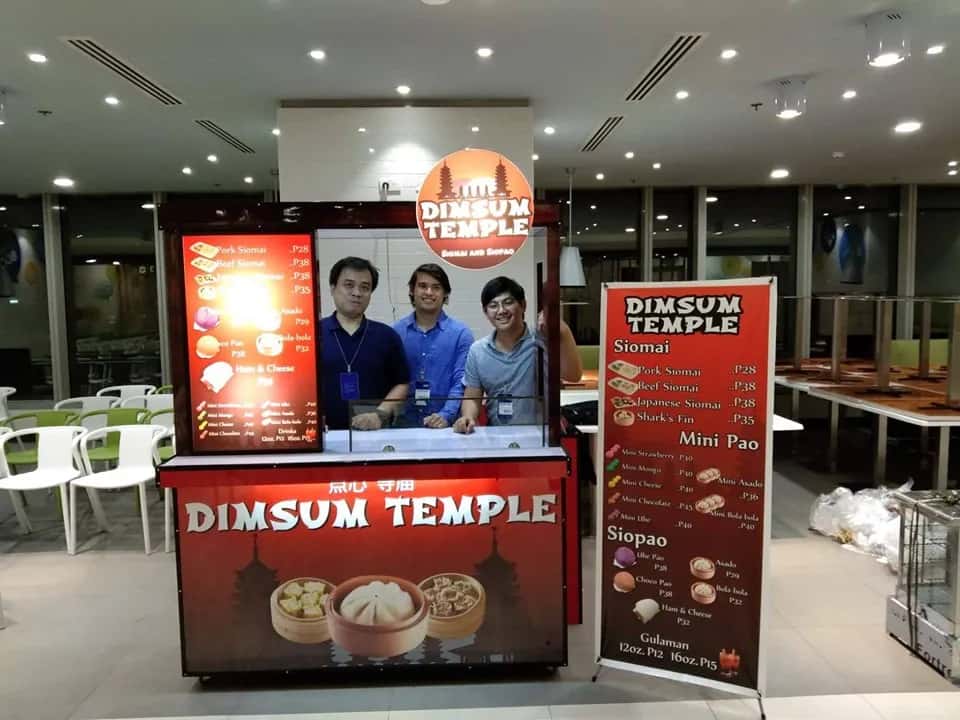
Siomai & Dimsum

Ice Cream & Desserts
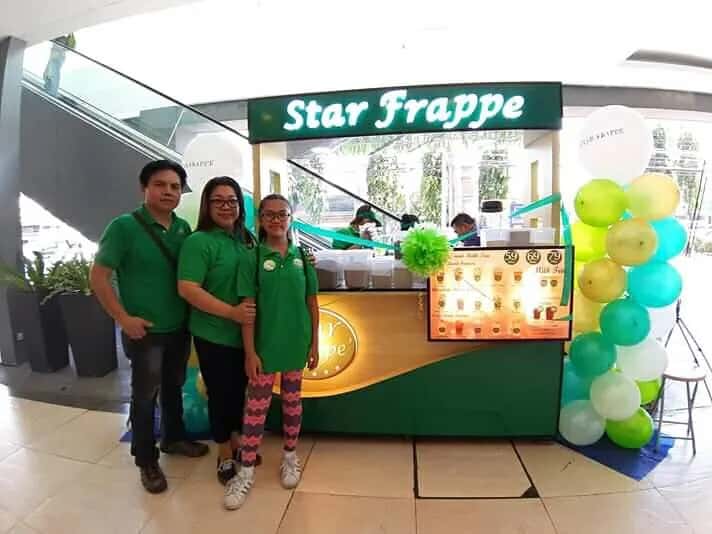
Coffee Shop
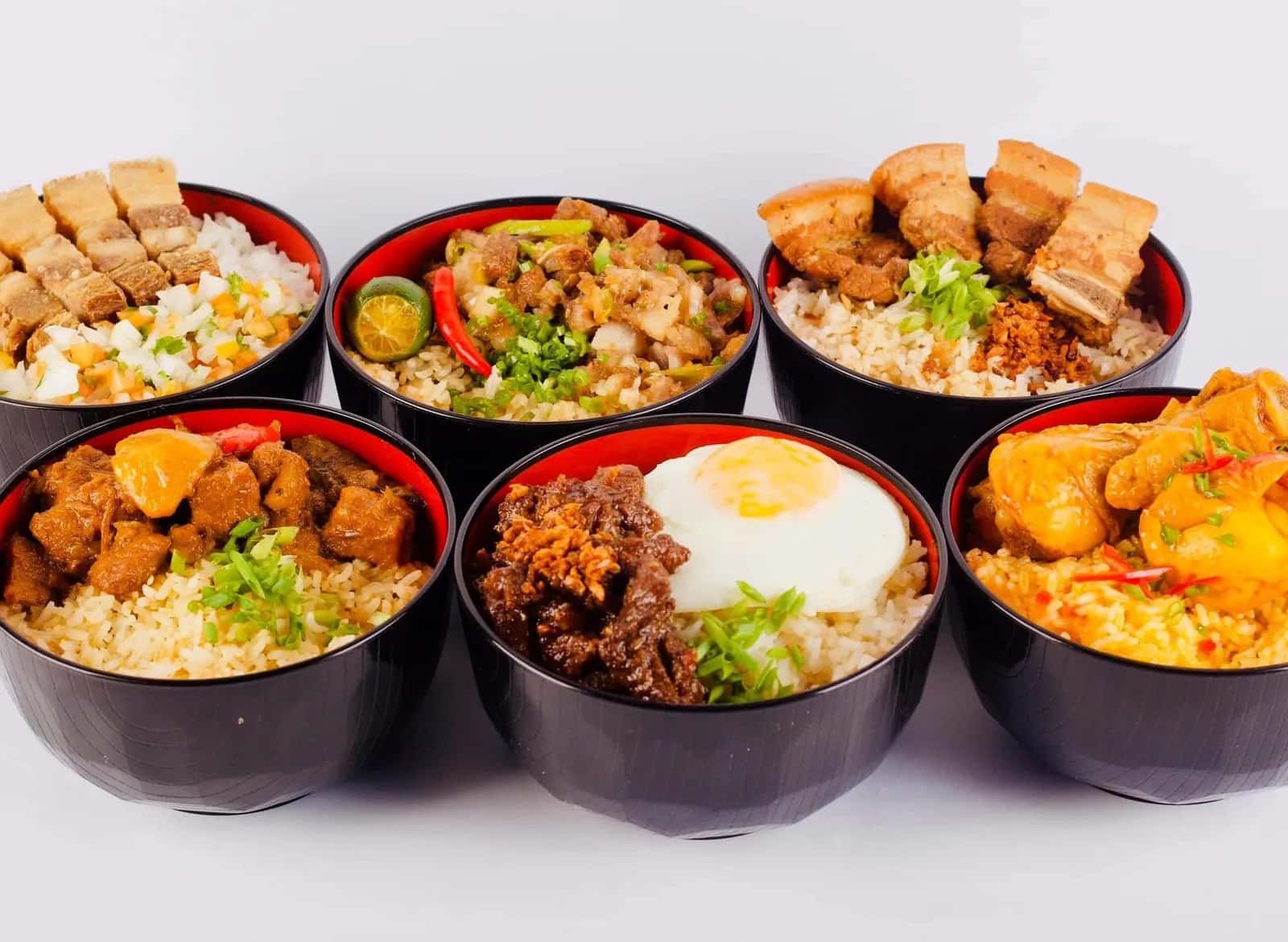
Street Food & Snacks
Payment & Remittance Center

Cakes & Pastries
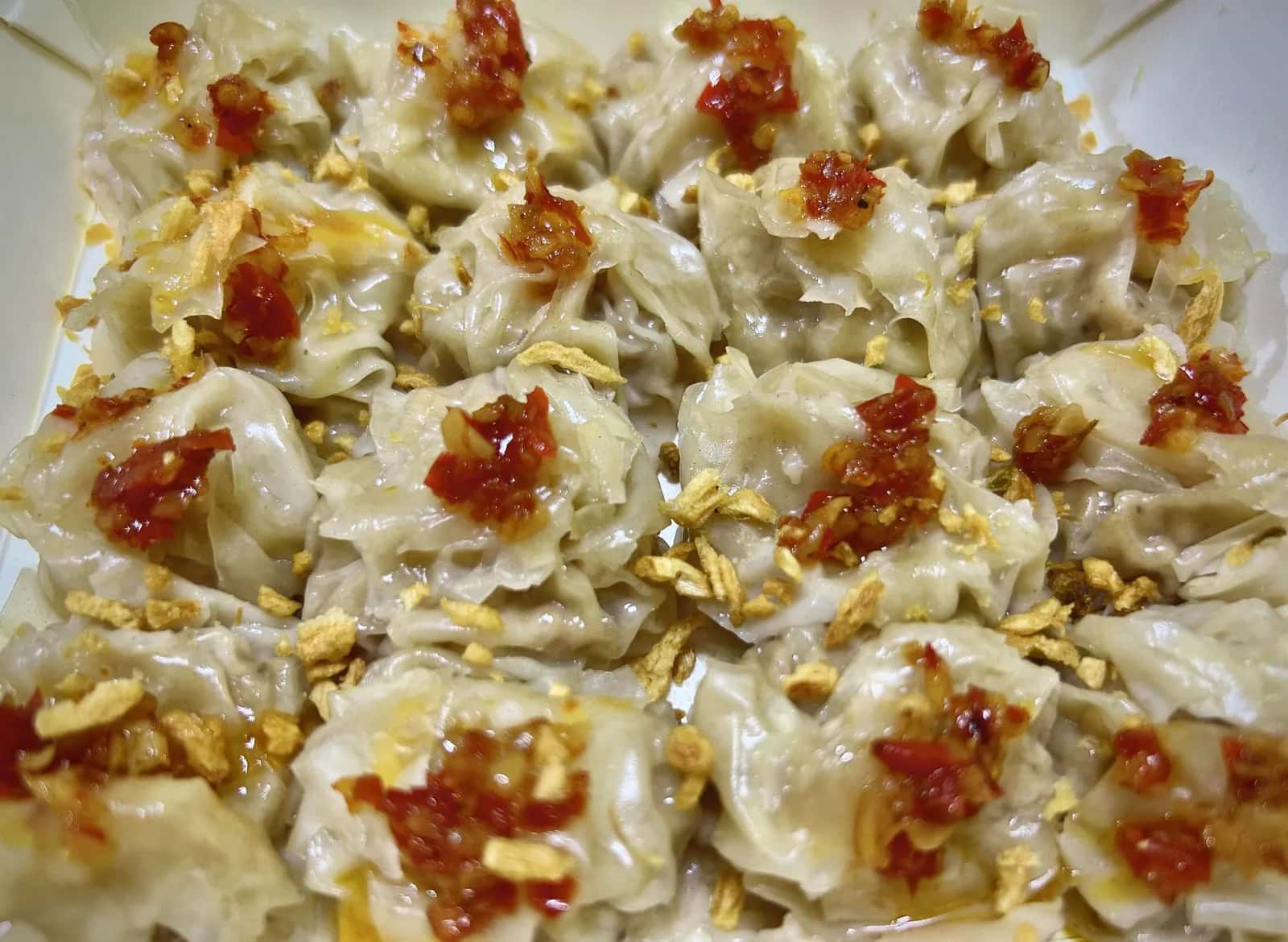
Siomai & Dimsum
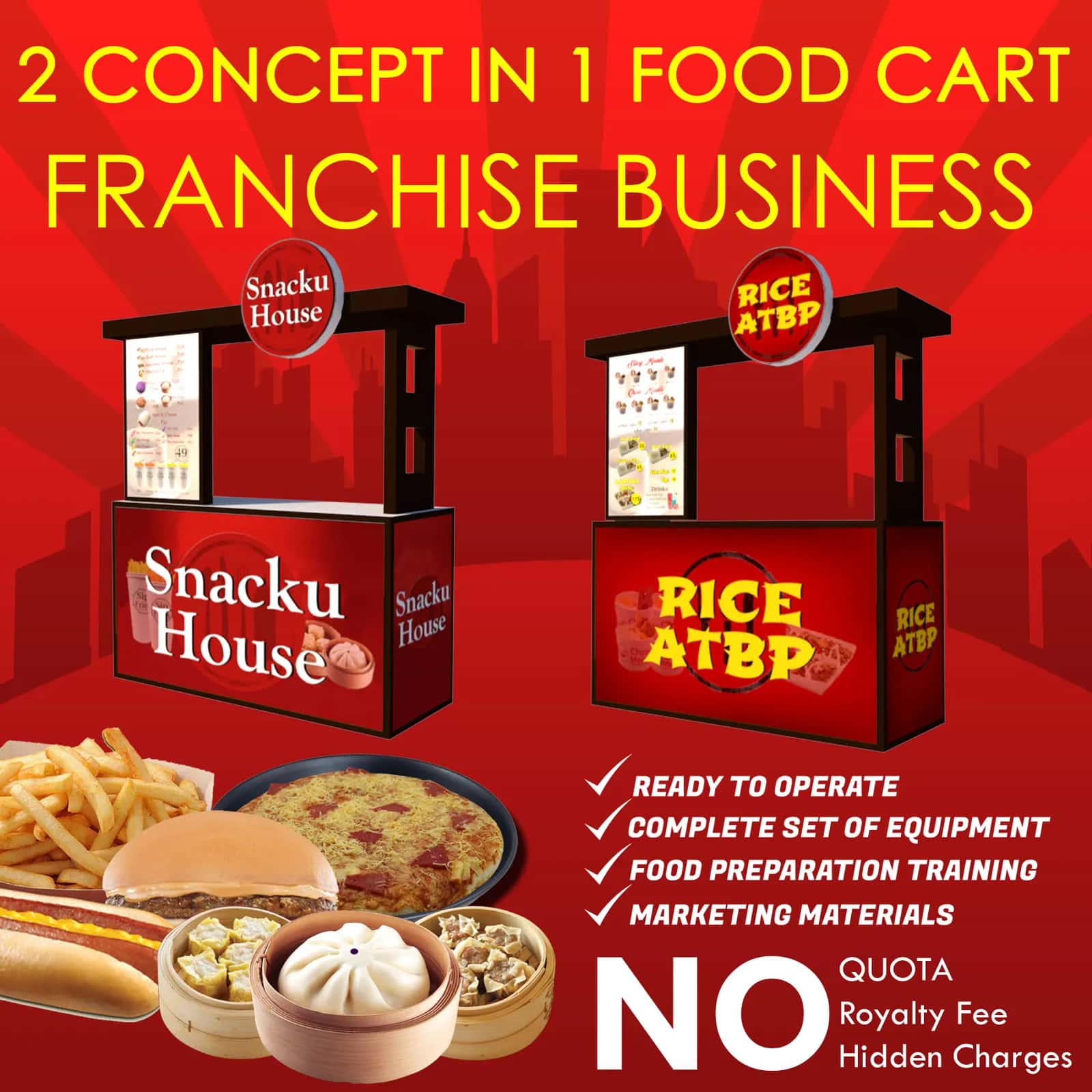
Street Food & Snacks

Learn practical inventory control steps for your Philippine franchise to cut waste, prevent loss, and protect your capital.
Aug 14, 2026 6 min read
Learn how non-compete clauses work when exiting a franchise agreement in the Philippines, protecting your investment after closing.
Jul 20, 2026 5 min read

Learn how to secure financing for your Philippine franchise, from preparation to approval. A practical guide for new operators and OFWs.
Jul 20, 2026 5 min read