Kwatogs
Filipino Restaurant
- Franchise fee
- Not disclosed
- Total investment
- From ₱700k
🎁 Start Your 1 Month Free Trial of the Full Plan, Exclusively for Brands & Advisors.Get Started
Browse 13 franchises up to ₱700k in Manila, with investments from ₱650k to ₱700k, franchise fees mostly between ₱150k and ₱300k, and most paying back in 12 to 18 months.
Updated

Water Refilling
Visit a branch

Ice Cream & Desserts
Visit a branch
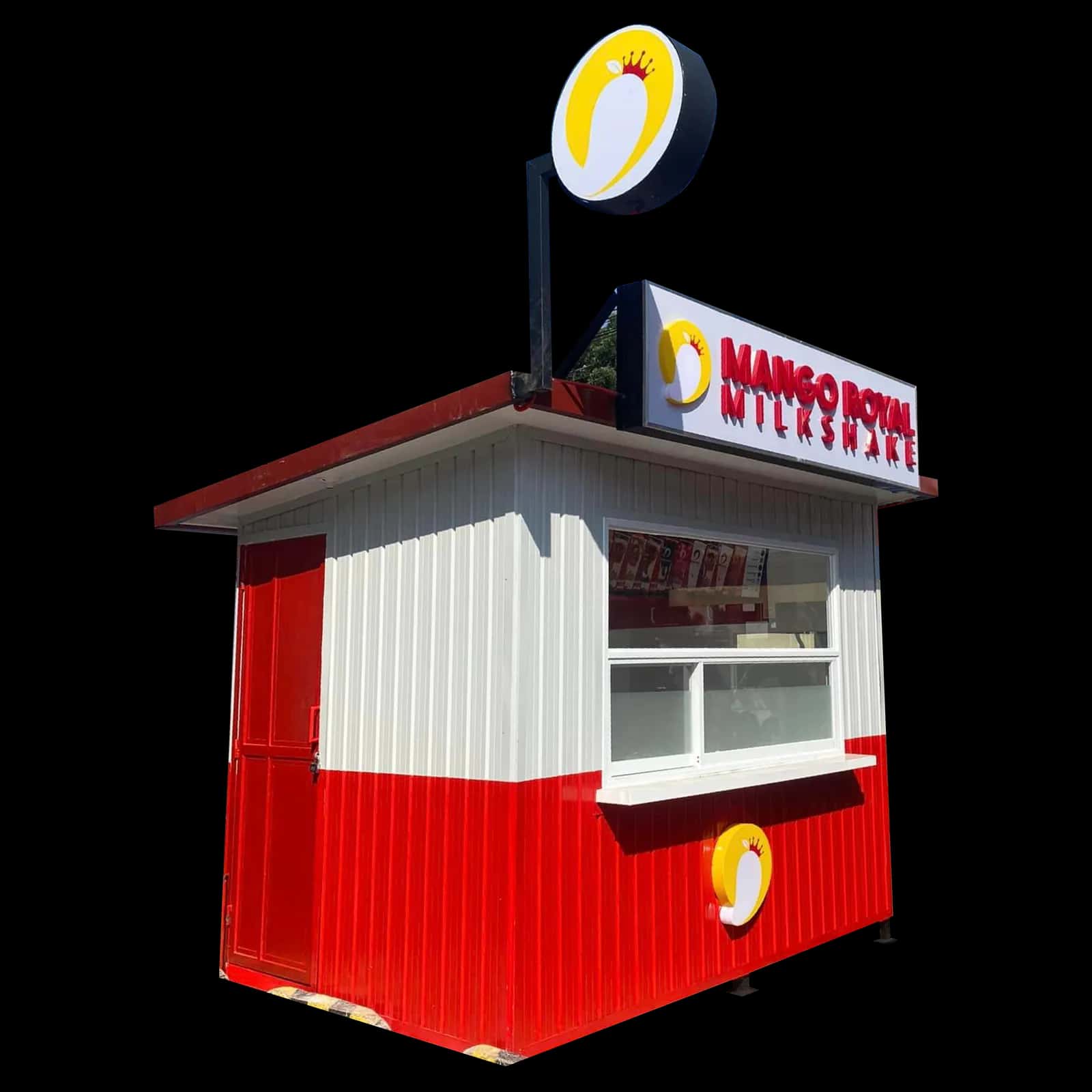
Juices & Shakes
Visit a branch
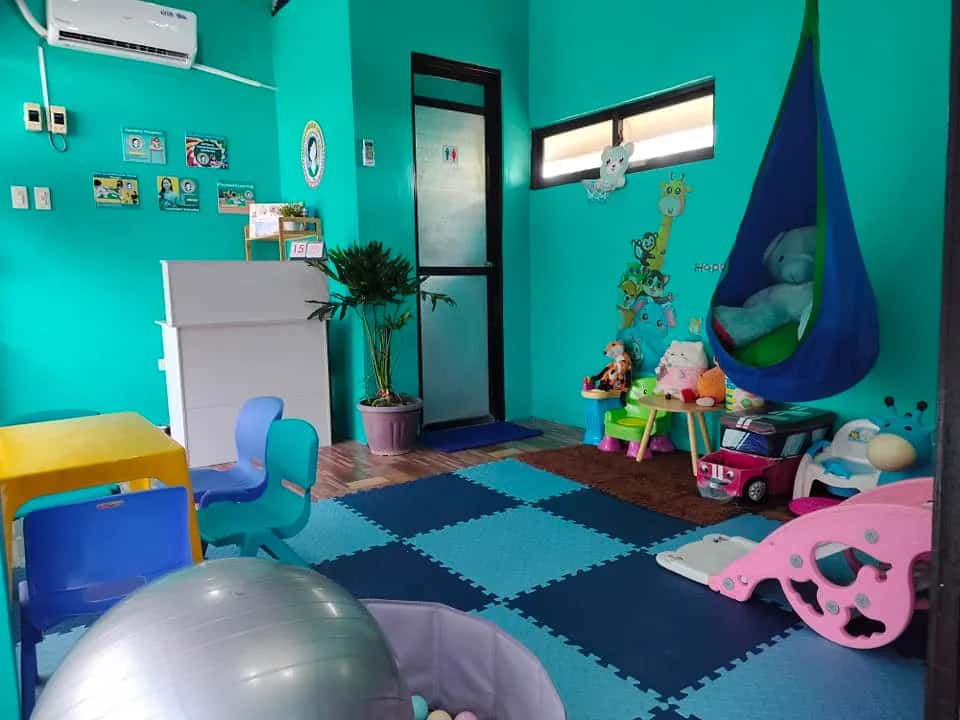
Tutorial & Review Center
Visit a branch
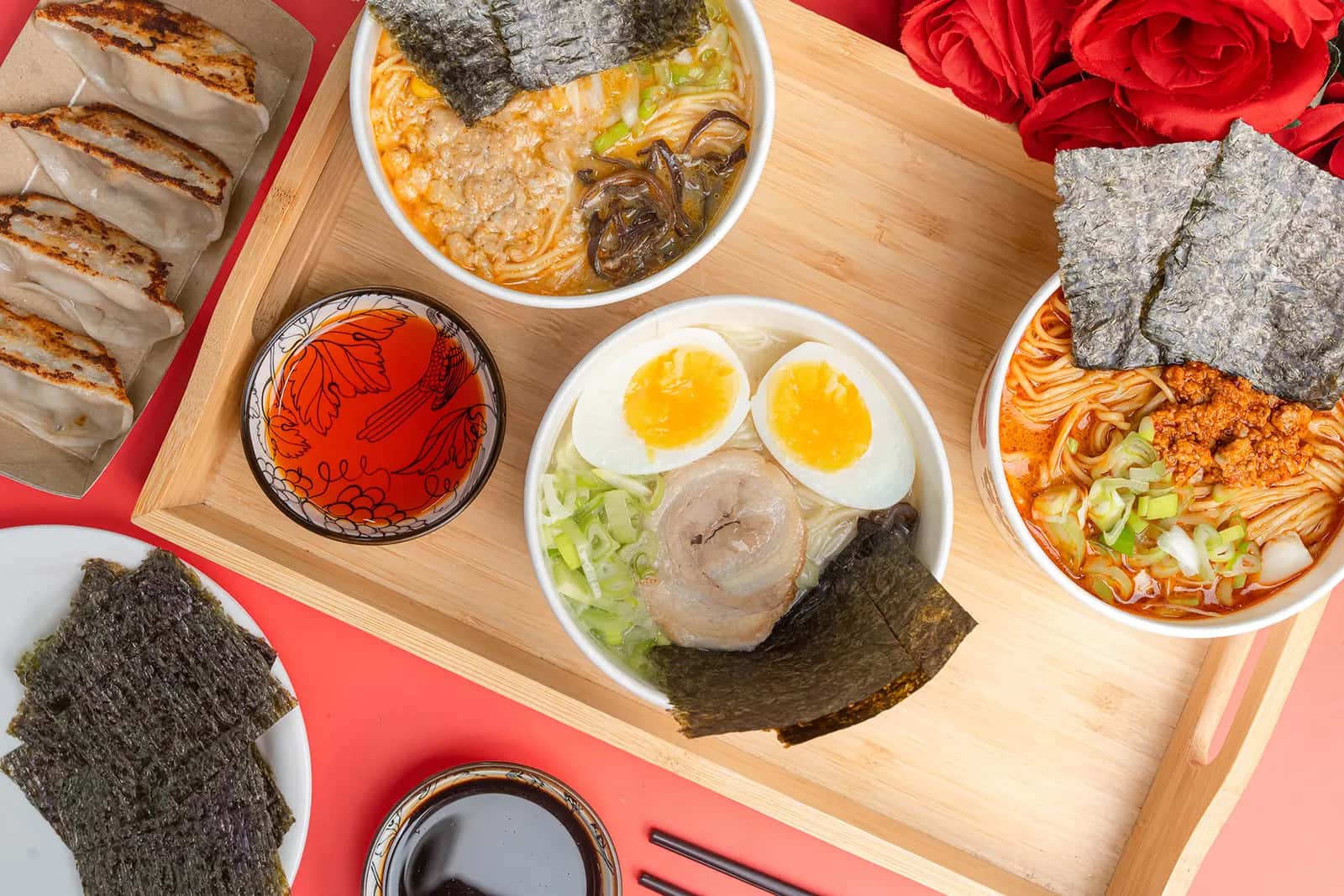
Takoyaki & Japanese Snacks

Milk Tea & Boba
Visit a branch

Chicken & BBQ

Milk Tea & Boba

Milk Tea & Boba
Manila has about 36,998 businesses on the map, from food and drink to shops, services and clinics. Check what already operates near the spot you have in mind.
Population
1,846,5132020 census
Per 10,000 residents
200businesses we track
Business locations are based on Overture Maps open data (October 21, 2026 release) and do not represent a complete census of all businesses.
₱700,000 stretches a long way in Manila, where local packages at this budget run from about ₱385,000 to the full amount and cover a kiosk, a food cart or a small inline store. The city rewards counters set where commuters, students and office workers already walk. Rent on those spots is usually the biggest number after the franchise fee, and a sensible plan starts from the location and works backward to the format, which keeps the whole plan honest.
Local setups begin around ₱385,000 and reach the full ₱700,000, and most of that spread comes from the size of the build and the spot. A compact cart or kiosk sits near the lower end. A fuller inline store, with more equipment and a bigger deposit, uses the upper end. Franchise fees on the local packages fall between ₱150,000 and ₱180,000, which weighs lightly on the larger budgets and heavily on the smaller. Payback is quoted at eighteen months locally, so plan on a year and a half of steady trading before the outlay comes back. In a dense city, advance rent and a security deposit can take a real share of the money left after the fee, so ask for those figures before you pick a format. Leave room for first stock, a few weeks of wages, utilities and the small daily costs that a new counter always turns up.
Manila has some of the heaviest daytime crowds in the country, with workers, students and commuters filling the same blocks from early morning until evening. That rhythm sets your hours. A counter near a transit stop earns most of its money in the morning rush and again when people head home. A spot near a school peaks after classes, and one near an office cluster peaks at lunch. Some streets go quiet after dark while others stay busy around markets and terminals, so the same format can perform very differently two blocks apart. Sidewalk space is tight and permits for street selling are handled by the city government and the barangay, so a spot inside a mall or a building lobby often makes the daily routine simpler. It also helps to watch a location for a few days, at different hours, before committing to a lease.
Food carts and kiosks dominate the wider range at this budget, each appearing in most of what is on offer, with inline stores in roughly two thirds. Standalone buildings are uncommon. Locally, kiosks and food carts are each offered in three quarters of the local setups and an inline store in half, so a small counter is the easier choice to find in Manila. Across the wider range, entry runs from ₱250,000 to ₱700,000, and the full ₱700,000 is enough to reach any of those formats. Fees stretch from nothing at all to ₱324,000, so ask what the fee covers. Local payback is quoted at eighteen months, which gives you a planning figure for your own cash flow. Knowing what a package includes helps you judge what you are really paying for. Ask for the numbers in writing and compare them side by side. Choose the format you can staff comfortably, because a counter that closes early loses its regulars.
Start with the street itself, and count how many people pass at breakfast, lunch and early evening on a normal weekday and a weekend. Ask what the lease allows, how long it runs and whether the rent can rise during the term. Find out who handles permits and whether the franchisor helps with them. Rainy season brings flooding to parts of Metro Manila, so look at how a spot copes with heavy rain and whether deliveries can still reach it. Check how stock arrives and where it is stored, because space is scarce and a kiosk has little room. Ask about staffing hours too, since a busy counter often needs two people at peak times. A franchisor should be able to explain training, supply and the support you get after opening in plain terms. Visit an existing outlet if one is nearby, and talk to its owner about the slow weeks as well as the busy ones.
Now that you've seen what's here, a real advisor can help you shortlist and weigh the options against your budget. Free, at your pace.

Financing Readiness · Site Selection

Low-Capital Startups

Low-Capital Startups · Site Selection

Franchise Agreements · Multi-Unit Expansion
Are you a franchise advisor?Get your own workspace here
Choose an industry to see its franchises in Manila, with their fees and investment ranges.
Get honest answers on what this budget really covers, fees and payback, free and with no pressure.
The figure you see, 13 franchises at ₱700k in Manila, includes four that list Manila by name and nine that accept franchisees anywhere. It can surprise you in either direction. A higher figure than expected means you should filter harder, and a lower figure means you should widen your view to nearby places or related industries. Either way, the total is only a starting point.
Spread across industries, the ₱700k franchises in Manila are food & beverage with 9 franchises, coffee & milk tea with 2 and education & tutoring with 1. Think about who mostly lives, works or passes near your spot, since students, young workers and older households tend to want different things and spend in different ways. Choose the industry on this list that speaks most naturally to the age group you would be serving every day. Consider how that group usually pays and finds new places, whether through word of mouth, social media or simply walking by, because that shapes how you would attract them.
Territory size can shape the fee, and for ₱700k franchises in Manila the franchise fee typically runs ₱150k to ₱300k. Ask whether a larger area, such as a whole city rather than a single district, raises the amount. Knowing how the franchisor prices territory helps you choose the size you need instead of paying extra for coverage you will never use.
If the franchisor's assumptions hold, a ₱700k franchise in Manila returns your investment in 12 to 18 months. The assumptions that carry the most weight are daily sales, average spend per customer and profit margin, so ask for each one by name. Then test the weakest of them against what you see at a real branch, because a small error in daily sales changes the payback far more than a small error in other inputs.
Rankings between these cities would be arbitrary, since Manila lists 13 ₱700k franchises and Caloocan with 10, Las Piñas with 10, Makati with 10 and Malabon with 10 appear around it. Instead of ranking, use the figures to confirm that all the cities are viable places to look. Then pick your city on practical grounds that have nothing to do with the franchise count, and return to the count only to double check that your shortlist is not oddly thin.
Registering with DTI, or with SEC for a corporation, is the first permit step for a ₱700k franchise in Manila, followed by barangay clearance, the mayor's permit and BIR registration. Choosing between a sole proprietorship and a corporation affects which agency you file with and how your taxes work later. Many first-time franchisees start as sole proprietors, while partners pooling money sometimes choose a corporation or partnership. Decide on your business structure before filing, ideally after a short talk with someone who knows business taxes.
Before asking what a ₱700k franchise in Manila can earn, it helps to ask what it costs to keep open each month. Earnings are simply sales minus those running costs, so knowing the cost side gives you a solid floor to work from. Request a full breakdown of operating expenses from the franchisor, and confirm the rent portion with a local landlord or broker instead of relying on their estimate.
If a franchisor pushes you to sign quickly, treat that as part of your comparison of ₱700k franchises in Manila. Limited time discounts and claims that a spot will be taken soon are pressure tactics that leave little room for checking. A franchisor confident in its system usually lets you take time to review. Give every option the same careful process and walk away from any that will not allow it.
Compare how many franchises start at each budget level in Manila, from the smallest packages up.
Compare how many ₱700k franchises take franchisees in each place, nearest first.
Franchises at the next budget level, ₱800k, worth a look if you can stretch your savings a little.
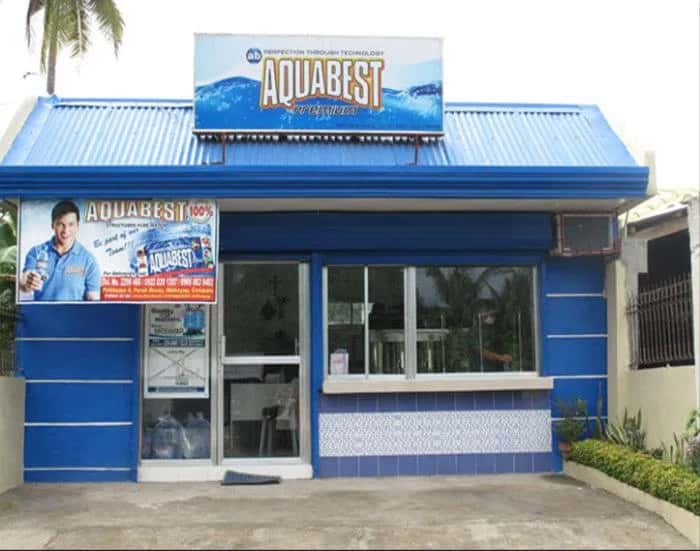
Water Refilling
Visit a branch

Burgers
Visit a branch

Korean Street Food

Cleaning & Pest Control
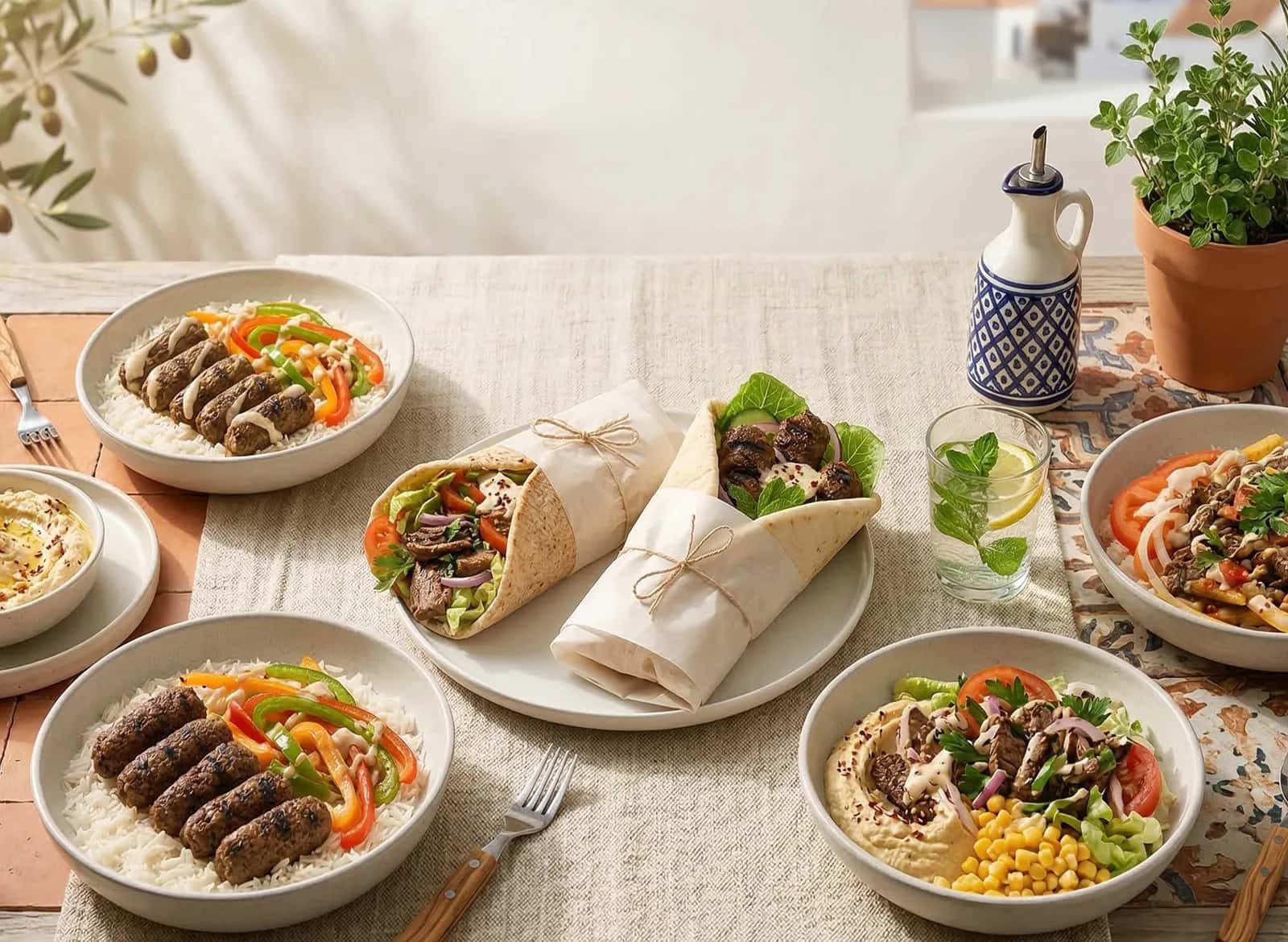
Shawarma

Siomai & Dimsum
Visit a branch

Milk Tea & Boba
Bakery & Pastry

Learn practical inventory control steps for your Philippine franchise to cut waste, prevent loss, and protect your capital.
Aug 14, 2026 6 min read
Learn how non-compete clauses work when exiting a franchise agreement in the Philippines, protecting your investment after closing.
Jul 20, 2026 5 min read

Learn how to secure financing for your Philippine franchise, from preparation to approval. A practical guide for new operators and OFWs.
Jul 20, 2026 5 min read