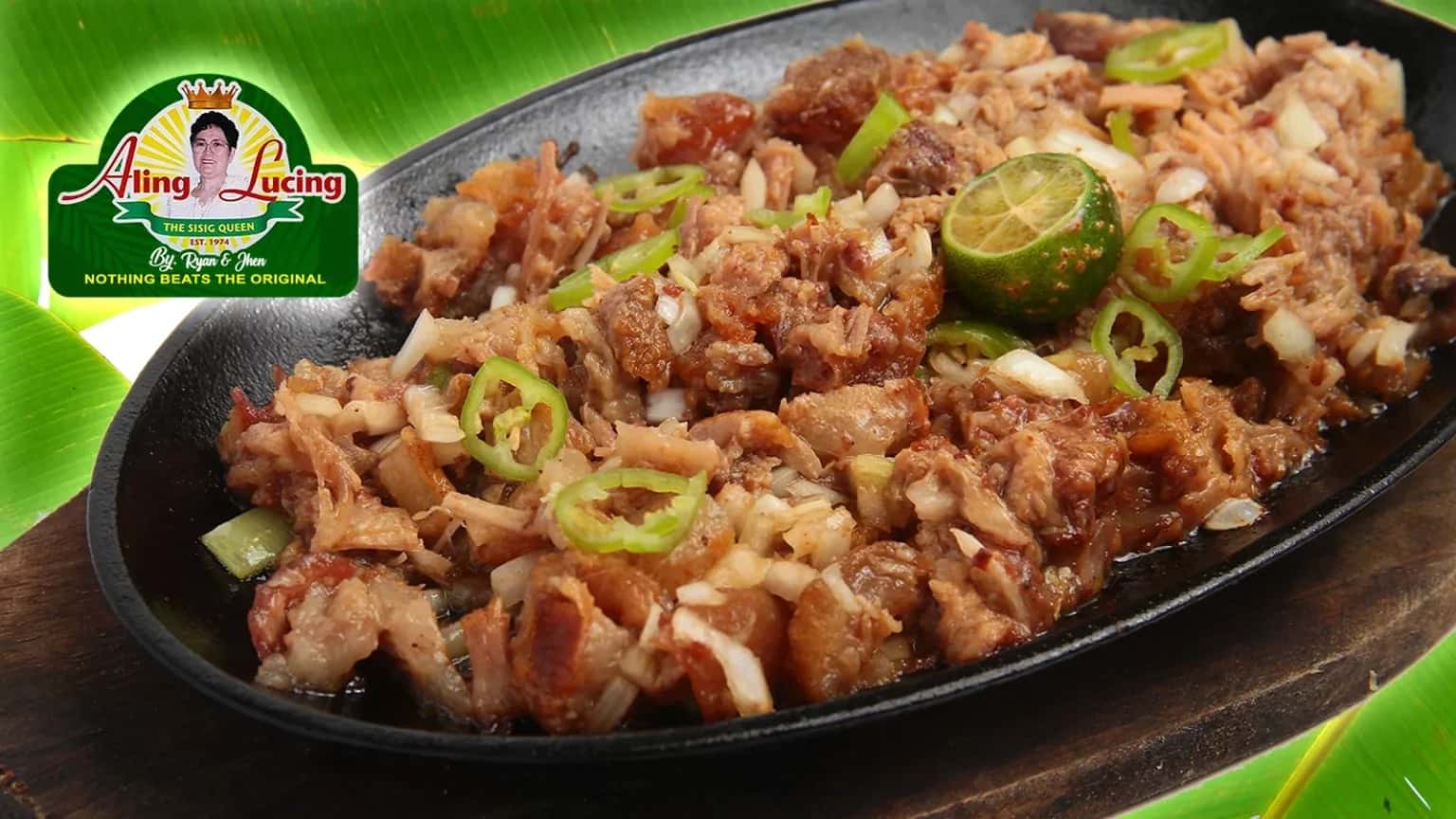
Sip Up Coffee
Coffee Shop
- Franchise fee
- ₱17k
- Total investment
- ₱17k–₱30k
Visit a branch
🎁 Start Your 1 Month Free Trial of the Full Plan, Exclusively for Brands & Advisors.Get Started
Browse 21 franchises up to ₱50k in Manila, with investments from ₱18k to ₱50k, franchise fees mostly between ₱15k and ₱19k, and most paying back in 2 to 6 months.
Updated

Logistics & Courier
Visit a branch

Retail & Convenience
Visit a branch

Retail & Convenience

Ice Cream & Desserts
Visit a branch
Manila has about 36,998 businesses on the map, from food and drink to shops, services and clinics. Check what already operates near the spot you have in mind.
Population
1,846,5132020 census
Per 10,000 residents
200businesses we track
Business locations are based on Overture Maps open data (October 21, 2026 release) and do not represent a complete census of all businesses.
Under ₱50,000, Manila, Metro Manila still opens the door to a cart or a kiosk, with the local setup priced from about ₱17,000 to nearly ₱30,000. Beyond that, the wider range starts at ₱500 for the lightest ventures and reaches ₱50,000. A buyer with modest savings can begin with a stall in a busy capital, or with a business run from home, and learn how customers behave before putting in more money.
Manila keeps people moving through the same streets all day, which is the one thing a small stall cannot create for itself. Commuters wait at stops, students leave school in groups, and market shoppers carry their bags past every corner. A tiny stall on that route sells small purchases quickly, and it does not need much space or a long menu. The local setup can be run as a kiosk or a cart, and both suit a buyer who wants a low commitment. Compared with a shopfront, a stall has little to fit out, few staff to pay and a simple daily routine. That is why so many owners start with a small first venture and grow only after the numbers prove themselves. The crowd does the hard work, and the owner keeps the counter tidy and the stock fresh. Because purchases are small and frequent, a friendly face and a fast hand matter as much as the product itself.
The local setup asks for opening money between about ₱17,000 and ₱30,000, and its fee sits at the bottom of that range near ₱17,000. That leaves the owner to cover the rest, from a permit and first stock to a small float for change. Across the country the picture is wider, with fees from nothing at all up to ₱30,000. The cheapest ventures start at ₱500, and they tend to be built for home or online selling. Payback on the local setup is quoted at a year, which is a patient timeline for a small stall and suggests planning for modest early takings. Wider-range quotes reach six months, so the local figure is a useful reminder that a stall in a city corner still needs time to settle. Keeping some money in reserve matters more than picking the cheapest fee, because an under-funded stall is the one most likely to struggle in the first quiet month.
The first months are about finding out which hours and which products bring in the most sales. A new owner may work every day, opening early for commuters and staying through the evening rush. Sales usually start slowly, then build as regulars begin to return. Small mistakes, such as over-ordering stock that spoils or missing a busy holiday weekend, cost more than they would in a larger business, so a simple daily notebook is worth keeping. Around the sixth month the numbers show whether the corner is working, and adjustments to the menu or hours can still be made cheaply. By the end of the first year, the owner knows the rent, the suppliers and the customers well enough to decide whether to stay, move to a better corner or add a second outlet. Owners who keep their first-year receipts also find it easier to apply for a permit renewal or to show a landlord that the stall pays its way.
Standalone buildings and mobile units are rare at this money across the country, since both ask for more than a small budget can carry. What appears most often are kiosks, followed by ventures run from home or online, then carts, with inline stores much further behind. Manila's local setup covers the kiosk and the cart, so a buyer who wants a physical stall in the city has both. A home-based or online venture, by contrast, needs no rent at all and suits someone who cannot leave a job or family duties yet. The choice comes down to whether the owner wants street traffic or the flexibility of working from a phone. Trying a home-based venture first and moving to a stall later is a common path. Whichever route is chosen, asking the brand for training, a written supply schedule and a clear list of what the fee covers will save money in the first month.
Now that you've seen what's here, a real advisor can help you shortlist and weigh the options against your budget. Free, at your pace.

Financing Readiness · Site Selection

Low-Capital Startups

Low-Capital Startups · Site Selection

Franchise Agreements · Multi-Unit Expansion
Are you a franchise advisor?Get your own workspace here
Choose an industry to see its franchises in Manila, with their fees and investment ranges.

Coffee, milk tea, and cold drink shops.
From ₱17k
Sip Up Coffee, Chong Cafe, KoTea
See brands
Padala, parcel, and delivery outlets.
From ₱10k
Ninja Van, J&T Express, Toktok
See brandsGet honest answers on what this budget really covers, fees and payback, free and with no pressure.
Staffing a full day costs money, and ₱50k is enough for the 21 franchises in Manila quoting an investment up to ₱50k. Picture opening, deliveries, the rush, cleaning and the evening count, and note which tasks need a paid person. Price that crew for several months and keep it in reserve, so ₱50k covers the package and the payroll. Counting the people the day needs prevents a payroll surprise.
A gentle start suits many first timers, so with ₱50k in Manila and kiosks with 14 franchises, food carts with 11 and home-based or online setups with 11 on offer, look at which formats are simple enough to open with a small crew. Formats with fewer items and steps let you practice with real customers without being overwhelmed. Starting simple builds confidence, and you can learn the rhythm of a day before the outlet gets busy. Favor formats you can launch with calm.
Moving up or down one budget level is worth comparing, since the 2 to 6 months payback quoted for ₱50k franchises in Manila is not your only option. A somewhat larger investment sometimes buys a format with stronger sales, while a smaller one may recover faster but earn less afterward. Ask franchisors in neighboring tiers for their payback and profit figures and compare them against what you can comfortably afford.
Franchisor expansion maps are sometimes shared on request. Because Manila lists 21 ₱50k franchises and nearby cities list Caloocan with 21, Las Piñas with 21, Makati with 21 and Malabon with 21, you can ask a franchisor which cities it plans to enter next. A franchise absent from Manila today but present next door may already be heading your way, and knowing this helps you decide whether to wait for it or choose a franchise that is available now.
Picture an ordinary weekday, when you open the ₱50k franchise in Manila, confirm stock and supplies, brief whoever is working, then spend the hours serving customers and fixing small issues as they come. Later you count the cash, record the sales and send anything the franchisor requires. It sounds simple, yet the repetition is what tests most owners. Ask yourself honestly whether you can keep that routine going on tired days, and arrange backup help if you suspect you cannot.
Know your break-even sales before you pick a loan size for a ₱50k franchise in Manila. Break-even is the level of sales where income just covers all costs, including the loan payment. Ask the franchisor for realistic figures from comparable outlets, then test whether those sales clear your costs with room to spare. If they only just do, borrow less or lengthen the savings period so the financing stays affordable in a slow month.
Your local government's permit office is where most of the work happens, but the full set for a ₱50k franchise in Manila starts with DTI or SEC registration, then barangay clearance, the mayor's permit and BIR registration. Fire safety and sanitary permits depend on the business. Going in person once, early, can clear up confusion that would otherwise drag on. Bring your lease, your business name registration and a valid ID on your first visit so you can start right away.
Yes, royalties are a regular part of many ₱50k franchises in Manila, but you should also ask whether the rate is the same for every franchisee. Some franchisors give different terms to early franchisees, owners with several outlets or certain areas. Knowing this helps you negotiate fairly. Ask whether any franchisee in Manila is paying a different rate and what it would take for you to get similar terms.
Honest earnings estimates for a ₱50k franchise in Manila come from people already running one, not from brochures. Current franchisees know the slow months, the surprise costs and how long it took them to recover their investment. Ask the franchisor for a list of active owners, and when you call, ask about their weakest month as well as their strongest so you see the full picture.
Notice period belongs next to length when reading a ₱50k franchise in Manila, because the term only means something if you know how far ahead you must tell the franchisor your intentions. Find the date by which you must speak up and put it in your calendar. Missing it can turn a clear end date into a surprise, so ask how franchisors remind owners as that date approaches.
Compare how many franchises start at each budget level in Manila, from the smallest packages up.
Compare how many Under ₱50k franchises take franchisees in each place, nearest first.
Franchises at the next budget level, ₱100k, worth a look if you can stretch your savings a little.
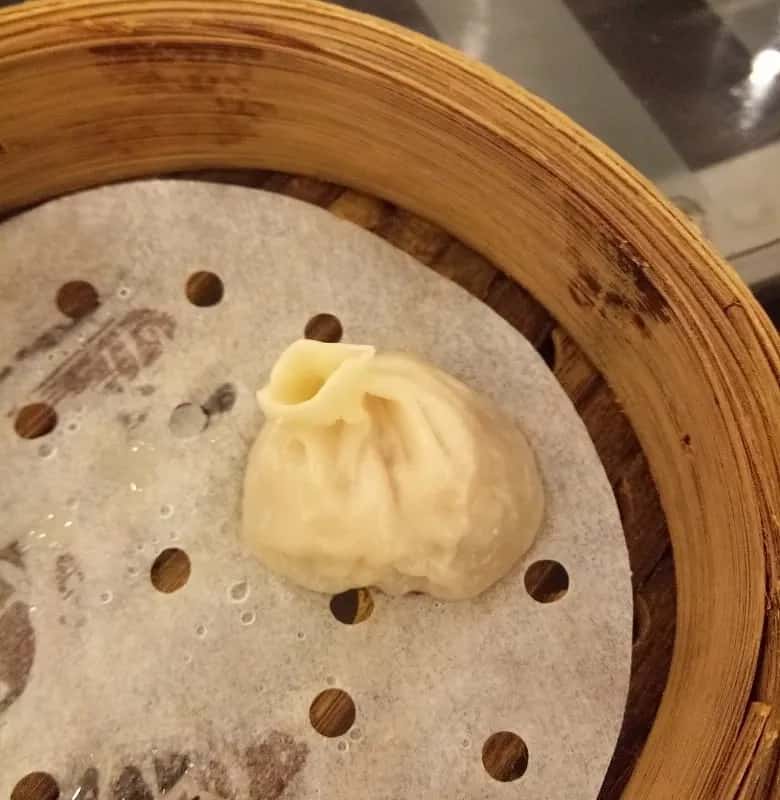
Siomai & Dimsum

Payment & Remittance Center
Visit a branch

Payment & Remittance Center
Visit a branch
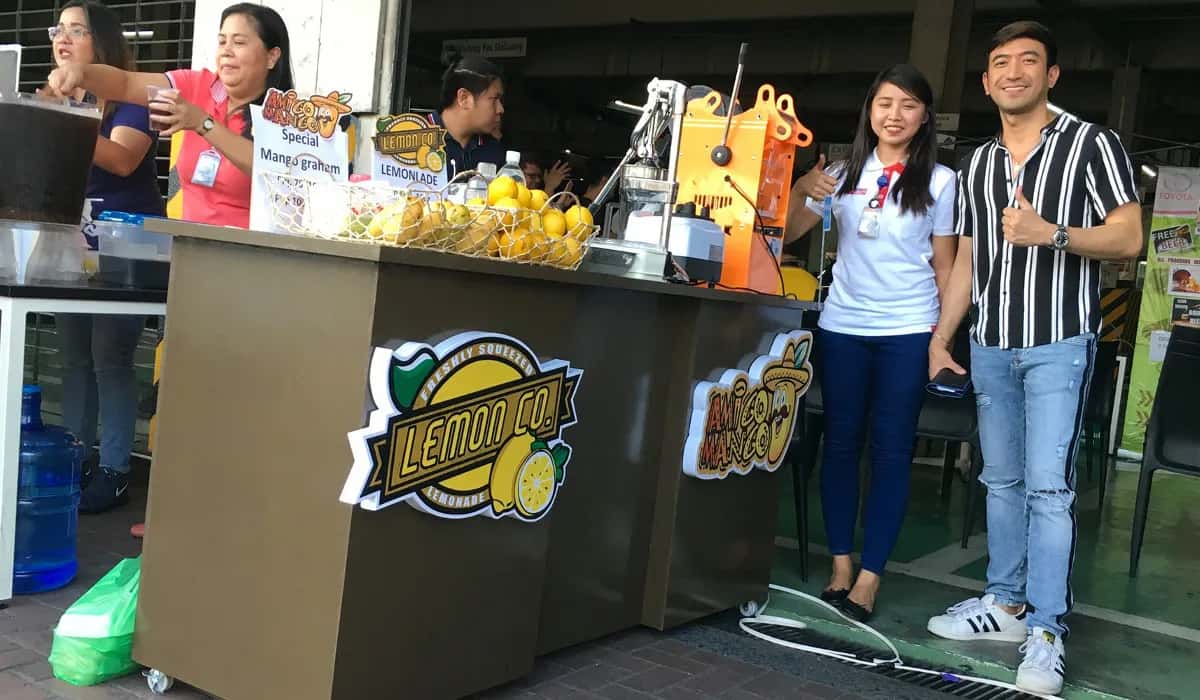
Waffle Shop
Visit a branch
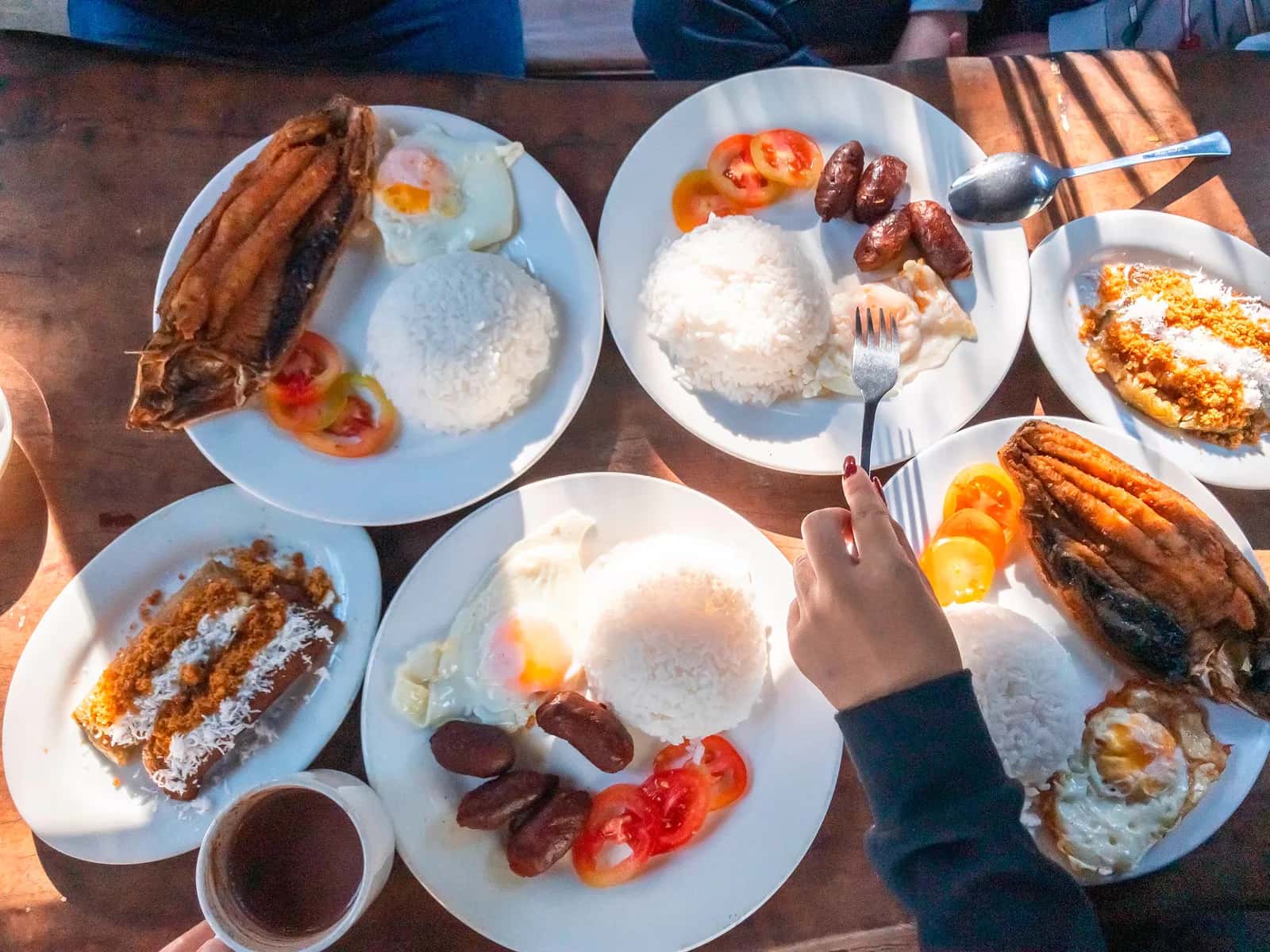
Street Food & Snacks

Fries & Potato Snacks

Street Food & Snacks

Street Food & Snacks
Visit a branch

Learn how non-compete clauses work when exiting a franchise agreement in the Philippines, protecting your investment after closing.
Jul 20, 2026 5 min read
Learn practical inventory control steps for your Philippine franchise to cut waste, prevent loss, and protect your capital.
Aug 14, 2026 6 min read

Learn what dispute resolution clauses mean for Philippine franchisees. Protect your investment with this guide to arbitration, mediation, and litigation steps.
Jul 21, 2026 6 min read