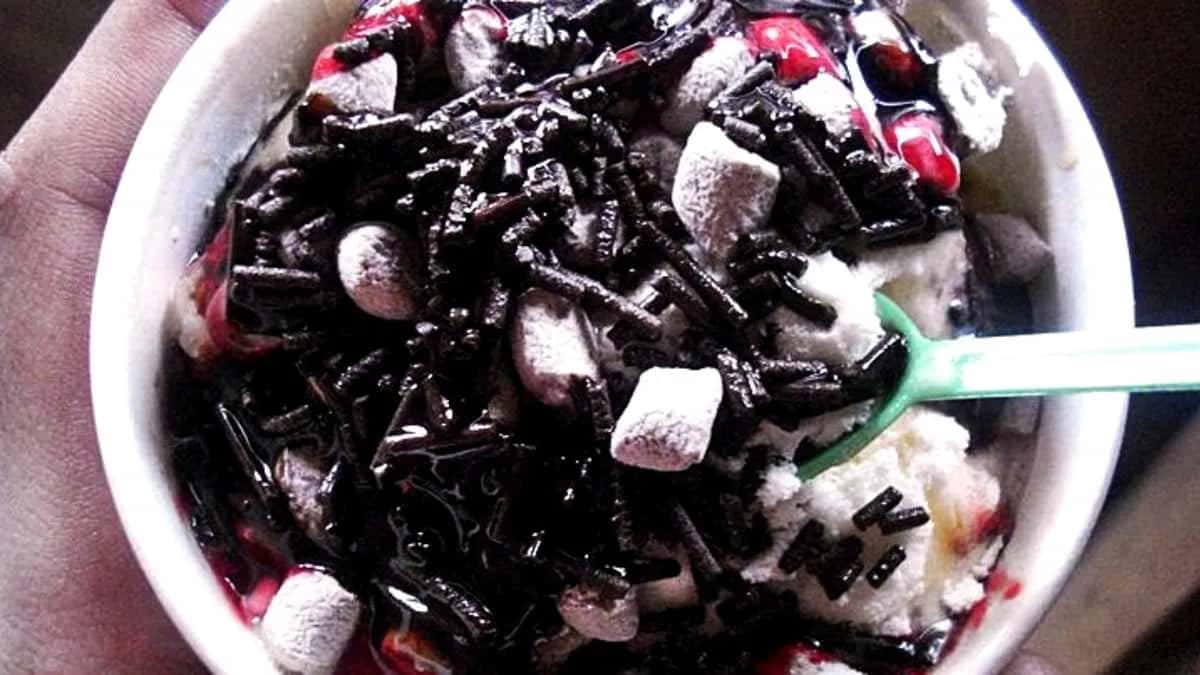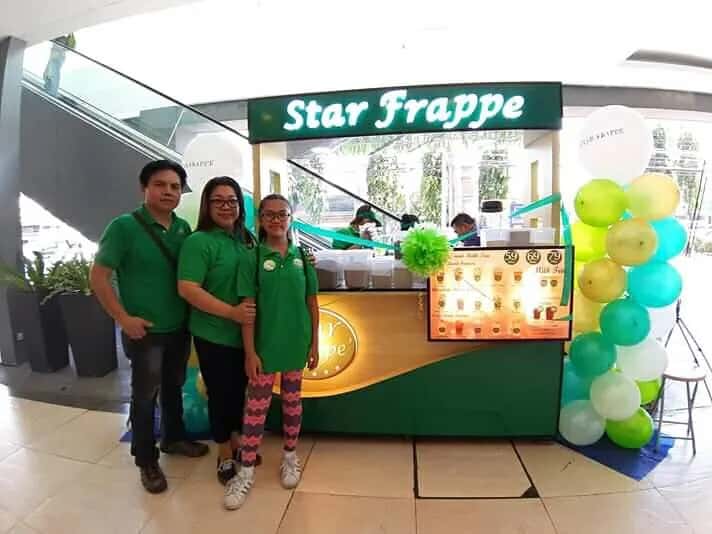
C8 Halo Halo
Ice Cream & Desserts
- Franchise fee
- ₱35k
- Total investment
- ₱45k–₱120k
🎁 Start Your 1 Month Free Trial of the Full Plan, Exclusively for Brands & Advisors.Get Started
Browse 29 franchises up to ₱200k in Manila, with investments from ₱146k to ₱200k, franchise fees mostly between ₱30k and ₱139k, and most paying back in 4 to 11 months.
Updated

Pizza & Pasta
Visit a branch
Payment & Remittance Center
Visit a branch
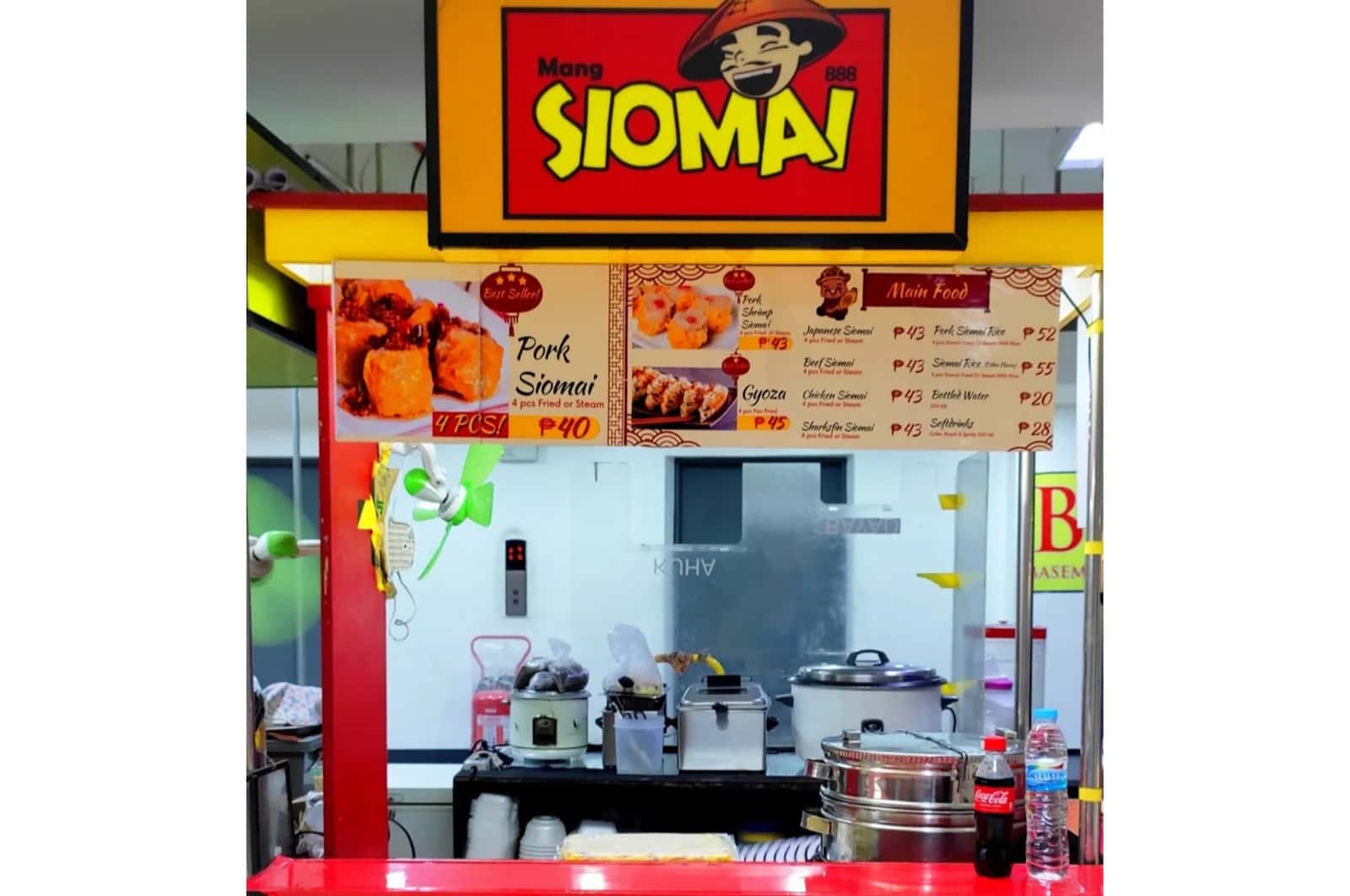
Siomai & Dimsum
Visit a branch
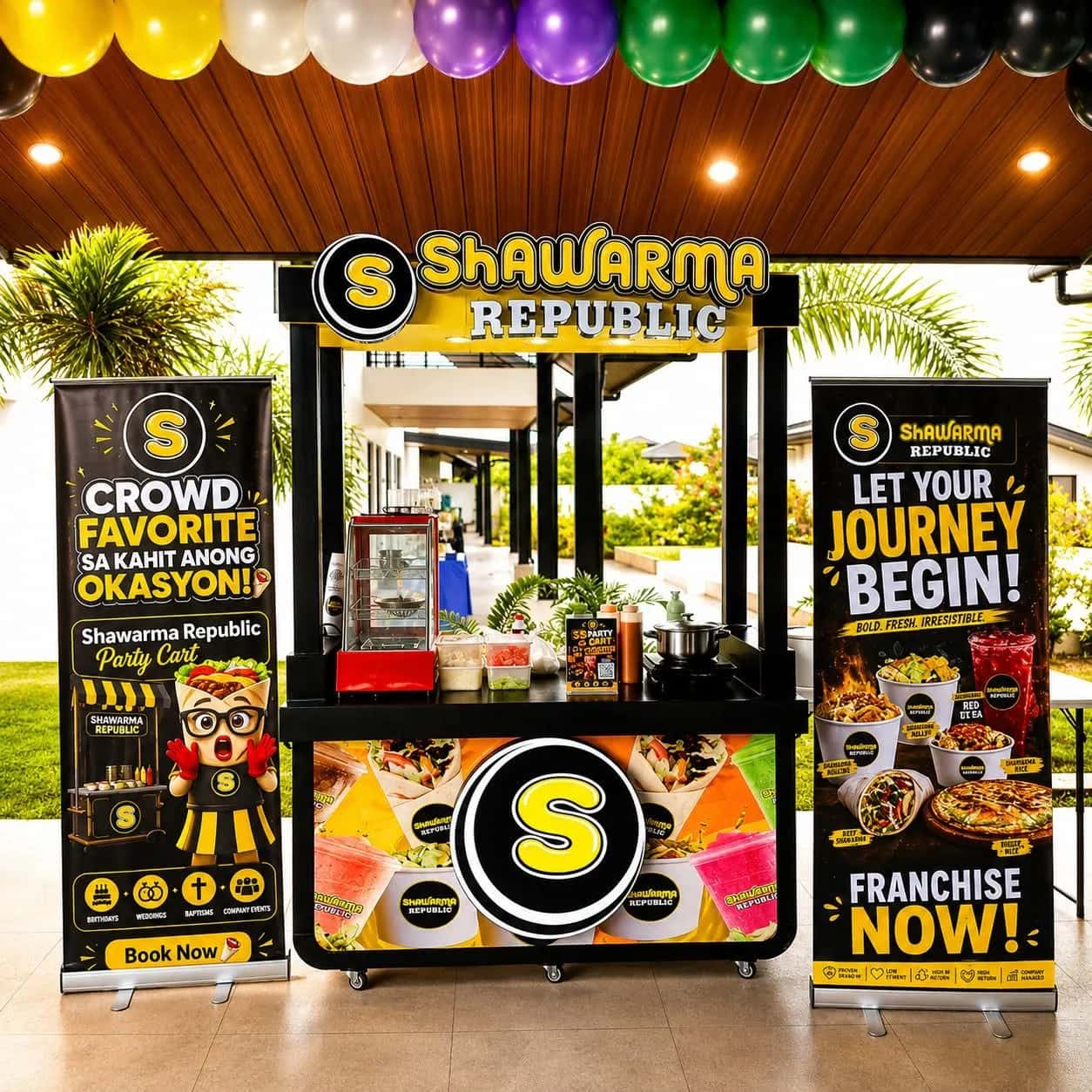
Shawarma
Visit a branch
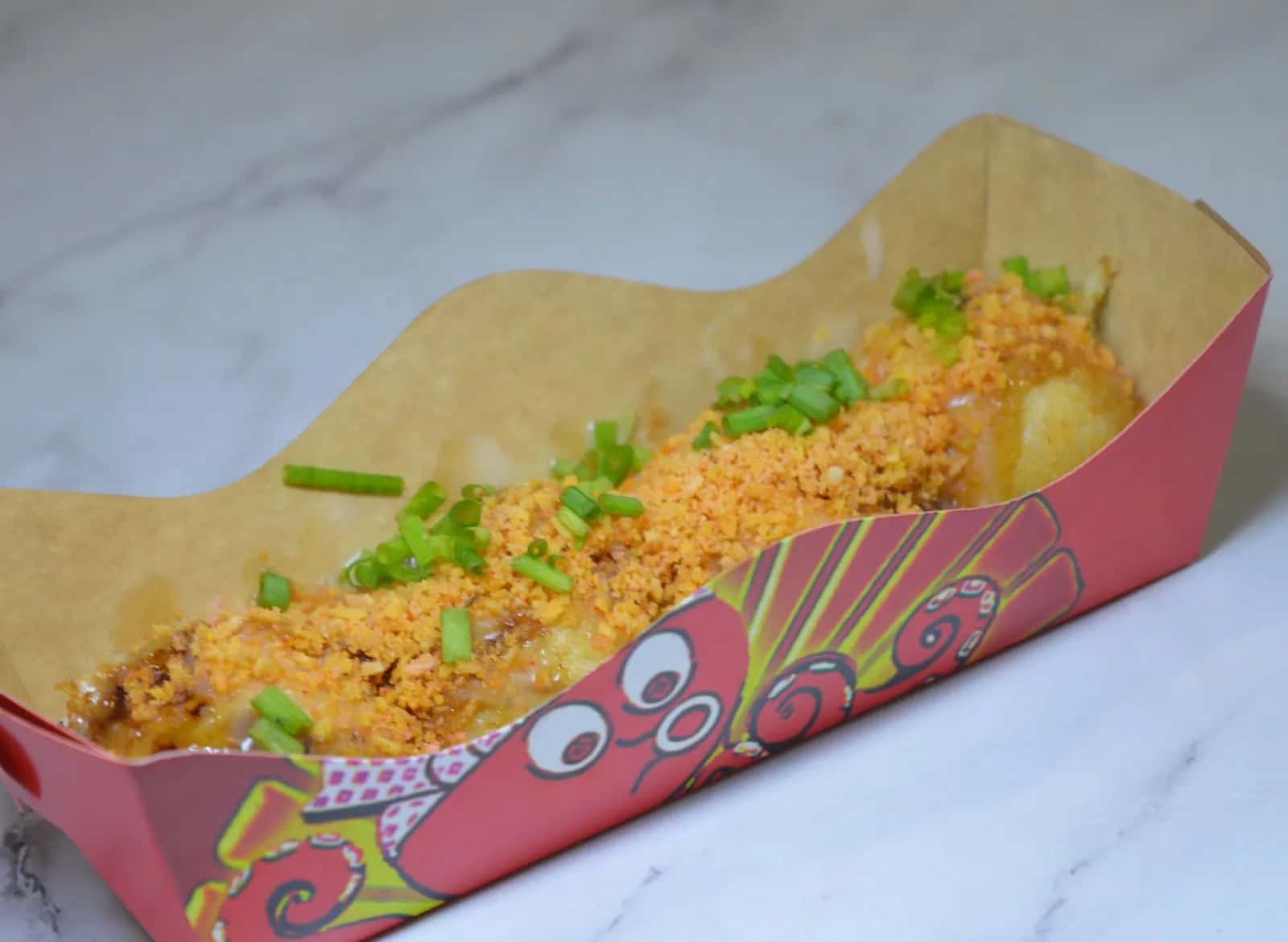
Takoyaki & Japanese Snacks
Visit a branch

Cakes & Pastries

Chicken & BBQ
Visit a branch
Payment & Remittance Center
Showing 24 of 33 (29 in Manila, 4 nearby)
Manila has about 36,998 businesses on the map, from food and drink to shops, services and clinics. Check what already operates near the spot you have in mind.
Population
1,846,5132020 census
Per 10,000 residents
200businesses we track
Business locations are based on Overture Maps open data (October 21, 2026 release) and do not represent a complete census of all businesses.
Manila, Metro Manila has food cart and kiosk operators ready to open here, and this budget covers most of what they charge to start, from around ₱30,000 at the low end to the top of this ₱200,000 range. Some ask no signing fee at all, and the money quoted comes back in as little as four months or as long as a year. That buys a cart or a kiosk, not a sit-down space, and Manila's crowds mean either format lands inside foot traffic that already moves.
Manila's directly listed field at this budget leans on carts and kiosks, with a cart the format almost every brand here offers and a kiosk close behind it. An inline storefront shows up too, for someone who wants four walls instead of a stall, though it is the less common choice at this money. That mix means the real decision inside Manila is not whether an opening exists here. It is which footprint fits a specific corner. A stall works inside a market or terminal, a cart suits a sidewalk with steady foot traffic, and a small counter store costs more in rent but leaves a stronger impression on customers walking past. Manila's own density does some of the selling work here. A cart set along a route thousands of commuters already use every day does not need to create demand from nothing, it only needs to be visible and fast. That is the trade this budget makes: less space in exchange for a spot that already has people in front of it.
The entry figures directly listed for Manila start around ₱30,000, low enough to be closer to a stall than a shop. They climb to the top of this budget for a fuller cart or kiosk setup with better fixtures. Some ask no separate signing money at all. Others ask close to the upper end of what this budget allows just to secure the rights, so the figure a buyer sees first is rarely what they actually pay before opening day. Money quoted back comes in as fast as four months for the cheapest setups and stretches toward a year for the pricier end. The nationwide field at this budget opens lower still, under ₱20,000 in some cases, which says this money buys real choice rather than one fixed price for a cart. What changes most between the low and high end here is not the format. Cart and kiosk both sit across the whole range. What changes is the fixtures, the signage, and how ready the setup is to run from day one.
This budget suits someone who wants a first business a single person can run. It is not a venture that demands a manager and a staff roster from week one. A cart or a kiosk at this money is built to be minded by its owner or one hired helper, open set hours, and closed without much loss if a day goes badly. It suits someone testing whether they can run something on the side of a day job. It also suits someone in Manila specifically, because the city's own foot traffic does work a quieter market would need marketing spend to replace. It does not suit someone who wants a sit-down space with tables and a kitchen behind it. Nothing in the local field at this money builds toward that kind of operation, and stretching this budget toward a bigger footprint usually means giving up the fixtures a smaller format would include instead. It also does not suit someone who cannot be present most days. A cart or a kiosk depends on someone watching it, and that presence matters more than the money spent to open it.
None of the figures above include what a cart or a kiosk needs beyond the signing money: a spot fee to the mall, market, or terminal that hosts it, plus a deposit most first-timers forget to plan for. There is also the working capital needed to restock through the first slow weeks before regular customers form. Manila's rent for a few square meters of counter space runs higher than it would in a quieter town. So many people pass that same spot every day that the same crowd which helps sell also drives up what a good corner costs to hold. Staffing is lighter at this scale than for a full store. Most owners run the counter themselves in the early months and add one helper once the hours stretch past what one person can cover alone. What this budget in Manila really has to stretch across is not just the fee on paper. It is the spot, the stock, and the weeks before the cart or kiosk earns back what it cost to open.
Now that you've seen what's here, a real advisor can help you shortlist and weigh the options against your budget. Free, at your pace.

Financing Readiness · Site Selection

Low-Capital Startups

Low-Capital Startups · Site Selection

Franchise Agreements · Multi-Unit Expansion
Are you a franchise advisor?Get your own workspace here
Choose an industry to see its franchises in Manila, with their fees and investment ranges.
Get honest answers on what this budget really covers, fees and payback, free and with no pressure.
As a snapshot, ₱200k in Manila contains 29 franchises, where 10 list Manila by name and 19 accept franchisees from anywhere. Snapshots can mislead if you forget the date. Write down the day you looked, and when you return, check whether the number has changed so that you can spot new entrants and notice any entries that disappeared. Old notes are only helpful when they carry a date.
Companion businesses affect some formats, and ₱200k in Manila offers food carts with 24 franchises, kiosks with 22 and inline stores with 5. A snack format fits beside a cinema or a school, and a service format fits beside a busy office. Think about which neighbors would suit each format. A format that fits well with its surroundings borrows traffic from them, and this can make a modest setup feel much busier.
Records in a spreadsheet help you keep track, since the franchise fee for ₱200k franchises in Manila usually runs ₱30k to ₱139k. Create a row for each franchisor with the quoted amount, the date quoted, what is included and what is refundable. Updating the row each time you receive new information shows you how the offers truly compare, and it makes the final decision much less stressful.
Your money comes back in roughly 4 to 11 months for most ₱200k franchises in Manila, if the franchisors' estimates hold. Kiosks and full stores at the same budget can behave very differently, since kiosks often cost less to run but sell less too. Ask which format the estimate was based on and request separate figures if the franchisor offers both. A kiosk figure applied to a full store can leave you planning around the wrong timeline, so think about which format your likely customers would actually walk up to.
Mapped counts rise as people add places, so 36,998 businesses for Manila, with services with 9,339, food and drink with 8,980 and shops and retail with 8,712 leading, will keep changing. Open data is incomplete today and will fill in over time. That means a place with few pins now may already have many shops in reality. Ask locals how crowded the area felt a year ago compared with now, since the direction of change tells you whether the count is likely to keep climbing.
Think of a ₱200k franchise in Manila as a small operation that needs someone paying attention from opening to closing. Your day typically includes preparing the space, confirming you have enough stock, guiding staff, serving customers and reconciling the cash at the end. None of it is complicated, but it repeats without a break, and skipped steps show up fast in the numbers. Try writing out a mock schedule for a normal weekday and see honestly where it fits around your current life.
For an OFW the answer depends on the franchisor's rules more than on your job, so a ₱200k franchise in Manila is possible with the right match. Some require owner involvement and some do not. Sort your options into those two groups first, then spend your time only on the group that fits your situation abroad. This saves weeks of back and forth with companies that will never accept you.
Text or chat updates to customers who agreed to receive them can bring a ₱200k franchise in Manila steady repeat business. A short message about a new item, a promo or holiday hours reminds people you exist at the moment they might need you. Always ask permission before saving a number, and respect the Data Privacy Act by keeping the list secure and letting people opt out easily. Send messages sparingly so customers welcome them rather than mute you.
Compare how many franchises start at each budget level in Manila, from the smallest packages up.
Compare how many ₱200k franchises take franchisees in each place, nearest first.
The ₱200k franchises whose franchisors quote the shortest time to earn back the investment, worth checking against your own costs.

Cakes & Pastries
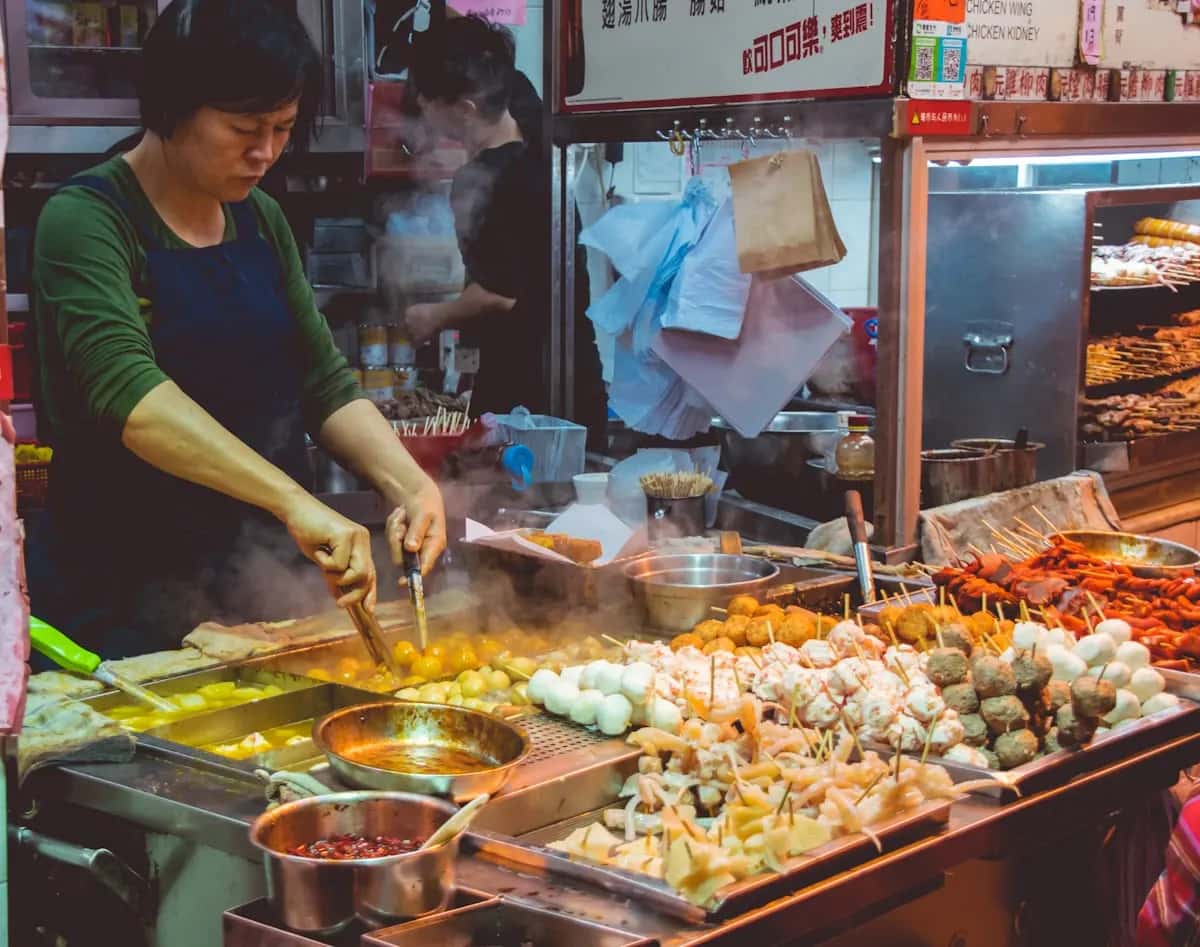
Street Food & Snacks
Payment & Remittance Center

Burgers

Cakes & Pastries
Franchises at the next budget level, ₱300k, worth a look if you can stretch your savings a little.
Street Food & Snacks

Filipino Restaurant
Visit a branch

Street Food & Snacks
Chicken & BBQ
Visit a branch

Filipino Restaurant
Takoyaki & Japanese Snacks

Travel & Tours

Street Food & Snacks

Learn practical inventory control steps for your Philippine franchise to cut waste, prevent loss, and protect your capital.
Aug 14, 2026 6 min read
Learn how non-compete clauses work when exiting a franchise agreement in the Philippines, protecting your investment after closing.
Jul 20, 2026 5 min read

Learn how to secure financing for your Philippine franchise, from preparation to approval. A practical guide for new operators and OFWs.
Jul 20, 2026 5 min read