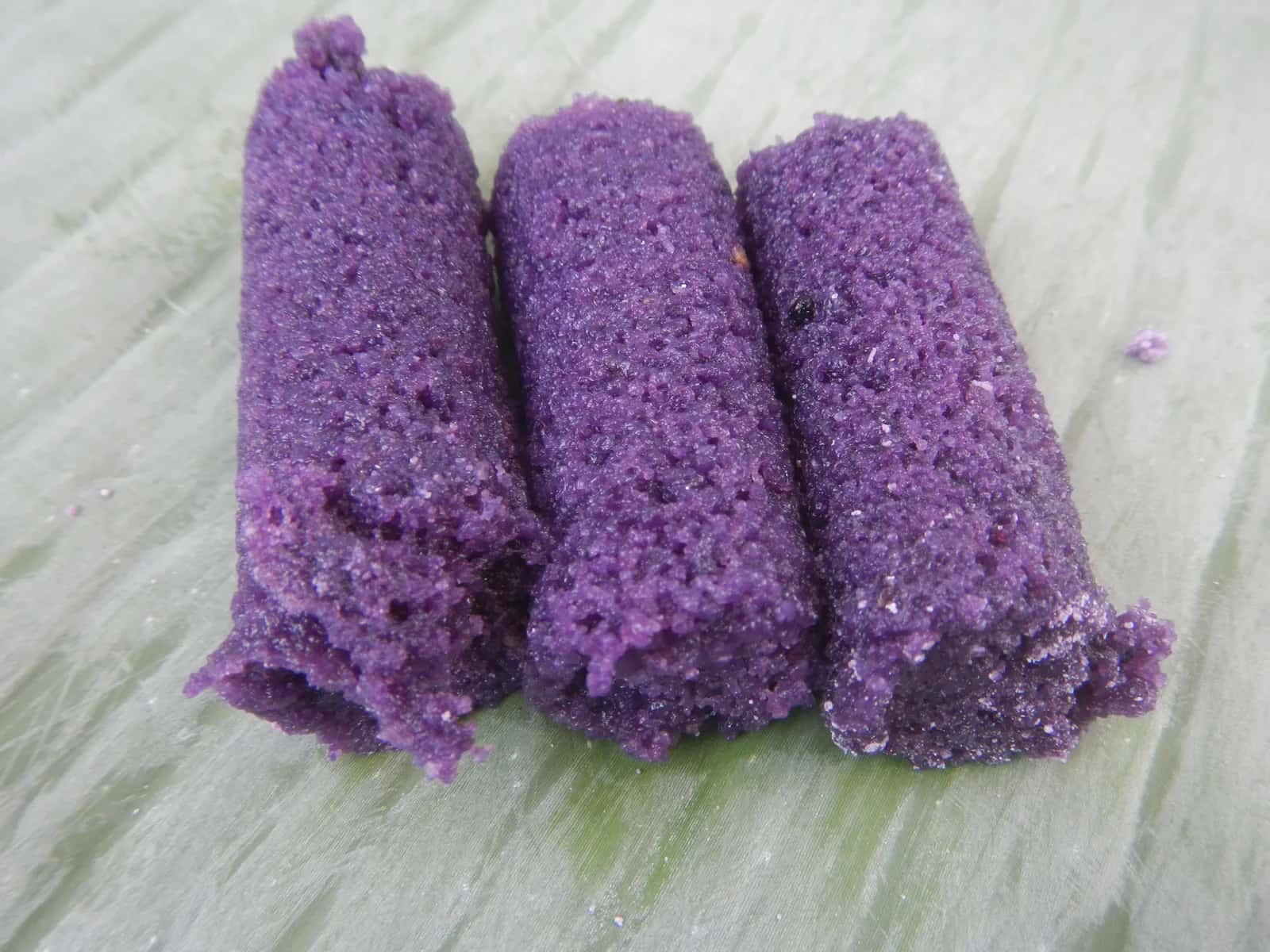
Puto ni Bumbong
Bakery & Pastry
- Franchise fee
- ₱50k
- Total investment
- ₱150k–₱300k
🎁 Start Your 1 Month Free Trial of the Full Plan, Exclusively for Brands & Advisors.Get Started
Browse 89 franchises up to ₱300k in Manila, with investments from ₱250k to ₱300k, a franchise fee of about ₱50k, and most paying back in 6 to 16 months.
Updated
Showing 24 of 89
Manila has about 36,998 businesses on the map, from food and drink to shops, services and clinics. Check what already operates near the spot you have in mind.
Population
1,846,5132020 census
Per 10,000 residents
200businesses we track
Business locations are based on Overture Maps open data (October 21, 2026 release) and do not represent a complete census of all businesses.
Cart and kiosk builds are the usual way to spend up to ₱300,000 in Manila, Metro Manila, and a broad local range already prices them from around ₱150,000 to the full ₱300,000. Fees and payback vary widely inside that range, so the useful work is matching a build to a spot where the crowd never really thins. Manila gives a newcomer plenty of spots to weigh, from market lanes to transit corners, and much of the money question is really a location question.
Home-based and online versions are hard to find among the packages that name Manila, which makes sense for a business that lives on walk-by trade. What the city offers instead is a full run of food carts, with nearly every local package available in that form, and a solid majority also sold as kiosks. A cart costs less to put up and can be placed close to a busy crossing, though it depends on the weather and on whoever manages the pavement or lane. A kiosk takes a fixed patch of a mall corridor, a terminal or a building lobby, and it offers shelter, a lock for the stock and a longer selling day. Across the country the pattern repeats, with carts and kiosks leading, inline stores well behind and standalone buildings scarce. In Manila the choice usually comes down to which space you can secure and how much rent you can carry.
Manila is one of the densest working areas in the country, with office workers, students, vendors and commuters moving through the same blocks from early morning until late at night. That constant movement is what carts and kiosks live on, because their sales come from people who were already walking by and decided to stop. Breakfast, merienda and after-work snacks each create their own rush, and a unit that serves a fast, familiar item can catch all three from one spot. Competition is real, since food is sold on nearly every block, so the product has to be easy to recognize and quick to hand over. A brand with a name people already know saves a new owner months of explaining what the stall sells. Lunch hours near schools and offices are usually the strongest stretch, and a permit for the right spot is worth more than a fancier cart.
Local entry runs from around ₱150,000 to the top of the ₱300,000 budget, so a Manila buyer can choose a lean cart or a fuller kiosk without leaving the local range. The franchise fee is the part that moves the most, starting at ₱30,000 and reaching ₱188,888 on the priciest local build. Payback stretches to eighteen months on the larger builds, which is the figure to plan around when you decide how long your savings must carry the business. Before committing, work out your break-even in daily sales instead of months, and test it against the foot traffic at your actual spot. Working capital for stock, a helper and the first rent deserves its own line in the plan. Keeping ₱30,000 or more untouched after the build is a sensible cushion, and brands operating nationwide add still more choice, with fees that reach ₱179,000 at the high end and can be waived at the low end.
Before signing, ask the brand what the fee covers, because a low fee on a Manila build can hide a higher cost for the cart, the uniform and the first stock. Ask who secures the spot, since some brands help with permits and site approval while others leave it entirely to the owner. Ask how supply reaches a busy city, including delivery times, the minimum order and what happens when a shipment runs late during a rainy week. Ask what happens to the unit if the pavement or lane you choose is later cleared or restricted, and whether you can relocate it under the same agreement. Visit a running unit at the hour you expect to sell, count the people who buy, and compare what you see with the payback you were told to expect. Those answers are worth more than any brochure, and a fair brand will give them freely.
Now that you've seen what's here, a real advisor can help you shortlist and weigh the options against your budget. Free, at your pace.

Financing Readiness · Site Selection

Low-Capital Startups · Site Selection

Low-Capital Startups

Franchise Agreements · Multi-Unit Expansion
Are you a franchise advisor?Get your own workspace here
Choose an industry to see its franchises in Manila, with their fees and investment ranges.

Carts, kiosks, and full restaurants.
From ₱30k
Chings Fried Noodles, 99 Silog, Captain Calamares
See brands
Coffee, milk tea, and cold drink shops.
From ₱150k
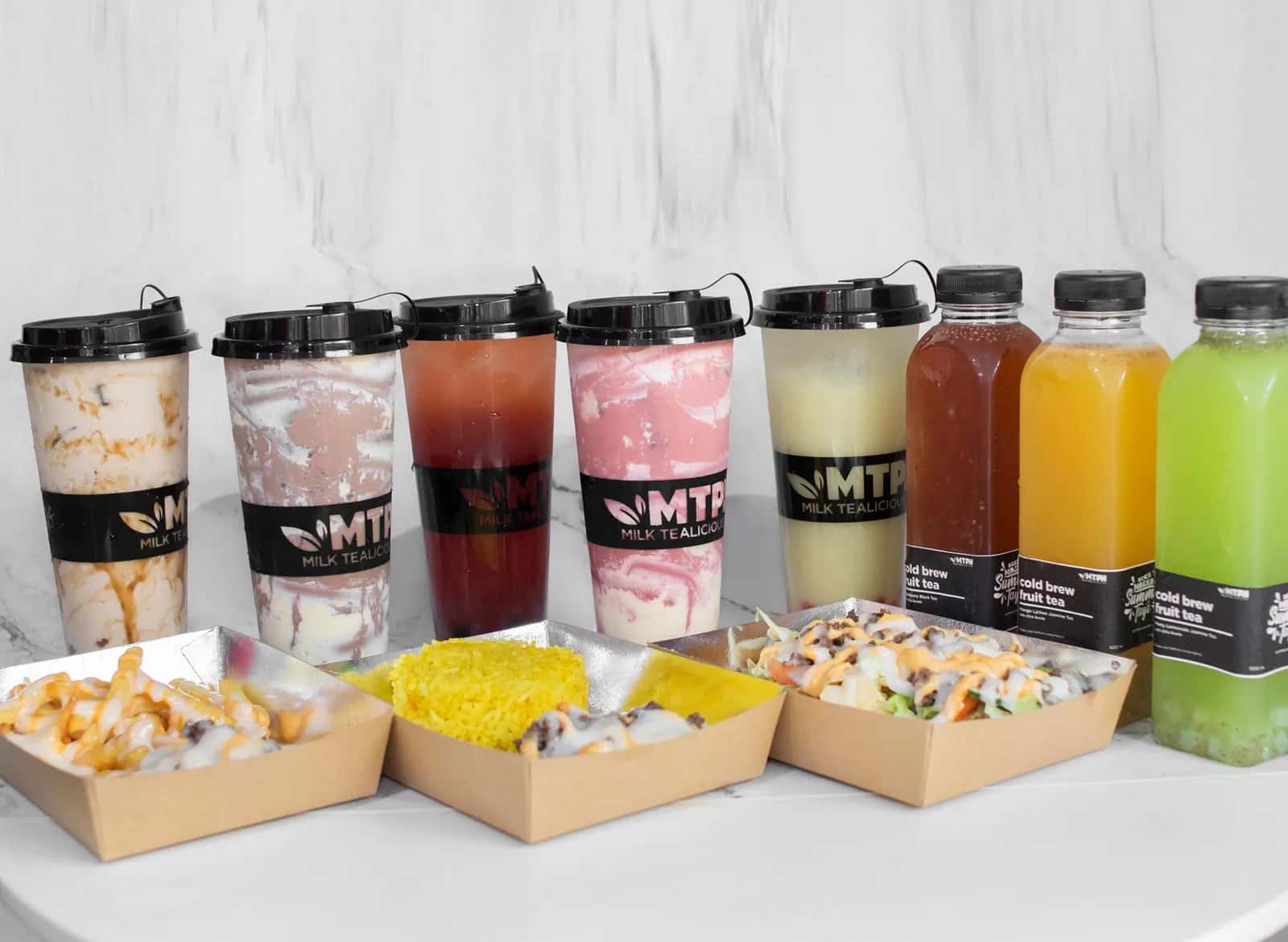
I Love Milk Tea, Milktealicious, Zan's Gallon Milktea
See brands
Bread, cakes, and pastry shops.
From ₱150k
Puto ni Bumbong, Choo-Choo Waffle Station
See brandsGet honest answers on what this budget really covers, fees and payback, free and with no pressure.
Numerically, ₱300k in Manila means 89 franchises, split between 52 that list Manila by name and 37 that accept franchisees anywhere. Do not assume a bigger group is safer than a smaller one, since the size of a group says nothing about the strength of any single entry. Judge the entries one at a time after the count has done its job.
Opening day costs often surprise people, even when ₱300k covers the quoted investment of the 89 franchises in Manila sitting between ₱200k and ₱300k. Opening giveaways, extra crew for the first busy days and early restocking can all fall in the same week. Set aside a small launch fund separate from your reserve so the first rush does not empty your account. Ask the franchisor which opening promotions are required and which are optional, so you can plan the launch week around what actually brings customers back.
Other franchisees are often your most useful allies once you open a ₱300k franchise in Manila and start working toward the 6 to 16 months payback franchisors quote. Owners in the same network share fixes for slow sales, staffing problems and supply issues that head office may not have solved. Ask whether the franchisor runs an owners group or regular meetings, and if not, reach out to nearby franchisees to start one.
Readers often ask how crowded Manila is, and the map answers with 36,998 businesses, led by services with 9,339, food and drink with 8,980 and shops and retail with 8,712. Open data undercounts, so crowding is probably worse. Judge it by drawing a circle on the map around your spot and counting the businesses inside. Compare that count with a circle of the same size around another candidate spot, which shows which area is more crowded.
There is no single correct figure, because the right working capital for a ₱300k franchise in Manila depends on your rent, your staff and how quickly your location builds customers. What matters is that the reserve sits apart from the franchise fee and build-out money. Open a separate bank account just for operating funds so you can see at a glance how much runway remains, and never dip into it for personal spending.
Your crew size will come down to how long you stay open, how busy the location gets and whether you plan to work the counter yourself. Franchises priced between ₱200k and ₱300k in Manila can be anything from owner-run carts to small stores with rotating shifts. Write down your planned daily hours, divide them into shifts, and you will quickly see how many people you need to keep every shift covered without overtime.
Customer reviews and word of mouth can work against you just as fast as they help. A ₱300k franchise in Manila that has a rocky opening week may collect complaints online that linger long after you fix the problems. Do a soft opening for friends, neighbors and nearby workers before the official launch, so your crew can practice under real conditions, and ask those early visitors for honest feedback you can act on.
A unit that does not reach its goals may still be worth keeping if it covers costs and the owner has time to improve it. Not every ₱300k franchise in Manila needs to be a big earner to be worth running. Decide what result would make the business worthwhile for you, whether that is extra income, a family job or a stepping stone. Judging the unit against your own goals helps you avoid closing something that is actually serving you.
Compare how many franchises start at each budget level in Manila, from the smallest packages up.
Compare how many ₱300k franchises take franchisees in each place, nearest first.
The ₱300k franchises whose franchisors quote the shortest time to earn back the investment, worth checking against your own costs.
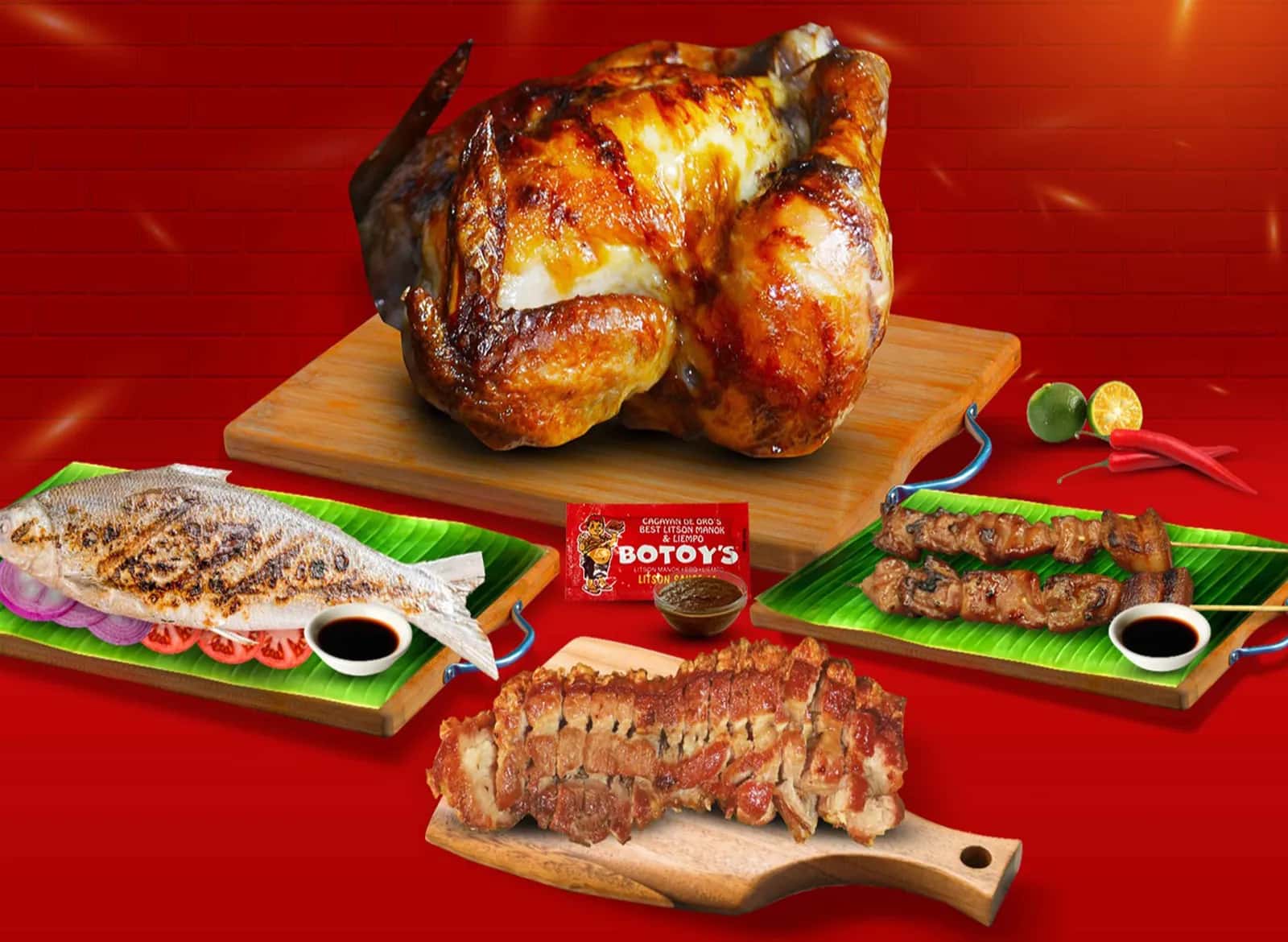
Chicken & BBQ
Visit a branch

Filipino Restaurant
Visit a branch

Filipino Restaurant

Fries & Potato Snacks
Visit a branch
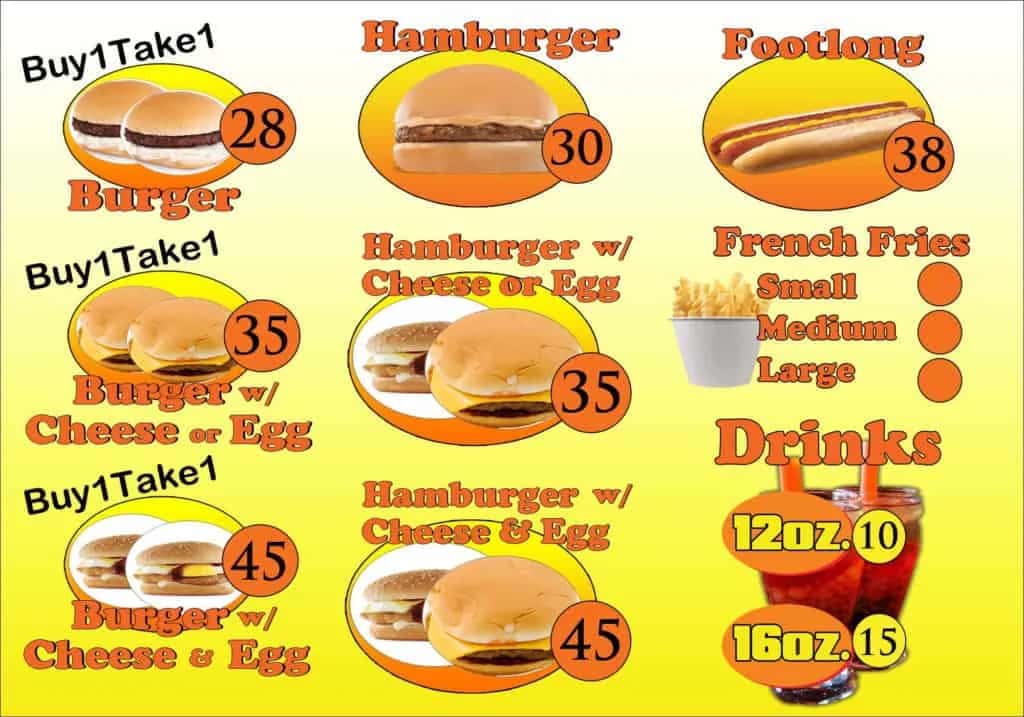
Burgers
Visit a branch
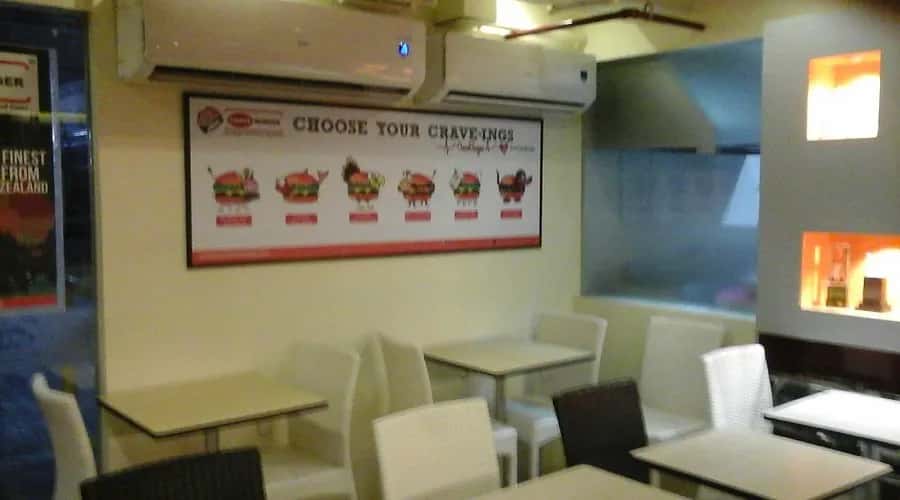
Burgers
Visit a branch
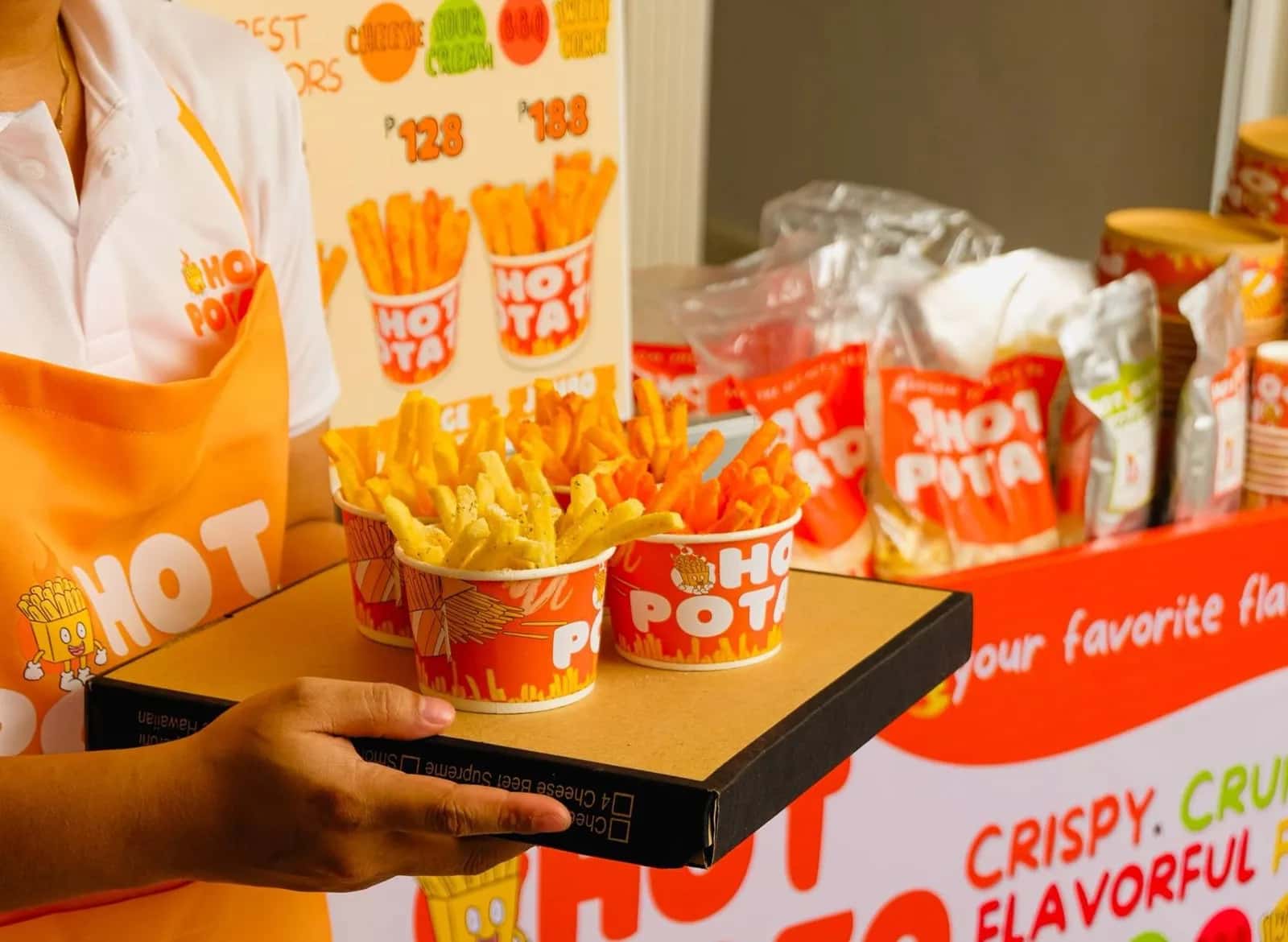
Fries & Potato Snacks
Visit a branch
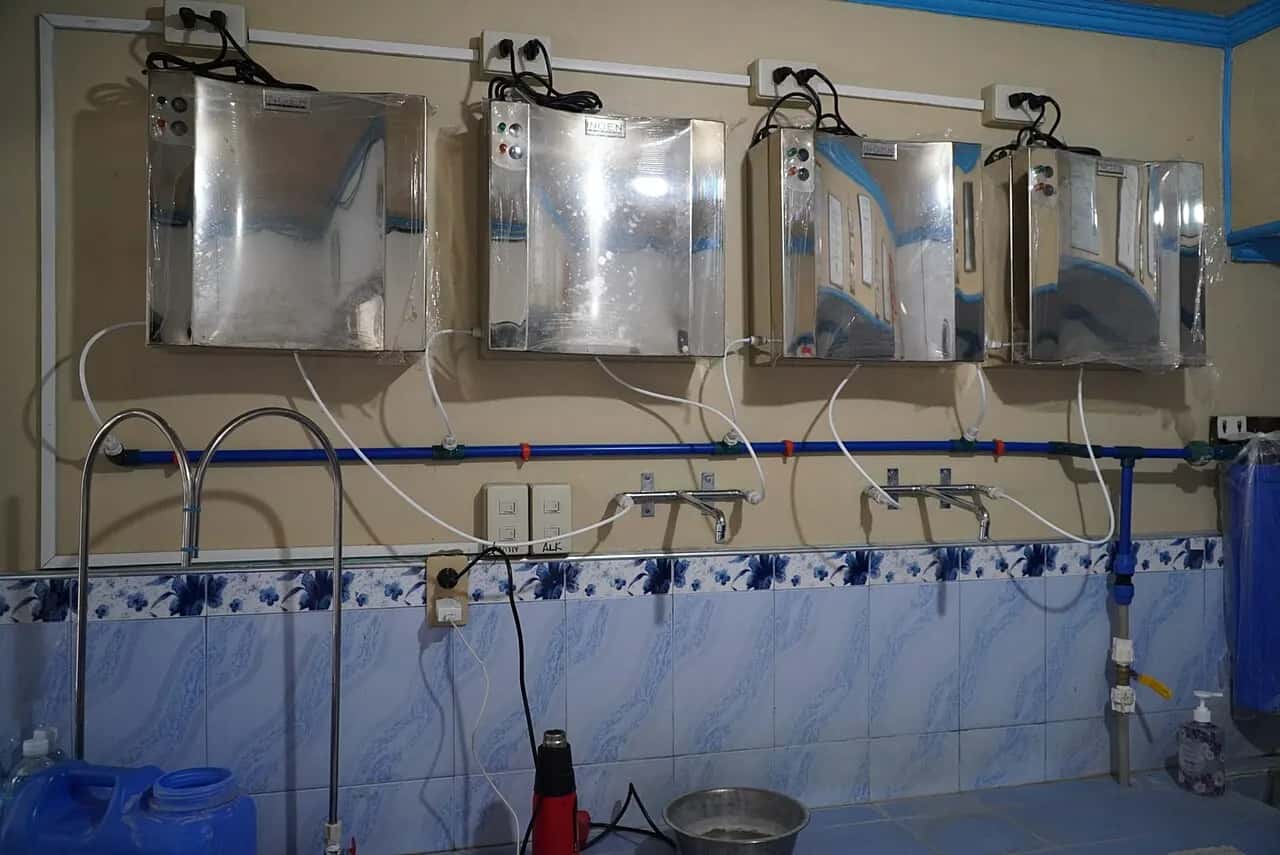
Water Refilling
Visit a branch
Franchises at the next budget level, ₱400k, worth a look if you can stretch your savings a little.
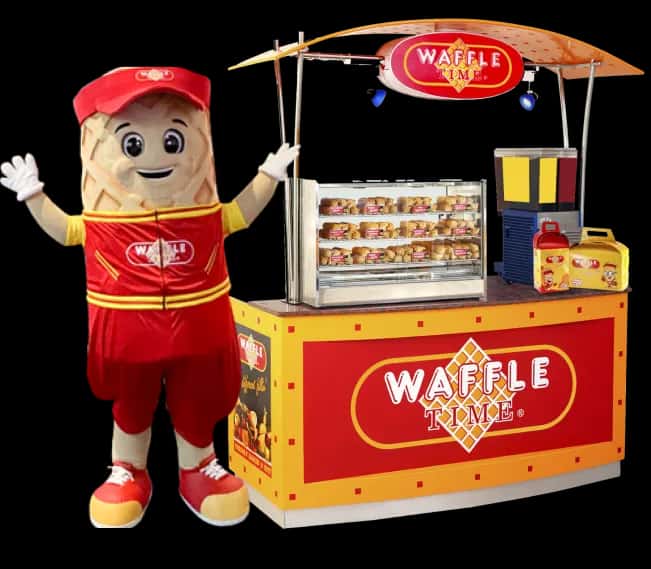
Waffle Shop

Juices & Shakes
Visit a branch

Burgers
Visit a branch
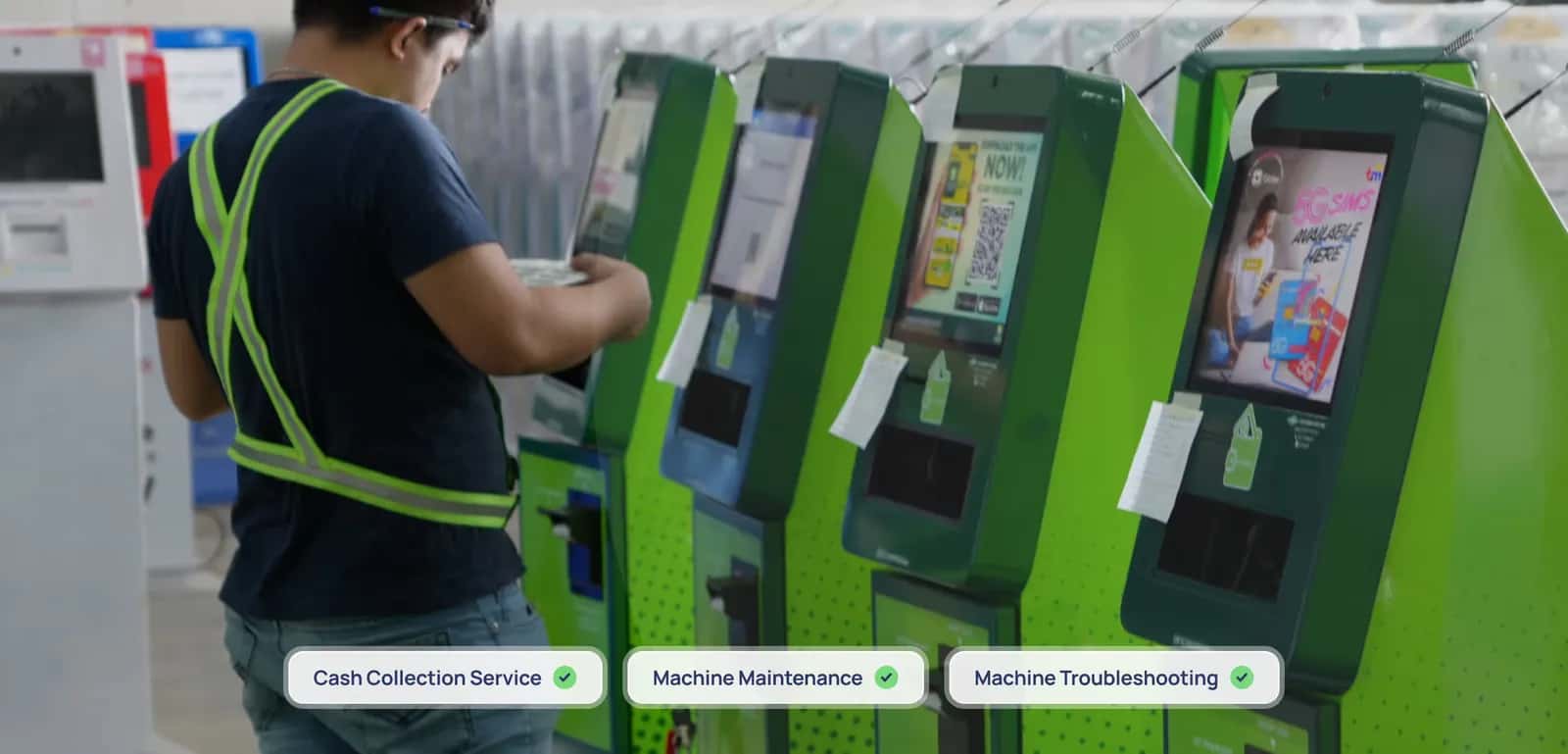
Payment & Remittance Center
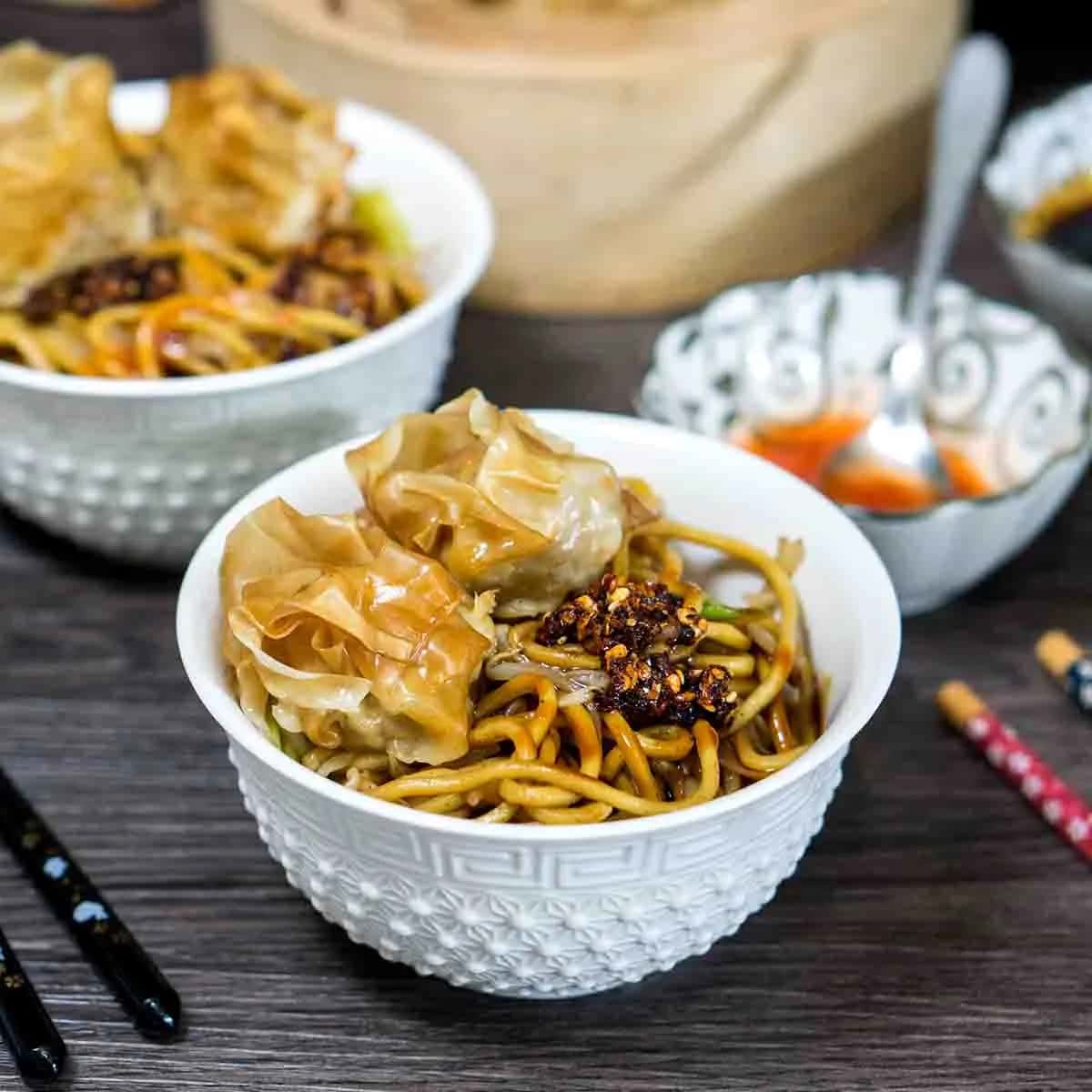
Siomai & Dimsum

Shawarma
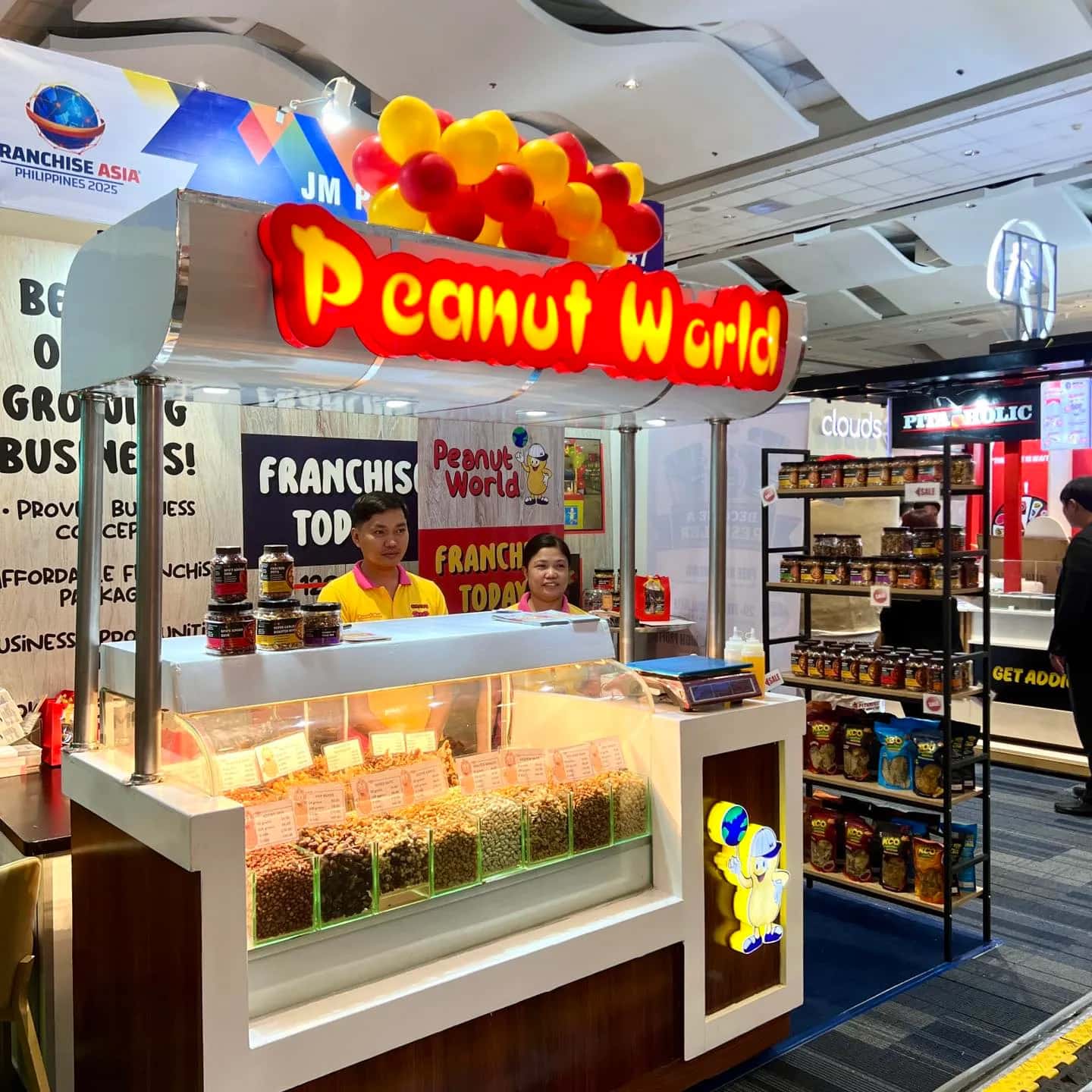
Packaged Snacks
Visit a branch
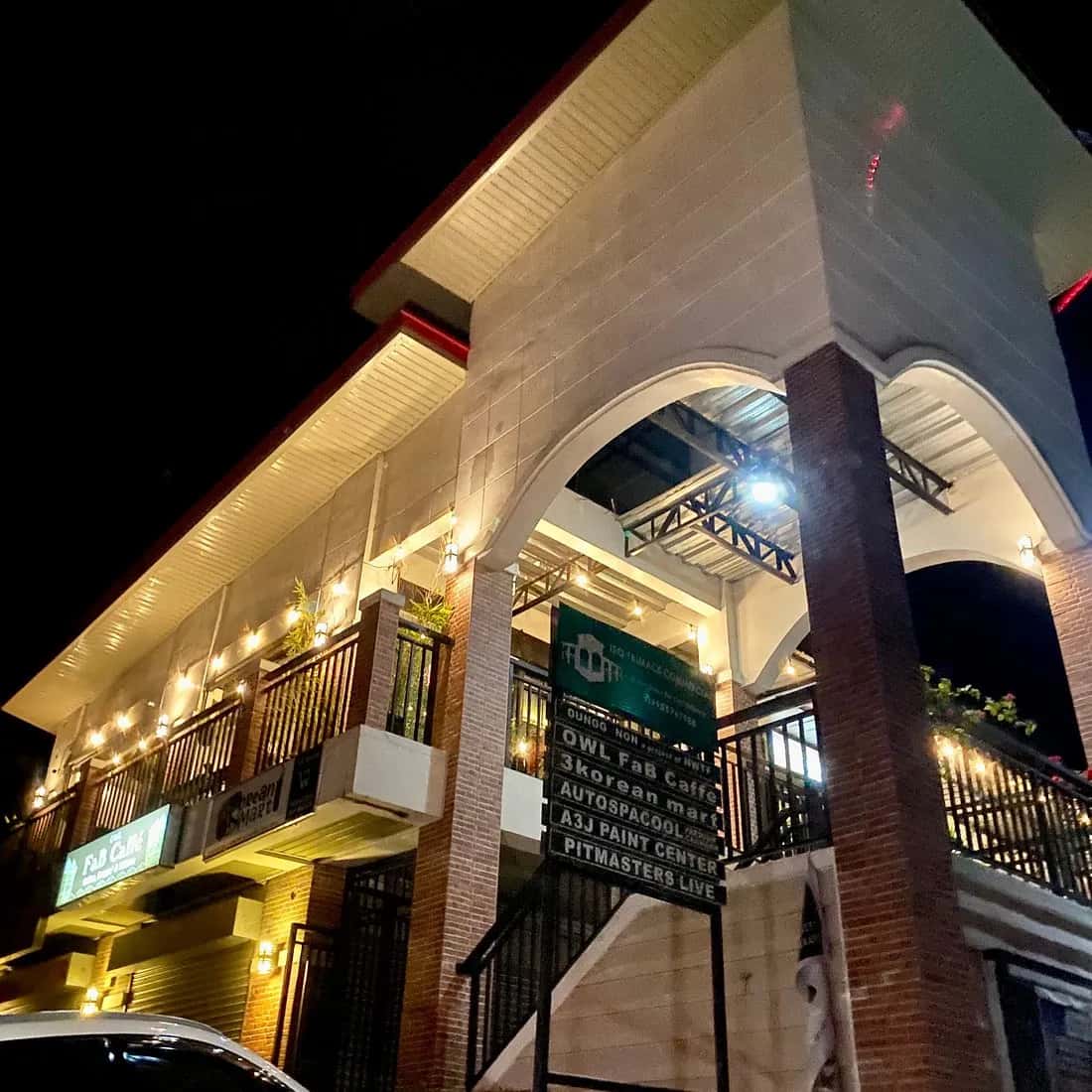
Coffee Shop
Visit a branch

Learn practical inventory control steps for your Philippine franchise to cut waste, prevent loss, and protect your capital.
Aug 14, 2026 6 min read
Learn how non-compete clauses work when exiting a franchise agreement in the Philippines, protecting your investment after closing.
Jul 20, 2026 5 min read

Learn how to secure financing for your Philippine franchise, from preparation to approval. A practical guide for new operators and OFWs.
Jul 20, 2026 5 min read