Sip Up Coffee
Coffee Shop
- Franchise fee
- ₱17k
- Total investment
- ₱17k–₱30k
Visit a branch
🎁 Start Your 1 Month Free Trial of the Full Plan, Exclusively for Brands & Advisors.Get Started
Browse 21 franchises up to ₱50k in Makati, with investments from ₱18k to ₱50k, franchise fees mostly between ₱15k and ₱19k, and most paying back in 2 to 6 months.
Updated

Retail & Convenience

Ice Cream & Desserts
Visit a branch

Retail & Convenience
Visit a branch

Logistics & Courier
Visit a branch
Makati has about 32,662 businesses on the map, from food and drink to shops, services and clinics. Check what already operates near the spot you have in mind.
Population
629,6162020 census
Per 10,000 residents
519businesses we track
Business locations are based on Overture Maps open data (October 21, 2026 release) and do not represent a complete census of all businesses.
A local cart or kiosk in Makati, Metro Manila costs about ₱17,000 to ₱30,000 to open, with a franchise fee of around ₱17,000 and a payback quoted at twelve months. That makes a business district counter reachable on savings well below ₱50,000. Setups from franchisors that operate nationwide start lower still, some at ₱500, though those are usually home-based or online work rather than a counter in the street.
Makati is a city of offices, towers and commuters, and that shapes how a small counter earns. Thousands of workers need a quick coffee, a snack or a cheap lunch inside a short break, and they will not queue for a sit-down meal. A cart or kiosk near an office lobby, a station or a covered walkway meets that need at the exact moments people are hungry. Foot traffic peaks on weekday mornings, at midday and again around the end of the shift, so a counter can earn most of its day in a few concentrated hours. Weekends are quieter in the business streets but livelier in the residential and mall areas. Small ticket items such as drinks, fried snacks and rice meals suit a crowd that pays quickly and moves on. Because rent is high, the small footprint of a cart or kiosk is a real advantage over a full shop.
The local setup asks for about ₱17,000 at the low end and just under ₱30,000 at the top, which covers a cart or a kiosk with equipment, signage and a first order of stock. The franchise fee sits at about ₱17,000, so the fee accounts for most of the entry cost at the low end and the build and stock account for the rest at the high end. Payback is quoted at twelve months, which is a reasonable horizon for a counter that opens six days a week. Rent is the item that separates Makati from most places, since a kiosk inside a building carries a monthly space charge that a roadside cart does not. Budgeting for two months of that charge, plus permits and a helper's pay, keeps the counter running until sales settle. With under ₱50,000 available, an owner can pay the entry cost and still hold a working reserve. A quick call to each franchisor about what the fee includes shows where the rest of the money will go.
A Makati counter spends its early months learning which hours and which corner pay. Many owners open in the morning for the coffee and breakfast crowd, then extend to the afternoon once they see how many workers pass. Building regular customers matters more than chasing one-time sales, because office workers return to the same counter daily when service is quick and the price stays steady. Taking on a helper early, even part time, lets the owner handle supplier runs and permit renewals without closing the counter during peak hours. By the middle of the year a clear pattern usually shows which days are strongest, and that is the moment to adjust the menu and stock orders. A counter that reaches its twelve month payback then has its cost covered and starts producing income the owner keeps. Keeping a simple daily record of takings and stock makes that adjustment far easier.
Each format changes what the ₱50,000 has to cover, and the cheapest ones leave out a counter altogether. Nationwide, entry runs from as little as ₱500 to the full ₱50,000, and fees run from nothing to ₱30,000. Kiosks are the most common format, with home-based or online setups close behind and carts after them. Inline stores appear in a quarter of setups, mobile units in about one in ten and standalone buildings in a few, since a shopfront costs more than this money allows. Home-based work keeps rent at zero but needs a kitchen, a phone and a network of buyers, which a Makati office worker or condo resident may already have. Payback across the country is quoted at one to six months, and it moves with the format, with the lightest setups recovering fastest because they carry the lowest costs. For a first business in a city with high rents, the lighter formats also limit what is at risk.
Now that you've seen what's here, a real advisor can help you shortlist and weigh the options against your budget. Free, at your pace.

Financing Readiness · Site Selection

Low-Capital Startups · Site Selection

Low-Capital Startups

Franchise Agreements · Multi-Unit Expansion
Are you a franchise advisor?Get your own workspace here
Choose an industry to see its franchises in Makati, with their fees and investment ranges.

Coffee, milk tea, and cold drink shops.
From ₱17k
Sip Up Coffee, Chong Cafe, KoTea
See brands
Padala, parcel, and delivery outlets.
From ₱10k
Ninja Van, J&T Express, Toktok
See brandsGet honest answers on what this budget really covers, fees and payback, free and with no pressure.
The industry picture for ₱50k in Makati looks like this: food & beverage with 9 franchises, coffee & milk tea with 3 and logistics & courier with 3. If you already run a small store or have a space you use for something else, look for an industry that can sit comfortably alongside it. A franchise that shares your existing customers or hours can make better use of what you have than starting fresh in an unfamiliar field.
Compare what each package contains when ₱50k in Makati brings up kiosks with 14 franchises, food carts with 11 and home-based or online setups with 11. Formats at the same budget may hold quite different things, such as equipment in one and opening stock in the other. Line the formats up and note what each one gives you and what it leaves for you to buy. That comparison shows which setups are truly complete and which are only a starting point for further spending.
Savings stretch differently depending on how many options you have, and since Makati shows 21 ₱50k franchises with Caloocan with 21, Las Piñas with 21, Malabon with 21 and Mandaluyong with 21 around it, your options are level. A level supply means no city forces you toward a franchise just because few others exist. You can afford to be selective, which is easier to do when you can see that the neighbours offer no clear advantage.
Newcomers should read the map's 32,662 businesses in Makati, led by services with 11,933, food and drink with 7,246 and shops and retail with 5,682, as a floor, because open data misses some. A good next step is to find out how many of them are the same size as the shop you would open. Small kiosks and large stores serve customers differently, so count the ones comparable to your setup, since those are the ones you compete with most.
Start with the total cost, because the advertised ₱50k figure often covers only part of what you will spend before opening in Makati. Ask the franchisor to list every peso you need to pay, from the franchise fee and equipment to the initial stock, renovation and permits. Then ask what happens if the real total ends up higher than the quote they gave you. A clear, itemized answer in writing tells you far more about the franchisor than a glossy brochure ever will.
Training that comes with a ₱50k franchise in Makati should prepare you for the realities of a normal day, from opening checks and stock counts to closing the till. What separates a strong program from a weak one is whether it also prepares you for problems like short staff, power outages or a rush of customers. Ask the franchisor to describe how the training handles those situations, not only the smooth days.
Support is where ₱50k franchises in Makati often separate, even when the packages look alike on paper. Some franchisors send a trainer for the opening and check in regularly afterward, while others hand over a manual and leave you to it. For a first time owner, that difference can decide whether early problems get solved quickly. Ask what training covers, who attends, where it happens, and whether anyone from the franchisor will be on site when you open.
Compare the contract lengths on offer for a ₱50k franchise in Makati by writing each one in a simple list with the franchisor name beside it. Laying them out together shows quickly which agreements are unusually short or unusually long. Do not treat the shortest as the safest or the longest as the most serious. Use the list to decide which questions to ask each franchisor about why its length was chosen.
Compare how many franchises start at each budget level in Makati, from the smallest packages up.
Compare how many Under ₱50k franchises take franchisees in each place, nearest first.
Franchises at the next budget level, ₱100k, worth a look if you can stretch your savings a little.
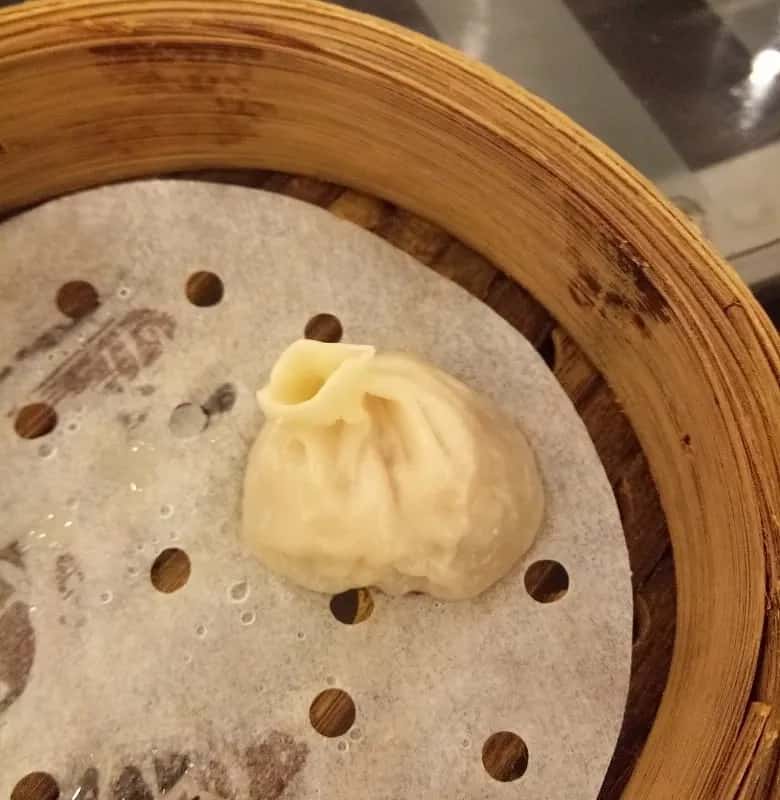
Siomai & Dimsum

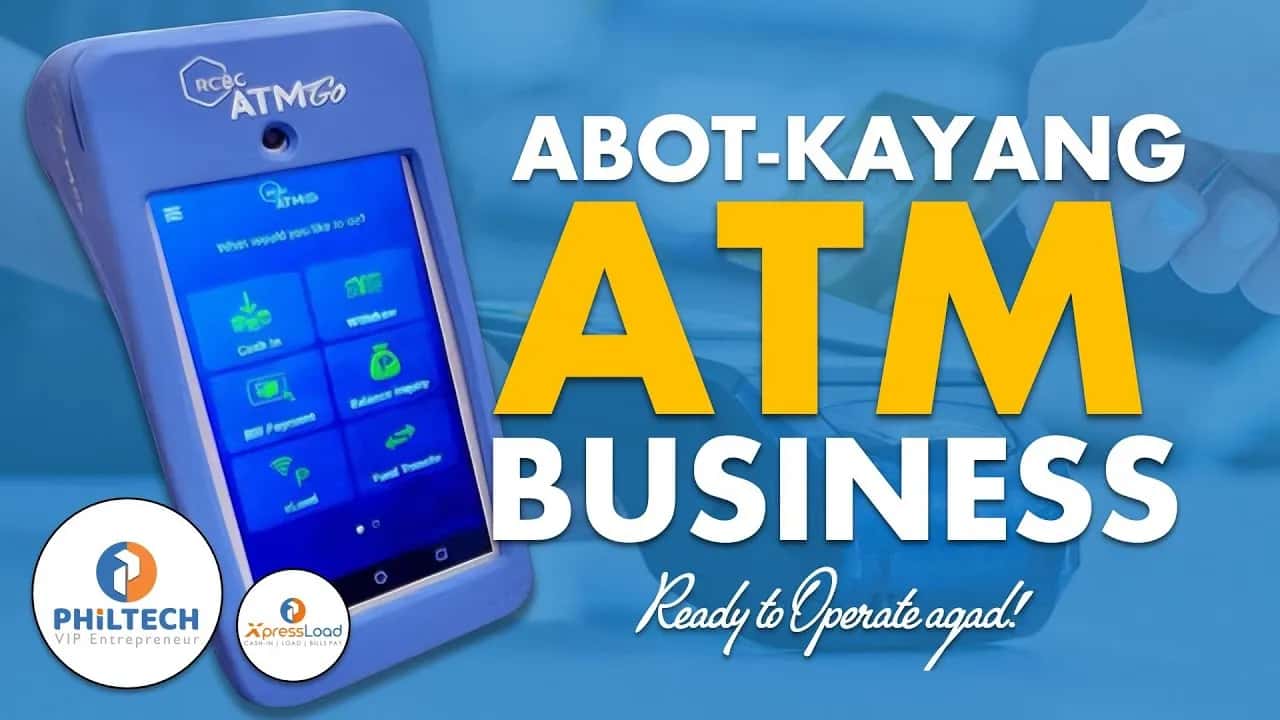
Payment & Remittance Center
Visit a branch

Payment & Remittance Center
Waffle Shop
Visit a branch

Fries & Potato Snacks

Street Food & Snacks
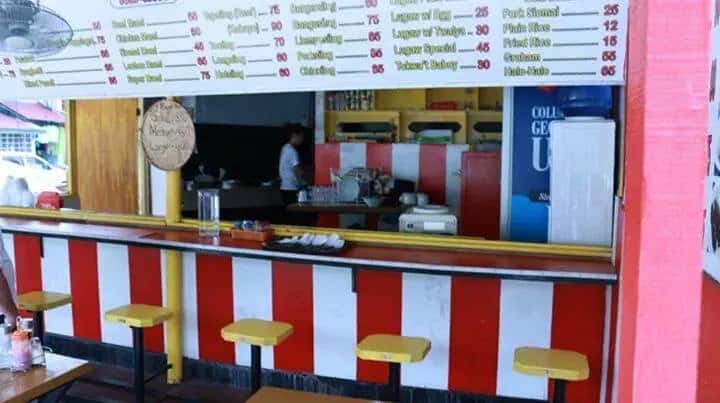
Filipino Restaurant
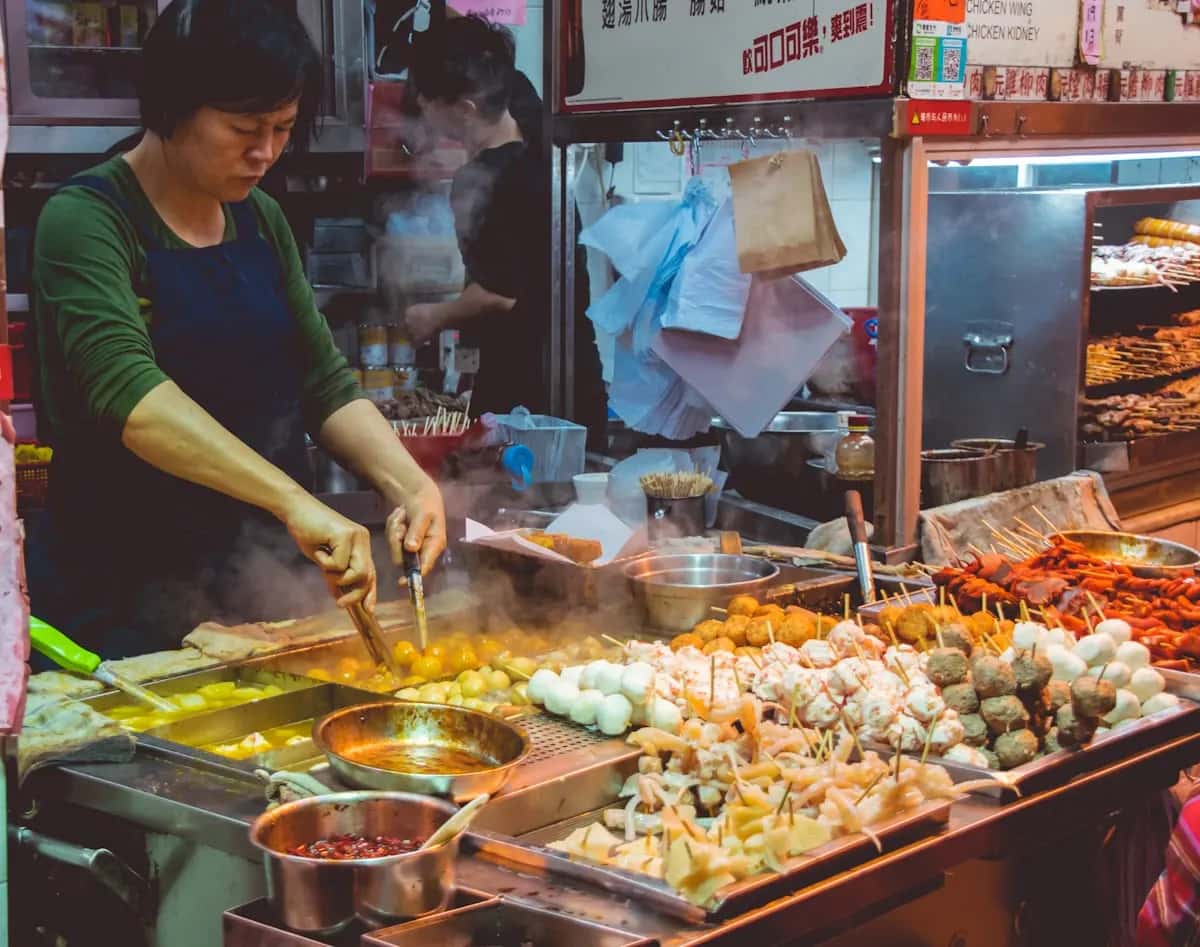
Street Food & Snacks

Learn how non-compete clauses work when exiting a franchise agreement in the Philippines, protecting your investment after closing.
Jul 20, 2026 5 min read
Learn practical inventory control steps for your Philippine franchise to cut waste, prevent loss, and protect your capital.
Aug 14, 2026 6 min read

Learn what dispute resolution clauses mean for Philippine franchisees. Protect your investment with this guide to arbitration, mediation, and litigation steps.
Jul 21, 2026 6 min read