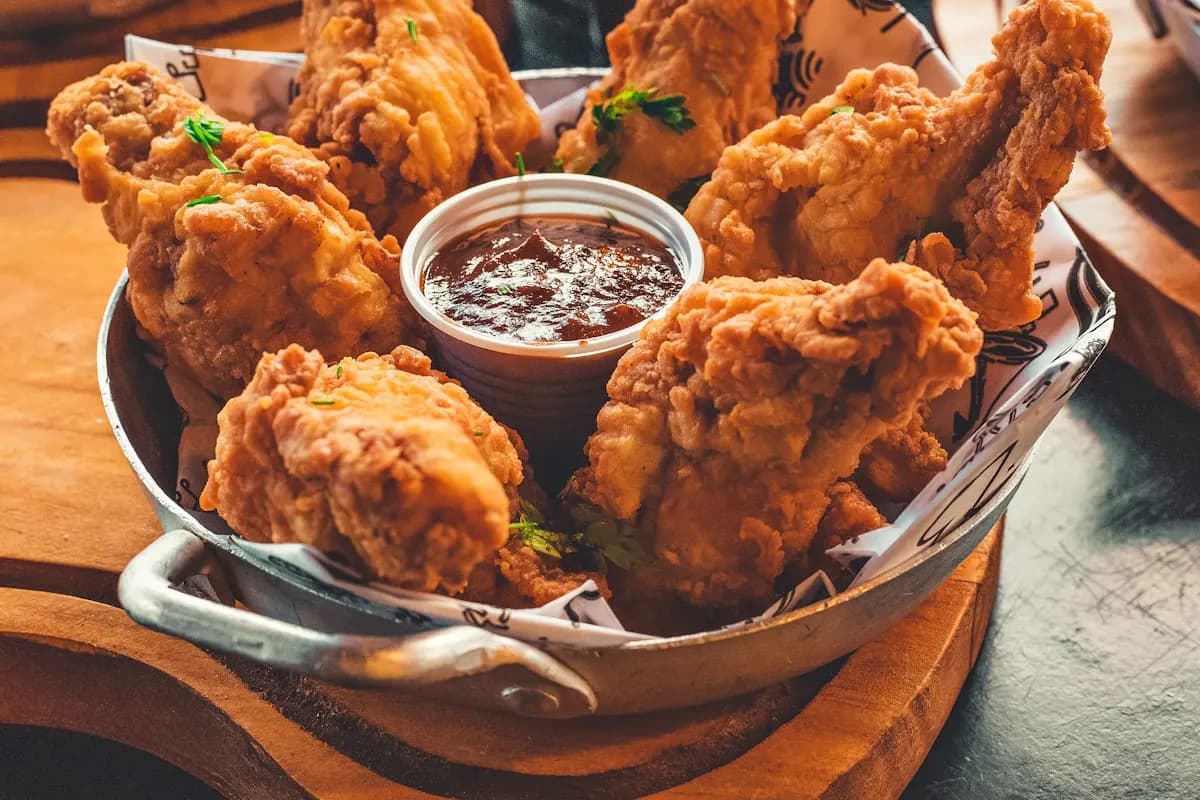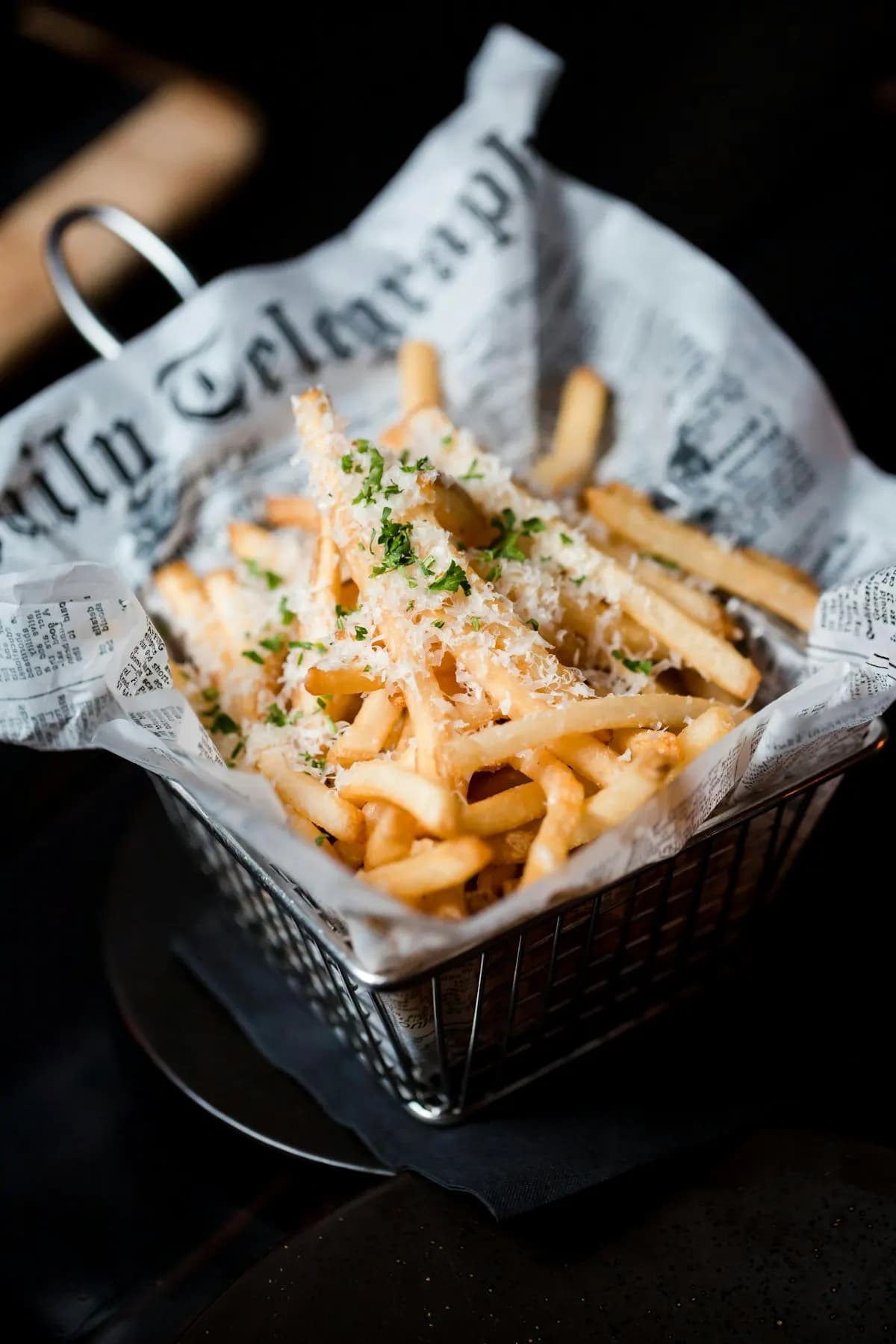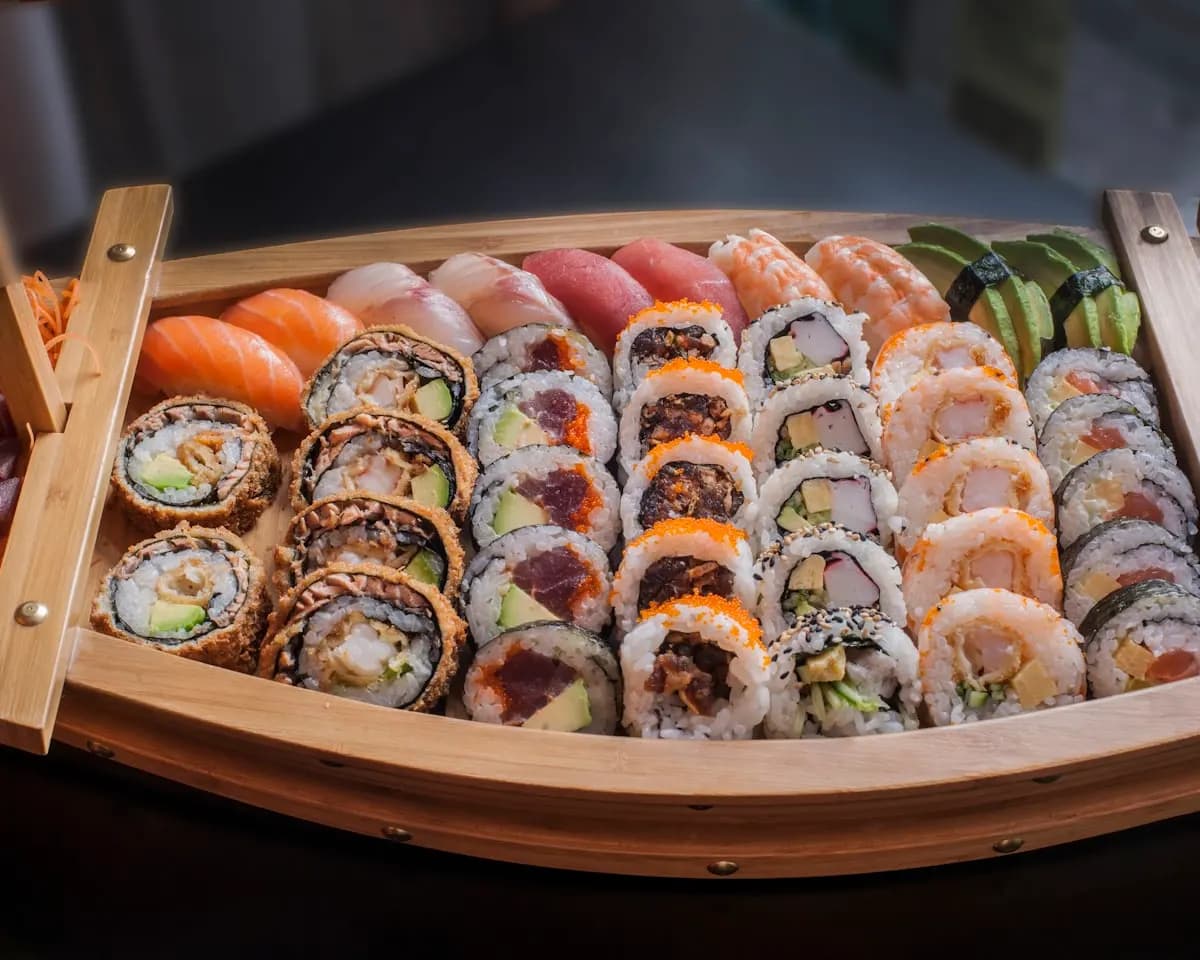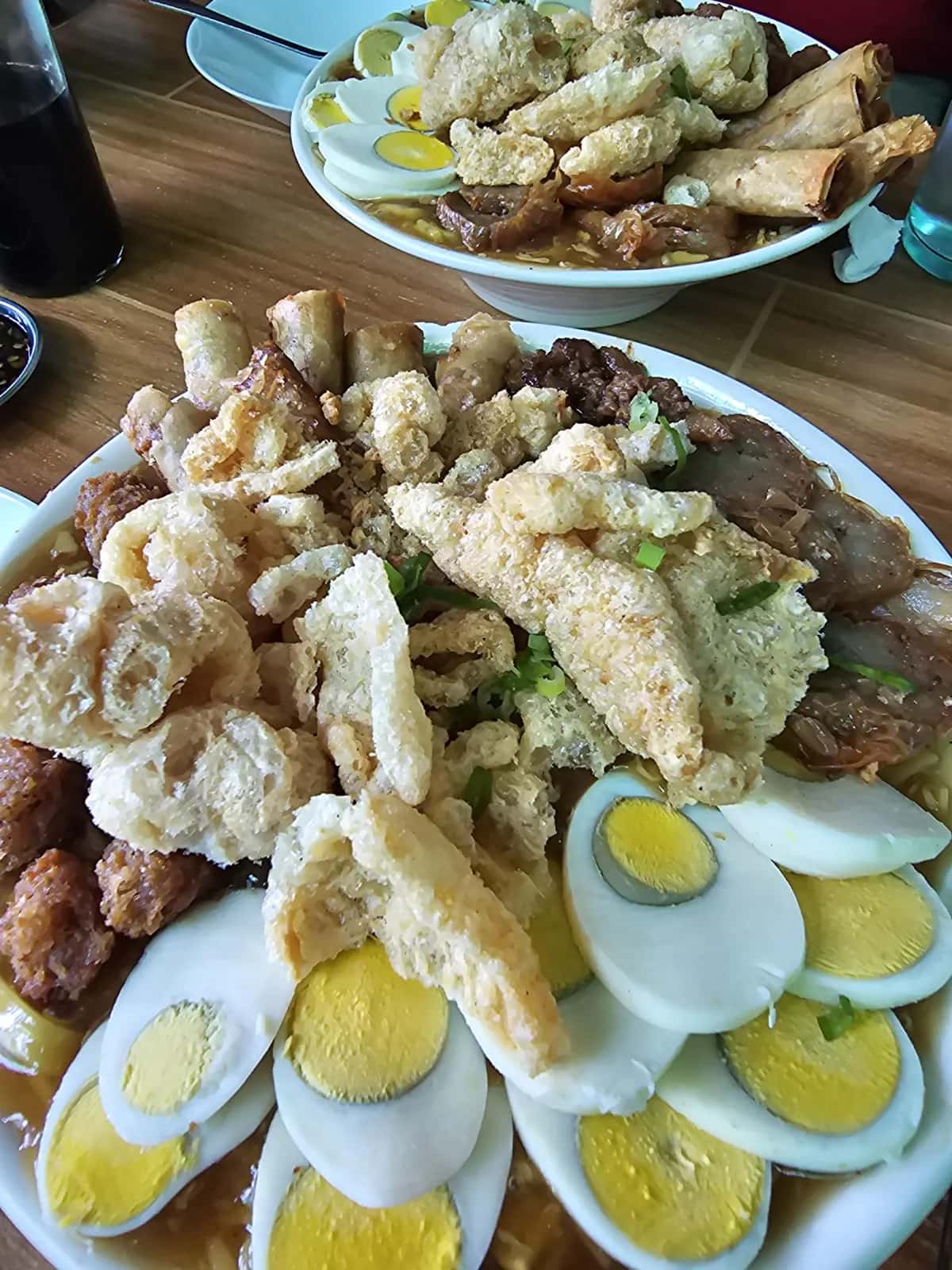
Kwatogs
Filipino Restaurant
- Franchise fee
- Not disclosed
- Total investment
- From ₱700k
🎁 Start Your 1 Month Free Trial of the Full Plan, Exclusively for Brands & Advisors.Get Started
Browse 10 food & beverage franchises up to ₱700k, with investments from ₱650k to ₱700k, franchise fees mostly between ₱78k and ₱307k, and most paying back in 12 to 20 months.
Updated
Filipino Restaurant
Takoyaki & Japanese Snacks

Ice Cream & Desserts

Juices & Shakes
Ice Cream & Desserts
Fries & Potato Snacks

Chicken & BBQ
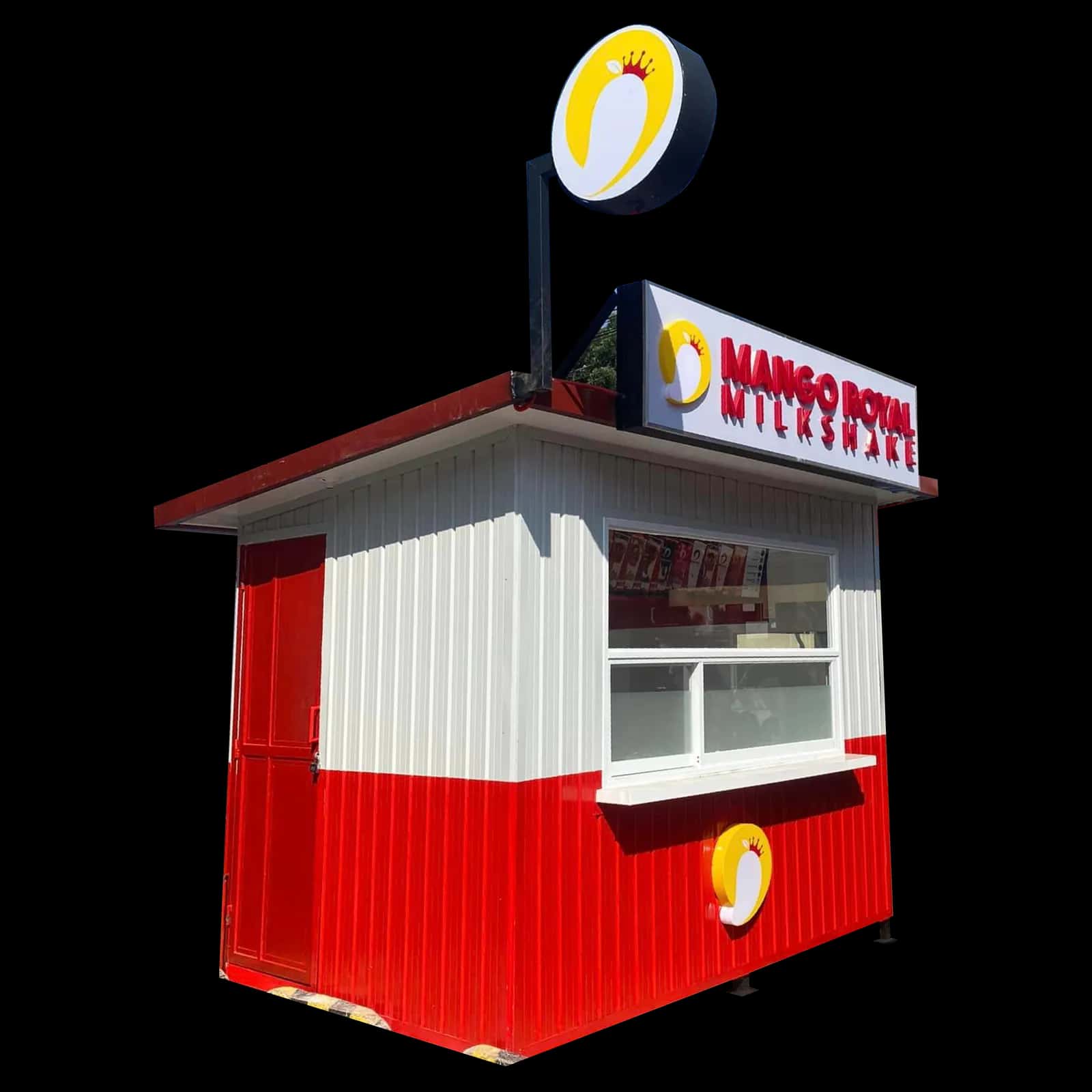
Juices & Shakes

Ice Cream & Desserts

Juices & Shakes
Up to ₱700,000 covers a good range of what Filipino food and beverage franchising offers, from a food cart that fits a mall corridor to a small inline store with seating. Package fees inside this budget run from nothing at all to past ₱300,000, with the rest of the money going into equipment, signage, and the first weeks of stock. Most of what fits here pays back within one to two years, which makes this one of the more forgiving budgets for a first business.
Food and drink stays busy no matter what the wider economy is doing, because eating and drinking are habits, not luxuries. That steady pull is part of why this category draws so many people starting their first business. Most of what fits inside this budget takes the shape of a food cart or a kiosk. Both formats are built for a spot along a mall corridor or a busy corner, not a full dining room, which keeps the footprint small and the rent in line with the money on the table. A good share of the offer here also comes as an inline store, giving room to grow into a proper storefront without raising more capital later. A smaller share runs as a full standalone shop, for someone who wants the whole space from day one. That spread is deliberate: the aim at this budget is matching the size of the business to the size of the money behind it.
Entry costs across this budget span from as little as ₱95,000, close to a small cart setup, up to the full ₱700,000 for something closer to a compact storefront. The fee that comes with a franchise can be as low as nothing, or run past ₱300,000, depending on how much support and equipment training is bundled in. That difference usually tracks with how much arrives already built. A setup with no upfront fee tends to leave more of the work, and cost, to the operator. A higher fee usually buys a more turnkey rollout, with less guesswork along the way. Payback across this budget lands between one and two years, which is fast for franchising generally, and reflects how quickly food and drink turns cash once the doors open. The more useful question when comparing what is on offer is not which one costs less up front, but which one leaves less to work out afterward.
The first year at this budget usually means the operator wearing several jobs at once. There is the daily sourcing, training whoever else is on shift, watching the register, and learning which hours of the day actually make money in that specific spot. A cart or kiosk format keeps daily costs manageable, but it also means the business lives or dies by foot traffic. The choice of corner or corridor matters more than almost anything else in the first months. Staffing tends to stay minimal at first, often just the operator and one helper, with payback landing between one and two years if the hours stay steady and the location gets walked past regularly. The honest expectation for this budget is a business that takes real hands-on work before it settles into a routine, not a passive investment that runs itself. The operators who do well tend to be the ones prepared to work the counter themselves for the first stretch, rather than handing it off right away.
Most of what is on offer at this budget comes as a food cart or a kiosk. The two formats suit slightly different spots: a cart works well in a transient corridor where people are moving past, while a kiosk holds a fixed position and can build more of a regular following over time. A good share of what's available also comes as an inline store, which trades some of that mobility for a proper counter and a little seating. That extra seating helps in a location with more dwell time, such as a food court area. Only a small share runs as a full standalone shop, since that format usually needs more space and a higher budget than most of what sits inside this range. Choosing between these formats up front matters more than it might seem. The format locks in the kind of spot to look for, the staffing the business will need, and how much of the money goes to build-out versus working capital.
Now that you've seen what's here, a real advisor can help you shortlist and weigh the options against your budget. Free, at your pace.

Financing Readiness · Site Selection

Low-Capital Startups · Site Selection

Franchise Agreements · Multi-Unit Expansion

Low-Capital Startups
Are you a franchise advisor?Get your own workspace here
Choose a kind of food & beverage business and see only its franchises up to ₱700k, with their fees and investment ranges.
Get honest answers on fees, payback and the best setups for your area, free and with no pressure.
With ₱700k in hand, you can choose from 10 food & beverage franchises whose investment falls between ₱600k and ₱700k. Having several options is helpful, yet it can also make the decision harder if you compare them only by price. A practical way to narrow the field is to visit an existing outlet of each as an ordinary customer and notice how busy it is, how the staff work, and whether the product feels worth buying again. Your own impression as a buyer is a fair early filter.
Upfront, ₱700k generally lists the franchise fee, equipment, training and an opening batch of stock, and the list can look short or long depending on the franchisor. Compare packages by counting what you physically receive, not by the headline figure. Ask each franchisor to number their inclusions on one page, then set the pages next to each other so a missing item stands out immediately.
If your savings already cover most of ₱700k, a short-term family loan may be enough to finish funding a food & beverage franchise. Small gaps are easier to repay, and relatives are often more comfortable lending a modest amount. Agree on a repayment date tied to a realistic point in the business's first year, and keep that promise even if it means a tighter personal budget for a while. Paying it back on schedule may also make relatives willing to help again if you expand later.
Yes for some and no for others, since the 10 food & beverage franchises quoting an investment between ₱600k and ₱700k differ in what they bundle. Picking several and comparing them side by side is the fastest way to see which ones truly fit ₱700k. Line up the franchise fee, equipment, training, stock and support for each, and you will often find that a slightly higher quote includes more and ends up cheaper overall.
The usual range for the franchise fee among food & beverage franchises at ₱700k is ₱78k to ₱307k. Many franchisors describe the fee in a disclosure packet, and that document should state what the payment covers, what it excludes and what is refundable. Request it before paying and compare it against the contract. If the packet and the agreement disagree about the fee, ask for the correction in writing before you go further.
Yes, it may suit you, provided you treat the investment, which sits between ₱600k and ₱700k, as the start of your spending and not the whole of it. Many new owners underestimate the cash needed to keep the doors open while sales build up. Set aside working capital for rent, salaries and supplies in a separate account. If you cannot fund both the package and that cushion, it is wiser to keep saving a little longer.
Sorting food & beverage franchises by budget, ₱700k brings up food carts with 9 franchises, kiosks with 9 and inline stores with 6. Seeing a unit in person shows its real size, which photos tend to hide. Ask the franchisor to take you to an operating outlet of each format, and note how much floor area it uses, how many staff are on shift and how customers move through it, then compare all that with the space and team you can bring. A few also offer standalone stores.
Coverage for business interruption is worth pricing alongside ₱700k, especially if a fire, flood or typhoon could close your outlet for weeks. Basic property insurance replaces damaged items, but it may not cover the rent and wages you still owe while closed. Ask an insurance agent to explain what each policy covers in plain terms, and match the coverage to the risks that actually threaten your space.
Payback periods quoted for food & beverage franchises costing between ₱600k and ₱700k usually run about 12 to 20 months. That is the franchisors' own estimate, so check it against owners who already run one. Ask a few of them how long recovery really took, what slowed it down and how much cash they needed to keep the outlet going through the first slow months. Their answers will show whether the quoted period suits your budget.
If you are in Parañaque, Pasay and Cabuyao, you are where these food & beverage franchises are most common, and if you are elsewhere, eight franchisors at ₱700k still accept franchisees nationwide. Either way, it pays to ask whether the franchisor has a waiting list in your city. Some areas have applicants who reserved a slot but have not opened yet, and that slot may block yours. Ask how long a reservation stays valid and what happens when it lapses.
Compare how many food & beverage franchises start at each budget level, from the smallest packages up.
Food & Beverage franchises priced close to your budget, worth a look if you can stretch your savings or want to spend less.

Burgers
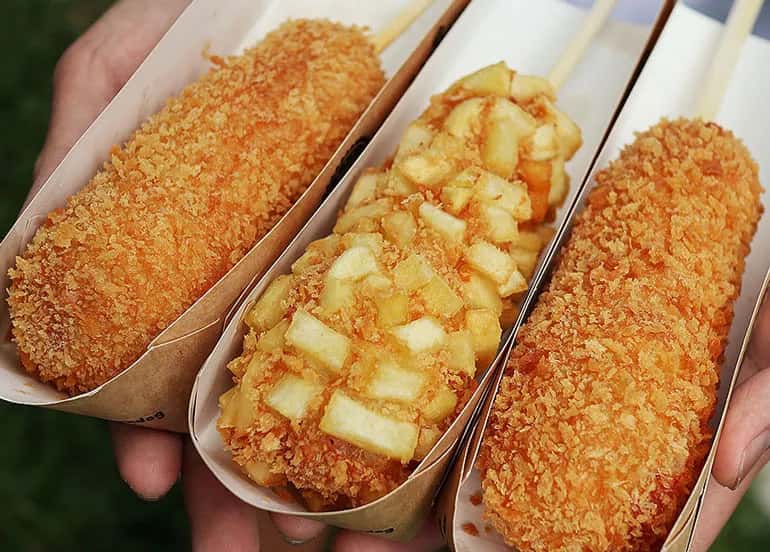
Korean Street Food
Filipino Restaurant
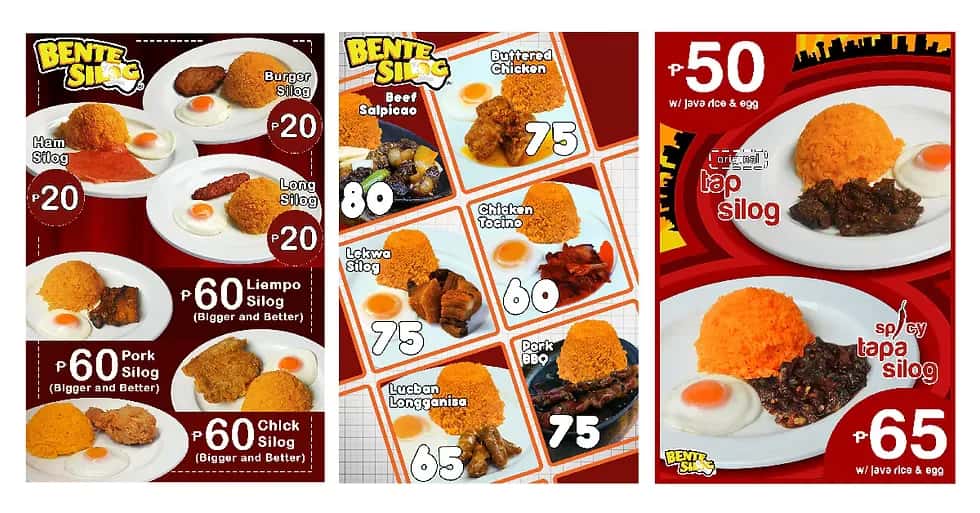
Filipino Restaurant

Juices & Shakes
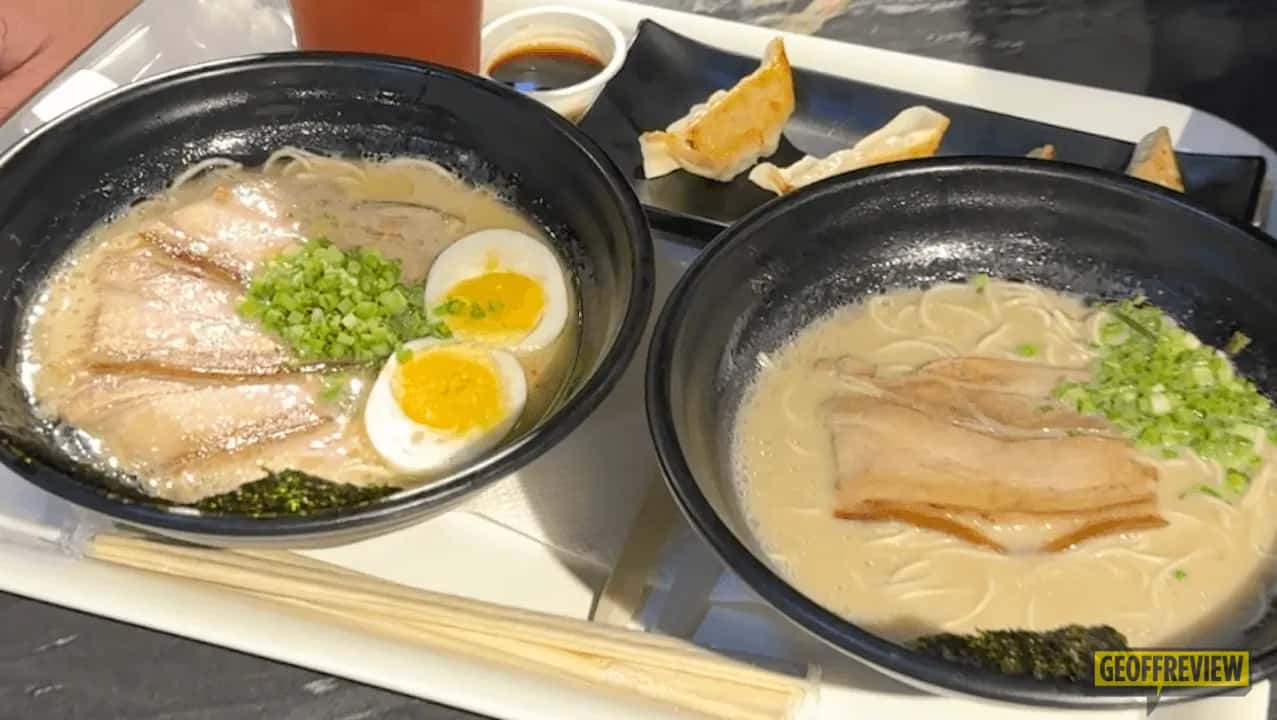
Takoyaki & Japanese Snacks
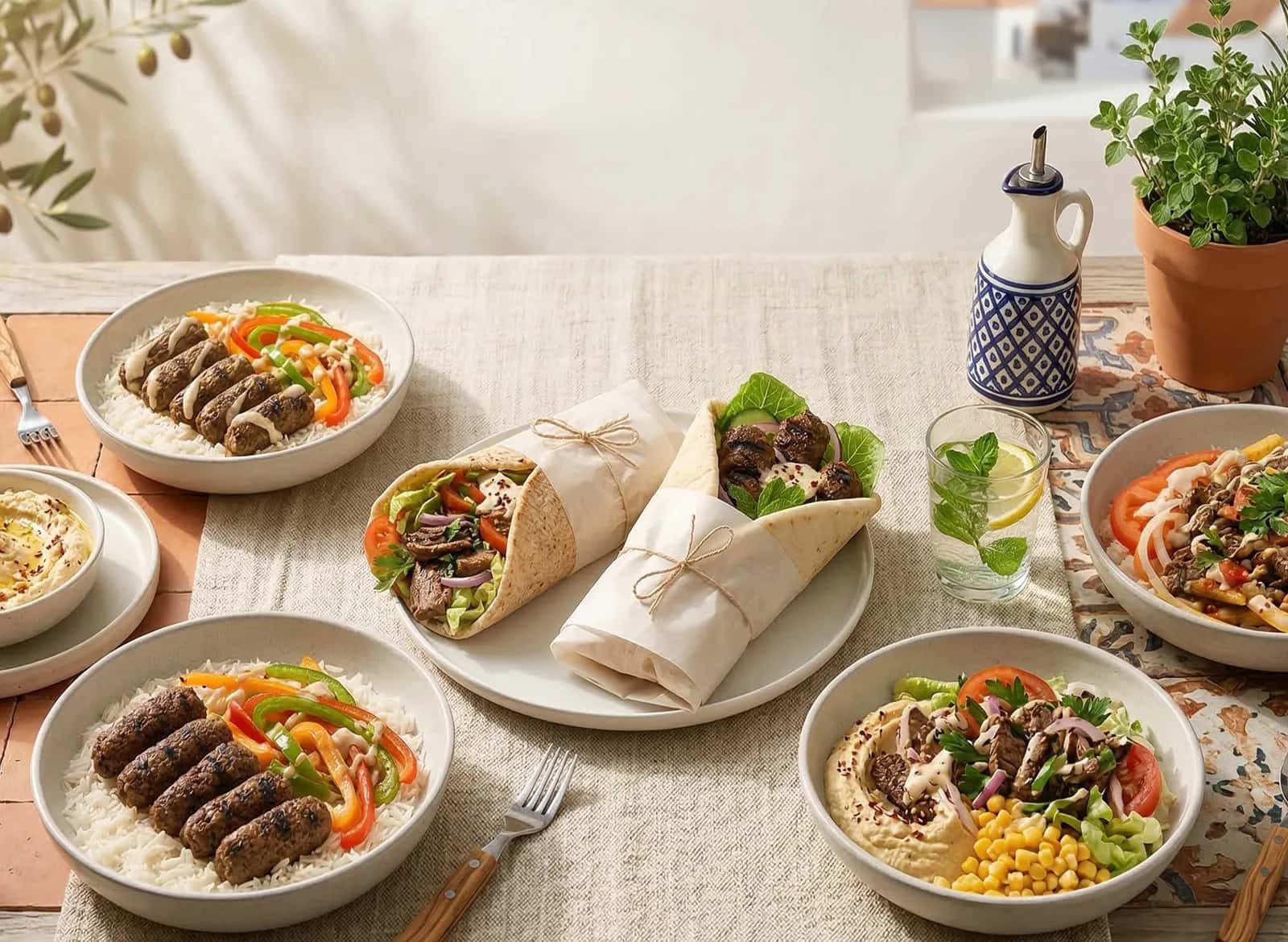
Shawarma

Siomai & Dimsum
Compare food & beverage franchises with other industries at the same budget, each with its own brands, fees and investment ranges.
Compare industries by budget, daily work and payback before you choose one, free and with no pressure.

Learn practical inventory control steps for your Philippine franchise to cut waste, prevent loss, and protect your capital.
Aug 14, 2026 6 min read
Learn how non-compete clauses work when exiting a franchise agreement in the Philippines, protecting your investment after closing.
Jul 20, 2026 5 min read

Learn how to secure financing for your Philippine franchise, from preparation to approval. A practical guide for new operators and OFWs.
Jul 20, 2026 5 min read