Kwatogs
Filipino Restaurant
- Franchise fee
- Not disclosed
- Total investment
- From ₱700k
🎁 Start Your 1 Month Free Trial of the Full Plan, Exclusively for Brands & Advisors.Get Started
Browse 10 franchises up to ₱700k in Taguig, with investments from ₱650k to ₱700k, franchise fees mostly between ₱135k and ₱307k, and most paying back in 12 to 18 months.
Updated

Takoyaki & Japanese Snacks

Fries & Potato Snacks
Visit a branch
Tutorial & Review Center
Juices & Shakes
Visit a branch

Milk Tea & Boba
Visit a branch

Chicken & BBQ

Water Refilling
Visit a branch

Milk Tea & Boba
Visit a branch
Taguig has about 11,345 businesses on the map, from food and drink to shops, services and clinics. Check what already operates near the spot you have in mind.
Population
886,7222020 census
Per 10,000 residents
128businesses we track
Business locations are based on Overture Maps open data (October 21, 2026 release) and do not represent a complete census of all businesses.
A ₱700,000 budget in Taguig, Metro Manila reaches a kiosk or a food cart that is already set up for the city. Building either one starts near ₱400,000, which leaves room for fit-out, first stock and a cushion for the slow early weeks. That is enough to run a proper small business in a city of office towers, condominiums and daily commuters, with a compact footprint and a short list of decisions to make before opening day.
Small food and drink stands do well where people spend most of the day moving between home, work and the train, because a quick purchase on the way costs little time and little money. Taguig fits that pattern, with office towers, condominium blocks and residential streets packed into a compact area, so foot traffic arrives in waves at the start of the day, at lunch and again after work. A kiosk or a cart placed where those waves pass earns a steady stream of small sales rather than a few large ones. That suits a first-time owner, since the daily numbers are easy to follow and the stock is small enough to manage without a big team. The stand does not need a destination crowd, only a spot on a route people already walk, and the city has plenty of routes like that. Weekends shift toward malls and dining strips, so the owner learns quickly which days carry the business and can plan staffing around them.
The money needed to open a local kiosk or cart runs from about ₱400,000 up to the full ₱700,000, and where a build lands depends mostly on equipment, signage and opening stock. The franchise fee is fixed at ₱150,000 on the local setups, so the spread comes from the build itself. Payback on those same local setups is quoted at around eighteen months, a real stretch of time for a stand that sells low-priced items all day. Across the country the picture is wider, with the money needed starting near ₱250,000 and fees that begin at zero for some setups and reach ₱324,000 for others. A new owner should treat eighteen months as a planning figure that assumes a steady daily count of customers. Keeping cash aside to carry the stand through the first quiet weeks matters more than any single line in the build.
The first year of running a kiosk or a cart is mostly about learning one spot well. The opening weeks go to permits from the city government, the space arrangement with a building or mall, staff training and the first stock order, and the owner is usually on site every day to watch how the crowd moves. The next few months show which hours actually carry the sales, so schedules and prep quantities get trimmed to match, which cuts waste and keeps daily cash tidy. Somewhere around the middle of the year most owners settle into a routine and see a dependable daily average, which is the number that tells them how the payback is going. A cart can often run with the owner and one helper, while a kiosk in a busy building may need two people to cover long opening hours. Renewals of permits and space agreements come due near the end of the year, so a small reserve set aside from earlier months makes that easier.
Choosing between a cart and a kiosk is mostly a decision about rent, permits and how much shelter the stand needs, and both are the formats already priced for Taguig. A cart moves easily and asks for less space, so it suits an owner who wants to test a few spots before settling. A kiosk sits in one place with a fixed counter and usually pays a steadier space rent in return for a steadier crowd. Across the country these two are the formats most often offered at this money, an inline store comes next with its lease and fit-out taking a bigger share of the budget, and a standalone building is far less common. For someone starting out with ₱700,000, the smaller formats leave the most cash free for stock and working capital, which is what carries a new stand through its first months. The inline store is still reachable, but the lease deposit and the build-out use up more of the money before the first sale.
Now that you've seen what's here, a real advisor can help you shortlist and weigh the options against your budget. Free, at your pace.

Financing Readiness · Site Selection

Low-Capital Startups · Site Selection

Low-Capital Startups

Franchise Agreements · Multi-Unit Expansion
Are you a franchise advisor?Get your own workspace here
Choose an industry to see its franchises in Taguig, with their fees and investment ranges.
Get honest answers on what this budget really covers, fees and payback, free and with no pressure.
Setups listed for Taguig at ₱700k are food carts with 8 franchises, kiosks with 8 and inline stores with 6. Deciding is easier when you rank each format on a few things that matter to you, such as rent, hours and staff. Make a simple table, score each format honestly and see which one comes out ahead for your own situation. Give extra weight to the things you cannot easily change later, like the lease length and the hours, and less weight to details you can adjust once the outlet is open. If two formats score close, visit a branch of each before breaking the tie.
Expect surprises when you test the map's 11,345 businesses in Taguig, led by services with 3,094, food and drink with 2,680 and shops and retail with 2,493, against the street, because open data misses some and keeps others that have closed. Error runs in both directions. Rather than correcting the whole total, check the businesses in the few blocks that matter to you, since a precise local count is more use than an exact place wide one.
The rhythm of a ₱700k franchise in Taguig often follows local demand, so quiet stretches and busy rushes shape how you plan staff and stock. During busy periods everyone serves, and during slower ones you restock, clean, train or catch up on reports for the franchisor. If you already have a site in mind, spend some time observing it at different parts of the day to see when customers actually come, then plan the routine around that.
Starting without enough working capital is a frequent reason small franchises fail early. Spending your full budget between ₱600k and ₱700k on the package and setup leaves nothing for the weeks when sales are still building in Taguig. Before committing, set aside a separate amount to cover several months of operating costs, and treat that reserve as part of the true price of the franchise rather than optional extra money.
How long training lasts matters for a ₱700k franchise in Taguig, because short programs can leave gaps and long ones can strain your schedule. Typical content is operations, products and the sales system, but the number of days varies by franchisor. Ask how many days you must attend, whether they run back to back, and whether you can split them around your job. Then judge if the length fits the business you are buying.
Deciding who will run the outlet daily is part of comparing ₱700k franchises in Taguig, because each setup asks different things of its manager. A family member, a hired supervisor or you yourself bring different strengths. Some franchisors require the owner or a named manager to complete training before opening. Ask what each franchisor expects of the manager and choose the option your chosen person can realistically handle.
The honest answer is that it depends on the franchisor, because each ₱700k franchise in Taguig comes with its own written term and renewal rules. A long term gives you stability and time to recover your investment, but it also locks you in if the location underperforms, while a short term is easier to leave but may push you into a renewal fee sooner. Weigh both by asking the franchisor how many current franchisees have renewed and how many chose to leave.
Ending a franchise early often triggers a non-compete clause, which can stop you from running a similar business in Taguig for a set period after you leave. That matters a great deal if your fallback plan for a ₱700k unit was to keep the equipment and open your own version. Read the non-compete wording carefully, noting how wide the covered area is and how long the restriction lasts. If it feels too broad, raise it before signing, since it is much harder to change afterward.
Compare how many franchises start at each budget level in Taguig, from the smallest packages up.
Compare how many ₱700k franchises take franchisees in each place, nearest first.
Franchises at the next budget level, ₱800k, worth a look if you can stretch your savings a little.
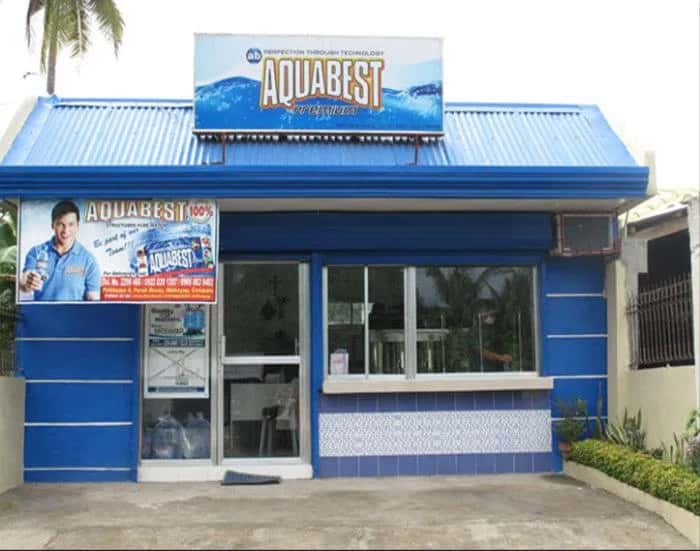
Water Refilling
Visit a branch

Burgers
Visit a branch

Korean Street Food

Cleaning & Pest Control
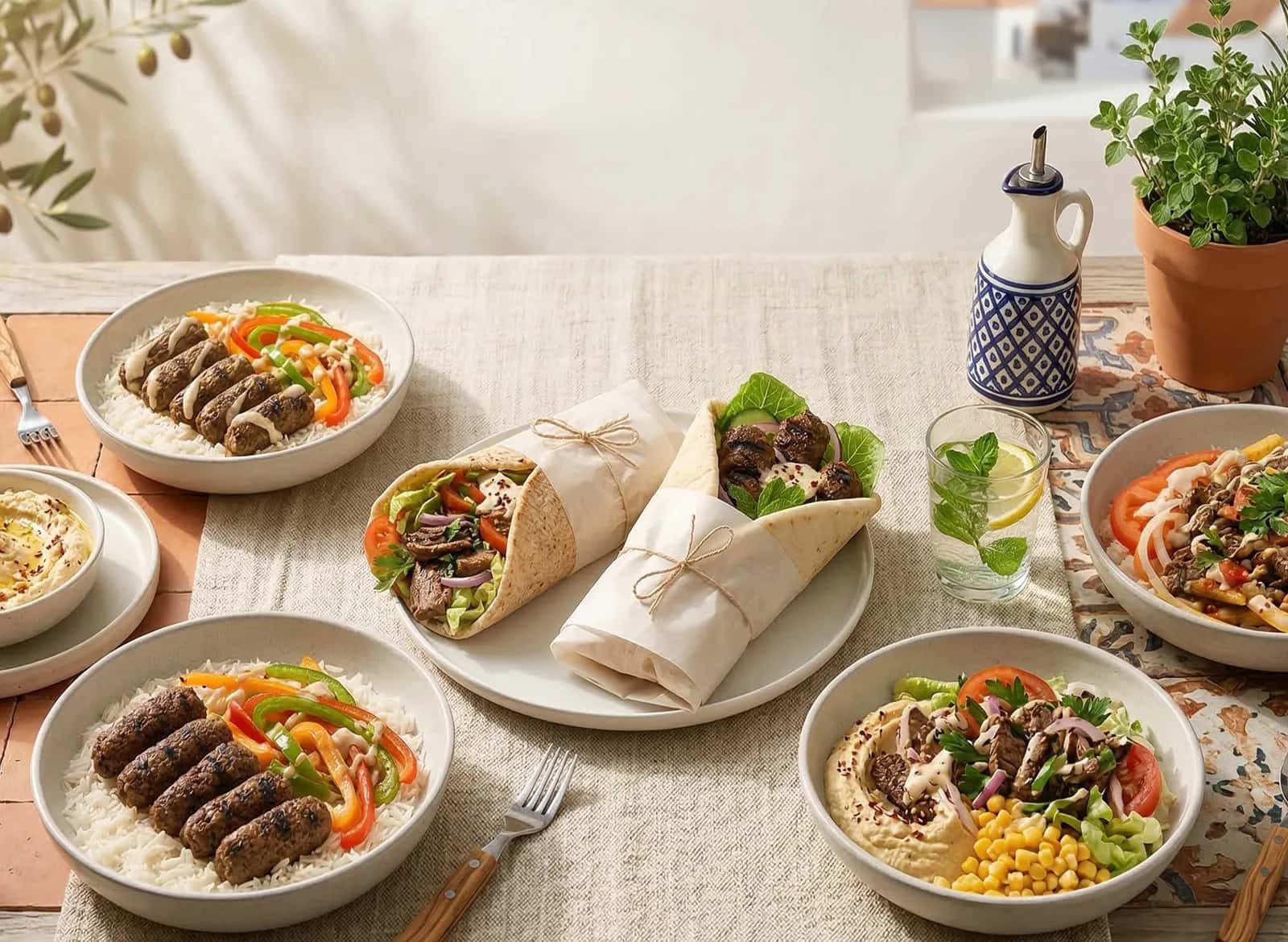
Shawarma

Siomai & Dimsum
Visit a branch

Milk Tea & Boba
Visit a branch

Bakery & Pastry

Learn practical inventory control steps for your Philippine franchise to cut waste, prevent loss, and protect your capital.
Aug 14, 2026 6 min read
Learn how non-compete clauses work when exiting a franchise agreement in the Philippines, protecting your investment after closing.
Jul 20, 2026 5 min read

Learn how to secure financing for your Philippine franchise, from preparation to approval. A practical guide for new operators and OFWs.
Jul 20, 2026 5 min read