The TapsiShop
Filipino Restaurant
- Franchise fee
- ₱99k
- Total investment
- ₱200k–₱500k
🎁 Start Your 1 Month Free Trial of the Full Plan, Exclusively for Brands & Advisors.Get Started
Browse 2 Filipino restaurant franchises up to ₱500k, with investments from ₱450k to ₱500k, franchise fees mostly between ₱99k and ₱150k, and most paying back in 12 to 18 months.
Updated
Filipino Restaurant
Filipino Restaurant
Up to ₱500k inside Filipino restaurant franchising is where the format choice actually splits: half of what sits in this budget builds toward a small inline storefront, and half stays closer to a kiosk setup. Entry runs from around ₱200,000 to ₱500,000, and the franchise fee sits between ₱99,000 and ₱150,000. Payback lands between a year and a year and a half. This is the budget where someone can start choosing between a lean, mobile setup and something closer to a real storefront.
Everything in this budget still includes a food cart route as the entry point, but half of what is on offer here goes further, toward either a kiosk or a compact inline storefront. A kiosk keeps the fixed footprint small and the monthly overhead lower, while a storefront adds seating and a fuller kitchen setup at the cost of a proper lease. Neither format dominates the budget, which means the actual decision matters more here than at a level where the format is already settled. Someone drawn to the idea of table service and a dining space should lean toward the storefront path within this budget. Someone who wants to keep costs flexible and moveable should stay closer to the cart or kiosk end instead. Either path stays inside the same budget, so the choice comes down to the site and the operator's own preference, not the money available.
The ₱200,000 to ₱500,000 spread at this level covers a real gap in what gets built. The lower end buys a cart with modest upgrades, while the upper end stretches to a small storefront with proper equipment and a short training run before opening. The franchise fee, from ₱99,000 to ₱150,000, moves in a narrower range than the entry figure itself. That suggests the fee reflects the recipe and the support behind it more than the size of the physical build. Payback of a year to a year and a half applies whether the money goes toward a cart-based setup or a small storefront. The bigger build is expected to earn back its extra cost through steadier, higher daily sales rather than a longer runway to break even. Whichever path gets chosen, treating the entry figure as covering only the physical setup, not the working capital needed to get through the first slow weeks, keeps the budget realistic from the start.
This level suits someone who has not yet decided between a lean, low-overhead setup and something closer to a real storefront, since the money here supports either path. It fits a reader comfortable making that call based on the site available rather than assuming one format is automatically the better choice. It does not suit someone set on a full dining room experience, since even the storefront option at this budget stays compact compared with a bigger build further up. Someone weighing this level should think about the site first. A spot with heavy walk-by traffic favors a cart or kiosk. A location near a cluster of shops or offices can support a small storefront's seating and slightly higher running costs instead. Someone who already runs a small food business informally, even without a franchise attached, tends to adjust much faster to whichever format this particular budget ends up pointing them toward.
Because this budget genuinely splits between a lean setup and a compact storefront, the practical step is comparing what each specific package actually includes rather than assuming the bigger build always wins. A storefront should come with details on seating capacity and the size of the kitchen space, not just a general description. A kiosk or cart package should be clear about what happens if the site does not work out and the setup needs to move somewhere else. Working capital should be planned separately for each path, since a storefront carries rent and utilities from day one while a cart or kiosk mostly needs cash for ingredients and upkeep. Getting a clear answer on both before deciding, rather than picking a format on instinct alone, is what this budget's built-in flexibility is actually there for.
Now that you've seen what's here, a real advisor can help you shortlist and weigh the options against your budget. Free, at your pace.

Financing Readiness · Site Selection

Low-Capital Startups

Franchise Agreements · Multi-Unit Expansion

Low-Capital Startups · Site Selection
Are you a franchise advisor?Get your own workspace here
Compare Filipino restaurant franchises with other food & beverage businesses up to ₱500k, each with its own brands, fees and investment ranges.
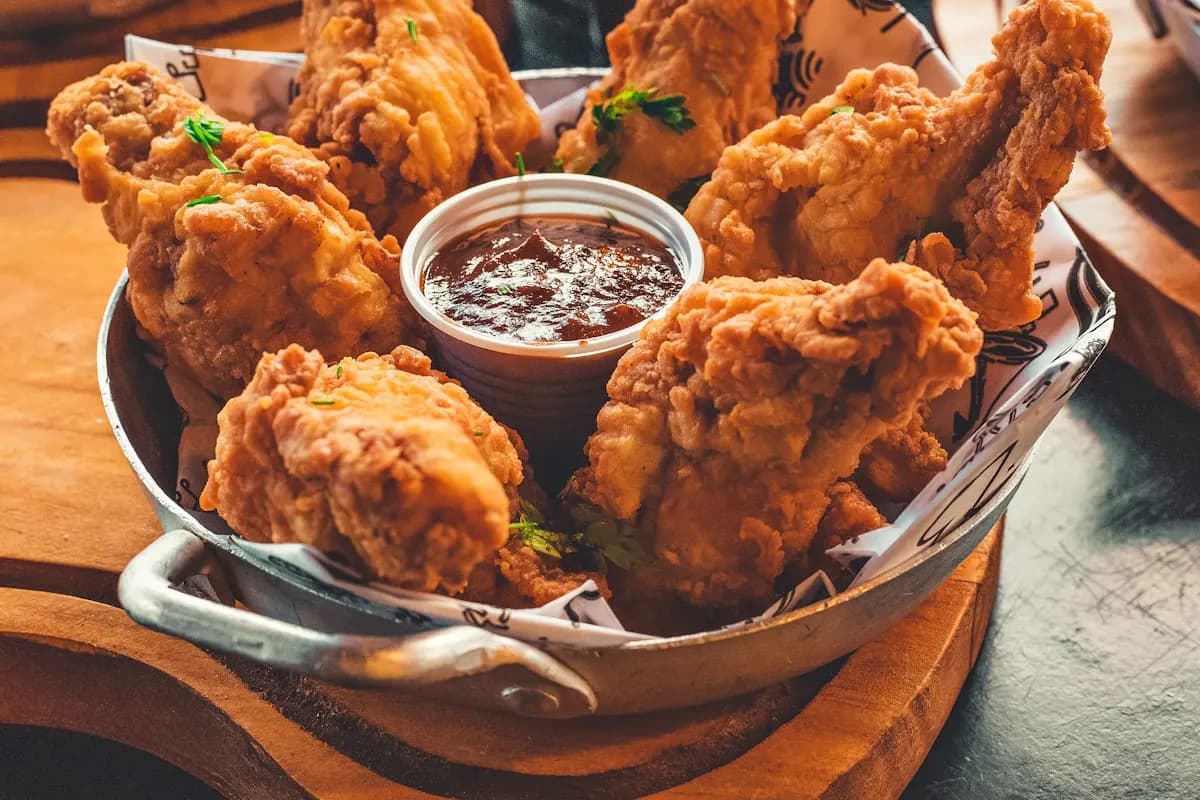
Roast chicken, inasal, and grilled favorites.
5 brandsFrom ₱99k
Chops To Go, The BBQ Shack, Yummy Chicken +2 more
See brands
Ice cream, halo-halo, and sweet treats.
4 brandsFrom ₱50k
KUKU Frozen Yogurt, 7,107 Halo Halo Islands, Mr. Pluffy +1 more
See brands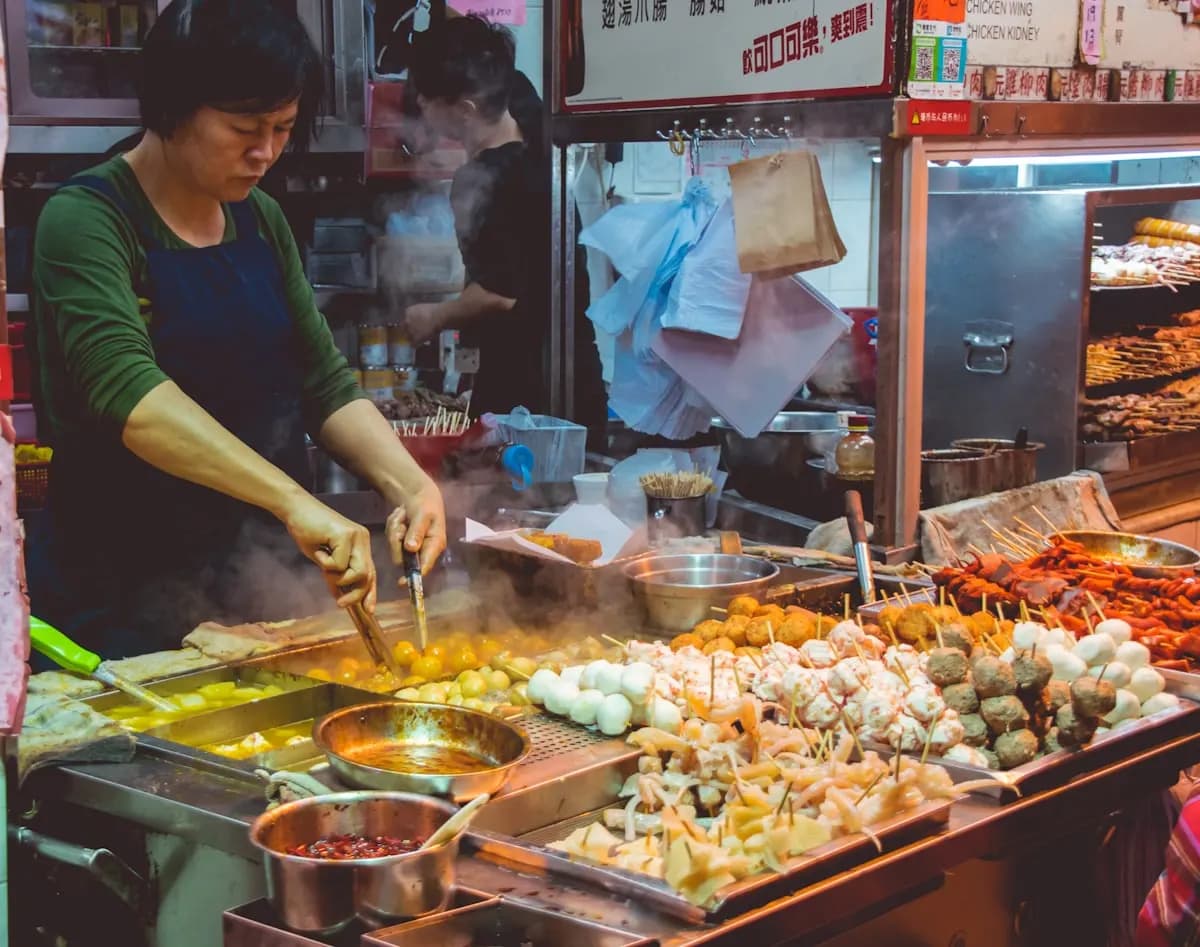
Fishball, siomai, and grab-and-go bites.
4 brandsFrom ₱200k
Hero Sausages, Sweet Corner, Buy the Bucket +1 more
See brandsGet honest answers on fees, payback and the best setups for your area, free and with no pressure.
In the Filipino restaurant category, ₱500k covers two franchises with an investment between ₱400k and ₱500k. That is a wide enough group that you should cut it in stages rather than all at once. Start by removing packages at the very top of the range if they leave you no cushion, then compare what the remaining ones include. Keep two or three that give you the most for the price and study those closely.
Equipment, supplies, training and launch help are typical inside a ₱500k package, but some franchisors also include the outlet build itself, such as a cart, kiosk or counter. That inclusion changes the value dramatically because construction is costly. Ask whether the physical structure is included, what materials it uses and whether it fits the space you have in mind before you commit.
Space for people matters for the Filipino restaurant setups at ₱500k, which are food carts with 2 franchises, kiosks with 1 and inline stores with 1. Customers who wait or sit need room, and your crew needs room to work without bumping into them. Check whether your spot has enough width at the front for a queue and enough depth behind the counter for staff, and prefer a format that leaves comfortable margins, since crowding hurts service on exactly the days you want to do well.
Normally, the franchise fee for Filipino restaurant franchises at ₱500k ranges from ₱99k to ₱150k, but what physically comes with it varies. Some fees include signage, uniforms and starter materials, while others charge each item separately. Ask for a full list of what you will physically receive for the fee, so you do not end up paying twice for things you assumed were already included in the price.
Shadowing an existing owner for a full working day is the clearest way to learn whether a ₱500k Filipino restaurant franchise is a good first choice for you. You will see opening routines, staff handling, customer flow and closing counts. Ask the franchisor to arrange it, or ask a franchisee directly. What feels exciting or exhausting after that day tells you a great deal about your fit.
With a Filipino restaurant franchise at ₱500k, the franchisor's usual payback estimate is 12 to 18 months. Treat that figure as something to verify rather than accept. A good test is to ask the franchisor which costs they think new owners most often underestimate, since a candid answer usually reveals where the estimate is most fragile and where you should leave extra room in your own budget.
Yes for some and no for others, since the two Filipino restaurant franchises quoting an investment between ₱400k and ₱500k differ in what they bundle. Picking several and comparing them side by side is the fastest way to see which ones truly fit ₱500k. Line up the franchise fee, equipment, training, stock and support for each, and you will often find that a slightly higher quote includes more and ends up cheaper overall.
Walking into a local bank branch with your documents is often faster than applying online when you want to raise ₱500k for a Filipino restaurant franchise. A loan officer can tell you on the spot which products fit a small franchise and what you are missing. Bring your IDs, proof of income and the franchisor's cost breakdown, and ask directly what would make your application stronger.
Salaries are among the largest costs the ₱500k package will not cover. Even a small Filipino restaurant outlet usually needs a helper or crew besides you, and you will owe wages, contributions to SSS, PhilHealth and Pag-IBIG, and thirteenth month pay. Find out how many people the franchisor expects you to schedule per shift and price several months of payroll before you open, so slow early weeks do not force you to cut staff.
Compare how many Filipino restaurant franchises start at each budget level, from the smallest packages up.
Filipino Restaurant franchises priced close to your budget, worth a look if you can stretch your savings or want to spend less.

Filipino Restaurant
Filipino Restaurant
Filipino Restaurant
Filipino Restaurant
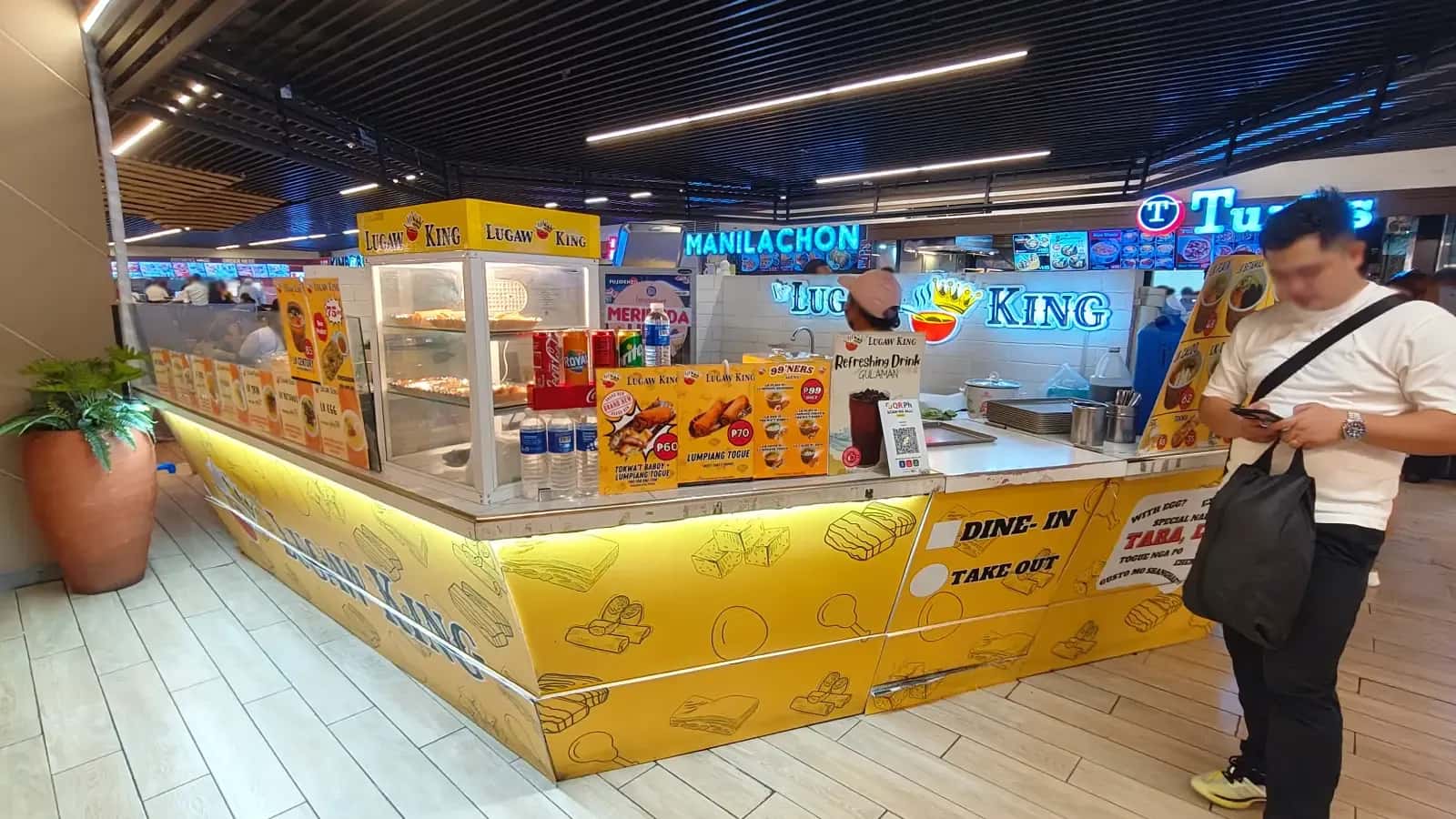
Filipino Restaurant
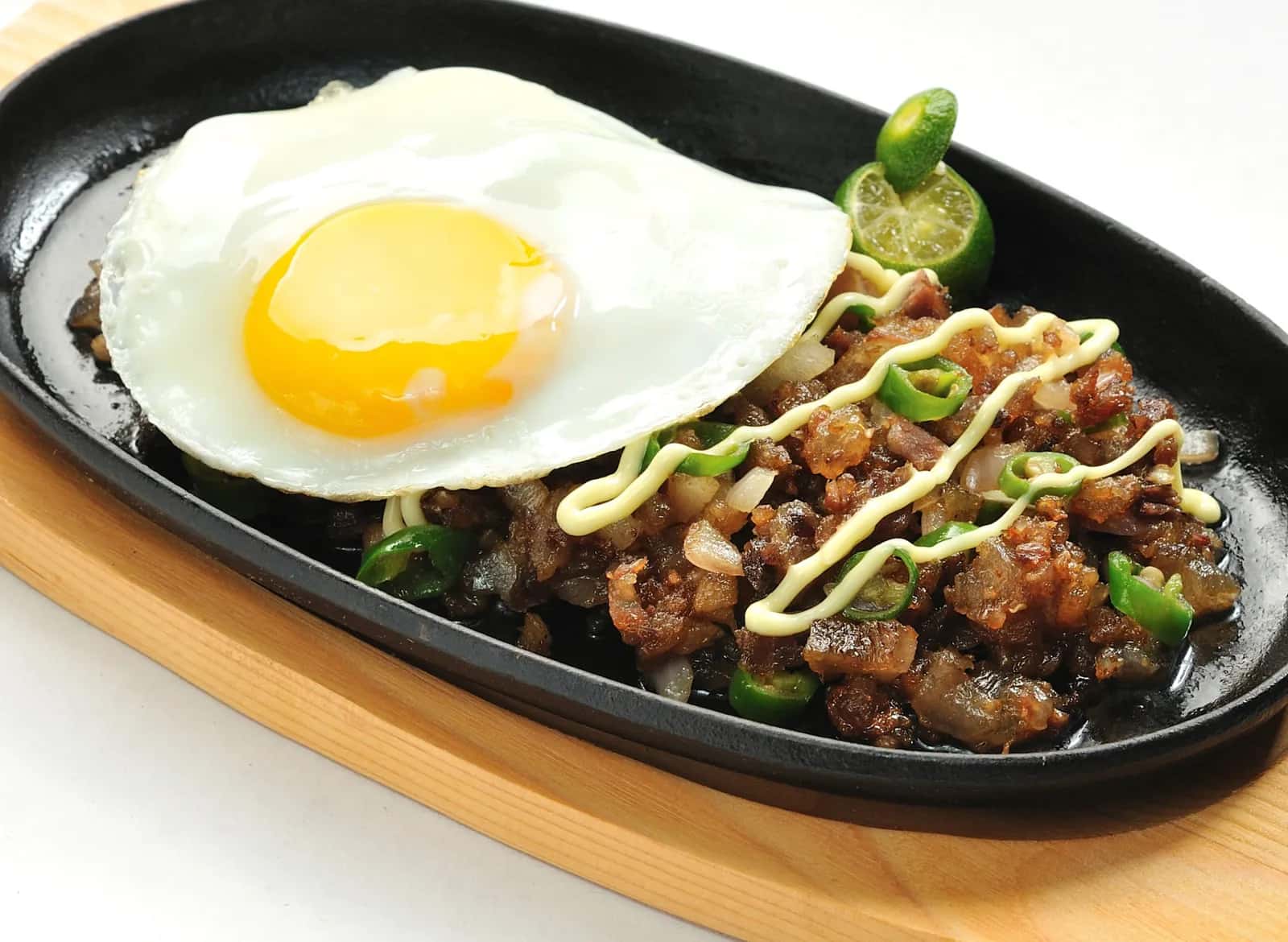
Filipino Restaurant
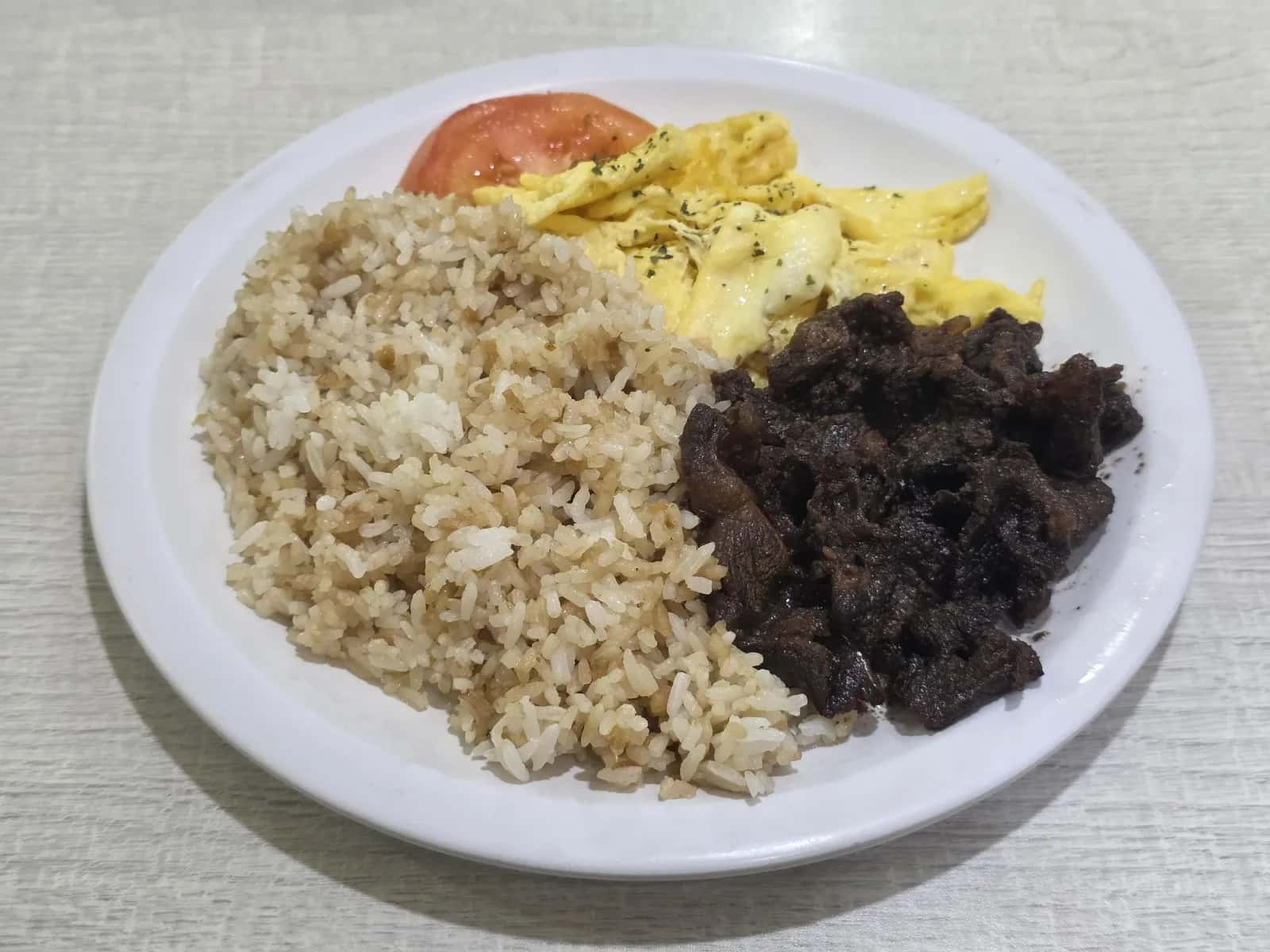
Filipino Restaurant
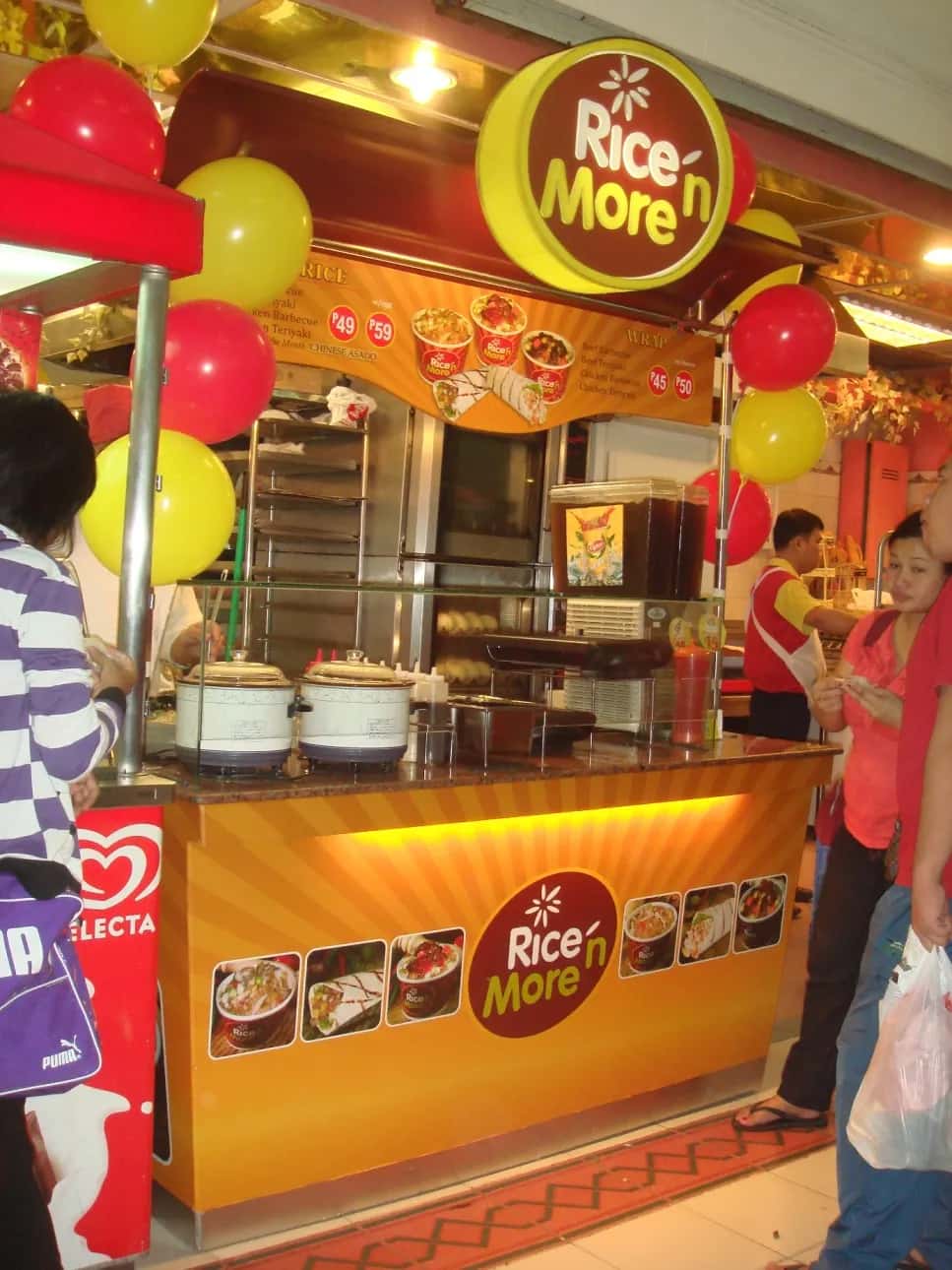
Filipino Restaurant
Compare Filipino restaurant franchises with other industries at the same budget, each with its own brands, fees and investment ranges.
4 brandsFrom ₱150k
Truewin, Keno Lotto Express Outlet, Picturebooks +1 more
See brands
Bread, cakes, and pastry shops.
3 brandsFrom ₱200k
Don Benito's Cassava Cake, Magic Melt, Mrs. Pandesalan
See brands
Coffee, milk tea, and cold drink shops.
3 brandsFrom ₱150k
Barista Choi, Happy Kopi, Tea Generation
See brandsCompare industries by budget, daily work and payback before you choose one, free and with no pressure.

Learn practical inventory control steps for your Philippine franchise to cut waste, prevent loss, and protect your capital.
Aug 14, 2026 6 min read
Learn how non-compete clauses work when exiting a franchise agreement in the Philippines, protecting your investment after closing.
Jul 20, 2026 5 min read

Learn how to secure financing for your Philippine franchise, from preparation to approval. A practical guide for new operators and OFWs.
Jul 20, 2026 5 min read