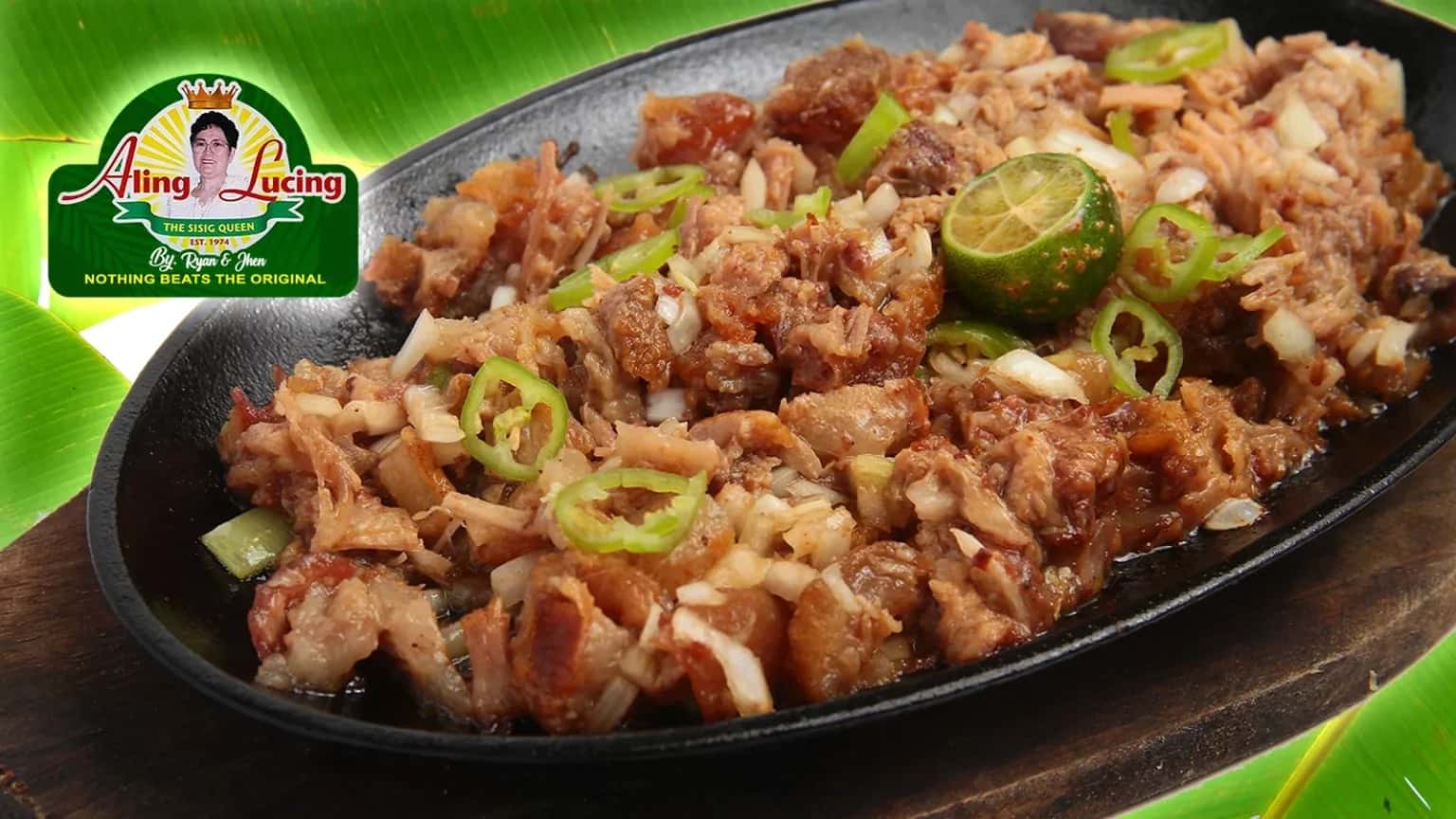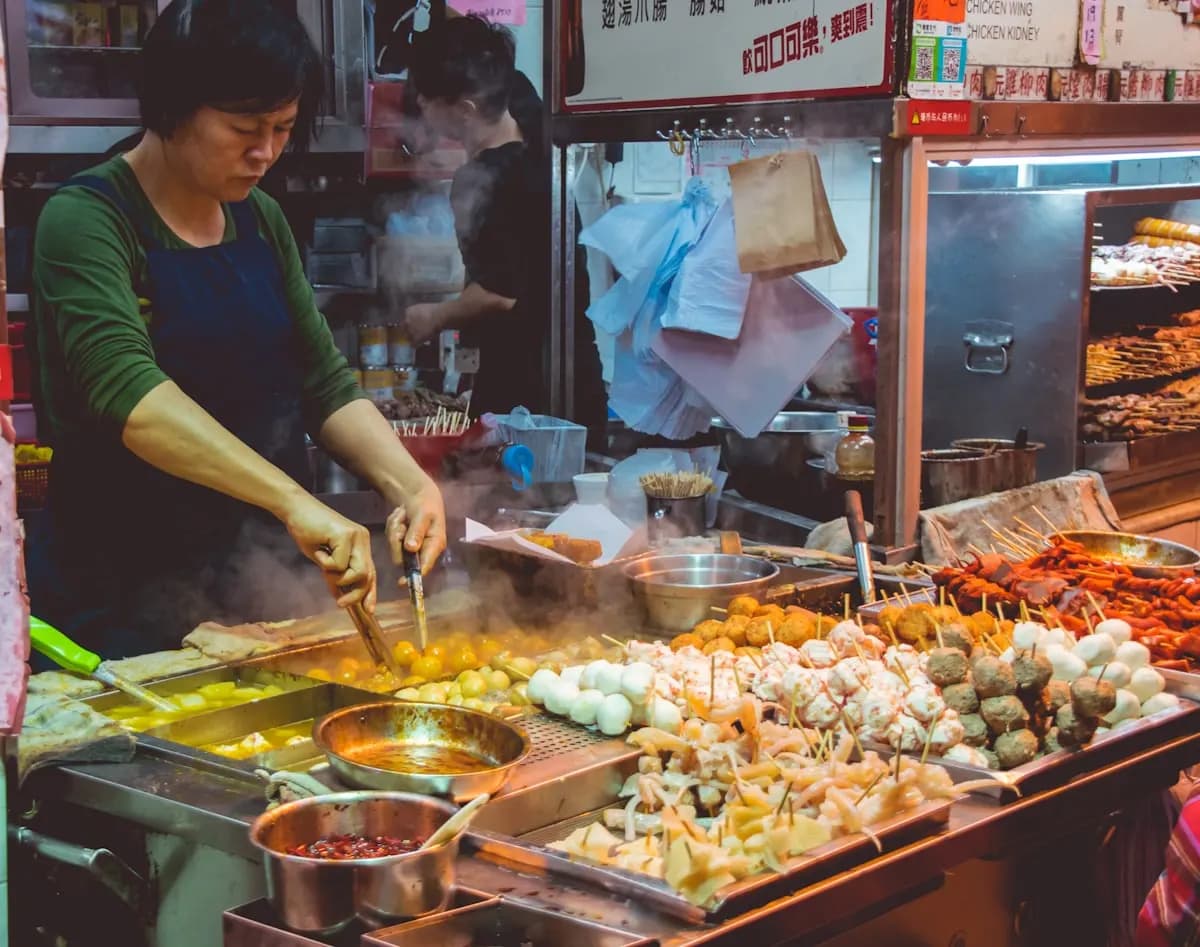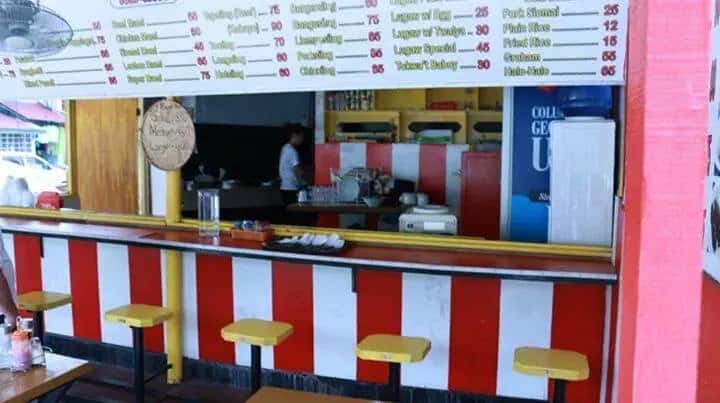
Bitoy Pares and Grill
Filipino Restaurant
- Franchise fee
- ₱25k
- Total investment
- ₱25k–₱75k
🎁 Start Your 1 Month Free Trial of the Full Plan, Exclusively for Brands & Advisors.Get Started
Browse a Filipino restaurant franchise up to ₱100k, with an investment of about ₱75k, a franchise fee of about ₱25k, and paying back in about 6 months.
Updated
Up to ₱100k inside Filipino restaurant franchising buys the leanest format the category has: a food cart or a small kiosk setup, not a storefront or a dining room. Entry at this level runs from around ₱25,000 to ₱75,000, with a franchise fee around ₱25,000 folded into that range. Payback is fast, typically around half a year. The whole setup is built to earn back a small amount of money quickly rather than grow into something bigger right away.
At this level the format is settled before any other decision gets made: a food cart or a kiosk, built to sell a narrow, focused menu like rice meals or one signature dish rather than a full spread. That narrow menu is not a limitation so much as the point. A small setup depends on speed and consistency more than variety. The cart or kiosk itself, along with basic cooking equipment, takes up most of the entry cost. There is little room in the budget for anything beyond the essentials. Someone picturing a sit-down restaurant experience for this money should reset that expectation early, since nothing at this level is built around seating or table service. What this budget buys instead is a working test of the idea: a real menu, sold to real customers, at the lowest possible cost of finding out whether it works in a given spot. It rewards someone willing to stand at the cart or kiosk every day rather than manage it from a distance.
The entry figure at this level, roughly ₱25,000 to ₱75,000, needs to stretch across more than just the cart or kiosk build. It has to cover the first batch of ingredients and packaging. It also has to cover any permits or barangay clearances needed to operate in a chosen spot, plus enough cash on hand to survive a slow first week or two before word gets around. The franchise fee, around ₱25,000, typically buys the recipe, the branding, and some basic training rather than an ongoing marketing budget or a dedicated support team. Anyone budgeting for this level should treat the entry figure as a floor rather than a full picture. Setting aside a little extra beyond it covers the small costs that always show up once a cart is actually parked and selling, from a broken part to a permit renewal nobody planned for.
A setup this size is usually a one-person operation, sometimes with a single helper during a lunch rush, since the volume at this scale does not justify a bigger crew. Daily running costs center on ingredients bought fresh every day or two, a spot with steady foot traffic, and basic upkeep on the cart or kiosk itself. With payback set at around half a year, there is little room to absorb a bad location choice. Picking the spot carefully matters more here than at any bigger budget, since a slow corner cannot be fixed with a bigger marketing push the way a storefront sometimes can. Ingredient waste is another quiet cost at this scale. Buying only what can realistically sell each day keeps the thin margin at this budget from disappearing into spoiled stock.
Before approaching any brand at this level, a specific site should already be in mind rather than a general area, since foot traffic varies block by block at cart and kiosk scale. A rough daily sales target worked out in advance makes it possible to judge honestly, within the first few weeks, whether a location is working or needs to change. Effort matters as much as money here. Someone willing to put in long hours standing at the setup personally will get more out of this budget than someone hoping to hire it out from day one. Growth from this level usually means saving toward a bigger format later, built on what the first cart or kiosk actually proved about demand, rather than assuming a second identical unit is automatically the next step. Keeping a simple daily log of sales and costs from the very first day makes that comparison possible later, instead of relying on memory or a rough guess.
Now that you've seen what's here, a real advisor can help you shortlist and weigh the options against your budget. Free, at your pace.

Financing Readiness · Site Selection

Low-Capital Startups

Franchise Agreements · Multi-Unit Expansion

Low-Capital Startups · Site Selection
Are you a franchise advisor?Get your own workspace here
Compare Filipino restaurant franchises with other food & beverage businesses up to ₱100k, each with its own brands, fees and investment ranges.
Get honest answers on fees, payback and the best setups for your area, free and with no pressure.
Equipment, supplies, training and launch help are typical inside a ₱100k package, but some franchisors also include the outlet build itself, such as a cart, kiosk or counter. That inclusion changes the value dramatically because construction is costly. Ask whether the physical structure is included, what materials it uses and whether it fits the space you have in mind before you commit.
Your budget of ₱100k opens up food carts with 1 franchise and kiosks with 1 in the Filipino restaurant category. Smaller formats usually need less floor area and fewer hands, while larger ones ask for more staff and longer operating hours to pay off. Take a tape measure to the spot you have in mind and note its exact dimensions, then ask each franchisor whether their setup fits that footprint before you go further.
Readiness is the real question, and a ₱100k Filipino restaurant franchise suits you if you have time, savings and a support system at home. Rate yourself honestly on each of those areas, then ask a trusted friend to rate you too. Gaps you both see are worth fixing before investing. A beginner who prepares in those areas starts on much firmer ground than one who hopes the details will sort themselves out.
Setting a ceiling on borrowing makes raising ₱100k for a Filipino restaurant franchise less stressful. Without a limit, it is easy to keep adding another loan as costs creep up. Decide the maximum monthly repayment your household can carry, and turn down any extra financing that would push you past it. A firm limit also keeps the business from starting under more pressure than it can handle, and it gives you a clear answer when a lender offers more.
Holding costs before launch are part of what you budget beyond ₱100k. Between signing and opening you may pay rent, utilities, storage for equipment and staff training, all with no sales coming in. Ask the franchisor for a realistic opening timeline from contract to launch day, and multiply your fixed monthly costs across that period to see what waiting truly costs you.
Compare how many Filipino restaurant franchises start at each budget level, from the smallest packages up.
Filipino Restaurant franchises priced close to your budget, worth a look if you can stretch your savings or want to spend less.
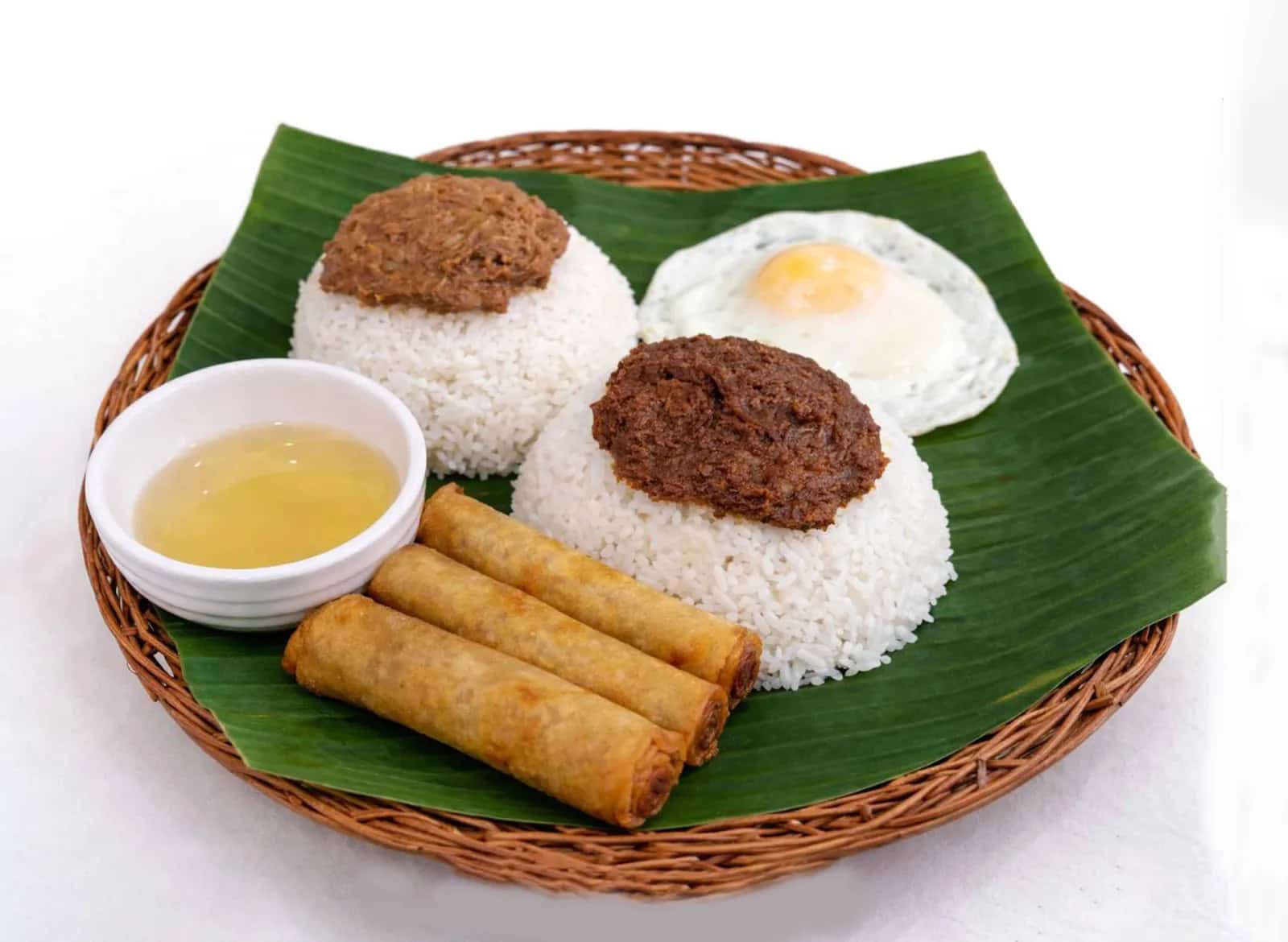
Filipino Restaurant
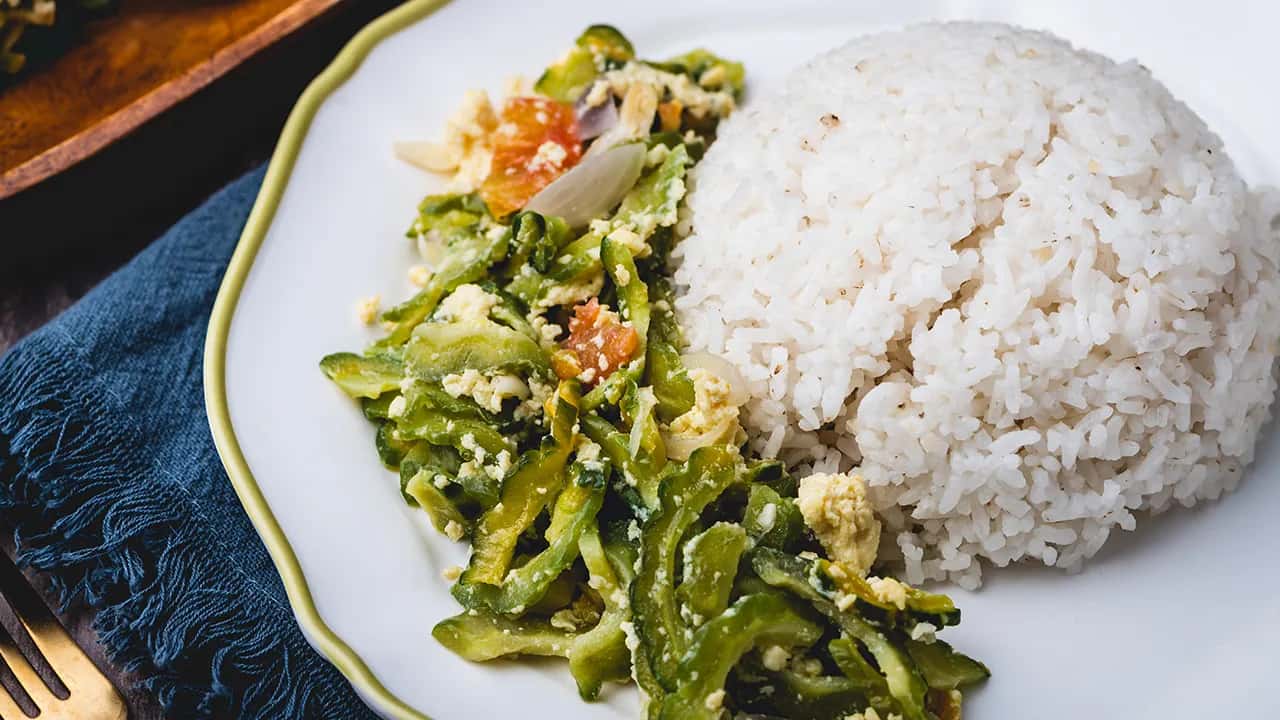
Filipino Restaurant
Filipino Restaurant
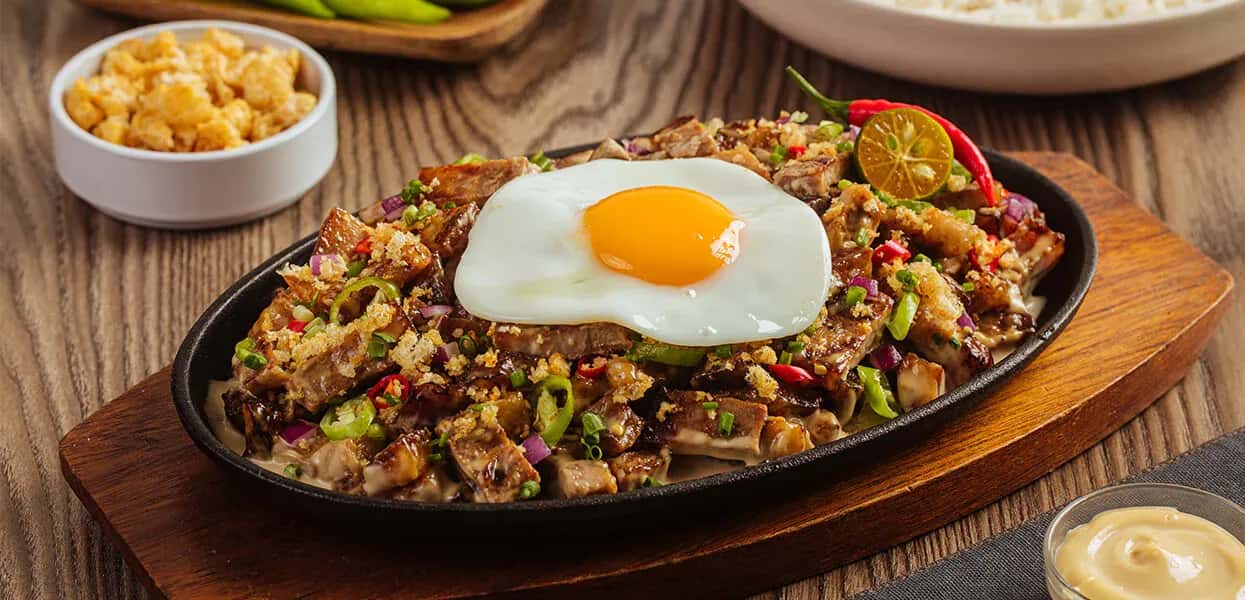
Filipino Restaurant

Filipino Restaurant
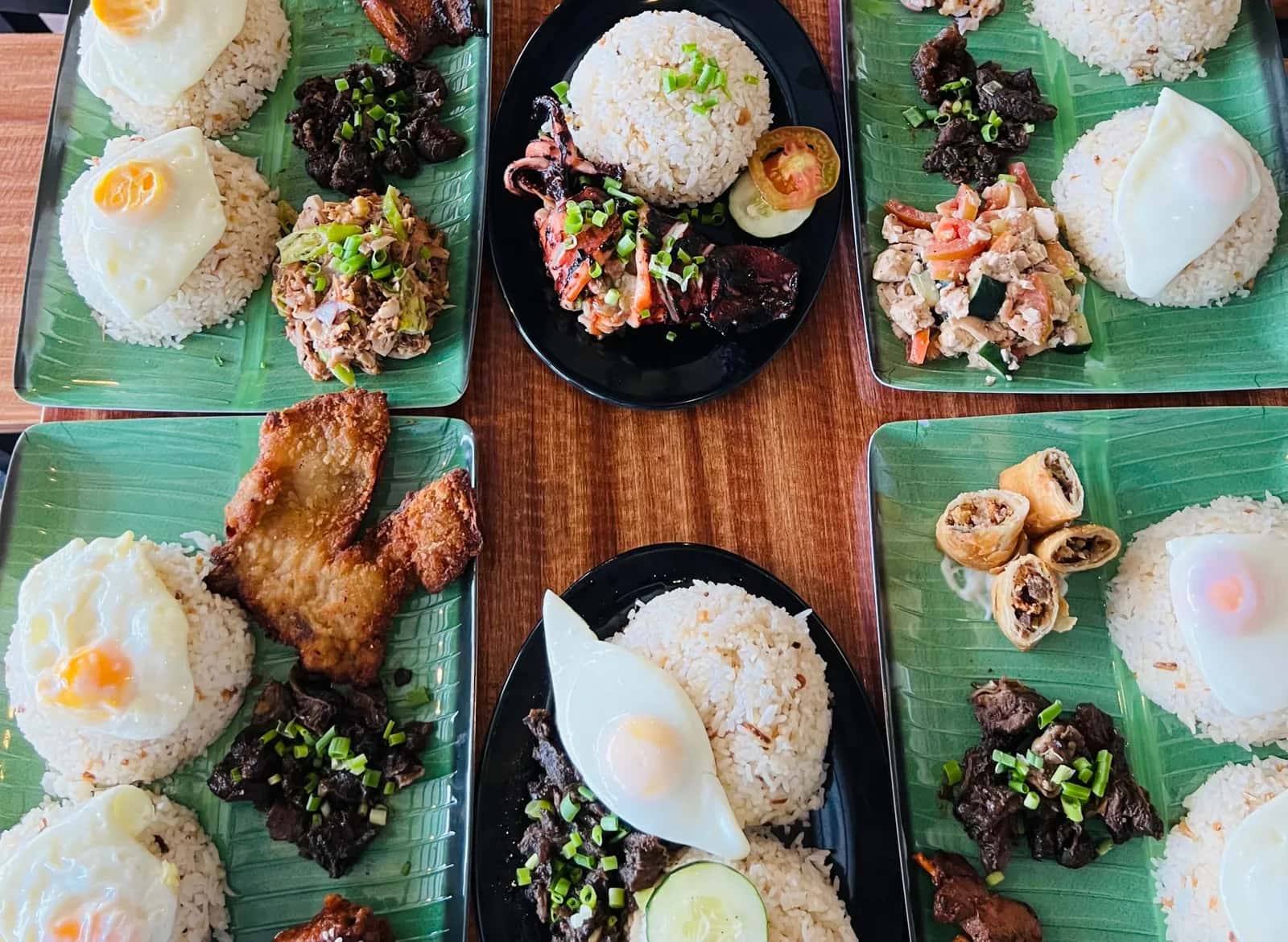
Filipino Restaurant
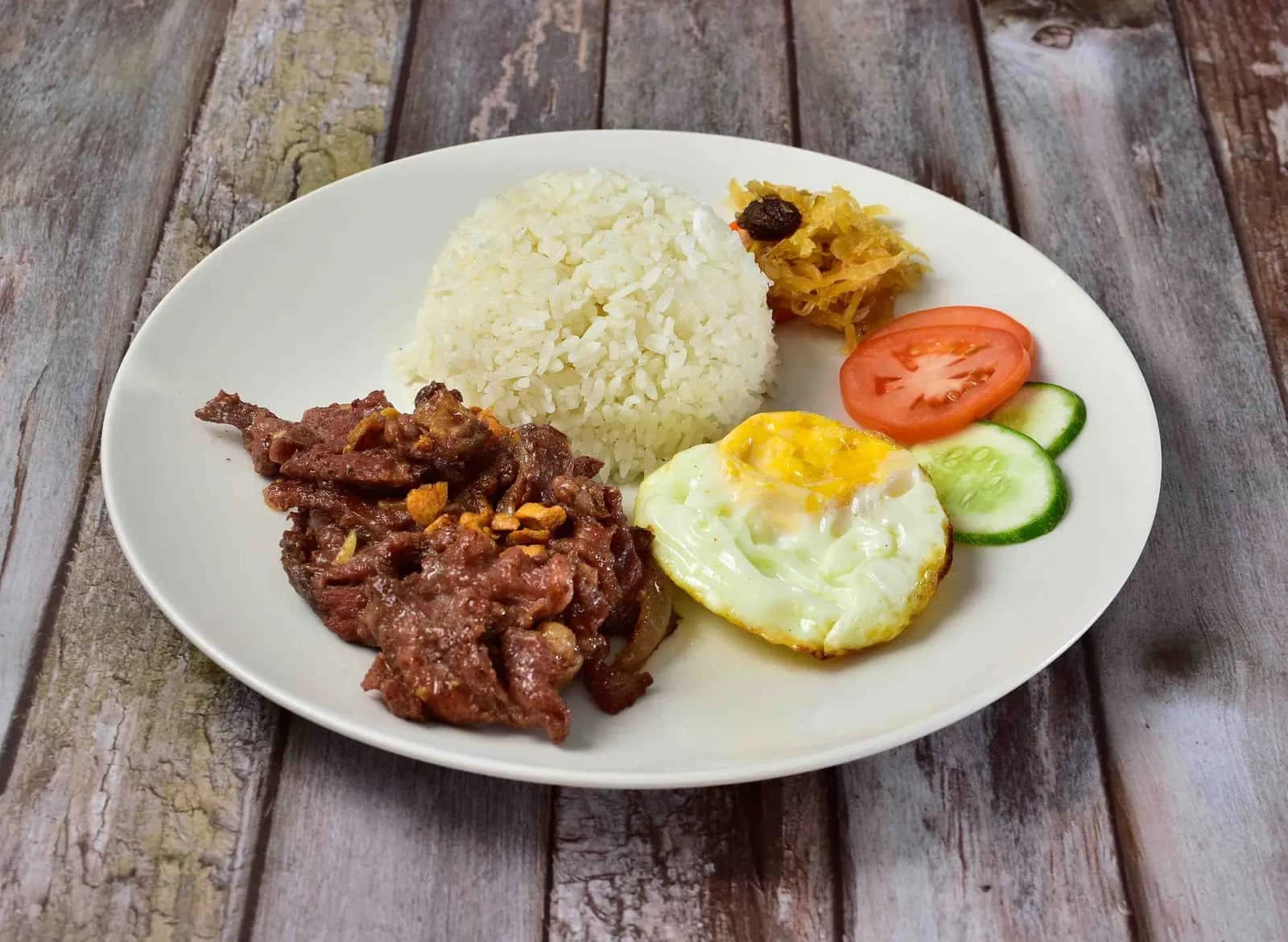
Filipino Restaurant
Filipino Restaurant
Compare Filipino restaurant franchises with other industries at the same budget, each with its own brands, fees and investment ranges.
Compare industries by budget, daily work and payback before you choose one, free and with no pressure.

Learn practical inventory control steps for your Philippine franchise to cut waste, prevent loss, and protect your capital.
Aug 14, 2026 6 min read
Learn how non-compete clauses work when exiting a franchise agreement in the Philippines, protecting your investment after closing.
Jul 20, 2026 5 min read

Learn how to secure financing for your Philippine franchise, from preparation to approval. A practical guide for new operators and OFWs.
Jul 20, 2026 5 min read