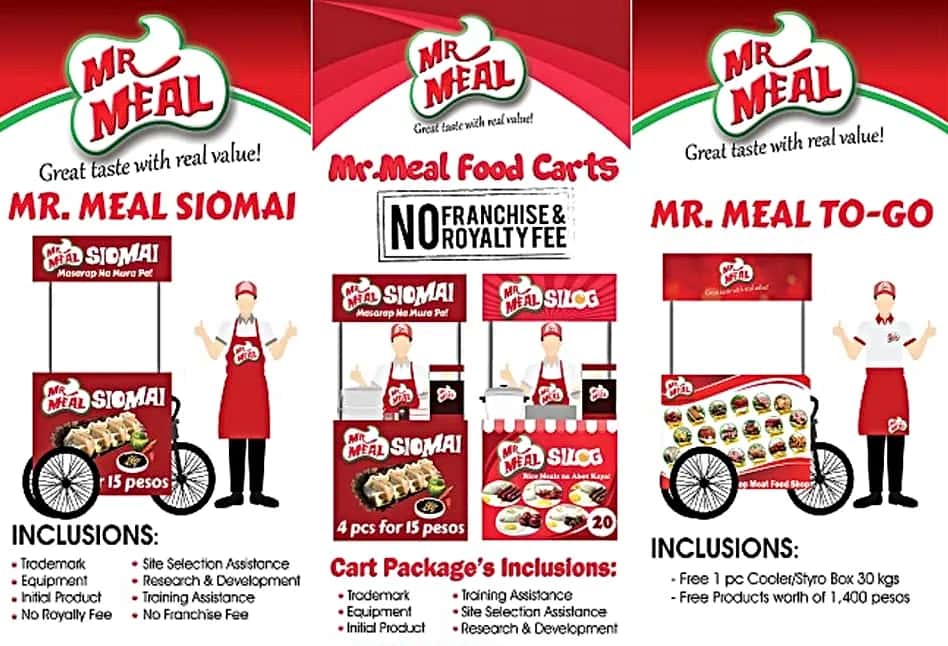
Mr. Meal
Packaged Snacks
- Franchise fee
- ₱30k
- Total investment
- ₱35k–₱75k
🎁 Start Your 1 Month Free Trial of the Full Plan, Exclusively for Brands & Advisors.Get Started
Browse a packaged snack franchise up to ₱100k, with an investment of about ₱75k, a franchise fee of about ₱30k, and paying back in about 6 months.
Updated
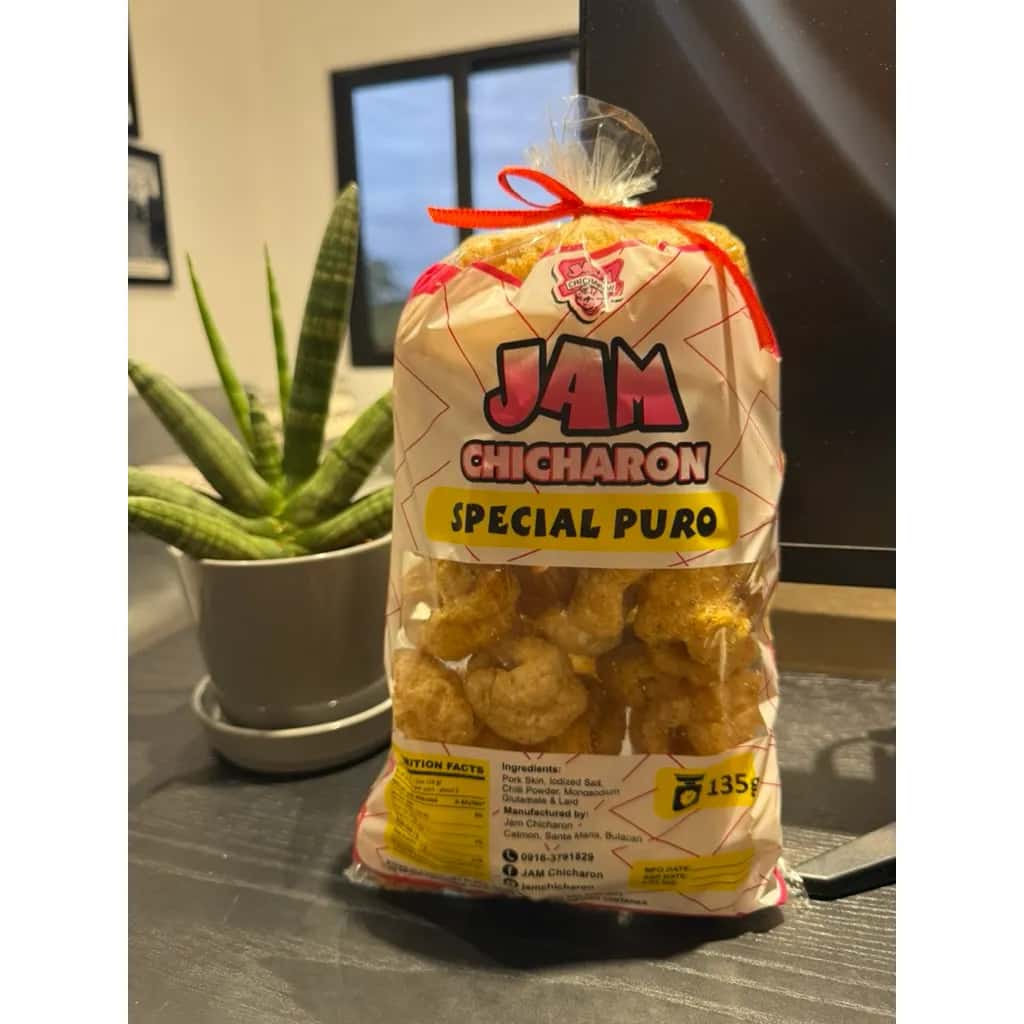
At ₱100,000 or under, a packaged snacks franchise means one format: a food cart. Investment runs from around ₱35,000 to ₱75,000, with a franchise fee near ₱30,000 sitting inside that money. Payback is quick, typically around six months. This is about as small an entry as food franchising gets, built for someone who wants to test running a business without a large amount of capital at risk.
A food cart at this budget is a simple, mobile setup rather than a fixed retail space. It typically holds the packaged product on display, a small counter for handling money and bagging orders, and enough storage underneath or behind it to keep stock ready through the day. There is no cooking involved in most cases, since the product is pre-made and often just needs bagging, weighing, or light packaging on site. That simplicity is the whole appeal at this money. Fit-out costs stay low because there is no kitchen, no seating, and no need for a large footprint. A cart can be placed at a market, a transport terminal, outside a school, or along a busy sidewalk, wherever foot traffic already exists, rather than needing a leased storefront to draw people in. Someone choosing this format should focus spending on a cart that looks clean and well stocked, since presentation does most of the selling work at this scale.
Almost the entire investment at this level sits inside a narrow span between ₱35,000 and ₱75,000, with the franchise fee near ₱30,000 forming the bulk of it. That fee typically buys the recipe or product specification, basic training, and the right to use the brand's name and packaging. The rest covers the cart itself, initial stock, and small equipment like scales or sealing tools. There is little room in this budget for extras, so most of the money goes directly into things that generate sales: the cart, the first batch of product, and enough packaging to sell it properly. Working capital needs are modest compared to a larger food business, since packaged snacks do not spoil quickly and do not need daily fresh deliveries. Even so, it helps to hold back a small buffer for slower days rather than spending every peso on the initial setup. Even a fast payback assumes steady sales from close to the first week.
A food cart at this budget can be run by one person, often the owner, without needing hired staff at all. That keeps ongoing costs close to the price of stock and a spot to sell from, rather than payroll. The daily routine is straightforward: restocking the cart each morning, keeping the display neat through the day, and counting cash at close. Because the product does not spoil quickly, there is little pressure to sell everything the same day, which lowers the stress of a slow afternoon compared to a business selling fresh food. The main ongoing cost beyond stock is the spot itself. A good location, whether a market stall fee, a spot near a terminal, or a corner with steady foot traffic, usually costs something and directly affects how much the cart sells. Choosing that spot carefully matters more to the outcome here than anything else in the daily routine.
Before committing at this money, it helps to have a location already in mind, since a food cart with nowhere reliable to stand does not sell. Ask what training actually covers, since a fee this size may leave a first-timer to work out pricing, stock rotation, and cart setup mostly alone. It is also worth understanding exactly what the fee includes and what has to be bought separately. A cart, initial stock, and a permit for the chosen spot can add up faster than the headline investment figure suggests. This entry point works best as a real test of running a small business, not as a guaranteed formula. Treating the first few months as a learning period, rather than expecting immediate profit, sets a more realistic bar. Someone who spends the first month simply learning how fast stock actually moves at their chosen spot ends up making better decisions about how much to reorder each week after that.
Now that you've seen what's here, a real advisor can help you shortlist and weigh the options against your budget. Free, at your pace.

Financing Readiness · Site Selection

Franchise Agreements · Multi-Unit Expansion

Low-Capital Startups

Low-Capital Startups · Site Selection
Are you a franchise advisor?Get your own workspace here
Compare packaged snack franchises with other food & beverage businesses up to ₱100k, each with its own brands, fees and investment ranges.
Get honest answers on fees, payback and the best setups for your area, free and with no pressure.
Comparing packaged snack franchises at ₱100k, you will see food carts with 1 franchise. Setups that look similar in price can differ widely in what you get, so laying them out together helps a lot. Line up the listings for each format and note the investment, inclusions and space needed in a simple table, then cross out any option that fails on a point that truly matters to you.
Coverage for business interruption is worth pricing alongside ₱100k, especially if a fire, flood or typhoon could close your outlet for weeks. Basic property insurance replaces damaged items, but it may not cover the rent and wages you still owe while closed. Ask an insurance agent to explain what each policy covers in plain terms, and match the coverage to the risks that actually threaten your space.
Running an outlet can be physically demanding, so a ₱100k packaged snack franchise suits first-timers who have honestly checked their own energy and health. Long hours and early mornings are common in many franchises. Consider your health, your energy after work and any caregiving duties you already carry. A business that wears you out quickly is hard to run well, so plan for rest and backup help from the start.
Pausing a big purchase you were planning can free up a large part of ₱100k for a packaged snack franchise. A new phone, car upgrade or home renovation may be able to wait while the business gets started. Look at upcoming plans, decide which can be postponed, and redirect that budget into your franchise fund so the money works toward your goal. Delaying a want for a while can bring you much closer to owning a working business.
Every franchisor packages ₱100k a little differently, so the honest answer is that inclusions range from a bare franchise fee to a nearly complete setup. Some offers cover equipment, signage, training and stock, while others leave several of those to you. When you meet a franchisor, ask them plainly what you would still need to spend to open the doors, and write their answer down so you can hold them to it.
Compare how many packaged snack franchises start at each budget level, from the smallest packages up.
Packaged Snack franchises priced close to your budget, worth a look if you can stretch your savings or want to spend less.
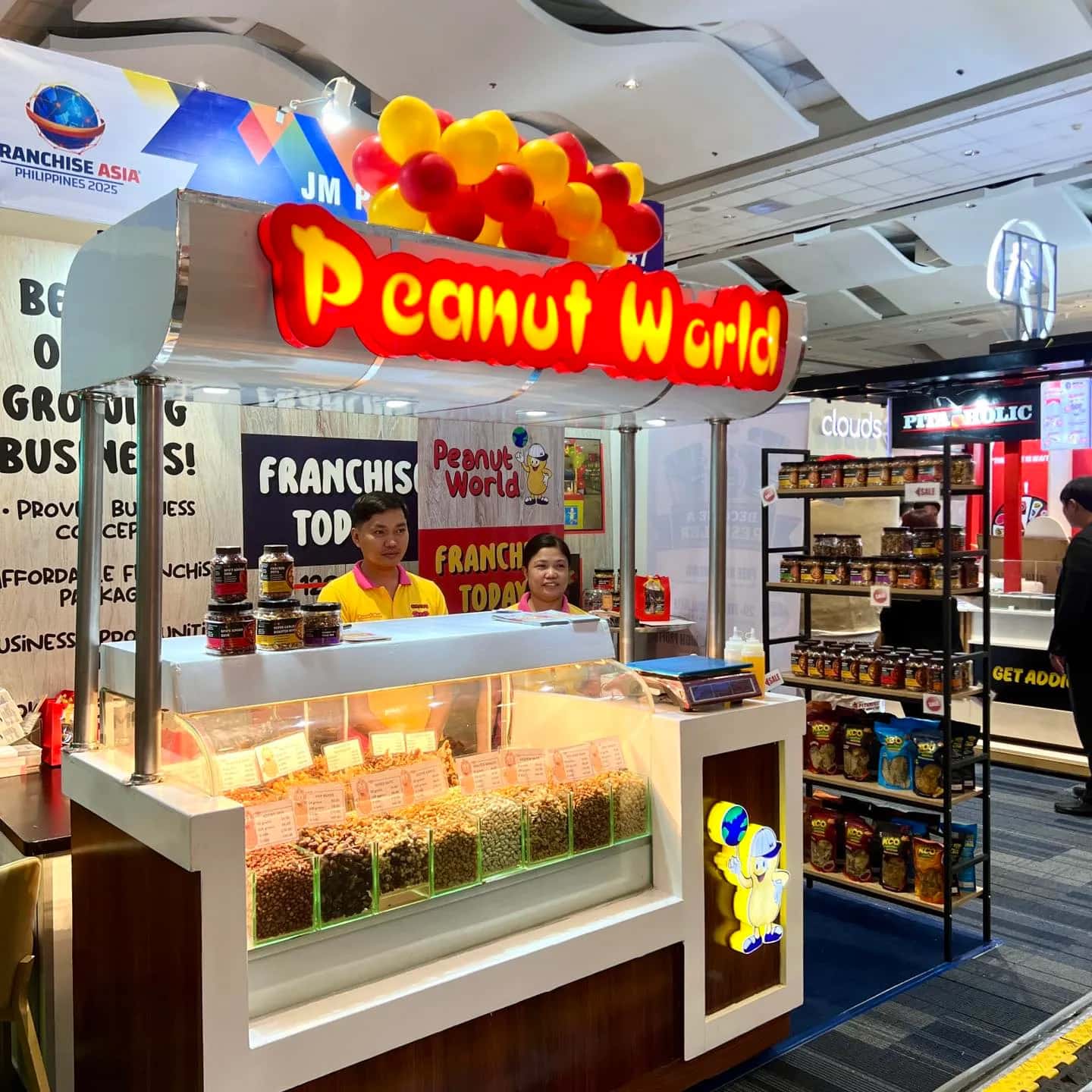
Packaged Snacks
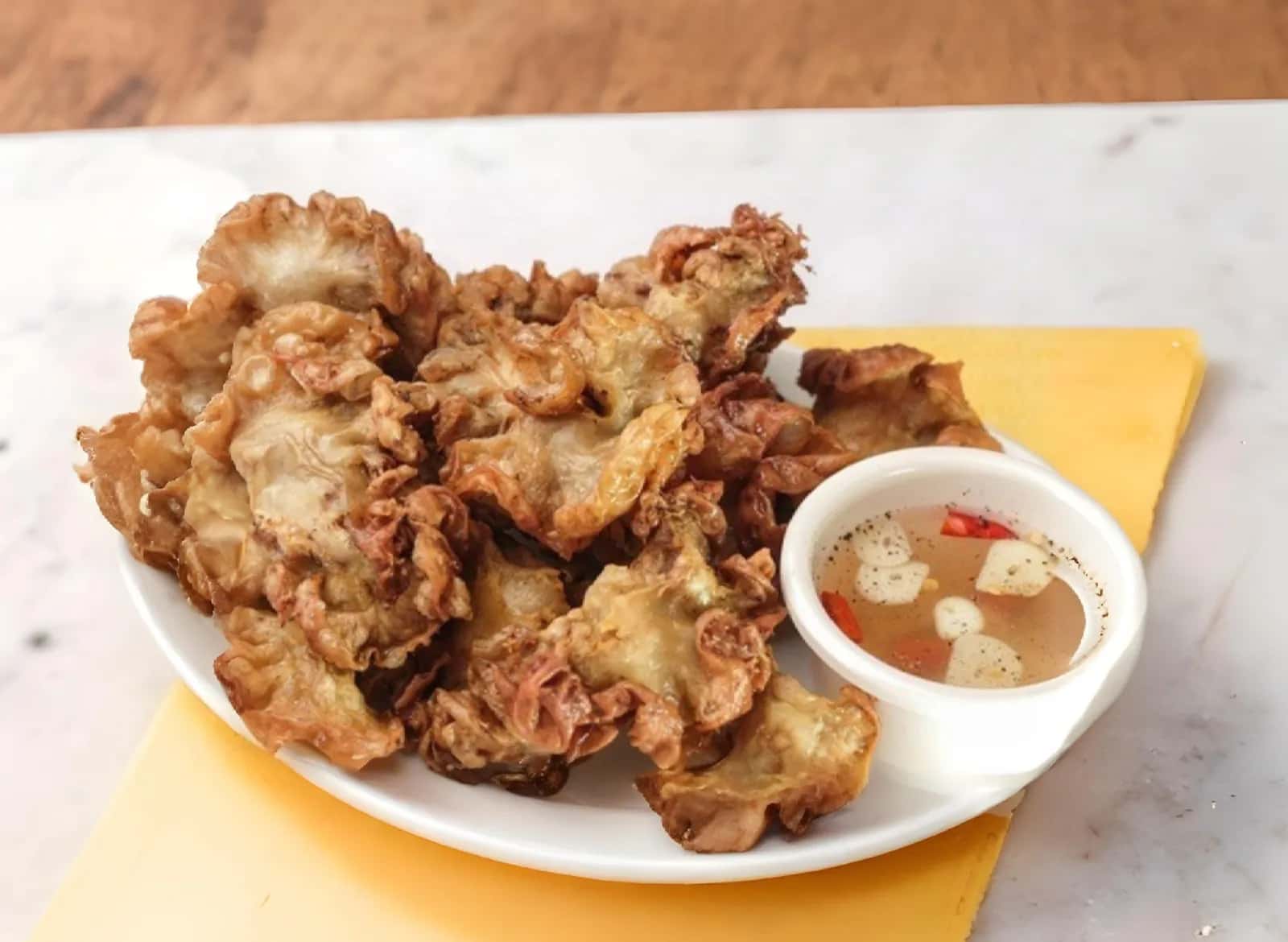
Packaged Snacks
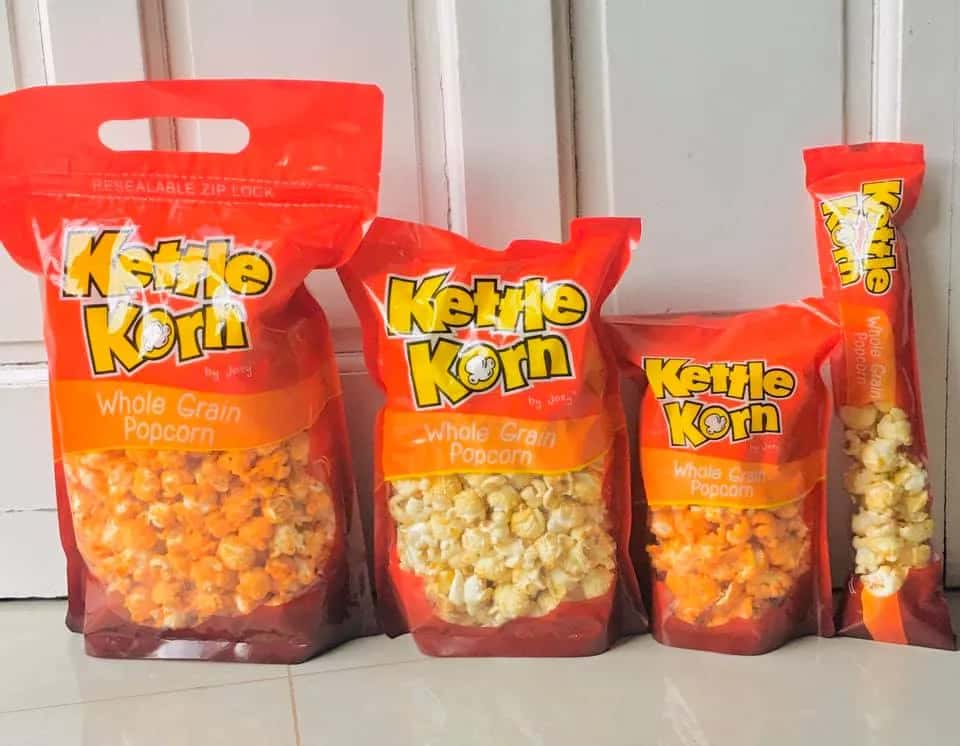
Packaged Snacks
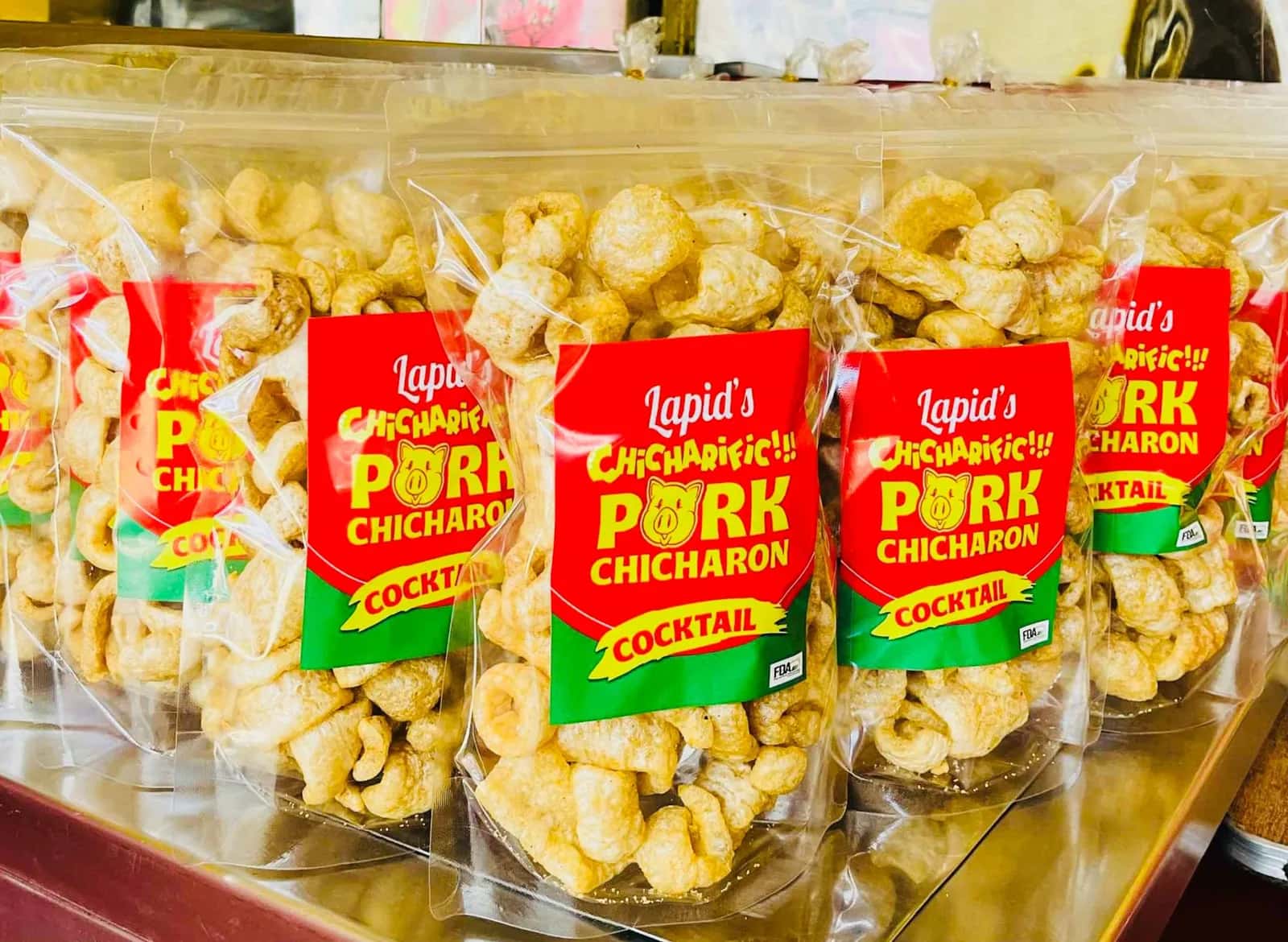
Packaged Snacks
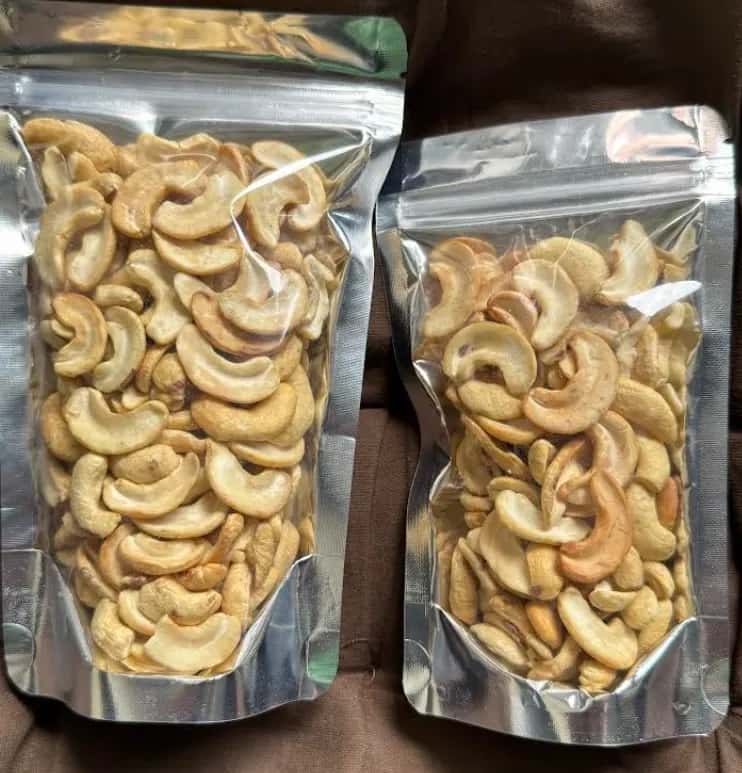
Packaged Snacks
Packaged Snacks

Packaged Snacks
Packaged Snacks
Compare packaged snack franchises with other industries at the same budget, each with its own brands, fees and investment ranges.
Compare industries by budget, daily work and payback before you choose one, free and with no pressure.

Learn practical inventory control steps for your Philippine franchise to cut waste, prevent loss, and protect your capital.
Aug 14, 2026 6 min read
Learn how non-compete clauses work when exiting a franchise agreement in the Philippines, protecting your investment after closing.
Jul 20, 2026 5 min read

Learn how to secure financing for your Philippine franchise, from preparation to approval. A practical guide for new operators and OFWs.
Jul 20, 2026 5 min read