Dimsum Empire
Siomai & Dimsum
- Franchise fee
- ₱35k
- Total investment
- ₱45k–₱75k
🎁 Start Your 1 Month Free Trial of the Full Plan, Exclusively for Brands & Advisors.Get Started
Browse 3 siomai & dimsum franchises up to ₱100k, with investments from ₱60k to ₱75k, franchise fees mostly between ₱25k and ₱35k, and most paying back in 4 to 6 months.
Updated
Siomai & Dimsum
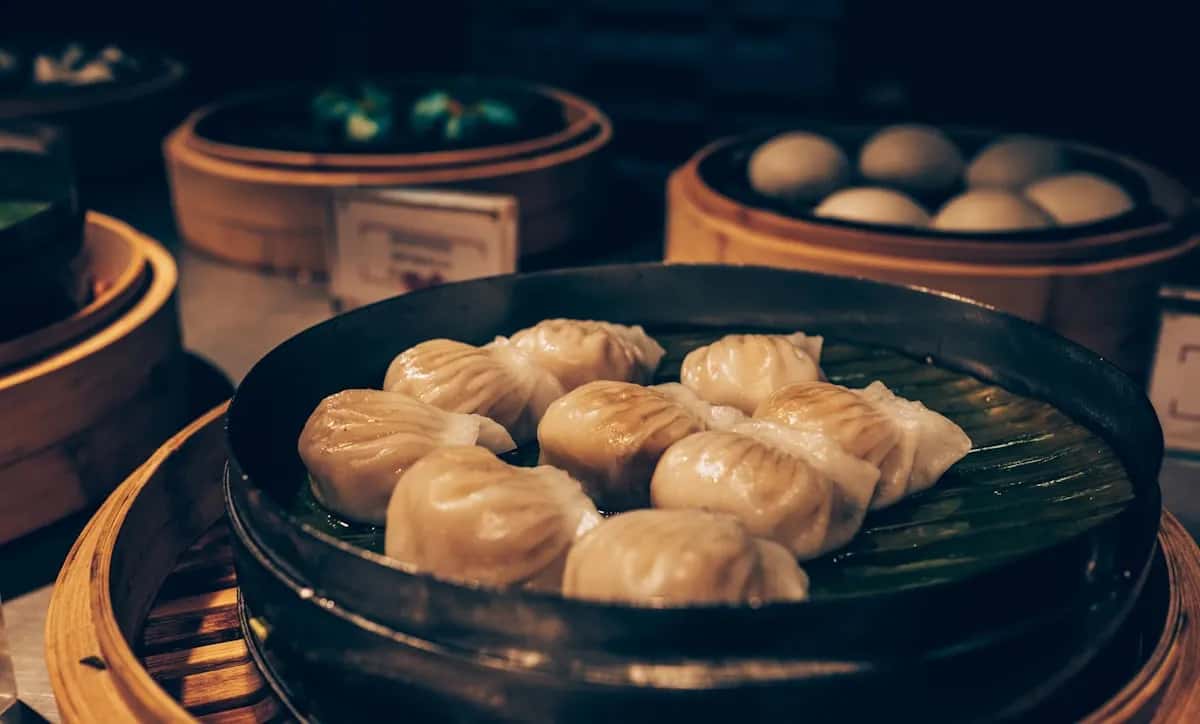
Siomai & Dimsum
Siomai & Dimsum
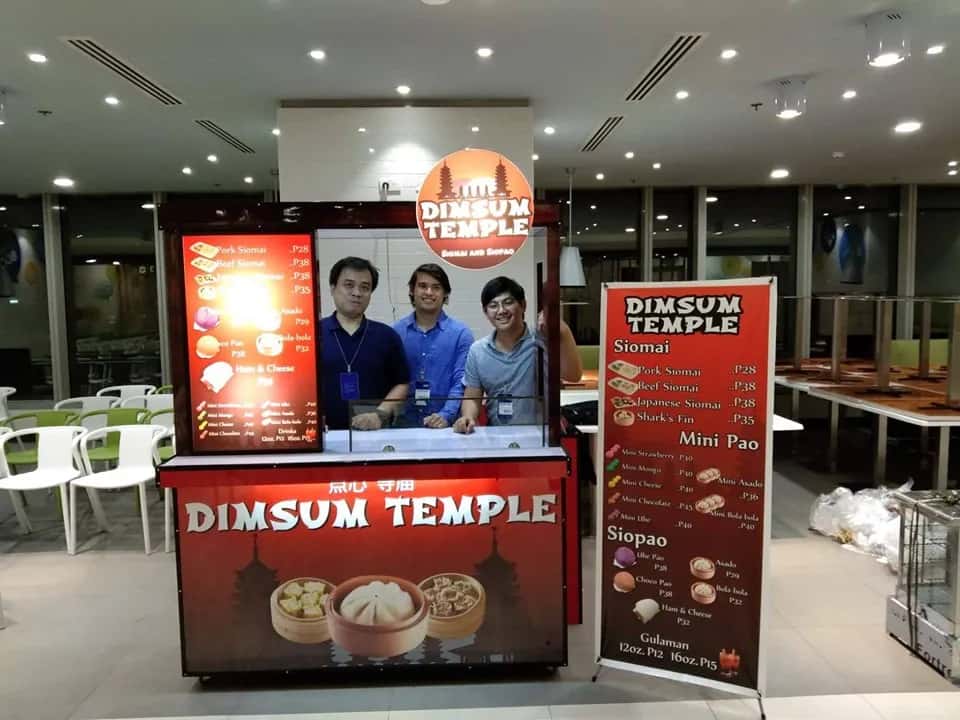
At this budget, siomai and dimsum packages sit between about ₱25,000 and ₱75,000. The fee that comes out of that spend runs from roughly ₱25,000 to ₱35,000, whichever package gets picked. Every package on offer here runs as a food cart, and part of the lineup can also work as a kiosk for a bit more. Reported payback lands between four and six months, which is fast for a food business and reflects how little is being risked at this scale. This is entry-level territory: a stand meant to prove the idea before any bigger commitment follows, and it rewards someone who wants proof before spending more.
A cart is the baseline format at this level, and it is what the money is really built around: a mobile or semi-fixed setup with a steamer, a small prep area, and enough stock to run a shift. Part of the lineup at this price also opens the door to a kiosk footprint for a bit more of the budget, which trades some mobility for a fixed spot and steadier foot traffic. Neither format includes a dining area or seating, since the whole point of this scale is a grab-and-go product sold fast rather than a sit-down experience. A franchisee should not expect a storefront presence at this budget. What gets bought here is the right to trade the recipe and brand from a small, movable footprint, with everything beyond that, staff, a bigger space, seating, sitting well above what this budget covers.
The spread between ₱25,000 and ₱75,000 mostly comes down to format and buildout quality rather than anything the brand changes about its fee. Package fees stay close to ₱25,000 to ₱35,000 no matter the choice made. That narrow range suggests the brand's own cut stays fairly fixed, while the cart or kiosk construction accounts for most of the rest of the difference. Reported payback of four to six months is quick. That matters at this budget because there is little room for a slow first quarter before the numbers stop working. A franchisee choosing the lower end should expect a simpler cart with fewer extras. The higher end likely buys a sturdier build or the kiosk option with its steadier foot traffic. Either way, the fee stays a similar share of the total spend, so the real choice at this budget is how much to put into the physical setup rather than into the brand's fee.
With the packages at this budget priced so close together, the useful diligence is less about comparing fees and more about understanding exactly what the cart or kiosk build includes for the price quoted. Ask what happens if the reported four to six month payback does not hold, since a stand this size has little cushion for a slow start. Confirm whether the kiosk option, where offered, comes with any ongoing rental cost beyond the fee, since a fixed spot usually means a separate arrangement with whoever controls that location. It is also worth asking how much working capital beyond the sticker price is expected for the first month of stock and any permits. A franchisee who arrives at opening day having spent the full budget on the cart itself, with nothing left for ingredients, is starting behind before the first sale.
At this scale, the operator is the business. A cart or kiosk priced in this range is not sized to carry paid help from day one, so whoever holds the package should plan to prep, cook, and serve most shifts personally until volume justifies bringing someone else in. The work itself stays simple by design: steam or fry in batches, hold the product at the right temperature, and restock through the day rather than cooking to order each time. That rhythm is what makes the four to six month payback realistic, since the format keeps costs low and the product moves fast once a routine is established. The tradeoff is that earnings are capped by the hours one person can physically work the stand, so growth beyond this budget usually means adding a second stand rather than expanding the first one indefinitely.
Now that you've seen what's here, a real advisor can help you shortlist and weigh the options against your budget. Free, at your pace.

Financing Readiness · Site Selection

Low-Capital Startups · Site Selection

Franchise Agreements · Multi-Unit Expansion

Low-Capital Startups
Are you a franchise advisor?Get your own workspace here
Compare siomai & dimsum franchises with other food & beverage businesses up to ₱100k, each with its own brands, fees and investment ranges.
Get honest answers on fees, payback and the best setups for your area, free and with no pressure.
Thinking ahead, three siomai & dimsum franchises sit between ₱50k and ₱100k, the group ₱100k lets you choose from. Because the group is broad, narrow it by looking at what each package includes. Ask every franchisor for an itemized list and compare equipment, stock and training line by line. The options that include the most for the same price give you the strongest start, while those that leave out basics should move down. Keep notes so you can compare the lists fairly.
Treat the package price as only a starting point, since the real sum to gather for a siomai & dimsum franchise may exceed ₱100k. Deposits on rent, fit-out, permits and opening stock frequently fall outside it. Request a written breakdown of what is included, then add every missing item to your target and match each portion with savings, family help or a loan. Finally, test whether repayments on any borrowed portion could be met from a careful estimate of early sales.
There is a real chance ₱100k works if you can reuse an existing space instead of building from scratch. The three siomai & dimsum franchises listed between ₱50k and ₱100k may have rules about layout and materials, but some allow you to adapt a unit that already has plumbing, lighting or a storefront. Ask the franchisor how flexible they are on fit out, and show them the space before you commit, since reusing what is there can save a lot.
For OFWs sending money home, a ₱100k siomai & dimsum franchise can be a meaningful first business when the funding plan is clear. Decide in advance whether remittances will fund only the opening or also cover early operating costs. Agree with your family on who signs documents and who can withdraw money. Clear roles prevent misunderstandings while you are working abroad and cannot step in quickly.
Franchisors of siomai & dimsum franchises at ₱100k commonly ask for a franchise fee in the ₱25k to ₱35k range. Some include help with choosing and assessing your location as part of that fee, while others leave site hunting entirely to you. Since a poor location is hard to recover from, ask whether site evaluation is included and who has the final say on approving the spot before you sign anything.
Equipment, supplies, training and launch help are typical inside a ₱100k package, but some franchisors also include the outlet build itself, such as a cart, kiosk or counter. That inclusion changes the value dramatically because construction is costly. Ask whether the physical structure is included, what materials it uses and whether it fits the space you have in mind before you commit.
Flexibility in operation differs between food carts with 3 franchises and kiosks with 1, the setups for a siomai & dimsum franchise at ₱100k. Some formats can adjust their hours or crew size as the season or the day changes, while others run on a fixed pattern. If your spot has uneven traffic, favor a setup that lets you scale staff up and down easily, and ask current operators how often they adjust their schedules.
Franchisor estimates say about 4 to 6 months for a ₱100k siomai & dimsum franchise to pay for itself, provided nothing major goes wrong along the way. A slow start is the most common thing that goes wrong, so keep a cash cushion that covers several months of rent, wages and supplies. Without it, a few weak months can force you to dip into the money meant for recovery and push the payback date further out.
If some of your supplies are imported, budget beyond ₱100k for price changes that follow the exchange rate. Imported ingredients, parts or materials can cost more when the peso weakens, and franchisors may adjust their supply prices accordingly. Ask which supplies depend on imports, and keep a modest cushion in your stock budget so a weaker peso does not wipe out your margin for the month.
If you are in Alaminos, Angeles and Antipolo, you are where these siomai & dimsum franchises are most common, and if you are elsewhere, two franchisors at ₱100k still accept franchisees nationwide. Either way, it pays to ask whether the franchisor has a waiting list in your city. Some areas have applicants who reserved a slot but have not opened yet, and that slot may block yours. Ask how long a reservation stays valid and what happens when it lapses.
Compare how many siomai & dimsum franchises start at each budget level, from the smallest packages up.
Siomai & Dimsum franchises priced close to your budget, worth a look if you can stretch your savings or want to spend less.
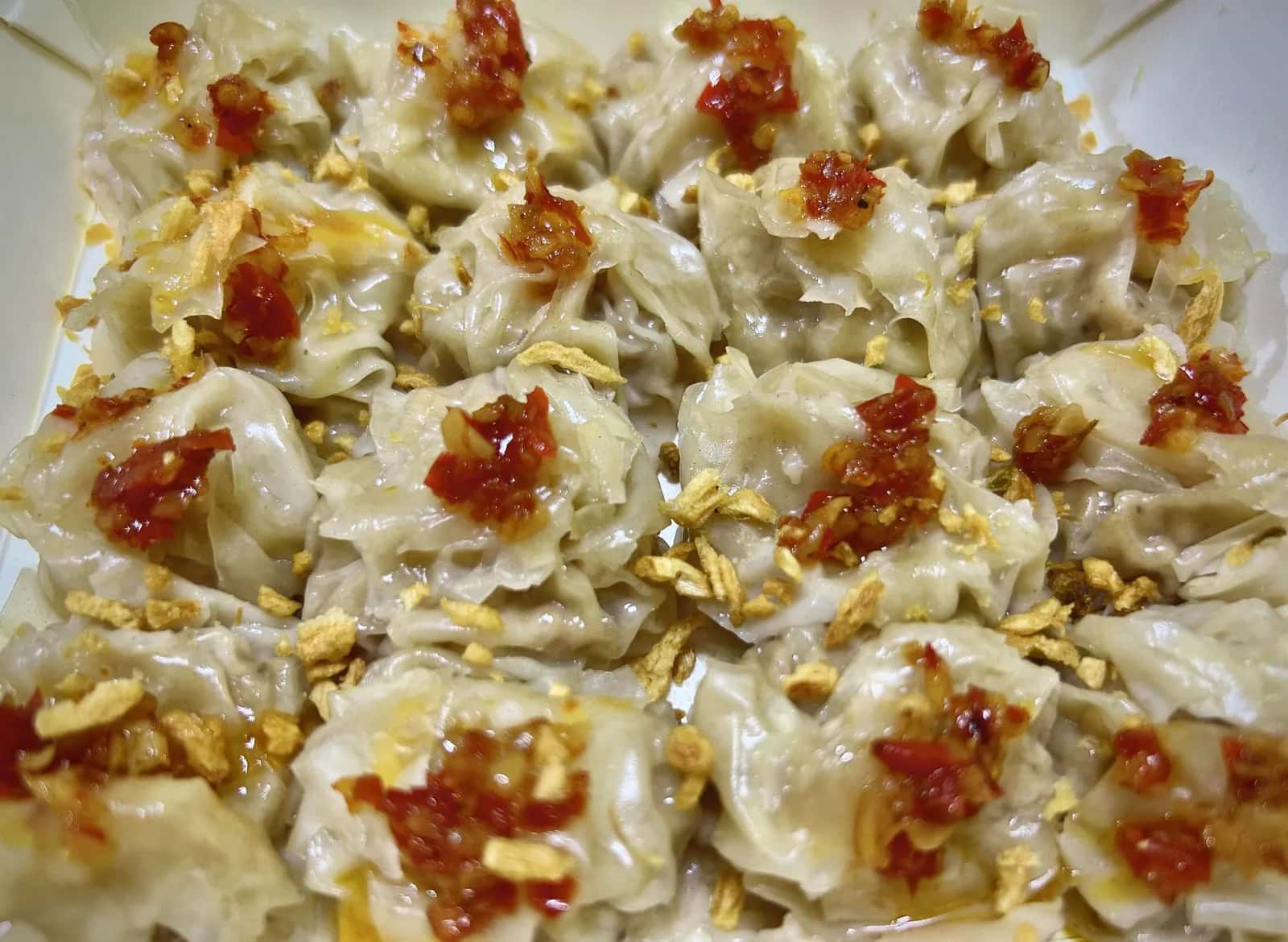
Siomai & Dimsum
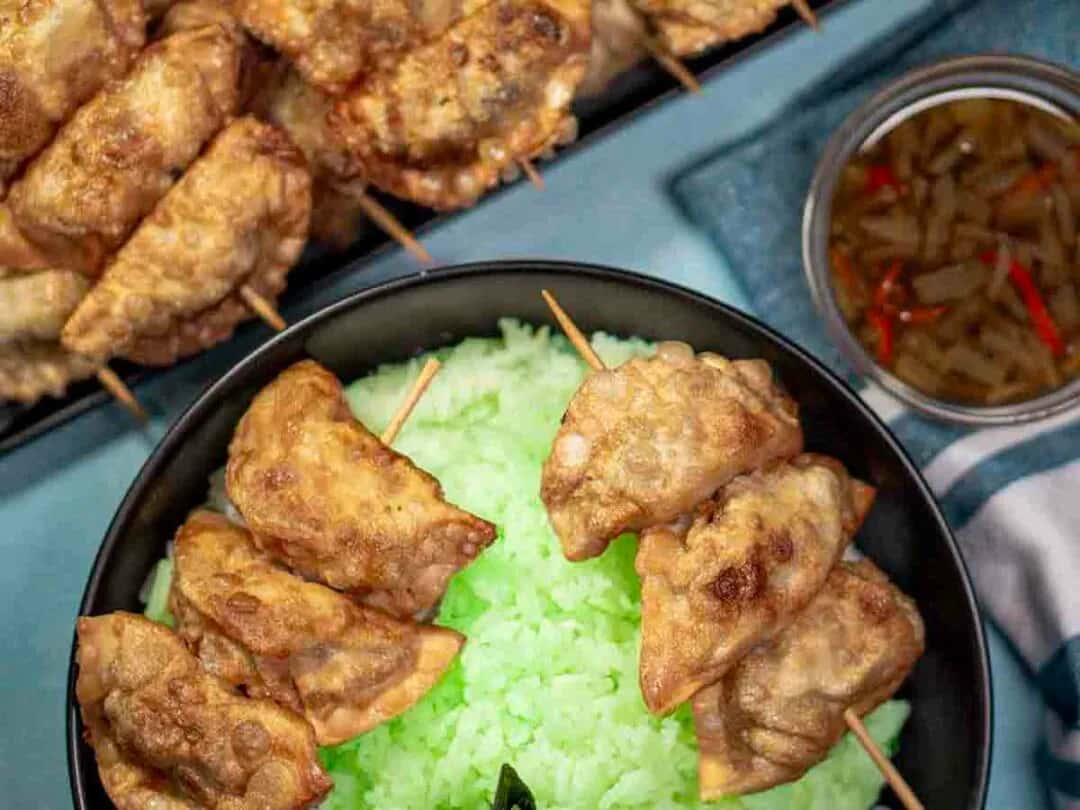
Siomai & Dimsum
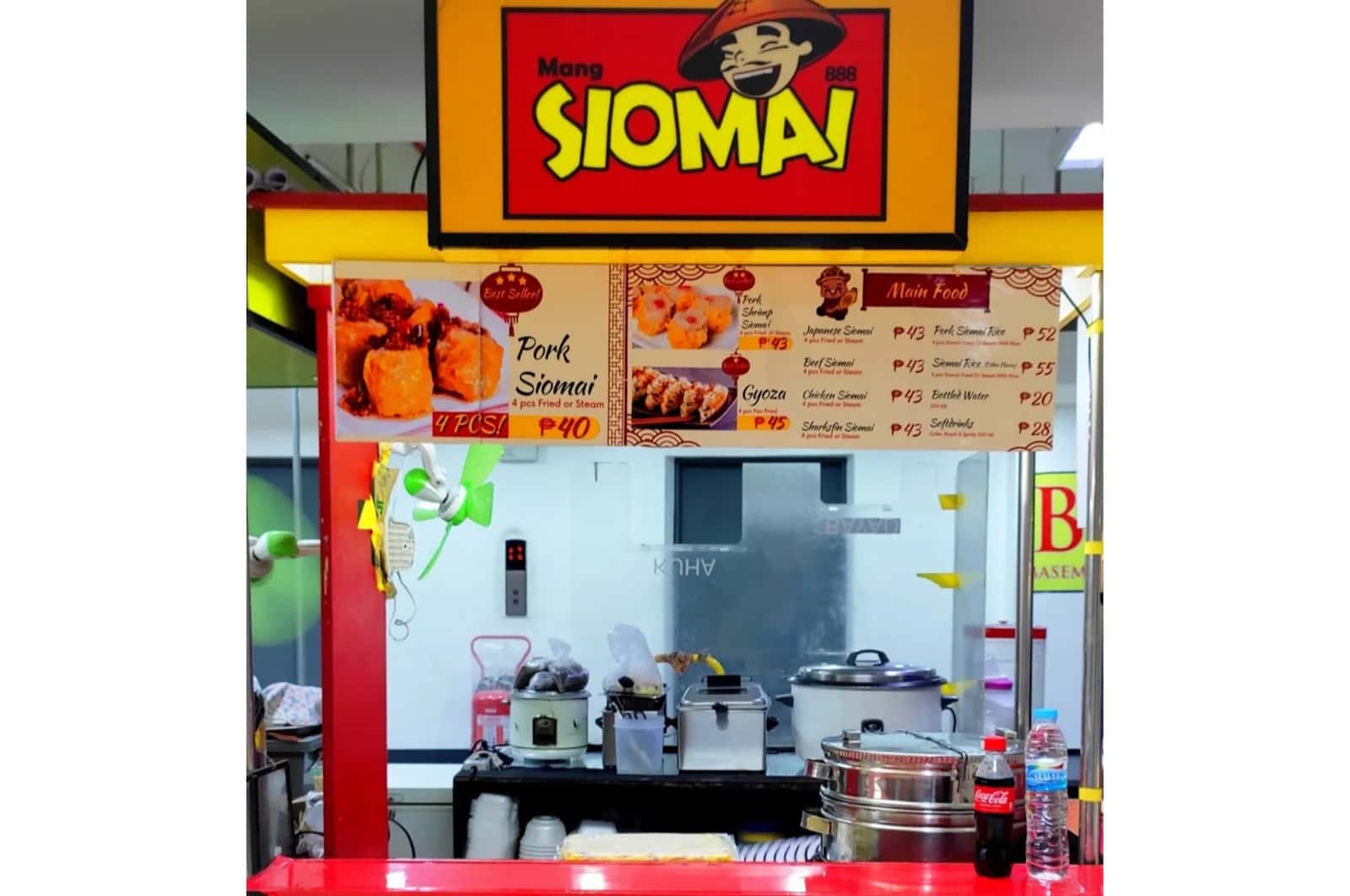
Siomai & Dimsum

Siomai & Dimsum
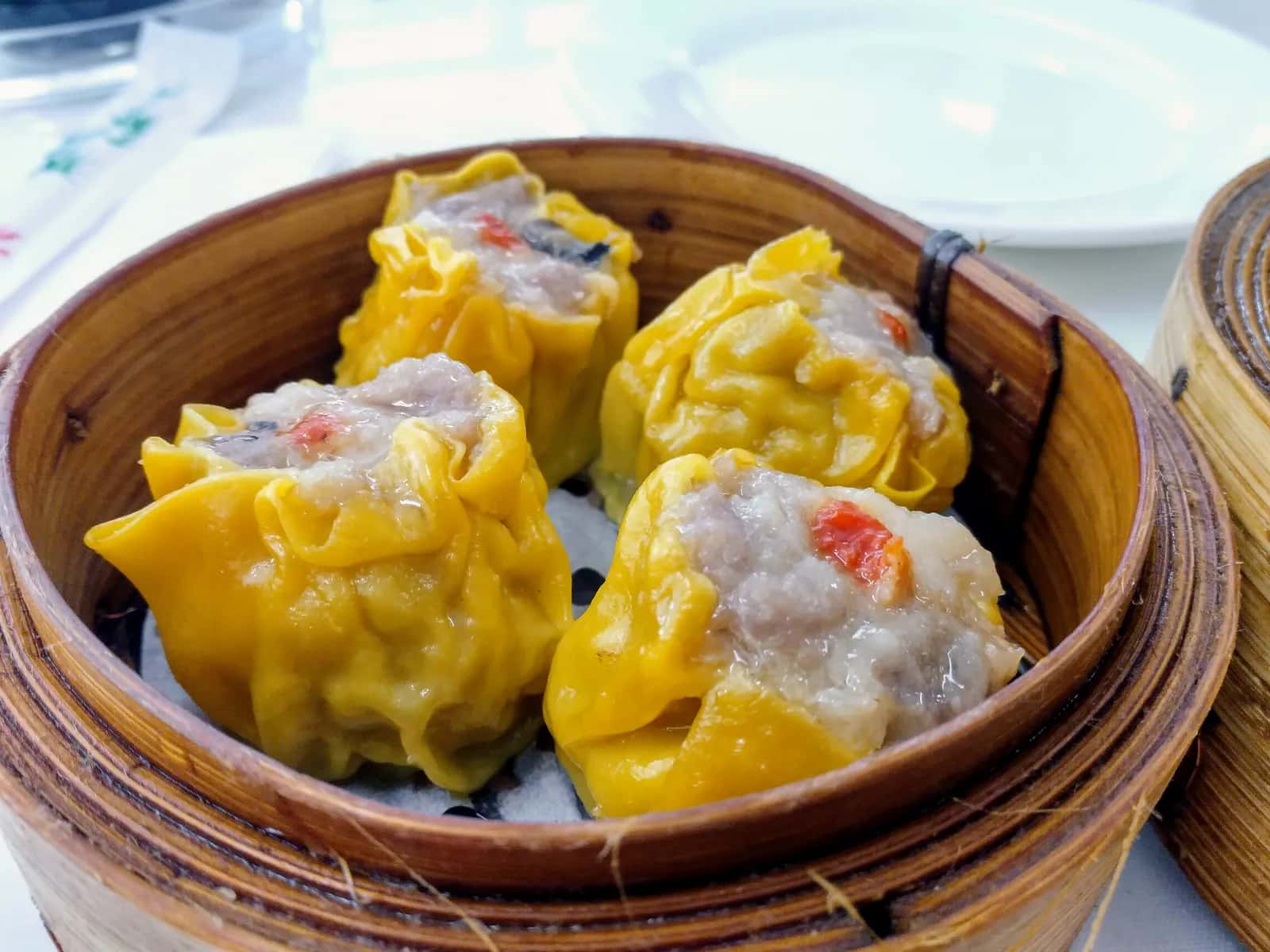
Siomai & Dimsum
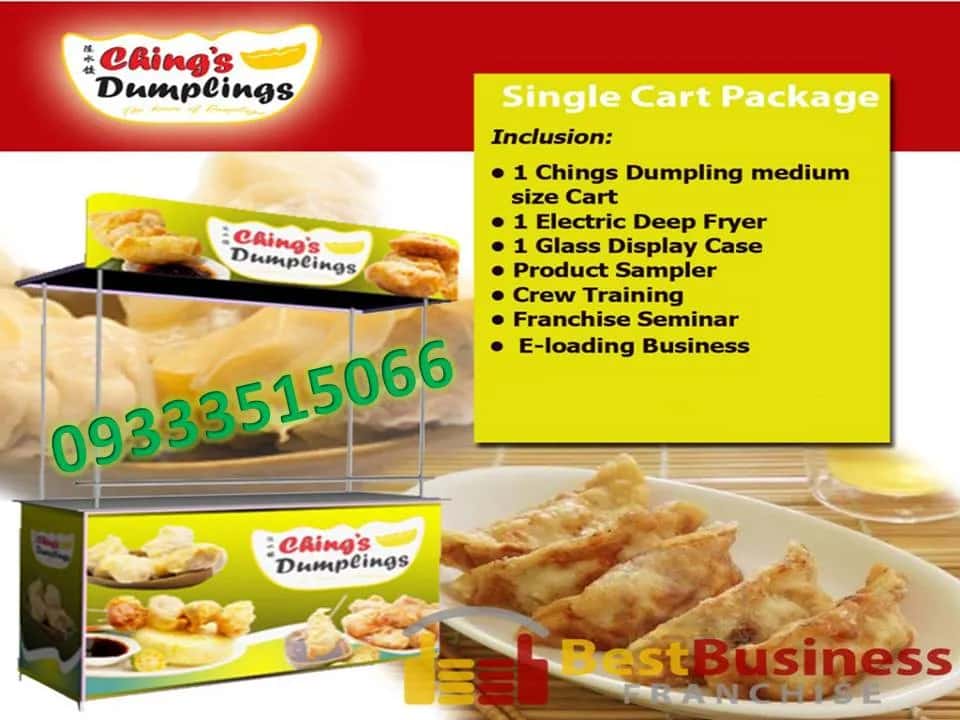
Siomai & Dimsum
Siomai & Dimsum
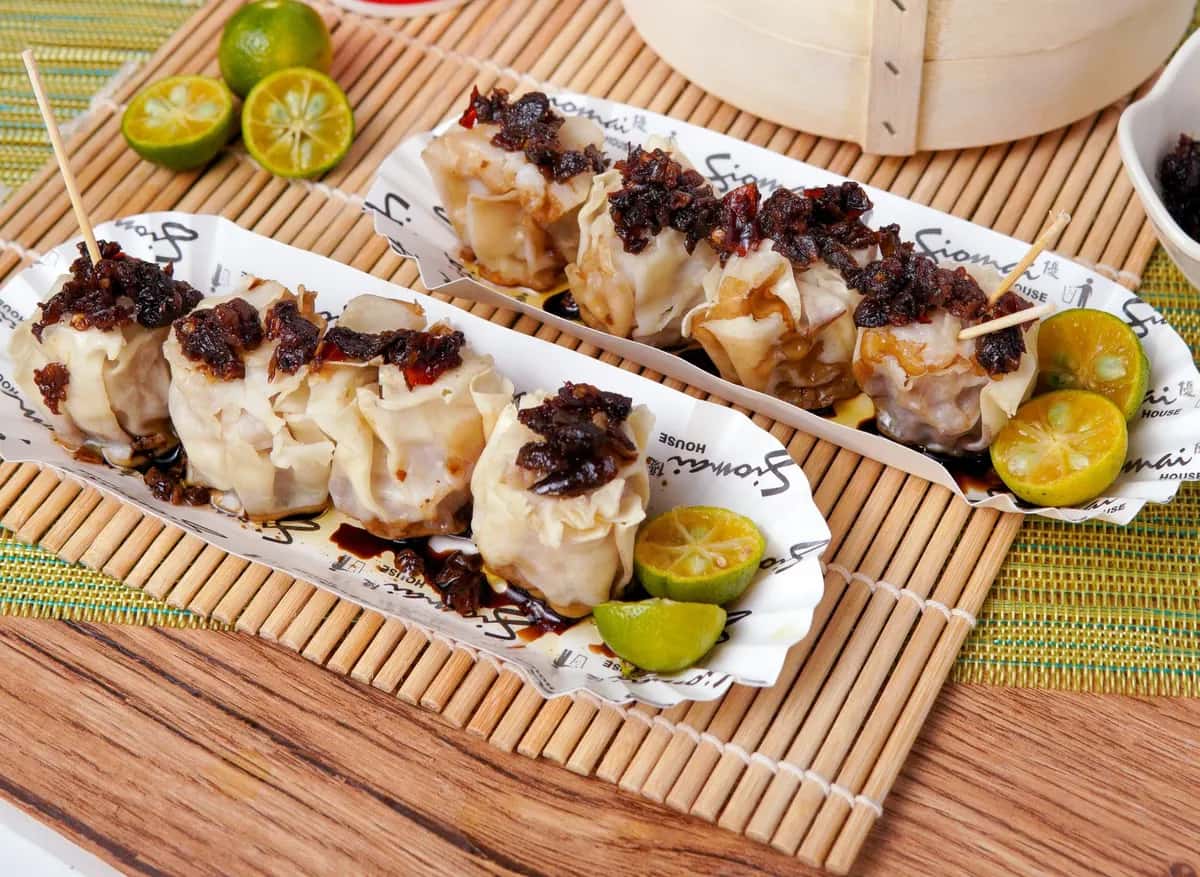
Siomai & Dimsum
Compare siomai & dimsum franchises with other industries at the same budget, each with its own brands, fees and investment ranges.
Compare industries by budget, daily work and payback before you choose one, free and with no pressure.

Learn practical inventory control steps for your Philippine franchise to cut waste, prevent loss, and protect your capital.
Aug 14, 2026 6 min read
Learn how non-compete clauses work when exiting a franchise agreement in the Philippines, protecting your investment after closing.
Jul 20, 2026 5 min read

Learn how to secure financing for your Philippine franchise, from preparation to approval. A practical guide for new operators and OFWs.
Jul 20, 2026 5 min read